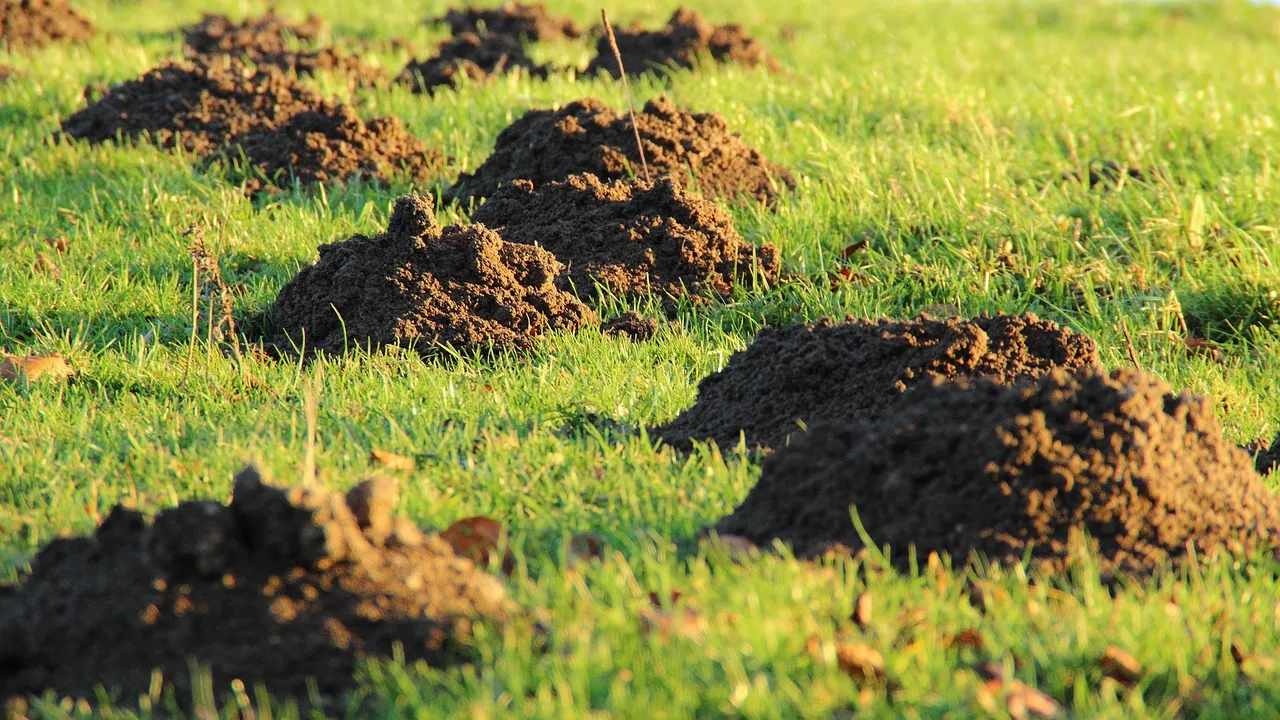

Most people don’t think twice about the patch of grass in their front yard. It’s just there, green when it rains, brown when it doesn’t, and in need of mowing every weekend. Yet that ordinary stretch of turf may be doing far less for the environment than it looks.
Clover is quietly changing that story. Once a staple in lawn seed mixes and later scrubbed out by herbicide culture, it’s making a strong comeback. More homeowners are trading portions of their conventional grass for clover, not just for the low upkeep, but because the ecological rewards are genuinely significant.
The Problem With Conventional Turf Grass
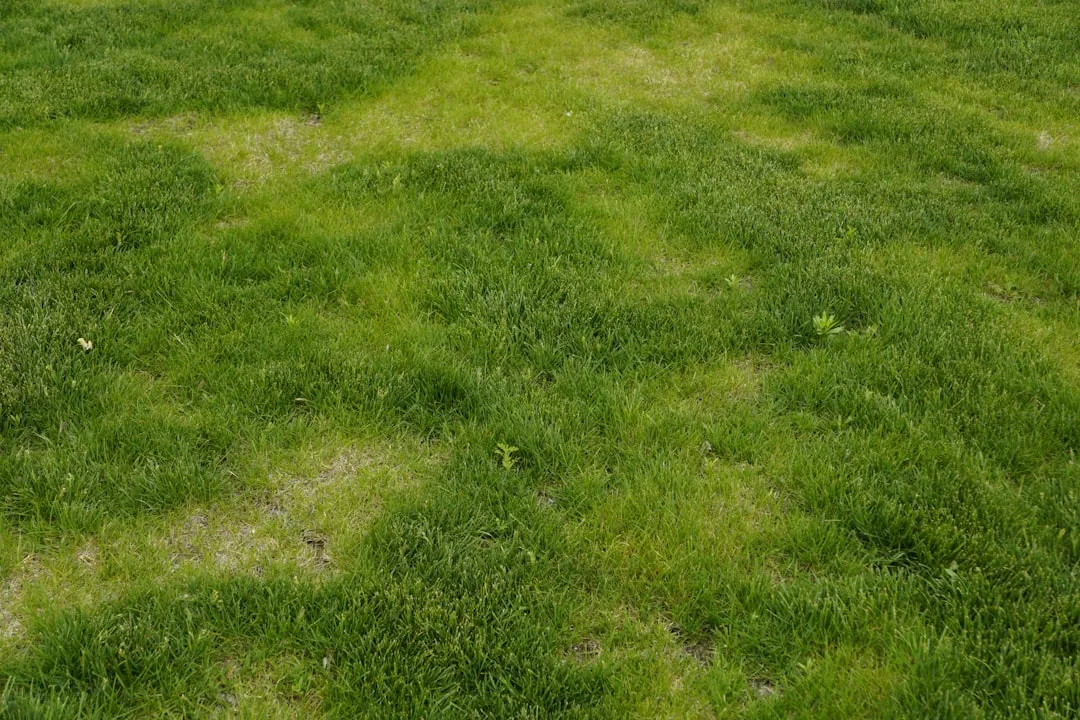
The traditional grass lawn carries a surprisingly heavy environmental load. The EPA states that outdoor water use accounts for nearly 30% of total household water use in the United States, and can climb to as much as 60% in arid climates like the Southwest. A substantial share of that goes directly to keeping grass alive.
It’s estimated that between 40 and 60 percent of the nitrogen fertilizer applied to natural grass lawns ends up in surface groundwater, leading to contamination and impaired ecological systems that impact streams, rivers, ponds, and coastal waters. That’s a cost that rarely shows up on anyone’s lawn care bill.
The average American lawn receives multiple treatments of fertilizers and pesticides yearly, with over 70 million pounds of pesticides applied nationwide. This extensive chemical use raises serious concerns about long-term environmental and health impacts, and contributes to harmful runoff.
A Brief History of Clover in the Lawn
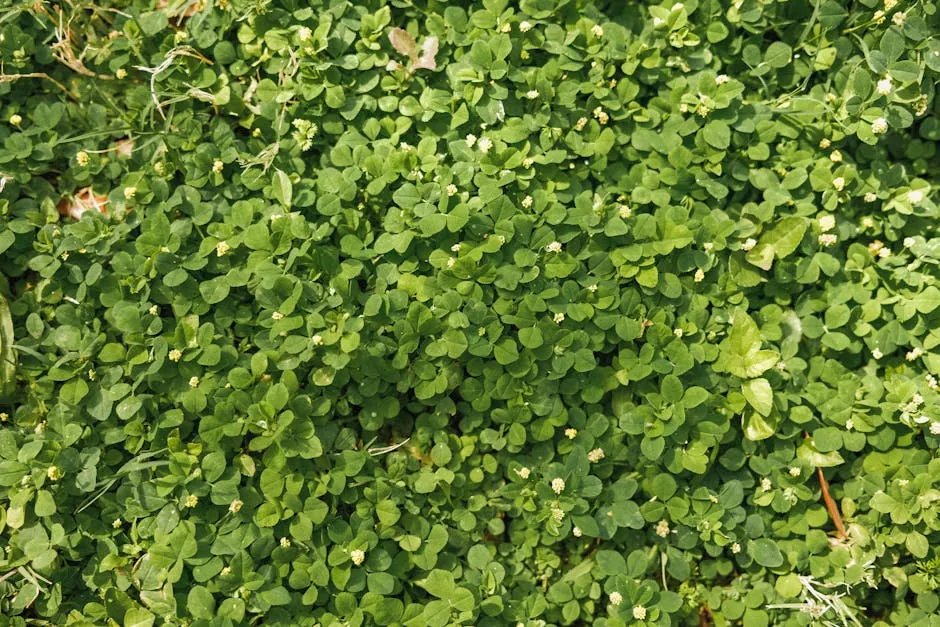
Historically, clover was a common component in lawn seed mixes until the mid-20th century, when herbicides that killed broadleaf plants, including clover, became popular. Its removal from lawns wasn’t ecological. It was commercial.
Recently, clover has seen a resurgence in popularity due to its numerous benefits and compatibility with sustainable gardening practices. The shift is partly driven by climate awareness and partly by people simply getting tired of the effort that traditional lawns demand.
The “No Mow May” movement has steadily grown in popularity since it began in the UK back in 2019 as a way to help save pollinators. Since then, more eco-friendly lawn trends have sprung up, the most recent being clover lawns. Clover sits right at the center of that shift.
Nitrogen Fixation and Soil Health
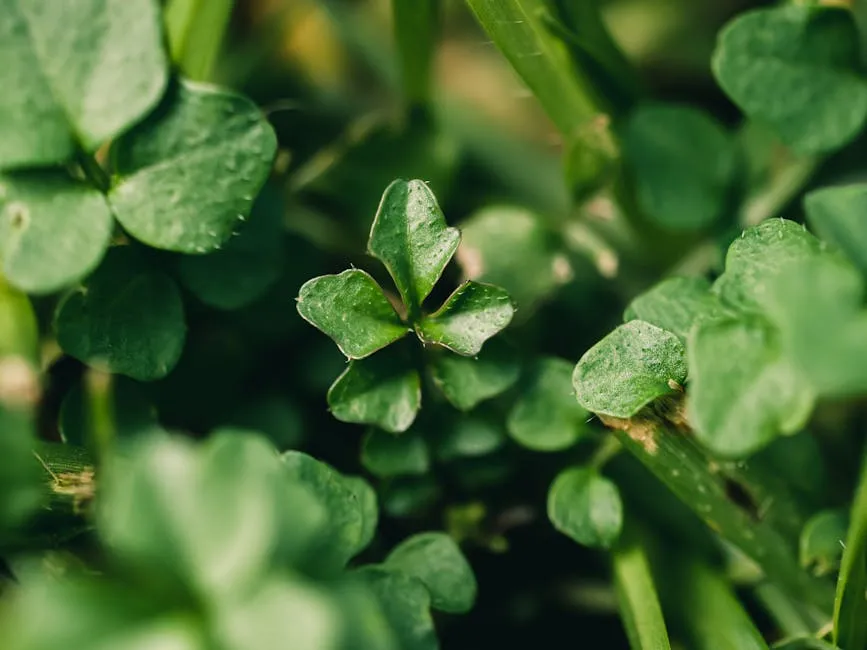
Clover forms a partnership with soil bacteria called Rhizobium to convert nitrogen from the air into a usable food source, so it essentially fertilizes itself. This isn’t a small benefit. It means the ground beneath your clover actually improves over time without any chemical input.
Clover is a nitrogen fixer, meaning it takes nitrogen from the air and enriches the soil with it. This natural fertilization process reduces the need for chemical fertilizers, promoting a healthier lawn and environment.
Clover is a benefit to yards with poor soil, and it can grow in sandy or compacted soils as well. That kind of resilience makes it one of the more practical choices for homeowners dealing with difficult growing conditions.
Supporting Bees and Native Pollinators
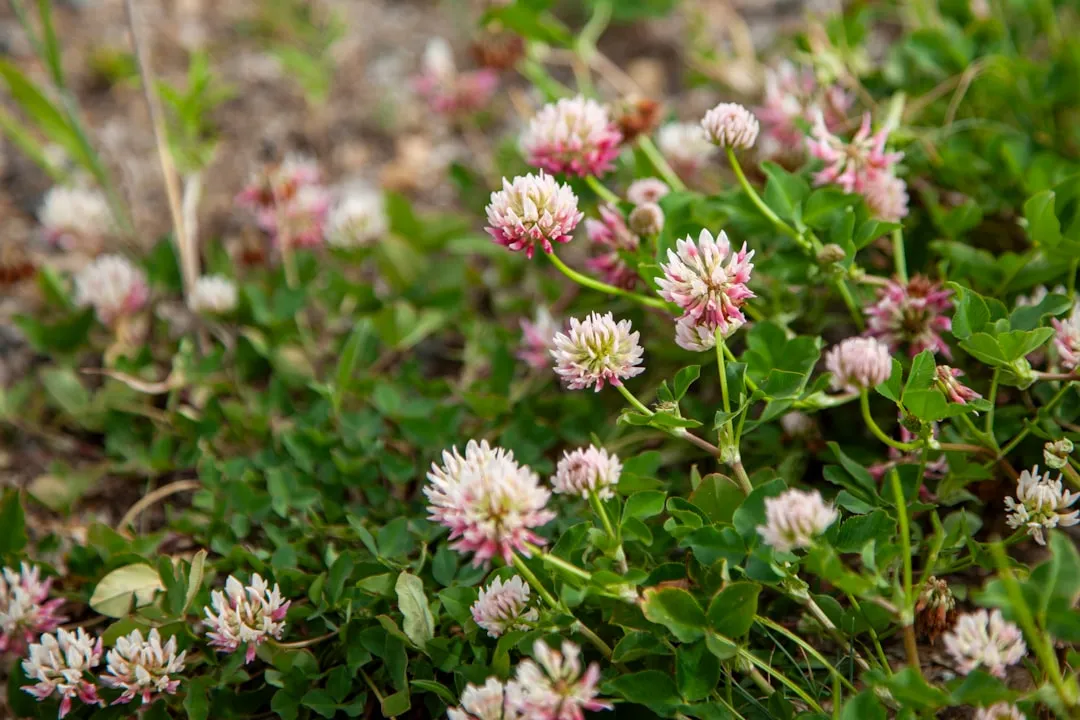
Clover flowers are a magnet for bees and other beneficial insects. By planting a clover lawn, you’re supporting local biodiversity and providing a habitat for these crucial pollinators. That matters more than many people realize.
Research published in February 2025 in the journal Agriculture, Ecosystems and Environment found that ryegrass-white clover intercropping can support diverse pollinator communities. The science increasingly backs what gardeners have observed for generations.
Wildlife lovers are drawn to clover because its flowers can attract honey bees and some native bees. Even replacing a modest section of a conventional lawn with clover creates a new and reliable food source for these insects throughout the flowering season.
Reducing Chemical Runoff Into Waterways
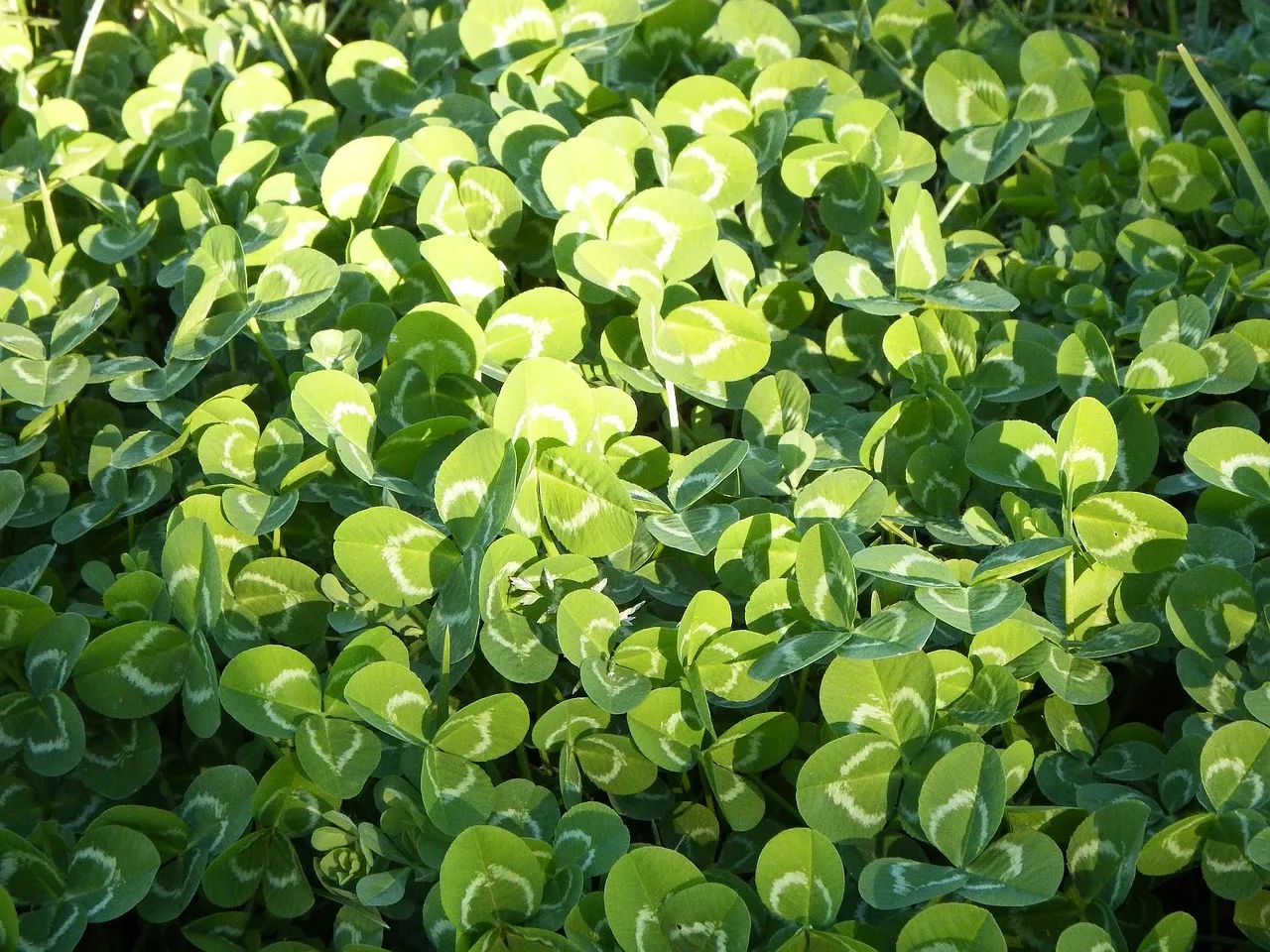
Clover is naturally pest-resistant, reducing the need for chemical pesticides. This leads to a healthier environment for both humans and wildlife. Fewer chemicals in use means fewer chemicals washing off your yard after rain.
Excess fertilizers and pesticides from lawns can run off into waterways, causing nutrient pollution and harming aquatic life. Clover side-steps much of this problem simply by not needing those inputs in the first place.
Clover lawns require less irrigation, reduce chemical runoff, and help prevent soil erosion. Each of those factors compounds over time, especially in neighborhoods where many households make the same shift.
Water Conservation at the Household Level
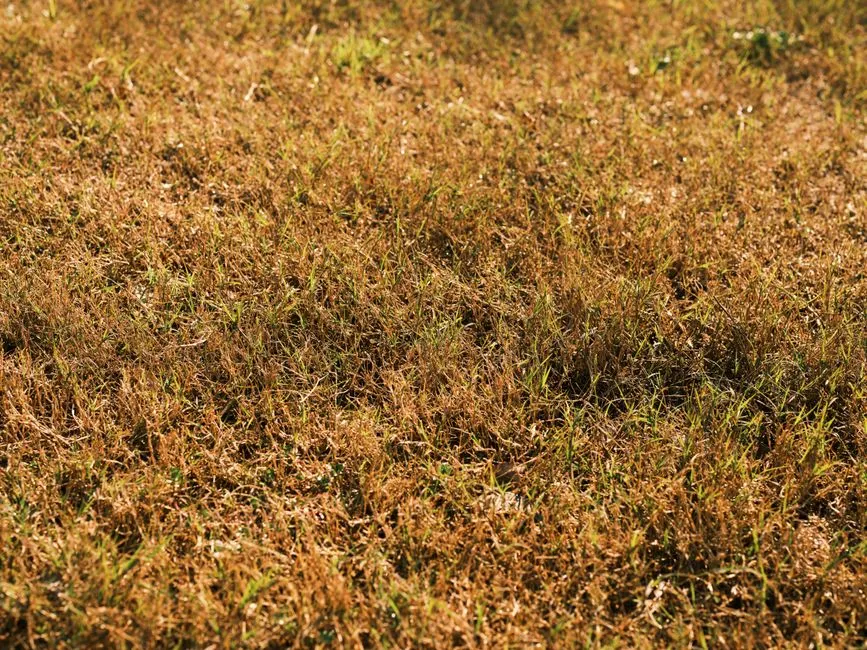
Clover’s deep roots aren’t just moisture retainers but drought warriors. These lawns can endure dry spells without constant watering, making them perfect for diverse climates and providing a resilient, lush landscape.
When mixed with drought-tolerant turfgrass, clover provides shade to the soil, reducing water evaporation and helping grass survive periods of drought. It works as a companion plant, not just a replacement.
Clover lawns are more drought-tolerant than traditional lawns, and they require less water and fertilizer. In regions where summer water restrictions are becoming more common, that distinction carries real practical weight.
Carbon Sequestration and Climate Impact

Clover contributes to carbon sequestration, which can help reduce heat buildup in residential areas. By choosing clover, homeowners actively support healthier ecosystems while lowering their environmental footprint.
When a significant portion of a city is converted from turf grass to non-turf green space like clover lawns and meadows, more CO2 is absorbed, which can help clear the air of pollution. The collective impact of many individual yards adds up faster than most people expect.
A 2025 study published in ScienceDirect investigated clover planted beneath solar panels and found that analysis at 24 sampling sites revealed measurable carbon gains in the surface soil, estimated at approximately 3.4 tonnes of carbon dioxide equivalent per hectare per year. That’s a meaningful figure for what is essentially just ground cover.
Reducing the Carbon Footprint of Lawn Maintenance
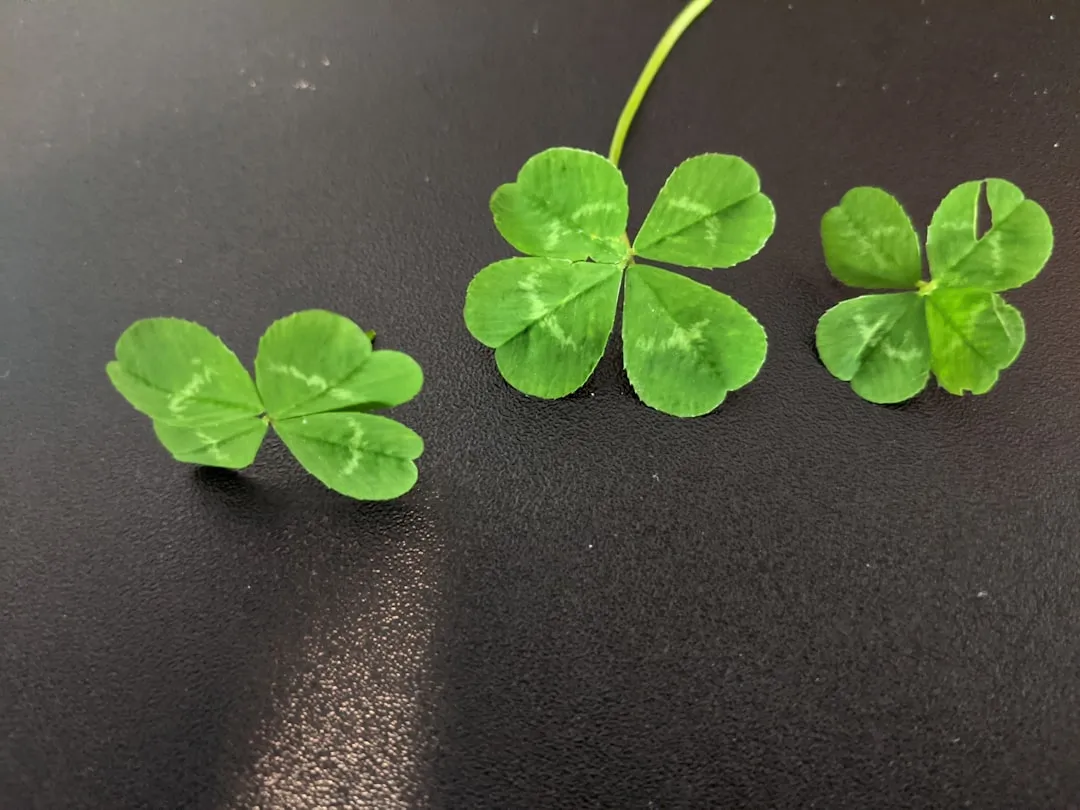
Clovers usually need less mowing, resist weeds, many are drought- and shade-tolerant, and they fix nitrogen in the soil, eliminating the need for fertilizer. These attributes are welcomed by those looking to reduce carbon emissions and pollution by requiring less mowing, herbicides, and fertilizers.
Less reliance on fossil-fuel-powered lawn equipment directly reduces your carbon footprint. It’s one of those situations where doing less is genuinely better for the environment.
Lawn maintenance, including mowing, fertilizing, and watering, often relies on fossil fuels and synthetic chemicals, contributing to greenhouse gas emissions. Clover, by its nature, makes most of that work unnecessary.
Biodiversity Beyond Just Bees
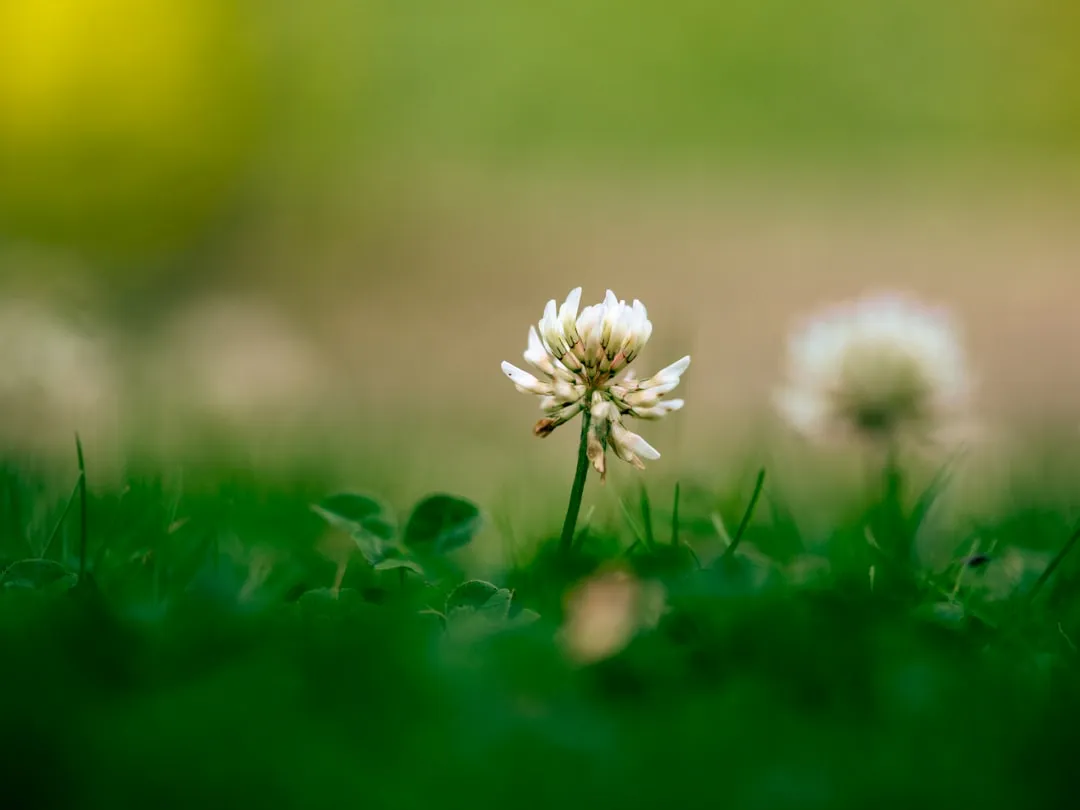
The inclusion of flowering plants like clovers attracts pollinators and supports essential ecosystems. The absence of pesticides also ensures the health of beneficial insects and other organisms, contributing to the overall resilience of the local environment.
With its natural resistance to many pests, clover lawns reduce the need for chemical pesticides. This not only helps in maintaining a more organic garden but also supports local biodiversity. The ripple effect extends to birds, soil microbes, and small insects that most homeowners never notice but that form the base of functioning local food webs.
Clover lawns provide essential habitat for beneficial insects. When flowering, clover attracts bees, butterflies, and other pollinators that support local biodiversity. A single yard won’t transform an ecosystem, but many yards working together in a neighborhood can create meaningful corridors for wildlife.
How to Start Without a Full Lawn Overhaul
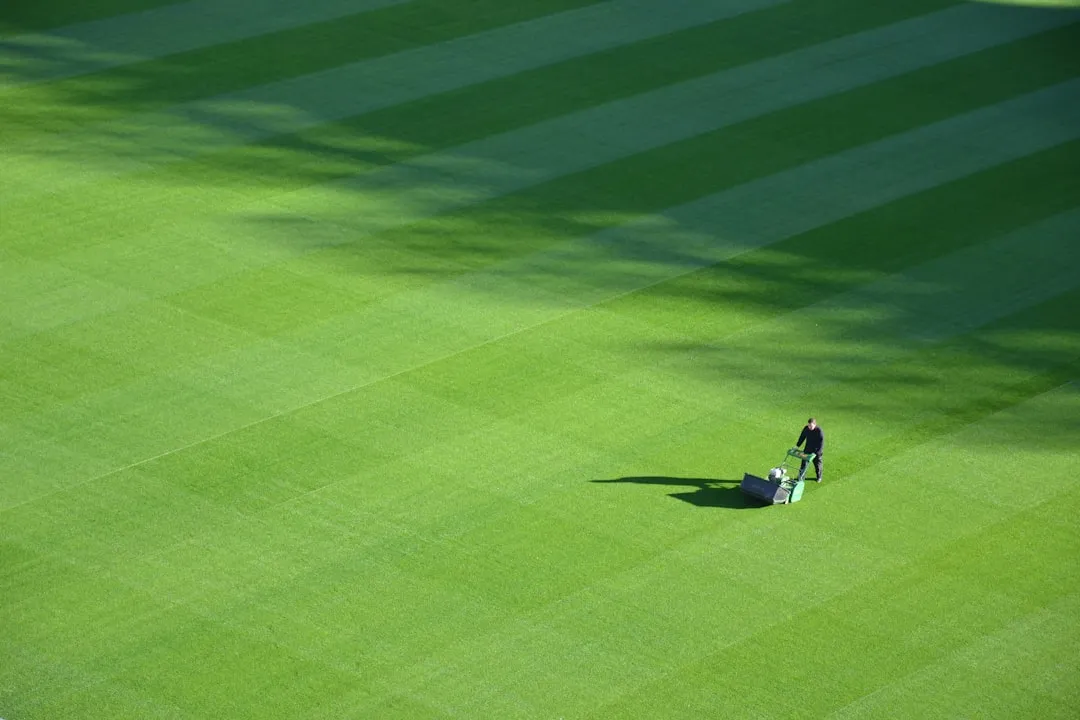
You don’t have to rip out your entire lawn to make a difference. For those who aren’t ready for a total lawn replacement, overseeding grass with Miniclover could be a good choice. It’s one of the gentler entry points into the practice.
Most experts recommend mixing clover with traditional grass or with a variety of different clover species for an even, green lawn. Overseeding your existing lawn with clover will retain your grass lawn’s look while giving you the benefits of clover.
White clover seed for lawns costs an average of about $10 to $13 per pound. With coverage of about half a pound of clover seeds per 1,000 square feet, it can cost as little as $20 to seed 4,000 square feet of lawn. For something with this level of environmental payoff, the cost of entry is surprisingly low.
Conclusion
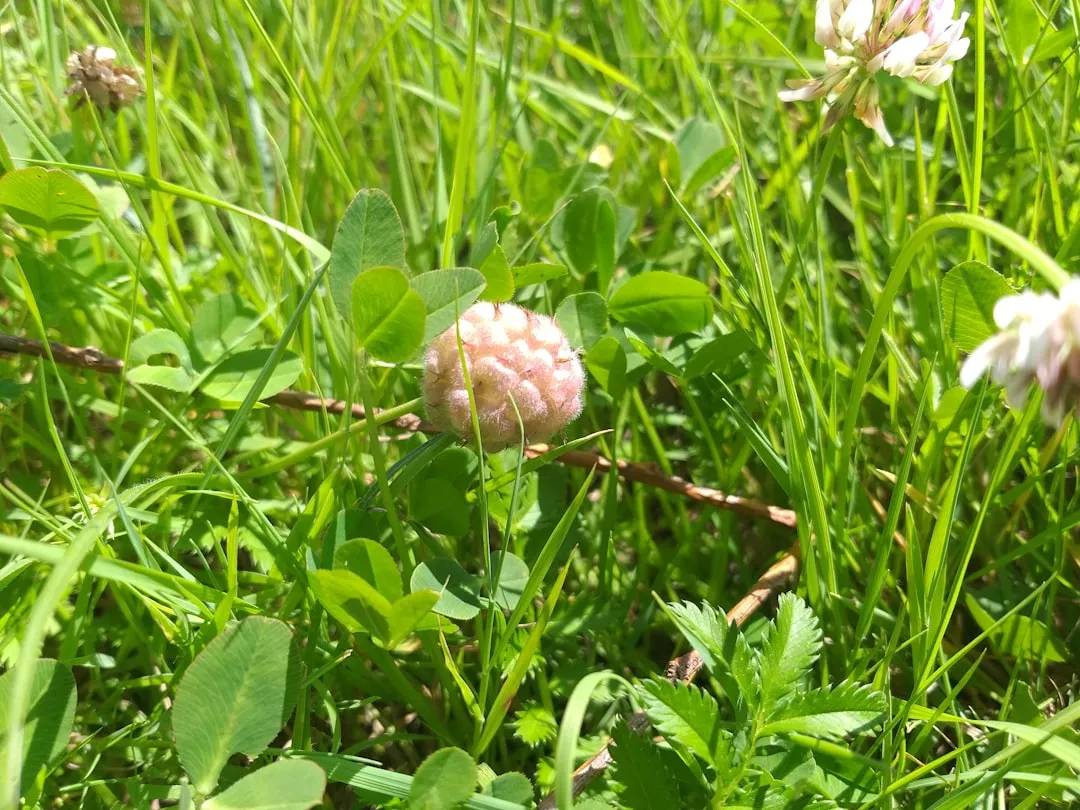
Swapping even a portion of your lawn for clover isn’t a dramatic sacrifice. It requires less water, less fertilizer, less mowing, and far fewer chemicals. What it gives back, in terms of soil health, pollinator support, and reduced runoff, is disproportionately large compared to the effort involved.
The wider trend reflects a growing awareness that the perfectly manicured lawn was never as neutral as it appeared. Professor Sharon Jae Hall of Arizona State University thinks there’s a sweeping shift at play: as extreme weather events continue, people are beginning to realize that we need to do something different to protect our ways of life.
Clover won’t save the world on its own. Still, it’s a quiet, practical way to make your yard part of the solution rather than part of the problem. Sometimes the most grounded changes are the ones that happen a few square feet at a time.
AI Disclaimer: This article was created with the assistance of AI tools and reviewed by a human editor.