

Somewhere between a record-breaking year for national park visits and a growing awareness that our wild places are showing real strain, something has shifted in the culture of camping. More people are arriving with trowels instead of just tents, with repackaged food instead of bulging trash bags, with a genuine curiosity about how to leave things better than they found them.
With U.S. national parks achieving a record 331.9 million recreation visits in 2024, overflow pressure on adjacent public lands continues intensifying. That number isn’t just impressive – it’s a stress test for every trail, meadow, and backcountry campsite in the country. The Leave No Trace movement has quietly grown into one of the most practical and consequential responses to that pressure.
A Movement Built on Seven Principles
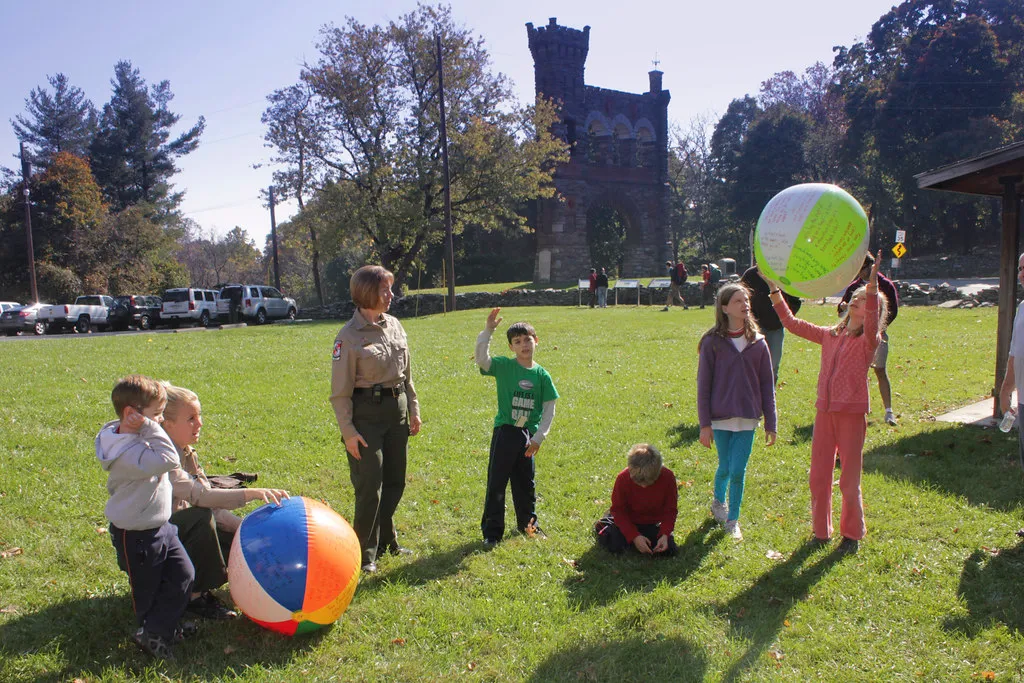
Leave No Trace is a set of guidelines that help protect the places we live and visit, a set of actions we can all take to become better stewards of the land, and a movement we can all join to take care of our natural spaces. It’s not a single rule or a bumper sticker philosophy – it’s a framework deliberately designed for real-world outdoor situations.
These principles were established by the Leave No Trace Center for Outdoor Ethics, and built on work by the U.S. Forest Service, National Park Service, and Bureau of Land Management in the mid-1980s. Decades later, they remain the backbone of responsible outdoor recreation across every type of terrain.
The seven principles are well-established and widely known, but not static. Leave No Trace continually examines, evaluates, and reshapes the principles and conducts research to ensure they are up to date with the latest insights from biologists, land managers, and other leaders in outdoor education.
Record Visitation, Real Consequences

KOA’s 2026 Camping and Outdoor Hospitality Report reveals that over 52 million North American households camped in 2025, exceeding pre-pandemic participation levels, and these campers are driving a $66 billion economic footprint. That’s a remarkable figure – and it underscores just how much weight public lands are now carrying.
Excessive visitation to wilderness has the potential to degrade the landscape and its ecosystem processes, as well as detract from the human-oriented wilderness experience. The concern isn’t hypothetical. Rangers, land managers, and trail crews across the country have been watching this unfold firsthand.
A wilderness needn’t be “overused” to suffer from visitor impacts: a small number of outdoor recreationists who fail to practice Leave No Trace principles – say, by traveling and camping on vulnerable surfaces such as lakeshore vegetation or cryptobiotic soil, trashing campsites, or fouling water sources – can leave quite the mark on even a lightly-visited wilderness.
Plan Ahead and Prepare: The Most Underrated Principle
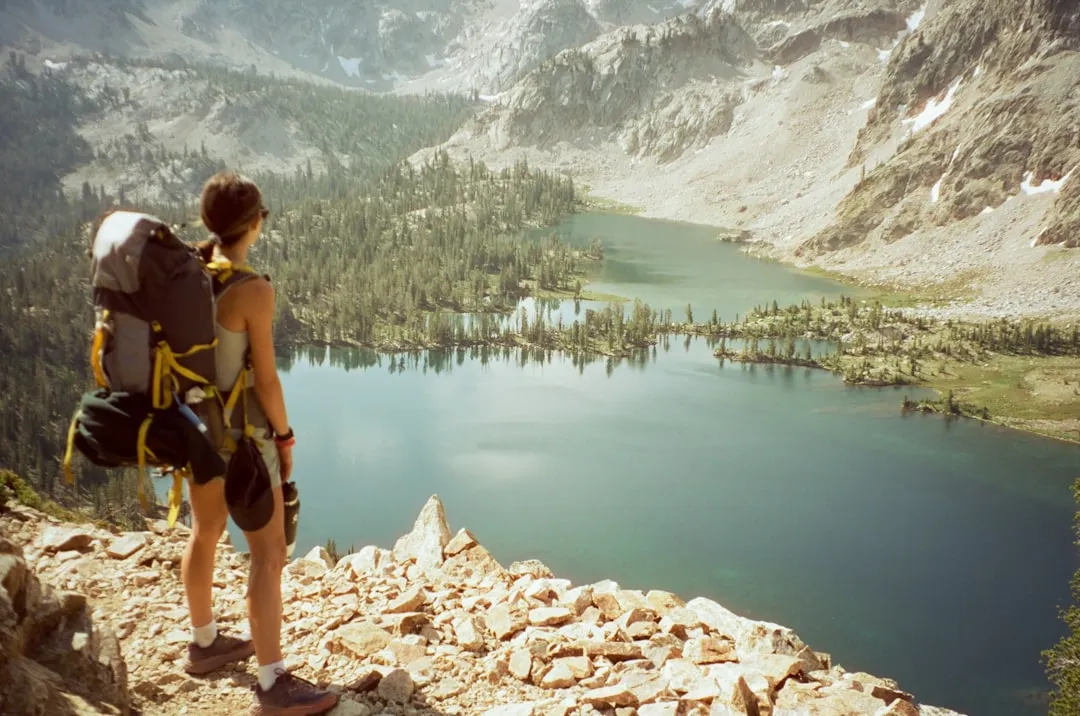
Adequate trip planning and preparation helps any traveler accomplish trip goals safely and enjoyably, while simultaneously minimizing damage to the land. It sounds simple. In practice, it separates a responsible trip from an improvised one with real consequences.
The U.S. Forest Service advises visitors to know the regulations and special concerns for the area they’ll visit, prepare for extreme weather, hazards, and emergencies, and schedule trips to avoid times of high use. These aren’t bureaucratic formalities – they’re the difference between distributing foot traffic wisely or piling it onto already-stressed areas.
Visiting in small groups when possible, considering splitting larger groups into smaller ones, and repackaging food to minimize waste are all part of the planning process that most first-time backcountry visitors never think about until they’re already on the trail.
Camp on Durable Surfaces: Where You Sleep Matters
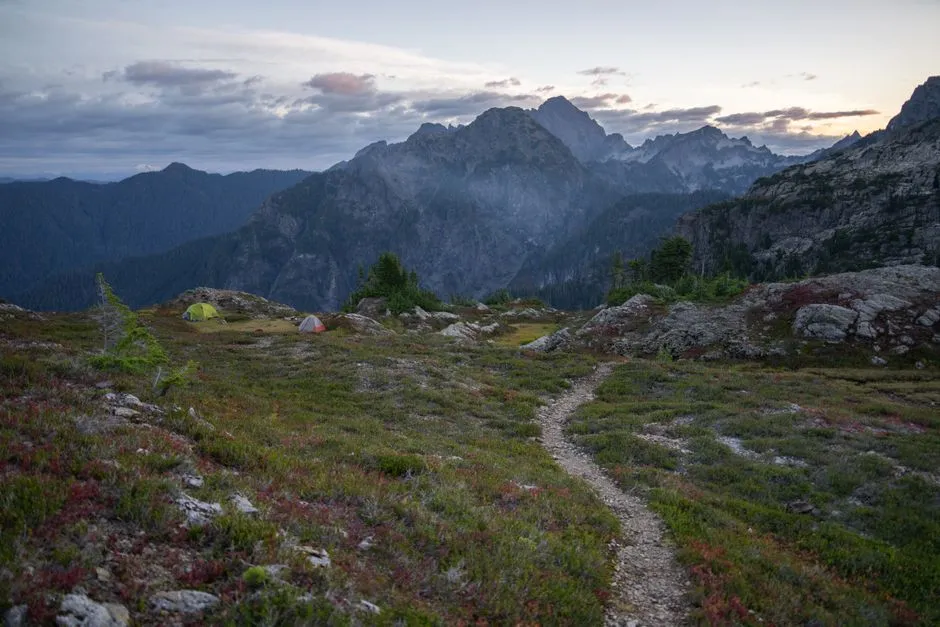
Durable surfaces include maintained trails and designated campsites, rock, gravel, sand, dry grasses, or snow. Choosing where to pitch a tent isn’t just a comfort decision – it determines whether fragile vegetation survives the night or gets permanently trampled.
Durable surfaces include established trails and campsites, rock, gravel, dry grasses, or snow, and campers should protect riparian areas by camping at least 200 feet from lakes and streams. That 200-foot rule is particularly critical given how easily stream banks and lake edges erode under repeated pressure.
Keeping campsites small and focusing activity in areas where vegetation is absent are habits that seem minor in isolation but compound into significant protection across thousands of visitor nights each season.
Disposing of Waste Properly: A Growing Crisis on Public Lands

Twenty-five percent of National Park Service managers reported that inadequate disposal of human waste was a common problem in many of their backcountry areas. That’s a sobering statistic – and the problem has only intensified with rising visitation numbers.
Pathogens in human waste can remain active for a long time – over a year in outdoor environments – meaning that waste left behind today can cause severe gastrointestinal disease and other sicknesses for future visitors. This is not a minor inconvenience. It’s a genuine public health and ecological concern.
The Bureau of Land Management now requires pack-out in many deserts and alpine zones, and nearly every river canyon where soils cannot effectively process waste. In Colorado, the problem has gotten so severe that in the Eagle-Holy Cross District of the White River National Forest, the U.S. Forest Service now requires visitors to take their human waste out with them.
Campfire Impacts: The Scar That Lasts

The location of a campfire irreparably changes the chemical composition of the soil beneath it, essentially burning it and turning it to ash, which prevents the forest floor, healthy bacteria, and vegetation from repairing and replenishing itself in that spot. A single fire in the wrong place can sterilize a patch of ground for years.
Campers and hikers collecting kindling and firewood have in many heavily trafficked backcountry locations cleared all branches and twigs within arm’s reach, depriving birds and wildlife of needed nest-making materials, and once a fire is roaring, it super-heats and effectively sterilizes the ground below, sometimes preventing vegetation from growing back for some time.
Standing trees, dead or alive, are home to birds and insects, and fallen trees also provide bird and animal shelter, increase the soil’s water-holding capacity, and recycle nutrients back into the environment through decomposition. That “harmless” branch you snapped for kindling was serving a purpose before it ended up in your fire ring.
Leave What You Find: Protecting the Integrity of Wild Spaces
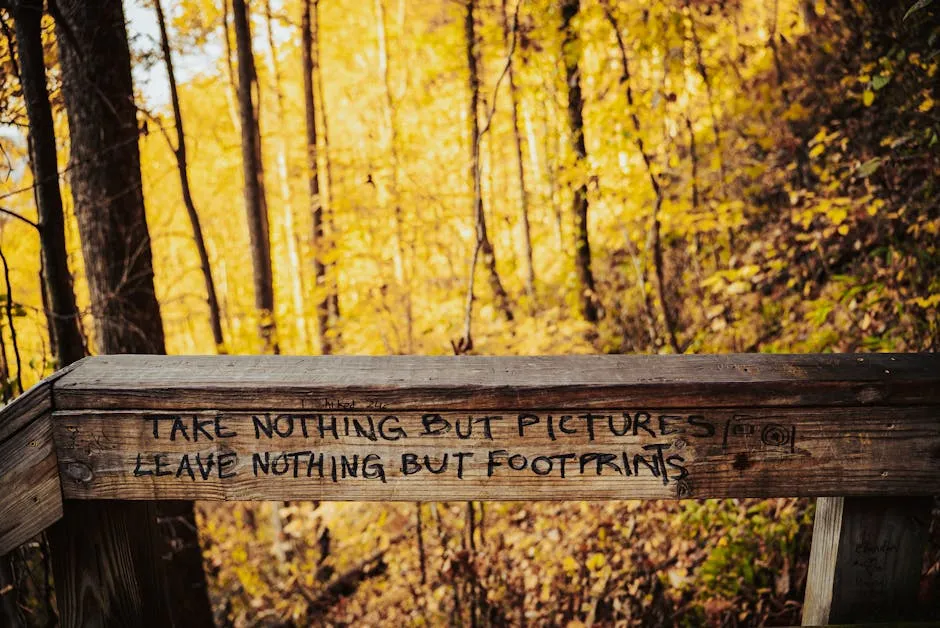
Leave No Trace is a set of principles that empower people visiting the outdoors to leave nature as unchanged by their presence as possible – a way of protecting the natural world to keep outdoor spaces enjoyable for generations to come. The “leave what you find” principle is at the quiet heart of that idea.
Moving rocks can disturb the soil and make an area more prone to erosion, with knock-on effects on fragile vegetation and the ecosystem. Even something as seemingly innocent as rearranging stones for a photo can initiate a chain of ecological disruption.
Unauthorized cairns are also a danger as hikers use them to navigate trails, and random cairns can cause hikers to get lost and damage the landscape. What starts as a creative impulse can leave trails harder to follow and landscapes more fragmented than before.
Respecting Wildlife: Distance Is an Act of Care
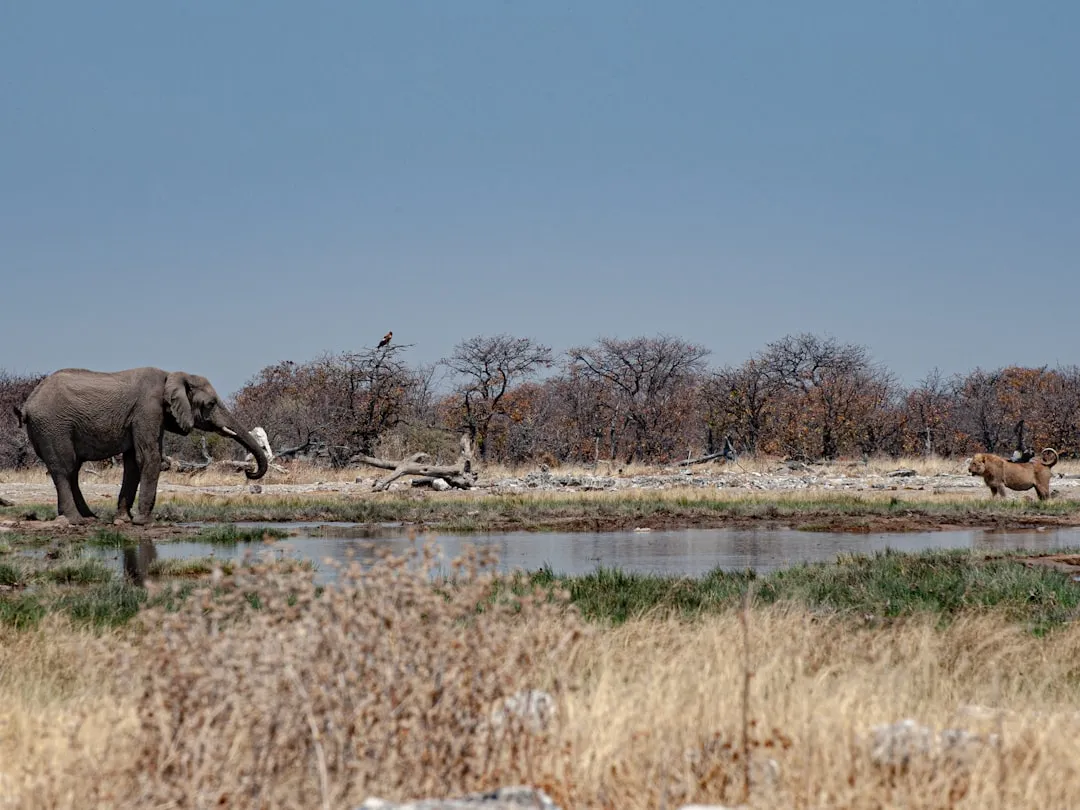
Feeding wildlife damages their health, alters natural behaviors, habituates them to humans, and exposes them to predators and other dangers. It’s one of the most common mistakes well-meaning campers make – a handful of trail mix extended with good intentions, with genuinely bad outcomes for the animal.
Controlling pets at all times and avoiding wildlife during sensitive times – mating, nesting, raising young, or winter – are practices that reduce the likelihood of stress and displacement for species that already face enough pressure from shrinking habitats.
Protecting wildlife and your food by storing rations and trash securely matters for both the animal and the camper. Bears that learn to associate campsites with food are eventually removed or euthanized – a consequence that begins with a poorly stored bag of granola.
Education as Infrastructure: Teaching the Next Generation

Research shows that people who learn and practice LNT principles take those ethics with them wherever they go – it’s not just about wilderness, it’s about everyday life. The habit of treading lightly doesn’t stay on the trail. It travels home with people.
In West Virginia, the Department of Tourism is working with schools to provide LNT education to all 5th graders and has educated over 1,500 kids, with this early education approach being key to creating a culture of conservation from a young age. These kinds of programs represent a long-term investment in the health of public lands that no trail crew alone can accomplish.
KOA’s 12th annual report features new insights from Leave No Trace on responsible outdoor recreation, a sign that the movement is reaching mainstream camping audiences, not just seasoned backcountry travelers. That’s a meaningful shift in where the conversation is happening.
Small Habits, Cumulative Impact

While it may be difficult to notice the impact from any single action, thousands of people may visit the same sites every day, and these cumulative impacts – the adding up of impacts over time – are where we see a noticeable difference in the health of the ecosystem. That’s the core logic of the whole movement: no single camper is the problem, but every camper is part of the solution.
Research conducted in popular hiking areas found that properly designed trails and Leave No Trace education reduced soil erosion by up to 92 percent and decreased trail widening by up to 81 percent. Those are not small numbers. They represent what consistent, informed behavior at scale actually looks like in practice.
Practicing Leave No Trace is just that: a practice. It is not about being perfect, it is about doing the best we can as often as we can. That framing matters – it makes the ethic accessible rather than paralyzing, and it lowers the barrier for new outdoor visitors to participate.
The Bigger Picture: Public Lands at a Crossroads

Visitation to Bureau of Land Management properties has increased by 46 percent since 2006, according to the Outdoor Alliance. The land isn’t growing. The number of people arriving at its edges is. That tension is what gives the Leave No Trace movement its urgency in 2026.
Overall, Leave No Trace education plays an important role in helping visitors understand how they can minimize their biophysical impacts when recreating in wilderness. Education remains the most scalable tool available to land managers – far cheaper and more lasting than physical barriers or permit restrictions alone.
We must adapt LNT’s ethical focus and expand its principles to address broader and deeper drivers of environmental harm – for example, traveling less and cultivating a closer relationship with our local environments. The conversation about what it really means to protect public lands is still evolving, and that’s a healthy sign.
The most durable protection any wilderness can receive isn’t a fence or a regulation – it’s a visitor who genuinely understands why the small habits matter. Pack it out. Stay on the trail. Keep your fire small. These aren’t inconveniences. They’re the cost of admission to places worth protecting.
AI Disclaimer: This article was created with the assistance of AI tools and reviewed by a human editor.