
Not every outdoor space gets to be treated gently. Garden paths, play areas, and the strips between stepping stones take a beating week after week, and ordinary grass doesn’t always hold up. That’s where traffic-tolerant groundcovers come in. These plants are tough enough to bounce back after being stepped on repeatedly, while also doing quiet work underneath, suppressing weeds, retaining moisture, and filling in bare patches that would otherwise turn to mud.
The challenge is knowing which plants actually perform under pressure and which ones just look the part in a catalog photo. Walkable groundcovers are important to choose carefully, since these plants must have the ability to bounce back relatively quickly after being walked on. The ten options below are grounded in horticulture sources and real-world performance data.
1. Creeping Thyme (Thymus serpyllum)
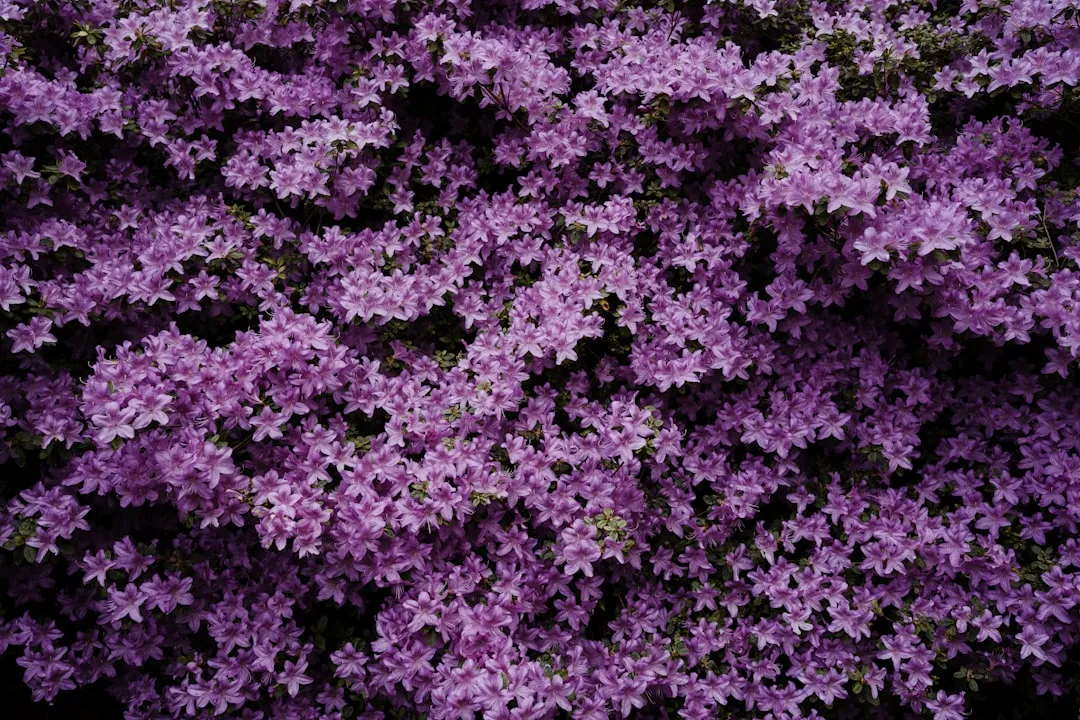
Creeping thyme spreads across the ground in a dense, fragrant mat with tiny leaves and delicate pink, purple, or white flowers that bloom in late spring to early summer. It can handle some light foot traffic and even smells great when stepped on, because the crushed leaves release some of the aromatic oils.
Woolly thyme in particular tolerates more foot traffic than other creeping thymes, and the original Thymus serpyllum, growing only three inches tall, produces a thick blanket of pink flowers. Because of its ability to withstand moderate foot traffic, creeping thyme can also be used as an easy-care lawn substitute, especially on sunny hillsides and slopes.
It is low maintenance once established, and thrives in poor soil conditions such as nutrient-poor sandy, rocky, and loamy soil, as long as the drainage is good. Creeping thyme, and all thymes, are also deer and rabbit-resistant.
2. Green Carpet Rupturewort (Herniaria glabra)
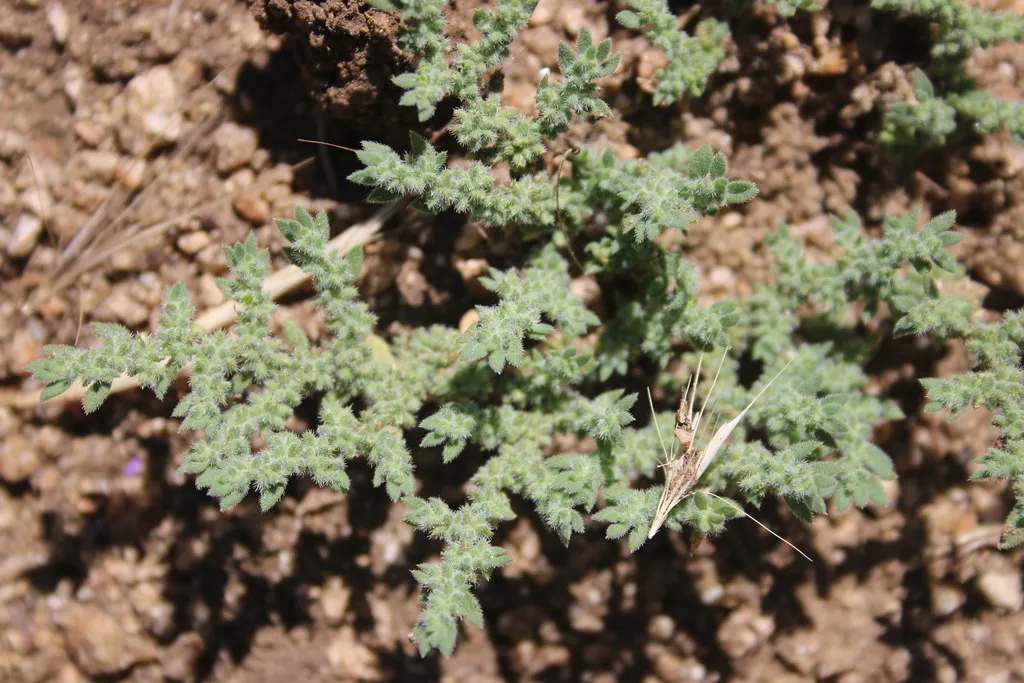
Green carpet rupturewort is sometimes used as a grass replacement in lawns, and it can handle heavy foot traffic while being quite drought tolerant once established. This tough plant can handle daily foot traffic and has even been noted to withstand the weight of vehicles.
Green carpet rupturewort thrives in well-draining, sandy, or gravelly soils and performs best in full sun to partial shade, tolerating drought once established, making it ideal for USDA zones 4 to 8. It gradually creates a carpet of tiny green leaves that turn bronzy red in fall and winter.
Its flowers are tiny and barely noticeable, and it produces tiny seeds, which is how it spreads in the landscape, making it otherwise easy to manage. For sheer durability in heavily walked areas, few groundcovers rival it.
3. Woolly Thyme (Thymus pseudolanuginosus)
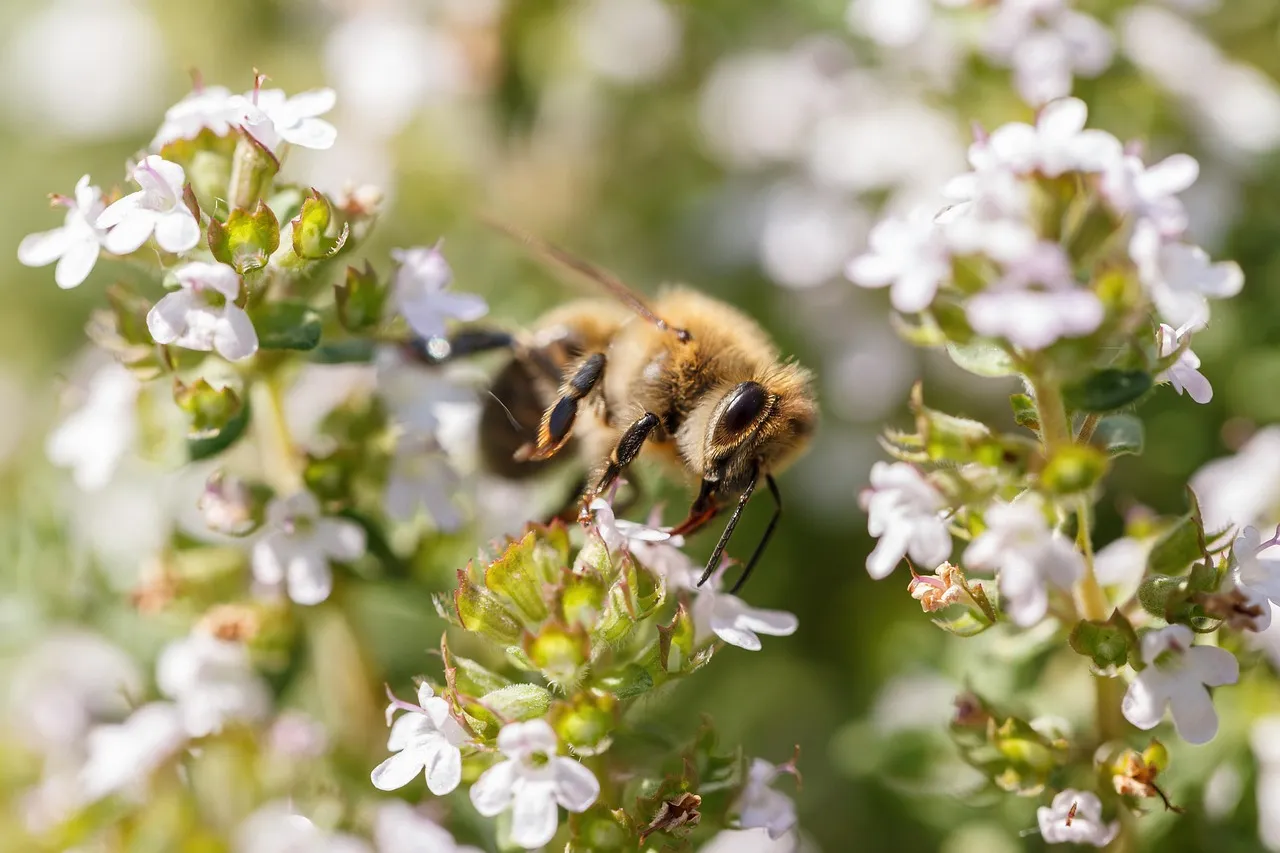
Woolly thyme forms a dense, fuzzy mat of silvery-gray leaves that are soft to the touch, and it tolerates drought, foot traffic, and poor soil, making it a standout groundcover. Dense, gray-green leaves heavily covered by fine hairs give this plant a distinctly woolly appearance while making it especially resilient to foot traffic, and it is smothered by pale pink flowers in early summer.
Woolly thyme grows quickly, tolerates foot traffic, and creates a lovely lawn. It blooms with small pink tubular flowers in summer, loves the sun, and can also tolerate some partial shade, typically staying under six inches tall.
Its soft, tactile surface makes it one of the most pleasant groundcovers to actually walk across barefoot. It’s a common pick for garden paths in Mediterranean-style landscapes where water conservation is a priority.
4. Ajuga / Bugleweed (Ajuga reptans)
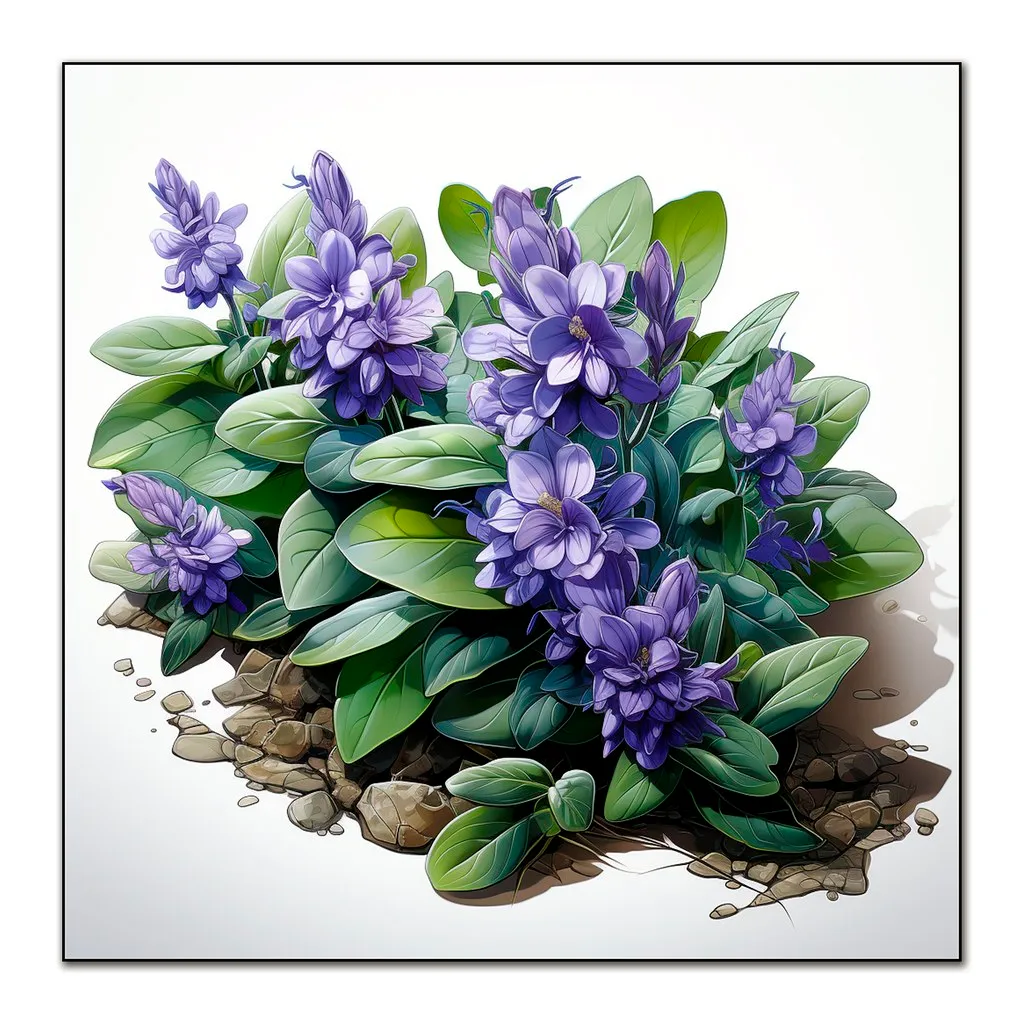
Ajuga reptans, or bugleweed, is a low-growing, evergreen groundcover that’s incredibly popular for its violet-blue flowers in spring and for its stunning deep purple foliage throughout the growing season. Known for its dense, carpet-like growth and vibrant colors, ajuga can handle regular foot traffic.
It spreads by stolons, which allows it to fully cover an area relatively fast, preventing weeds and soil erosion, and it produces flower spikes in spring that attract bees and butterflies. It grows well in shady, wet spots, but in some areas of the U.S. it can spread too much and crowd out other plants.
If you’re planting ajuga, it’s worth checking your regional invasive species lists first, as blue bugle (Ajuga reptans) spreads aggressively and is considered invasive in states outside of North Carolina. In appropriate settings, though, its tolerance for shade and foot traffic makes it genuinely useful.
5. Blue Star Creeper (Isotoma fluviatilis)
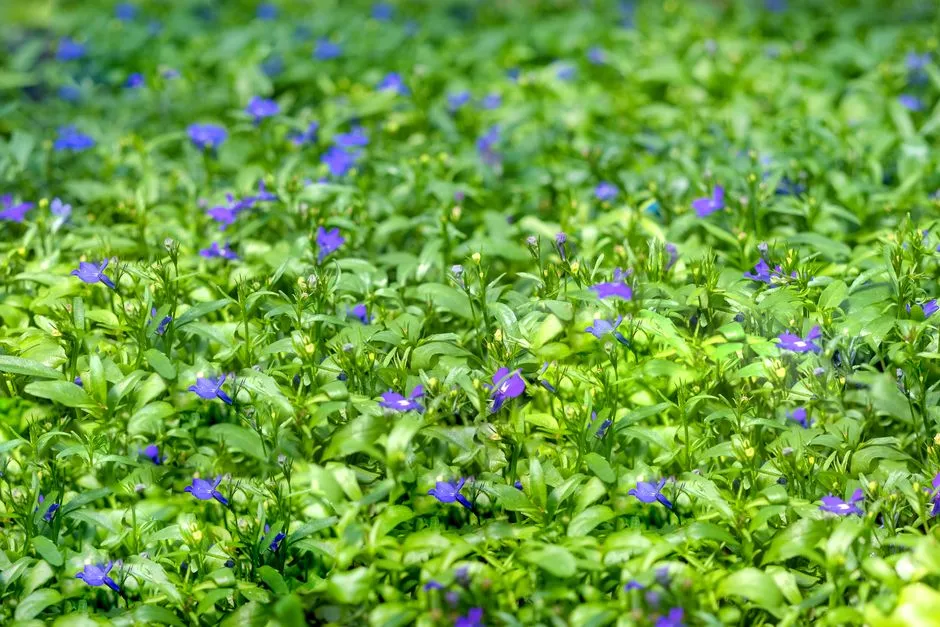
Blue star creeper is a fast-growing groundcover for foot traffic that produces blue, star-shaped blooms in spring and early summer, and it should be planted where its rambunctious nature won’t be a problem. It can tolerate light foot traffic, making it perfect for pathways or a no-mow lawn alternative, and it is great for tucking into empty areas of the garden between stepping stones or under shrubs.
This vibrant groundcover features pale blue, star-shaped flowers and can be used as a lawn alternative; while it can be aggressive in cool, moist areas, it is tough enough to handle light foot traffic with regular watering.
It is a good choice for a shade garden because it only needs about two hours of direct sunlight each day, and it typically grows well in zones 6 to 8 when planted in moist, loamy soils, with delicate sky-blue blooms appearing throughout the spring and summer.
6. Irish Moss (Sagina subulata)
Irish moss is a low-growing, evergreen, perennial groundcover in the carnation family with deep green moss-like leaves and tiny white daisy-like flowers; it forms a dense mat of slender stems that root at the nodes and tolerates moderate foot traffic. It thrives in zones 3 to 8, forming dense mats one to two inches tall.
Irish moss does best in moderately fertile, acid to neutral soil, in full sun with some midday shade, and does not do well in intense heat or drought; it prefers cool, moist conditions and rocky or sandy soil. Use Irish moss where a very low, fine-textured carpet of green or gold is desired, such as around stepping stones, between flagstones, or at the edges of a path.
It tolerates occasional stepping but may show wear with heavy daily traffic. It’s a particularly good fit for mild, cool climates where it can stay lush without constant irrigation.
7. Sedum / Stonecrop (Sedum spp.)
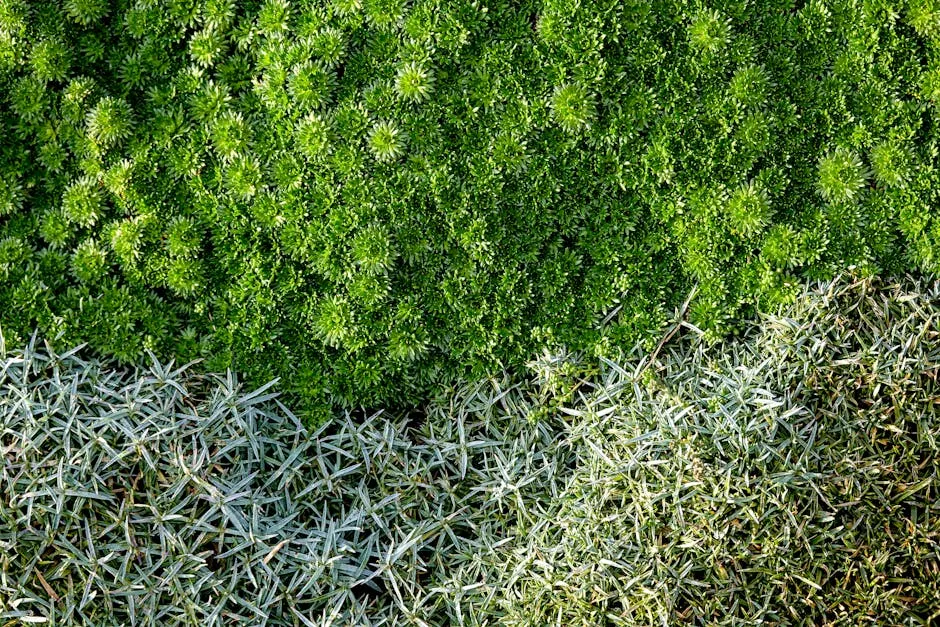
Stonecrop, or sedum, is a heat- and drought-tolerant plant that can withstand high humidity and poor soil, and it is strong enough to handle some foot traffic. Heat- and drought-resistant sedum groundcovers are perfect for sunny, exposed locations and require minimal care; creeping varieties like ‘Dragon’s Blood’, ‘Tricolor’, ‘Blue Spruce’, and ‘Kamtschaticum’ work especially well for this purpose.
Sedum also attracts pollinators with its late-summer flowers. Technically, sedum can handle being stepped on, though the foliage gets a crushed, trampled look before eventually springing back.
Sedum is one of the more forgiving options for dry, rocky spots where other groundcovers simply give up. Its water-storing succulent leaves mean it stays green even when neglect is the primary care strategy.
8. Dwarf Mondo Grass (Ophiopogon japonicus)
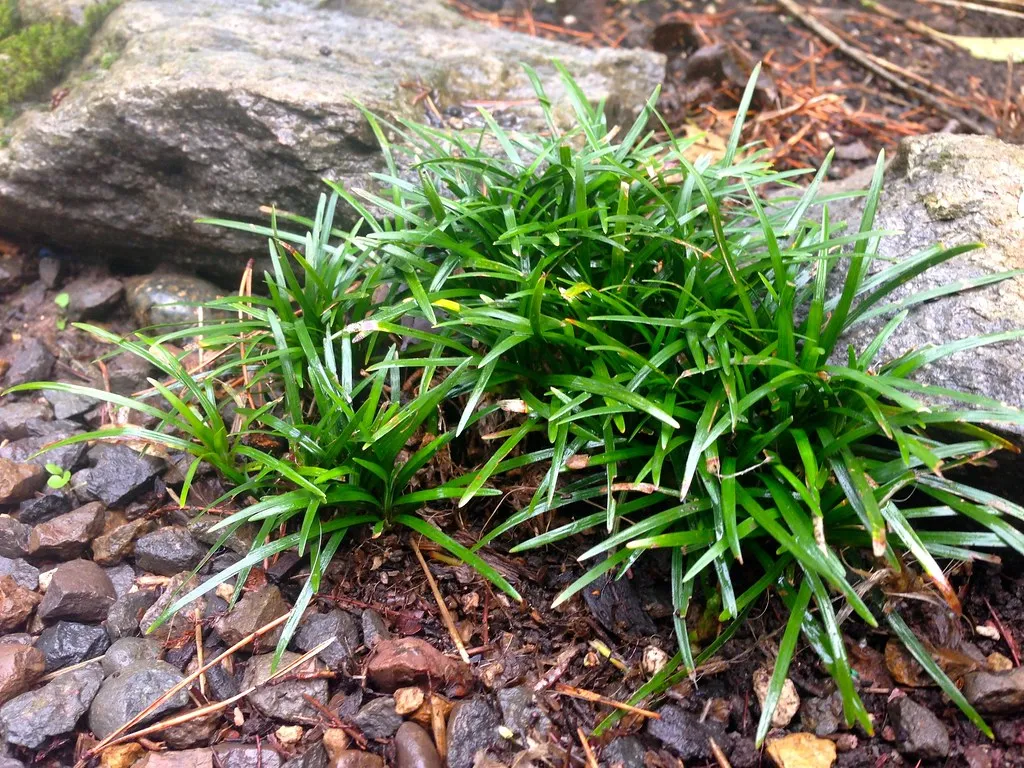
Mondo grass is a care-free ground cover that adds texture to the landscape, and it originated in Japan and China where it is known as the traditional ground cover of many Japanese gardens. It is sun tolerant, highly salt-tolerant, resists deer and foot traffic, and as an evergreen groundcover, it forms a mat by runners known as stolons.
This dwarf variety, only half the size of others, creates a lush groundcover of dense, dark green, grass-like clumps, and is excellent as an edging plant or in rock gardens; it is evergreen and striking in mass plantings. Dwarf mondo grass makes a good lawn substitute, is great for borders or mass planted as a groundcover, and tolerates varying amounts of foot traffic.
Technically not a grass at all but more closely related to the lily family, it is also able to grow under black walnut trees since it is juglone-resistant, which solves a problem that defeats most other groundcovers.
9. Kurapia (Lippia nodiflora)
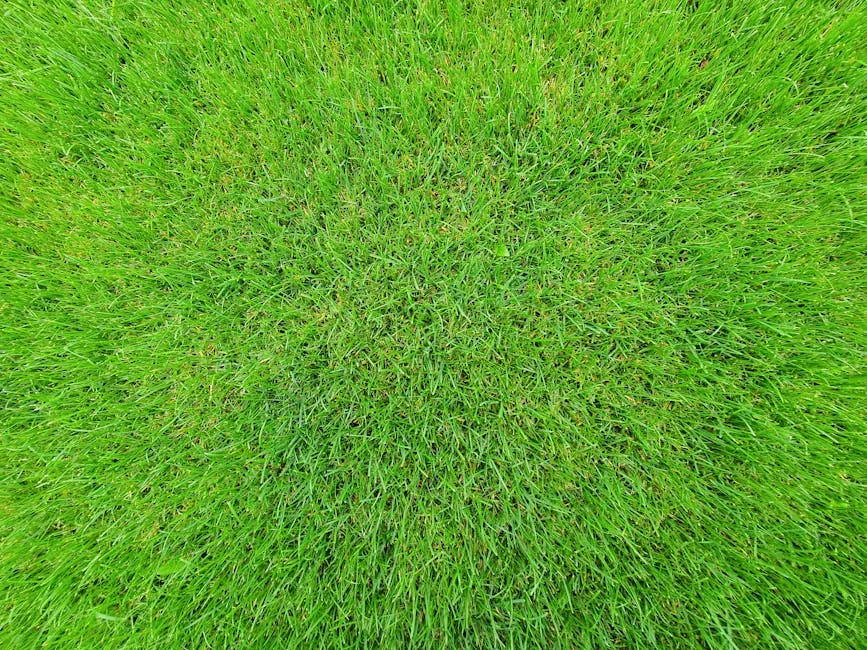
Kurapia may be the leading non-grass alternative to bermudagrass to consider in warm climates like southern Arizona. Kurapia is considered to save on the cost of water, fertilizers, mowing, and labor when compared to bermudagrass.
Kurapia is sterile and does not produce viable seeds; plants are propagated by cuttings and are planted as plugs, which are small rooted cuttings in a cone of soil. If spaced 18 inches apart, the plants should establish and achieve coverage of the area in approximately three months.
Kurapia will stay green year-round when mowed just twice a year. It is a strong choice for sun-drenched southwestern and Mediterranean-climate gardens where conventional lawns are water-intensive and high-maintenance.
10. Creeping Mazus (Mazus reptans)
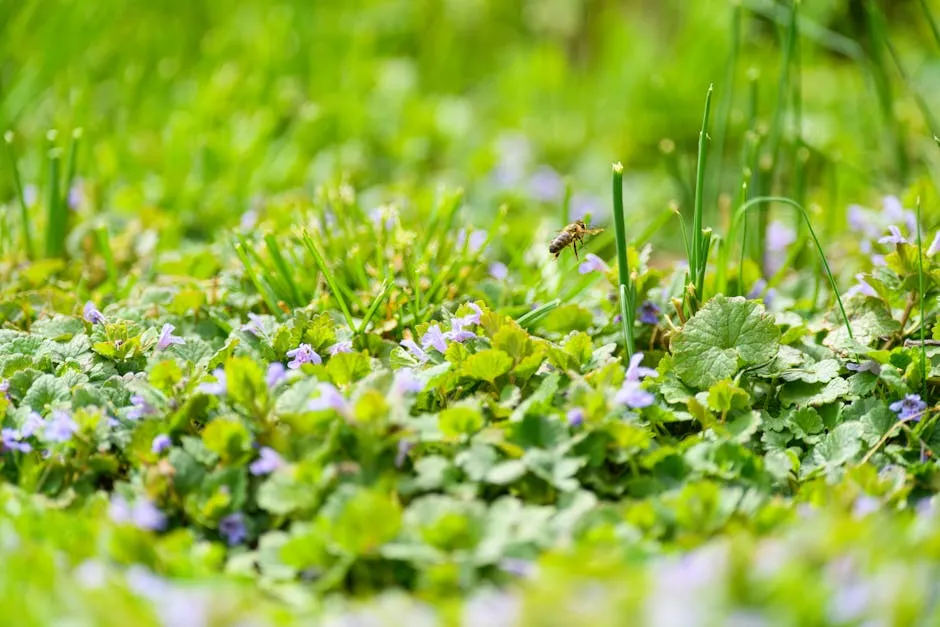
This fast-spreading plant blooms in May and June with pale purple flowers with yellow and white speckled centers, is often used as a lawn substitute, and thrives in sun to part sun as a great groundcover you can walk on. Creeping mazus is a low-growing plant with pale purple flowers that is perfect for areas with moderate foot traffic.
Creeping mazus thrives in full to part sun and can stand up to heavy foot traffic as long as it receives adequate water. Groundcovers you can walk on are versatile plants that may also crowd out weeds, conserve moisture, prevent soil erosion, and provide habitat for beneficial pollinators.
Its small stature and dense spreading habit make it especially well suited for the narrow strips between stepping stones where most plants refuse to cooperate. The spring bloom is genuinely attractive, turning a pathway into something that looks intentional rather than merely practical.
Choosing the Right Fit for Your Space

Consider the suitability of ground covers not only for their looks but also for how well they adapt, since different plants have different needs for sun, water, and the ability to withstand foot traffic. Groundcovers can be beneficial to pollinators, stabilize soil, and grow where other plants won’t, but it is important to choose the right groundcover for your needs and make sure it won’t quickly get out of control.
Ground covers not only require less water, but they also hold water in the ground for longer, and research indicates they reduce rainwater runoff by as much as fifteen percent. That environmental benefit alone makes them worth considering over bare mulch or paved surfaces in areas where rain management matters.
The features that make ground covers so effective can also cause problems, since they can spread rapidly and compete with local plant life; when choosing, always research your particular cultivar ahead of time to avoid selecting an invasive species. The best groundcover is always the one that suits your local climate, soil type, and how much traffic it will genuinely need to handle.
Foot traffic is really just one part of the equation. The plants that hold up best over time are those placed in the right conditions from the start, with well-matched soil drainage, light levels, and climate zone. Get that part right, and the groundcover largely takes care of the rest.AI Disclaimer: This article was created with the assistance of AI tools and reviewed by a human editor.