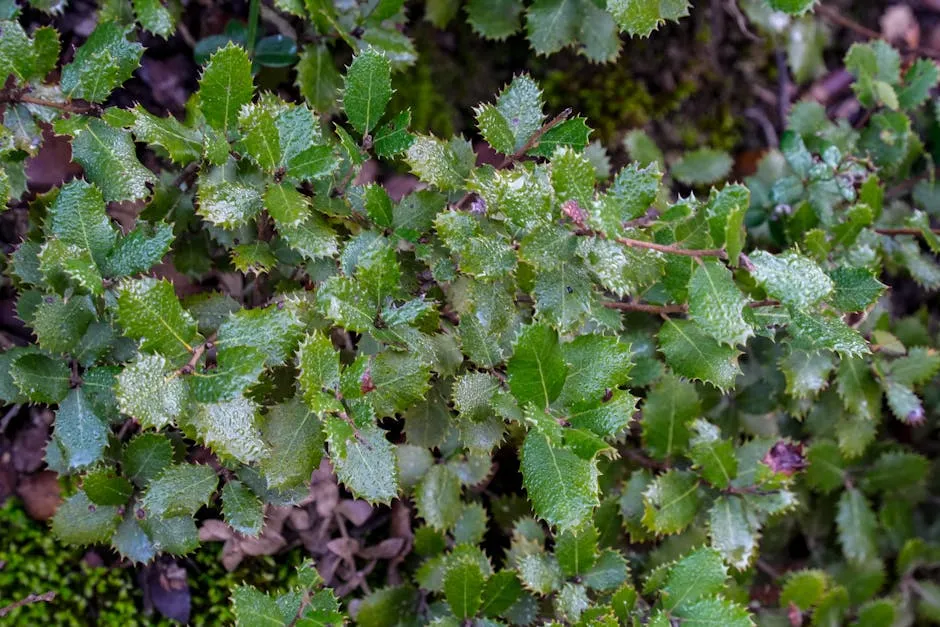

Winter strips most landscapes down to bare branches and frost-covered ground. For birds that stay through the cold months rather than migrate south, finding reliable food becomes a daily challenge. Seed feeders help, but they only go so far. What really makes a difference is a yard stocked with native shrubs whose berries hang on through December, January, and beyond.
Winter presents real challenges for birds, as many food sources they rely on become scarce. Fortunately, no matter where you live, you can provide berry-producing native plants that support them through these tough times. The six shrubs below aren’t just beautiful in a bleak season. They’re genuinely functional, and the science behind why they matter for birds is more interesting than most people realize.
Why Native Shrubs Beat Non-Native Options
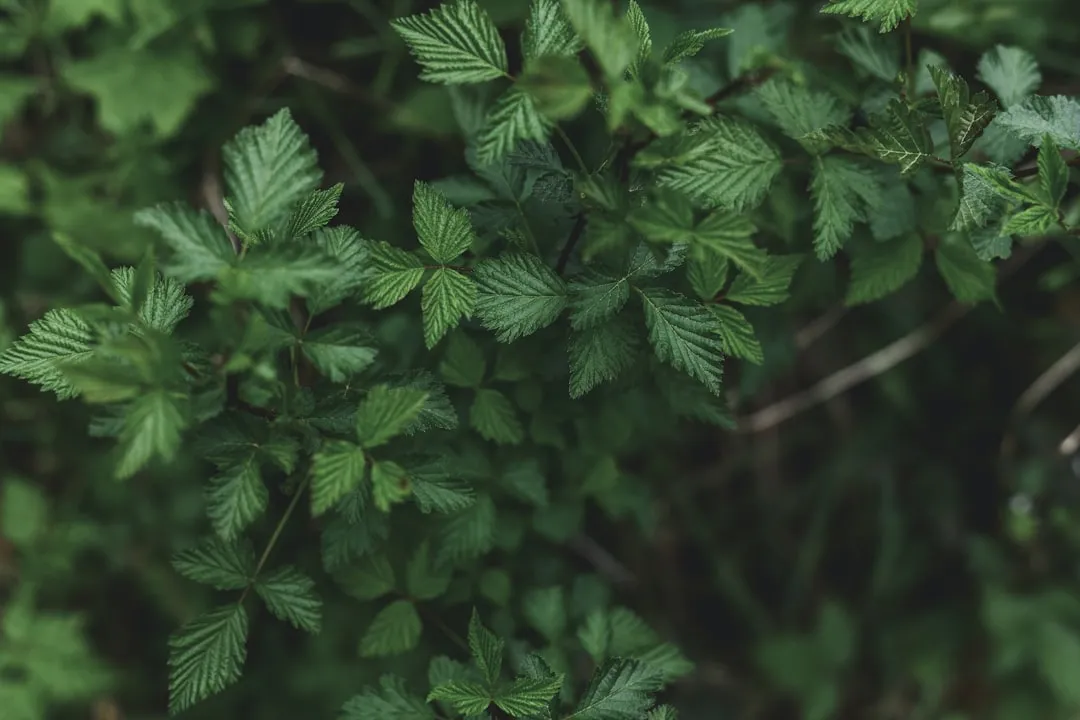
Not all berries are created equal, and that distinction matters enormously for birds in winter. Research suggests that the fall berries of non-native shrubs tend to be high in sugar, while the fall berries of native shrubs have a greater fat content. Fat is precisely what birds need most when temperatures drop.
A study on bird-fruit interactions published in Biological Conservation shows that, even when exotic fruits are more abundant, birds usually prefer and seek out native fruits. That preference isn’t arbitrary. Native plants and birds have evolved side by side over thousands of years, making native plants more likely to provide the right mix, size, and nutritional values that birds require.
Flowering dogwood berries, for instance, carry a roughly 24 percent fat content as well as calcium. Fat from fruit supplies energy for migration and for bodily warmth in the cold. That’s the kind of caloric payoff that keeps small birds alive overnight.
1. Winterberry Holly (Ilex verticillata)
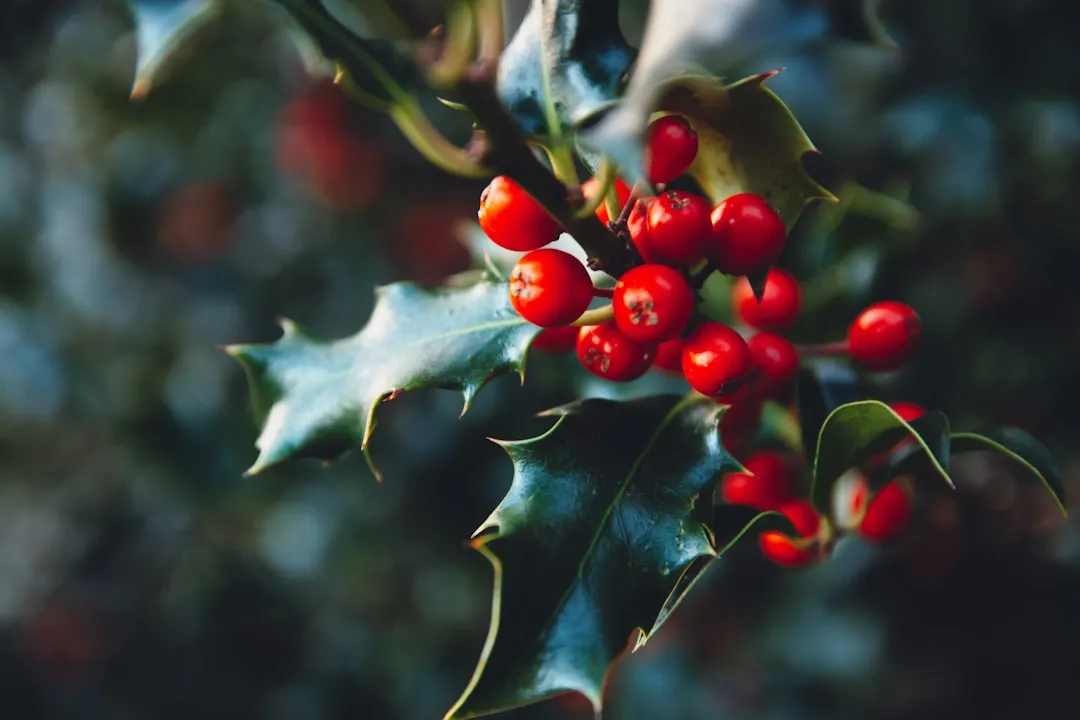
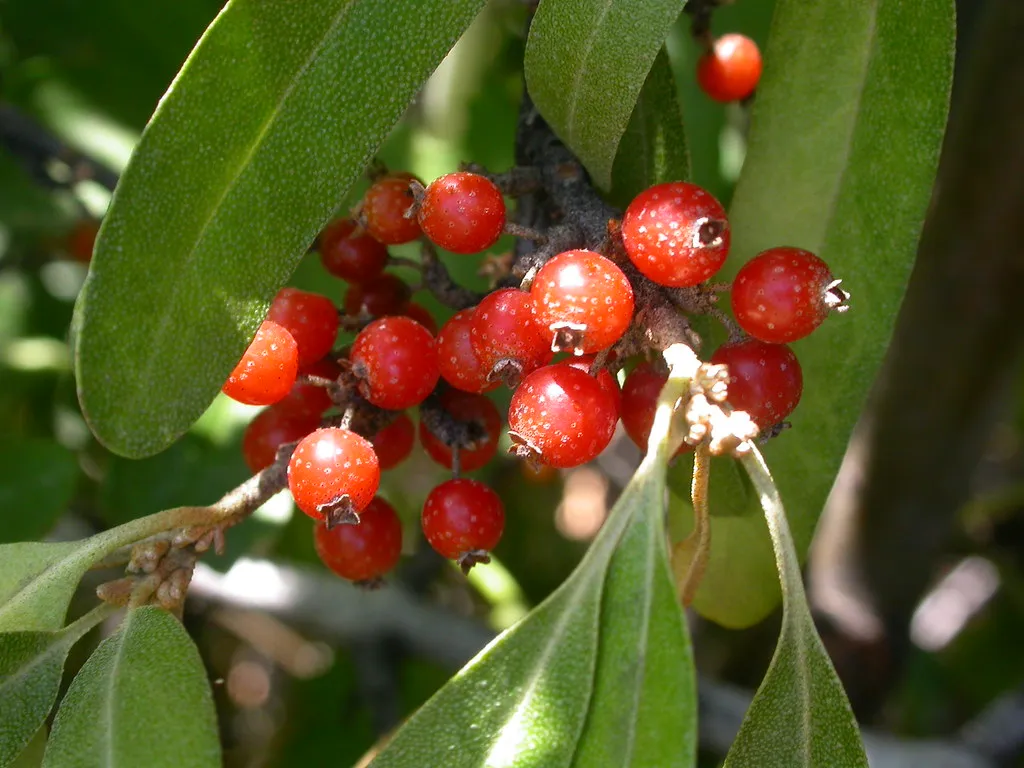
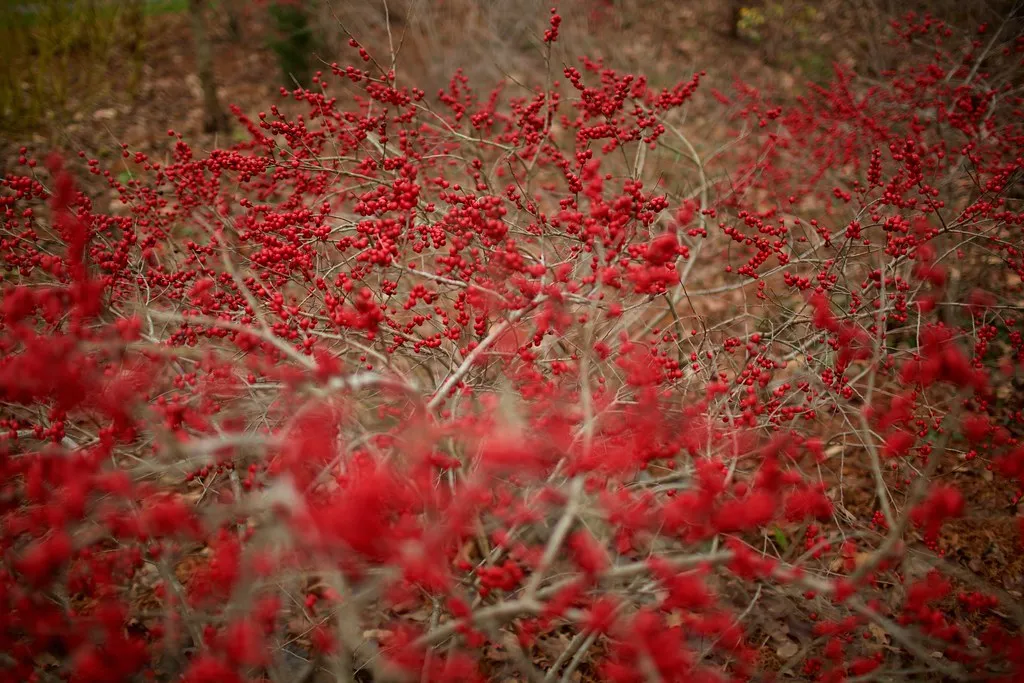
Ilex verticillata is a multi-stemmed deciduous holly known for its eye-catching winter display. It drops its foliage in fall, revealing stems packed with vivid red berries that persist until late winter unless devoured by birds. The visual effect on bare branches is remarkable.
Its fruits are eaten by over 48 species of birds, including cedar waxwings, and small mammals. The berries become an important food resource for many bird species typically later in winter, as they are starchy and grow more digestible after several freeze and thaw cycles.
Winterberry holly fruits are a favorite of winter-visiting catbirds and mockingbirds, brown thrashers and hermit thrushes, while other birds such as red-winged blackbirds use the shrub for shelter and as a nesting site. Because this species is dioecious, you need both male and female shrubs for pollination and fruit set.
2. Northern Bayberry (Morella pensylvanica)
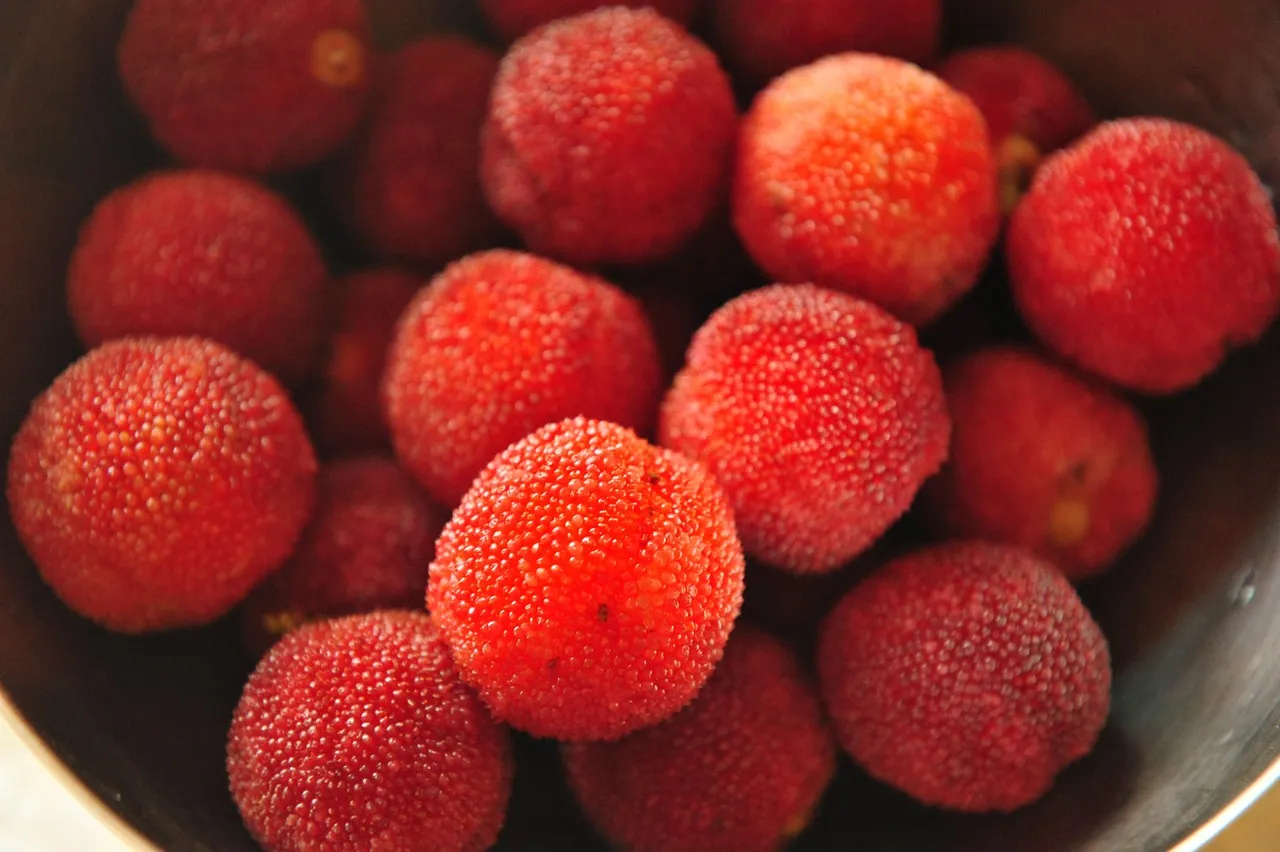
Throughout much of the United States, yellow-rumped warblers are conspicuous birds during winter months. At a time when other warbler species have left for the tropics, yellow-rumps can thrive in harsh weather as far north as New England, thanks in large part to native bayberries. These fruits boast a body-warming fat content of nearly 50 percent.
Notably, the yellow-rumped warbler is the only warbler able to digest the bayberry’s waxy coating, which enables it to winter farther north than other warblers. That’s a remarkable ecological relationship built over millennia. The stiff, dense branching of the plant also provides shelter and nesting opportunities, attracting chickadees, woodpeckers, swallows, bluebirds, and warblers.
Bayberry fruits persist into winter and also provide important shelter for birds. Several native bayberry species will thrive in backyards, including northern bayberry, southern bayberry, also known as wax myrtle, and along the Pacific Coast, California wax myrtle.
3. Arrowwood Viburnum (Viburnum dentatum)
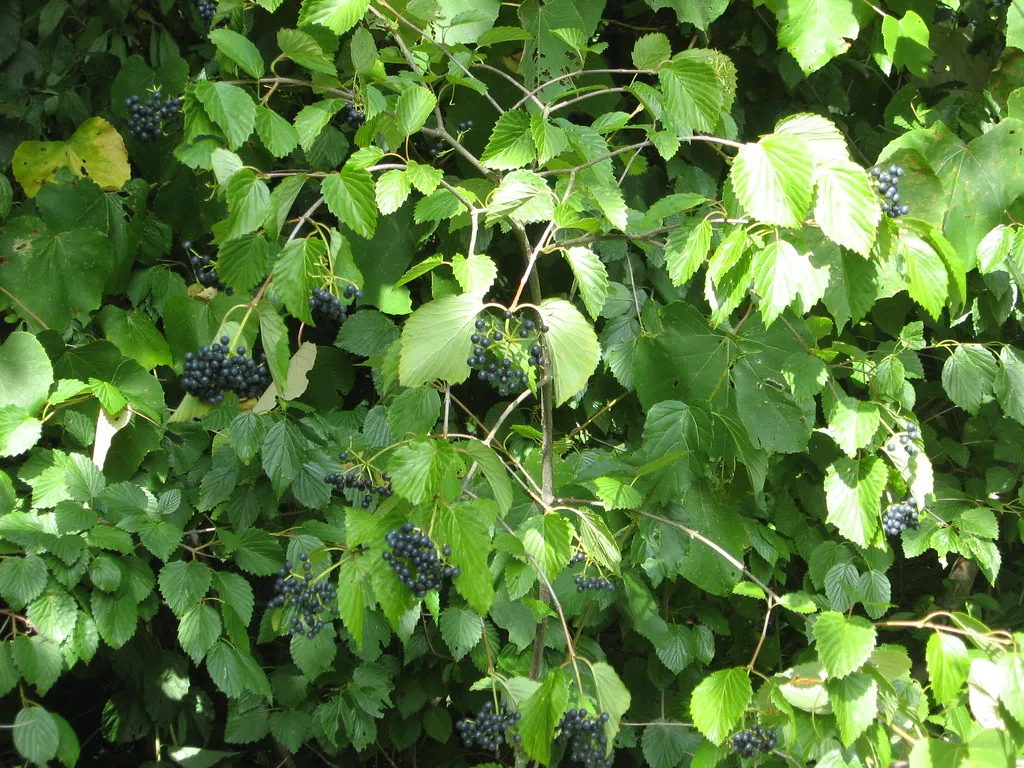
Native to much of the eastern United States, arrowwood shrubs can support wildlife in your yard throughout the year. In the spring and early summer, small white flowers attract bees and butterflies. The blue-black berries that follow often persist through the winter, when birds need them most.
Viburnums are excellent for birds, as their nutrient-rich fall berries are crucial fuel for migrating songbirds. These shrubs grow in the forest understory, attract myriad invertebrates to their flowers and leaves, and produce berries and nesting areas for a wide variety of songbirds.
Arrowwood viburnum is notably adaptable, thriving in hardiness zones 2 through 8. Planting the same species in groups of at least three is more ecologically desirable than planting single individuals, so consider giving arrowwood some room to form a proper thicket.
4. Red Chokeberry (Aronia arbutifolia)
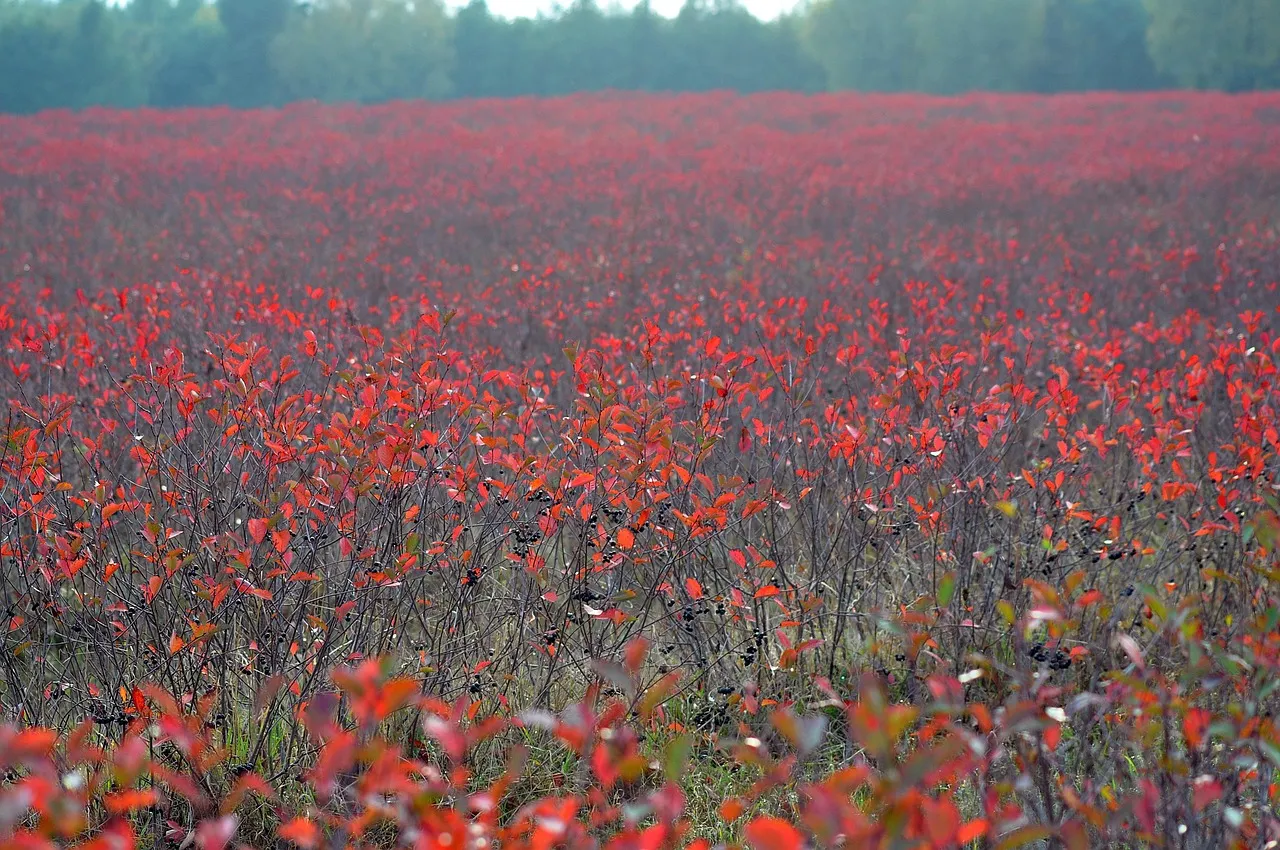
Red chokeberry is a deciduous shrub known for its clusters of vibrant red berries that ripen in late summer and persist through the winter. These berries are a valuable food source for birds, particularly thrushes, cedar waxwings, and robins. In the fall, the foliage of red chokeberry turns a brilliant red, adding a splash of color to the garden landscape.
Its fruit ripens between September and November and persists into January, which makes it one of the more reliable food sources for resident birds after the holidays. This hardy shrub is adaptable to various soil types and thrives in both wet and dry conditions.
It’s called chokeberry because humans find the berries extremely bitter, but birds are far less picky when the cold sets in and options are thin. That bitterness is part of what keeps the berries on the branches longer, making them available precisely when they’re most needed.
5. Spicebush (Lindera benzoin)
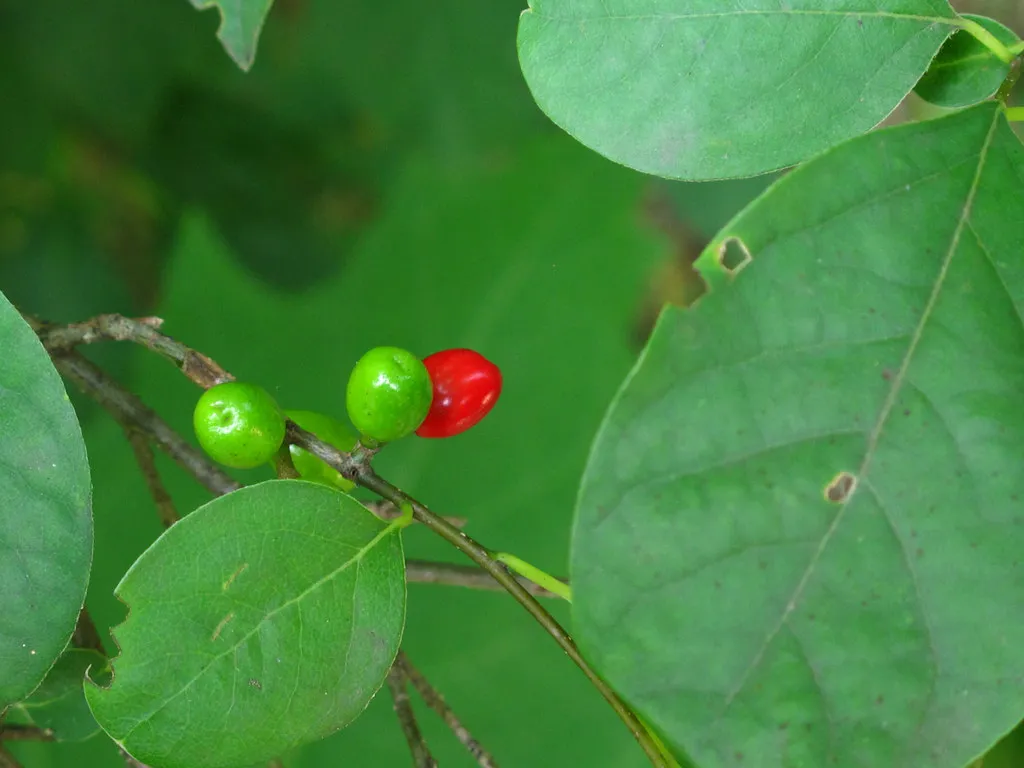
Research has shown that native plants tend to provide the higher-fat-content fruit that birds need to fuel long migration flights. The red berries of native spicebush, for example, are about 50 percent fat. That is an extraordinary energy density for a small berry.
Spicebush fruits have high fat content and ripen between July and October, where they are quickly eaten by birds. Spicebush attracts robins, bluebirds, thrushes, and others. It is also a host plant for the spicebush swallowtail butterfly, giving it a dual ecological role that extends well beyond the bird-feeding season.
Spicebush serves as the primary host plant for the spicebush swallowtail butterfly, so the shrub supports the entire local food web. Birds that eat the caterpillars in summer benefit from the same plant that feeds them berries in autumn. It’s a quietly efficient arrangement.
6. Native Viburnums: Nannyberry and Highbush Cranberry
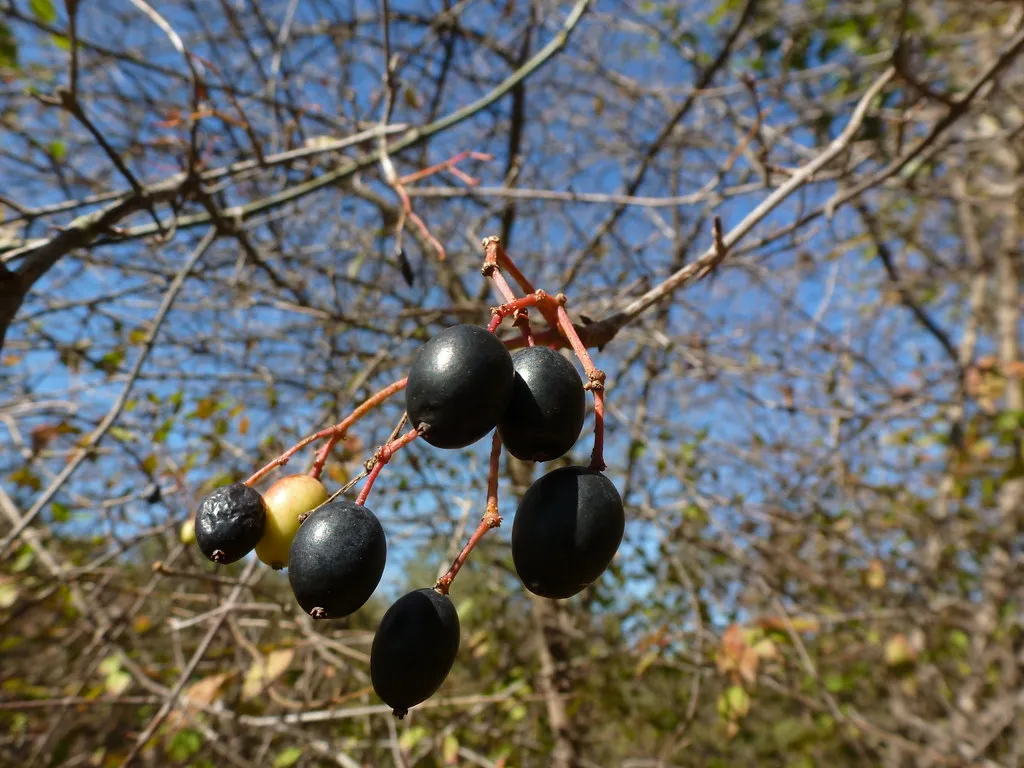
Viburnums are medium to large, summer-flowering deciduous shrubs with late-ripening fruits eaten by a variety of songbirds and gamebirds, including wild turkeys. This group includes maple-leaved viburnum, American cranberrybush, arrowwood viburnum, nannyberry, wild raisin, and smooth witherod, among others.
Several plants bear fruits that persist through winter, providing an important source of nutrients when the ground is covered with snow, including nannyberry. You can help feed birds through the winter by growing a native tree or shrub, because birds love fruit too. Nannyberry in particular holds its dark clusters well into February in many regions.
Come fall, shrubs like native viburnums’ leaves turn to warm yellows and reds, and in the winter, these shrubs add needed color to a barren landscape. The American cranberrybush viburnum is especially ornamental, with translucent red fruits that glow against snow and keep birds returning throughout the coldest months.
The Nutritional Gap Between Native and Non-Native Berries
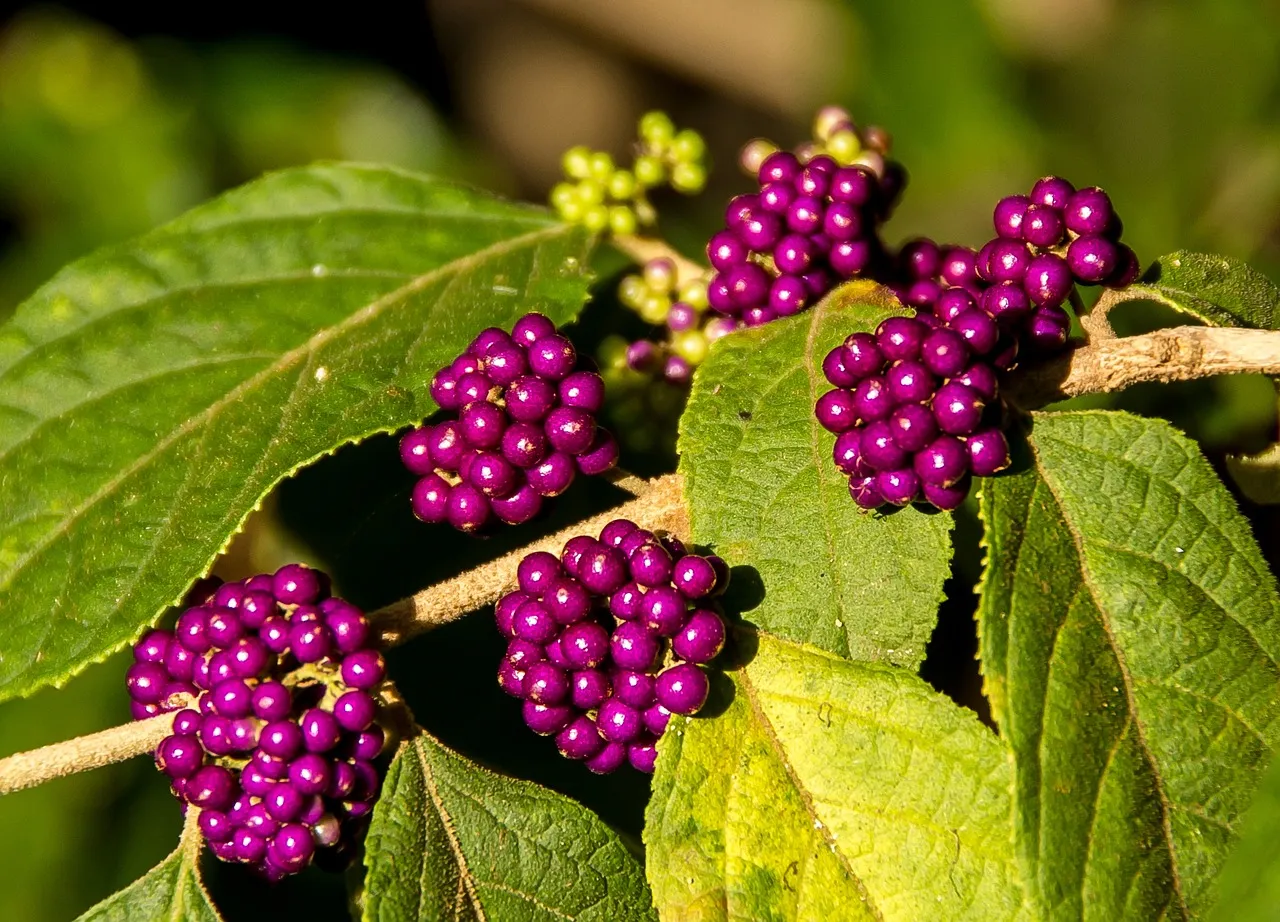
Analysis has shown that berries are not equally nutritious. That finding has real consequences for backyard habitats. Non-native plants in the landscape attract fruit-eating birds, even though their berries tend to be low in nutritional value.
Birds know which fruit is best and will eventually move to consume what is left of lesser nutritional quality. In practice, this means a yard with only non-native berry producers may attract birds, but won’t sustain them nearly as well. Native plants and birds have evolved side by side over thousands of years, making native plants more likely to provide the right mix, size, and nutritional values that local birds require.
How Freeze-Thaw Cycles Change Berry Palatability
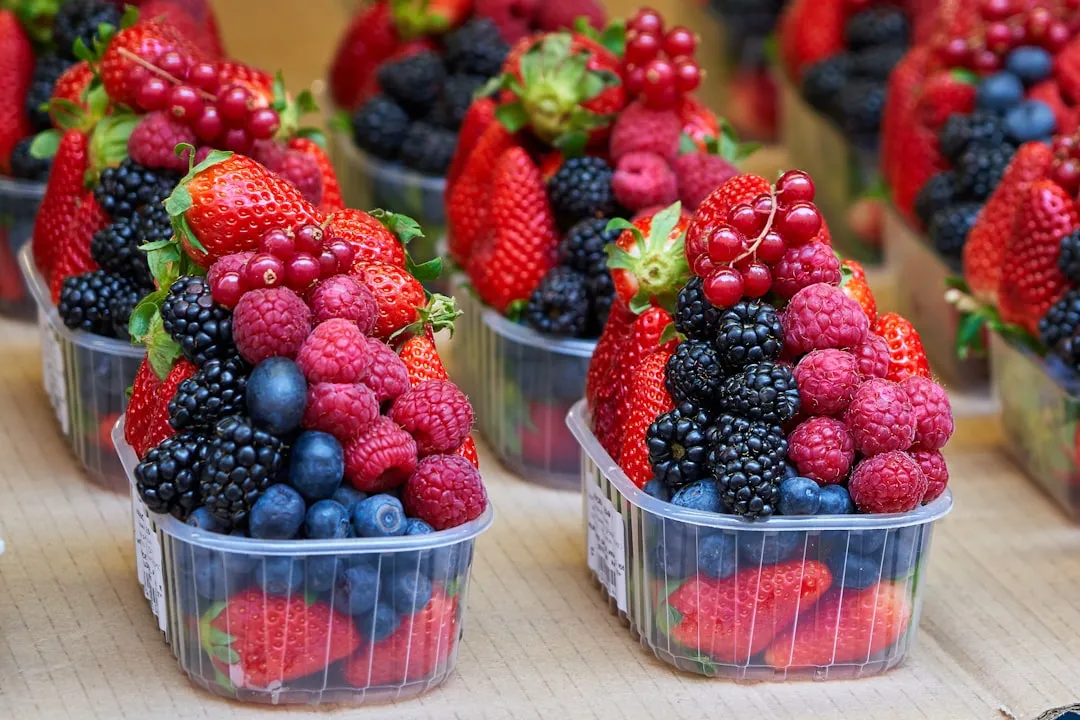
Similar to persimmon fruits, winterberry holly fruits increase in sugar content after experiencing several hard freezes, making them more palatable to birds. This is one reason some berries seem to disappear from shrubs almost overnight in January rather than October. The timing isn’t random.
Since so many other plants ripen their fruits in time for migration, hollies avoid competition by waiting longer. It also takes energy and resources to make highly nutritious fruits, and by waiting until birds are a little less choosy, hollies get their seeds dispersed without investing as much in reproduction. It’s a slow-burn strategy that pays off in deep winter.
Crabapples are a favorite food for robins, especially when they’ve been softened by freezing and thawing. The same principle applies broadly across several native shrubs. Cold doesn’t just preserve the fruit. In many cases, it actually improves it from a bird’s perspective.
Planting Tips: Groupings, Soil, and Scale
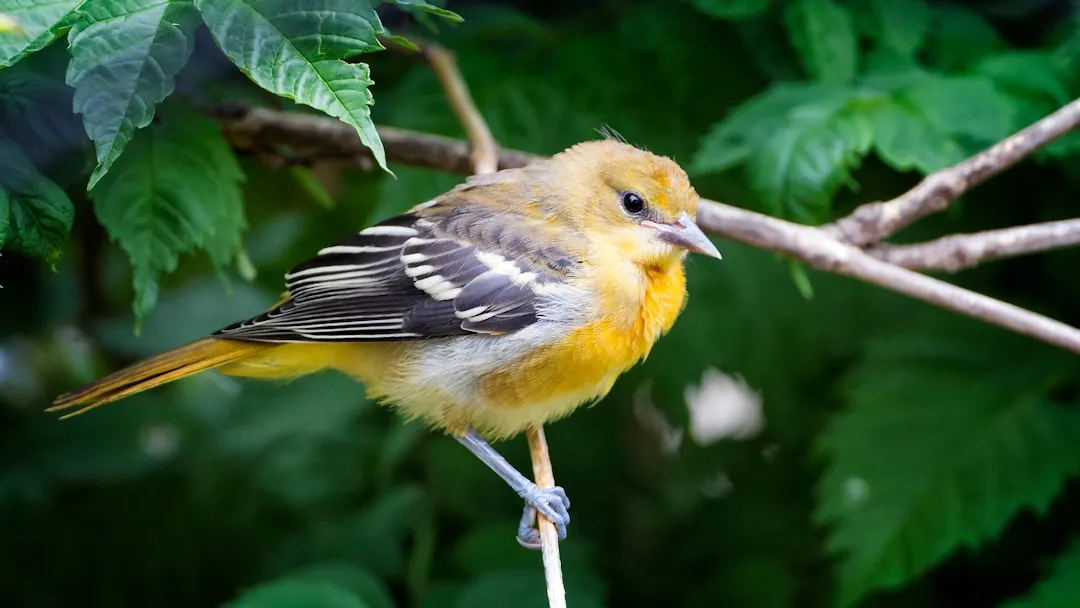
Planting the same species of plant in groups of at least three is more ecologically desirable than single individuals. A single shrub may produce some berries, but a small grouping creates a genuinely productive feeding station. Using a diversity of plant species also attracts more birds, since different species prefer different berry sizes and textures.
Dense vegetation helps shield smaller birds from predators and creates good habitat for roosting and nesting. Landscapes that combine trees, native shrubs, and perennials are great for attracting both permanent and migratory birds. Mixing your chosen shrubs with a few native grasses or perennials amplifies the habitat value considerably.
Because winterberry plants are bee-pollinated, generally one male plant is recommended for every four to five female plants if plants are relatively far apart. If plants are closer together, within about 40 feet, one male plant may be adequate to pollinate up to 20 females. That same dioecious logic applies to bayberry and some other species on this list.
The Broader Case for Native Shrubs in Your Yard
Food is one of the four essential elements for wildlife habitat, and berry-producing shrubs are one of the best food sources for birds, particularly in winter when other food sources are scarce. Common bird species that do not migrate, such as northern cardinals, woodpeckers, and mockingbirds, depend on berrying shrubs in winter.
Recent studies document widespread losses of insect life, which adversely impact bird populations. Research has documented how suburban birds need native plants, which host native insects, to thrive. As natural habitats dwindle, especially around large urban centers, suburban and urban residents need to step up for wildlife.
Native shrubs play a vital role in maintaining the ecological balance of your garden and supporting local wildlife. These plants have adapted to the specific conditions of your region over time, making them hardy and well-suited for the local ecosystem. That’s the quiet, practical reason to plant them, quite apart from any visual appeal.
Conclusion: A Living Winter Pantry
A yard with even two or three of these shrubs starts functioning as something genuinely useful: a living pantry for birds that have nowhere else to turn once the ground freezes solid. The investment is modest. A few well-placed native shrubs, planted in the right conditions, can keep feeding birds for decades without much intervention.
Your native plant garden has the power to become a sanctuary for native birds during the fall and winter months. By selecting the right mix of native plants, including shrubs, you not only support these feathered friends but also contribute to the overall health of your local ecosystem.
There’s something grounding about that. Long after the holidays pass and the landscape turns uniformly gray, a winterberry holly or a bayberry covered in wax-coated clusters quietly goes on doing its job, feeding something small and cold that needs exactly what it’s offering.
AI Disclaimer: This article was created with the assistance of AI tools and reviewed by a human editor.