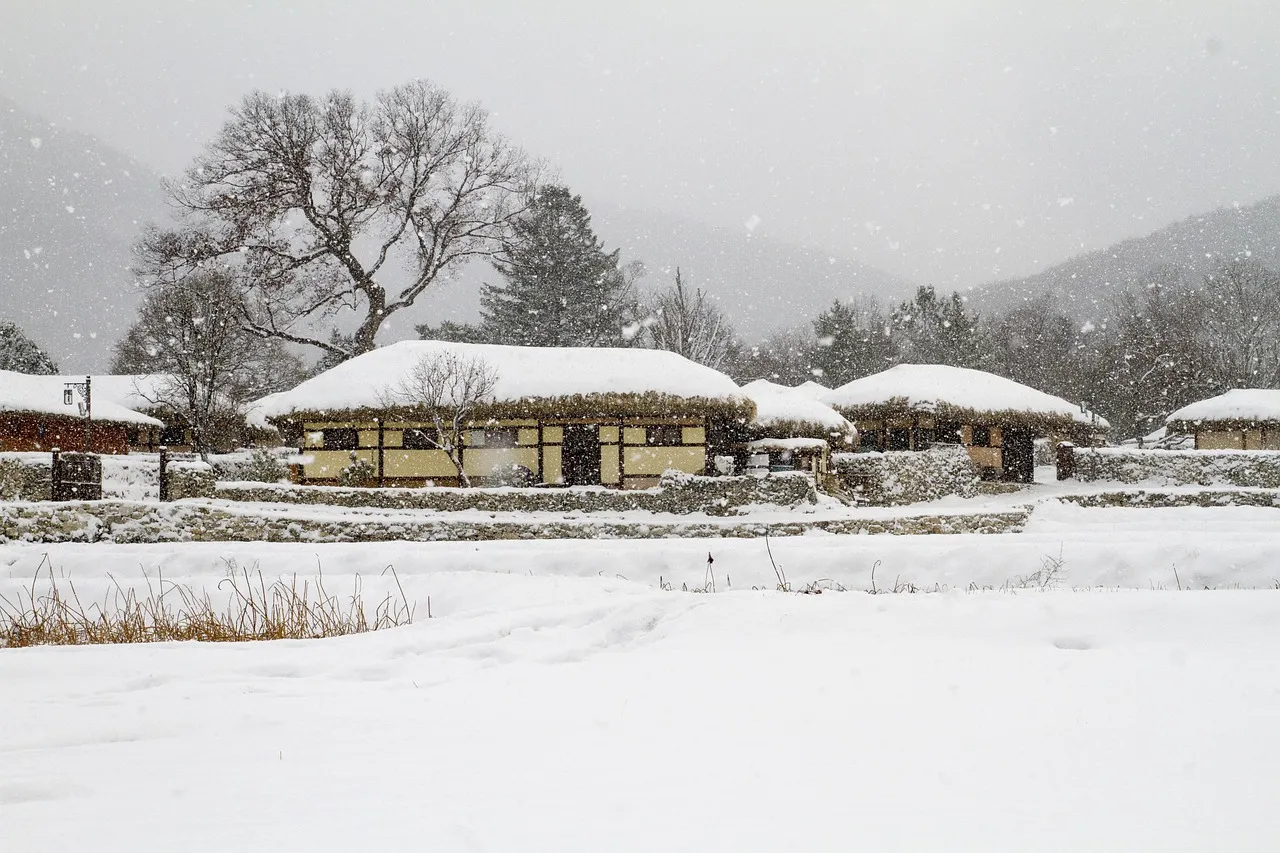

Winter has a way of sorting out which plants are built to last. For perennials, the ones that return year after year without being replanted, survival through cold months isn’t really about toughness above the soil line. It’s almost entirely about what happens underground, specifically whether the root zone stays protected from the most damaging temperature extremes.
Snow turns out to be one of the most effective protectors available, and it costs nothing. The science behind how a frozen, crystalline substance keeps roots warm is more compelling than most gardeners realize.
The Physics of Snow as an Insulator
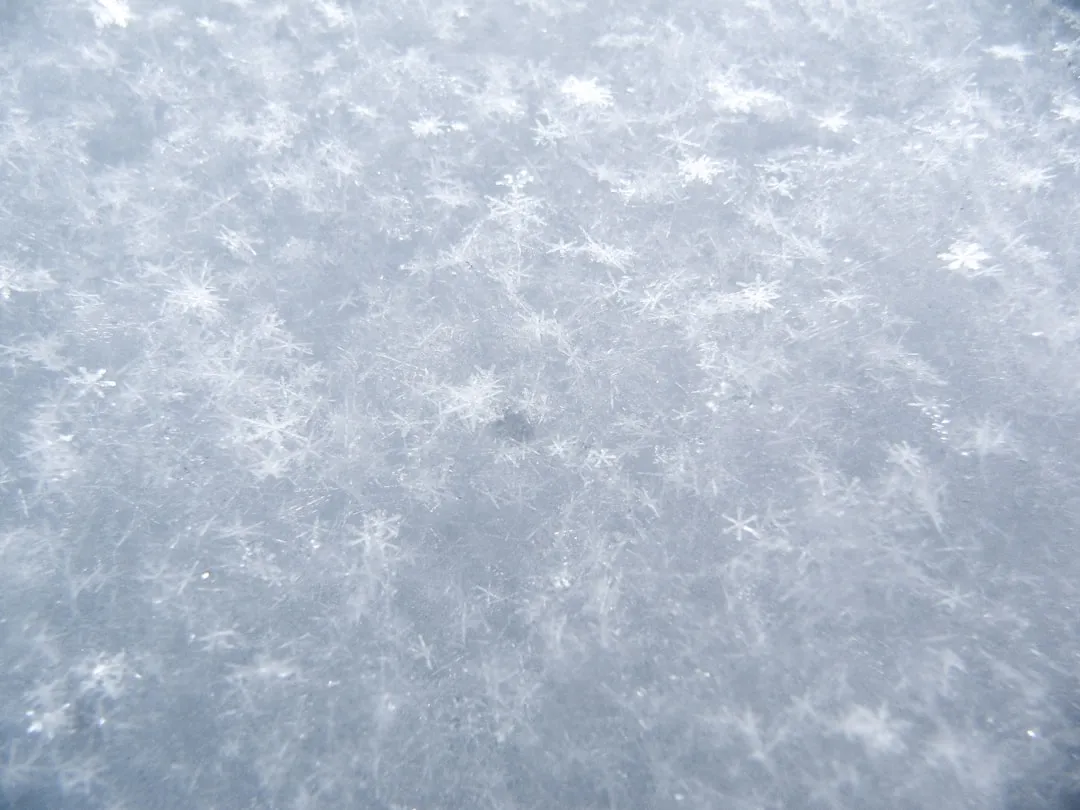
Every inch of fresh, fluffy snow adds one additional R-value of insulation. That means a foot of snow, with an average R-value of 12, can carry an insulating value comparable to several inches of fiberglass insulation. This comparison isn’t casual. R-value is the same metric used in building construction to rate wall insulation performance.
Snowpack is recognized as a poor conductor of heat, providing thermal insulation that reduces soil heat transfer. That poor conductivity is actually the whole point. Air pockets trapped within snowflake crystals slow the movement of heat between the cold atmosphere above and the warmer soil below.
The snowpack functions to reduce the exchange of heat between the soil and the atmosphere, thereby stabilizing the soil temperature. Stability, not warmth, is ultimately what perennial roots need most during the dormant season.
How Snow Keeps Soil Temperatures Stable
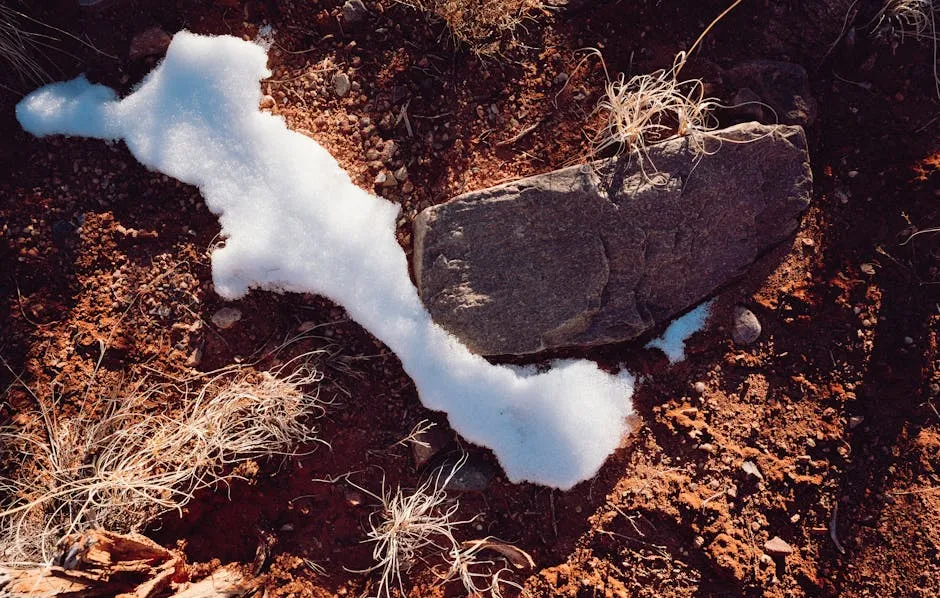
Roots can be injured or killed when soil temperatures drop below 10 degrees Fahrenheit. Snow cover acts as an excellent insulator, trapping heat, helping the soil retain moisture, and limiting how deeply the frost penetrates the ground. This depth-of-freeze limitation is where snow earns its reputation among serious gardeners.
Early snow cover is especially beneficial because it helps the soil hold warmth and moisture before the coldest temperatures arrive. Even in winter, soil temperatures are typically warmer than the air above ground. The soil itself holds residual heat from the previous growing season, and snow locks that warmth in place.
If the air temperature is 20 degrees below zero Fahrenheit, and you have 9 inches of snow cover, the temperature of a perennial plant at ground level is 22 degrees above zero, which is considerably more moderate. That gap between air and ground temperature captures, in a single comparison, why snow cover matters so much.
What Research Says About Ground Temperature Damping

Research published in the journal Environmental Research Letters found that snow’s damping of annual mean ground surface temperature averages roughly 5 degrees Celsius, ranging anywhere from 0 to 10 degrees Celsius, while damping of the annual ground surface temperature amplitude averages nearly 8 degrees Celsius. Greater insulation occurs at higher latitudes. These are not trivial differences.
The insulating effect is primarily driven by snow depth, but also influenced by the combination of air temperature and its amplitude, snow duration, and how long the snow remains in place. Depth matters most, but consistency through the season amplifies the benefit substantially.
Changes in snow thickness have significant impacts on the ground thermal regime and conductive heat flow to the atmosphere. Varying the snow thickness by just half can result in annual ground temperature variations of more than a quarter of a degree Celsius, even at depths as deep as 8 meters below the ground surface in some regions. For perennial roots sitting just a few inches down, those differences are even more pronounced.
Frost Heaving: The Hidden Threat Snow Prevents
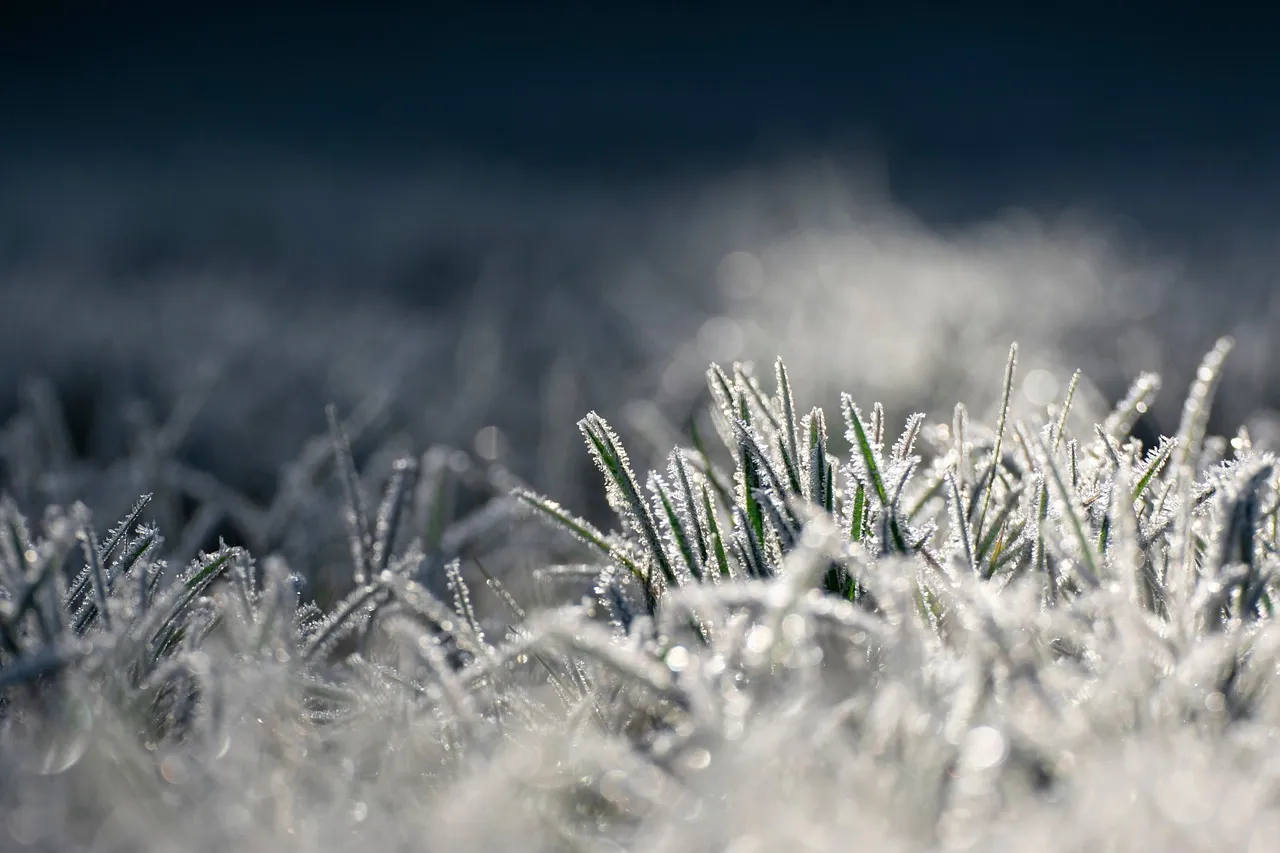
Without snow, soil temperatures can fluctuate wildly, freezing hard, then thawing, then freezing again. Repeated freeze-thaw cycles can push plants right out of the ground, a process called frost heaving. Once roots are exposed, winter damage becomes almost inevitable. Frost heaving is one of the least visible but most destructive forces working against unprotected perennials.
These cycles cause cracks to form in the soil, allowing cold air to penetrate and lower the soil’s temperature further. In some cases, roots are pushed closer to the soil surface, where they are exposed to extreme cold. Once roots reach that zone of exposure, even a plant rated for the local hardiness zone can suffer serious damage or die outright.
Without snow cover, soil temperatures can swing wildly between freezing and thawing cycles. These cycles can cause frost heaving, where roots and bulbs are pushed upward, damaging plants. Snow’s insulating properties keep the soil temperature more stable, reducing this disruptive process.
Which Perennials Depend Most on Snow Cover
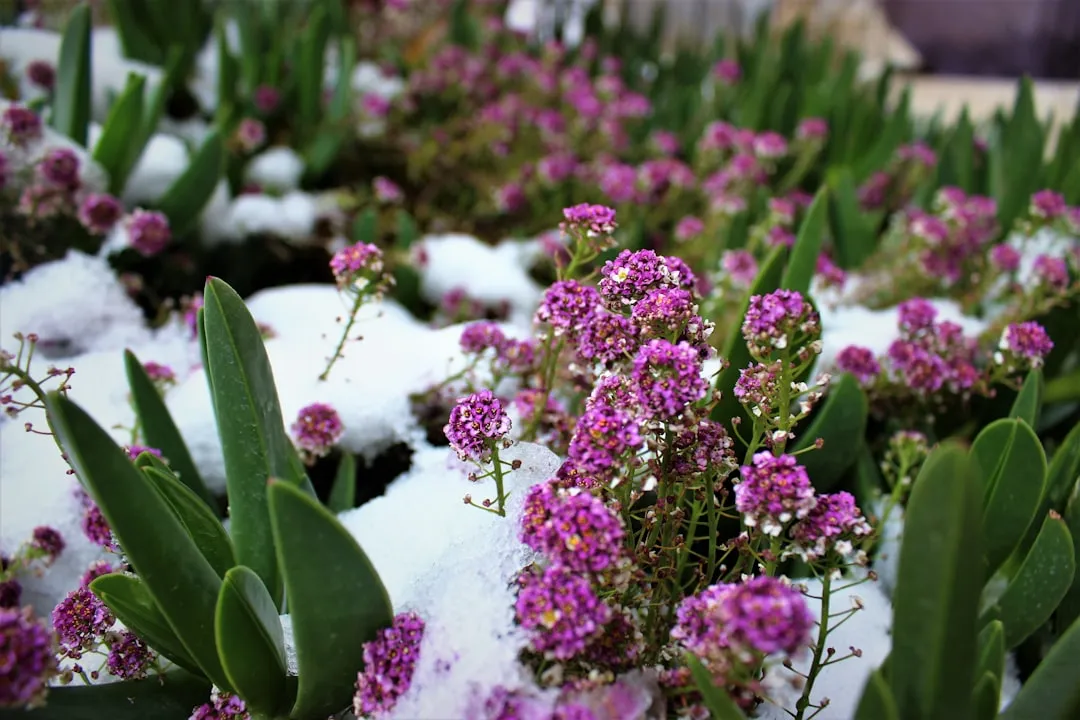
Nearly all perennial flowers, strawberries, roses, and many ornamental grasses are more cold-hardy when insulated by snow. This is a wide net. The assumption that only tender or exotic perennials need snow protection is largely incorrect.
The snow essentially acts as a thermal shield, preventing the deep ground freeze that strips moisture and damages root tissue. Plants that experience relatively stable soil temperatures throughout winter tend to bounce back with much more vigor when spring finally arrives. That spring vigor is a direct outcome of what happened, or didn’t happen, underground during the coldest months.
For many perennial plants, the freeze-tolerance mechanism is most effective for air temperatures between 32 and 20 degrees Fahrenheit. Prolonged exposure to harshly cold temperatures and desiccating winds will injure plant cells. Snow blocks both the cold penetration and the drying effect of those winds simultaneously.
Snow and Soil Moisture: A Two-Part Benefit
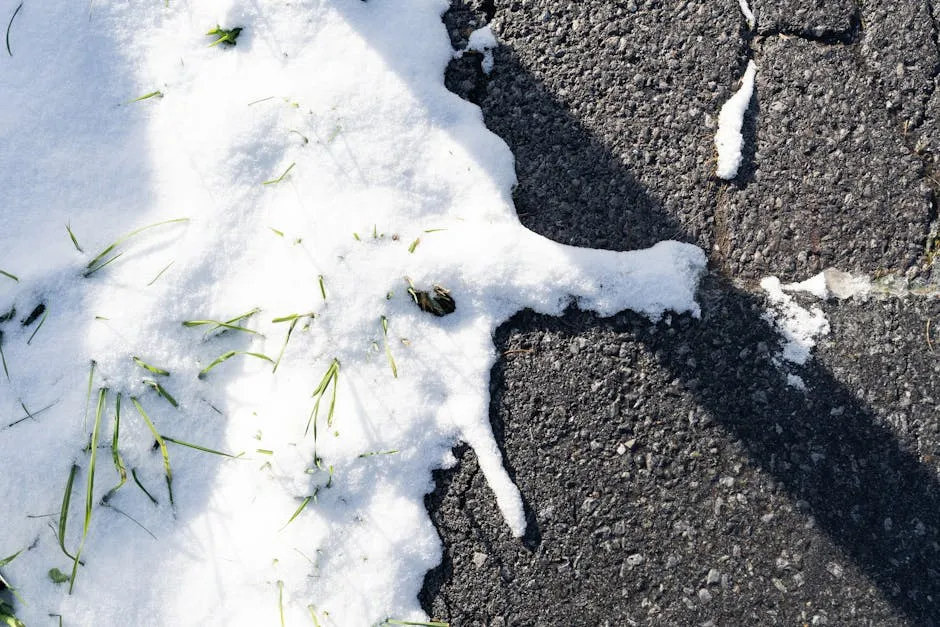
Snow raises soil temperatures, protects dormant plants from drastic temperature changes, and keeps their root systems from drying out. That last point is easy to overlook. Winter desiccation, where roots lose moisture they can’t replace because the soil is frozen, is a real and common cause of perennial loss.
Snow slows evaporation rates in the soil throughout winter, allowing moisture to be retained until spring. This natural moisture retention supports new plant growth more sustainably than artificial watering methods. There’s a quiet efficiency to the whole system that any gardener who has struggled with spring irrigation timing will appreciate.
Snow isn’t just about cold protection. It’s a slow-release moisture source. When snow melts gradually in spring, water soaks into the soil instead of running off, and the early-season moisture helps plants wake up from dormancy and begin their growth cycle.
The Role of Snow in Protecting Soil Biology
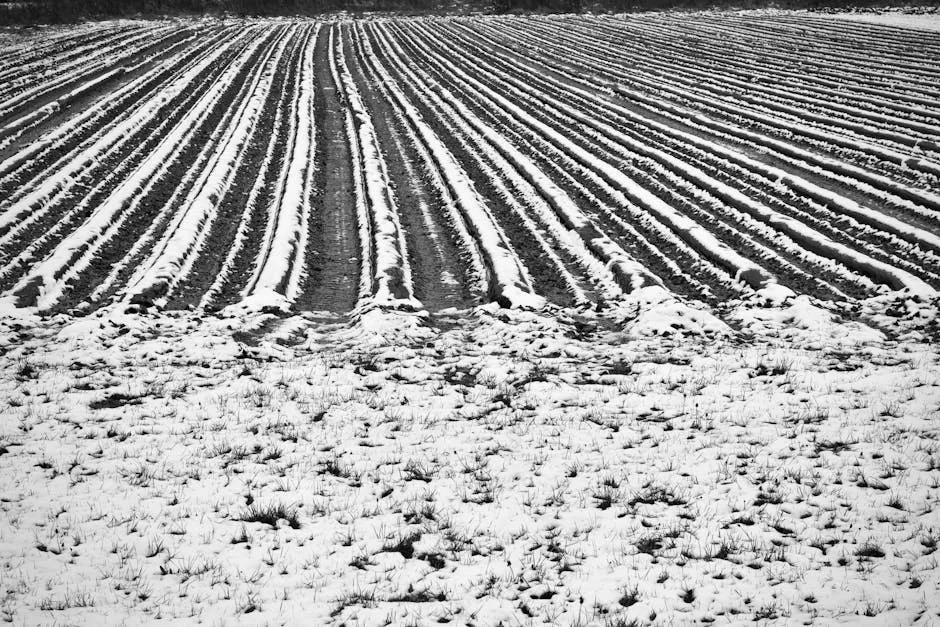
Another rarely mentioned value in protective snow cover is the effect on beneficial soil life, such as earthworms, microbes, and friendly fungi that are the key to soil health. These organisms are not dormant in the same way plants are. They continue slow activity under the snowpack, sustaining the living soil structure that perennials depend on.
Snow’s insulating properties help maintain stable soil temperatures, which supports the survival of beneficial soil microbes. Lose those microbes to a brutal, unprotected freeze and the soil loses structure, drainage, and the biological nutrient cycling that fuels spring growth.
Healthy soil biology contributes to better structure, nutrient availability, and plant health. A winter with good snow cover keeps that underground ecosystem alive and ready to work when spring arrives. The snow is, in a sense, protecting the whole food web beneath the soil surface.
How Perennial Stems Can Trap Their Own Snow Cover
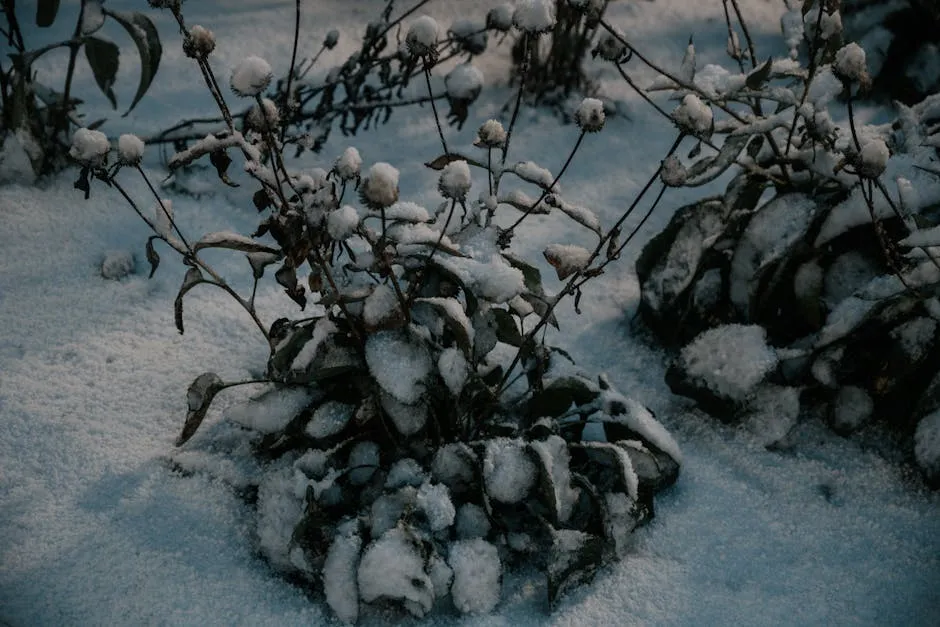
Instead of cutting perennials back in fall, allowing most perennial stems to stand over winter can trap drifting snow. Tall ornamental grasses and perennial stalks act like miniature snow fences, catching and holding snow where it’s needed. This single observation argues for rethinking the habit of aggressive autumn garden cleanup.
Gardeners who clear snow off garden beds to tidy things up may actually be exposing their plants to far harsher conditions than nature intended. Leaving snow in place, especially over perennial beds and shrub roots, is one of the simplest and most effective winter gardening strategies available. Doing less is occasionally the right choice.
Allowing most perennial stems to stand over winter can trap drifting snow. Tall ornamental grasses and perennial stalks act like miniature snow fences, catching and holding snow where it’s needed most. Paired with a layer of mulch laid in late autumn, standing stems create an effective two-layer protection system.
When Snow Is Absent: The Real Consequences
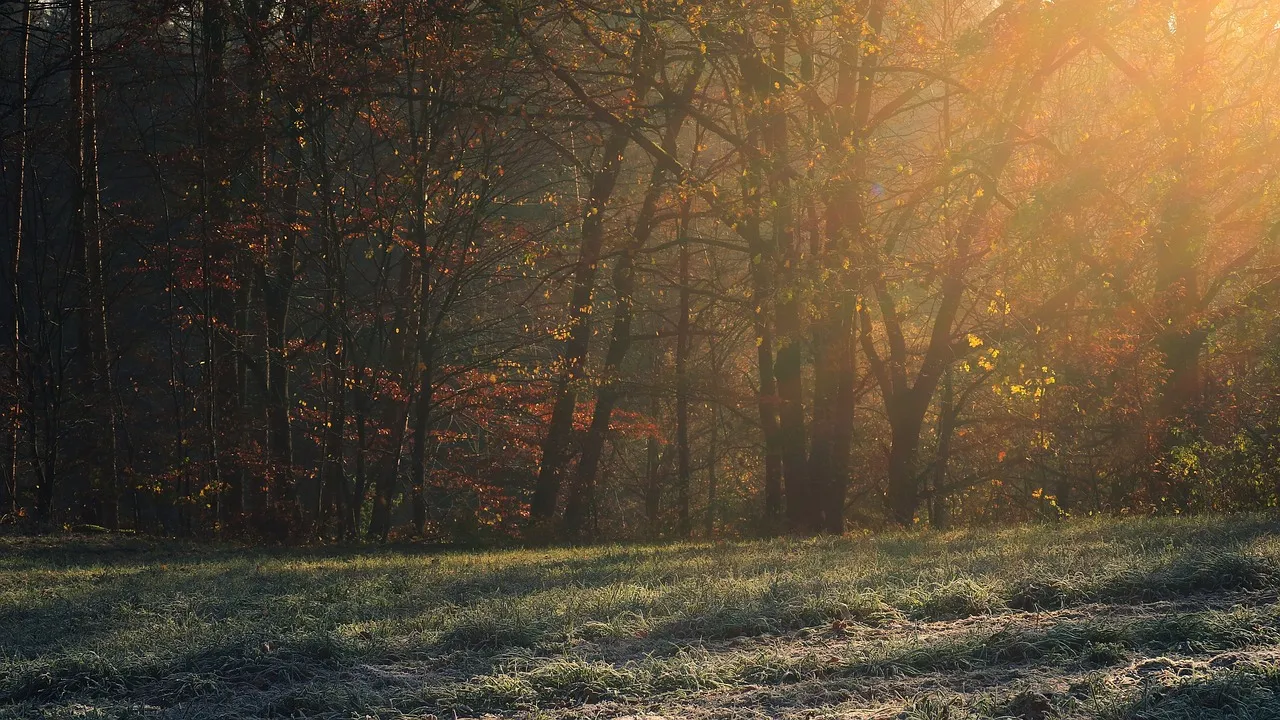
Root injury is more likely during winters with little snow cover and extended cold, particularly when soils are dry. Moist soil retains heat more effectively than dry soil. When snow is absent, the cold can penetrate deeper into the soil profile, increasing the risk of damage. Low-snow winters are, in practical terms, high-risk winters for perennial gardens.
Bare ground during extreme cold can allow the soil to freeze deeper and faster, damaging roots and leading to dead patches that show up after snow melts and grass is supposed to be greening up. The damage is often invisible until spring, which makes diagnosis tricky and prevention all the more important.
Decreased snow cover has ecological impacts that can lead to drier soils in summer and shallow-rooted plants becoming more vulnerable to freezing. The vulnerability of certain plants and wildlife that depend on snow for protection will increase as well.
What Declining Snowpack Means for Perennial Gardens Going Forward
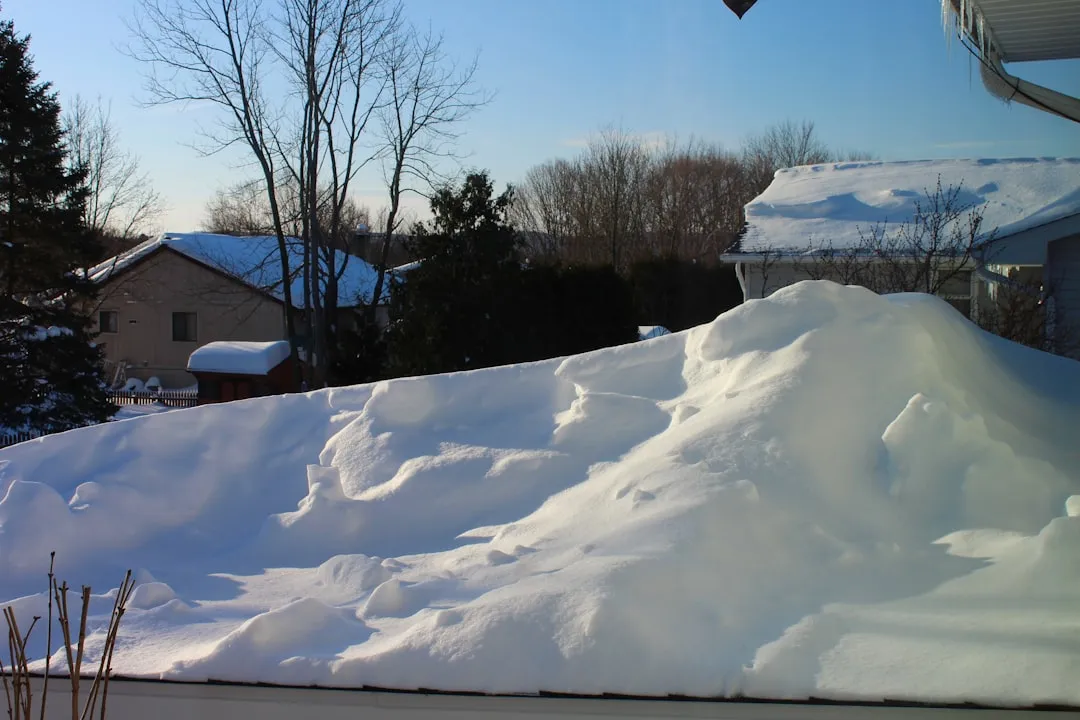
Winters are the fastest-warming season across most of the country. From 1970 to 2025, average winter temperatures rose in nearly all cities studied, by an average of roughly 4 degrees Fahrenheit. Warmer winters sound harmless, but their effect on snow cover is a direct concern for anyone growing perennials in historically cold climates.
One report on recent U.S. snowfall trends found that nearly two-thirds of the locations studied were getting less snow than in the early 1970s. Less consistent snowpack means less reliable natural insulation, and gardeners in affected regions may need to compensate with heavier mulch layers around vulnerable root zones.
Climate change disrupts the critically important timing of events, such as snowmelt and spring bloom, upon which ecosystems and agricultural industries depend. Warmer winters can lead to early bud-burst or bloom of some perennial plants, resulting in frost damage when cold conditions occur in late spring. The concern, then, is not just root survival through winter but the growing mismatch between plant timing and seasonal conditions.
Snow has always been quietly doing the hard work that keeps perennial gardens intact through the coldest months. What current research makes clear is that this natural insulating layer is more precise, more measurable, and more consequential than most people have assumed. As winters grow less predictable, understanding what snow actually does for the soil beneath our feet becomes less a matter of gardening curiosity and more a matter of practical planning.
AI Disclaimer: This article was created with the assistance of AI tools and reviewed by a human editor.