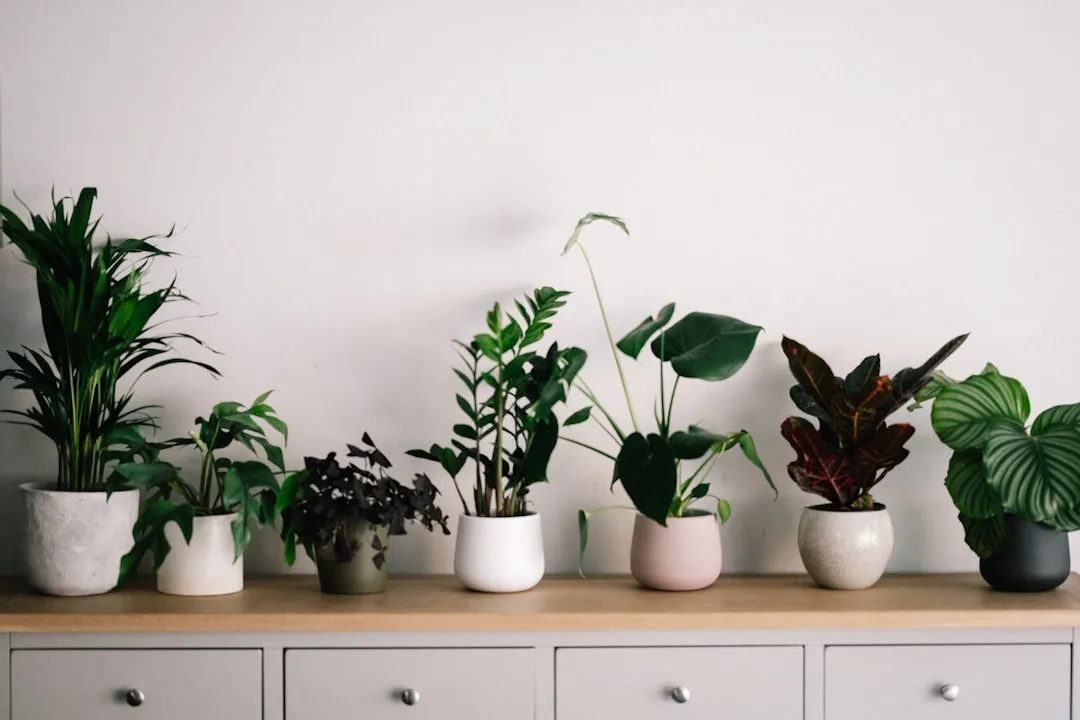

There’s something quietly telling about the plant you choose to keep alive in your living room. It’s not just about aesthetics or air quality. The retro houseplants making a strong comeback right now carry a kind of emotional weight that modern succulents and exotic aroids simply don’t have. They smell like grandma’s windowsill. They remind you of Sunday afternoons in someone else’s kitchen.
The houseplant market in 2025 and beyond is embracing a blend of nostalgia, practicality, and exotic appeal, with a strong emphasis on sustainability and ease of care. Many plants popular in the 1970s and 80s are making a strong return due to their hardiness and easy-care nature, including Pothos, Snake Plant, Monstera deliciosa, Chain of Hearts, Ficus varieties, English Ivy, Hoya, and Spider Plant. The plants we choose tell a more personal story than most of us realize.
The Pothos Person: Relaxed, Adaptable, Quietly Thriving
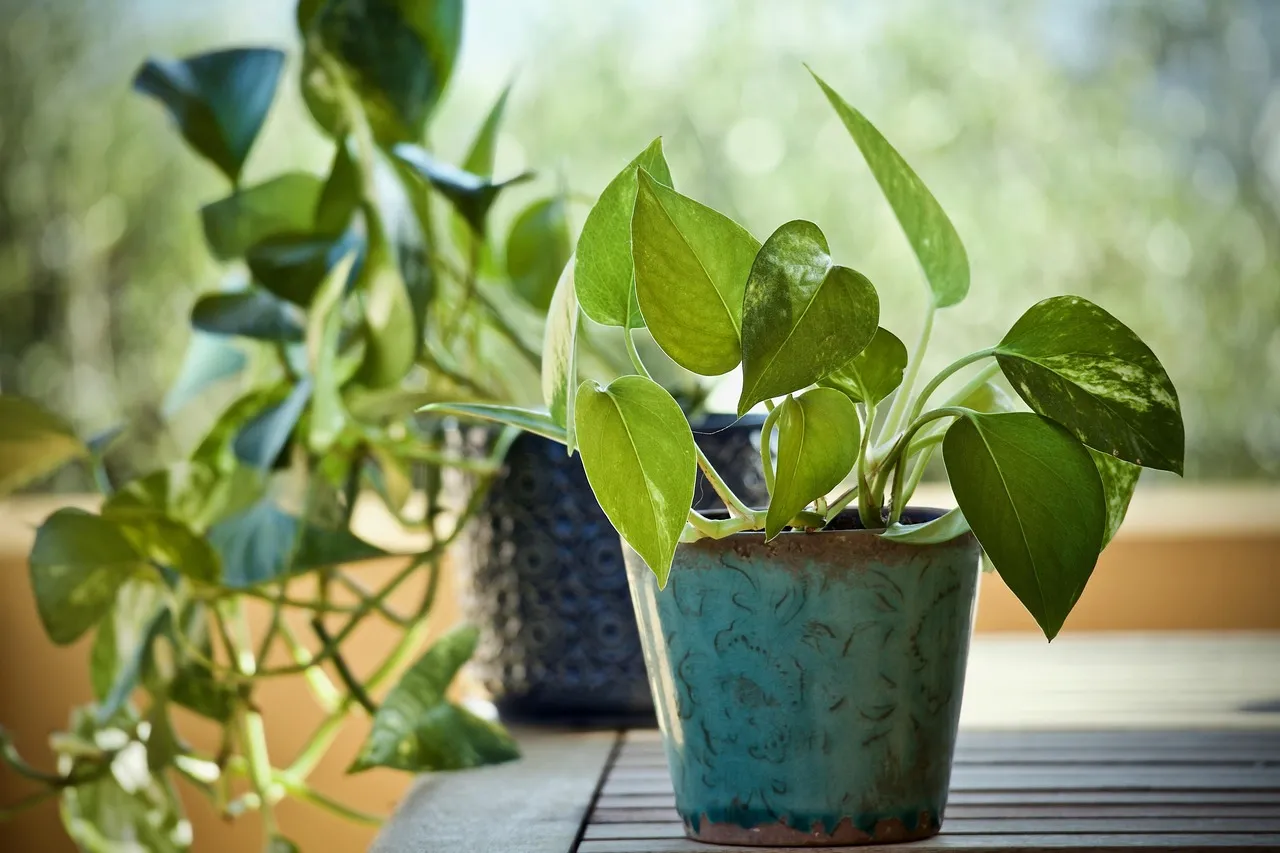
The Pothos is the definition of low-drama. It trails where you let it, forgives missed waterings, and seems genuinely unbothered by low light or neglect. If you’re a Pothos owner, you likely embody the traits of an easygoing optimist. Being laid-back is your second nature, and your adaptability matches the resilience of the plant itself, often thriving amidst chaos.
Pothos, commonly known as devil’s ivy, is going nowhere. According to an article in The Guardian, sales of pothos from one UK retailer increased 45 times in just five years. That kind of growth is remarkable for a plant that’s been sitting on shelves since the mid-20th century.
Pothos is one of the most popular houseplants globally, with over 1.5 million social media posts – a number that keeps climbing. You probably don’t brag about your Pothos. You just quietly keep it going, which says everything.
The Spider Plant Keeper: Generous, Nurturing, Always Giving
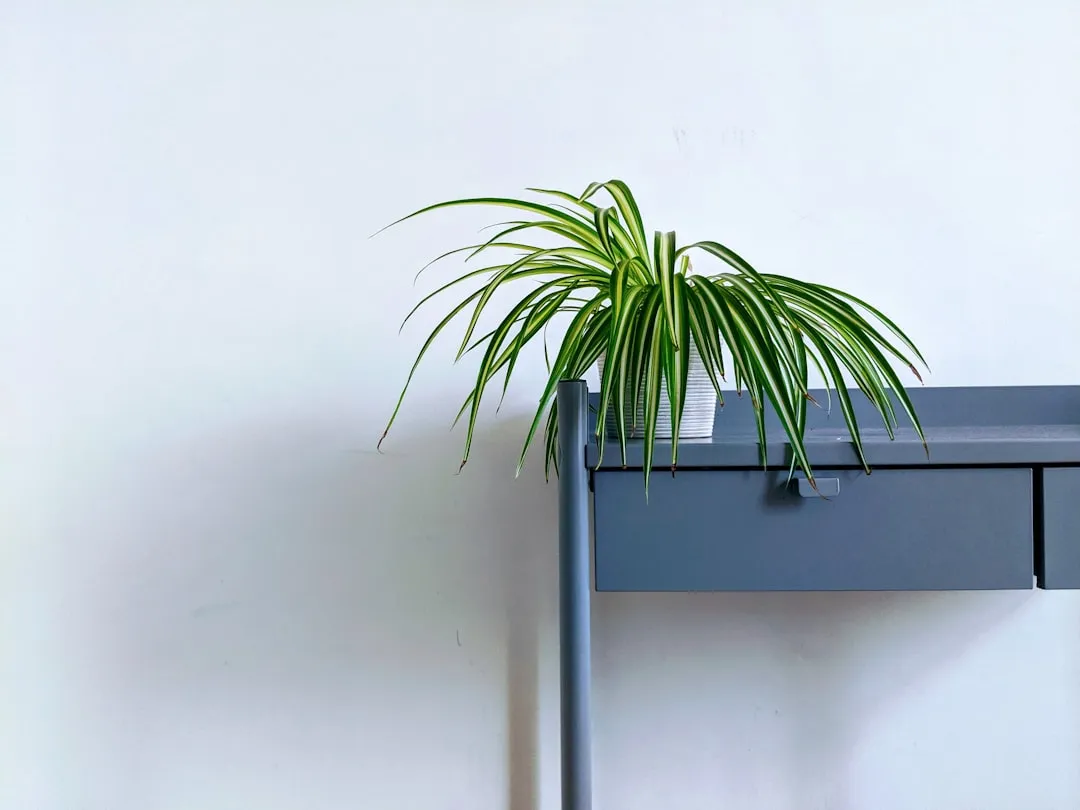
If you are a Spider Plant owner, you fit the description of a nurturing caregiver. Just as the spider plant generously produces an abundance of plant babies, you’re known for your generous and caring nature, taking delight in seeing others flourish and often going out of your way to share what you have.
Many people have sentimental feelings toward the ubiquitous spider plant. Perhaps your mother or grandmother had one in her window. That generational thread is real, and it’s part of what makes this plant so emotionally sticky.
One of the most popular houseplants due to its resilience and lush variegated leaves, the spider plant is also one of nature’s greatest air purifiers, battling common air pollutants like benzene, formaldehyde, carbon monoxide, and xylene. Loving people and cleaning the air at the same time seems perfectly on-brand.
The African Violet Devotee: Detail-Oriented, Patient, Quietly Colorful
Many houseplants that might seem old-fashioned are coming back into fashion, including African violets. Commercially available for nearly 100 years, African violets were the National Garden Bureau’s pick for their houseplant of the year for 2024. That centennial staying power says something about who keeps them.
African violets reward consistency and attention. They won’t flower abundantly for the chaotic plant parent who forgets they exist. With their delicate blooms and compact growth habit, African Violets are cherished for their cheerful appearance, colourful flowers, and year-round blooming potential.
If this is your plant, you’re probably someone who notices the small things. You remember birthdays. You check in when others don’t. The African violet suits you perfectly because it rewards exactly that kind of steady, attentive care.
The Monstera Fan: Bold, Social-Media Savvy, and a Little Theatrical
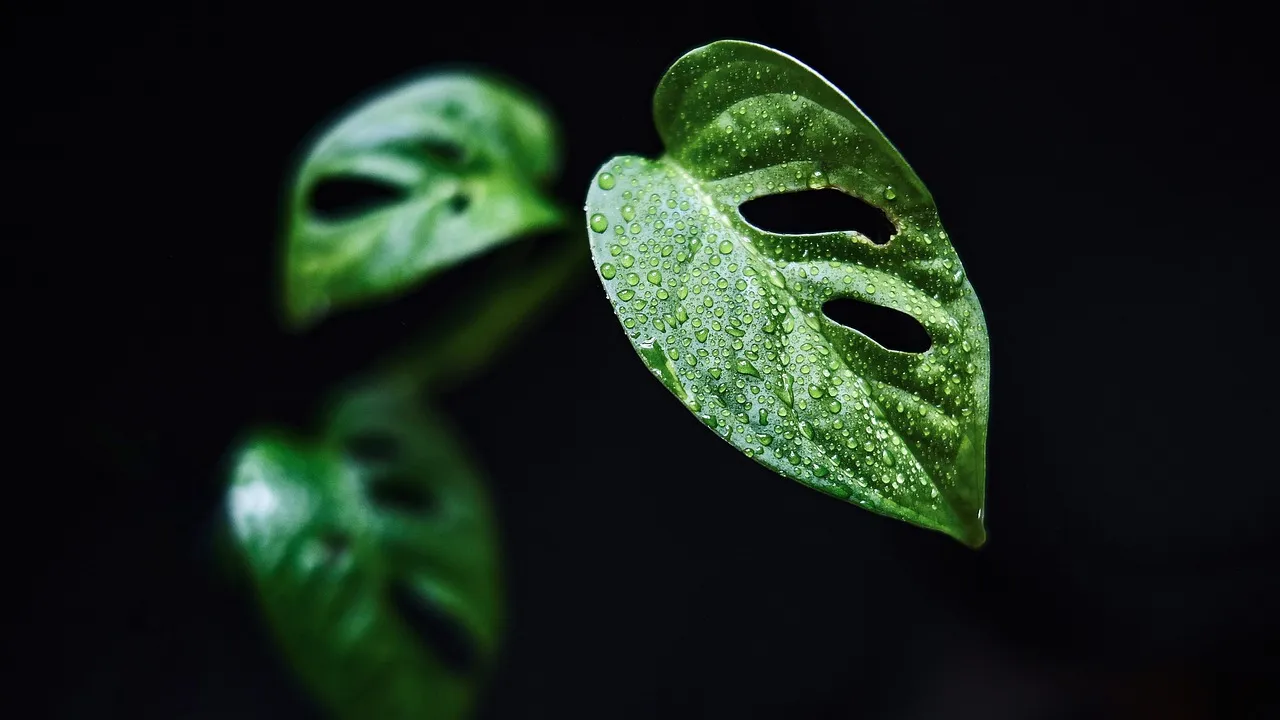
The Monstera is so popular it has taken over social media one day a week with #MonsteraMonday. This large plant was a fixture of mid-century modern decorating, and the lofty ceilings and open floor plans popular today have allowed it to come back into vogue.
If you have a love for adventure and the great outdoors, a Monstera Deliciosa is the perfect match for you. They have big, glossy leaves that feature unique splits and holes, and this tropical plant can certainly satisfy your need for wanderlust. There’s a boldness to choosing a plant this theatrical for your living room.
Monstera people tend to commit fully to whatever they do. The plant itself grows in every direction it can find, which is honestly a pretty accurate mirror of certain personality types. It’s not subtle, and neither are you – and that’s just fine.
The Snake Plant Owner: Minimalist, Self-Reliant, No-Nonsense
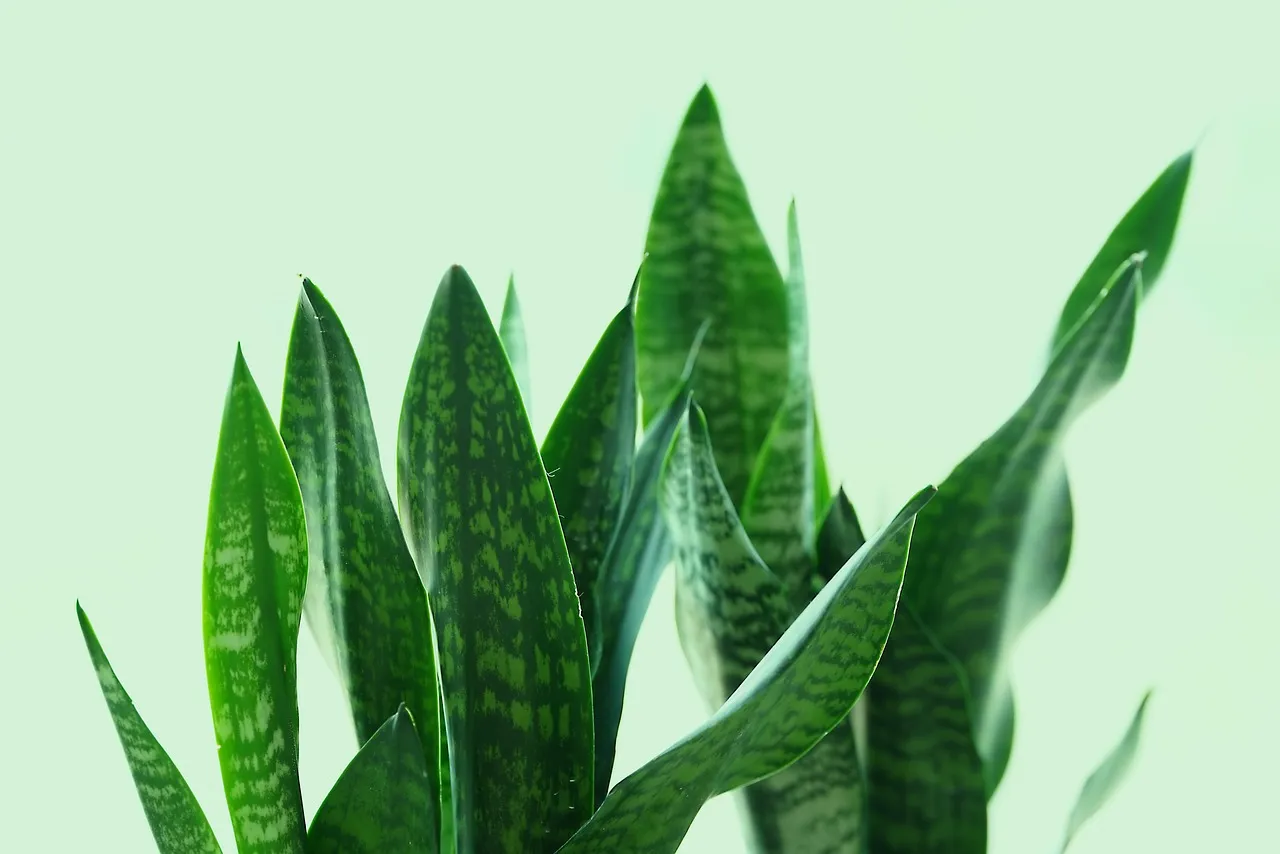
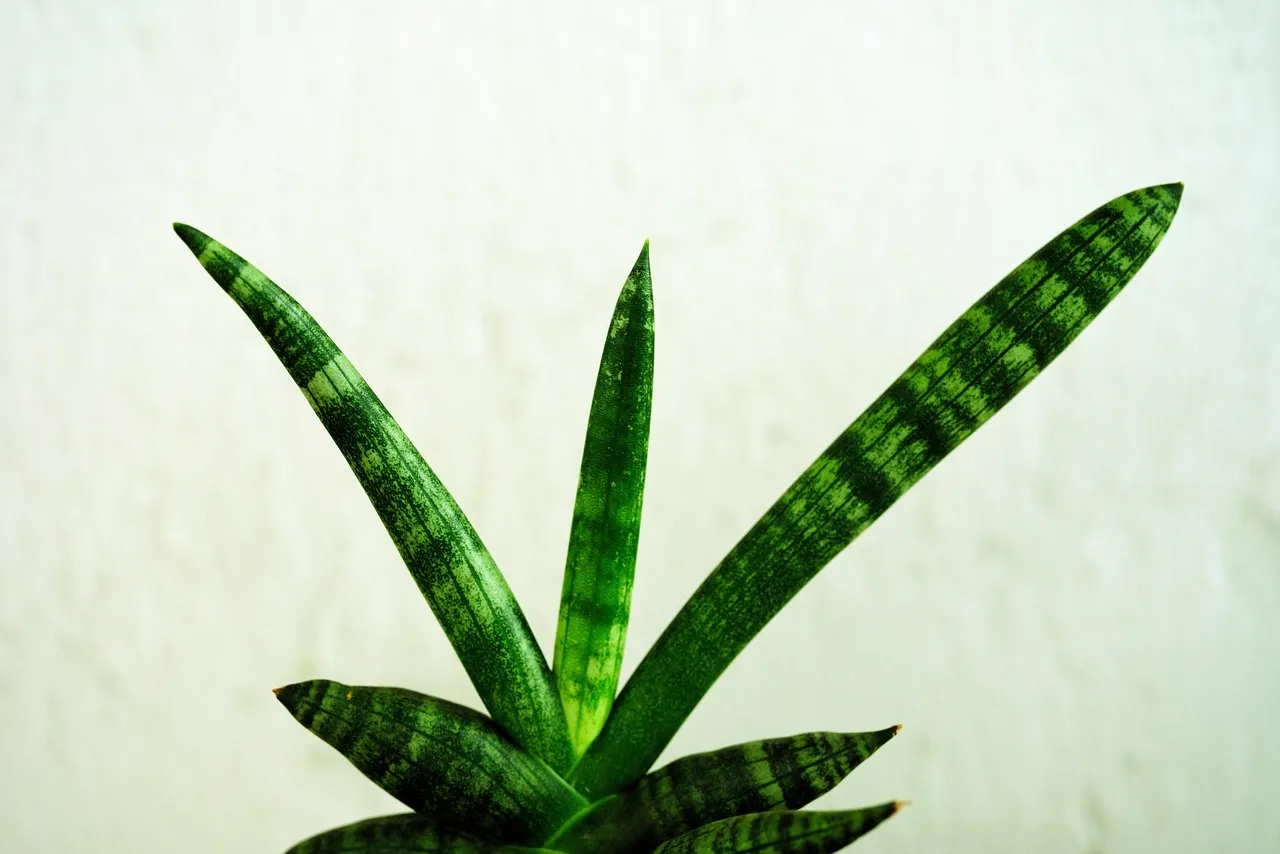
For people who prefer a peaceful, simplified vibe for their spaces, the Snake Plant is your best bet. This stunning plant includes sleek, upright leaves and is super easy to maintain, making it a favorable plant for beginners or people with busy schedules.
Current houseplant trends show a strong preference for plants that can adapt to varying indoor conditions. Species such as Zamioculcas and Sansevieria (the snake plant) continue to perform well due to their low maintenance requirements and resilience across varying temperatures and light levels.
The Snake Plant is known for bringing tranquility and balance so that you can enjoy peace of mind in your own personal retreat. Snake plant owners aren’t interested in impressing anyone. They just want things to work without excessive fuss, which is actually a deeply underrated quality.
The Boston Fern Lover: Romantic, Emotionally Grounded, Drawn to Softness
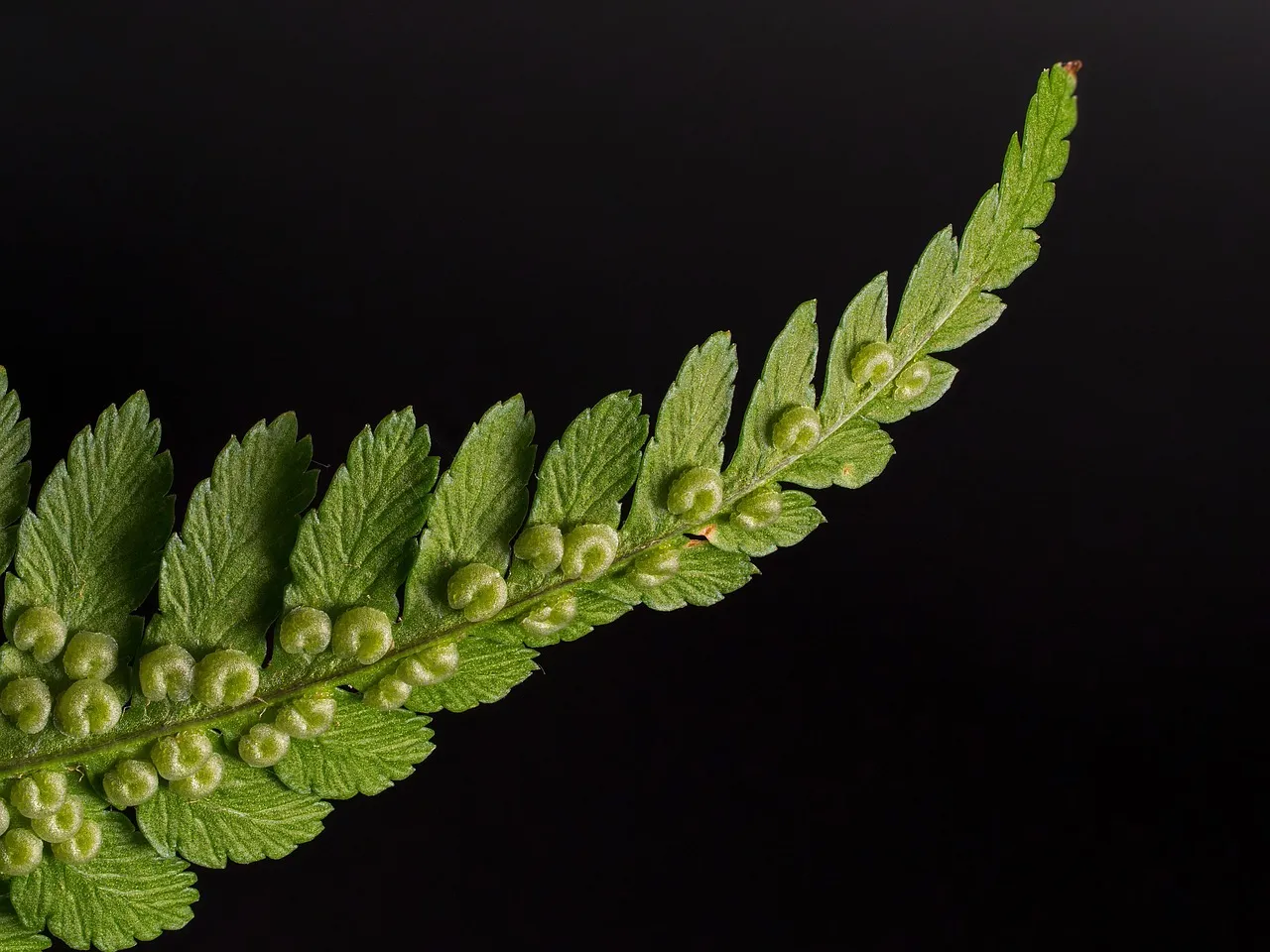
The design mood heading into 2026 is softer, slower, and more emotionally grounded. Think heritage over hype, comfort over cool, and plants bursting forth with possibilities and not styled within an inch of their lives. Boston ferns fit this notion perfectly.
The Boston Fern continued to be a popular plant for indoor décor across the decades. Their delicate fronds and air-purifying qualities appealed to the growing interest in healthier living. They need humidity and attention, which signals that their owners are willing to put in emotional effort.
Plants connect us to memory and comfort, as well as affording continuity. That’s powerful, and increasingly desirable, and it’s something the Boston fern offers with ease. If you keep one of these alive, you’ve got patience, and you probably prefer candlelight over overhead fluorescents.
The Rubber Plant Enthusiast: Confident, Nostalgic, with a Vintage Eye
The rubber tree is a retro plant that deserves another look, and it was among easyplant’s top 2024 picks. It’s a bold, architectural plant that was everywhere in mid-century interiors, and it’s back precisely because the people choosing it know exactly what they want.
Individuals with a go-getter attitude and a penchant for productivity can benefit from houseplants that boost focus and concentration. Plants such as the Rubber Plant go the extra mile when it comes to improving air quality. Rubber plant people are rarely ambivalent. They see something with presence and they commit.
There’s a quiet confidence in choosing a plant that never fully went away. You probably have a record player somewhere too. Not as irony, just because you genuinely prefer the warmth of older things, which the rubber plant delivers without apology.
The Hoya Collector: Curious, Quietly Obsessive, a Loyal Homebody
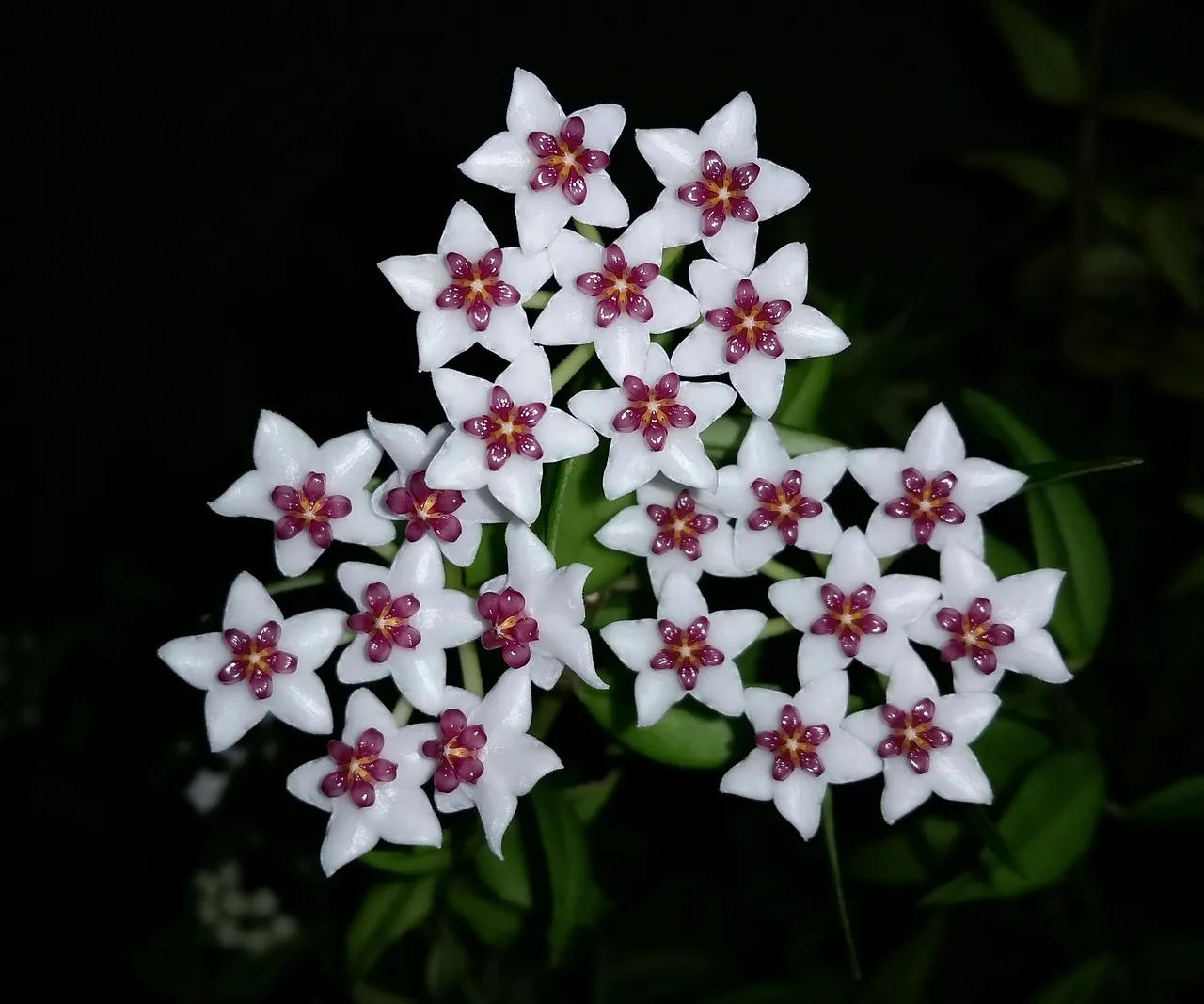
Hoyas, also known as wax plants, are on the rise as houseplants, which is not surprising as they have gorgeous foliage as well as flowers. The species Hoya carnosa is the most common, with dozens of cultivars to choose from. They’ve been around for generations, quietly appreciated by a dedicated group who never needed social media to validate them.
Many plants popular in the 1970s and 80s are making a strong return due to their hardiness and easy-care nature, and Hoya is firmly on that list. Hoya owners tend to build collections slowly and deliberately. They don’t need the flashiest plant in the room.
There’s a collector’s mentality here, mixed with genuine affection. Hoya owners remember the names of all their plants. They propagate thoughtfully. They’re the people who bring homemade food to every gathering – reliable, attentive, and thoroughly underrated.
The Dracaena Devotee: Elegant, Low-Fuss, Quietly Sophisticated
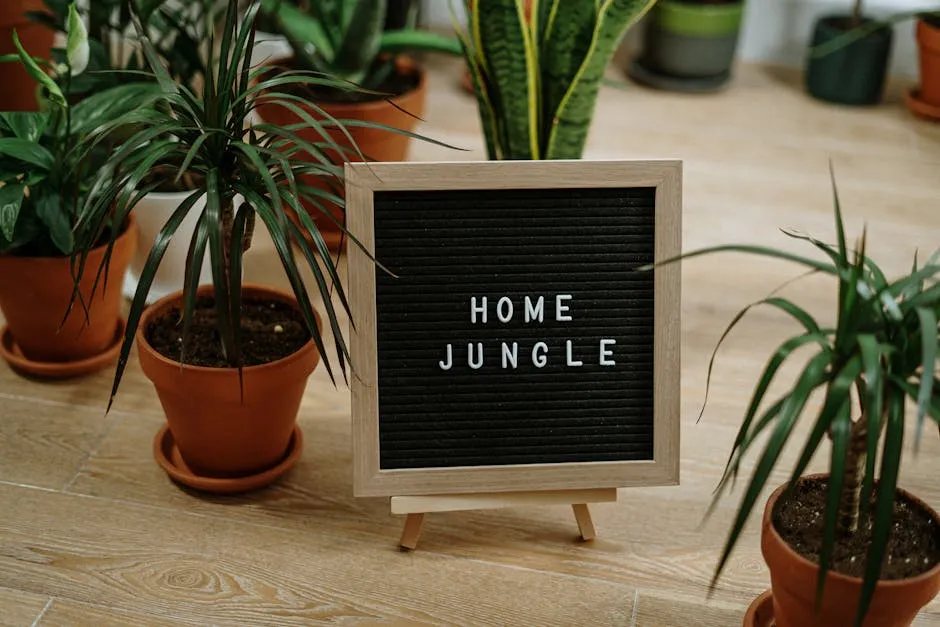
The Dracaena Janet Craig is an older variety that is having a strong comeback. It is known for its elegant, dark green leaves and air-purifying properties, and it’s a low-maintenance option that adds a touch of elegance to any room.
The plant is renowned for its air-purifying properties, removing harmful toxins such as formaldehyde, benzene, and trichloroethylene. Bloggers highlight Dracaena’s versatility across aesthetic styles, from elegant and minimalist to bold and dramatic, with its dark green glossy leaves and distinctive shape making it a statement piece in any interior design.
Dracaena people tend to dress well without being flashy. They research before they buy. They own things that age well. Choosing a plant that was trendy in the 1980s, went dormant for a decade, and came back looking better than ever is a very specific kind of taste, and it’s a good one.
The Parlour Palm Admirer: Historically Minded, Comfort-Seeking, Quietly Grand
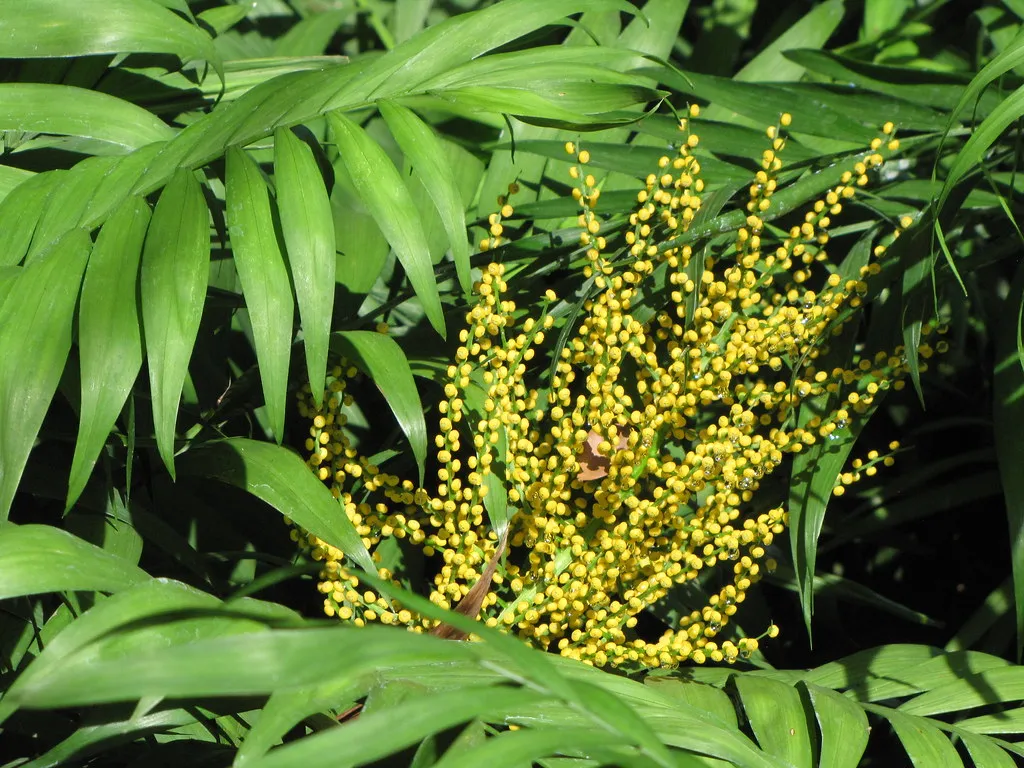
The parlour palm is having a huge comeback. Once placed strategically in windows so neighbors and visitors could admire household wealth, it’s now much more about filling a space with one big plant rather than many smaller ones. That shift from status symbol to comfort object is worth noting.
These classic and easy-to-care-for plants add a nostalgic touch to contemporary interiors, evoking a sense of familiarity for those who grew up with these green companions in their homes. The parlour palm carries more history than almost any other indoor plant, stretching back to Victorian drawing rooms.
If you gravitate toward the parlour palm, you likely appreciate things with a backstory. You’re drawn to objects that have outlasted trends rather than created them. There’s a slow confidence in that preference, and it’s exactly the energy a beautifully arching palm brings to a room.
Nostalgia, Numbers, and Why It All Matters
The global indoor plant market is valued at roughly 21 billion dollars as of 2025, with projected growth of around four to five percent compounded annually through 2030. Roughly two-thirds of American households own at least one houseplant. That’s not a niche hobby anymore. That’s a cultural shift.
The common factor shared by the comeback of the 70s classics is hardiness and easy care. Drama queens are out. Easy care is in. This same trend was also predicted for 2024 and is only expected to grow stronger. There’s something comforting about that direction.
What once gathered dust in grandma’s parlor is now celebrated by new generations of plant parents. 2024 saw a particular resurgence of mid-century and classic favorites, both for their visual charm and their durability in modern conditions. The retro houseplant revival, at its core, is really about people reaching for something that feels steady. And in that small act of choosing a familiar green companion, they’re revealing something genuinely true about who they are.
AI Disclaimer: This article was created with the assistance of AI tools and reviewed by a human editor.