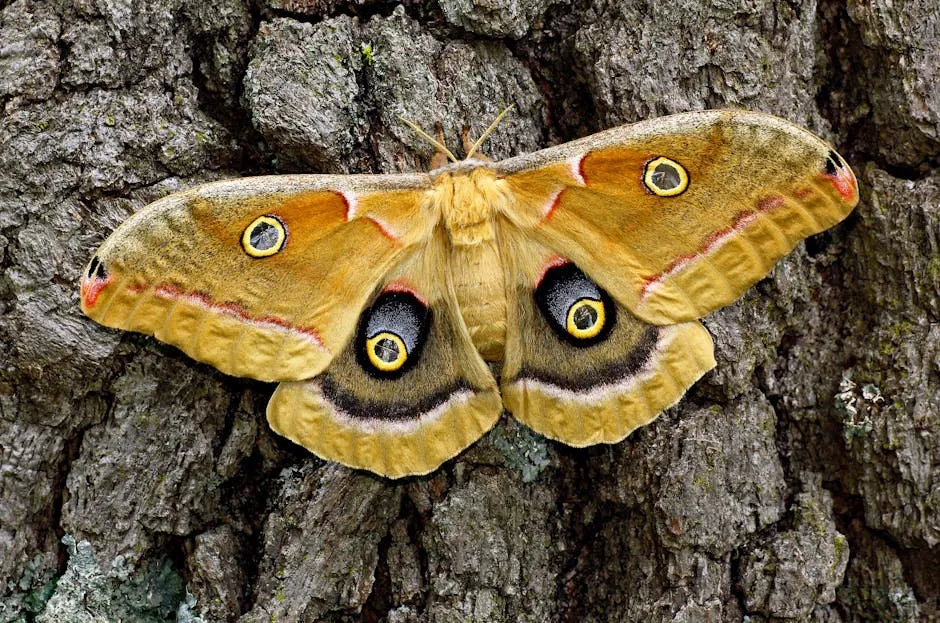

Most gardens shut down at dusk. The gardener goes inside, the sprinklers tick off, and the yard goes quiet. What most people never realize is that another shift is just beginning. Native moths move into the dark hours with a precision that has evolved over millions of years, visiting flowers that only open after sunset, carrying pollen in ways even bees cannot match.
There are roughly 160,000 known moth species worldwide, compared to just 17,500 butterfly species. That scale alone puts moths in a different category from most pollinators we talk about. Creating a night-blooming garden is one of the most effective and personally rewarding things a home gardener can do to support these creatures in a world where their populations are increasingly under pressure.
Why Moths Matter More Than Most People Realize
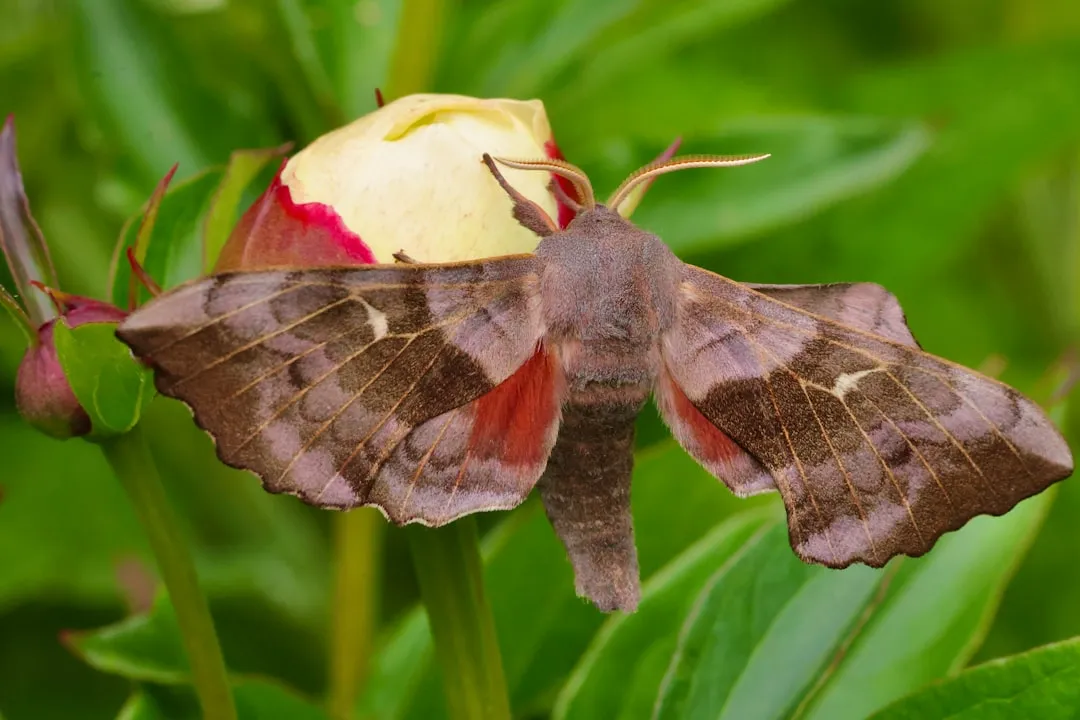
Moths outnumber butterflies roughly ten to one. Moths and butterflies belong to the biological order Lepidoptera, which is the second most species-rich order of insects, with nearly 170,000 described species in the world. Butterflies account for about 17,500 of those, while moths make up the remaining 152,500.
Recent research has shown that certain night-flying moths can be more efficient pollinators than day-flying pollinators like bees. Their bodies are part of the reason. Moths are efficient pollinators because that fuzzy appearance many of them have comes from thick scales covering their bodies and wings, which allows pollen to adhere easily.
Moths are significant components of food webs in all terrestrial ecosystems, contributing substantially to network complexity, interaction diversity, and associated ecosystem stability. Their value goes far beyond pollination alone.
Understanding the Decline: Why Your Garden Actually Matters
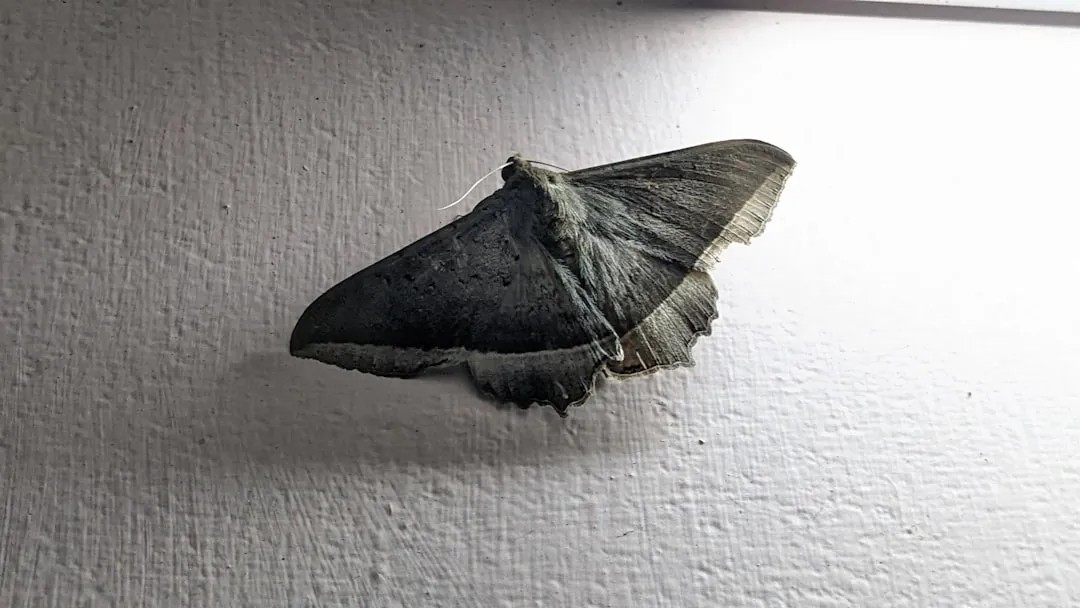
Moth populations are already in steep decline. A recent review suggests global moth populations have dropped by roughly 30 to 40 percent in just the last few decades, with light pollution, habitat loss, and pesticides all contributing to this trend.
One of the most dramatic changes occurring on our planet is the ever-increasing use of artificial light at night, which has drastically altered the environment to which nocturnal animals are adapted. Such light pollution has been identified as a driver in the dramatic decline of insects in recent years. One nocturnal species group experiencing marked declines are moths, which play a key role in food webs and ecosystem services such as plant pollination.
As biodiversity drops, ecosystem resilience drops with it. Without healthy moth populations, native plant communities become more fragile and less able to resist climate stress, invasive species, and disease. Your garden, however modest, is a genuine counter to this trend.
Choose White and Pale Flowers That Glow in the Moonlight
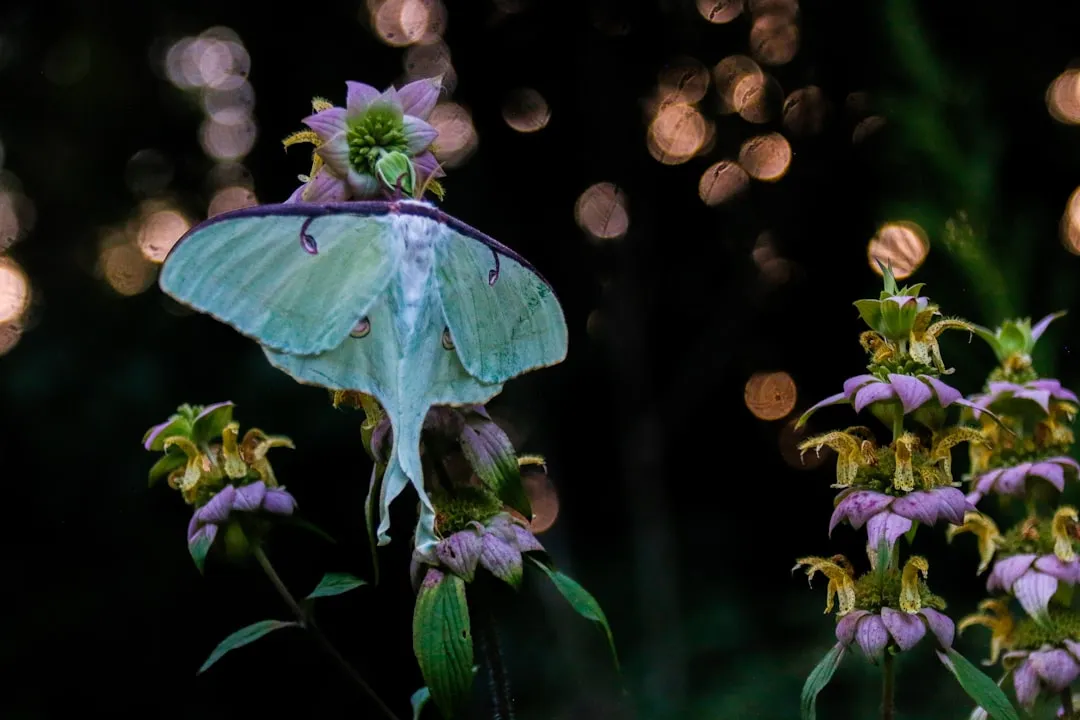
Night-flying moths are attracted to light and white-colored flowers that look like they are glowing in the moonlight. Plants with light green, silver, or gray foliage, or shiny leaves reflect available light, while fragrant blooms entice moths out of their daytime hiding.
To truly welcome moths into your garden space, consider designing a specialized moon garden: a thoughtfully planned area designed to come alive under moonlight. These enchanting gardens feature white or pale-colored flowers that beautifully reflect moonlight, fragrant night-blooming plant varieties, and species specifically chosen to attract nocturnal pollinators.
Sometimes moths will travel over 900 yards following the strong scents of night-blooming flowers. That kind of range means even a small patch of the right plants can make a real difference in your immediate ecosystem.
Plant Evening Primrose for Specialist Moths
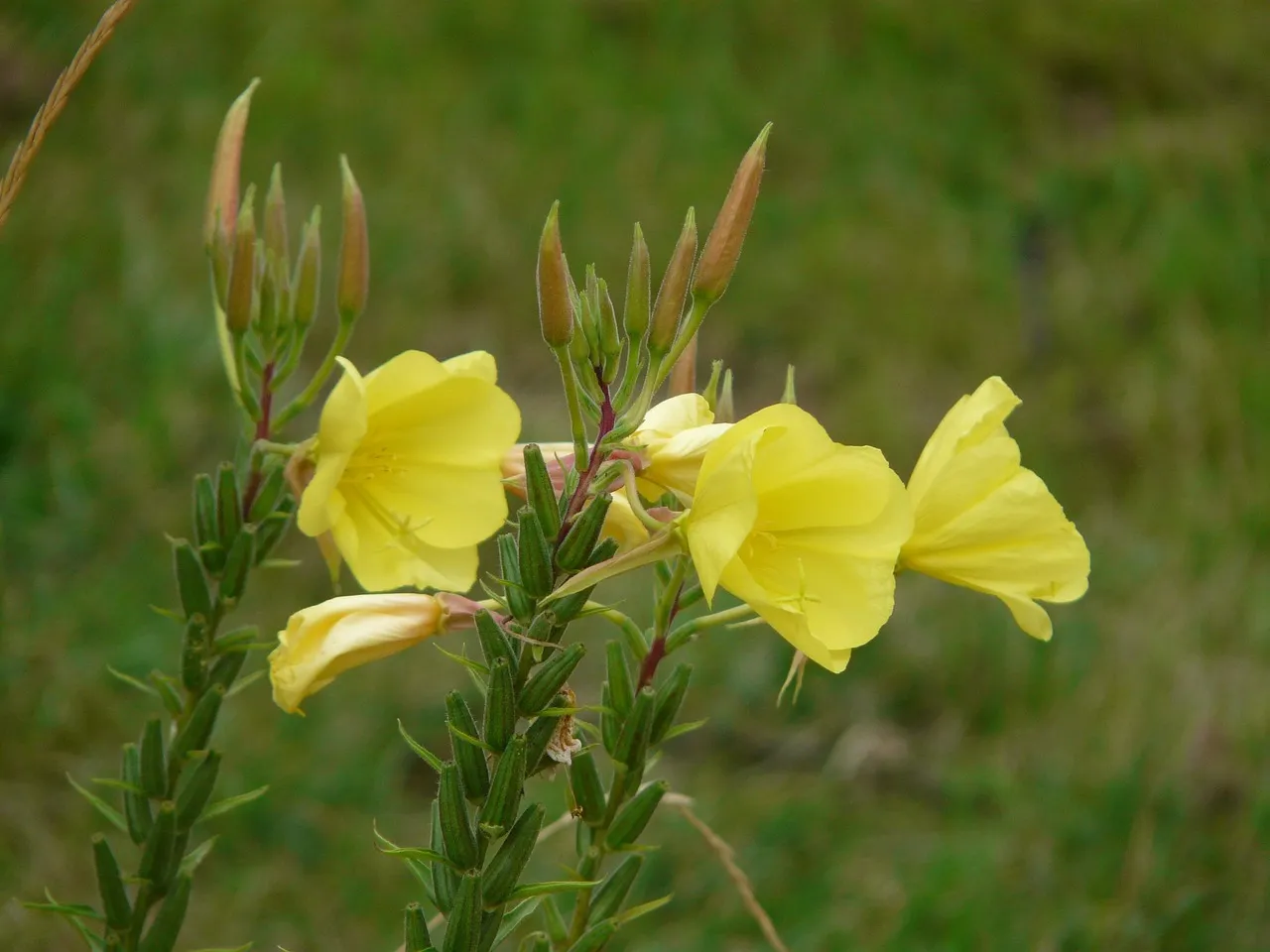
Most evening primroses open at dusk and bloom overnight before their blossoms wither by day, indicating that their primary pollinators are those insects that are most active at night. This timing is not accidental. It is the result of a very long co-evolutionary relationship.
The native biennial evening primrose is drought tolerant and will grow in dry, rocky, disturbed areas. It is best grown on its own in a patch where it can self-sow. The lovely yellow flowers, opening in the evening, are very fragrant until the following morning when they close. While the flowers are short-lived, plants can bloom over several months.
Evening primrose serves as the larval host of several moths, including the White-lined Sphinx and the Primrose Flower Moth. Flower moths of the genus Schinia are closely linked to their host plants, using them for nectaring, resting, and laying their eggs on the flower buds.
Add Native Honeysuckle and Phlox for Tubular Blooms
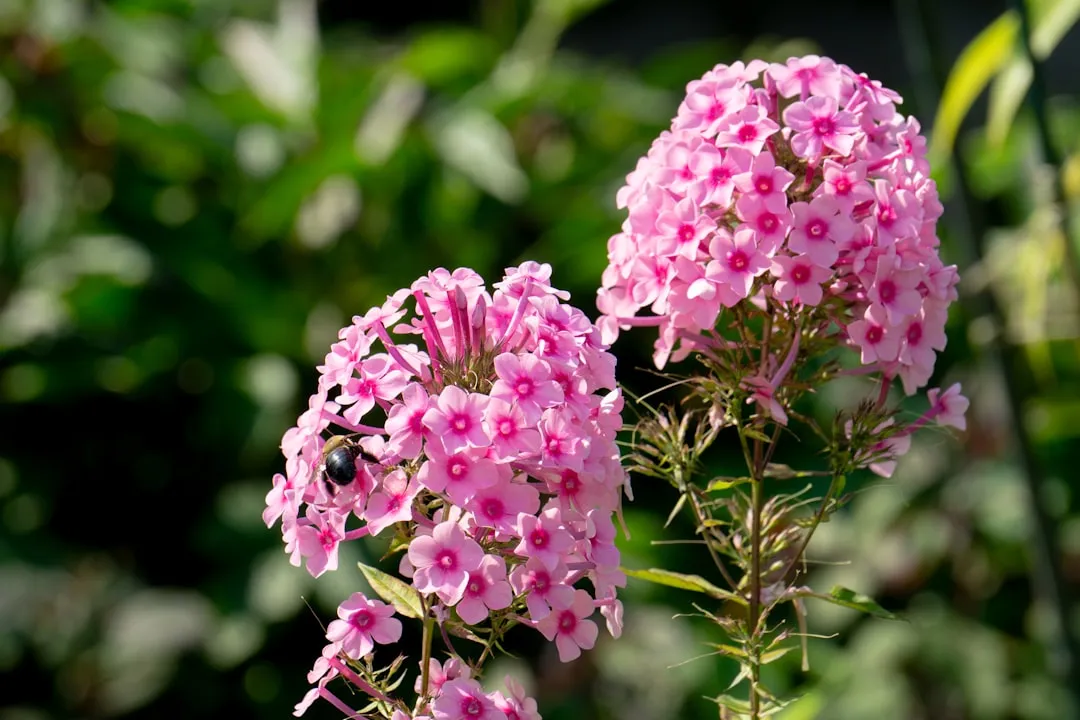
Our native honeysuckles are excellent moth plants, from the spring-blooming shrub Lonicera canadensis with its pale tubular fragrant blooms, to the woody vines Lonicera hirsuta and Lonicera dioica, both early summer bloomers with trumpet-shaped flowers.
Phlox are stunning moth and butterfly-pollinated plants. The fragrant flowers with their long tubes leading to nectar deep within the flower have evolved for pollinators with a long proboscis. This is exactly the kind of structural specificity that makes moth-focused planting so compelling.
Moths are vital for plants that bloom or release their fragrance after dark, such as evening primrose, jasmine, and honeysuckle. Grouping these plants together in a single dedicated bed creates a reliable landing zone for nocturnal visitors throughout the growing season.
Plant Keystone Trees and Shrubs as Larval Hosts
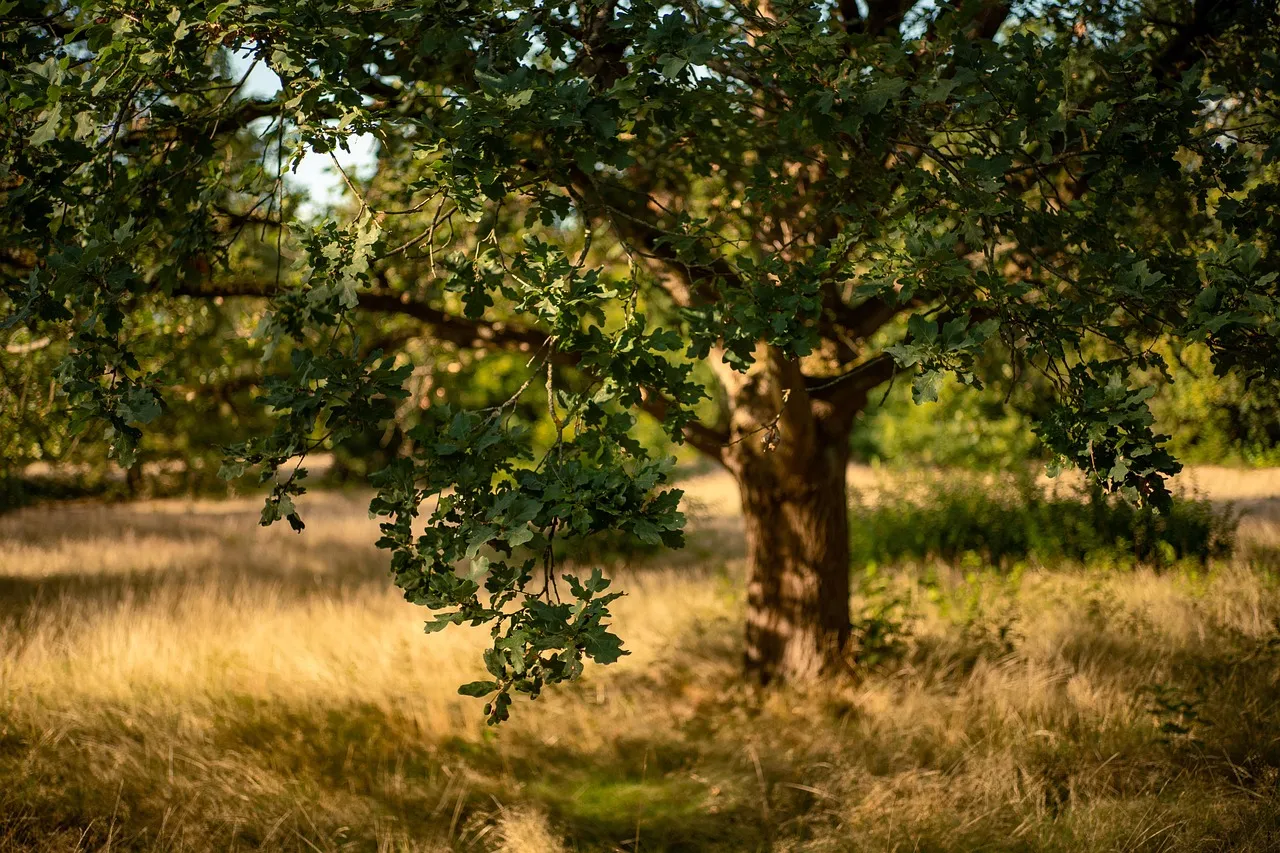
Keystone plants are those that support the largest number of moth and butterfly species. These keystone plants are often native trees and shrubs, like oaks, birch, willows, and cherries, but there are also many native flowers and grasses that support and serve as host plants for a variety of moths.
Oaks in the genus Quercus provide food for more than 950 species of butterfly or moth caterpillars, making them among the country’s most important keystone native plants. The scale of that number deserves a moment of reflection. No other plant genus comes close.
According to University of Delaware entomologist Doug Tallamy, native oaks are the most valuable tree for wildlife in 84 percent of the counties in the United States in which they occur. Oak trees support numerous moth species, so more oaks equals more caterpillars and, in turn, more birds. Even a single young oak begins paying dividends within a few years.
Include Milkweed and Violets for Specialist Moth Species
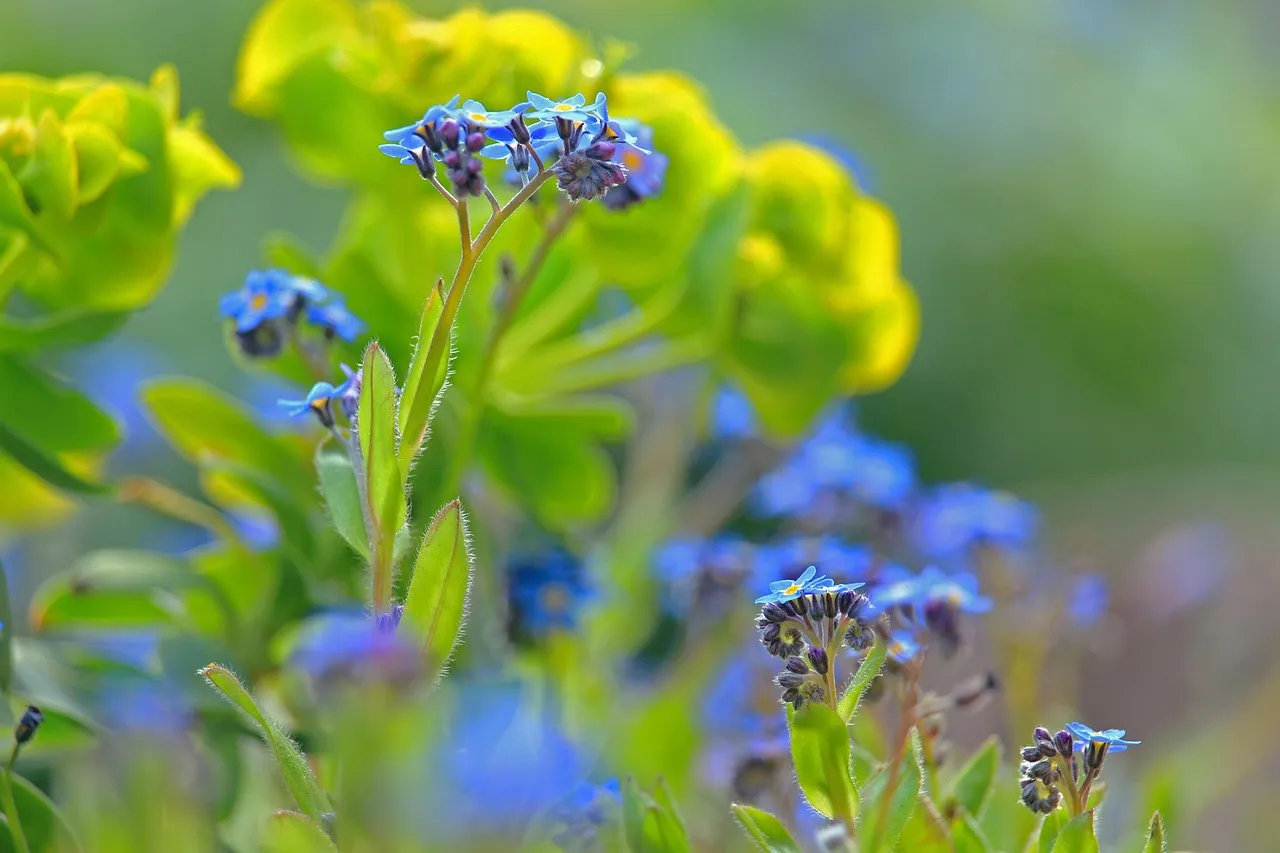
There are 11 milkweeds native to Pennsylvania according to the USDA Plants Database, and finding a few that work in your space and planting several of each species will attract a diversity of insects, including the Milkweed Tussock Moth, which is regularly found on milkweeds and is not cause for alarm.
More than ten species of moths have caterpillars that feed on violets, including the Giant Leopard Moth, the Venerable Dart, and the Large Yellow Underwing. Violets are often dismissed as weeds, but in a moth garden, their presence is genuinely strategic.
Native plants and moths co-evolved with many moth species becoming specialized to overcome a plant’s natural defenses, much like how monarch butterfly caterpillars can feed on milkweeds. This long co-evolutionary history is exactly why native plants will always outperform non-native alternatives in a wildlife garden.
Tackle Light Pollution: The Most Overlooked Step
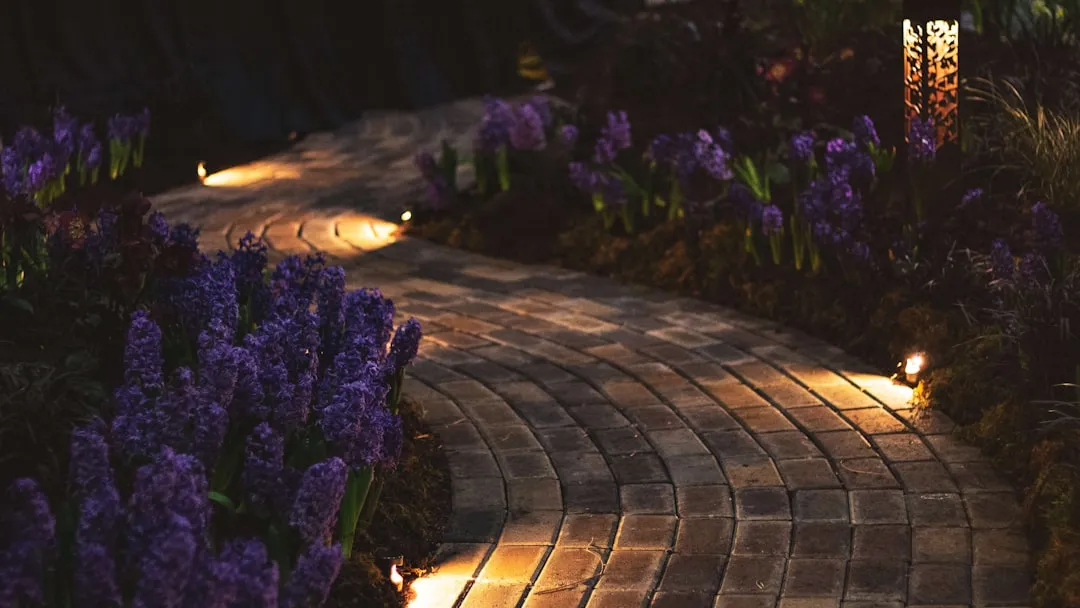
In 2014, a group of scientists in the United Kingdom studied the effects of streetlamps on moths. The scientists found that roughly seven in ten moths flew towards the streetlamps and away from flowering plants. This resulted in a direct reduction of plant pollination.
Light pollution can also reduce feeding by pulling moths away from nectar sources, interrupt mating by masking pheromonal signals, expose moths to predators that use light as a hunting tool, and shorten moth lifespans due to stress and disorientation.
To protect moth populations and their role as nighttime pollinators, install motion sensors and timers to minimize unnecessary lighting at night, and use shielded outdoor lights to direct light downward, reducing the spread of artificial light into the sky. Choosing warm-colored bulbs rated at 2700K or lower over cool white LEDs makes a meaningful difference as well.
Avoid Pesticides and Let Parts of Your Garden Stay Wild
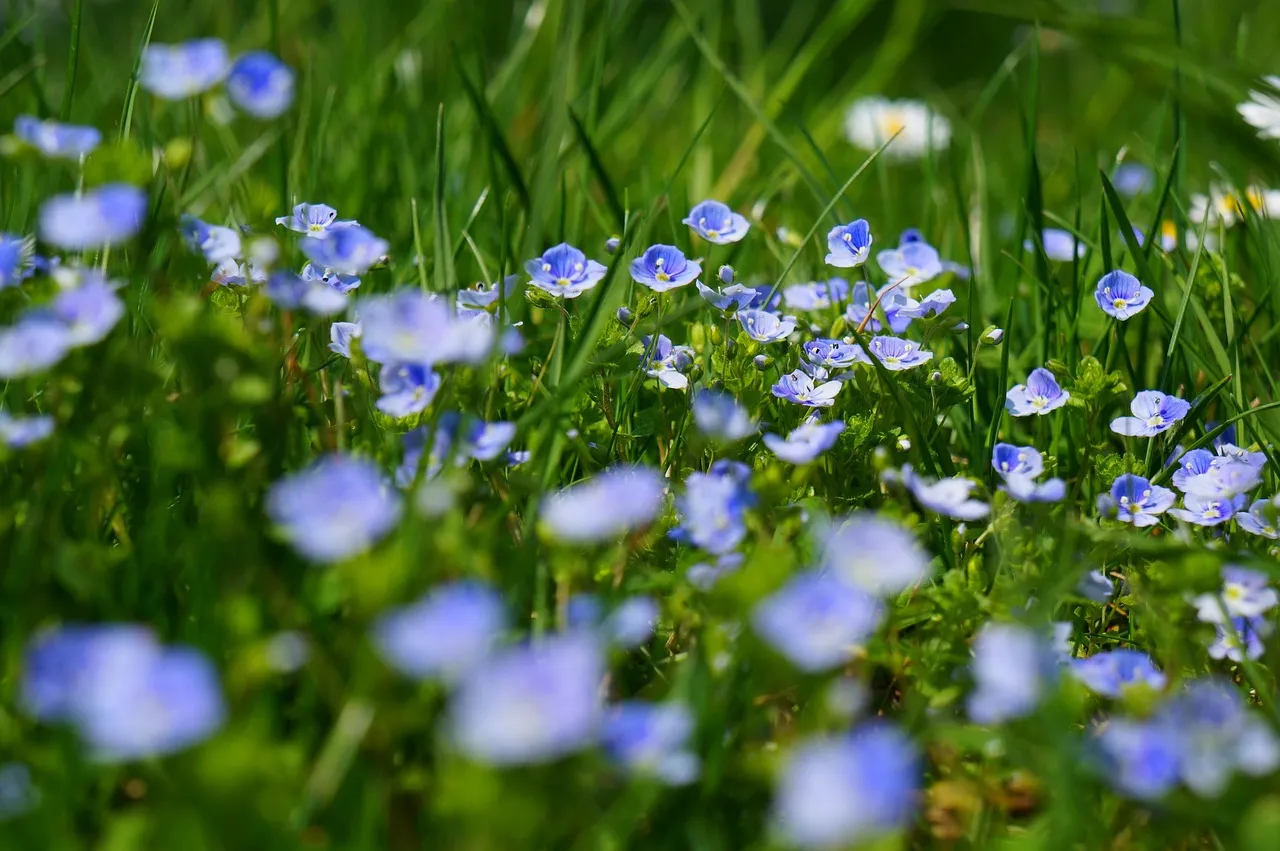
Pesticides can harm moths at every stage of life. Opting for organic gardening practices and natural pest deterrents is essential to any moth-friendly space. This is perhaps the most direct change most gardeners can make immediately.
Including shrubs and trees where moths can rest during the day, limiting artificial lights that can disorient moths, and leaving some wild areas where moths can lay eggs and pupate are all practical habitat improvements.
Unlike invasive pest species, beneficial native moths typically feed only during their caterpillar stage and rarely cause significant garden damage. Many species have co-evolved alongside native plants over thousands of years and form integral parts of the delicate food web ecosystem.
Observe Your Night Garden: Host a Moth Night
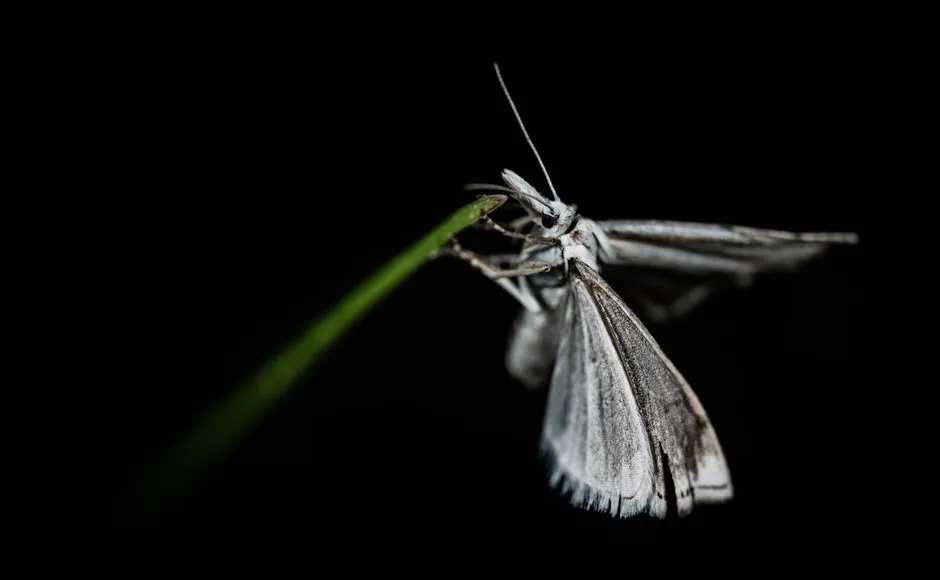
Try hosting a moth night using a white sheet and UV flashlight to observe what species visit your garden after dark. This simple method is used by professional naturalists and citizen scientists alike, and it costs almost nothing.
The last week in July is National Moth Week. Ohio holds an annual event called Mothapalooza that brings together nature enthusiasts from across the eastern United States to look at, learn about, and photograph moths. For several nights, attendees gather around mothing stations where special bulbs and ultraviolet lights directed at white sheets attract an amazing diversity of insects.
Using resources like native plant databases to determine what plants are native to your region and installing plants that support a high number of Lepidoptera is a practical, research-backed approach to moth gardening. Apps like iNaturalist also let you log and identify the species visiting your space, contributing your observations to citizen science databases in the process.
Build the Bigger Picture: Connecting Moth Habitat to the Food Web
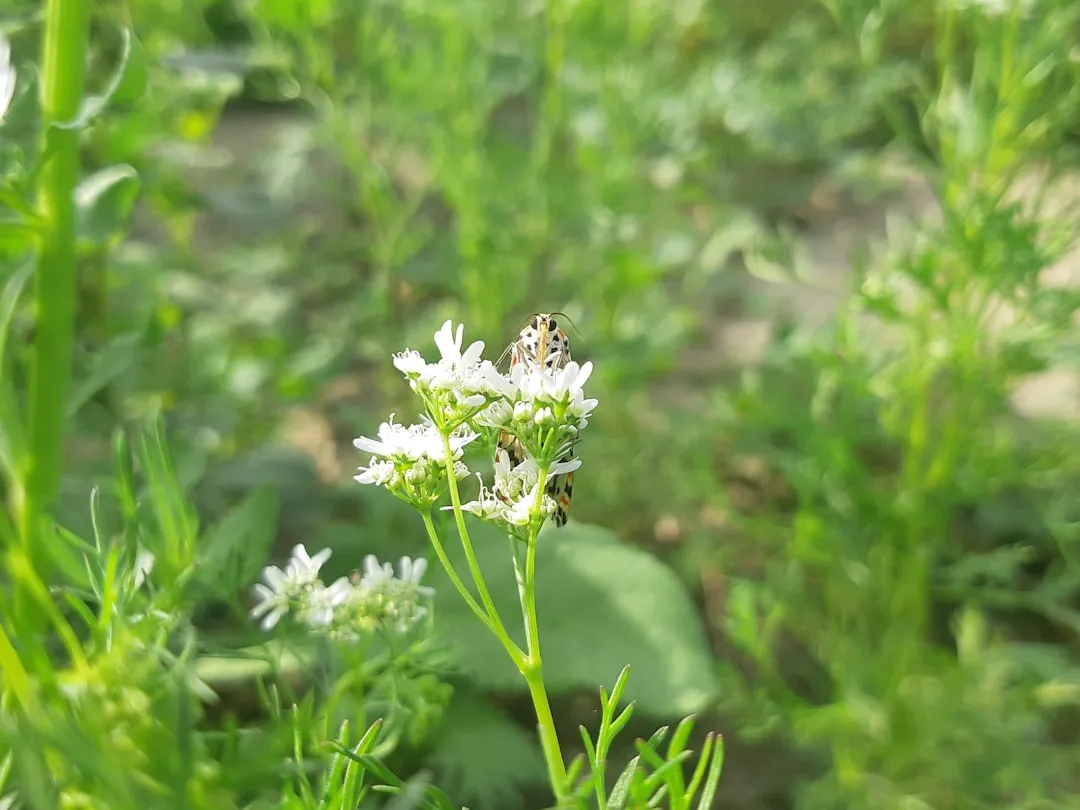
Caterpillars, the larval stage of moths, are very important as bird food. Baby birds cannot digest hard seeds, but soft caterpillars are easily digested and full of the protein they need. The night-blooming garden you plant for moths is, in this way, also a bird nursery.
Research finds that only a few powerhouse native plants support the majority of Lepidoptera. Roughly 90 percent of what caterpillars eat is produced by only 14 percent of native plant species, with just 5 percent of those powerhouse plants accounting for nearly three-quarters of available food.
No animals transfer more energy from plants than caterpillars, according to Tallamy. These insects’ protein-packed bodies serve as a primary food source for scores of wildlife species, including the vast majority of terrestrial birds that rely on butterfly and moth larvae to rear their young. What starts as a small patch of pale, fragrant flowers at the edge of your yard connects, root by wing by beak, to something much larger than any single garden.
A night-blooming garden is not a complicated thing to start. A few pots of evening primrose, one native oak sapling, a string of motion-sensor lights swapped out for warm amber alternatives, and a patch of ground left intentionally unmowed. The moths will find you. They have been navigating by moonlight and scent for far longer than any of us have been gardening, and they are remarkably good at what they do.
AI Disclaimer: This article was created with the assistance of AI tools and reviewed by a human editor.