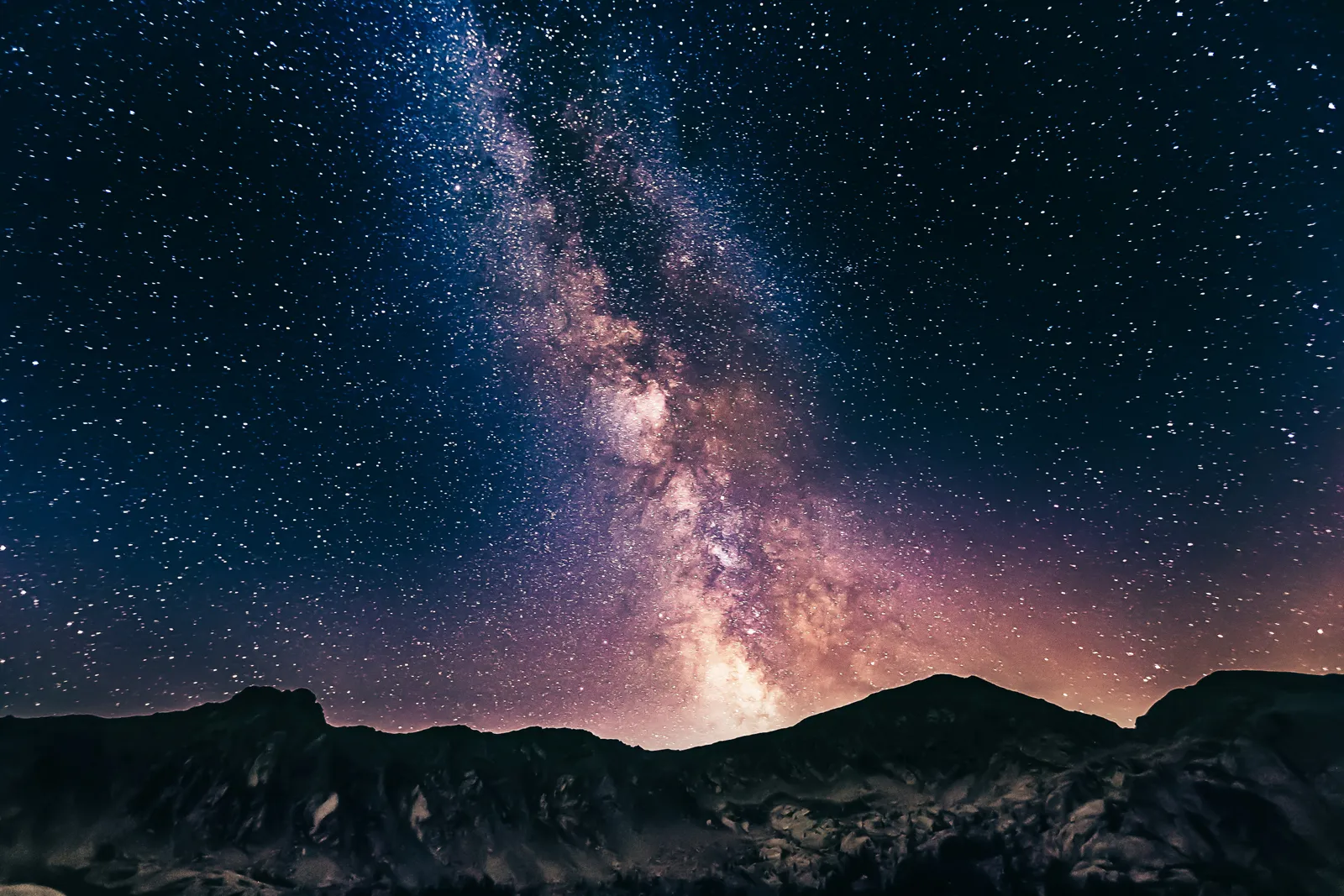

June opens with a striking lineup of celestial events that draw attention to the evening and nighttime sky. The full strawberry moon reaches peak illumination late in the month, the summer solstice brings the longest stretch of daylight in the Northern Hemisphere, and the Milky Way stretches across the heavens after dark. These occurrences coincide with favorable positions for several bright planets, creating repeated opportunities for observation throughout the period.
Planetary Pairings Set the Stage Early
Venus and Jupiter appear prominently in the western sky after sunset for the entire month. They draw closer together around mid-June before separating again, with Mercury visible lower near the horizon at times. Observers can track these shifts night after night as the planets follow their orbits around the Sun.
Additional alignments include a slim crescent moon near Mercury and Jupiter on several evenings. Earthshine, the faint glow on the moon’s dark side from reflected sunlight, becomes noticeable during these close approaches. Smartphone photos or simple digital camera shots can capture the changing configurations without specialized equipment.
Summer Solstice Marks the Seasonal Turn
The solstice occurs early on June 21 and signals the official start of summer. Daylight reaches its maximum length before gradually shortening in the weeks that follow. Clear evenings around this date offer extended windows to watch the sky transition from twilight into full darkness.
After the solstice, the summer constellations rise higher and remain visible longer into the night. This period also brings warmer temperatures that encourage extended time outdoors, whether for casual viewing or more deliberate sky watching.
Strawberry Moon and Key Lunar Phases
The full strawberry moon arrives on June 29. Its name reflects traditional associations with the ripening of strawberries and other early summer harvests. The moon appears nearly full on the preceding evening as well, providing two consecutive nights of bright lunar light.
Other phases include the last quarter on June 8, new moon on June 14, and first quarter on June 21. These stages influence the amount of moonlight present each night and can affect visibility of fainter objects. A daytime occultation of Venus by the moon takes place on June 17, though it requires careful timing and safe viewing practices during daylight hours.
Milky Way and Summer Triangle Emerge After Dark
Once twilight fades, the Milky Way becomes visible as a broad band of light stretching from the northeast toward the southeast. It grows more prominent through the night until morning twilight begins. The bright star Altair helps form the Summer Triangle, a recognizable pattern that stands out in the same region of the sky.
These features reward patience and a location with minimal light pollution. The combination of the solstice timing and the strawberry moon creates a natural progression from long evenings into starry nights that many people find especially appealing during the warmer months.
Simple Steps for Enjoying the Displays
Find an open view to the west at dusk for the planetary lineups and to the south or east later for the Milky Way. Allow eyes to adjust to the dark for several minutes to improve faint-object visibility. Repeating observations on consecutive nights reveals the steady motion of the planets and the changing lunar phases.
Custom star charts for any location can help identify specific stars and constellations. Planning ahead with basic tools supports repeated viewing sessions throughout June without requiring advanced gear.
AI Disclaimer: This article was created with the assistance of AI tools and reviewed by a human editor.