

Most people recycle with the best intentions. They rinse containers, flatten boxes, and sort plastics carefully – and then, when something feels borderline, they toss it in the blue bin and hope for the best. That act of optimistic recycling actually has a name: wishcycling.
Wishcycling is the disposal of consumer waste in a recycling bin in hopes of it being recycled, when it cannot or is unlikely to be recycled. The problem is that wishcycling is far more common than most people realize, and its consequences ripple well beyond a single bin.
The Wishcycling Problem Is Bigger Than You Think
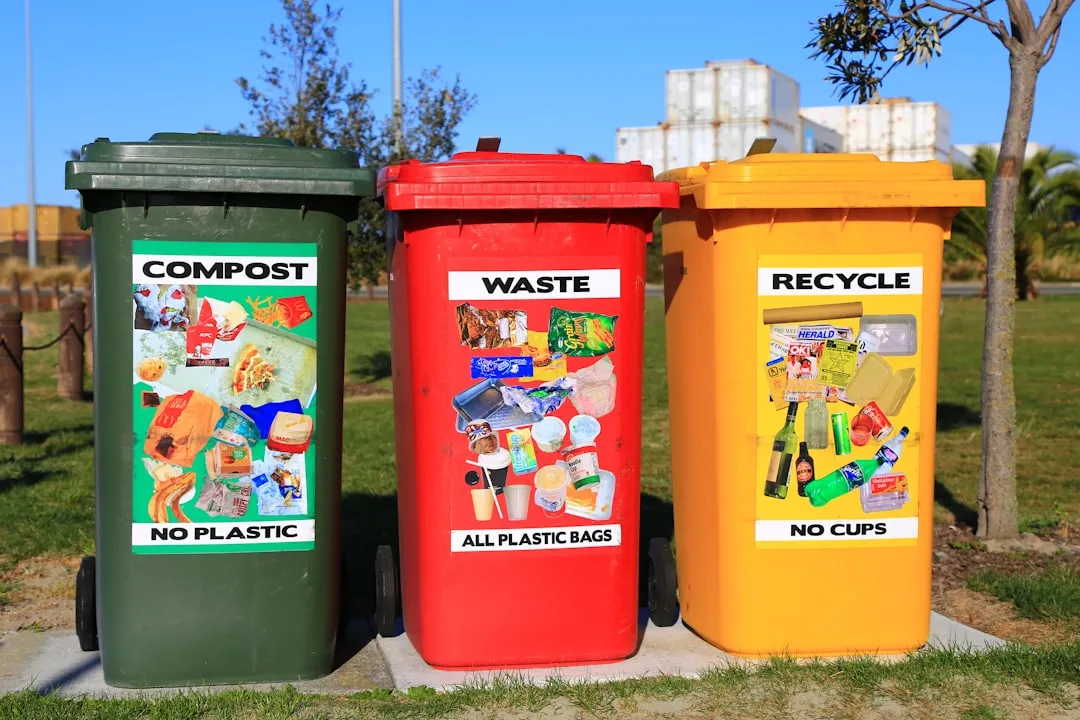
In the United States, approximately one in four items placed in recycling bins are not actually recyclable. This high contamination rate leads to several problems, and these contaminated materials often end up in landfills due to sorting challenges and inconsistent recycling standards across regions.
A Republic Services study found that nearly three quarters of people believed they were recycling experts. Yet more than half of them were unable to correctly identify items that were not recyclable. That gap between confidence and accuracy is exactly where wishcycling thrives.
Nearly one-fifth of all recyclables are contaminated by wishcycling. The cumulative cost to sorting facilities, municipal budgets, and environmental goals is substantial.
Why Good Intentions Can Make Things Worse
Wishcycling is a well-intentioned but misguided activity that can significantly disrupt the recycling process. Non-recyclable items introduced into the recycling stream can contaminate the otherwise recyclable materials, and in some cases may lead to entire batches being deemed unrecyclable and subsequently sent to landfills.
Certain non-recyclable materials, such as plastic bags, hoses, or other items not designed for the recycling process, can cause damage to recycling machinery. This damage can result in costly repairs and downtime for recycling facilities, further exacerbating the challenges faced in the recycling process.
Confusion about what you can add to your recycling bin is all too common because consumers are confronted with an ever-evolving variety of packaging types, and what is acceptable in one community’s recycling program may not be acceptable in another. That patchwork of rules makes it easy to get things wrong, even when you’re trying hard.
The Recycling Symbol Does Not Mean “Recyclable”
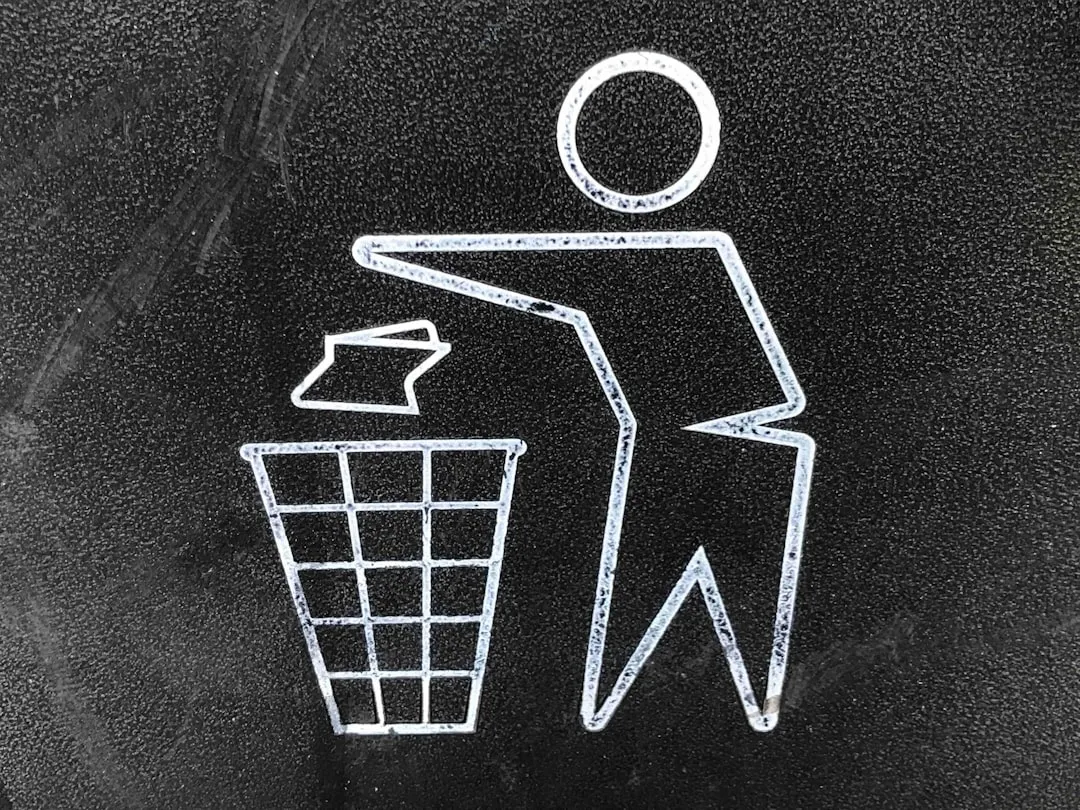
The three-arrow symbol is not a guarantee of recyclability. Some reports suggest that the plastics industry originally pushed the placement of recycling symbols on plastic products to make consumers think that plastics were widely recycled, even though the infrastructure to recycle most plastics didn’t exist. The symbol was promoted anyway to combat growing environmental concerns and maintain plastic production levels.
A survey revealed that the vast majority of Americans misunderstand plastic resin codes. The numbers indicate plastic type, not automatic recyclability. Seeing a number inside a triangle on packaging tells you what the material is made of – nothing more.
A Pew Research Center study found that more than half of Americans believe “most types of items” can be recycled and that mixed recycling is easily sorted – even though this isn’t the case.
Item 1: Plastic Bags and Film Wrap
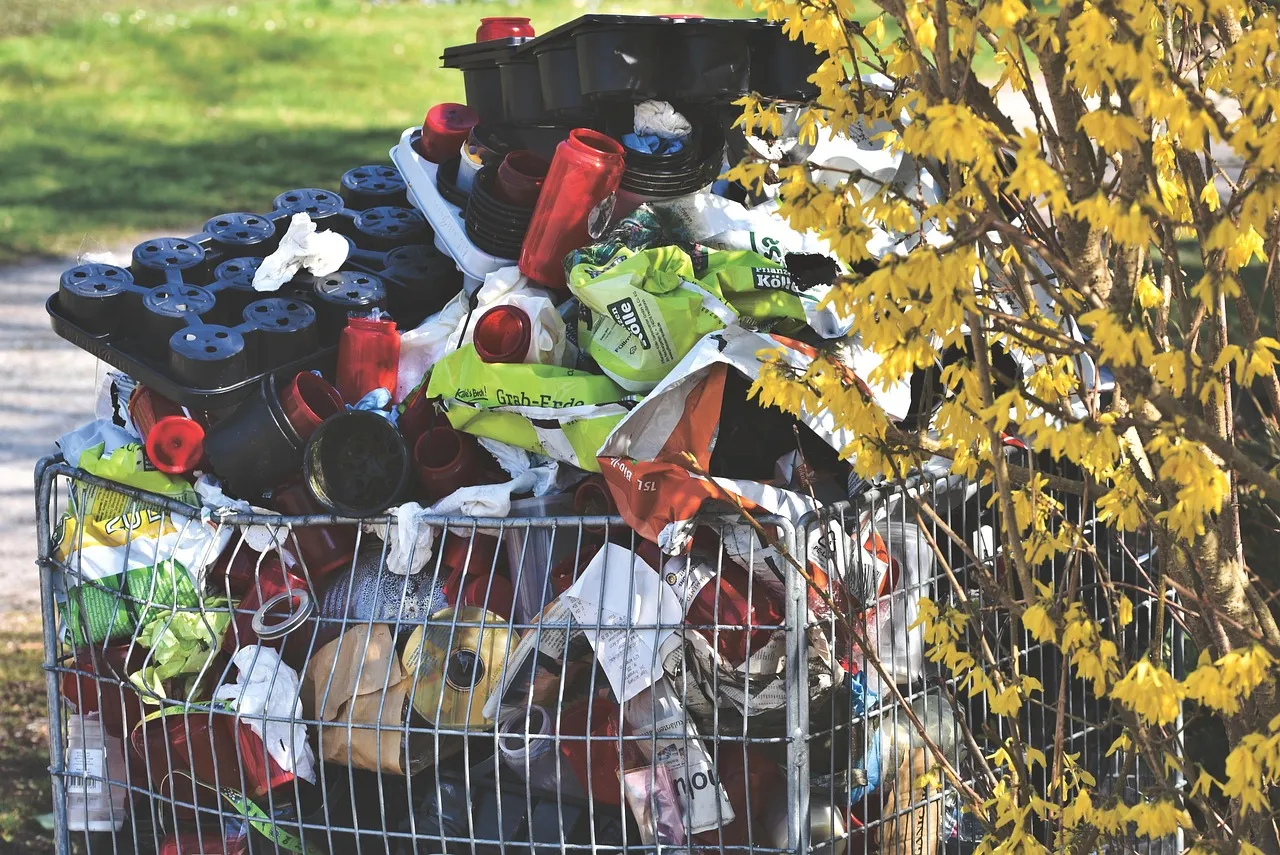
Plastic wrap, plastic bags, and other plastic packaging that often has a recycling symbol on it, while commonly used, aren’t accepted in curbside recycling bins. Instead, they should be taken to designated recycling centers or participating stores such as Target, Hannaford, or Walmart.
When bags go into curbside recycling, they create “tanglers” at recycling facilities. These tanglers wrap around sorting machines, causing costly breakdowns, halts in production to manually cut away the plastic, and safety risks for workers.
Plastic bags are technically recyclable, but they require separate collection through retail drop-off programs. Most major grocery chains maintain collection bins near store entrances. So the bag isn’t worthless – it just belongs somewhere else entirely.
Item 2: Styrofoam and Foam Packaging
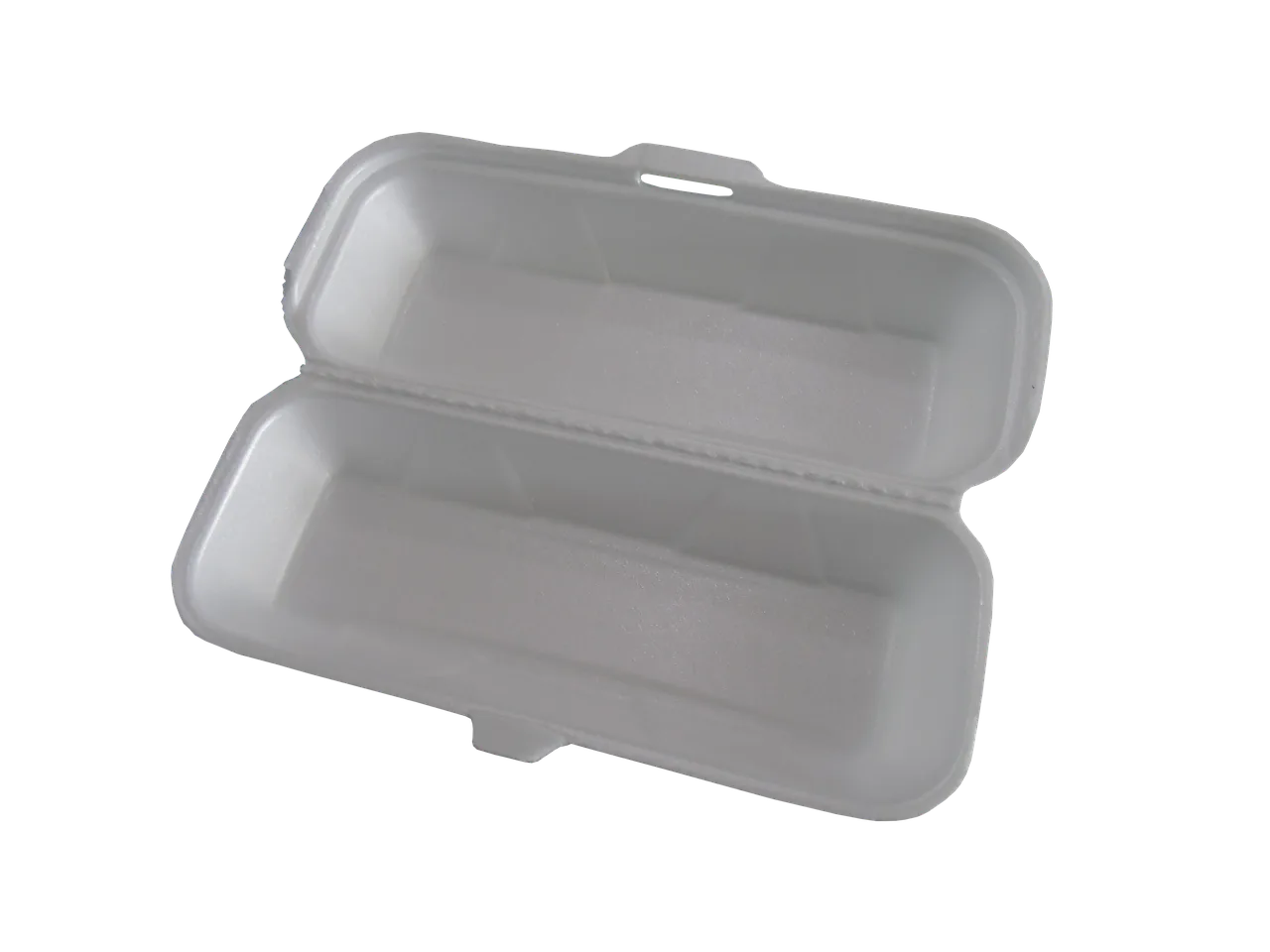
Very few localities accept styrofoam in curbside recycling. Earth911 offers a tool to help locate where you can drop off your styrofoam for it to be recycled. Still, most people simply toss it into the blue bin and move on.
Styrofoam, a type of steam-puffed plastic, takes up a lot of space, is expensive to transport, and difficult to break down. This type of plastic also risks contaminating other materials during the recycling process, due to its tendency to break into small pieces.
The brittle nature of styrofoam packaging often breaks or crumbles, clogging recycling machines. Post offices, recycling plants, and other locations do reuse these materials and collect them so they’re recycled properly. It’s an extra step, but a necessary one.
Item 3: Disposable Coffee Cups

Understanding what is and isn’t recyclable is crucial for disposable coffee cups. Unfortunately, the plastic lining and coffee residue make these cups non-recyclable, including the cup and the lid.
The plastic lining of disposable paper cups not only makes them unrecyclable, it releases microplastics into our beverages. The outer layer looks like cardboard, but that thin interior plastic coating makes separation during recycling almost impossible at most facilities.
If your coffee cup comes with a cardboard sleeve, that part is recyclable. A practical step is to bring a reusable coffee mug to your local coffee shop rather than relying on a disposable cup.
Item 4: K-Cups and Single-Serve Coffee Pods
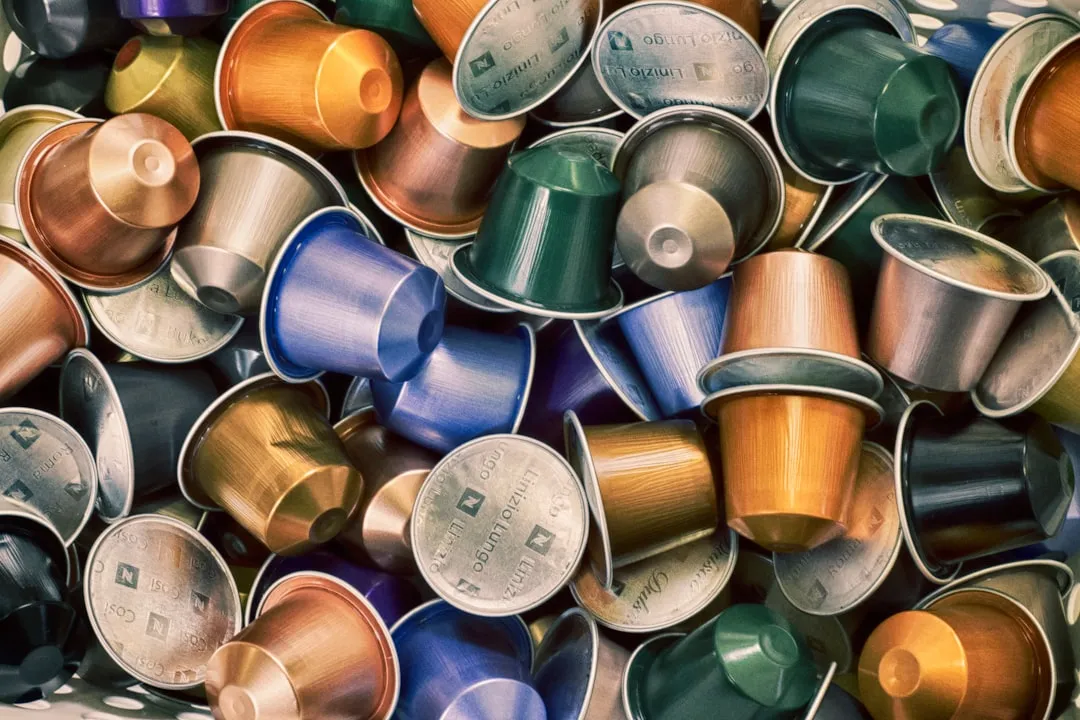
In September 2024, the Securities and Exchange Commission charged Keurig Dr Pepper with making misleading statements about K-Cup recyclability, resulting in a $1.5 million penalty. The company had claimed pods could be “effectively recycled,” while two of the largest commercial recyclers had told Keurig that recycling the pods was not commercially feasible at their facilities.
With over 20,000 different recycling systems operating across the United States, there are no uniform standards for what materials facilities accept. The small size of coffee pods can jam sorting machinery at material recovery facilities, and many facilities simply don’t accept items smaller than a single-serving yogurt cup. Even when polypropylene is accepted, coffee pods specifically may be rejected.
In late 2024, Keurig launched K-Cycle At Home, a mail-back recycling program for consumers whose communities don’t accept K-Cups in curbside recycling. The program offers mail-in recycling bags for a fee, with each bag holding approximately 96 pods. It’s a workaround, not a solution.
Item 5: Black Plastic Containers
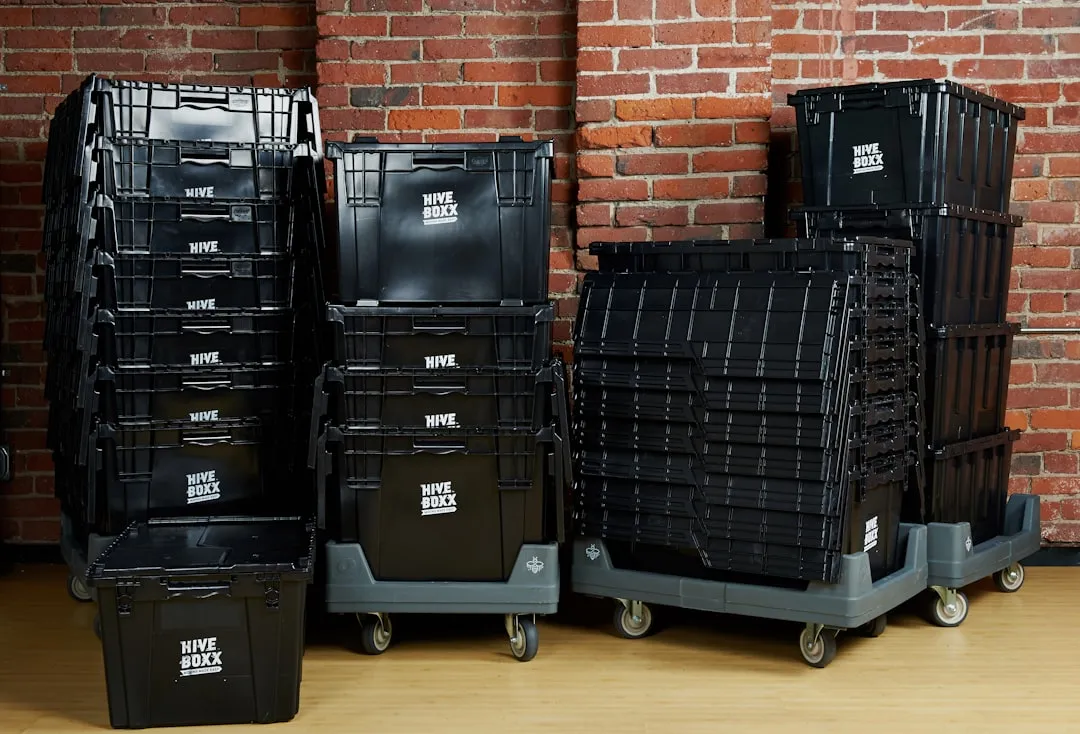
A lot of black plastic food containers and other black plastic materials pass through recycling plants. These facilities sometimes don’t accept black plastic due to the risk of harmful chemicals, including toxins, heavy metals, and flame retardants, leaching into the finished material during the recycling process. This isn’t exclusively why black plastics don’t always get repurposed – the problem is also partly to do with the sorting machinery common at recycling facilities.
The optical sensors used at most sorting facilities detect recyclable plastics by bouncing light off their surface. Black plastic absorbs that light rather than reflecting it, effectively making it invisible to the machines. It gets sorted out as waste, not as material to recover.
Mixed plastics like chip bags or pouches are very difficult to recycle because they contain multiple layers. Always consult your local waste authority for these types of packaging. Black plastic takeout trays fall into a similar gray zone – technically a plastic, practically unrecyclable in most areas.
The Real Cost to Recycling Programs
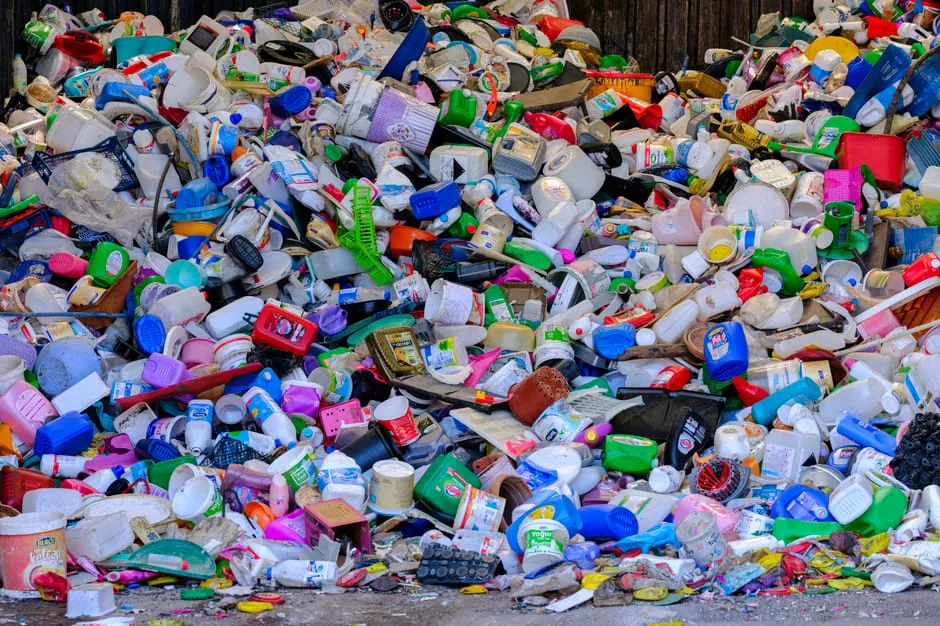
There is a direct correlation between escalating residential wishcycling and accelerating costs for recycling programs. The only way to ensure that a program remains functional is to step in with modern educational initiatives and tools to improve resident behavior.
The decreased value of recycled materials can also lead to higher prices for products made with recycled content, affecting consumer wallets. Some communities have even been forced to reduce or eliminate recycling programs entirely due to unsustainable contamination rates.
In the state of California, which is known for being environmentally progressive, over 1,000 recycling plants have shut down since 2018 due to high contamination levels. Wishcycling, accumulated across millions of households, adds up to real infrastructure damage.
What the Data Says About Our Recycling Reality
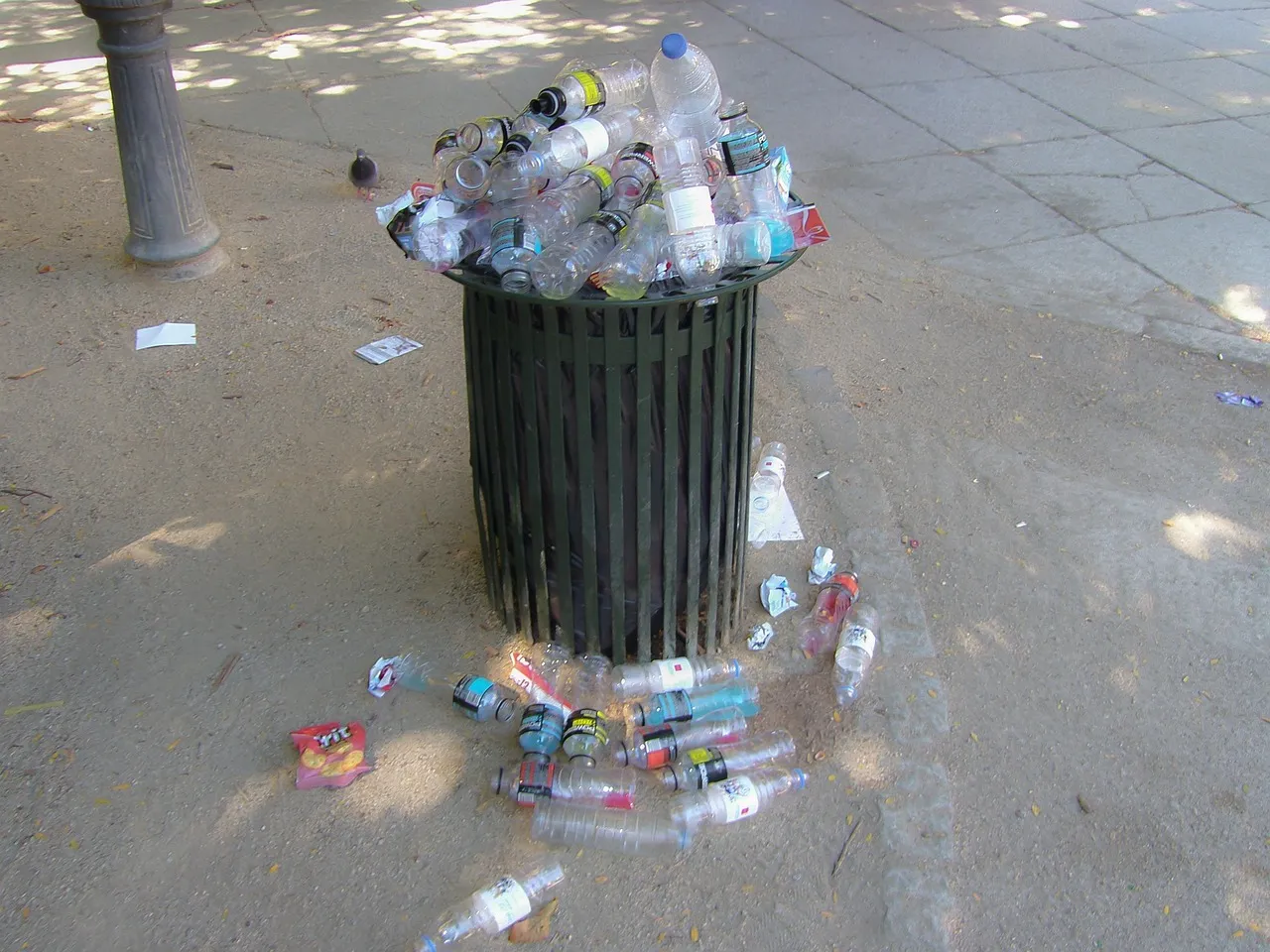
When it comes to just plastic waste, recycling rates have actually dropped in recent years, from around nine percent in 2018 to roughly five percent today. That figure is striking against a backdrop of growing environmental awareness.
According to the Recycling Partnership’s 2024 State of Recycling Report, roughly three quarters of recyclables are lost at the household level, underscoring the importance of providing all households with recycling services and engaging people with good communication about how to recycle locally.
The EPA estimates an investment of $36.5 to $43.4 billion is needed to improve curbside collection, drop-off, and processing infrastructure, including material recovery facilities, packaging material recycling facilities, composting, anaerobic digestion, and livestock infrastructure. The scale of what’s needed puts individual action in clear perspective.
How to Break the Wishcycling Habit
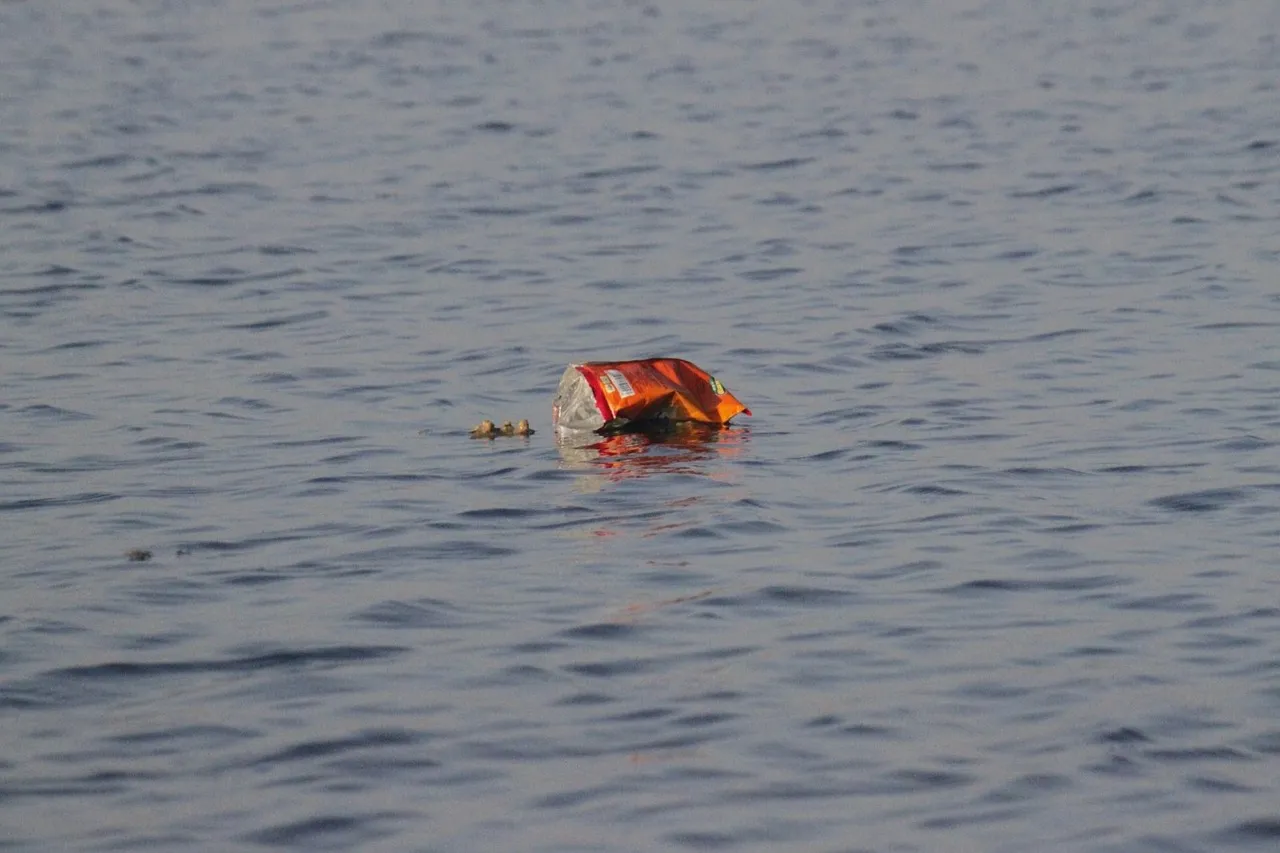
Wishcycling happens when a well-meaning resident tosses something into the recycling bin not because they know it’s recyclable, but because they wish it was. Even if they’re wrong, the wishcycler rationalizes, someone, somewhere, will sort it out. Armed with a desire to recycle as much as they can, many wishcyclers hold the mistaken belief that it’s better to put what might be trash into the recycling bin than to miss an opportunity to recycle.
The simplest rule of thumb is this: when in doubt, leave it out. Putting an unrecyclable item in the bin doesn’t give it a second life – it often contaminates what’s around it. In 2024 and beyond, it’s not enough to rely on long materials lists on a website. Research shows that residents can’t absorb information in that format; instead, they need real-time, mobile access to a searchable database of materials to help guide their choices.
One of the best ways to avoid wishcycling is by reusing as much as you can. Save empty jars and use them to store small household items. Reducing what you consume in the first place is always the stronger environmental move.
Conclusion: Recycle Less, but Recycle Right
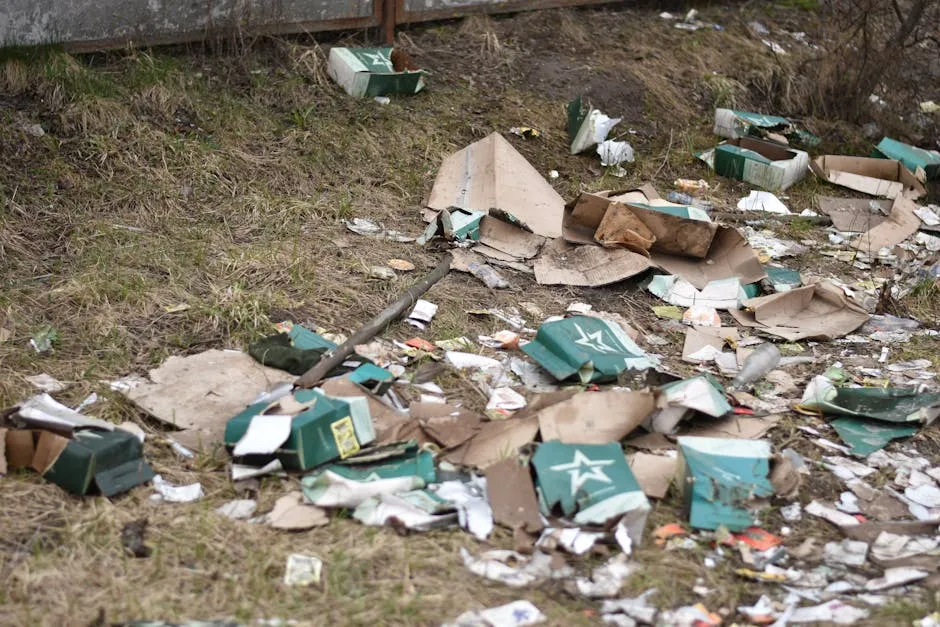
It’s a counterintuitive lesson: recycling less, with more accuracy, is better than recycling more with good intentions. The contamination caused by wishcycling affects entire batches of material, breaks equipment, raises costs, and in many cases sends genuinely recyclable material straight to landfill anyway.
The five items above – plastic bags, styrofoam, disposable coffee cups, K-Cups, and black plastic containers – are among the most commonly wishcycled items in American homes. Knowing what not to put in the bin is just as valuable as knowing what belongs there.
Recycling was never designed to absorb every product we want to dispose of responsibly. It’s a system built around specific materials and specific infrastructure. Working within that system, rather than around it, is what actually makes a difference.
AI Disclaimer: This article was created with the assistance of AI tools and reviewed by a human editor.