

You pour water onto your garden bed and watch it bead up, slide off, and disappear into a nearby crack rather than soaking in. It’s one of those oddly frustrating moments that signals something has gone wrong beneath the surface. Hydrophobic soil, also known as water-repellent or non-wetting soil, occurs when a waxy coating develops on soil particles, preventing water from infiltrating.
As climate change intensifies with prolonged droughts and extreme rainfall events, understanding why soil becomes hydrophobic is increasingly crucial. The good news is that this condition is fixable, and most solutions don’t require expensive equipment or professional intervention.
What Hydrophobic Soil Actually Is
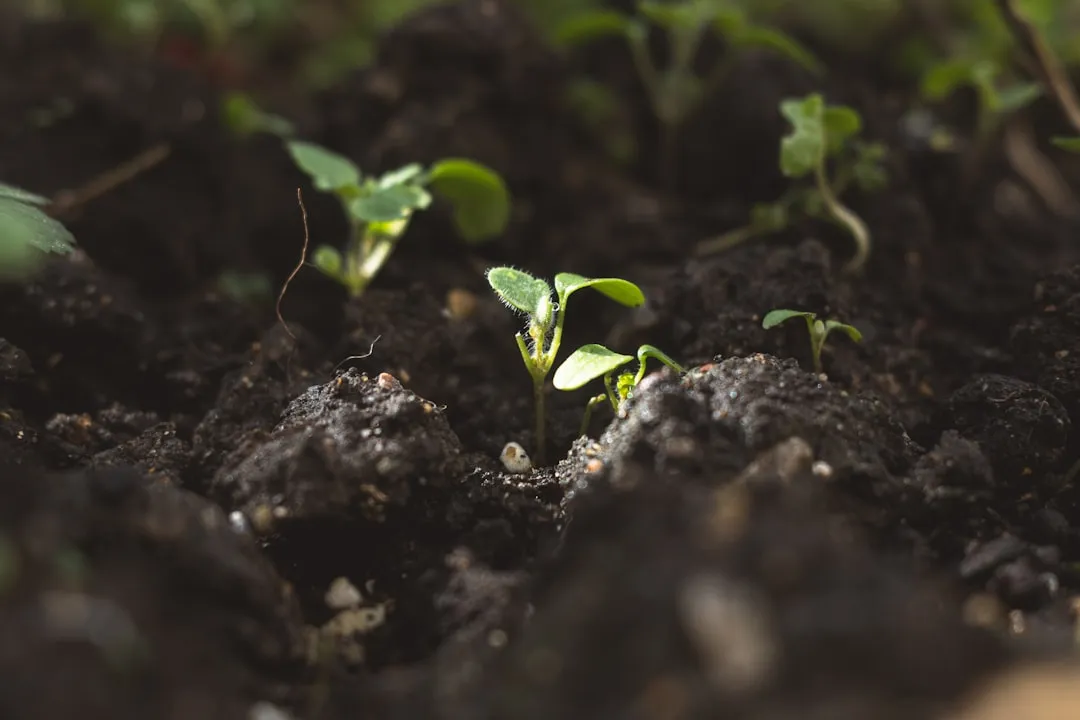
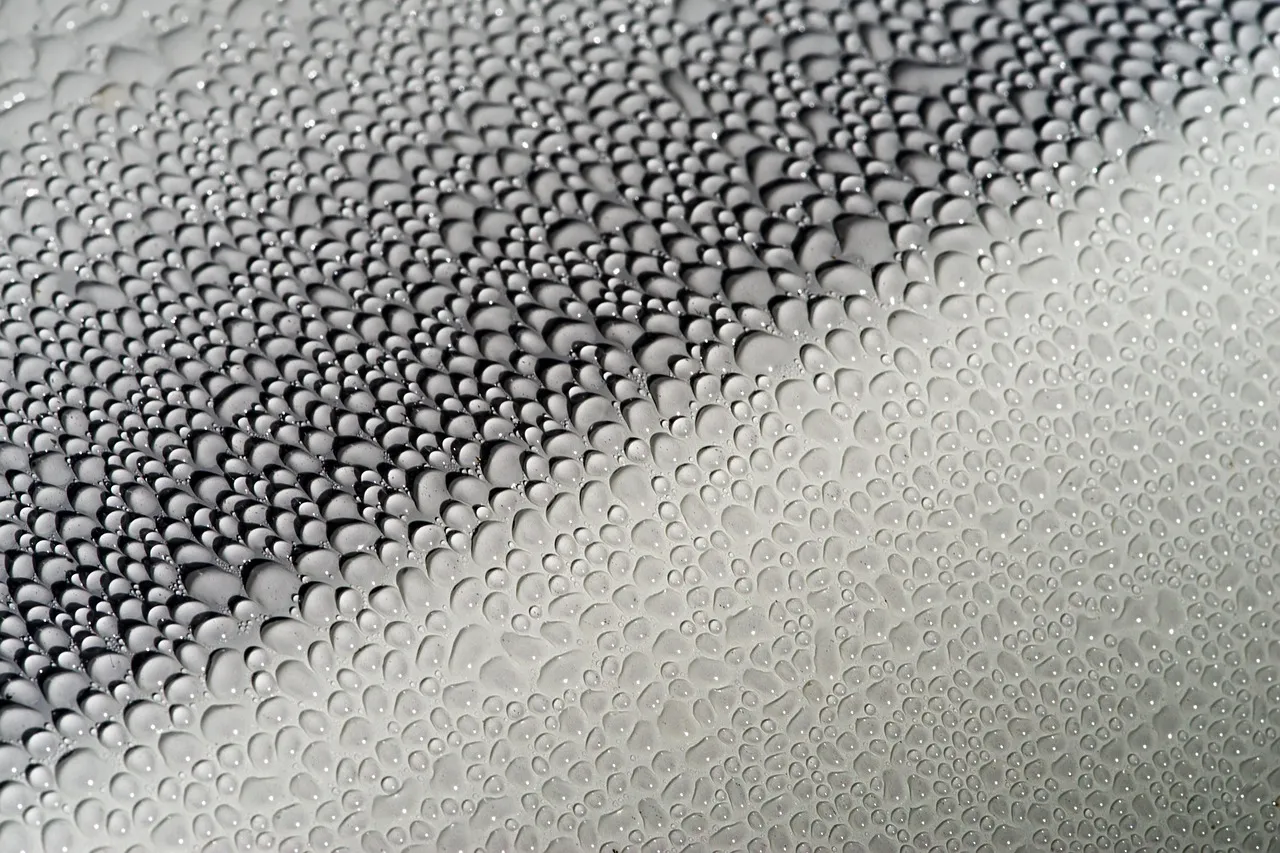
Hydrophobic soil is soil that repels water instead of absorbing it. When you water it, the water beads up on the surface and rolls off, much like water on a freshly waxed car. This happens because soil particles become coated with waxy organic compounds that prevent moisture from penetrating.
At the particle level, hydrophobic soil is caused by a thin coating of organic molecules on individual soil grains. These molecules have a split personality: one end bonds easily with water, and the other end repels it. When the water-repelling ends face outward, they form a microscopic shield around each particle. Water can’t make contact with the mineral surface underneath, so it sits on top instead of soaking in.
How Widespread the Problem Really Is
The problem is more common than most people realize, affecting everything from post-wildfire landscapes to neglected garden beds that dried out over summer. It isn’t limited to dry or sandy climates either.
The soil wetting agents market is gaining momentum as farmers and turf managers seek solutions, in part because nearly 45% of agricultural lands face water repellency, creating a strong need for treatments that enhance soil productivity. That figure alone suggests this isn’t a niche problem for a few unlucky gardeners.
Hydrophobic soils have consequences on plant water availability, plant-available nutrients, hydrology, and geomorphology of the affected area. By reducing the infiltration rate, runoff generation time is reduced and leads to an increase in land flow of water during precipitation or irrigation events.
The Main Causes Behind the Waxy Barrier
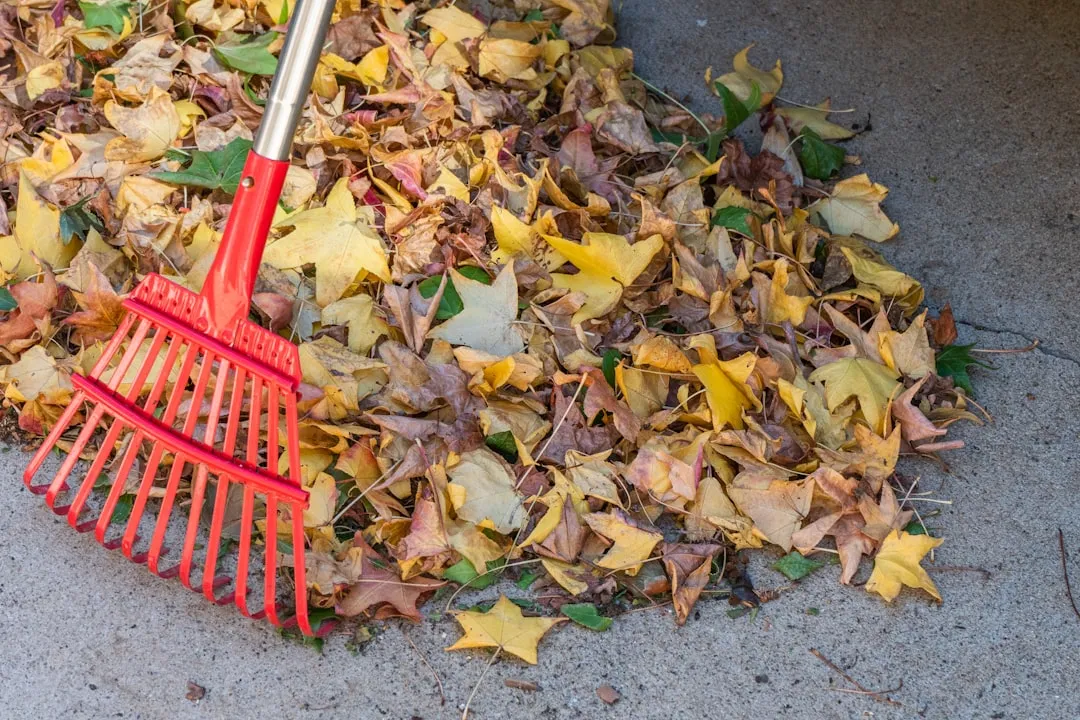
These coatings come from the natural breakdown of organic matter, including plant roots, leaf litter, fungi, and humus. In healthy soil, the coatings stay manageable because regular moisture keeps them from fully drying and sealing. When soil dries out completely, the hydrophobic ends of those molecules orient outward and lock into position. The drier the soil gets, the worse the repellency becomes, which is why hydrophobic soil is most noticeable after prolonged dry spells or drought.
Hydrophobia usually occurs in sandy soils and is often caused by mulches. When uncomposted mulch sits on the surface of the ground, waxy, oily material leaves that mulch as it breaks down and coats each individual grain in the soil. When the soil dries out and you try to rewet it, the waxy, oily coating on the grains won’t let the water back in and the soil stays dry.
Wildfires and the Hidden Repellent Layer

Wildfires are one of the most dramatic triggers. When organic material on the surface burns, the heat produces volatile organic compounds that travel downward into the soil as vapor. Because the soil is cooler at depth, these compounds condense on particles below the surface, forming a distinct water-repellent layer.
The surface inch of soil is usually wettable after a fire, but deeper layers, between one and six inches down, exhibit significant water repellency. Research has found this condition can persist up to five years after a fire.
Wildfire can induce, enhance, or even destroy natural soil water repellency depending mostly on soil burn severity, soil and vegetation types, soil organic matter content and type, soil texture, peak soil temperature, and antecedent soil moisture content.
How to Test Your Soil Before Treating It
Before attempting any fixes, you need to confirm you’re actually dealing with hydrophobicity. The test itself takes about thirty seconds and costs nothing.
You can confirm that your soil is hydrophobic by dropping just a little water on the topsoil. If it sits on top of the soil without soaking in, or runs down the side of the pot, you know for sure that it’s repelling the water. For garden beds, simply observe whether a slow, steady stream of water pools on the surface rather than disappearing within a minute or two.
Using Wetting Agents as a First Response
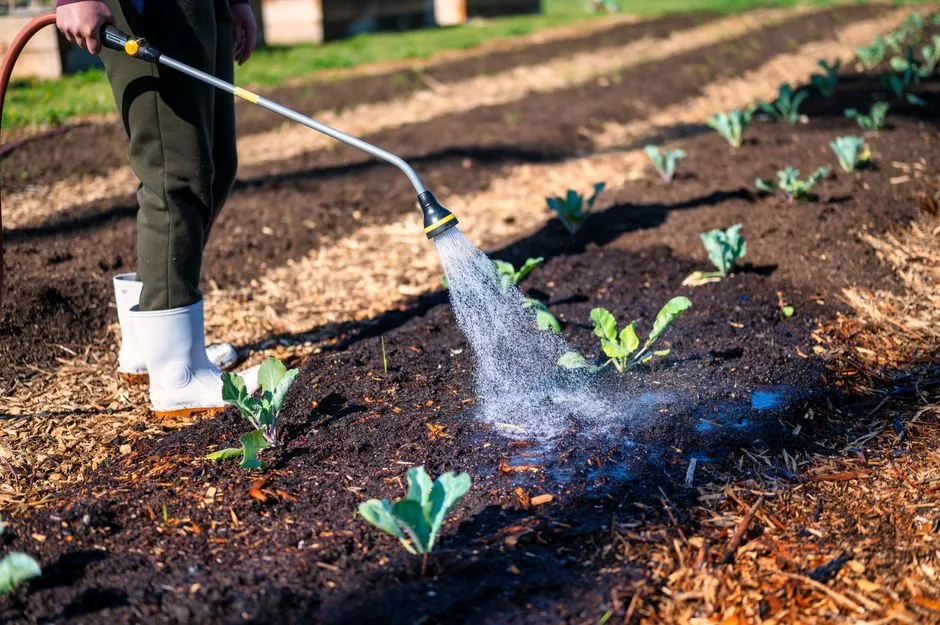
Soil wetting agents contain surfactants, which are molecules with both hydrophobic and hydrophilic ends. These surfactants position themselves between the water and the waxy coating on the soil particles, reducing the surface tension of the water and allowing it to spread and penetrate the soil.
The agricultural soil wetting agents market was valued at USD 153.94 million in 2024, reflecting just how widely these products are used across commercial and residential agriculture. Not all soil wetting agents are environmentally friendly. Some contain harsh chemicals that can harm beneficial soil organisms. Look for biodegradable wetting agents specifically designed for use in gardens and landscapes.
Research suggests that soil microbial populations can be affected by wetting agents, which may further influence soil water repellency, and the actual effect on soil microorganisms varies depending on the chemistry of the wetting agents used. Choose carefully.
Adding Compost and Organic Matter for Long-Term Recovery
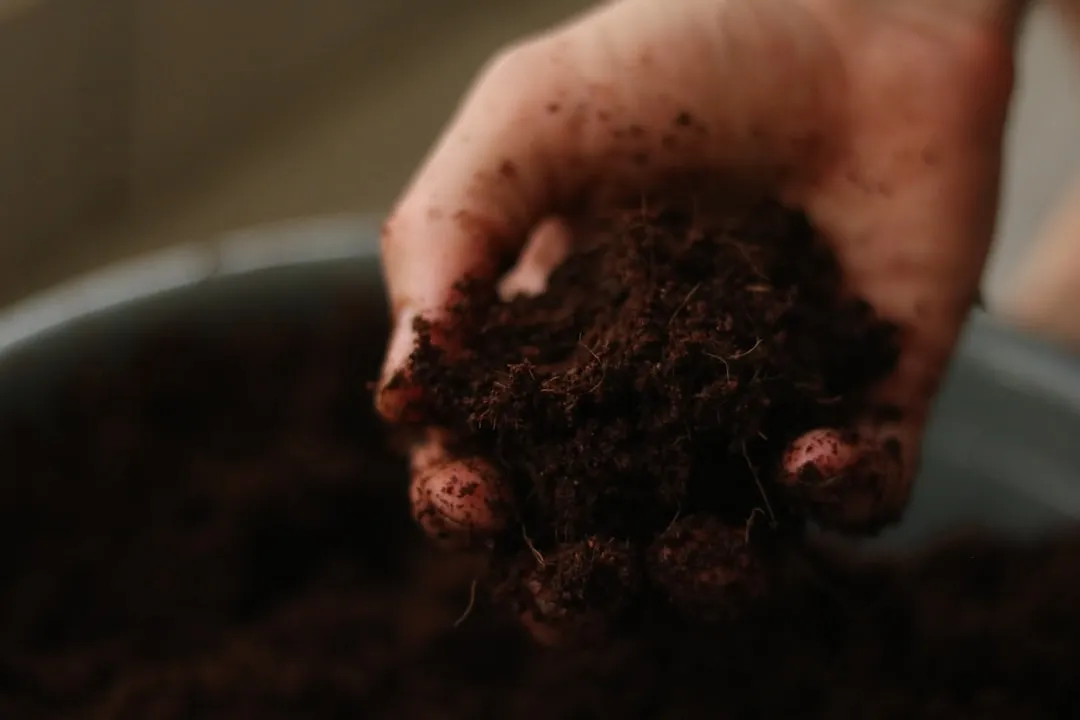
A much better and long-term solution is to improve the soil by adding organic matter, then mulch over the top to help prevent the soil from drying. Rotted organic matter also introduces microorganisms to the soil, which break down the waxy residue, improving the soil’s biology.
If you take mulch and put it into a compost heap, micro-organisms such as bacteria and fungi break down the waxy and oily material along with the organic matter. The remnants of organic matter produced at the end of composting actually aid the soil in forming tiny cracks that allow water to penetrate. So organic material used as a mulch can cause the problem, but solves it when used as a compost.
Compost is used as an organic amendment to improve physical, chemical, and biological properties in the soil. Adding compost will increase the moisture-holding capacity of sandy soils, thereby reducing drought damage to plants.
Aeration: Breaking Up Compaction to Let Water In
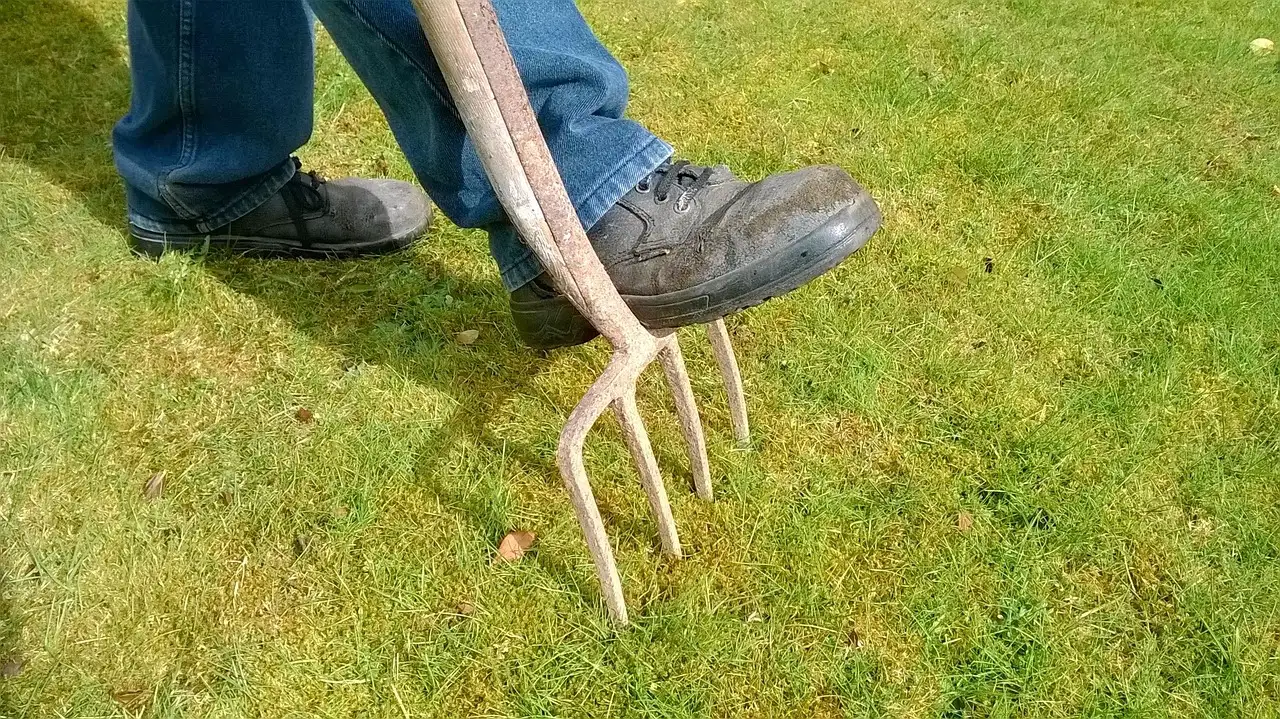
For compacted soil or severe hydrophobicity, core aeration is an excellent solution. This process involves removing small plugs of soil, creating channels that allow water and air to penetrate deeper into the soil profile.
In lawns or severely compacted areas, mechanical aeration may ultimately be necessary to reintroduce pore space. Repeated applications of organic material, paired with shallow watering, will help recondition the soil for long-term infiltration and microbial activity.
The soil environment beneath mulch is favorable for promoting earthworms, which in turn are valuable for aerating the soil. Encouraging earthworm activity by keeping the soil moderately moist and adding organic matter is one of the most natural aeration strategies available.
Mulching the Right Way
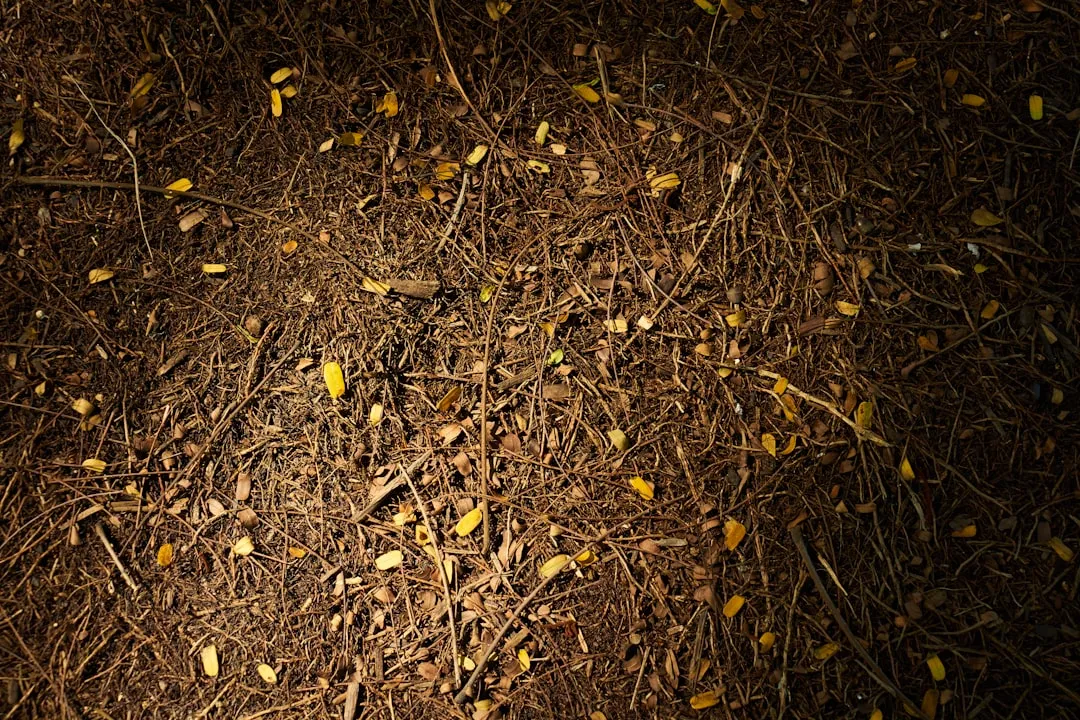
Mulching is the practice of covering the soil with a layer of organic material such as bark chips or straw. This helps to prevent water from evaporating and also improves the physical properties of hydrophobic soils by adding organic matter and improving drainage.
When mulching hydrophobic soils, it is important to use a light but thick layer of mulch. Too thin of a layer will not provide enough coverage to be effective, and too thick of a layer can prevent air and water from penetrating the soil. It is also important to keep mulch away from the base of plants to prevent root rot.
Many gardeners believe that varying the mulch used between pine bark, mushroom compost, tea tree, sugarcane mulches, and lawn clippings helps add a broader range of microbes to aerate and condition the soil. Rotation and variety matter more than most people expect.
Prevention: Keeping Soil from Becoming Hydrophobic Again
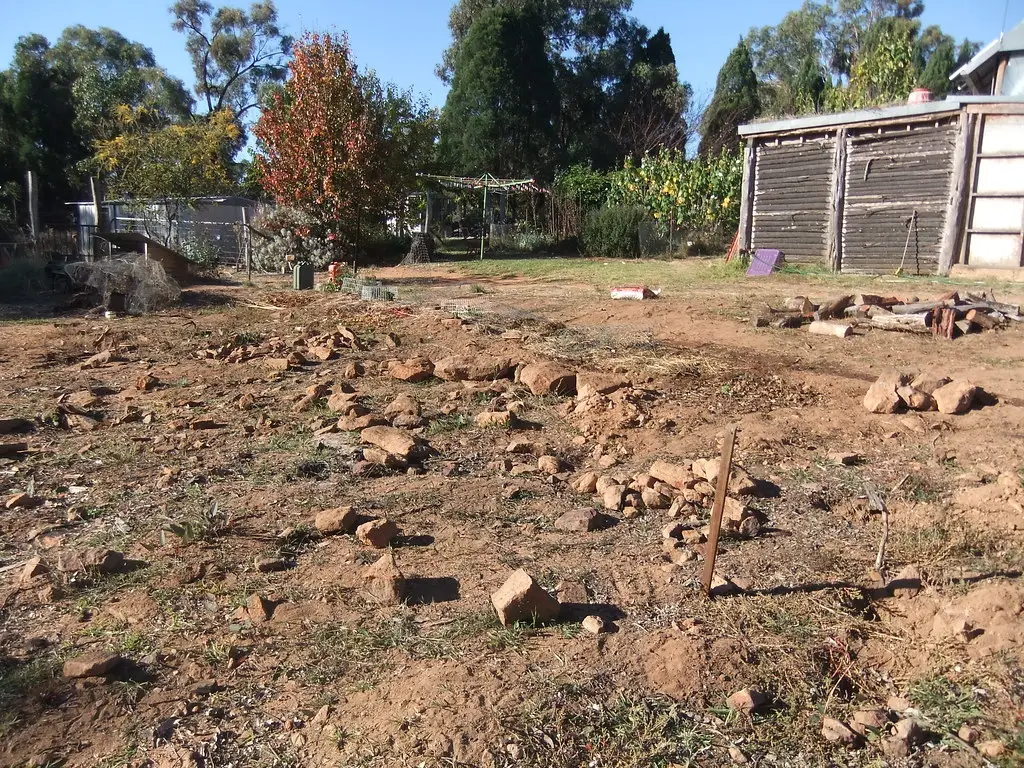
Preventing hydrophobic soil is easier than dealing with it once it occurs. Consistent care is far less labor-intensive than remediation, especially in warmer climates where soil can dry out quickly between rain events.
Organic matter encourages beneficial microbial activity in the soil. These microorganisms break down organic materials, releasing nutrients and improving soil health. Organic matter also acts as a sponge, helping the soil retain moisture. This is especially beneficial in arid climates where water conservation is crucial.
Mulching around garden beds can help retain surface moisture and create better conditions for microbes to return. The goal isn’t a single dramatic intervention. It’s building a steady rhythm of moisture, organic input, and microbial life that keeps the waxy coatings from ever fully locking into place again.
Conclusion
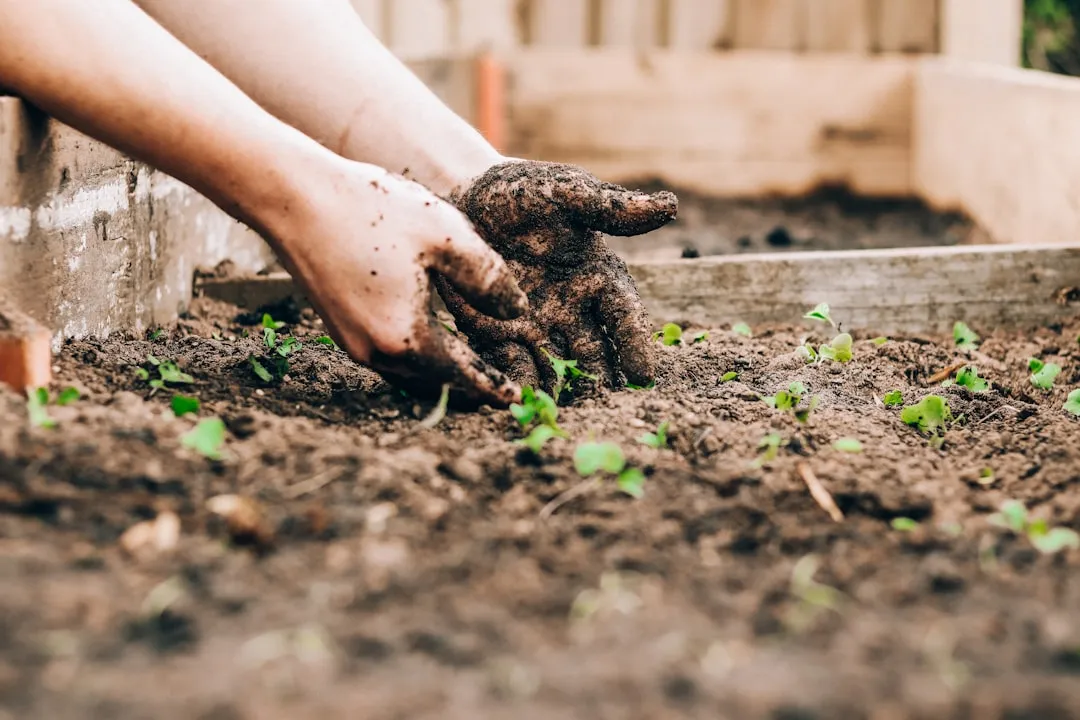
Hydrophobic soil is genuinely fixable, and the approach doesn’t need to be complicated. Fixing it requires understanding the underlying causes and applying appropriate strategies to break down the water-repelling compounds and restore the soil’s natural absorbency. Whether you’re dealing with a neglected garden bed, a post-summer lawn, or soil recovering from fire damage, the path back to healthy infiltration runs through compost, careful mulching, measured aeration, and the right kind of wetting agent.
What matters most is consistency. Soil doesn’t recover overnight, but with regular organic inputs and attention to moisture levels, even severely repellent ground can be brought back. The biology of soil, given half a chance, tends to do a lot of the work on its own.
AI Disclaimer: This article was created with the assistance of AI tools and reviewed by a human editor.