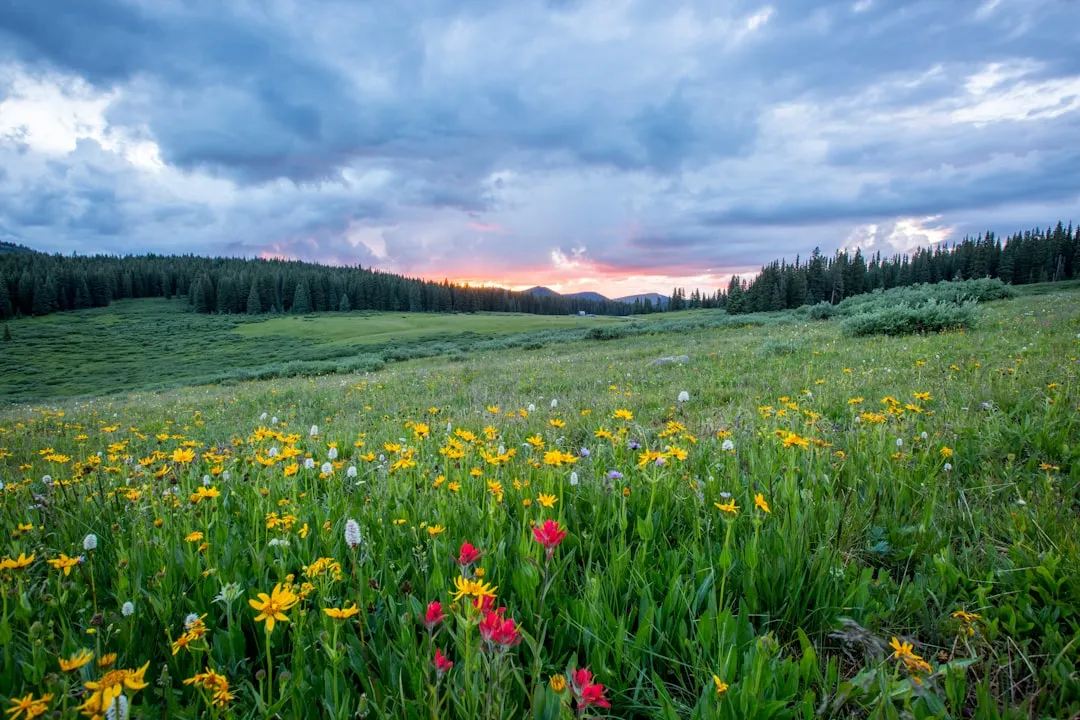

Most gardeners know the quiet disappointment of a garden that peaks in June and fades by August. The good news is that some perennials simply refuse to follow that script. While some perennials bloom for a few spectacular weeks before fading into the background, others keep producing flowers from spring through fall, providing the reliable color backbone that every garden needs. The five plants featured here are specifically chosen for their ability to carry your garden from the first warm days of spring all the way until frost shuts everything down.
Perennial plants are garden stalwarts but are not often considered the most prolific bloomers – that accolade is usually reserved for annuals. However, the longest-blooming perennials rival their abundant beauty and prove an excellent investment, returning year after year. These five are worth knowing well.
1. Coreopsis (Tickseed): The Sun-Drenched Summer Workhorse
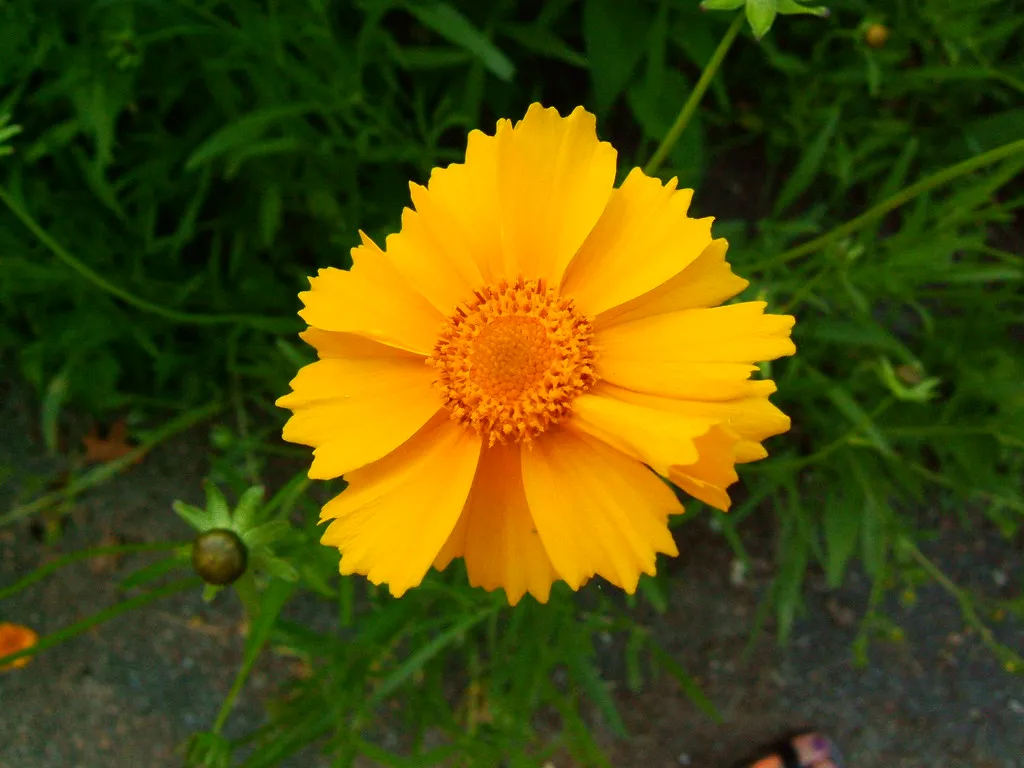
Coreopsis blooms in early summer and will typically continue to bloom until the first frost, making it a long-flowering perennial that adds to the garden landscape all summer long. These North American native plants are drought tolerant, long-blooming and happy to grow in relatively poor soil.
The daisy-like yellow, red, orange, pink, and violet flowers bloom from summer to fall. Even as other summer flowers fade in the fall, coreopsis is often still going strong. Its list of attributes is long: in addition to being very attractive, it tolerates heat, humidity, drought, deer, rabbits, and shallow, rocky soil.
Coreopsis typically blooms in early summer and then flowers on and off until frost. To encourage reblooming, snip off the spent flower heads or simply shear back the entire plant after the first flowering. A member of the Asteraceae family, the Coreopsis genus consists of about 100 annual and perennial species.
2. Salvia (Ornamental Sage): The Season-Long Pollinator Magnet
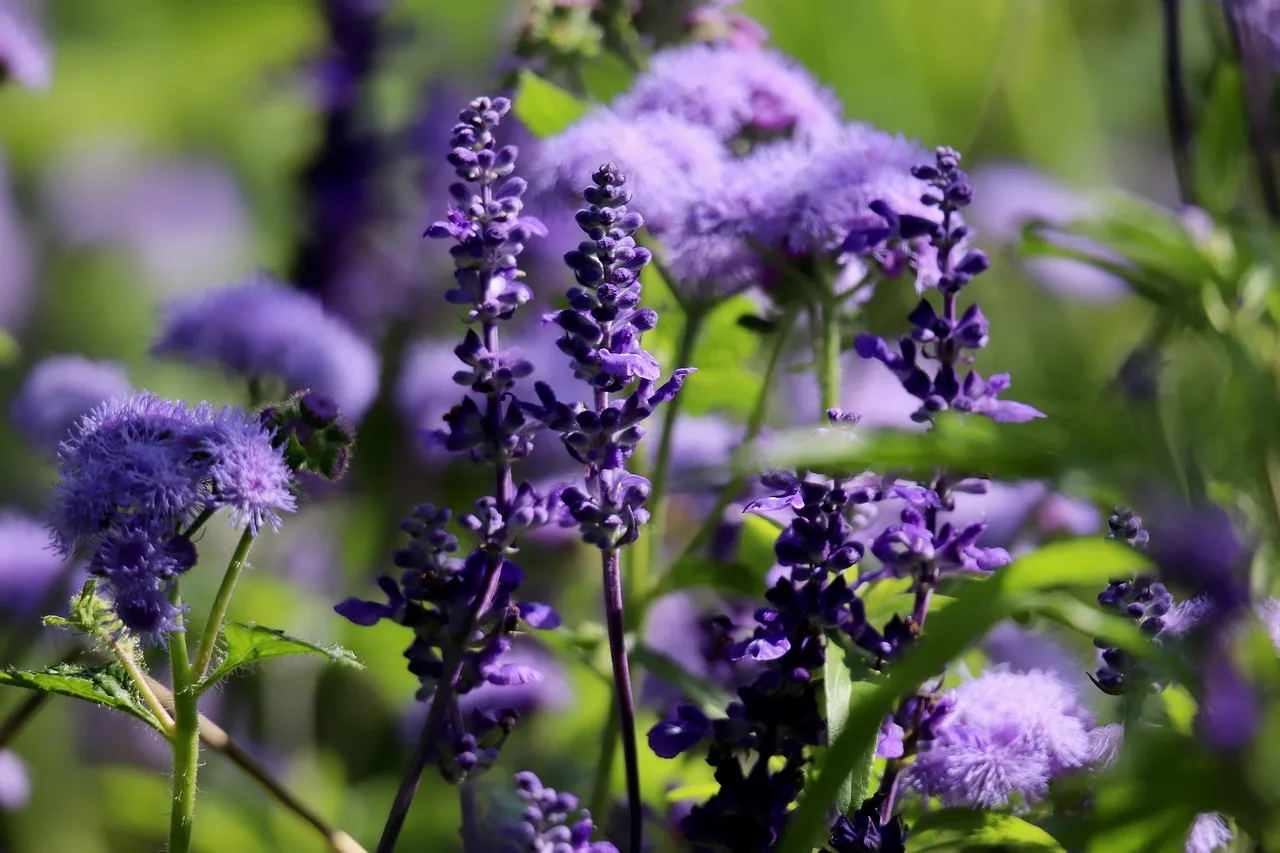
Salvia is a hardy, low-maintenance plant that thrives in various climates, resists drought, and blooms from spring to fall. Its vibrant, nectar-rich flowers attract essential pollinators like bees, butterflies, and hummingbirds, supporting biodiversity.
Autumn sage (Salvia greggii) blooms from spring to frost in a rainbow of colors and is disease-free and drought-tolerant, forming a mounding two- to three-foot form. The blooming period varies by species, but many begin in late spring and continue into the fall, providing long-lasting color in the garden. Hardy perennial salvias are generally rated for USDA hardiness zones 3–9.
Salvias are popular garden plants because they flower for an extended period and do well in hot, dry conditions. They provide an incredible variety of fragrance, bloom, plant habit, and color. To encourage continuous blooms throughout the season, deadhead spent flowers periodically.
3. Gaillardia (Blanket Flower): A Prairie Native With Endurance
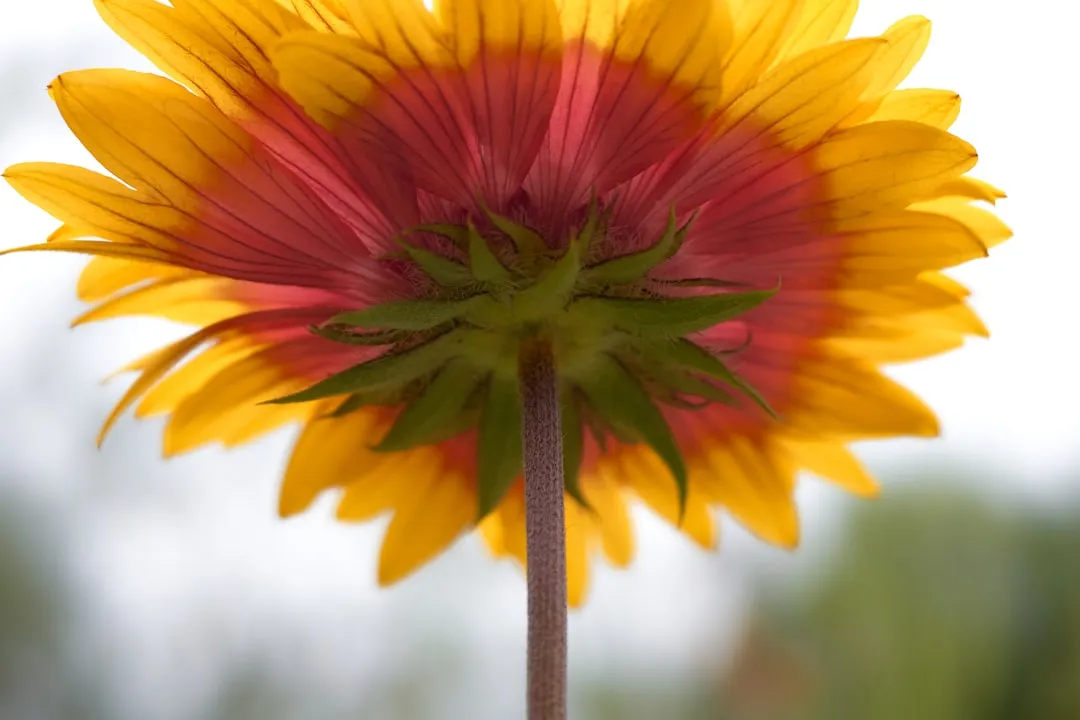
Daisy-like flowers bloom over an exceptionally long time, from late spring to fall. They occur in shades of orange, yellow, red, apricot, peach, and bronze, many with distinct patterns. Gaillardia, commonly known as Blanket Flower, is a genus native to North and South America, with a prominent presence in the plains and Western regions of the United States.
The two original species hybridized in a Belgian garden in 1857 to produce Gaillardia x grandiflora, the most common type of blanket flower grown in gardens today. This hybrid has the best characteristics of both parents: large flowers, a perennial habit, good tolerance to heat, drought, and poor soil, and cold hardiness.
Gaillardias are first-year flowering perennials that bloom continuously from late spring or early summer until frost. They do not require deadheading to continue to flower, though plants will grow fuller and live longer when old blooms are removed. Blanket flowers are a beautiful, adaptable perennial that can grow in zones 3 to 10.
4. Echinacea (Coneflower): The Drought-Tough Wildflower
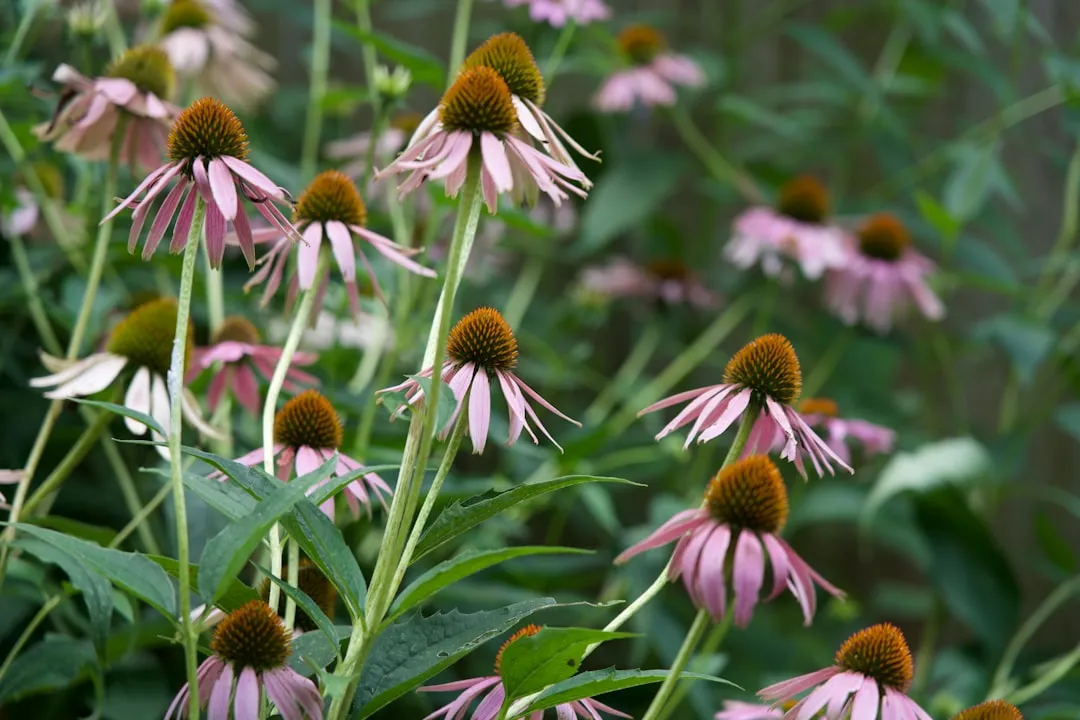
Native to eastern and central North America, these sturdy perennials bloom from early summer until frost. Butterflies revel in the flowers and the seeds provide nourishment for birds. Echinacea, also known as coneflowers, are perennial flowering plants that are hardy in Zones 3 to 9, depending on the species.
Coneflowers are popular perennials with good reason. They are heat and drought resistant, easy to grow, bloom for months, make great cut flowers, and attract birds and pollinators. Newer varieties are specifically bred to flower from spring through fall, extending what was once a mid-summer-only window.
These easy-care perennials require only the basics: regular watering of about an inch per week, a light layer of compost added in the spring, and cutting back in fall. Deadheading isn’t necessary, as many coneflowers bloom continuously without it. According to North Carolina State Extension, native bees often nest in the hollow stems, so allowing them to remain can support overwintering pollinators.
5. Catmint (Nepeta): The Underrated Marathon Bloomer
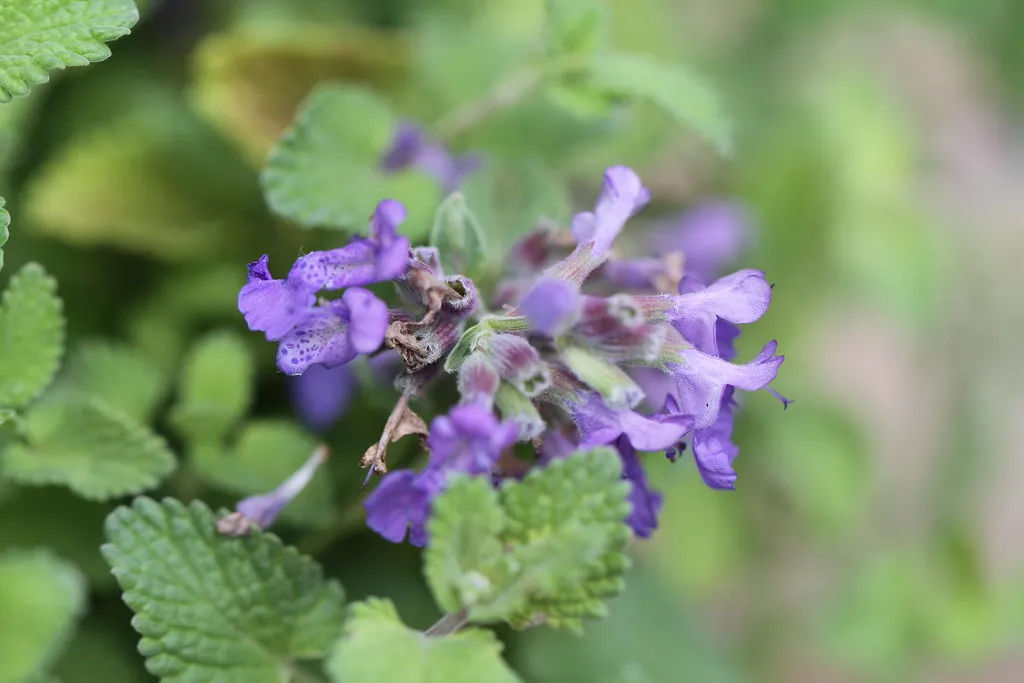
A reliable long-lived perennial, catmint (Nepeta) is a member of the mint family. It produces aromatic gray-green foliage and upright flower spikes in shades of lavender-blue, pink or white. Bloom occurs from late spring into fall, with the small tubular flowers attracting hummingbirds, bees, butterflies and other insect pollinators.
Catmint isn’t an invasive runner but spreads in a gradually widening clump like most other perennials. The bluish-green mounded plants produce blue flowers for nearly two months in May and June, then flower again until frost after a cutback to a few inches.
Catmint is a drought-tolerant perennial that thrives on neglect, making it good for beginning gardeners, low-maintenance landscapes, and water-wise borders. Hardy in USDA zones 3–8, plants are virtually pest and disease-free, while the mint-like scent repels deer and rabbits. Notably, ‘Cat’s Meow’ catmint was named the 2025 Landscape Perennial of the Year.
Why These Five Work So Well Together
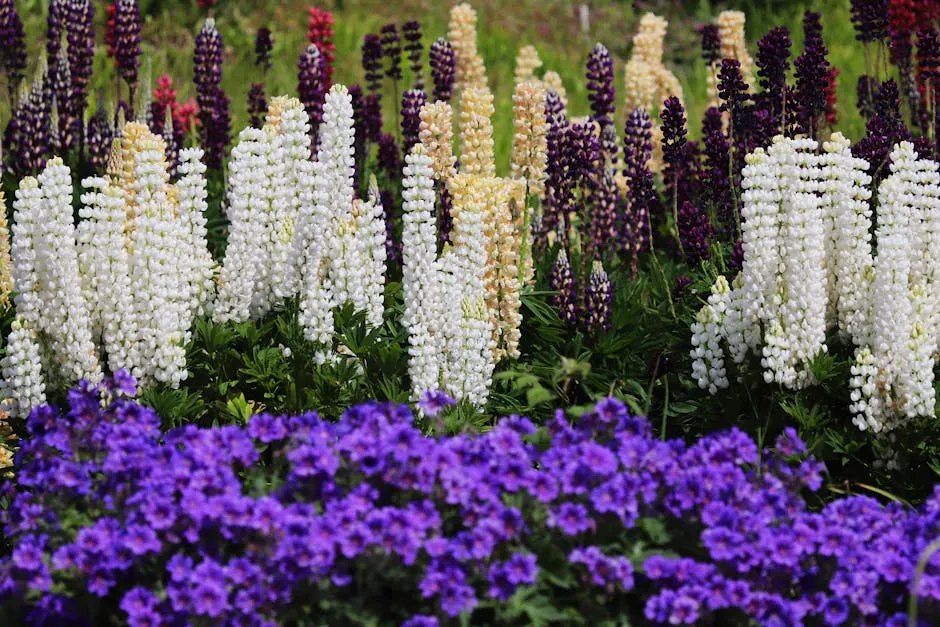
Creating a garden that provides color and blooms from spring through fall is a dream for many gardeners. By thoughtfully selecting perennials that bloom at different times across the season, you can achieve a colorful, ever-changing landscape that delights with fresh flowers all year long.
Pairing plants like salvia, coreopsis, and echinacea gives you a continuous display of color throughout the season, while catmint and blanket flower fill any gaps that might otherwise leave the border looking thin. Each of these five plants also comes with the added benefit of supporting local wildlife. Pollinators need a consistent food source throughout the growing season, and by planting a variety of species with staggered blooming periods, you can ensure that your garden offers nectar and pollen from spring through fall.
Soil and Sunlight: What They All Have in Common
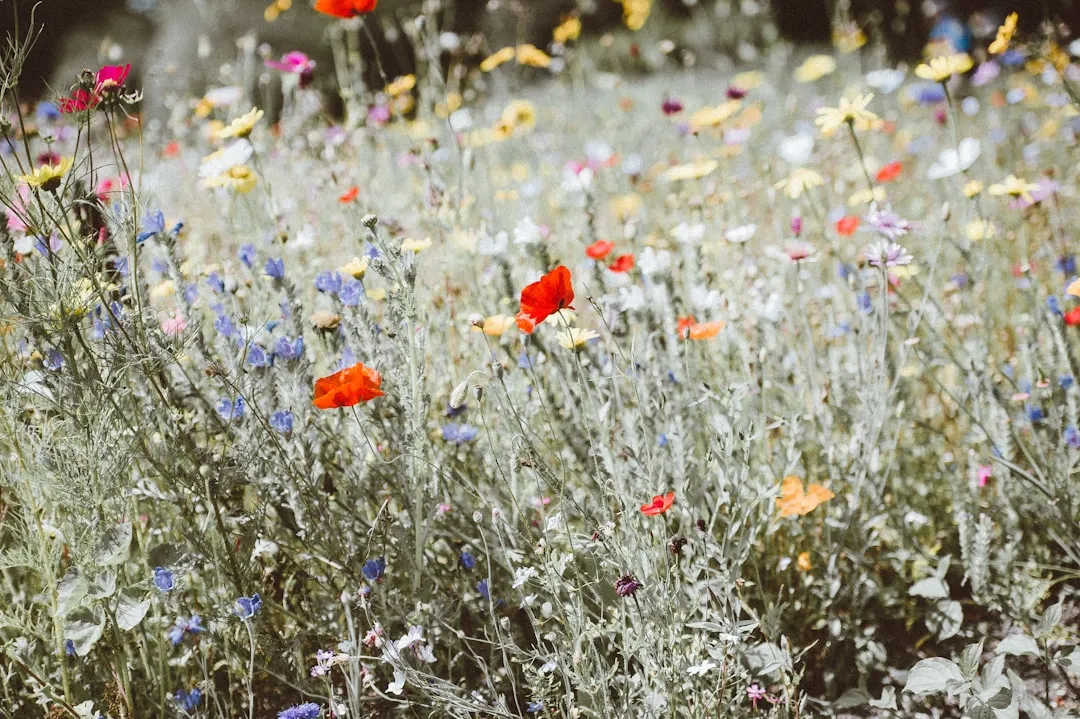
Gaillardia is a long-blooming, drought-tolerant perennial that thrives in sunny, dry conditions, starting to bloom in late spring and continuing through the fall. This preference for full sun and well-drained soil is actually shared by all five plants on this list, making it easy to grow them together without juggling conflicting requirements.
Coreopsis requires full sun and good drainage, though it will grow and bloom to a lesser extent in partial sun. It tolerates poor soil but not clay. All salvias do best in full sun, meaning six to eight hours of sunlight per day, and well-draining soil.
Deadheading: Small Effort, Big Payoff
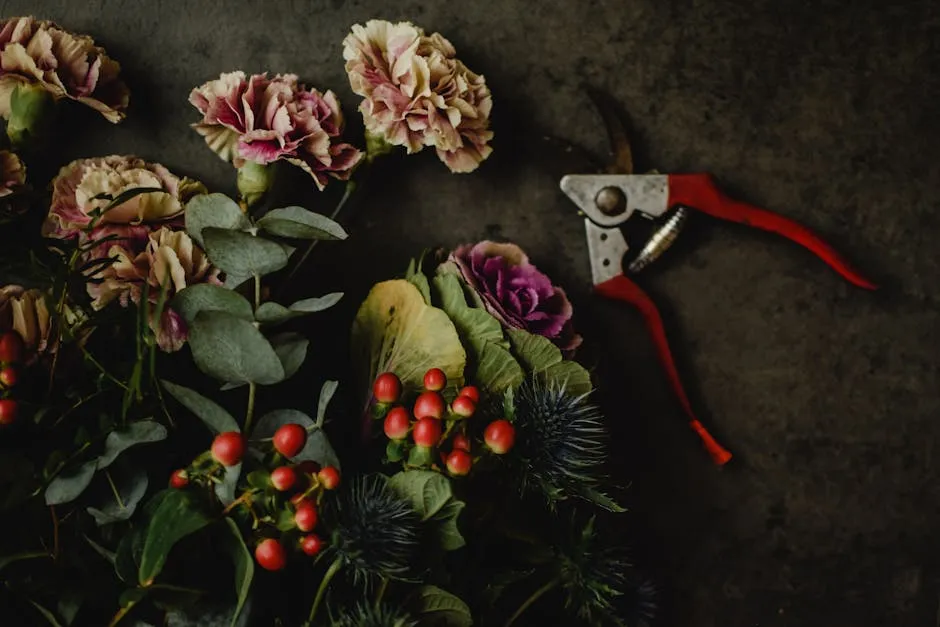
Deadheading spent blooms will encourage more flowering and extend the bloom period of coreopsis even longer. The same principle applies across most of these perennials. A few minutes with pruning shears after each major flush of blooms can effectively restart the flowering cycle.
Catmint typically blooms from late spring into early fall. Many varieties will rebloom if sheared back after the first flush of flowers. During the summer, removing the faded bloom spikes of salvias encourages continuous flowering. None of these plants demand constant attention, but they’ll reward a light touch.
Wildlife Benefits: Pollinators, Birds, and Beyond
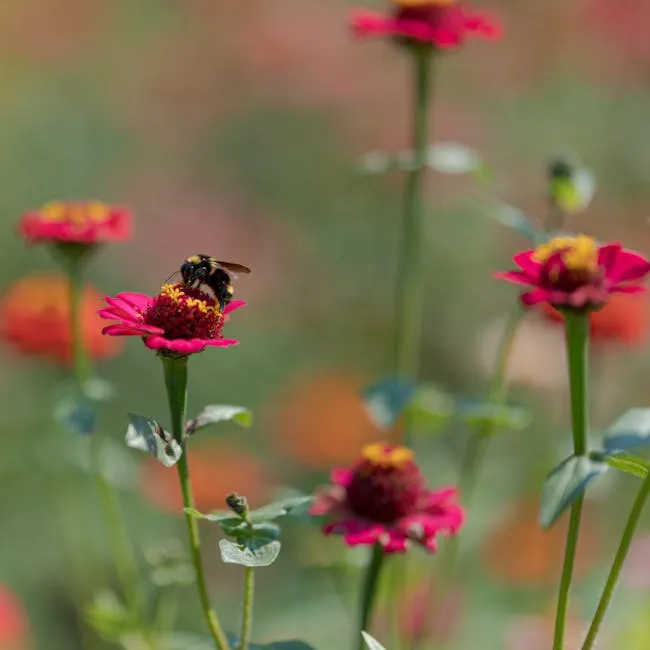
Bees and butterflies love coreopsis nectar. Goldfinches and other small birds love its seeds. It blooms profusely and has a longer bloom time than most perennials. Coneflowers self-seed prolifically, so where you had only one, you’ll have multiple spots in the garden with lovely blooms that attract butterflies and bees.
Salvia plays an important role in supporting pollinators and biodiversity. By providing a reliable food source for bees, butterflies, and hummingbirds, salvia helps maintain a healthy ecosystem and encourages a thriving garden environment. If left to go to seed, gaillardia will attract small birds such as goldfinches, and pollinators love the bright and colorful blanket flowers.
Deer Resistance: A Real and Practical Advantage
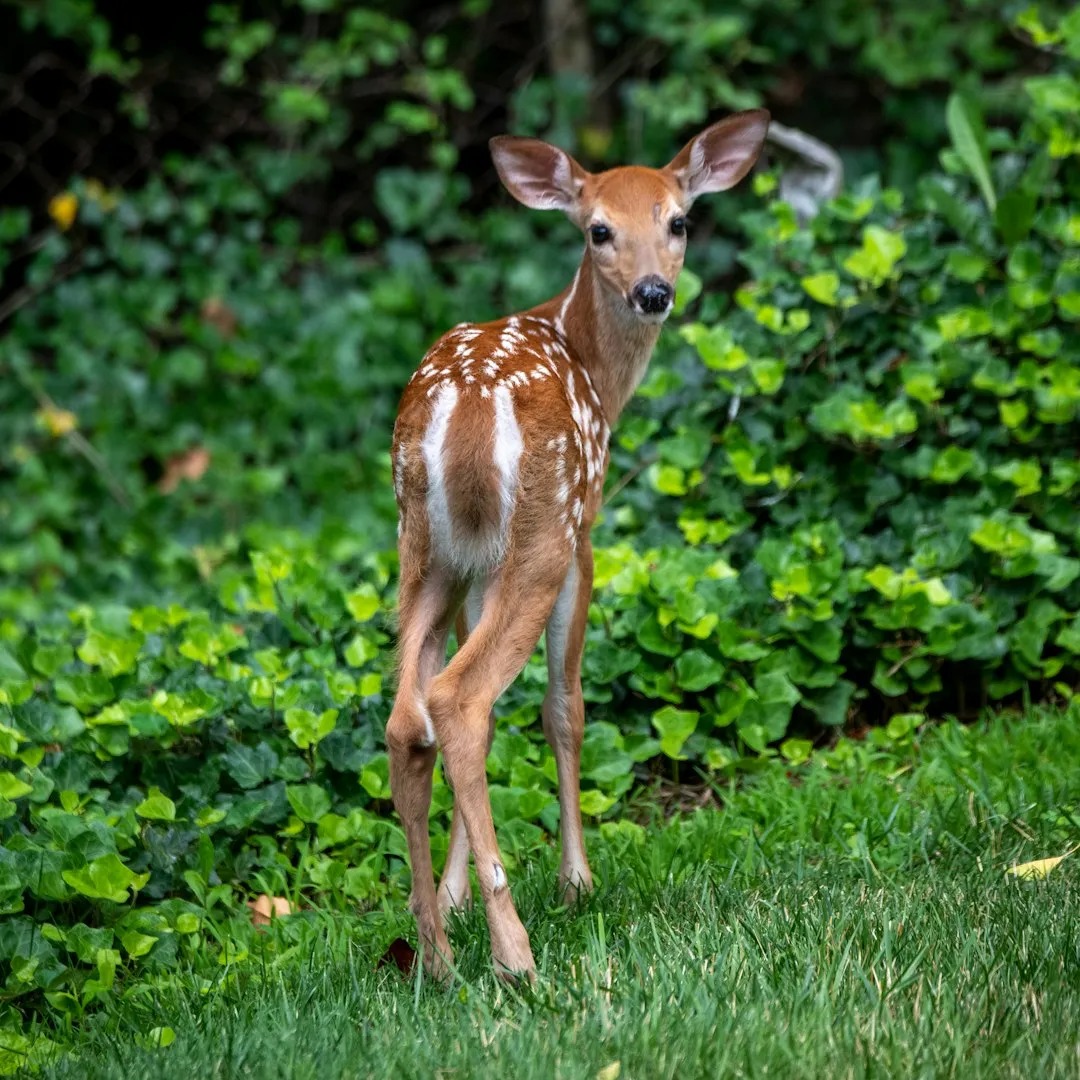
When given the right growing conditions, coreopsis is virtually carefree and is tolerant of heat, drought, and poor soils. Deer tend to leave coreopsis plants alone, making it a reliable deer-resistant perennial. One benefit of growing salvias is their appeal to hummingbirds, butterflies, and other pollinators. Salvias are also deer and rabbit resistant due to their pungent foliage.
Blanket flower is also deer-resistant, making it a great addition to pollinator gardens. Coneflowers have a high degree of drought resistance once established, making them a great addition to a water-wise landscape, and they are also deer resistant. For gardeners in areas with heavy deer pressure, this collection of five plants is a genuinely practical starting point.
How to Plan Your Garden With These Five Bloomers
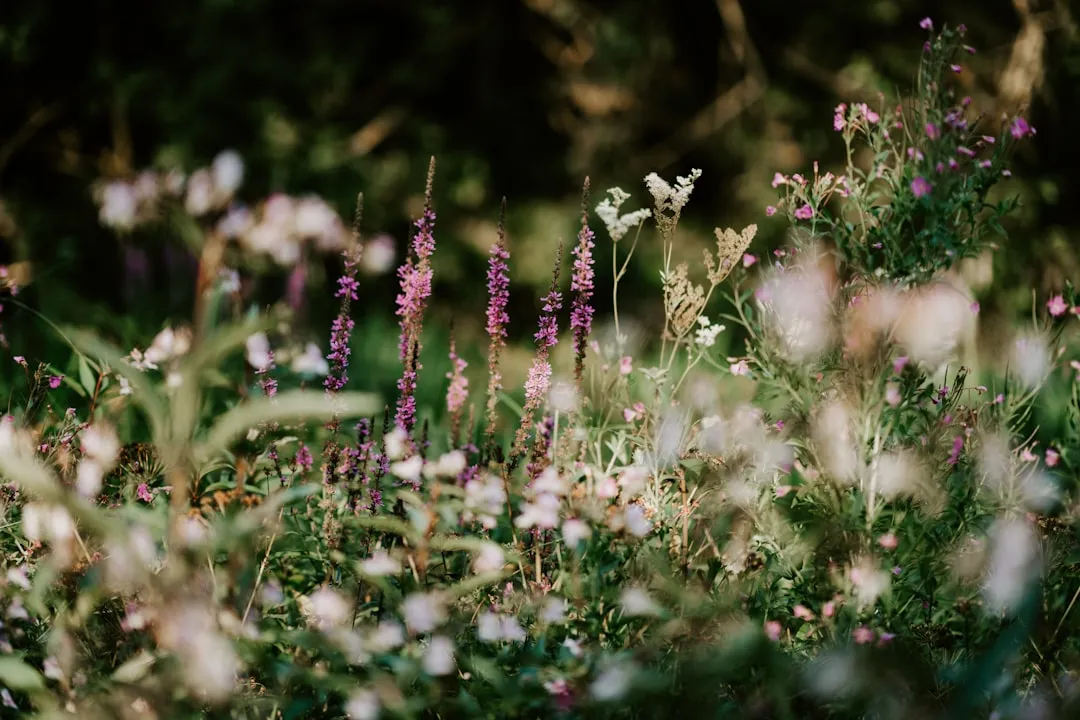
Perennials are the backbone of any garden. These are the plants you rely on to perform year after year, creating a foundation that you can decorate with annuals and other short-lived plants. Placing catmint at the border edge, salvia in the mid-ground, and coneflower or blanket flower toward the back creates natural visual depth that shifts and evolves across the months.
Whether designing different types of flower beds or choosing flowering perennials for pots, these trusty, hardy plants will add maximum impact throughout the growing season, with minimal fuss. Nepeta is a durable, low-maintenance perennial that produces masses of lavender-blue flowers from late spring until fall. The gray-green foliage adds a soft texture, and this plant is excellent for attracting pollinators like bees and butterflies.
Final Thoughts: The Long Game Pays Off
Planting for a long season doesn’t require a complex strategy. It requires choosing plants that are already built to go the distance. Non-stop blooming perennials eliminate the guesswork by providing consistent color for several months or more, often from late spring through to frost.
These five – coreopsis, salvia, gaillardia, echinacea, and catmint – share a common quality: they do the work without making you do all the work. When your goal is a garden with a consistent display of blooms, these long-blooming perennials can be the backbone of your garden, offering a reliable source of color and interest over the course of multiple months, and over many years.
A garden that holds color from early spring right up until frost isn’t a lucky accident. It’s simply what happens when you plant the right things in the right places, and then let them grow.
AI Disclaimer: This article was created with the assistance of AI tools and reviewed by a human editor.