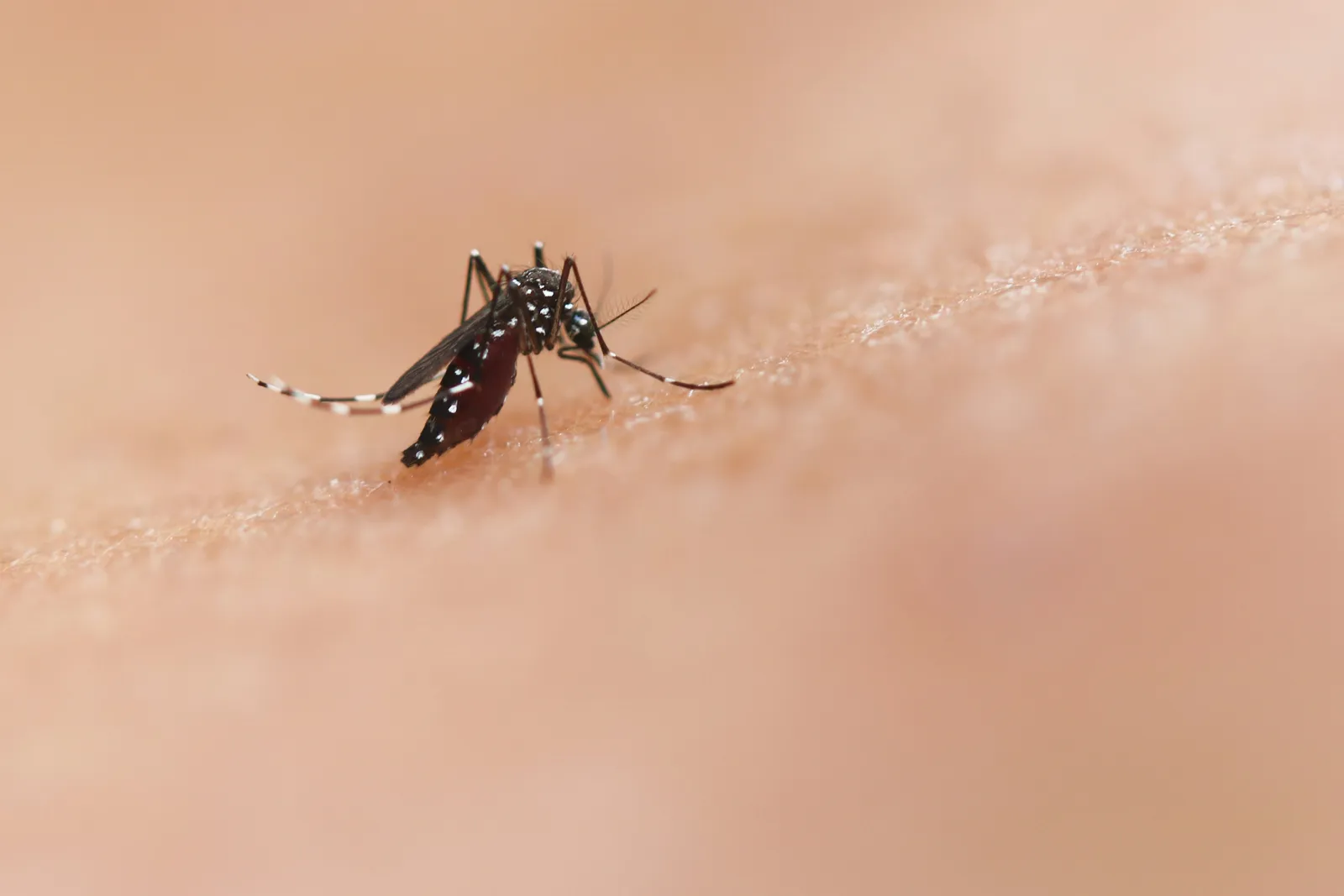

California stands at the center of a novel public health experiment that could reshape how mosquito-borne illnesses are managed in the United States. Google is requesting permission from federal regulators to release as many as 32 million specially treated mosquitoes across California and Florida during the next two years. The effort targets diseases carried by mosquitoes, including those that affect residents in suburban and rural areas alike.
Scale of the Proposed Release
The numbers involved are substantial. Up to 32 million insects would be introduced over a two-year period, with California serving as one of the primary testing locations. Officials would distribute the mosquitoes in targeted zones where disease transmission has been a recurring concern.
Releases would occur in phases rather than all at once. This measured approach allows researchers to monitor results and adjust strategies based on early observations. Both states involved have histories of mosquito activity that public health agencies track closely each season.
Purpose Behind the Special Treatment
The mosquitoes are described as specially treated to limit their ability to spread disease. Such modifications typically focus on reducing reproduction rates or altering the insects in ways that interrupt transmission cycles. The goal is a gradual decline in the overall mosquito population that carries harmful pathogens.
Public health experts have long explored biological methods as alternatives to widespread pesticide use. This project builds on that line of work by scaling up an approach that has shown promise in smaller trials elsewhere. Success would depend on precise timing and careful site selection.
Regulatory Path and Timeline
Google must first obtain clearance from federal authorities before any releases begin. The approval process includes review of safety data, environmental impact assessments, and plans for ongoing monitoring. Regulators will weigh potential benefits against any risks to ecosystems or non-target species.
If approved, the project would unfold over two years with checkpoints along the way. California and Florida were chosen in part because both states experience seasonal mosquito pressures that can lead to outbreaks. Data collected during the trial would inform whether the method merits wider use.
What Matters Now
Residents in affected regions may notice little immediate change, as the releases would be localized and conducted under strict oversight. The project represents one of several tools under consideration to address diseases that continue to pose challenges despite existing control measures.
Continued evaluation will determine long-term effectiveness. Early results could guide refinements or signal the need for complementary strategies such as habitat management and public education campaigns.
Looking Ahead
Projects of this kind highlight the growing intersection of technology and environmental health. They also underscore the importance of transparent regulatory review when novel methods enter the field. Outcomes from this effort, if it proceeds, will add to the body of knowledge on sustainable mosquito control.
Whether the approach delivers measurable reductions in disease cases remains to be seen. The coming months of review will clarify the next steps and the level of scrutiny the proposal will face.
AI Disclaimer: This article was created with the assistance of AI tools and reviewed by a human editor.