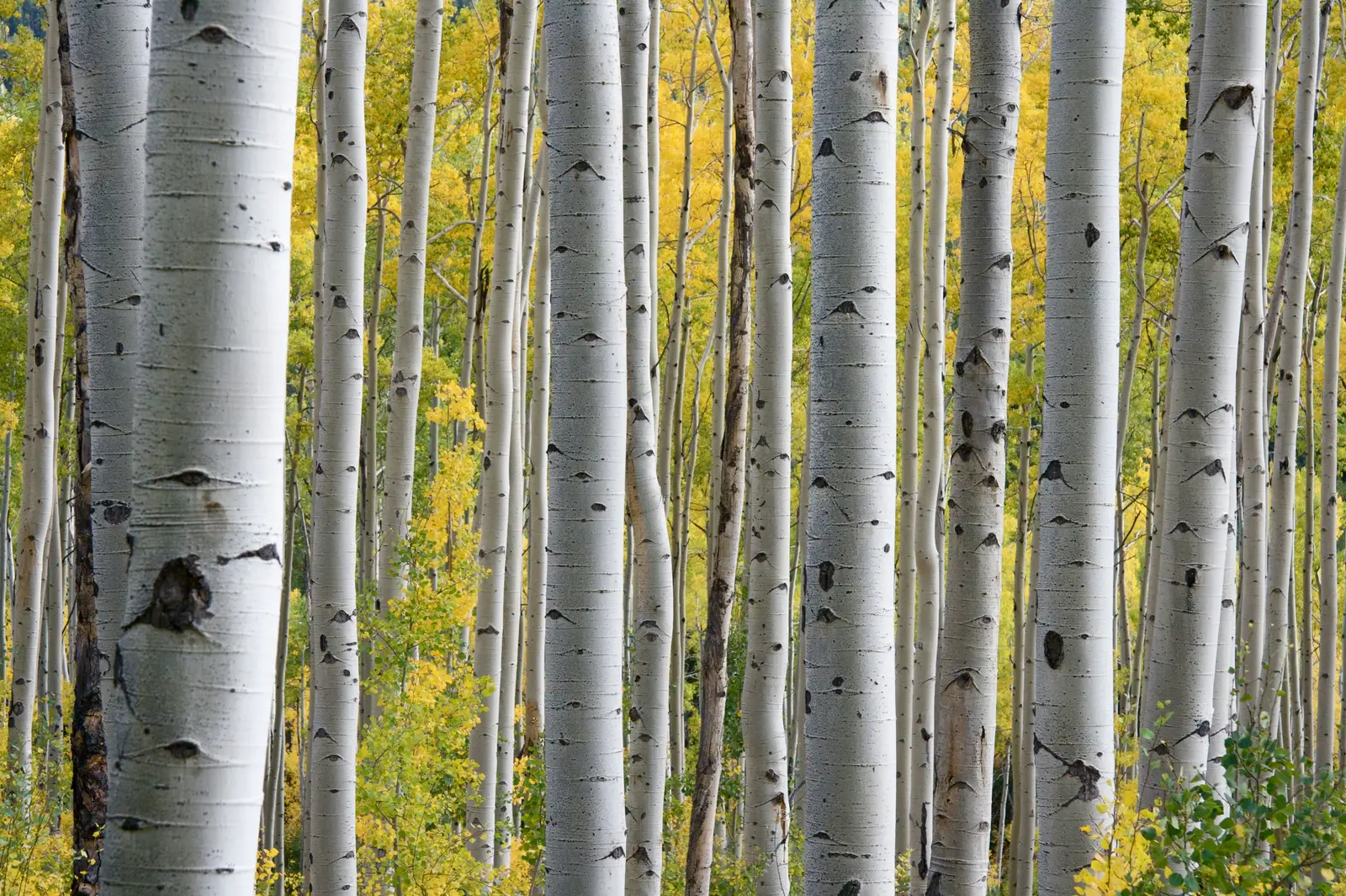

Across much of the United States, birch trees stand out in home landscapes for their striking presence in every season. Their light-colored bark peels away in thin sheets, while the foliage moves gently in the wind and shifts to rich gold tones each fall. Species range from the classic paper birch to more adaptable choices that handle warmer conditions, giving gardeners in varied climates a reliable option for adding structure and seasonal interest.
Recognizing the Distinctive Features
Birch trees earn attention through several consistent traits that set them apart from many other landscape trees. The papery bark develops early and remains a focal point even after leaves drop, offering texture during the colder months. Delicate leaves create movement on the slightest breeze, and the reliable autumn display of golden color extends the visual appeal well into the cooler season.
These qualities make the trees suitable for both formal and naturalistic plantings. Homeowners often place them where the bark can catch morning or evening light, amplifying the effect throughout the year.
Choosing Varieties for Different Conditions
Gardeners have several birch options that match a range of regional climates. The white-barked paper birch performs well in cooler northern areas, where it contributes classic winter contrast. In contrast, the river birch tolerates higher temperatures and humidity, extending the reach of these trees into southern and mid-Atlantic gardens that might otherwise lack suitable choices.
Selecting the right species begins with an assessment of local soil moisture and temperature patterns. River birch, in particular, handles periodic wet conditions better than many alternatives, while still providing the same signature bark and fall color. Matching the tree to the site reduces long-term maintenance needs and improves establishment success.
Establishment and Routine Care
Proper planting sets the foundation for healthy growth. Birch trees prefer sites with consistent moisture and good drainage, along with full sun to partial shade depending on the variety. Young trees benefit from regular watering during the first two growing seasons, after which established specimens require less frequent attention except during extended dry periods.
Mulching around the base helps retain soil moisture and moderate temperature swings near the roots. Light pruning in late winter or early spring removes damaged branches and maintains an open canopy without encouraging excessive sap flow. Fertilization is rarely needed unless a soil test indicates specific deficiencies.
Monitoring for common pests such as birch borers remains important, especially in stressed trees. Keeping the tree vigorous through adequate water and appropriate siting offers the best defense against these issues.
Long-Term Value in the Landscape
Once established, birch trees contribute steady visual interest with minimal intervention. Their relatively fast growth rate allows them to provide shade and screening within a reasonable timeframe compared with slower-maturing species. The combination of bark texture, leaf movement, and seasonal color creates layers of appeal that evolve with the calendar.
Many gardeners find that a well-placed birch enhances the overall composition of a yard without dominating it. The trees integrate well with understory plantings and work effectively as specimens or in small groupings.
With attention to species selection and basic site conditions, birch trees reward consistent care with reliable performance across a wide range of American gardens. Their enduring presence adds measurable character to residential landscapes year after year.
AI Disclaimer: This article was created with the assistance of AI tools and reviewed by a human editor.