

There’s something almost uncanny about the moment a chrysanthemum decides to bloom in autumn. No calendar hangs on a greenhouse wall. No alarm is set. Yet the plant responds, almost on cue, to a shift in light that most of us barely register as we move through our days.
This precision isn’t coincidence. It’s the result of one of the most elegant sensory systems in biology, one that allows plants to track time with molecular accuracy. Understanding how they do it reveals a world of internal clocks, chemical messengers, and light-sensitive switches that quietly run the rhythms of the natural world.
What Photoperiodism Actually Means

Photoperiodism is the capacity of a plant to perceive the duration of daylight, enabling it to schedule important biological activities like flowering, dormancy, and germination with precision. It’s not simply about light intensity or total warmth received over a season. The plant is genuinely measuring time.
Photoperiodism is a collective term for the biological responses of plants to variations in the relative lengths of dark and light periods, with the period of light exposure called the photoperiod. The distinction matters enormously. Different species respond to different thresholds, which is why your garden blooms in a remarkably coordinated sequence across the year.
It’s the Dark, Not the Light, That Plants Are Really Counting

One of the most counterintuitive revelations in plant science is that plants are not simply tracking how many hours of sunshine they receive. Plants primarily measure the duration of uninterrupted darkness to trigger developmental responses such as flowering, and they measure the length of the uninterrupted dark period, or night, not the day, to time seasonal events like flowering.
This was demonstrated in classic experiments where a brief flash of light in the middle of the night was enough to “reset” the plant’s response, disrupting what would otherwise have been a successful flowering trigger. The experiment revealed that it’s not how much light arrives, but how long the darkness lasts unbroken.
The Phytochrome Switch: A Molecular Light Detector
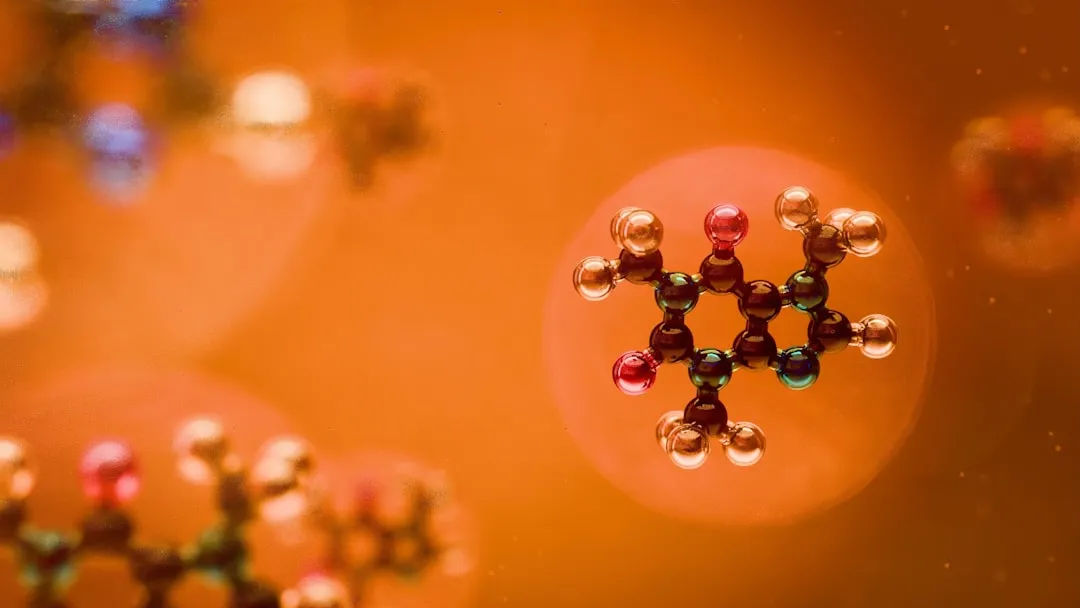
A molecular light switch called phytochrome detects the presence or absence of light, flipping between two forms in response to red and far-red light. Think of it as a toggle. In daylight, one form dominates. As night falls and no red light is present, it slowly reverts to the inactive state.
The ability of phytochromes to regulate photoperiodism depends on their light-stimulated transition between two interconvertible forms, the inactive Pr and the active Pfr. Phytochromes are synthesized in the dark, in their inactive Pr form, within the plant cytoplasm. The ratio of these two forms at dawn gives the plant a reliable chemical readout of how long the previous night lasted.
Plants can determine the length of the day-night cycle by measuring the Pr/Pfr ratio at dawn. The long nights of winter reduce Pfr levels at dawn, while the shorter nights of spring result in higher Pfr levels at sunrise. It’s a beautifully simple mechanism encoded into chemistry rather than cognition.
The Circadian Clock: An Inner Timekeeper Running All Day

The circadian, or biological, clock is an intrinsic, timekeeping, molecular mechanism that allows plants to coordinate physiological activities over 24-hour cycles called circadian rhythms. This internal clock doesn’t just tick passively. It actively gates which signals the plant responds to and when.
To anticipate seasonal variation, organisms measure alterations in day length using their circadian clocks and by sensing light and temperature conditions. Without this internal reference, the phytochrome signal alone would be insufficient. The clock provides the context that gives the light signal meaning.
Interactions between the phytochrome system and the biological clock enable plants to measure the relative lengths of nights and days throughout the year and synchronize their activities with the seasons. Together, these two systems function like a matched pair of instruments that only make complete music when played in concert.
The External Coincidence Model: When Signals Have to Align

The External Coincidence Model explains how an internal circadian clock must align with the signal from the phytochrome switch to trigger a developmental response. In other words, light hitting the phytochrome at the wrong time of the plant’s internal cycle simply won’t trigger flowering. Timing is everything.
To ensure that flowering occurs under optimum conditions, the clock regulates diurnal CONSTANS (CO) expression. Subsequently, CO protein induces FLOWERING LOCUS T (FT) expression, which leads to flowering. This cascade is precise and sequenced. A disruption at any step in the chain can prevent or delay the entire reproductive process.
Florigen: The Traveling Flower Signal
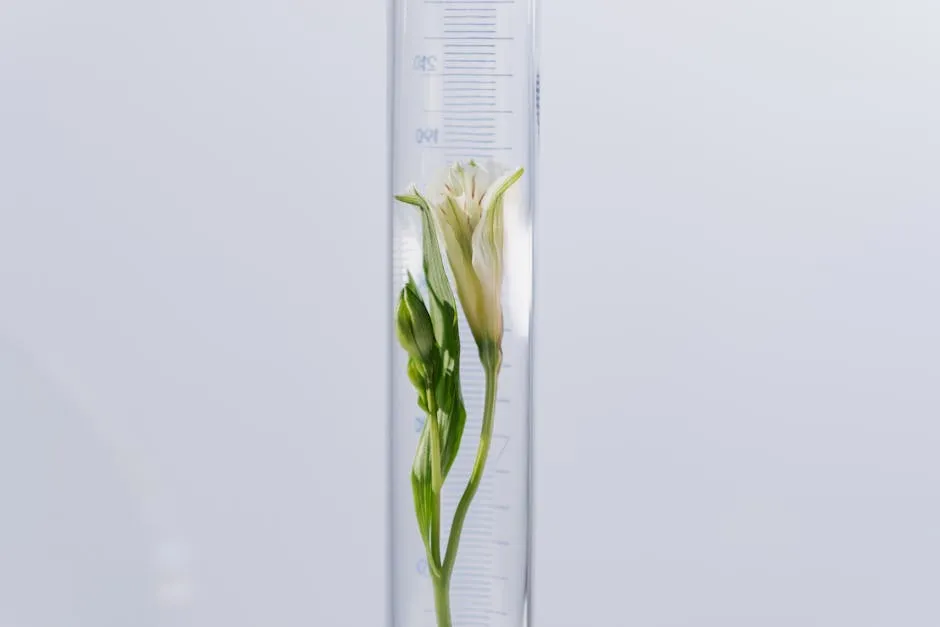
Flowering induction occurs through the production of the florigenic protein FLOWERING LOCUS T (FT) and its movement from the phloem companion cells in the leaf vasculature into the shoot apex, where meristematic reprogramming occurs. This traveling messenger is one of the most studied proteins in plant biology.
The gene FLOWERING LOCUS T (FT) encodes florigen, a mobile signal produced in leaves that initiates flowering at the shoot apical meristem. In response to seasonal changes, FT is induced in phloem companion cells located in distal leaf regions. The leaves, in effect, are the sensory organs. The shoot tip is waiting for their instruction.
The change in day length or photoperiod is a key seasonal cue, especially at high latitudes, and is perceived in leaves, leading to the production of florigen in leaf vasculature. Florigen, a systemic signal, is transmitted through phloem from leaf to the shoot apical meristem, leading to flower formation. The whole architecture is elegant, distributed, and reliable.
Short-Day, Long-Day, and Day-Neutral Plants

According to their photoperiodic responses, plants are classified into long-day plants, whose flowering occurs only when the day becomes longer than a threshold length, short-day plants whose flowering is induced when the day gets shorter, and day-neutral plants. These categories map directly onto the ecological niches different species occupy around the world.
Rice, a monocotyledonous flowering plant in the grass family Poaceae, initiates flowering in response to daylengths shorter than 13.5 hours. That single threshold controls the harvest timing for a crop that feeds a substantial portion of humanity. The precision of that threshold isn’t incidental; it’s been shaped by millions of years of evolution and, more recently, selective breeding.
Plants Can Distinguish Two Separate Photoperiod Signals at Once

One of the more striking findings in recent plant science came from a 2024 study published in the journal Science. Plants use distinct mechanisms to detect different photoperiods: the flowering pathway measures photoperiod as the duration of light intensity, whereas the growth pathway measures photoperiod as the duration of photosynthetic activity. Plants can then independently control expression of genes required for flowering or growth, demonstrating that seasonal flowering and growth are dissociable, allowing them to be coordinated independently across seasons.
By utilizing different durations and intensities of light exposure, it may be possible to achieve separate regulation of flowering and growth in crops, leading to conservation of energy resources for crops in the future. This has real implications for precision agriculture, where controlling both yield and timing independently would be enormously valuable.
Twilight and the Finer Resolution of Seasonal Sensing

Research published in 2025 in New Phytologist added another layer of complexity to an already intricate picture. It has recently been revealed that twilight length impacts both the growth and reproductive transition in plants, via the circadian clock. This discovery fits with recent work on metabolic daylength measurement, leading to a higher-resolution understanding of plant photoperiodism at the molecular level.
The ability to sense seasonal changes helps plants optimize the transition from vegetative growth to flowering, the growth of different organs, and the timing of anthesis, among other physiological traits. The gradual dimming of evening light, it turns out, is not noise in the signal. It’s part of the signal itself.
Why Photoperiodism Matters for Agriculture and a Changing Climate
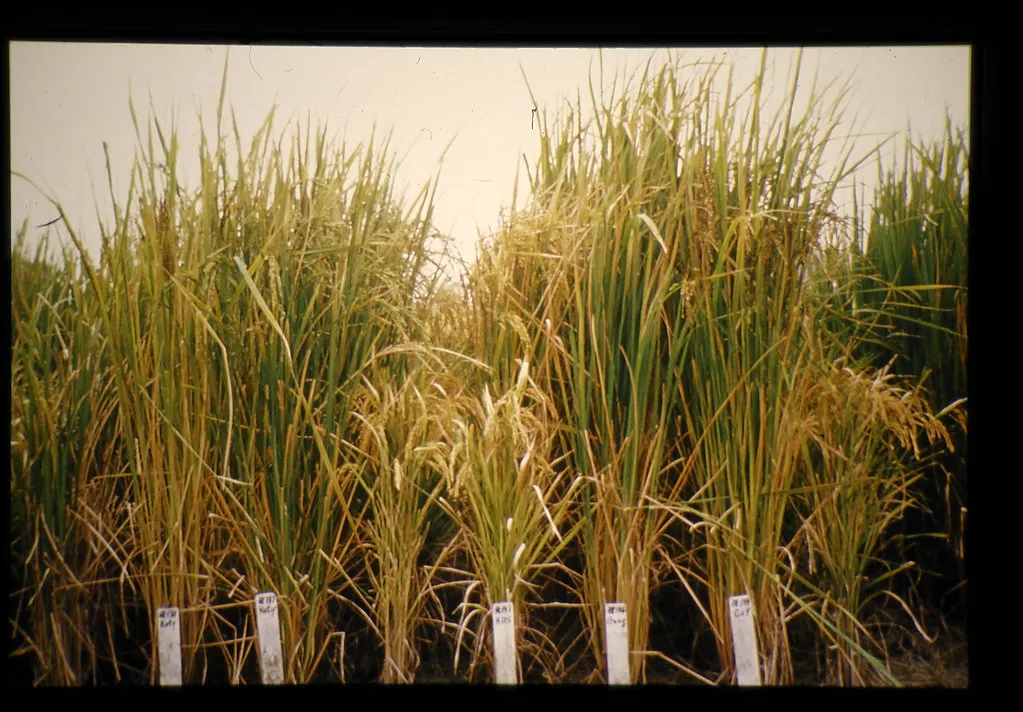
Flowering time is the most important trait to optimize crop performance in adaptive regions. Breeders have long known this intuitively, but the molecular detail now available gives scientists far more precise tools for developing varieties suited to new latitudes or shifting seasonal windows.
From cyanobacteria and algae to non-flowering and flowering plants, photosynthetic organisms have evolved mechanisms to measure photoperiod. This deep evolutionary history means the underlying machinery is conserved across a wide range of species, which also means insights from model organisms like Arabidopsis often translate to crops like rice, wheat, and soybean.
Agriculture is the most vulnerable sector facing climate change since crop growth is highly susceptible to changes in weather conditions. As temperatures shift and growing seasons become less predictable, crops that depend on photoperiod cues for flowering may need to be re-engineered to respond to different day-length thresholds, so that they can remain productive at new latitudes or under altered seasonal conditions.
A Final Reflection
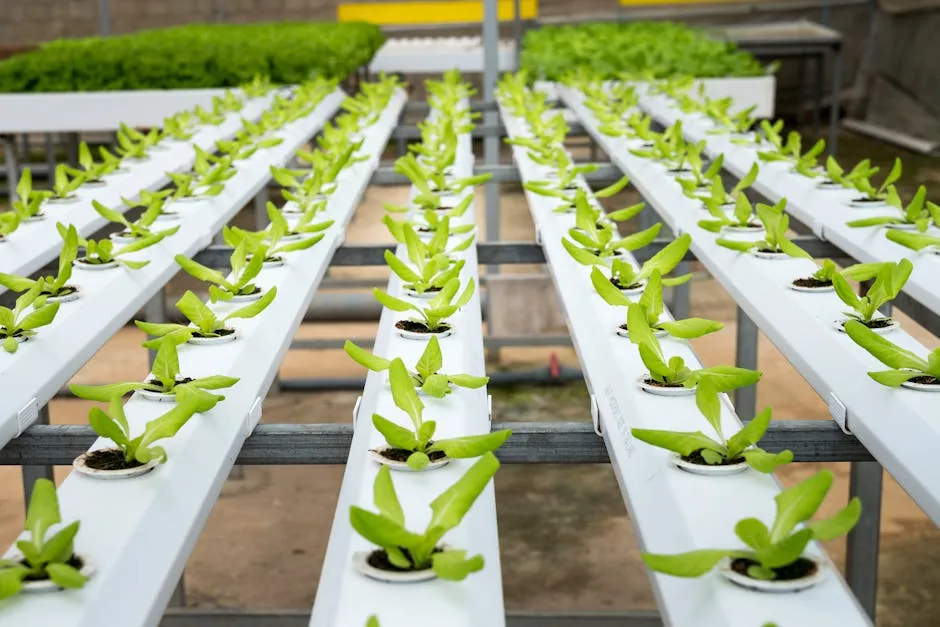
What’s remarkable about photoperiodism is how it demonstrates that even organisms without nervous systems or brains can process environmental information with extraordinary precision. A plant has no eyes in any conventional sense. Yet it perceives the shortening days of late summer, integrates that signal against an internal clock, checks it against a molecular threshold, and dispatches a chemical messenger across its own body to begin an irreversible transformation.
The science behind this has moved quickly in the past few years, with researchers now distinguishing between multiple overlapping measurement systems operating simultaneously within a single plant. The picture keeps gaining resolution. What once appeared to be a simple light switch turns out to be something far more layered, and that complexity is precisely why it works so well.
AI Disclaimer: This article was created with the assistance of AI tools and reviewed by a human editor.