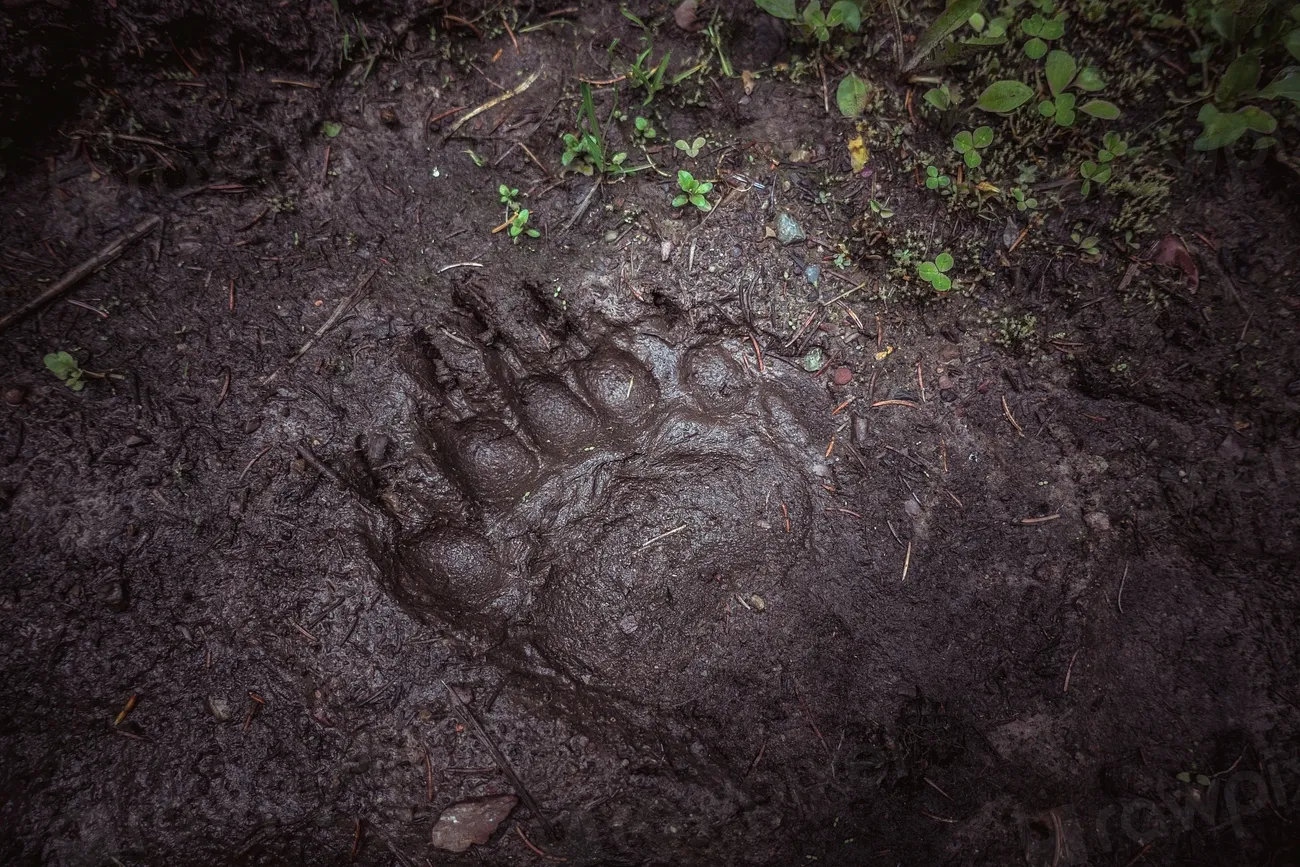

Most hikers enter bear country carrying more assumptions than actual knowledge. Some of those assumptions are harmless. Others, when tested in real time at close range on a narrow trail, can make a bad situation significantly worse. The gap between popular bear mythology and what wildlife experts, park rangers, and researchers actually recommend is wider than most people realize.
Understanding what’s true and what’s theater when it comes to bear encounters could genuinely save your life. Here are ten of the most important points, separated by myth and reality.
Myth #1: Bear Attacks Are a Common Trail Danger
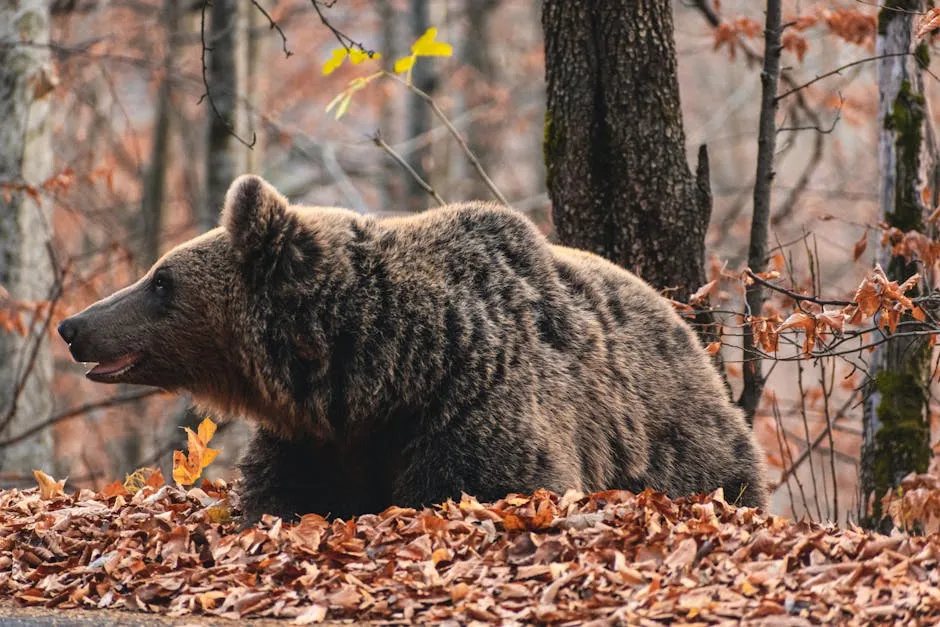
Bear attacks are rare. The chance of being attacked by a bear sits at roughly 1 in 2.1 million. That number is easy to gloss over, but it deserves some weight. According to Appalachian Trail Histories, with 3 million people a year hitting the trail, the odds of suffering an attack by a bear come in at 1 in 24 to 30 million.
Since 1784, there have been about 180 fatal bear attacks in North America. That number might sound significant until you realize it’s spread over nearly 240 years, which works out to well under one fatality per year across an entire continent. To put it bluntly, your odds of being struck by lightning are higher.
Deadly encounters with grizzly bears are very rare. On average, about two to three people are killed each year in North America. Fear of bears is understandable, but statistically disproportionate to the actual risk.
Myth #2: If a Bear Stands on Its Hind Legs, It’s About to Attack
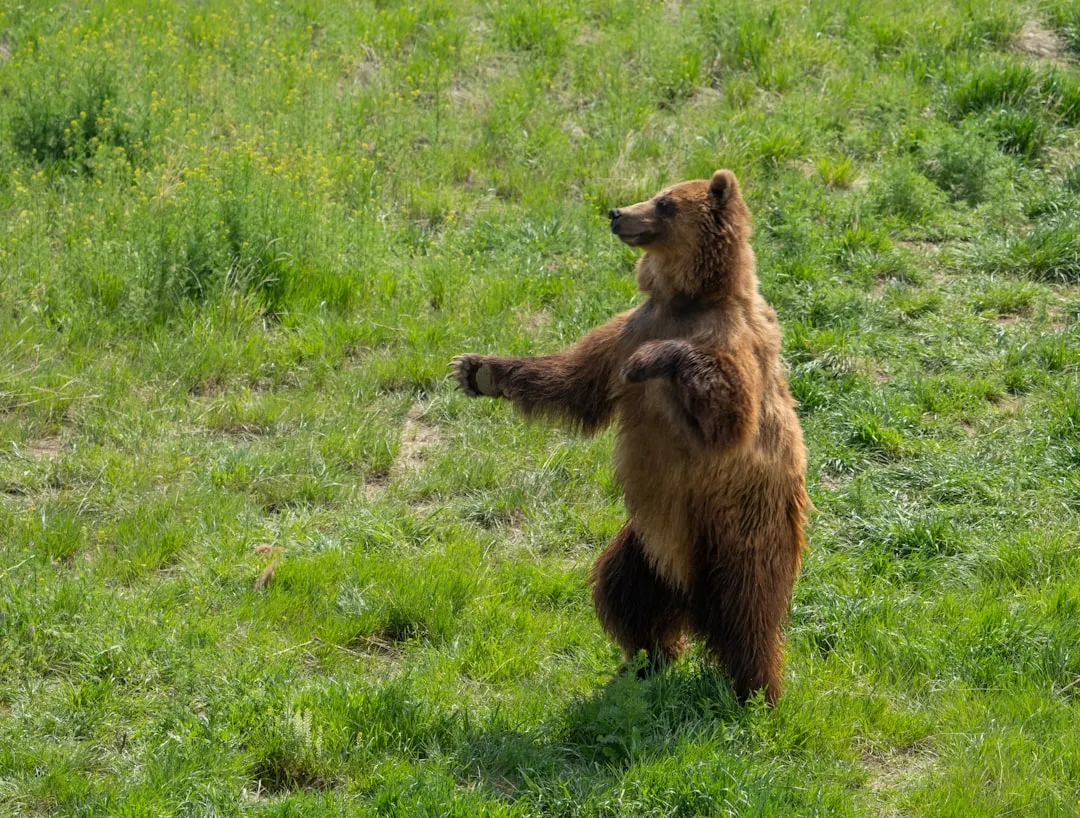
A bear may come closer or stand on its hind legs to get a better look or smell. A standing bear is usually curious, not threatening. This distinction matters enormously, because misreading that posture and overreacting can escalate an otherwise passive encounter into something worse.
Bears can be curious, especially about new or odd objects in their environment. Curiosity is not aggression. The animal that stands up to look at you is trying to gather information, not launching an assault. The correct response is to stay calm, speak in a low voice, and back away slowly.
Stay calm and remember that most bears do not want to attack you; they usually just want to be left alone. Bears may bluff their way out of an encounter by charging and then turning away at the last second. Bears may also react defensively by woofing, yawning, salivating, growling, snapping their jaws, and laying their ears back. Reading these signals is more valuable than any quick fix.
Myth #3: You Should Play Dead No Matter What Bear Attacks You
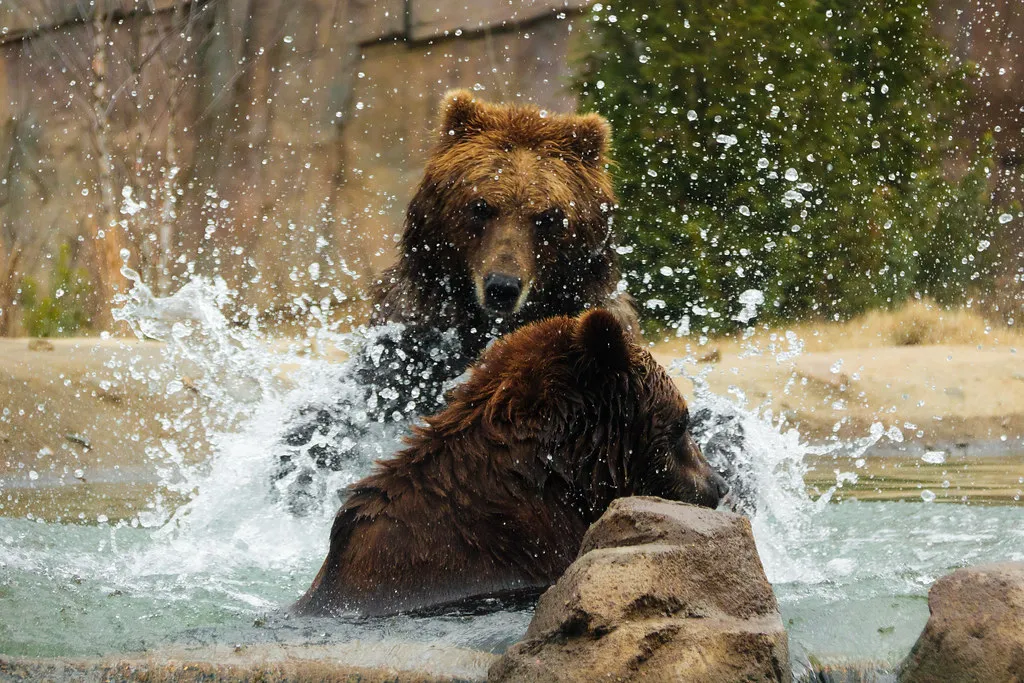
According to the National Park Service, the advice to play dead during a bear attack only applies to grizzly (brown) bears. Fighting back against a grizzly bear is a bad idea. Instead, experts advise that if the bear is already attacking you, you should do your best to prove that you aren’t a threat by lying still and staying as quiet as possible.
The rule is completely different for black bears. If a black bear charges and attacks you, fight back with everything you have. Do not play dead. Direct punches and kicks at the bear’s face, and use any weapon like rocks, branches, or bear spray to defend yourself.
If any bear attacks you in your tent, or stalks you and then attacks, do not play dead. This kind of attack is very rare, but can be serious because it often means the bear is looking for food and sees you as prey. Species identification and attack context are what determine your correct response, not a single blanket rule.
Myth #4: A Gun Is Your Best Protection Against a Bear
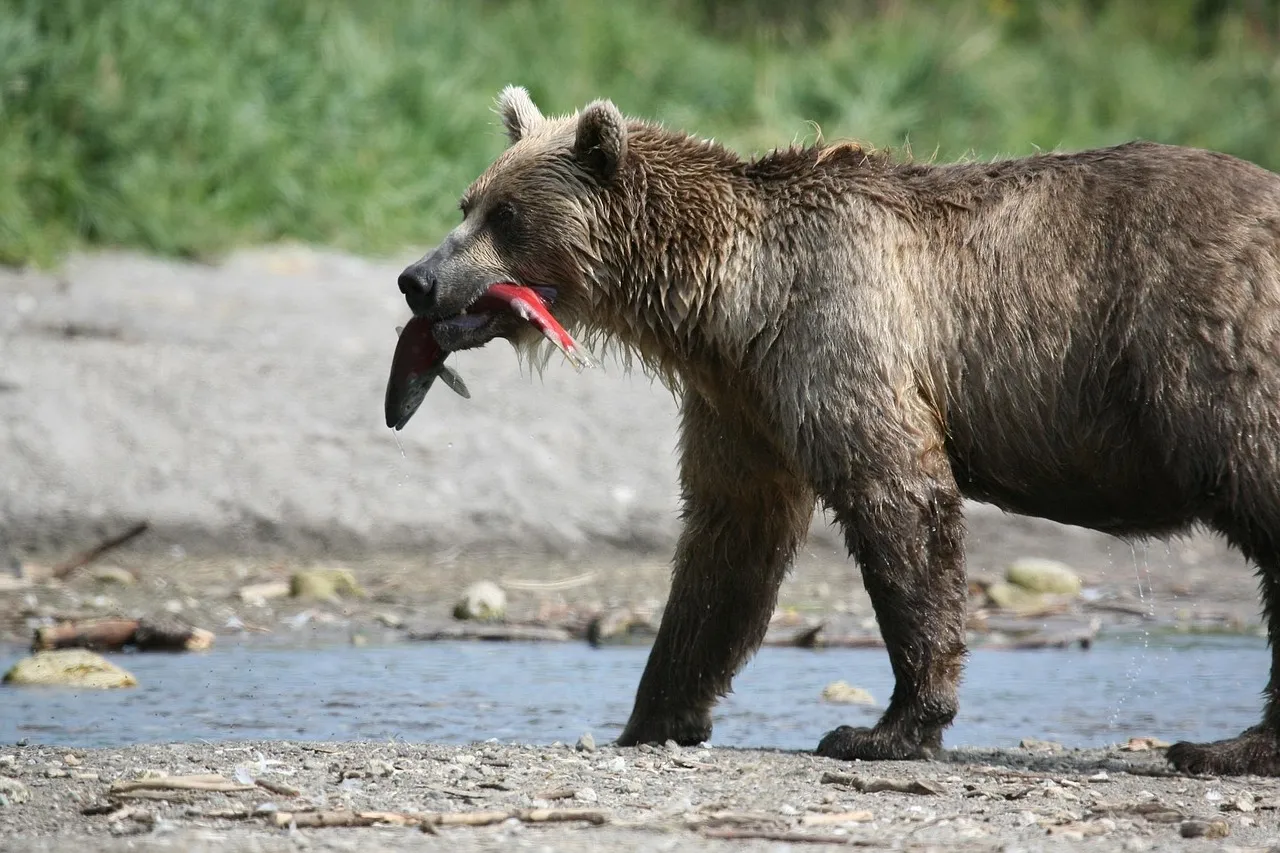
Carrying a gun in bear country doesn’t mean you’re more protected in the event of a bear encounter, according to research out of Brigham Young University. A study led by BYU biologist and bear expert Tom S. Smith found that firing a gun is no more effective in keeping people from injury or death during bear attacks than not using a firearm.
Law enforcement agents for the Fish and Wildlife Service have investigated human-bear encounters since 1992 and found that persons encountering grizzlies and defending themselves with firearms suffer injury about half the time. During the same period, persons defending themselves with pepper spray escaped injury most of the time, and those that were injured experienced shorter duration attacks and less severe injuries.
A study published in the Journal of Wildlife Management found that bear spray successfully deters aggressive bears more than 90% of the time. Firearms require precise aim under stress, and if you were to miss and lightly wound a bear, the scenario becomes more dangerous. Bear spray does not require perfect accuracy and has a smaller risk of a bear continuing to pursue the person deploying it.
Myth #5: Running Away Is a Natural and Reasonable Response
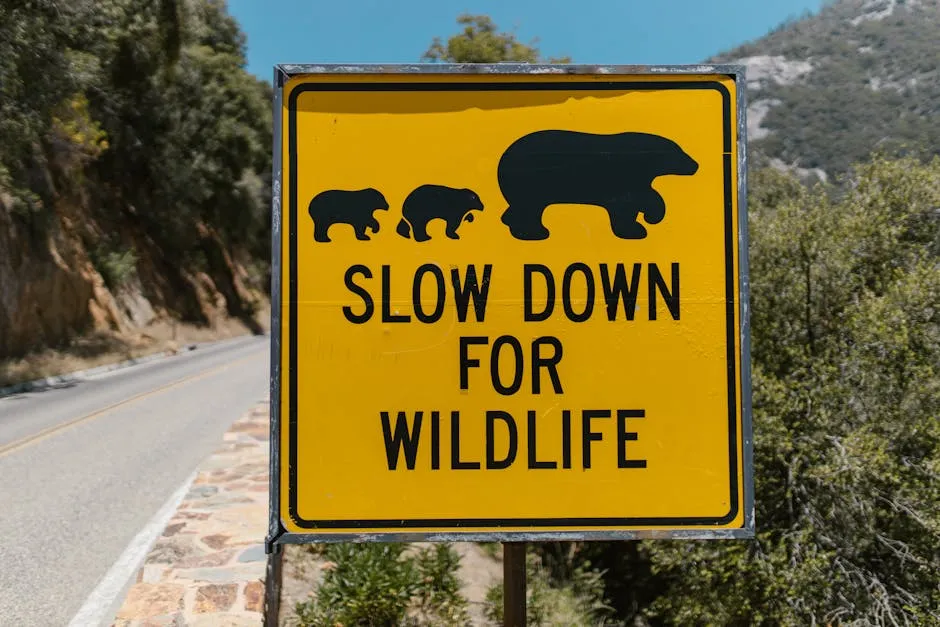
Never run from a surprised bear because it can cause a predatory reaction from the bear. This is one of the most widely repeated and consistently supported pieces of bear safety advice, and one that most hikers intellectually understand but may abandon under adrenaline.
Do not run. Bears can be just as fast as a racehorse, whether it be uphill or downhill. Any attempt to outrun a bear will fail, and more importantly, it signals prey behavior. That can transform a bluff encounter into a genuine pursuit.
Slowly wave your arms above your head and tell the bear to back off. Do not run or make any sudden movements. Controlled, deliberate movement combined with calm vocalization is far more likely to defuse the situation than flight instinct.
Myth #6: Making Noise While Hiking Is Unnecessary or Annoying

Most bears will avoid humans if they hear them coming. Pay attention to your surroundings and make a special effort to be noticeable if you are in an area with known bear activity or a good food source, such as berry bushes. This is prevention at its most basic, and it works.
Let bears know you are there. Call out, clap hands, sing or talk loudly especially near streams, dense vegetation and berry patches, on windy days, and in areas of low visibility. Those are exactly the conditions where a bear is least likely to hear or smell you approaching and most likely to feel cornered if surprised.
Some environmental conditions make it hard for bears to see, hear, or smell approaching hikers. Be particularly careful by streams, against the wind, or in dense vegetation. Most trail encounters happen when both parties are surprised. Removing that element of surprise is the single most effective prevention strategy available to hikers.
Myth #7: Hiking Alone Versus in a Group Makes No Real Difference

Hike and travel in groups. Groups of people are usually noisier and smellier than a single person. Therefore, bears often become aware of groups of people at greater distances, and because of their cumulative size, groups are also intimidating to bears.
Hiking in groups significantly decreases your chances of having a negative bear encounter. There have not been any reported attacks on groups of four or more in Glacier National Park. That statistic, from one of the most bear-dense national parks in the country, is particularly striking.
Solo hiking in bear country is still reasonable with the right preparation. The key is staying vocal, carrying bear spray in an accessible location, and staying alert, especially on those sections of trail where visibility drops and sound travels poorly.
Myth #8: Bears Are Hunting You Because They’re Aggressive Animals

According to the National Park Service, male brown bears are more likely to attack a human than a female. While bears are aggressive wild animals, they will not proactively hunt a human. The only exception would be if the bear were suffering from very severe starvation.
Bears are shy animals that generally avoid humans. Most of the time bears are looking for food. Sometimes their focus on getting food is so intense that they tune out the rest of the world, and it’s easy to startle them. The vast majority of threatening encounters are defensive, not predatory. The bear is protecting its space, its cubs, or a food source.
Stories and tall tales about vicious, man-eating bears helped perpetuate the myth of the grizzly as a fierce and aggressive animal. While all wild animals can be dangerous if approached or threatened, human beings can safely coexist with these native species if we make an effort to understand the truth about their behavior and reactions. Bears usually avoid conflict with people.
Myth #9: Food Storage Is Only Necessary for Overnight Camping

In June of 2024, a series of hikers arrived at Foxmill Spring on the Pacific Crest Trail, hastily dropped their packs to collect water, only to return and find a bear had helped itself to the gear and food left behind. Intelligent, with an exceptional sense of smell, bears will alter their course and disregard human interaction once the association between a human or backpack and easy, dense calories has been made.
Most conflicts occur when bears are startled or food-conditioned. Once a bear learns that hikers carry food and that accessing it carries little consequence, the dynamic shifts in a dangerous direction. The real risk is habituated bears near popular trails looking for human food, not backcountry bears.
Proper food storage, leashed dogs, and bear spray go a long way in keeping everyone safe. Keeping food in bear canisters, never leaving a pack unattended, and packing out all food waste are habits that protect not just hikers but also bears. Once a bear loses its fear of humans it eventually becomes food-conditioned and will likely continue to rely on hikers for calories. The end result for these bears is death because their habits cannot be changed and they now pose a danger to humans.
Myth #10: A Bluff Charge Means a Bear Is About to Kill You

There are two types of charges: bluff charges and aggressive charges. Bluff charges are meant to scare or intimidate and are more common than aggressive charges. When a bear bluff charges, it will have its head and ears up and forward. The bear will puff itself up to look bigger. It will bound on its front paws toward you in big leaps, but then stop short or veer off to one side. Often bears retreat after a bluff charge, or they may vocalize loudly.
If you can see a bluff charge is about to happen, slowly back away while waving your arms above your head, and speak to the bear in a calm voice. When the bear charges you, hold your ground and stay calm. After the bear charges, slowly retreat while keeping an eye on the bear. Running or screaming at this critical moment can turn a bluff into something real.
A scream or sudden movement may trigger an attack. Never imitate bear sounds or make a high-pitched squeal. Holding your ground during a bluff charge is counterintuitive, genuinely difficult under stress, and yet one of the most important things a hiker can practice mentally before ever setting foot on the trail.
Conclusion: Knowledge Is the Only Reliable Deterrent
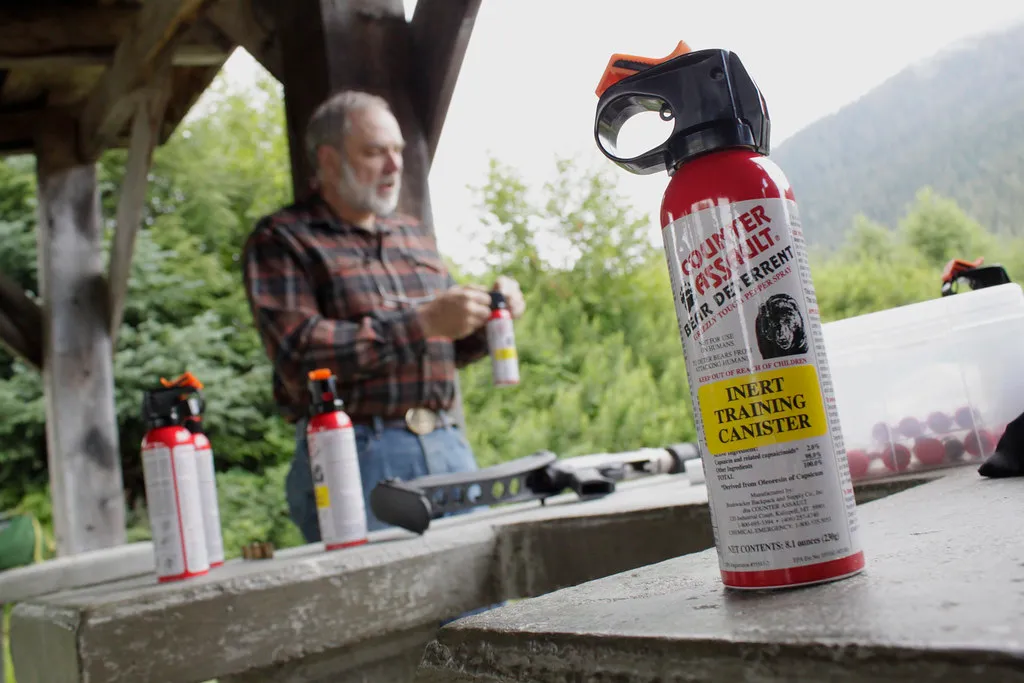
Bear safety is not about bravado or gear fetishism. It’s about understanding an animal’s behavior well enough to respond proportionately. Each bear and each experience is unique; there is no single strategy that will work in all situations and that guarantees safety. Most bear encounters end without injury.
Carry bear spray and know how to use it. Make noise on the trail, especially in dense terrain near water. Store food properly from the moment you leave the trailhead, not just at camp. Hike in groups when possible. One of your best defenses against bears is your brain. The more you understand about bears, the safer you can be, and preparing mentally for bear encounters is one of the most important steps you can take to keep yourself safe.
Most importantly, separate what you’ve absorbed from movies and campfire stories from what the research actually shows. The trail is safer than fear suggests. The threats that do exist are largely manageable. What closes the gap between a close encounter and a tragedy is almost always preparation, not luck.
AI Disclaimer: This article was created with the assistance of AI tools and reviewed by a human editor.