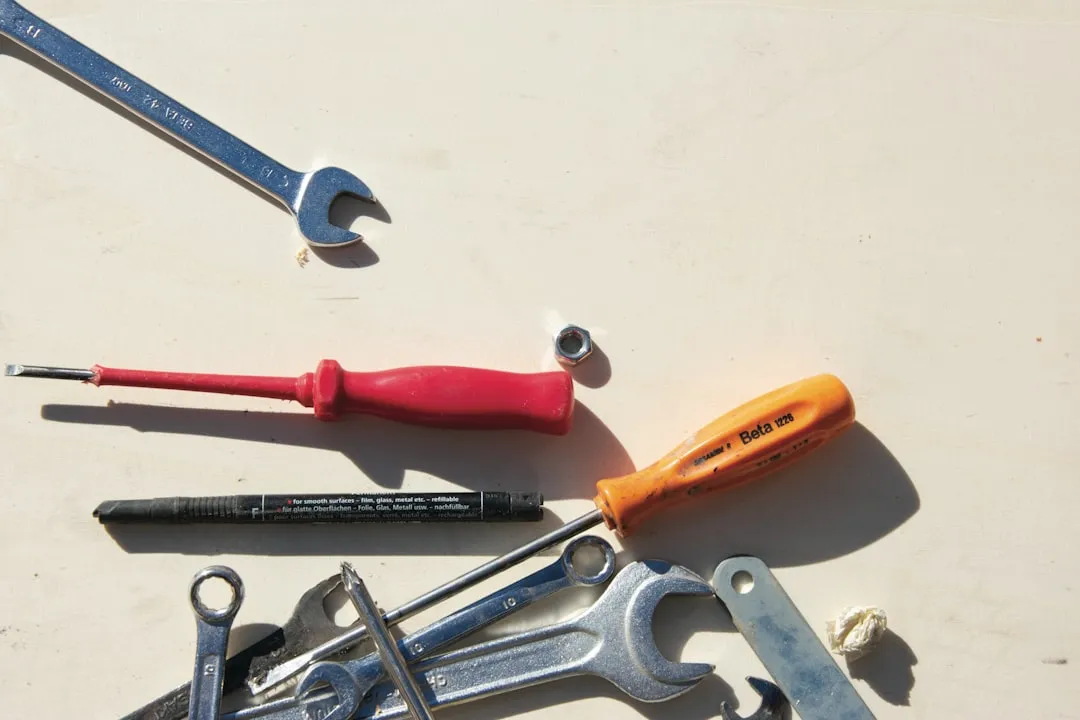

Most households own a power drill they’ve used for less than an hour total. It sits in a drawer, taking up space, doing nothing. Multiply that by every home on your street, and suddenly there’s a quiet absurdity to modern consumption: we each own the same tools, use them rarely, and eventually throw them away.
That’s exactly the problem neighborhood tool-sharing libraries are built to solve. These community-run spaces let residents borrow what they need, return it when they’re done, and collectively reduce the mountain of rarely used goods that ends up in landfills. The movement is growing, the resources to get started are better than ever, and you don’t need a big budget to make it happen.
Understanding Why Tool Libraries Matter
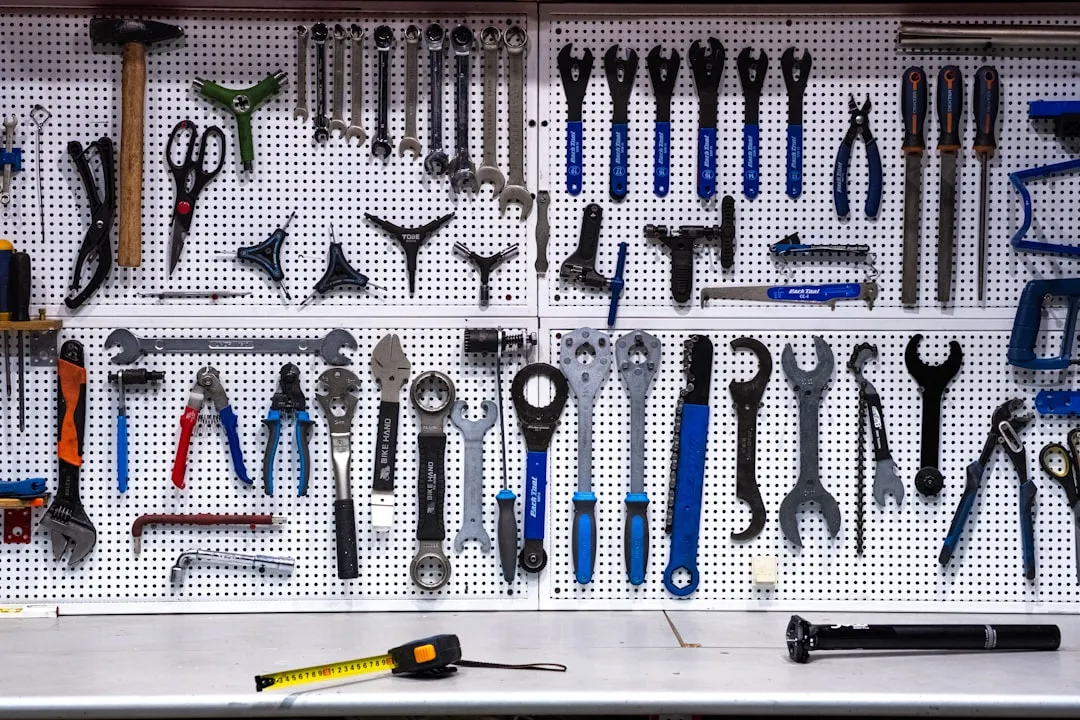
Common tools such as drills have been found to be used for less than one hour per year when individually owned. That figure says a lot about how we buy things. We purchase for the rare occasion, store for years, and discard when we move or renovate.
A study of tool reuse through myTurn found that durable tools are “typically used one thousand to ten thousand percent compared to individual ownership” when shared through a lending program. That kind of usage intensity is exactly what a circular economy looks like in practice.
Tool libraries help people save money and access equipment they might not otherwise afford, while also cultivating a sense of shared responsibility, and they help reduce waste and emissions by keeping tools in use longer. The environmental case is clear, but the social and financial benefits are just as compelling for most communities.
Gauging the Size of the Movement Today

As of 2024, a group of existing tool library founders and directors from across the United States got together to found the Tool Library Alliance. This formalized network gave the movement a real backbone, connecting organizers who had previously been working in isolation.
In 2024, the Library of Things Co-Lab brought together 250 or more organizers, from curious newcomers to seasoned practitioners, to launch and grow community resource-sharing spaces. That level of participation signals genuine momentum.
Shareable surveyed 82 Libraries of Things in 11 countries to produce the State of Libraries of Things 2024 Report. Key findings show that many are making a difference in their communities with just a handful of volunteers and a small space like a storage unit or garage. The vast majority of Libraries of Things are fully volunteer-run with annual budgets of less than $10,000 per year. That’s an encouraging baseline for anyone thinking about starting small.
Step One: Survey Your Community First
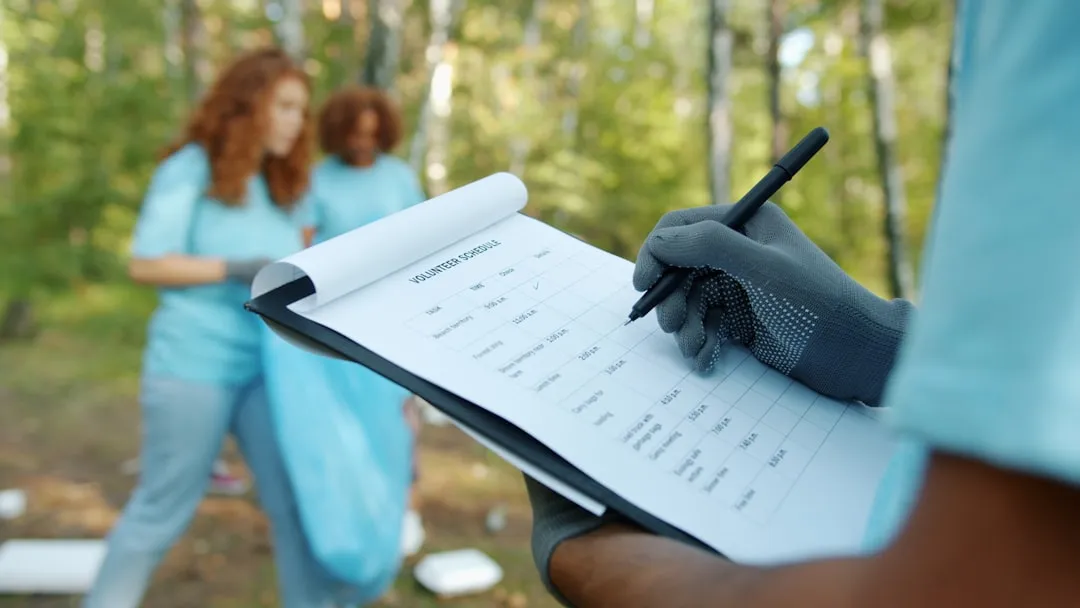
Finding out what your community needs through a community survey, and connecting with local community organizations and small businesses, is a strong first move before anything else. Starting with data rather than assumptions saves time and helps you build an inventory people will actually use.
Start by seeking out passionate people in your area who already believe in resource sharing. You’ll probably need a core group of three to five committed volunteers, who will become your foundation during inevitable challenges. This founding group doesn’t need formal expertise, just genuine investment in the idea.
A simple neighborhood survey, shared through a local Facebook group, community board, or paper flyers, can reveal which tools people wish they had access to most. The answers tend to be predictable: power tools, ladders, pressure washers, and seasonal equipment like aerators and snow blowers.
Step Two: Find a Home for Your Library
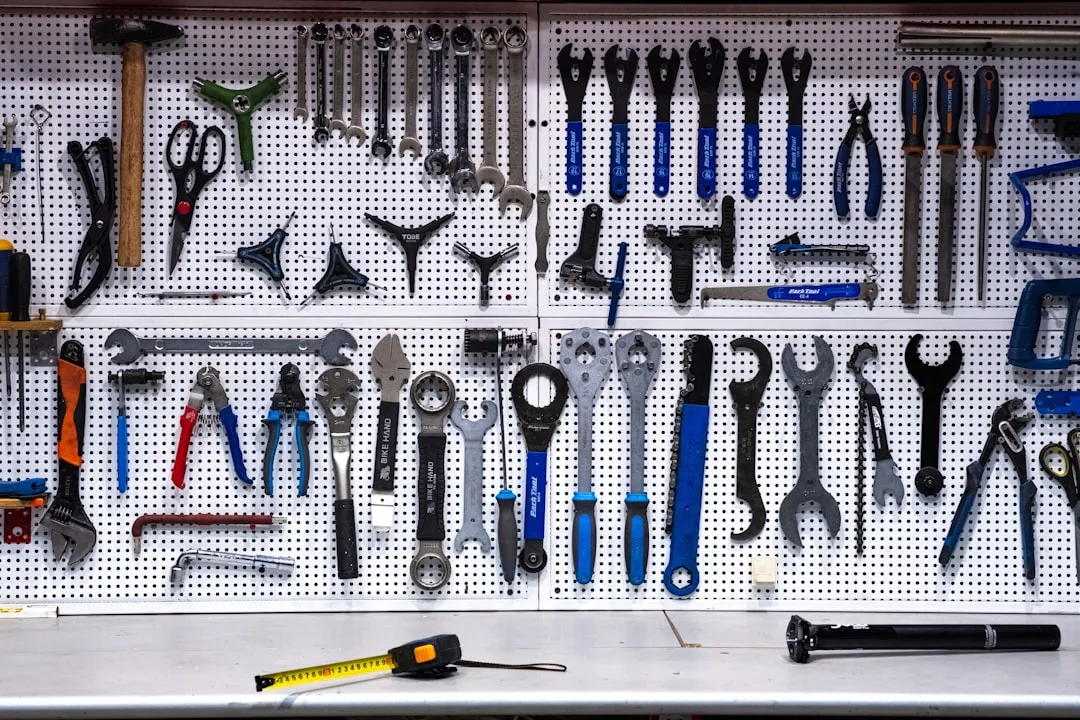
The ideal location is secure, accessible, and has adequate space for your inventory. Consider community centers, unused municipal buildings, garden sheds in community gardens, or partnering with local businesses.
For space, those experienced in tool library development recommend a location where a long-term lease of ten or more years is possible. A stable address builds community trust and makes the ongoing investment in shelving, signage, and infrastructure worthwhile.
Consider centrality and neighborhood, as well as all transportation options including public transit and bicycling. A tool library that’s hard to reach on foot or by bike will see lower usage, no matter how well-stocked it is. Accessibility is not just a nice detail; it determines whether the library genuinely serves the whole neighborhood.
Step Three: Build Your Initial Inventory

Many Libraries of Things rely heavily or entirely on donated items. According to the State of Library of Things 2024 Report, about sixty percent of respondents’ items were donated. Community donations are the fastest and most cost-effective way to build your first collection.
When you accept donations, especially from individuals, make sure you are set up to test a donated item on-site before accepting it. If a broken item is left with you, you’re assuming full responsibility for disposing of it responsibly. A quick testing station near the drop-off point solves this problem neatly.
A carefully selected collection of fifty reliable tools provides greater community value than two hundred questionable items that constantly need repair. Quality over quantity matters most when you’re starting out with limited volunteer bandwidth to maintain the collection.
Step Four: Set Up a Checkout and Inventory System

Select a system that effectively tracks your tools, borrowers, and lending periods. Options range from basic spreadsheets to specialized software packages like myTurn or Tool Librarian. Whatever system you choose must be straightforward enough that volunteers can use it consistently.
Label your tools carefully using multiple methods such as tape, spray paint, or a label maker, and upload your tools to a centralized database like myTurn, ideally viewed publicly online. Publicly visible inventory reduces the number of “is this available?” calls and helps members plan their projects in advance.
Establish clear guidelines covering membership eligibility, borrowing periods, late fees, and replacement responsibilities. Set reasonable timeframes, as popular items typically circulate for three to seven days, and create straightforward procedures addressing damaged or lost equipment.
Step Five: Handle Legal Structure and Insurance

Establish a legal structure, preferably nonprofit, with appropriate liability insurance, create basic organizational systems for checkout and inventory management, and develop funding sources through grants, business partnerships, and community fundraising events.
Obtain appropriate liability insurance to protect your organization, volunteers, and members from potential incidents. This typically costs between $500 and $1,500 annually, depending on size and location. Many neighborhood tool libraries partner with existing community organizations to extend coverage rather than purchasing standalone policies.
Contact your insurance agent about general liability coverage that specifically includes tool lending activities. Many standard policies exclude equipment sharing, so you’ll need explicit coverage. Getting this sorted early, before the first tool is borrowed, protects everyone involved.
Step Six: Create a Funding Plan That Actually Works
For financial sustainability, Libraries of Things rely most heavily on a combination of membership fees, grants, and donations. Leaning on a single source of income makes any small organization fragile, so building a diversified base from the start is worth the extra planning effort.
Diversify revenue through membership contributions, community donations, targeted grants, and potentially specialized tool rentals to local businesses. Aim to establish at least three different funding sources to ensure operational stability. Even modest recurring donations from committed supporters often provide more reliability than occasional large grants with specific restrictions.
Local sustainability grants, municipal solid waste reduction programs, and state-level environmental funds are all worth exploring. In 2025, the Institute for Sustainability Engagement at Syracuse University developed a community tool lending library in Keeseville, NY with funding from the New York State Pollution Prevention Institute, supported by the Environmental Protection Fund. Public funding channels like this exist in many states.
Step Seven: Recruit and Manage Volunteers

Some of the big challenges tool libraries face are maintaining enough dedicated volunteers to consistently run operations, scaling too quickly and not being able to maintain growth, and keeping the service accessible to everyone while still finding the funding to sustain the organization.
Schedule hands-on training sessions where volunteers practice using unfamiliar equipment before helping others. Most insurance policies require documented safety training for volunteer-operated programs. This also builds volunteer confidence, which directly improves the member experience.
Most Libraries of Things have been operating for less than five years and are open one to three days per week when they have capacity, with limited hours. Starting with modest open hours and expanding as your volunteer base grows is a far more sustainable model than burning out your founding team in the first year.
Step Eight: Maintain Tools and Keep Quality High

Check each tool monthly during active seasons and quarterly during off-peak periods. Regular inspection is what separates a library that members trust from one they avoid after one bad experience with a faulty tool.
Members are usually required to clean tools before returning them and may be assigned maintenance duties to ensure equipment longevity. Tool libraries implement regular inspection schedules, establish repair and replacement protocols, and often partner with local mechanics for servicing.
Tool libraries are also perfect for hosting free community repair events such as Repair Cafes, skill-building workshops, and other community events. Repair events serve double duty: they extend the life of tools in circulation and draw new members into the community around the library.
Step Nine: Spread the Word and Build Membership

Create a brand with a logo, name, colors, and fonts, and start a website and social media presence. Get the word out through local events, news, podcasts, social media, and flyers. A consistent visual identity makes your library feel established and trustworthy, even if it’s brand new.
Establish a basic online presence showing location details, operating hours, membership information, and available inventory. This doesn’t require sophisticated design. Simply use a basic site or active social media page to help potential members discover your service. Include photos of your space and popular tools to give visitors accurate expectations.
Track meaningful metrics showing membership growth, tool utilization rates, and estimated community savings. Share these compelling stories to demonstrate value to stakeholders and attract potential new members. Numbers ground the mission and make it easier to attract grants and local government support down the road.
Step Ten: Connect with the Broader Movement

The Tool Library Alliance unites tool libraries across the United States to foster community resilience, increase sustainability, and build a culture of generosity through the sharing of tools, skills, and knowledge. The TLA has resources available on its website and hosts monthly virtual workshops, colabs, and webinars to help connect veteran tool librarians, start-up tool librarians, and everyone in between.
The Library of Things Toolkit was adapted from presentations shared during the LoT Co-Lab in 2024 and the expertise of members of the National Tool Library Alliance. There are 12 sections, each addressing a critical aspect of starting and running a Library of Things, ranging from foundational steps like getting started and building an inventory to practical considerations like operations, volunteers, and designing the physical or mobile space.
Tool libraries can even prove their worth in a climate crisis, as the Asheville Tool Library was instrumental in filling a service gap when Hurricane Helene left neighbors stranded. That kind of real-world resilience is hard to put a number on, but it speaks to what these spaces actually represent: communities that have chosen to depend on each other.
Conclusion: Small Space, Real Impact
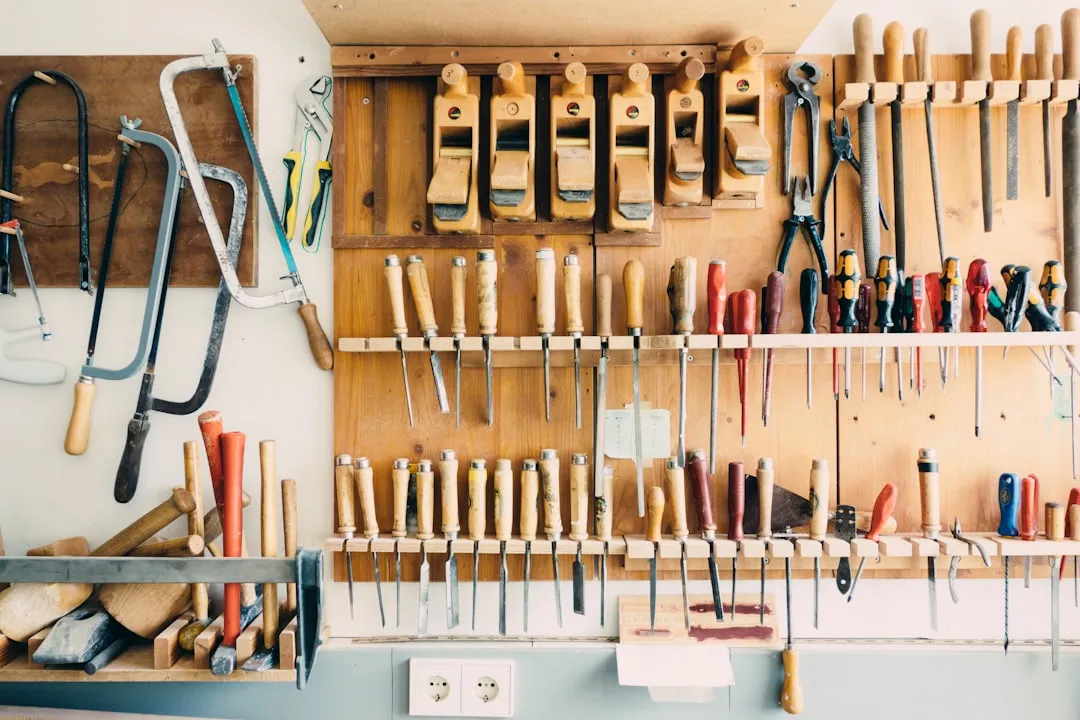
Starting a neighborhood tool-sharing library doesn’t require a large building, a formal organization, or years of planning. As the 2024 State of Libraries of Things report confirmed, many of the most effective ones began in garages and storage units with a few hundred dollars and a group of neighbors who decided to try something different.
This model reduces waste and consumption by maximizing the use of existing resources, which is a key aspect of environmental and social responsibility. By providing access to tools for home repairs or creative projects, tool libraries empower people to maintain their homes and develop new skills. This collective resource management strengthens local resilience and reduces individual financial burdens.
The tools were always there. What was missing was a reason for neighbors to share them. A tool library gives people exactly that reason, and in doing so, it quietly changes something about how a neighborhood thinks about itself.
AI Disclaimer: This article was created with the assistance of AI tools and reviewed by a human editor.