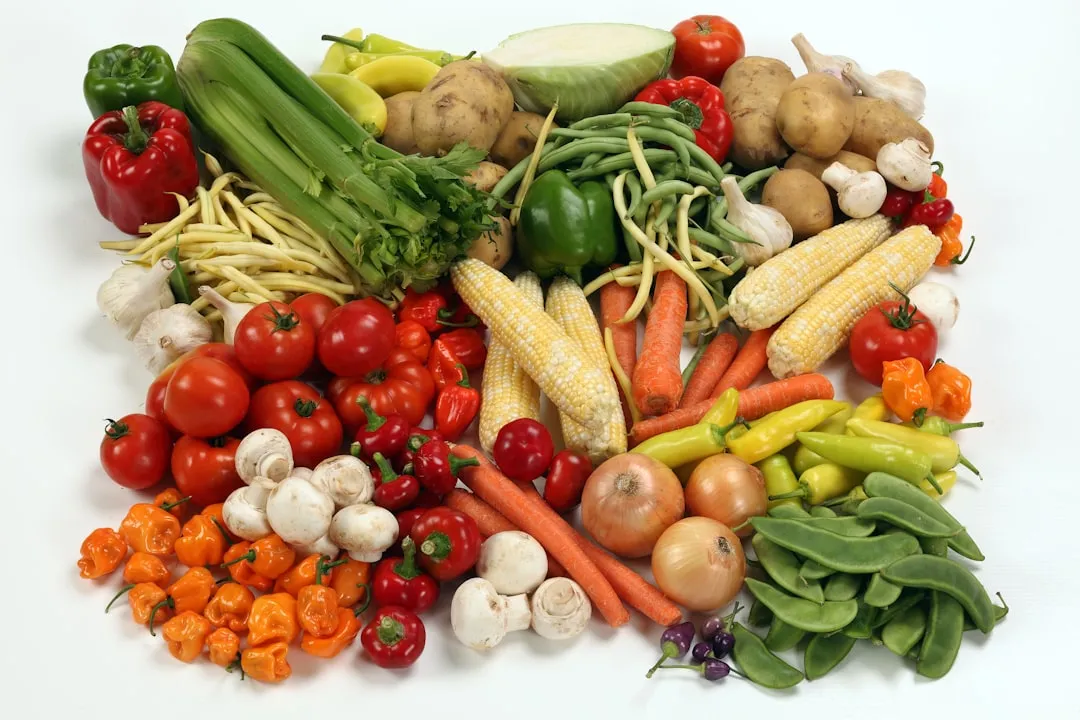

Most gardeners think of growing food as a long game. Plant in spring, wait through summer, harvest in fall. That timeline works fine for tomatoes and pumpkins, but it’s not the only way to go. A whole category of vegetables can take you from seed to plate in under a month, sometimes well under.
Whether you’re working with a windowsill, a raised bed, or a handful of containers on a balcony, the crops below are genuinely worth knowing. The timelines here are based on verified growing data, not optimistic seed catalog promises.
1. Radishes: The 20-Day Benchmark
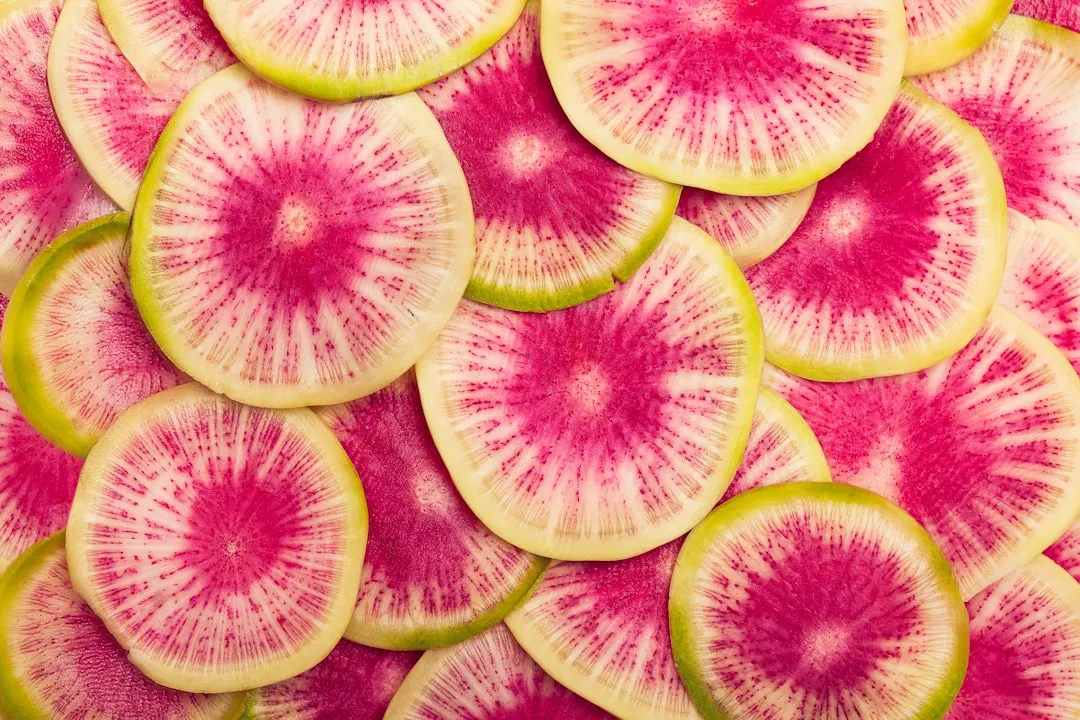
Radishes are among the fastest-growing vegetables, often ready to harvest in 20 to 30 days. That’s the benchmark the rest of this list is measured against. They’re crisp, peppery root vegetables that thrive in cool weather and can be planted in both spring and fall.
Radishes thrive in full sun with well-draining soil enriched with compost and prefer cooler temperatures between 50 and 70 degrees Fahrenheit. Check for maturity frequently, since roots grow rapidly, and pull when they reach about one inch in diameter for the best flavor.
You can also eat radish greens, making this a two-for-one crop that grows quickly and adds a fresh bite to salads. Plant successive batches every week for a steady supply of fresh radishes.
2. Microgreens: From Seed to Scissors in Under Two Weeks
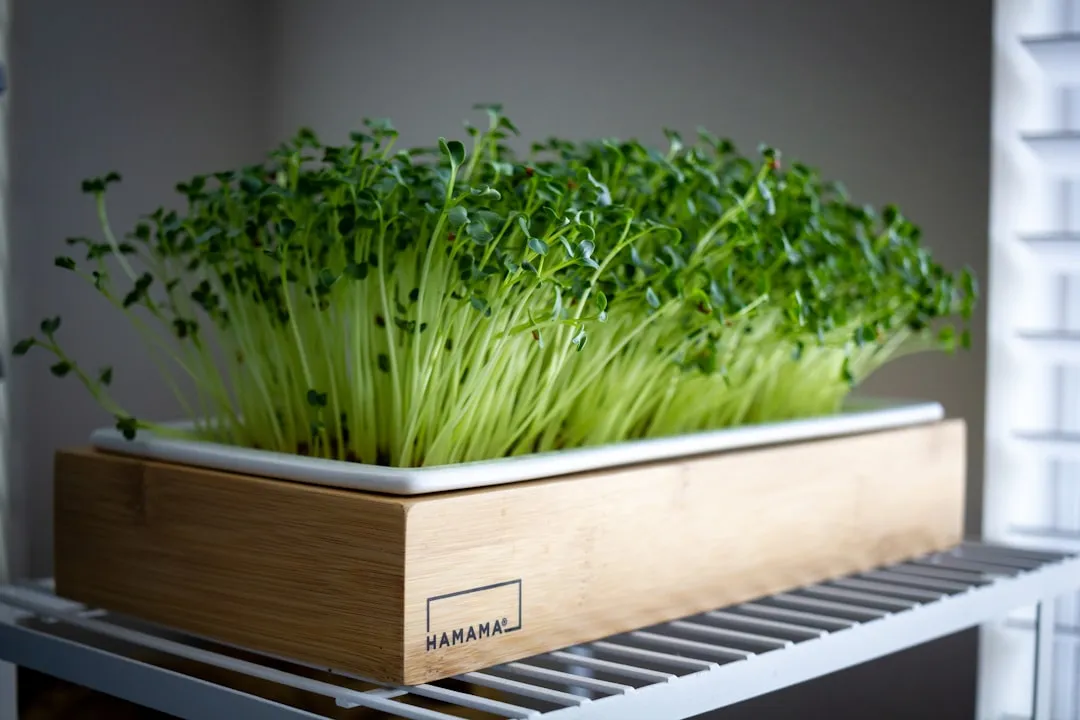
Microgreens are one of the fastest crops you can grow, ready for harvest in as little as 10 to 21 days. These young seedlings of vegetables and herbs, such as radish, broccoli, kale, basil, and cilantro, are harvested when they’ve just developed their first true leaves.
The time to harvest is considerably shorter than full-grown plants, and in that short amount of time, radish microgreens for example acquire 40 times more nutrients per serving than a grown radish. They can be grown indoors or outdoors in shallow trays, making them an excellent year-round option.
All you need is a shallow tray, a bit of potting soil or a growing mat, and a sunny windowsill or grow light. These tiny vegetable greens take two to four days to germinate and are ready to harvest in only 10 to 14 days.
3. Baby Spinach: 25 to 30 Days for Nutrient-Dense Leaves
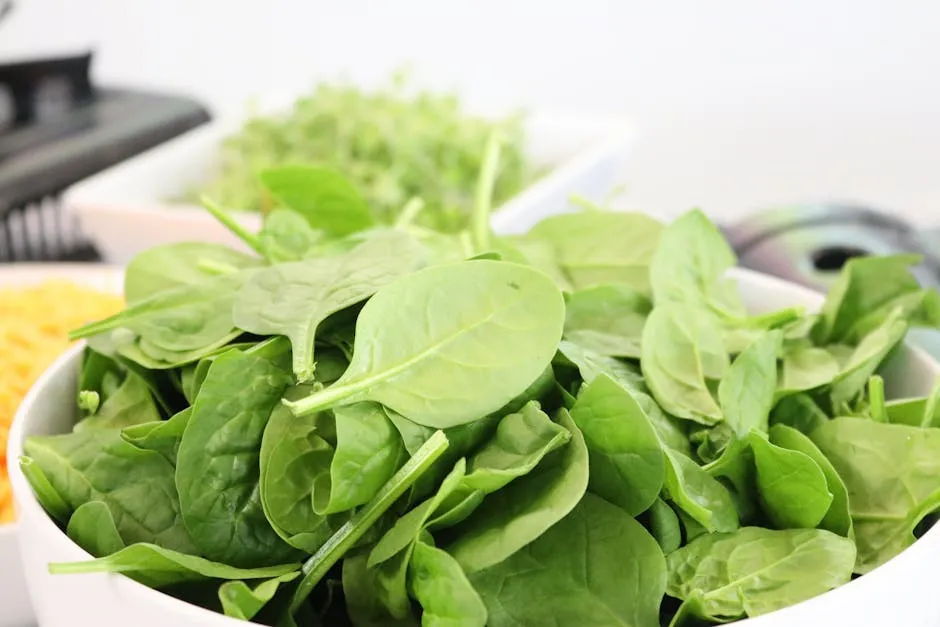
Baby spinach typically reaches harvestable size in 25 to 35 days, with germination occurring in five to nine days and first true leaves appearing at 10 to 14 days under optimal conditions of 50 to 70 degrees Fahrenheit. Unlike mature spinach varieties harvested at 40 to 60 days, baby spinach refers to young plants harvested at the two to three true leaf stage, producing tender, sweeter leaves preferred for fresh salads.
Spinach has similar cool-season growing requirements as lettuce, but is more versatile in both its nutrition and its ability to be eaten raw or cooked. It is higher in iron, calcium, and vitamins than most cultivated greens and is one of the best sources of vitamins A, B, and C.
Don’t wait too long to harvest or wait for larger leaves, as bitterness will set in quickly after maturity. For continuous harvests, sow every 10 to 14 days and pick baby leaves early, or use a cut-and-come-again approach to extend your yield.
4. Arugula: Peppery Greens in About Three Weeks
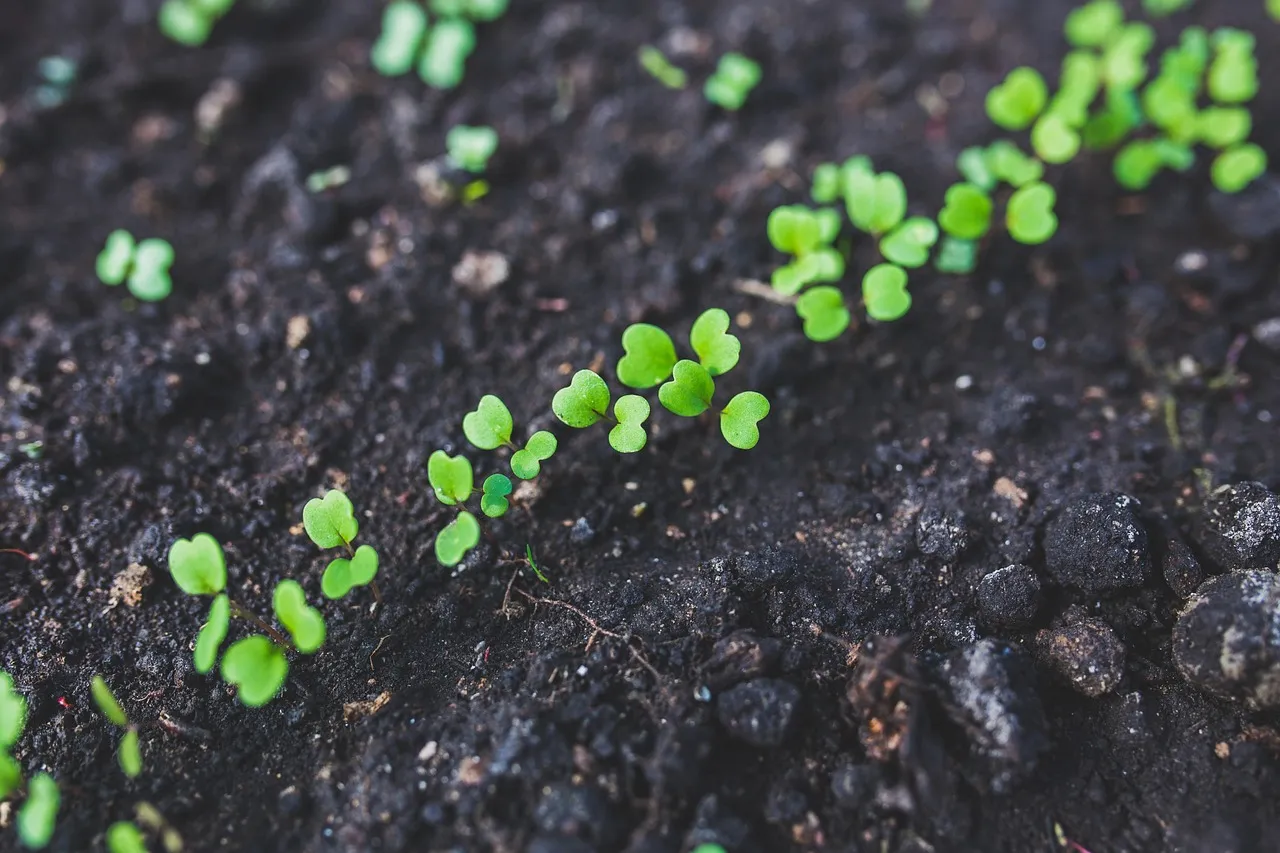
If you love peppery, nutrient-rich greens, arugula is an excellent choice for a speedy harvest. This leafy green germinates within a few days and is ready to pick in about three weeks. It thrives in cooler temperatures and does best in partial shade.
Arugula can be planted in the fall and takes five to seven days to germinate after sowing, with baby arugula leaves ready in 20 to 40 days and full-sized leaves after 30 to 40 days. The flavor at the baby stage is noticeably milder, which appeals to people who find fully mature arugula too sharp.
Because it grows so fast, you can plant multiple batches throughout the season for a continuous supply. Arugula is perfect for salads, sandwiches, and homemade pesto.
5. Mustard Greens: Bold Flavor, 20 to 30 Days
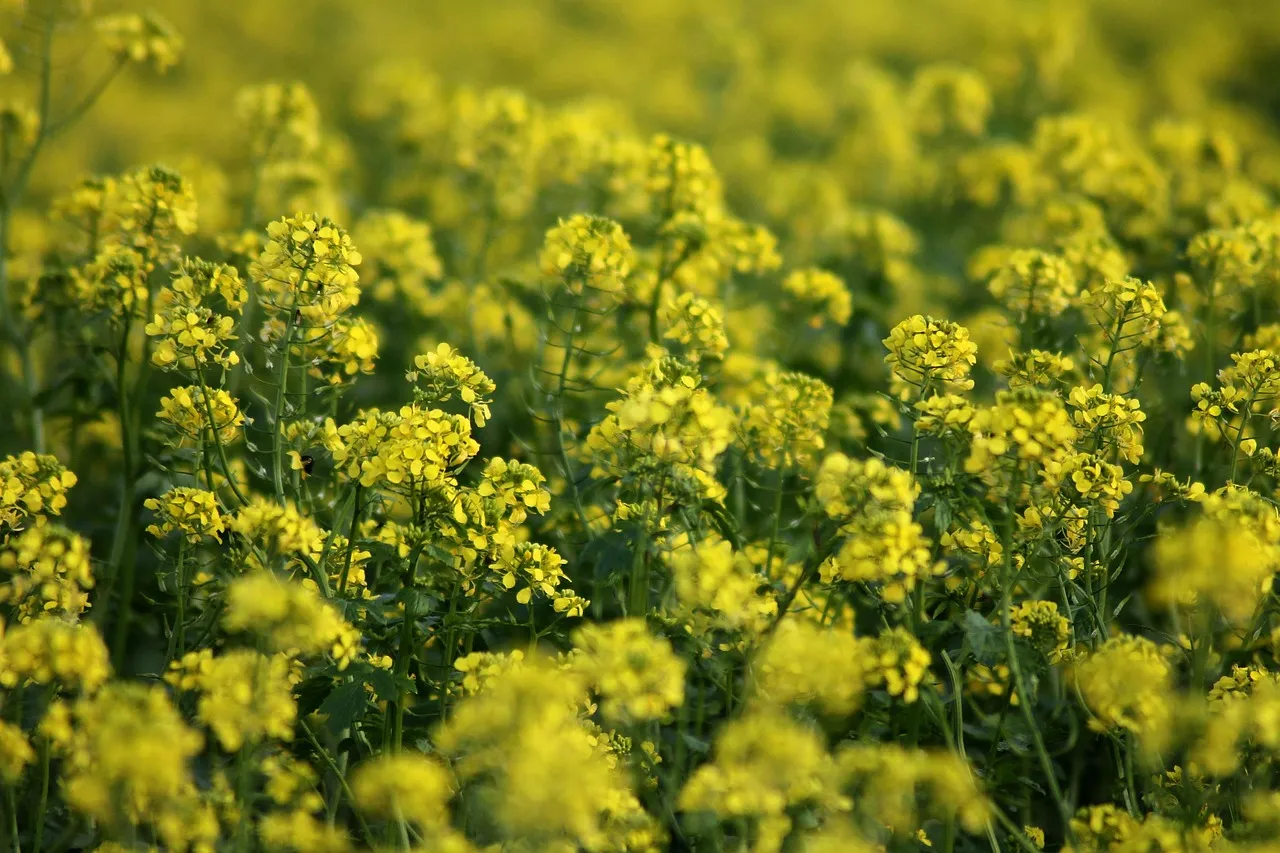
Most mustard greens are ready to harvest as baby greens 20 to 30 days after sowing. Popular fast varieties include Giant Red and Ruby Streaks, both clocking in at around 21 days. Mustard is a cool-season crop, and the ideal planting window aims for harvest when the average temperature sits around 60 to 65 degrees Fahrenheit.
Their rapid growth means you can start harvesting baby leaves in as little as 20 days after planting. The frilly or broad leaves come in various colors including bright green, purple, and red. When harvested young, they offer a milder taste that intensifies as they mature, giving you different flavor profiles throughout the growing cycle.
Picking outer leaves enables the plant to produce subsequent flushes of harvestable leaves, extending the harvest for many weeks. When summer heat arrives, mustard varieties will bolt or go to flower, at which point the leaves turn very spicy or bitter.
6. Baby Lettuce: Cut-and-Come-Again in 25 to 30 Days
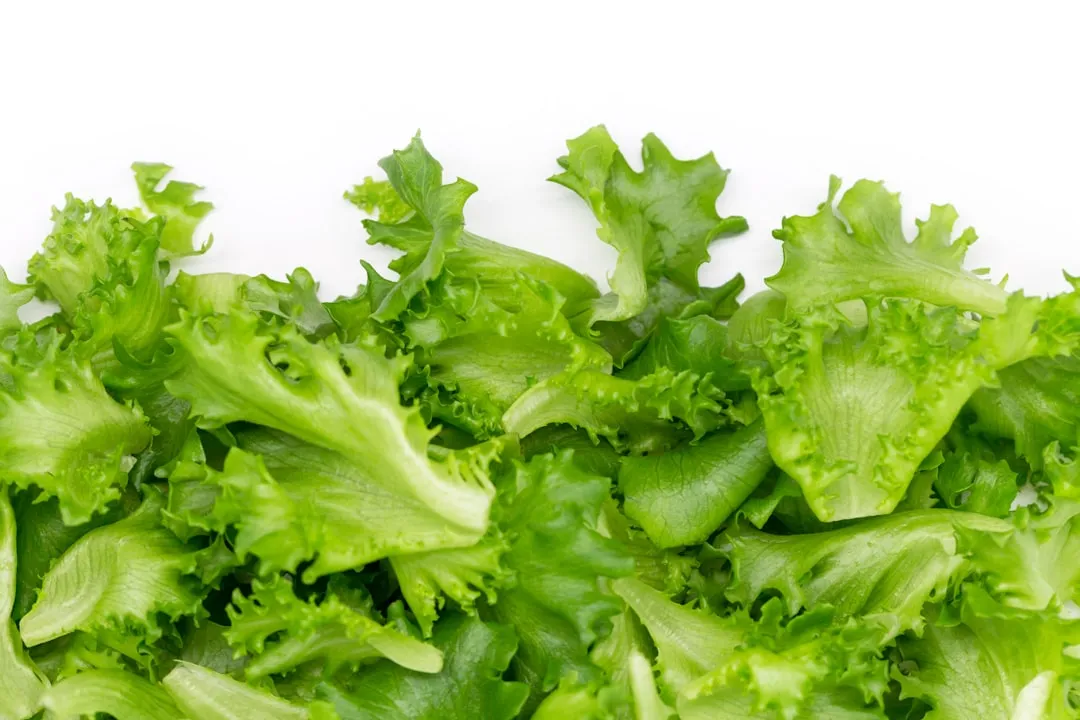
Baby lettuce leaves and mesclun mixes are a fast, flavorful addition to your table. Many varieties can be harvested as baby leaves within 25 to 30 days of sowing, and these greens grow best in cool weather, making spring and fall prime times for planting.
To speed growth, sow seeds thickly in shallow rows or broadcast them across a bed. As soon as the leaves are large enough to eat, cut them an inch above the soil, and they will regrow for multiple harvests. That regrowth capacity is what makes lettuce particularly efficient for a small garden.
While most lettuces prefer spring to early summer and late summer to fall weather, some varieties are slow-bolting. You can also grow lettuce year-round indoors as long as the plants receive adequate light, up to 10 hours, with grow lights helping considerably.
7. Pea Shoots: Ready in as Few as 10 to 14 Days
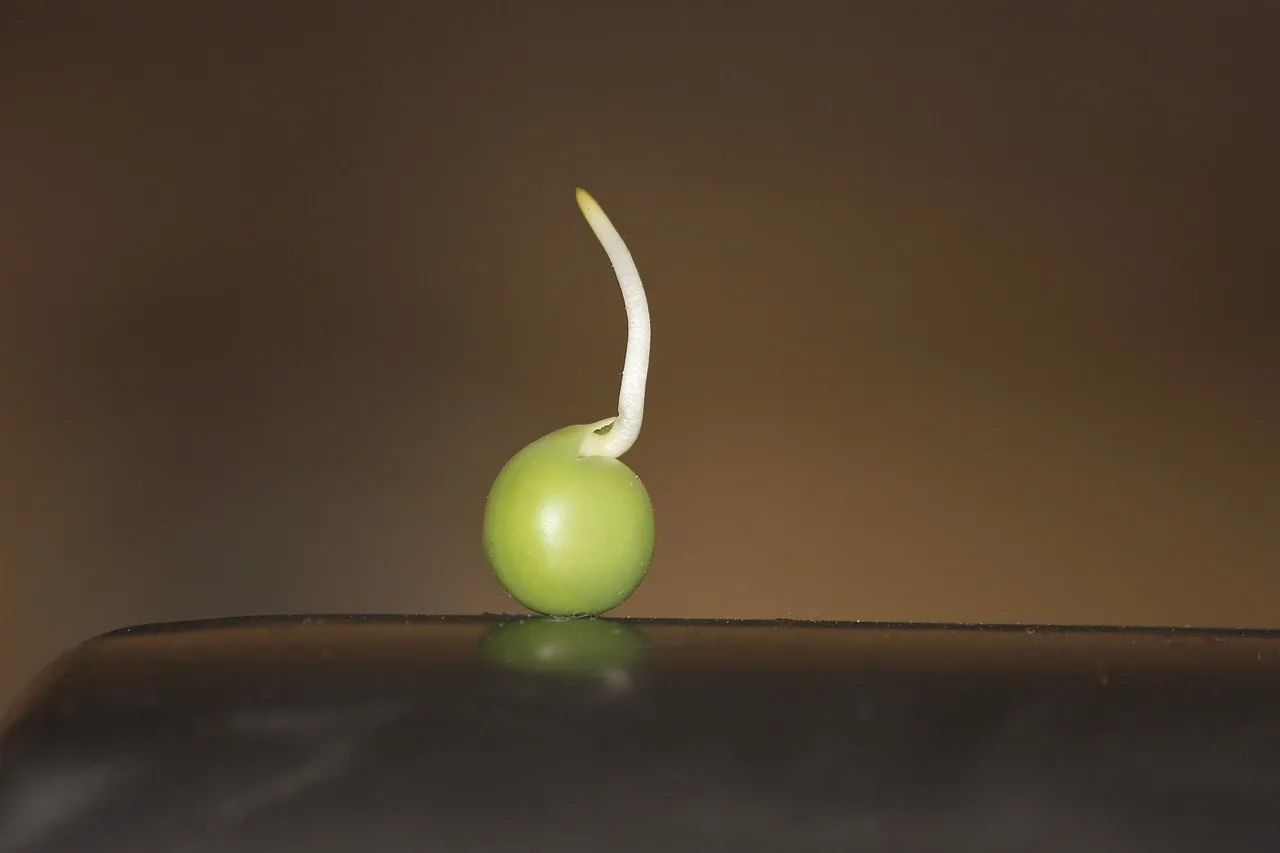
Pea shoots are one of the fastest-growing greens, ready in as little as 10 to 14 days. They offer a sweet, fresh taste perfect for salads and stir-fries, and can be grown indoors or outdoors with minimal effort.
Planting a tray of pea shoots takes only a few minutes, and in just two to three weeks you’ll have plenty of tender greens. Scissor-harvest pea shoots when they’re four to eight inches tall, cutting about an inch above the soil line.
These shoots grow rapidly in well-drained soil and love a sunny spot. Their tender leaves and tendrils are not only delicious but visually appealing. Traditionally used in Asian dishes, pea shoots have gained popularity worldwide for their ease of growth and delightful taste.
How to Get the Most Out of Fast-Growing Crops
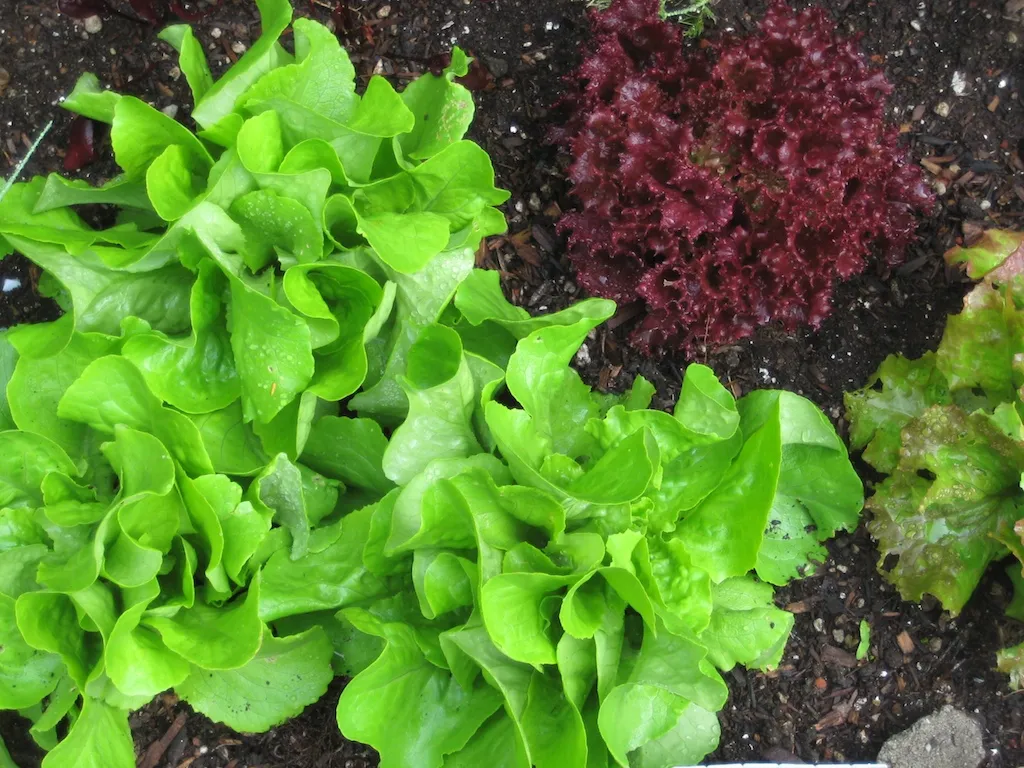
Succession sowing every seven to ten days keeps a continuous 30-day harvest pipeline going. This simple practice is probably the most overlooked strategy in home vegetable gardening. A staggered planting schedule means you’re almost always days away from something ready to harvest.
Interplanting is another useful technique: plant quick radishes between slower crops, and they’ll be harvested before crowding becomes an issue. Thin radishes and dense greens early, since crowding slows growth and reduces quality.
Harvest in the cool morning for crisp texture and longer post-harvest life. Always check your seed packet for variety-specific days to maturity, as actual harvest may vary by roughly a week or more based on weather and growing conditions.
Growing Indoors: Year-Round Options
For indoor growing, choose crops that don’t require full sun. Microgreens, baby lettuce, and certain herbs do particularly well under grow lights. Hydroponic or Kratky jars can deliver greens in 14 to 21 days indoors with minimal gear.
Indoors, use 12 to 16 hours of grow light for consistent speed with spinach and similar greens. The investment in a basic grow light setup pays off quickly when you factor in the frequency of harvests you can run through a single winter season.
Cress grows easily on a damp paper towel or in shallow soil, making it perfect for windowsill growing year-round, even for children or those without outdoor space. It’s genuinely one of the lowest-barrier crops available, ready in as few as seven to fourteen days.
Succession Planting: The Key to Continuous Harvests
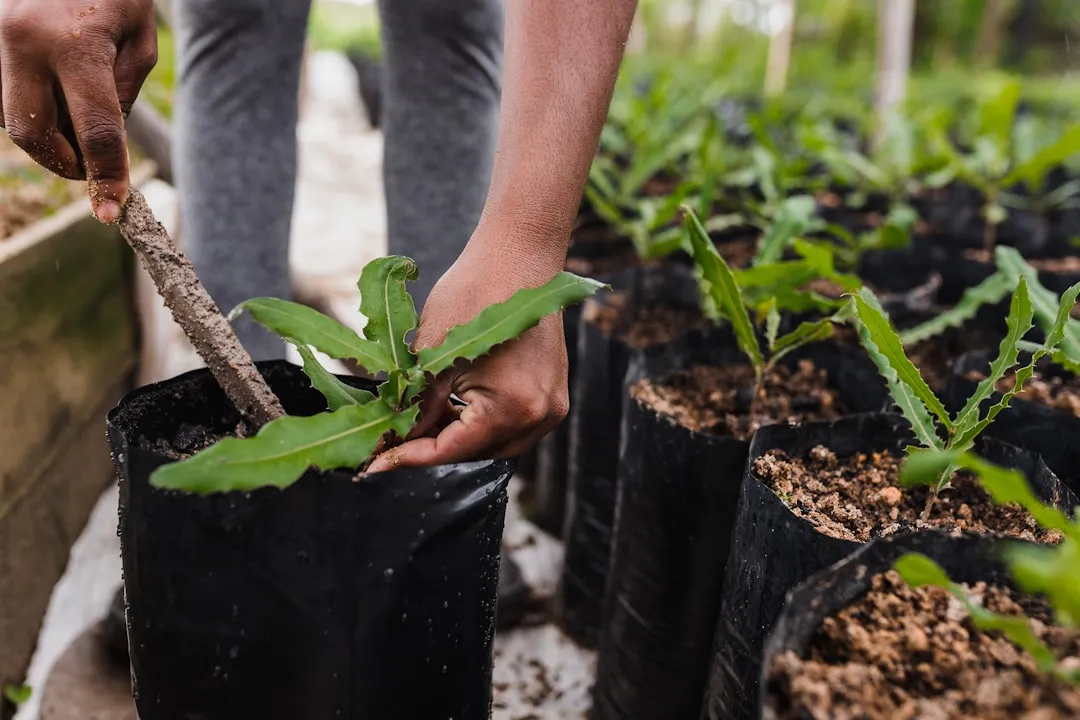
Plant small amounts every one to two weeks rather than large plantings all at once for the most reliable ongoing supply. This is especially true for crops like arugula and mustard greens, which can bolt and turn bitter if left in warm soil too long.
Season extension tools like cold frames, row covers, and succession planting help you harvest from early spring through late fall. In colder regions, a cold frame, greenhouse, or even a sunny windowsill can extend your growing season into winter.
The appeal of fast-growing vegetables goes beyond instant gratification. Quick crops make excellent succession plantings, filling the spaces left after early spring harvests or before fall frosts. They can also act as catch crops, sown in areas where slower-growing plants failed to germinate.
Final Thoughts

There’s a kind of quiet satisfaction in planting something on a Tuesday and eating it before the month ends. These seven vegetables prove that a productive kitchen garden doesn’t require acres of space, months of patience, or years of experience.
The real key is choosing the right varieties for your conditions, keeping moisture consistent, and not letting the plants overstay their welcome. Harvest early, sow again, and repeat.
If you’ve never grown food before, start with radishes or microgreens. The timeline is short enough to hold your attention, the results are reliable, and there’s something about pulling your first radish from the ground that tends to make you want to plant another row before you’ve even eaten it.
AI Disclaimer: This article was created with the assistance of AI tools and reviewed by a human editor.