

Most gardeners have a stack of old newspapers somewhere in the house. Rather than sending them to the recycling bin, those pages can go straight into your garden beds and do something genuinely useful. Newspaper mulch is an eco-friendly, affordable, and ecologically acceptable solution for weed control and soil moisture retention in gardens and landscapes. It costs almost nothing, requires no special tools, and the results show up fast.
The technique has been quietly refined by home gardeners and professional horticulturists alike for decades. What makes it worth revisiting now is the growing body of research on how organic mulch layers interact with soil moisture, biology, and plant health. Here is everything you need to know to do it right.
Why Newspaper Works as a Moisture Barrier
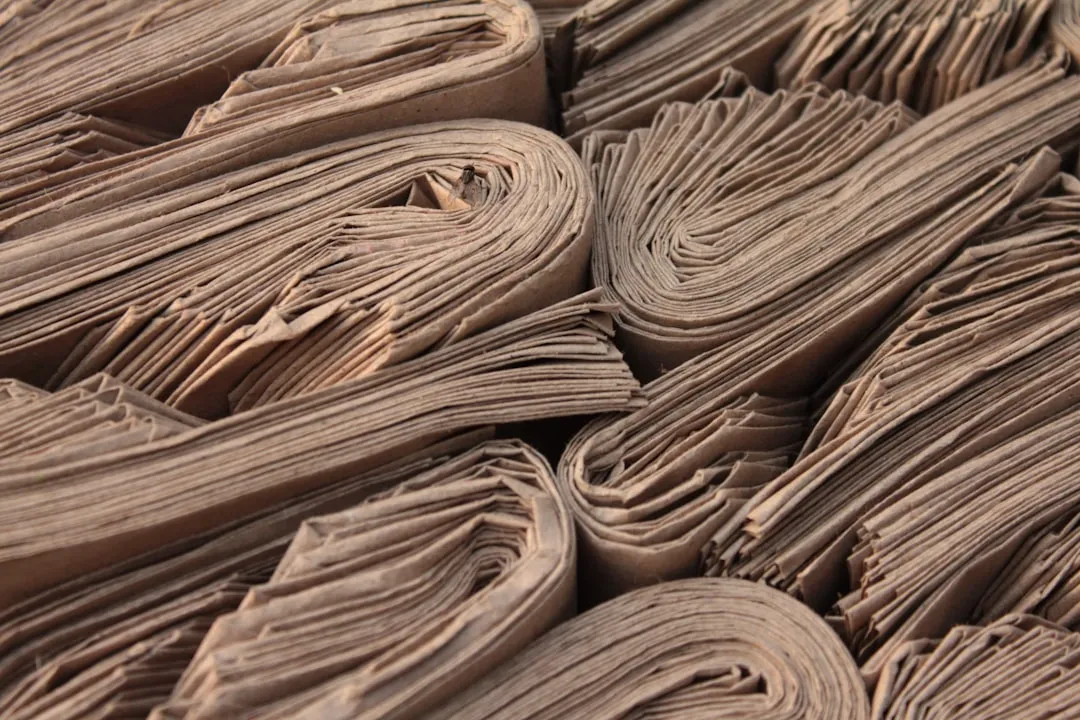
The science behind newspaper mulch is straightforward but genuinely effective. A multi-layer paper blanket reduces direct sun and wind on bare soil, cutting the energy that drives evaporation. Less evaporation means more water stays where roots actually need it.
Newspaper inhibits sunlight, stops weed seeds from developing, and serves as a physical barrier to suppress existing weeds. It also conserves soil moisture by minimizing evaporation, making it advantageous in dry climates.
The water infiltration of the soil under newspaper mulching treatment is the best, as newspaper can help to improve soil moisture and weaken surface runoff under flood irrigation and heavy rain. That combination of infiltration and surface evaporation control is what makes it a strong base layer choice.
Choosing the Right Newspaper

Not all newspaper pages are equally suited for the garden, and knowing the difference matters. Most newspaper ink today is made from soy-based or vegetable-based materials that are not toxic to soil. Standard black-and-white sections are the safest and most widely recommended option.
Soy-based inks, which are common in newspapers and many food packaging materials, are made from natural oils and are generally considered safe for the environment. Soy inks break down more easily and have minimal impact on soil health.
Avoid glossy pages in the garden, as they are slow to break down and the ink may contain some mild toxins. Stick to plain newsprint from daily papers, and if you are uncertain about ink type, checking with the publisher directly is always a sensible step.
Preparing Your Garden Bed Before Laying Newspaper
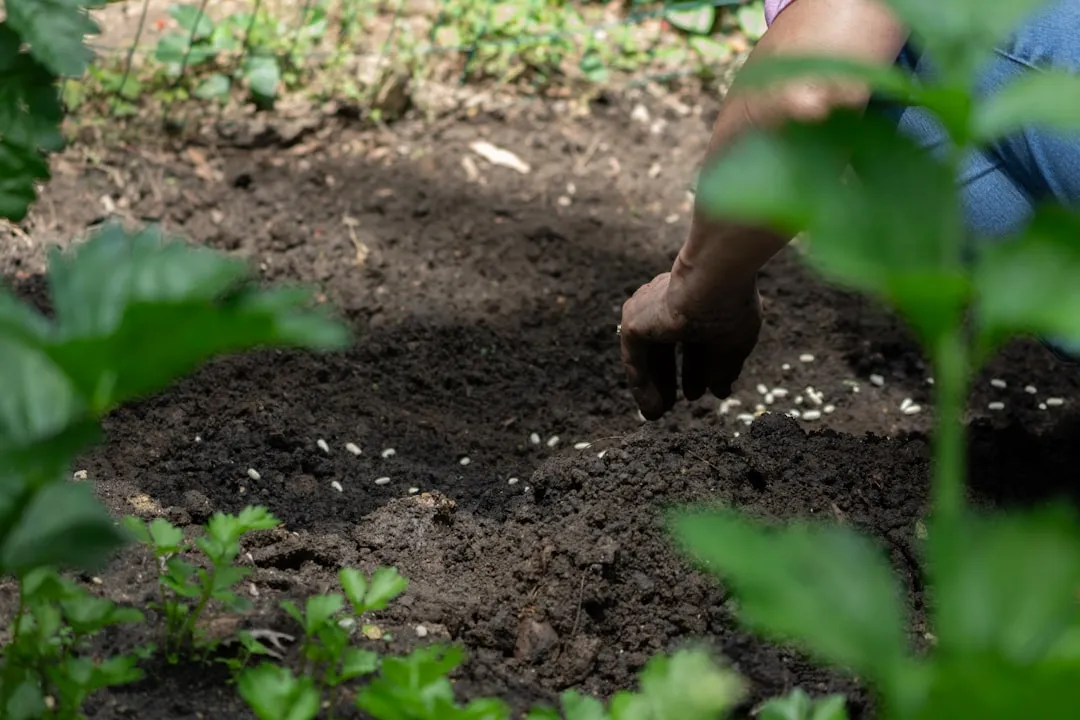
Skipping the prep work is one of the most common mistakes people make with newspaper mulching. The ground should be cleared of large weeds before you start, since newspaper works to prevent new growth rather than to remove established plants. You can lay paper around plants in an existing bed, but if you are starting from scratch, it is easiest and most effective to lay the paper first, and then mulch or weight it completely before you plant.
Giving the soil a thorough watering before laying any newspaper is equally important. Moist soil holds onto that moisture far better once the paper barrier is in place above it. Research has confirmed that mulch cover is effective in retaining soil moisture compared to plots without mulch cover.
How Many Layers of Newspaper to Use

Layer thickness is one of the most debated aspects of this technique, and the range of recommendations from experienced gardeners is worth paying attention to. Using four to eight sheets, moistened, and covered with another organic mulch delivers the best results. Some gardeners push that higher for more persistent weed suppression.
The key is to use very thick layers, ten sheets or more, to create a more dense barrier to smother the weeds. The newspaper will break down as it gets wet and weathered, so the thicker the layers, the longer it takes to break down.
Keep in mind that the thicker you lay your paper, the harder it is for water to soak through and the longer it will take to break down. It may depend on how long you want the barrier to be there, whether just one season or longer. Matching the thickness to your goals makes a real difference.
How to Lay the Newspaper Correctly

The physical placement of the sheets is where most errors happen. Gaps between sheets are the most common problem, and even a small one can give weeds an opening to come through. Place newspapers over all the weeds, overlapping the edges so that light cannot get through. As you do this, throw some mulch down to keep the newspapers from blowing around, especially on windy days.
Wet the newspaper before putting the mulch down to keep it from blowing away while you plant. Pre-wetting makes the sheets more pliable and easier to shape around existing plants and bed edges. It also anchors everything in place while you work across the bed.
Overlap the newspaper on the edges at the end, making sure there are no gaps between the sheets of paper. Keep the paper about one to two inches away from the stems of plants. That breathing space at the base of each plant prevents rot and allows air circulation.
Covering Newspaper with a Top Mulch Layer
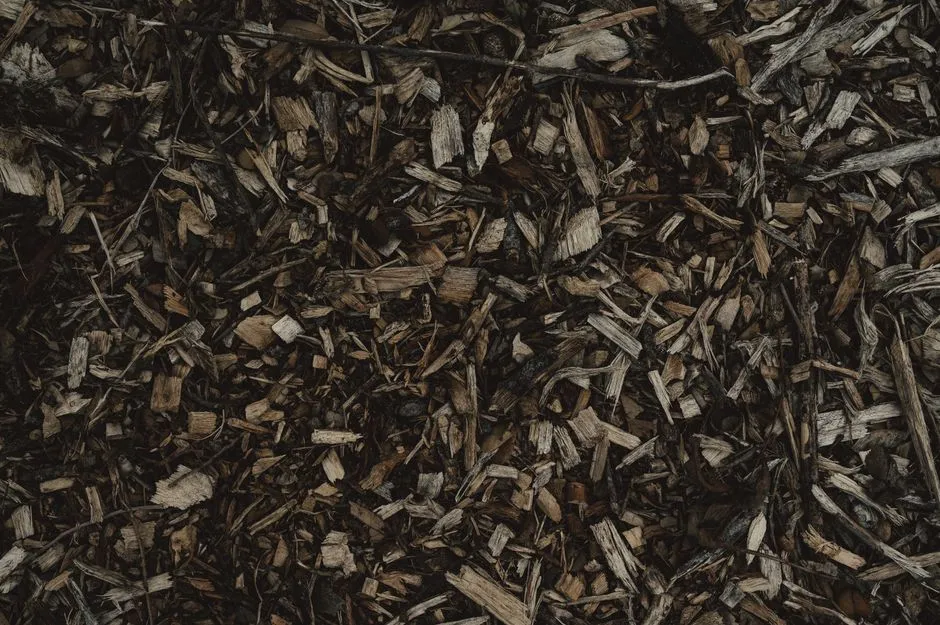
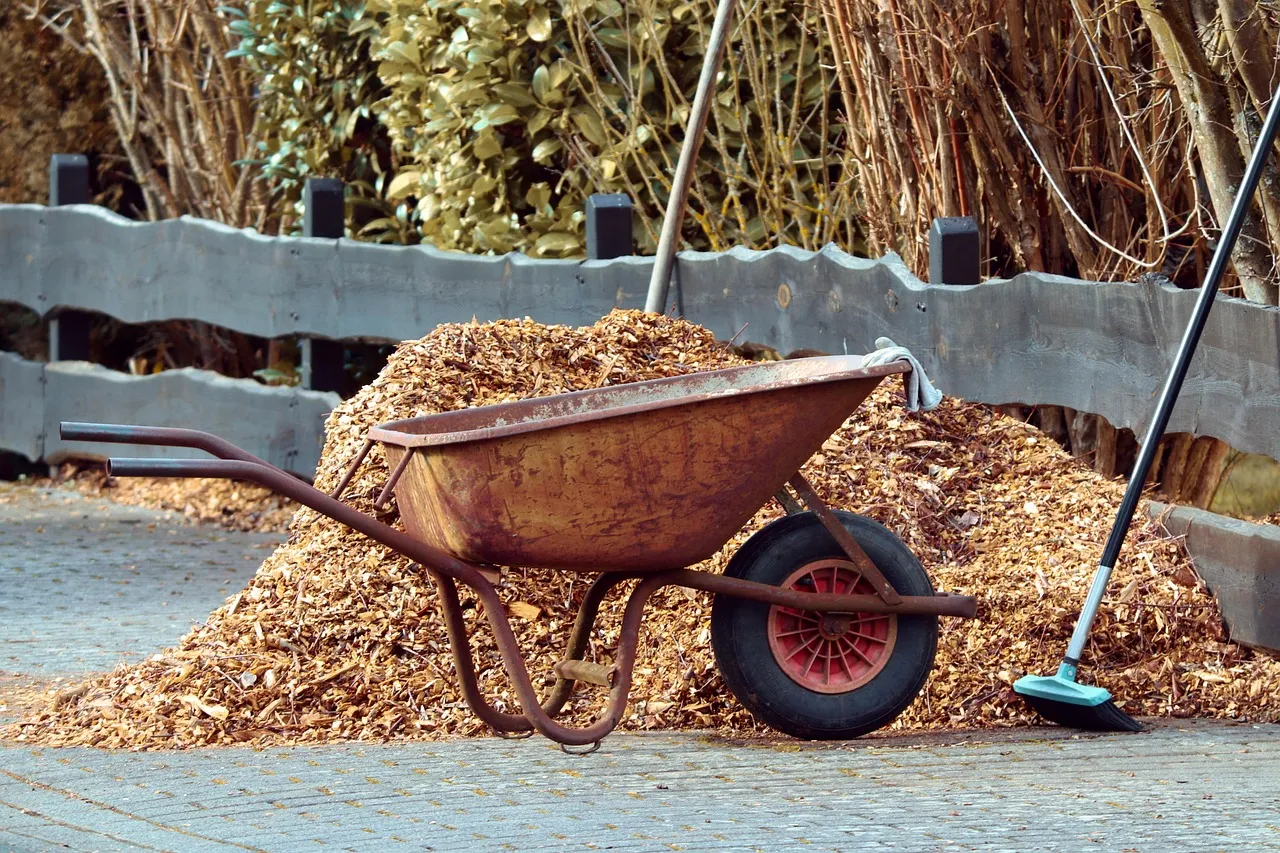
Newspaper alone is not a finished surface. It needs a top layer of organic mulch to hold it in place, protect it from UV degradation, and improve the visual appearance of the bed. When the ground is covered with newspapers, add a nice, thick layer of mulch, about three inches, over the papers so the next windstorm will not pull the pages up.
Wood chips, shredded bark, and straw are all commonly used as the covering layer. Scientists have found that newspaper mulch allows water to infiltrate quickly, so any top layer you choose should also be permeable enough to let rainfall pass through to the paper and soil below. Dense or compacted materials are best avoided for this reason.
Garden trials commonly report roughly a quarter to half lower watering frequency once a solid newspaper mulch is established, with weeding time slashed dramatically in the first season. That is a meaningful reduction in ongoing effort for something that takes under an hour to set up on a small bed.
How Newspaper Mulch Supports Earthworm Activity
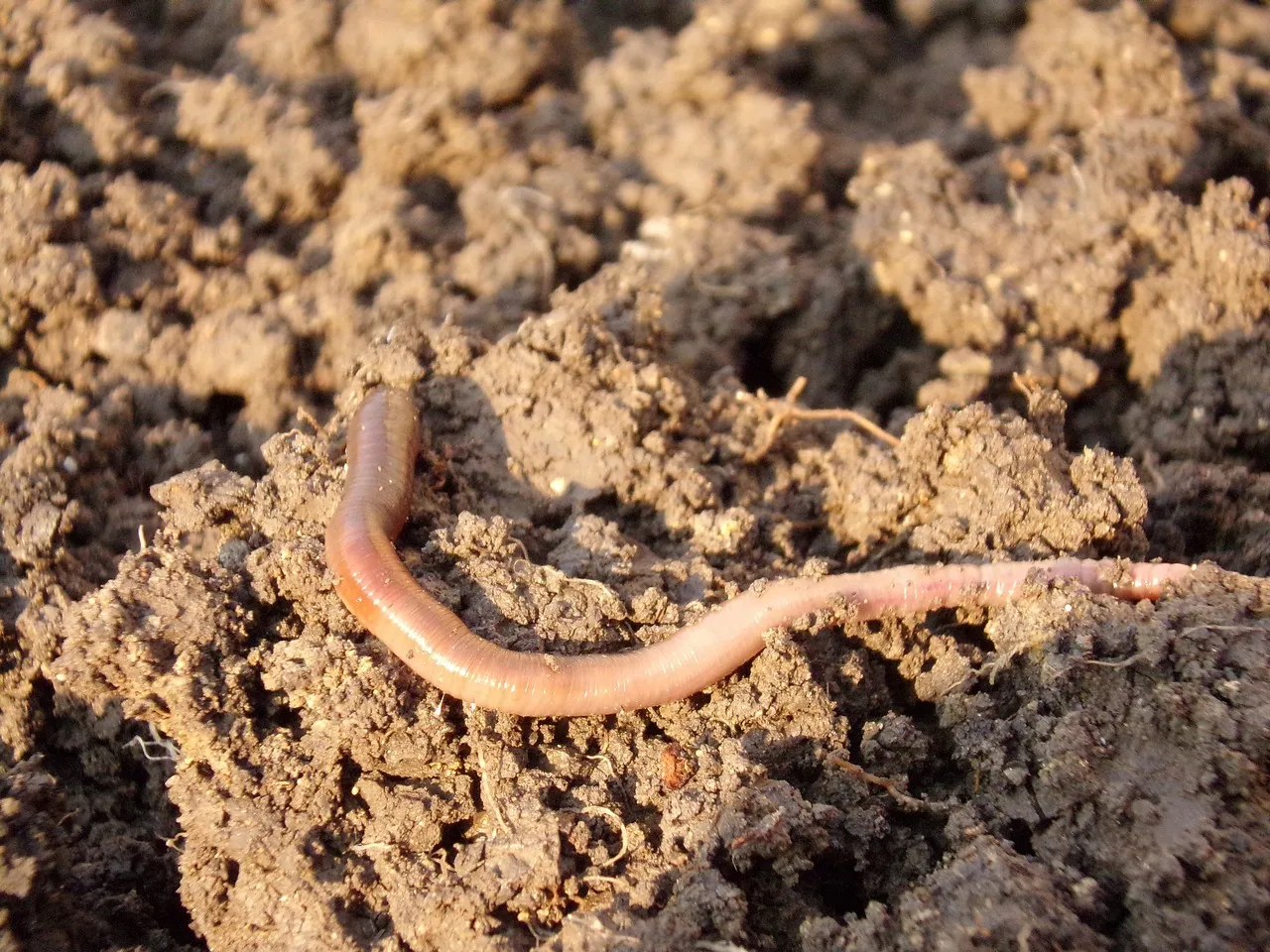
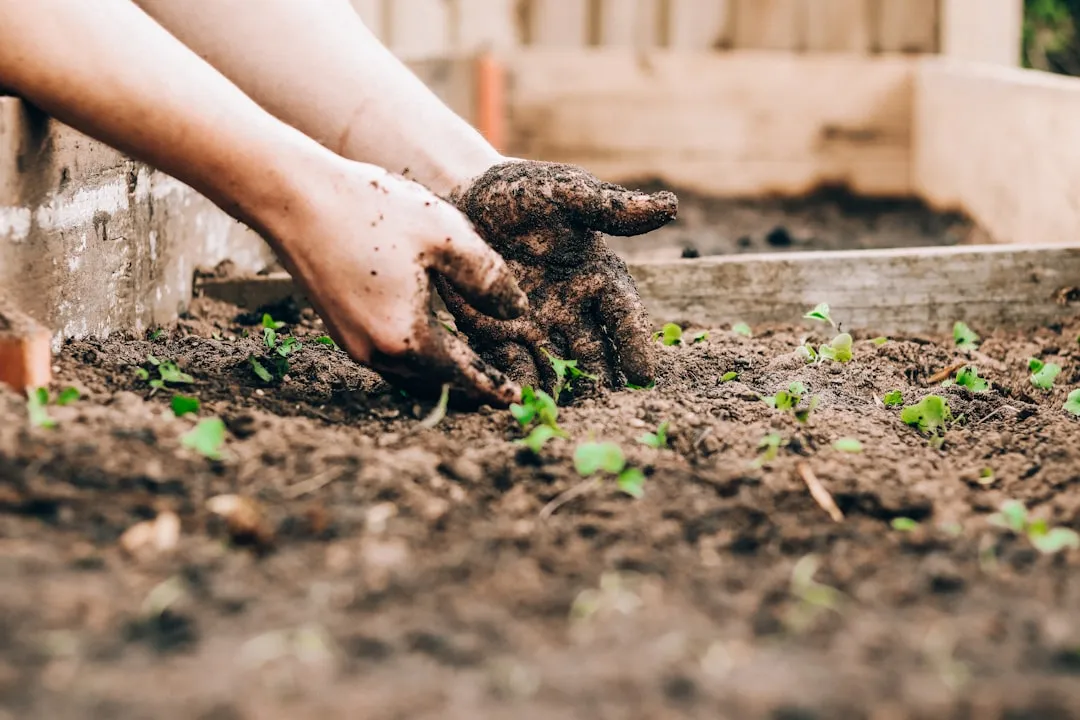
One underappreciated benefit of newspaper mulch is what it does to the soil biology underneath. The soil environment beneath the mulch is favorable for promoting earthworms, which in turn are valuable for aerating the soil. Organic matter is gradually added to the soil as the mulch decomposes.
Newspaper mulch will not only keep the weeds down, it will also fertilize the soil, cool the roots of the plants in the summer heat, add organic material to the soil, and save water. Earthworms will be active underneath the mulch, tilling the ground and adding worm castings, which is pure gold for plants.
Earthworms help soil by improving soil structure, increasing aeration, and boosting soil fertility. As they tunnel, they create channels that allow water and oxygen to reach plant roots. A thriving worm population under your newspaper layer is a sign that the whole system is working well.
How Long Newspaper Mulch Lasts
Durability varies quite a bit depending on soil type, moisture, and local conditions. In wet, worm-rich soils, expect partial breakdown in three to six months; under dry chips, it can serve a full season or longer. This means in most temperate gardens a single spring application will carry you comfortably through the summer.
In practical terms, the decomposition timeline is actually a feature rather than a flaw. As the paper breaks down, it feeds the soil rather than leaving behind an inert synthetic residue. Newspaper amends the soil, leaving it soft and loose if it is currently hard and rocky. As the fibers in the paper decompose, it makes your soil richer and softer for the next year’s planting.
What to Avoid When Using Newspaper as Mulch

A few common mistakes can undermine an otherwise solid setup. The most important one is using the wrong type of paper. When selecting paper for garden mulching, it is prudent to avoid glossy inserts and heavily colored sections, as these may occasionally contain non-standard inks with different chemical profiles.
Placement around trees and shrubs also needs care. For shrubs and trees, keep mulch off trunks to prevent rot. Piling newspaper and mulch against a trunk traps moisture against the bark, which can cause long-term damage. Leave a clear ring of bare soil around any trunk or woody stem before the paper begins.
Another thing to watch is coverage gaps at the edges of beds. Wind is the main culprit that lifts unsecured paper and creates exposed patches. Paper will need to either be covered completely with a second mulch or will need to have the edges completely covered so wind does not lift and blow it. The most important thing is to keep the paper in place and to keep it from blowing away and ripping, both when you are laying it out and after it is laid.
Maintaining and Refreshing the Newspaper Mulch Year to Year
Like any organic garden amendment, newspaper mulch is not a one-time fix. It needs refreshing as it breaks down. Top up annually to maintain a consistent barrier as the season progresses. Most gardeners find spring the ideal time to reapply, just as the soil warms and weed pressure picks up.
If you make it a yearly habit to lay the paper and mulch, you will have less and less weeds to worry about. It builds on itself, feeding the soil and discouraging weeds. This cumulative effect is one of the reasons long-term newspaper mulchers often find their garden beds dramatically easier to maintain than they were in the first year.
Mulch may improve soil structure by increasing organic matter, which in turn increases water retention and decreases runoff. It also prevents soil crusting and rainwater runoff by acting as a protective layer. Over multiple seasons, those improvements add up in ways that benefit the entire garden ecosystem, not just individual beds.
Conclusion
There is something satisfying about a garden technique that is both old and genuinely well-supported by research. Newspaper mulch works because of simple physics: a layered paper barrier cuts evaporation, blocks weed light, and invites the soil biology that keeps your garden healthy over time. It does not require a significant investment, and the raw material is something most households already have.
The key details are simple enough to remember: use plain newsprint, wet it thoroughly, overlap the sheets generously, cover with three inches of organic mulch, and keep it away from plant stems and trunks. Refresh it each spring and the system keeps improving. Sometimes the most reliable garden tools are the ones that were sitting in yesterday’s recycling pile.
AI Disclaimer: This article was created with the assistance of AI tools and reviewed by a human editor.