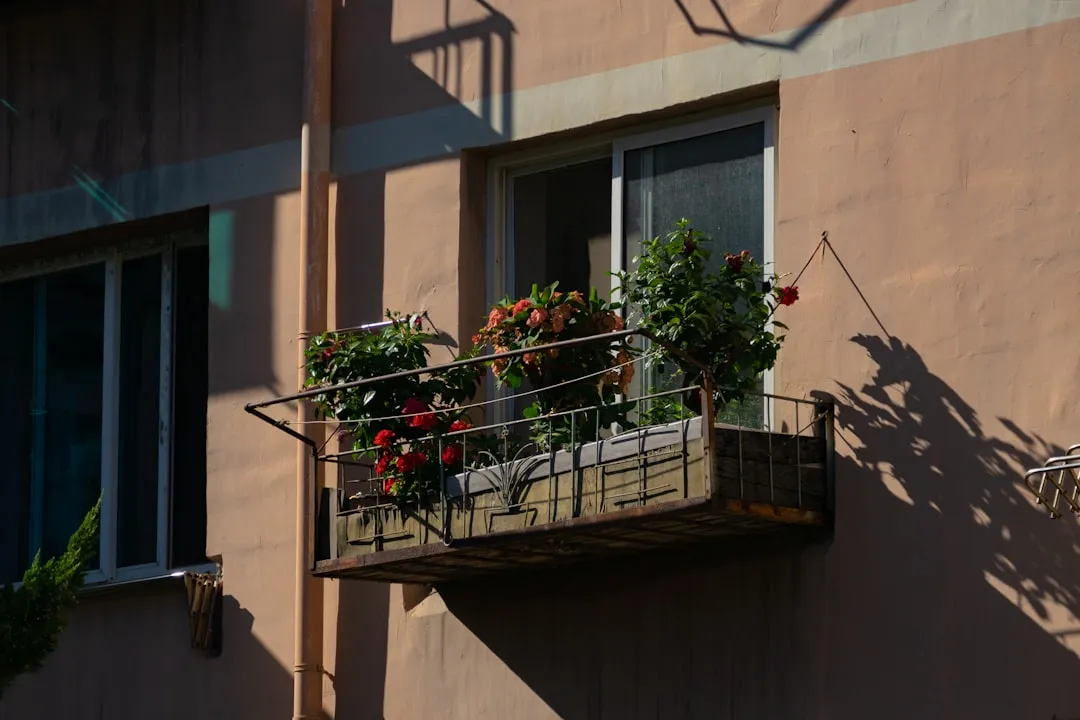

More people are growing their own food than at any point in recent memory. Roughly seven in ten Americans plan to grow a food garden in 2025, with urban gardeners embracing raised beds and container gardens at a particularly high rate. For many of those growers, the garden is a balcony rail, a sunny patio corner, or a handful of well-chosen pots.
You can absolutely grow a productive vegetable garden on an apartment balcony or small patio without a lot of space. The trick is knowing which vegetables actually suit the constraints of container life: limited soil volume, exposure to wind, and the need to water far more frequently than you would in the ground. These five vegetables handle all of that remarkably well.
1. Cherry Tomatoes: The Undisputed Star of Balcony Growing
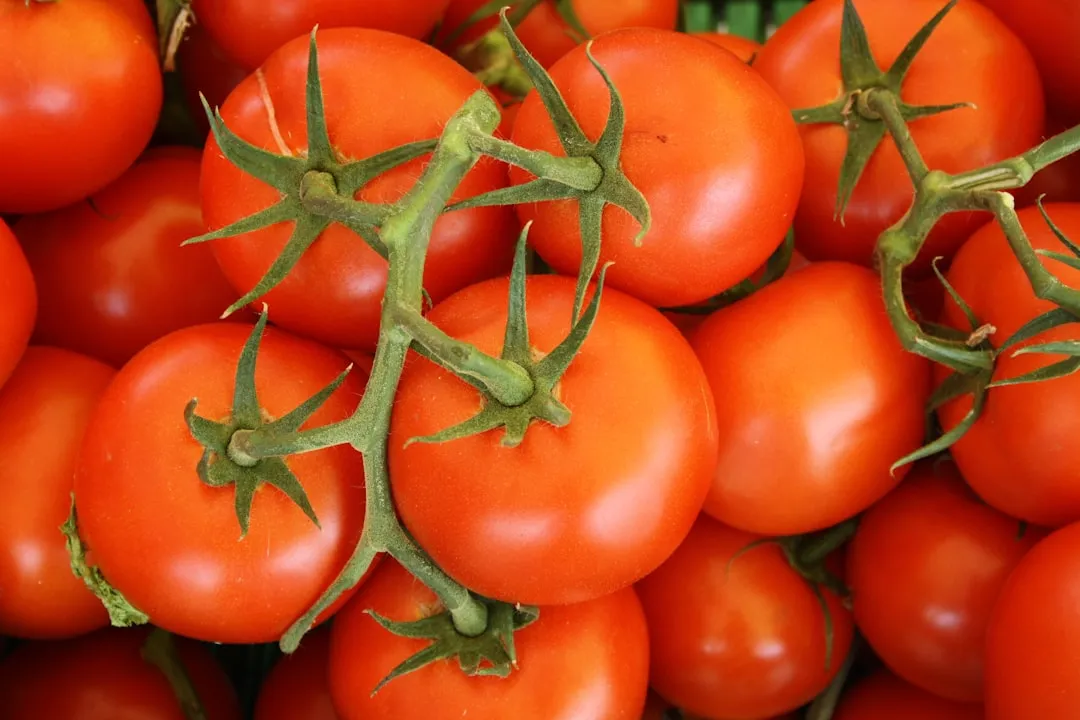
Without a doubt, tomatoes are the most productive vegetables you can grow in pots. Cherry varieties in particular are genuinely well suited to compact spaces, since they stay smaller, fruit faster, and tolerate the fluctuating moisture levels that come with container life better than large-fruited types.
Small cherry tomatoes can grow in containers holding just two to three gallons of soil, while most determinate tomatoes need at least a five-gallon pot. Varieties like Tiny Tim, Tumbling Tom, and Terenzo are bred specifically for containers and hanging baskets, producing reliable clusters of sweet fruit without needing excessive vertical space.
Tomatoes are sun-loving plants and produce the best harvest when placed on a deck, balcony, or patio with at least eight hours of light. If you have less light, avoid large-fruited tomatoes which need full sun to mature their fruits. Instead, plant cherry tomatoes, which will still crop, though more modestly, when given four to five hours of daylight.
You do not need multiple plants for cherry tomatoes to produce fruit. Tomatoes are self-pollinating, which means a lone plant can set fruit without being pollinated by another plant. That makes them ideal when you only have room for one or two pots.
2. Lettuce and Salad Greens: Fastest Reward, Smallest Footprint
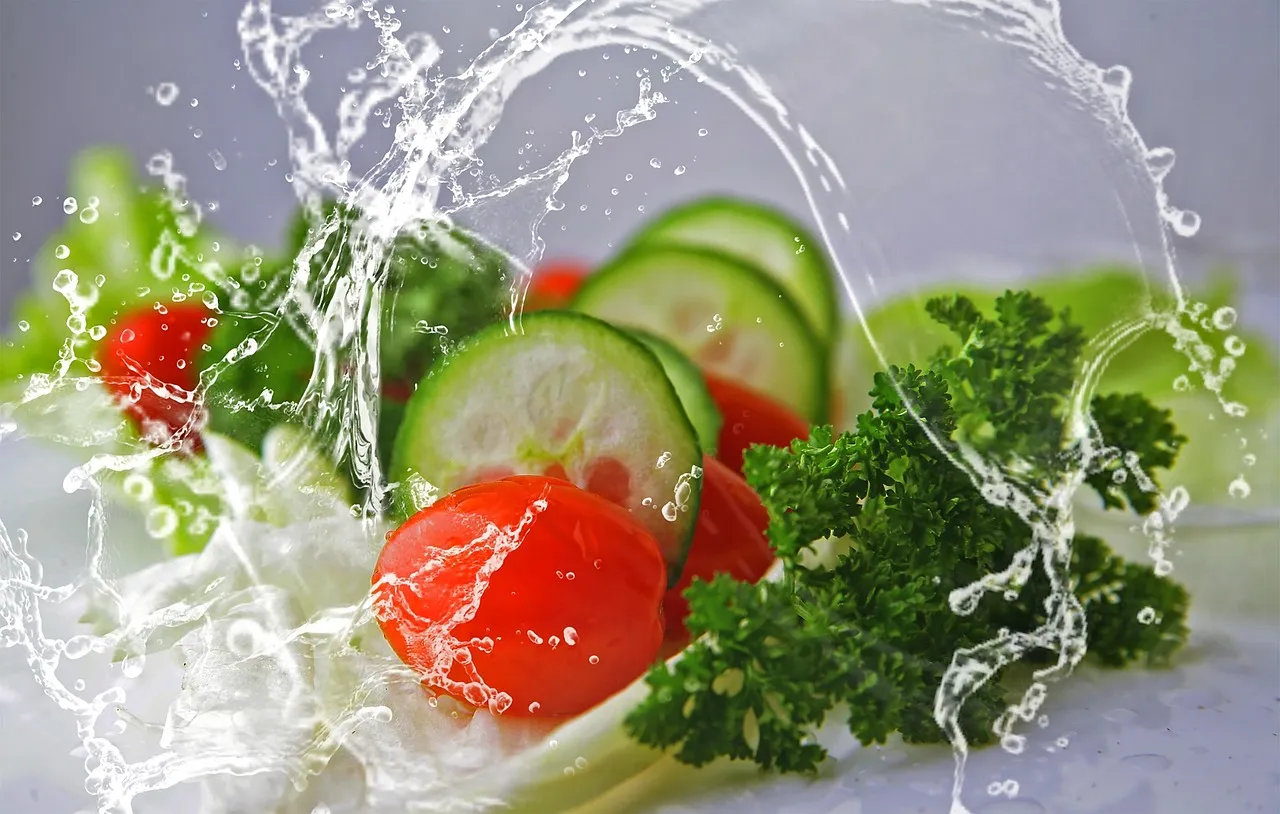
Lettuce and salad greens are the perfect balcony crop. They are shallow-rooted, fast to harvest in around 30 to 45 days, tolerant of partial shade, and can be grown in window boxes or wide shallow containers. Few vegetables give you more return per square inch of balcony surface.
Shallow containers work well for lettuce, with just six to eight inches of depth being enough. Plant densely and harvest often using the cut-and-come-again method. In warm climates, move pots to afternoon shade to extend the season.
Most leafy greens actually find full sun much too hot and will end up wilting or getting burned leaves. Shade-loving vegetables in this family include chard, kale, lettuce, green onions, and spinach. That means even a north-facing balcony with limited direct sun can still produce a respectable salad harvest.
Planting in succession every three weeks ensures a continuous harvest rather than one glut of leaves followed by a bare pot. It is one of the most practical rhythms you can build into a small-space garden.
3. Spinach: Nutrient-Dense and Shade-Tolerant
Spinach is a nutrition-packed green that thrives in containers. Choosing a variety like Bloomsdale, which has a fairly compact growth habit, works well even if you do not have a particularly sunny patio. That shade tolerance makes it one of the more forgiving options on this list.
Medium containers holding two to three gallons are suitable for leafy greens such as lettuce, spinach, or arugula. Spinach also has notably shallow roots, which means it is not fussy about pot depth as long as drainage is sound and the soil stays consistently moist.
Spinach, arugula, and other leafy greens are shade-tolerant, capable of growing with just two to four hours of direct sun, and do fine crowded together in a shallow container of six to eight inches depth. This makes spinach one of the few vegetables that actually rewards a shaded balcony rather than suffering in it.
Lettuce, spinach, and other greens can grow well in less sunlight, needing only three to five hours per day, but for fruiting plants like tomatoes, peppers, squash, or eggplant, full sun should be the goal. Knowing this distinction saves a lot of wasted effort early on.
4. Peppers and Chili Peppers: Compact, Productive, and Heat-Loving
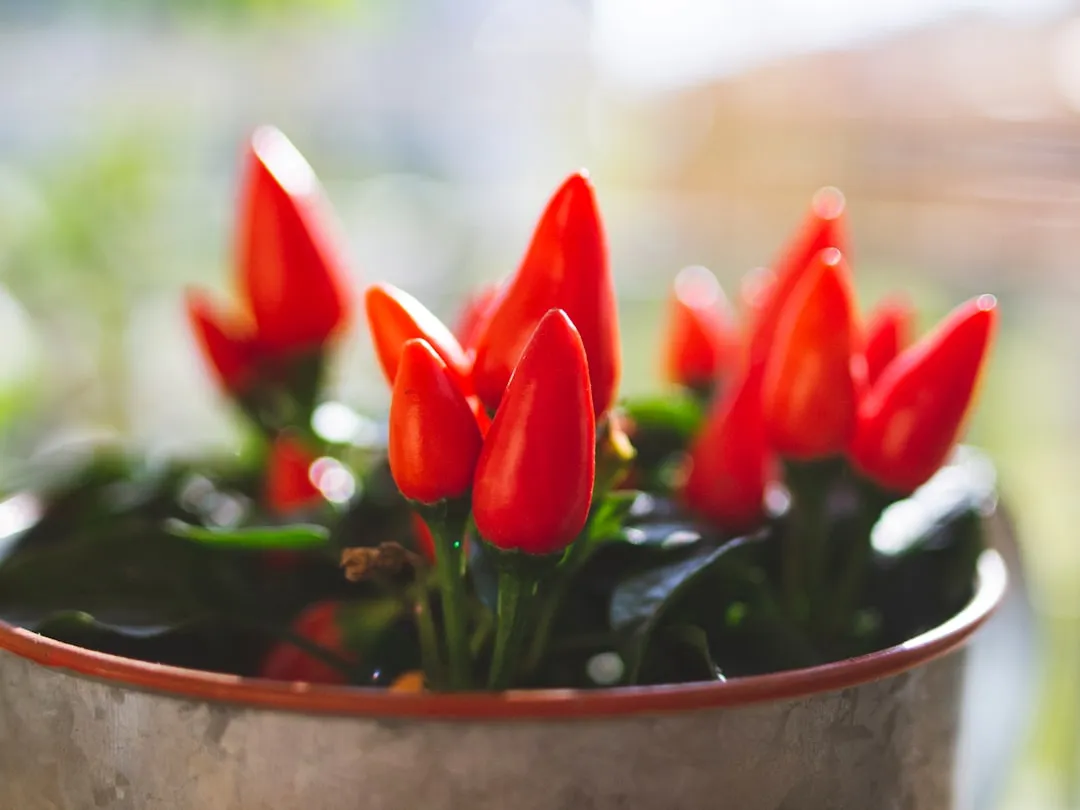
Peppers and chilies are super productive and excellent candidates for growing in containers. They look great in pots and need a sunny, warm place to thrive. A south-facing balcony with good afternoon exposure is essentially ideal for them.
Bell pepper and chili plants behave similarly to tomatoes but are much more economical when it comes to space. A bell pepper plant can already produce a high yield of fruit in a pot holding just ten to fifteen liters. That is roughly the size of a standard medium-to-large balcony planter.
Peppers are naturally compact and adapt well to confined root spaces. Peppers prefer warm roots, which makes containers ideal since pots absorb heat from the sun more readily than garden soil does. On a warm, sun-exposed terrace, that is actually an advantage.
For peppers, a three-gallon pot with a diameter of around eight to nine inches is sufficient for one plant, with a depth of twelve to eighteen inches recommended. Chili varieties tend to be even more compact than sweet peppers and will produce prolifically across a long season with minimal fuss.
5. Radishes: The Beginner Vegetable Nobody Talks About Enough
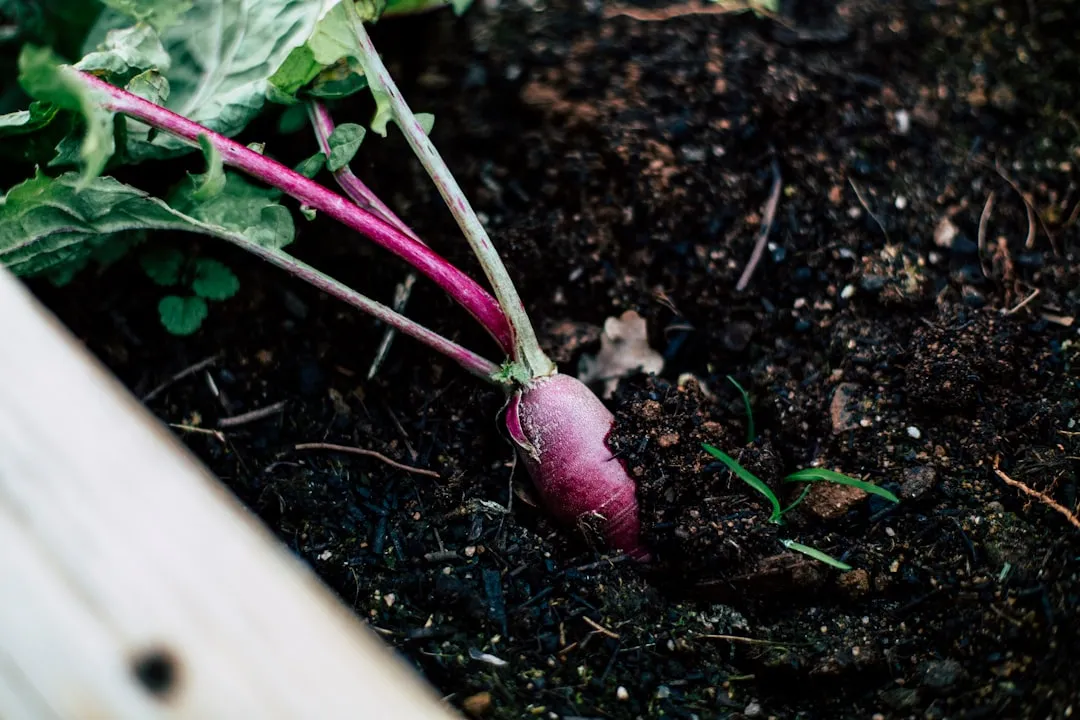
Radishes grow fast and do not need much space or attention. That combination makes them quietly one of the most satisfying vegetables you can grow on a balcony, especially if you are new to container gardening and want something that actually shows results within a few weeks.
Radishes can be grown in a pot as shallow as eight inches, thinned to spacing of one to two inches apart. They thrive in wide, shallow containers with loose soil. Keeping the soil consistently moist prevents woody roots or splitting.
You can plant radishes between slower-growing crops or succession plant every two weeks for a steady harvest. Tucking radish seeds around the edge of a tomato pot is a classic space-saving technique that actually works well in practice.
Cherry tomatoes, lettuce, spinach, radishes, bell peppers, and most herbs are perfect choices for container growing. Fast-growing veggies like arugula or green onions offer almost instant gratification, which is great motivation for beginner gardeners. Radishes sit squarely at that entry point: visible progress, minimal commitment.
Choosing the Right Container: Size Really Does Matter
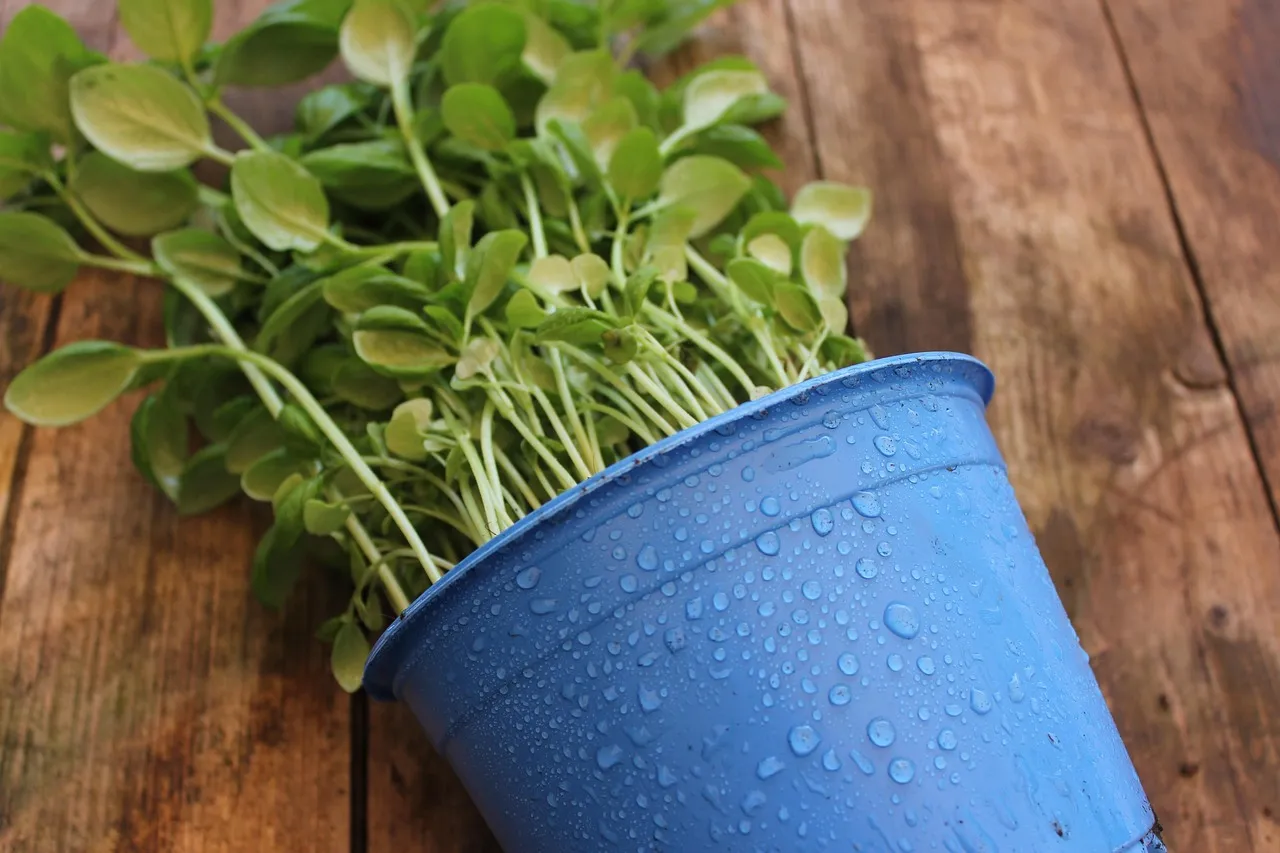
Container size is not a matter of aesthetics – it is a root space and water-retention equation. Too small, and roots get cramped, soil dries out within hours, and plants underperform dramatically. Getting this right is probably the single most impactful decision a container gardener makes.
Start with high-quality potting soil or composted soil purchased from a garden center. These mixes are lightweight, sterile, and designed to drain well, all of which are critical for container success. Avoid using garden soil or topsoil, which can be too heavy and may retain too much moisture.
Terra cotta and ceramic pots are heavy, so you might need to use resin pots, plastic or fiberglass containers, or fabric grow bags combined with lightweight soil mixes. On upper-floor balconies especially, keeping overall weight in check matters more than aesthetics.
Watering: The Habit That Determines Success or Failure
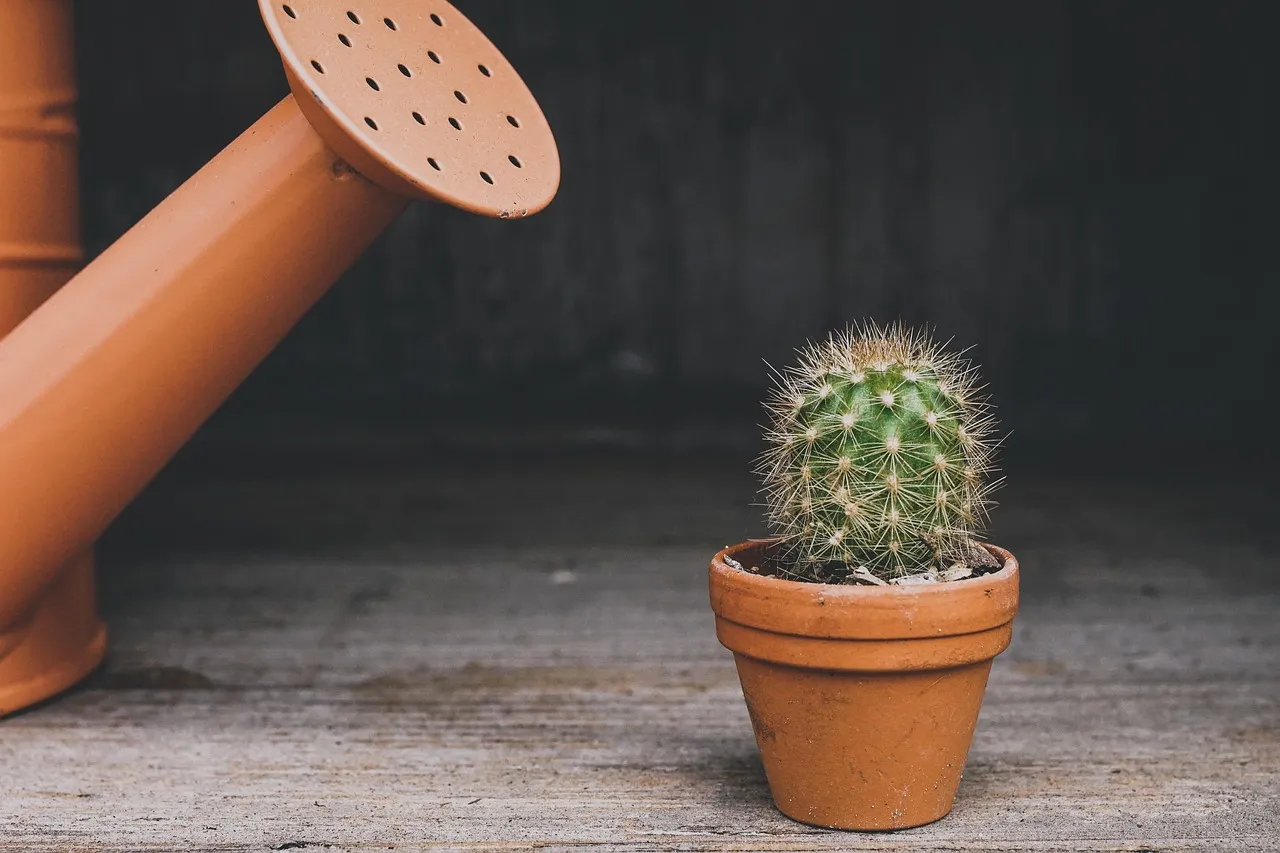
Watering regularly is essential. Soil in containers dries out quickly, especially on patios in full sun. Daily watering is often necessary, but do not allow the soil to become soggy or waterlogged. Water when the top of the soil feels dry and continue until water runs from the drainage holes.
Containers dry out faster than garden beds, so you will need to keep a closer eye on watering. Check the soil daily by sticking your finger an inch deep – if it feels dry, it is time to water. This finger test is genuinely more reliable than any schedule or app.
When plants are in containers instead of the earth, they need to be watered more often. This is another reason to consider self-watering pots or drip irrigation. Self-watering planters are particularly useful on holiday weeks or during a sudden heatwave.
Sunlight: Matching the Plant to the Spot
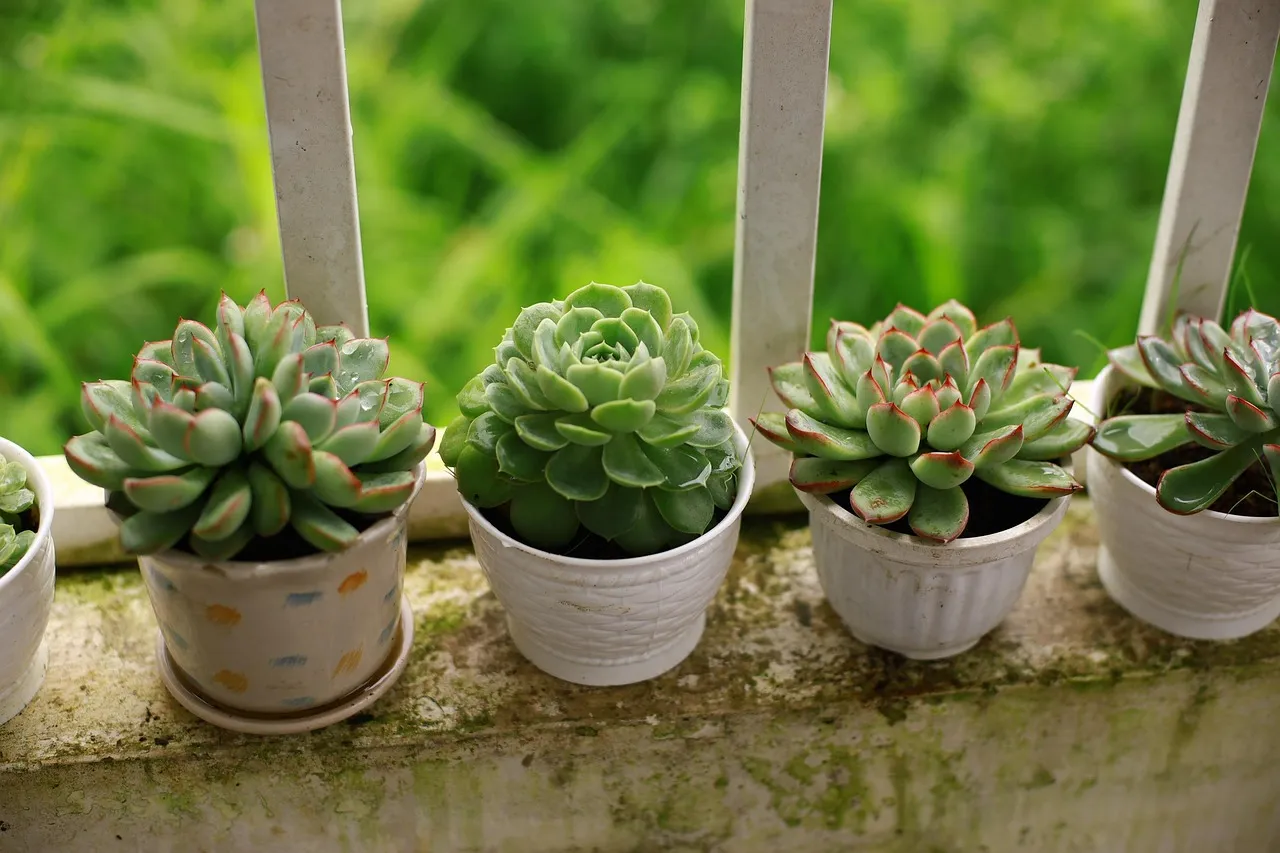
Most vegetables, once established, need six to eight hours of full sun each day to thrive. When placing your containers, make sure your plants will get the necessary amount of sunlight. If you have a shady patio, try sticking to shade-tolerant vegetables like lettuce, carrots, and celery.
Upper-floor balconies can experience wind speeds significantly higher than ground level, which desiccates plants and breaks stems. Tall crops like tomatoes and peppers need sturdy staking and may need wind protection. Low-growing crops like lettuce, herbs, and radishes are more wind-tolerant.
Southern and western exposures will provide the most sunlight and warmth, while northern and eastern exposures will be shadier and cooler. Working with your exposure rather than fighting it makes the whole process significantly easier and more rewarding.
The Economics of Growing Your Own
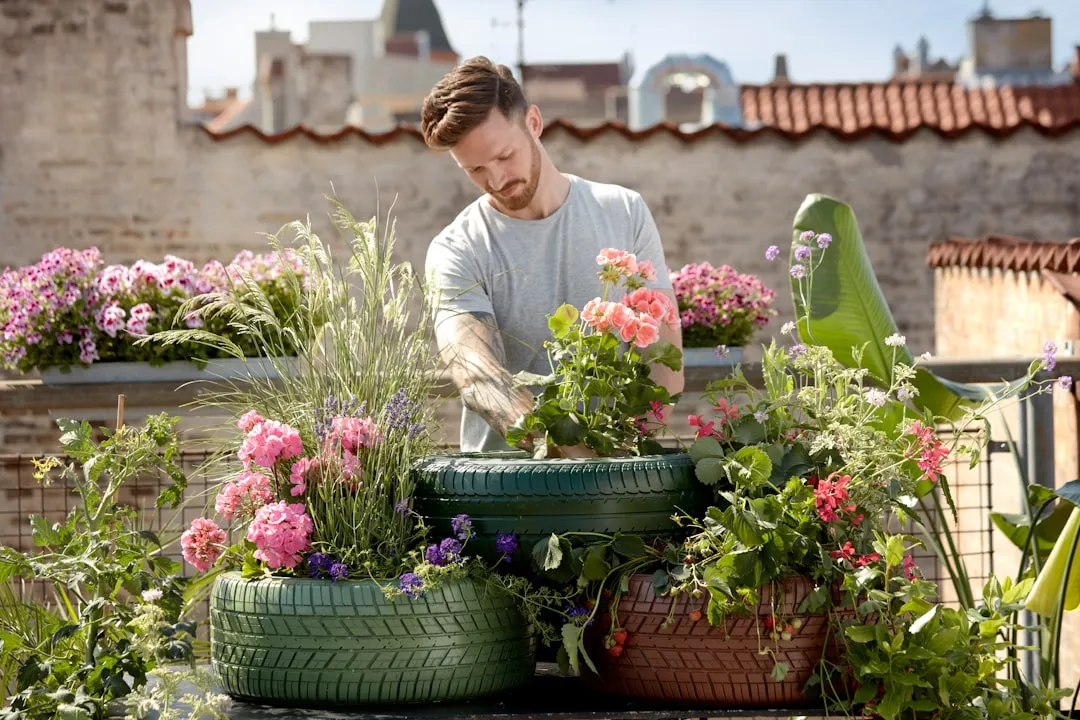
Roughly six in ten respondents who grew a food garden in 2024 estimated saving around $875 in that single year. Even a modest balcony setup of four or five pots can meaningfully reduce what you spend on fresh produce, particularly salad greens and herbs, where store prices per portion are highest.
Among 2025 gardeners, two in three are motivated to grow their own food to have high-quality produce. Another 54 percent are explicitly trying to lower their grocery bills. With grocery prices projected to rise by around three percent in 2026, there has rarely been a better time to grow your own food.
Container gardening provides some benefits over standard gardening in that you control the soil quality, your garden is more mobile, and it is easier to manage pests and diseases. For urban renters especially, that mobility matters: you can take the whole garden with you when you move.
Soil Refresh and Long-Term Container Health
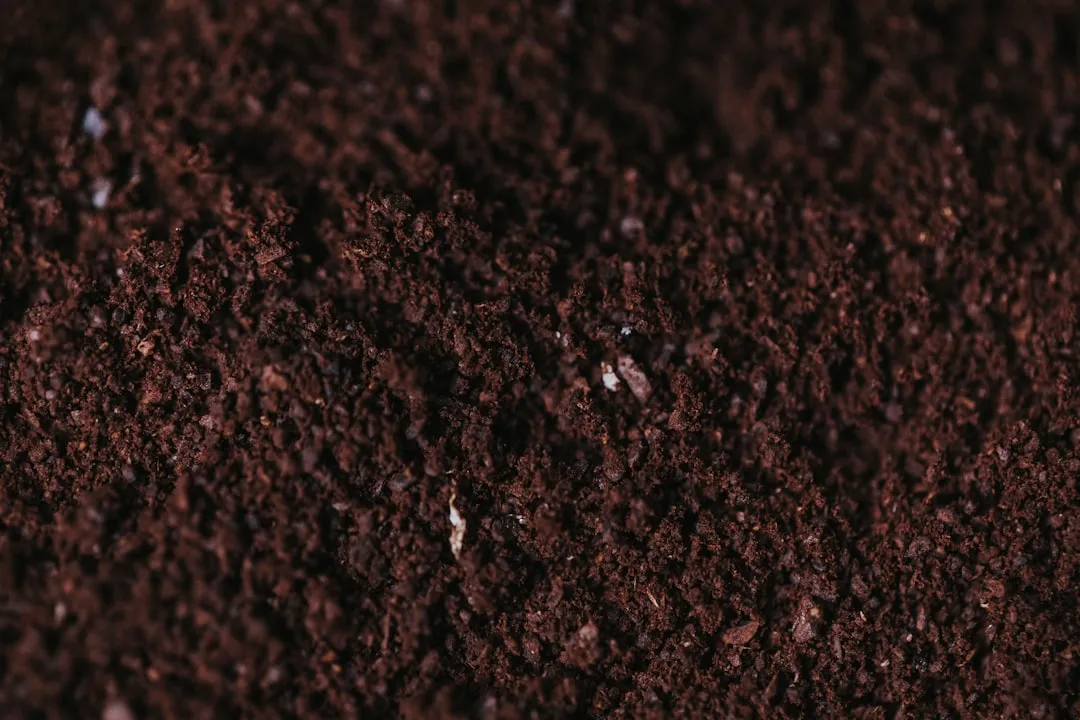
Refresh your container soil each season: nutrients deplete and soil structure compresses over time. Each spring, remove the top three to four inches of old medium and replace with fresh compost. Every two to three years, completely replace the container medium.
Regularly harvest your vegetables to encourage more growth, check for pests, and remove any yellowing leaves. A tidy garden not only looks better but also helps your plants thrive. Small daily interventions make a measurable difference in yield over an entire season.
You may want to dig in some compost or add fertilizer every few weeks to make sure plants are getting the proper nutrients. Container-grown vegetables exhaust nutrients faster than in-ground crops, so regular feeding is not optional – it is simply part of the rhythm of the work.
A Growing Trend With Real Roots
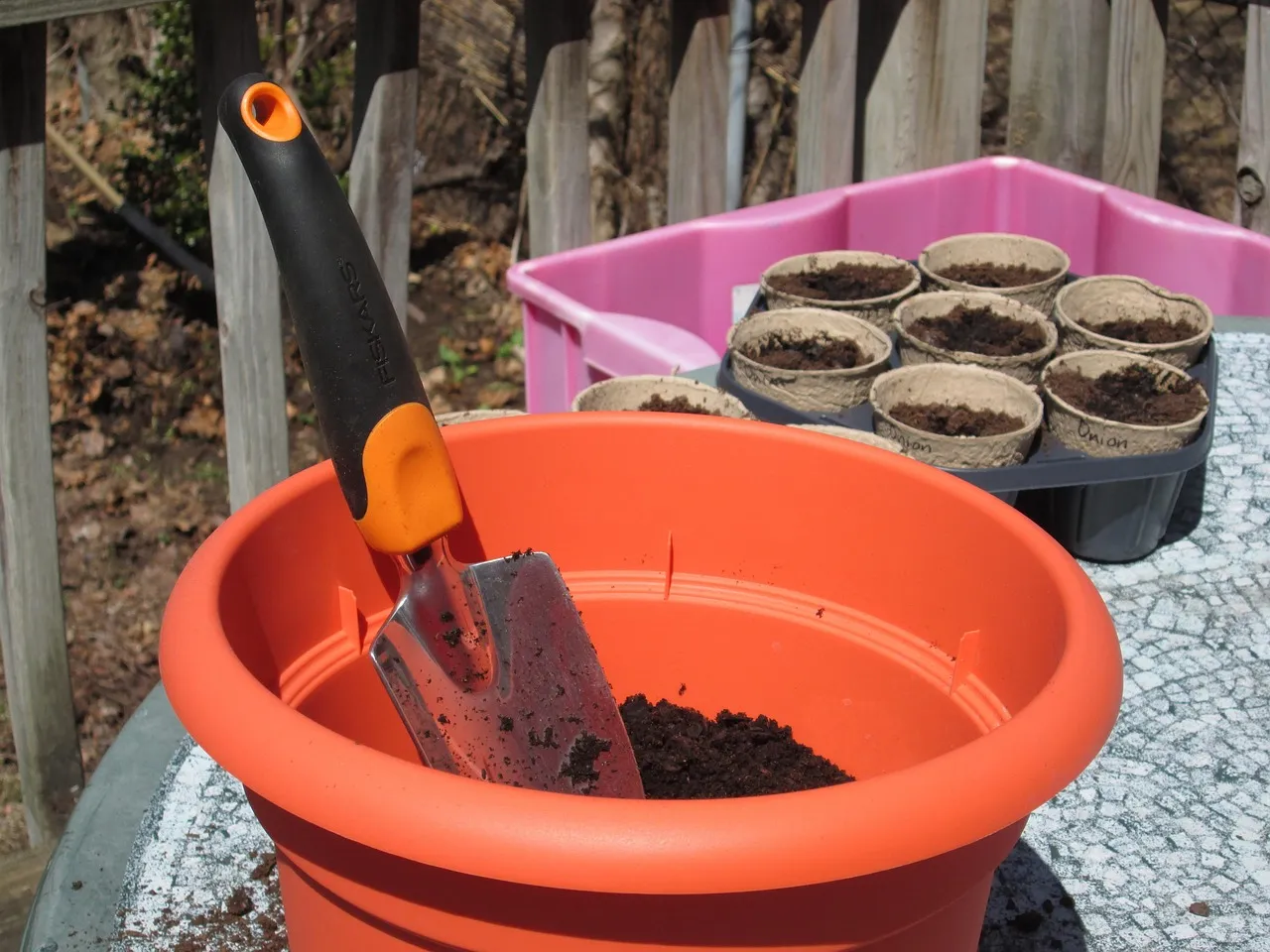
According to research from the National Gardening Association, interest in container gardening increased by 200 percent from 2021 to 2022, and this growth has continued with no indication of slowing down. The rise of apartment living and the push for food self-sufficiency have kept momentum building well beyond that initial surge.
The global gardening container market is projected to grow from around $3.5 billion in 2023 to $5.8 billion by 2032, driven by increasing urbanization, a rising interest in home gardening, and the growing trend of sustainable living practices. That trajectory reflects not a fad but a durable shift in how people relate to their food and their living spaces.
Container gardening is perfect for small spaces, and these five vegetables – cherry tomatoes, lettuce, spinach, peppers, and radishes – represent the most practical, well-proven starting point for anyone working with a balcony rail, a sunny patio corner, or even a deep windowsill. Start with one or two, learn the watering rhythm, and the rest tends to follow naturally. The gap between “I’d love a garden” and actually having one is often just a pot and a packet of seeds.
AI Disclaimer: This article was created with the assistance of AI tools and reviewed by a human editor.