

Most gardeners have pulled a radish from the ground at some point, taken one hopeful bite, and been met with something closer to a fire alarm than a snack. Tough, pithy, and blazing hot – it’s one of the more disappointing moments in a vegetable patch. The frustrating part is that it didn’t have to go that way.
Radishes are genuinely one of the easiest crops to grow well, but there’s a gap between growing them and growing them right. Getting that satisfying snap and a mellow, pleasant heat comes down to a handful of factors that most guides rush past. Here’s what actually matters.
Understand Why Radishes Turn Woody and Spicy in the First Place
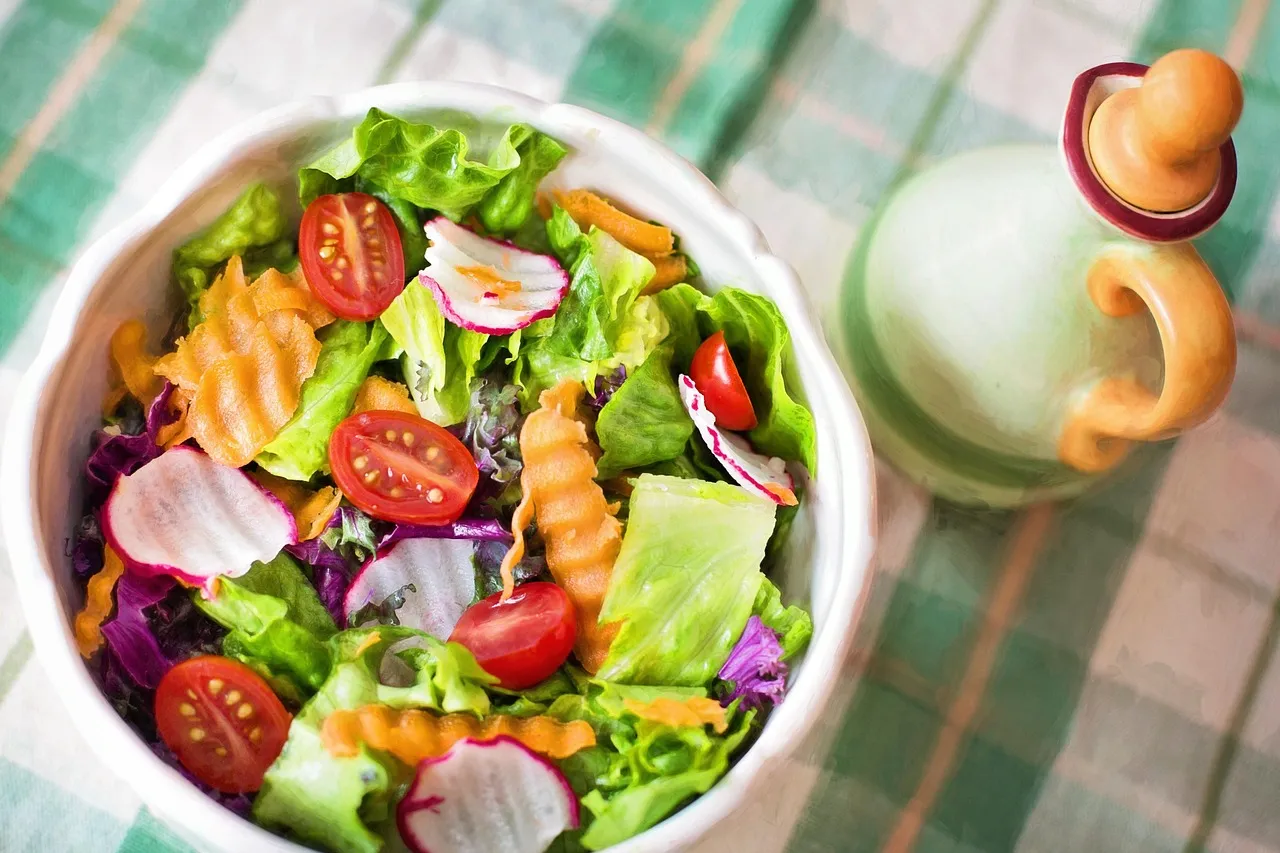
Radishes are spicy because of a chemical defense system that activates the moment you bite into them. The root stores two separate ingredients in different parts of its cells, and when your teeth crush the tissue, those ingredients mix and instantly produce pungent compounds called isothiocyanates. It’s the same family of compounds that makes mustard, horseradish, and wasabi burn.
Radishes get spicier as they mature. A radish left in the ground too long will not only become woody in texture but also develop a much more intense, often bitter, flavor. Smaller, younger radishes tend to be milder and more tender. Radishes grown in dry conditions may produce more glucosinolates, some of which contribute to bitterness. Once you understand that the plant’s chemistry responds directly to stress and age, the solutions become obvious.
Get the Timing Right – Planting Season Is Everything
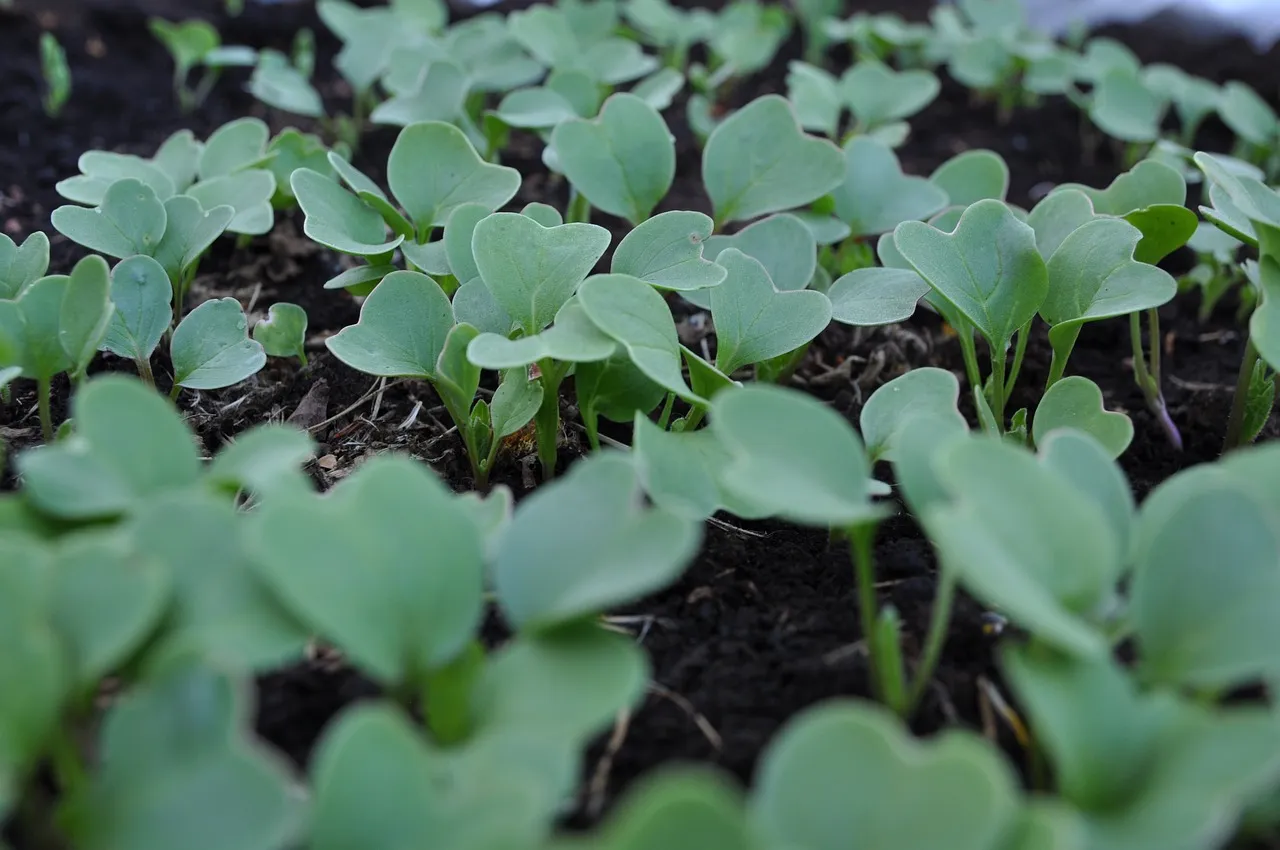
Radishes thrive in cool to mild temperatures, making them well-suited for both spring and fall cultivation. The ideal temperature range for radish cultivation is between 50°F to 65°F (10°C to 18°C). Radishes are sensitive to extreme temperatures, and exposure to excessive heat can lead to bolting, where the plant prematurely produces flowers and seeds.
Hot temperatures above 75°F (24°C) cause plants to bolt and shift energy away from root development, leading to pithy, bitter roots. For a spring planting, sow seeds four to six weeks before the last spring frost. For a fall crop, sow seeds four to six weeks before the first fall frost. Missing this window by even a week or two can be the difference between a crisp root and a hollow disappointment.
Choose the Right Variety for a Milder Flavor

If you’re looking for the mildest radish varieties, French Breakfast or white hailstone (or Minowase daikon) are top picks. For the spiciest flavor, Spanish black radishes are the go-to. Cherry Belle and standard red radishes fall somewhere in the middle.
The French Breakfast radish is elongated, with a crisp texture and a mild, peppery, and slightly sweet flavor. Daikon, a type of winter radish, is known for its mild flavor and long, white, cylindrical root, which can grow up to 18 inches in length. The flavor profile of many radish varieties can vary depending on the climate they are grown in – when cultivated in cool climates, they tend to be milder, while in warm to hot climates, they develop a more intense heat.
Prepare Loose, Well-Draining Soil Before You Sow
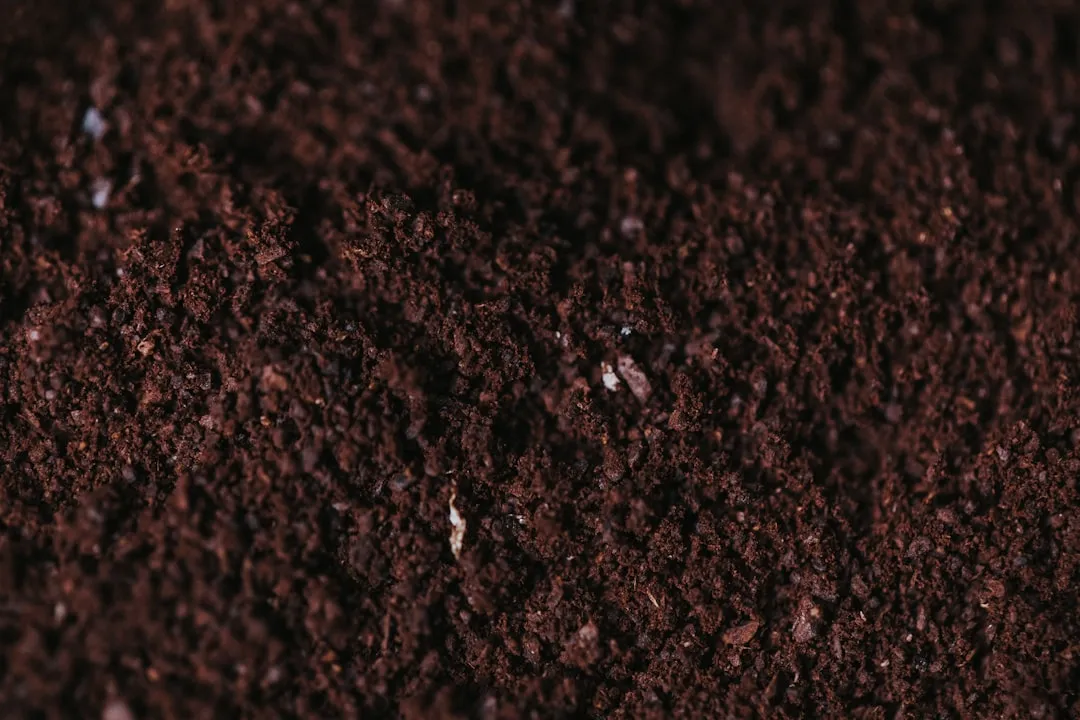
For the best quality and flavor, radishes must make rapid, even growth. Grow radishes in sandy loam or humus-rich, loosely worked soil, and supply ample moisture. Radishes thrive in soil with a pH range of 6.0 to 7.0, which is slightly acidic to neutral. Soil that is too acidic or too alkaline can affect nutrient availability, leading to poor growth and flavor.
Loosen the soil to a depth of at least six to eight inches, which gives the radish roots plenty of space to develop. If your soil is heavy or compacted, consider planting radishes in raised beds or containers, where you can better control the soil conditions. Raised beds can be filled with a mix of garden soil, compost, and sand to create the ideal growing environment. Rocky or compacted ground forces the root to push against resistance, which often produces forked, misshapen, or stressed roots with sharper flavor.
Go Easy on the Nitrogen
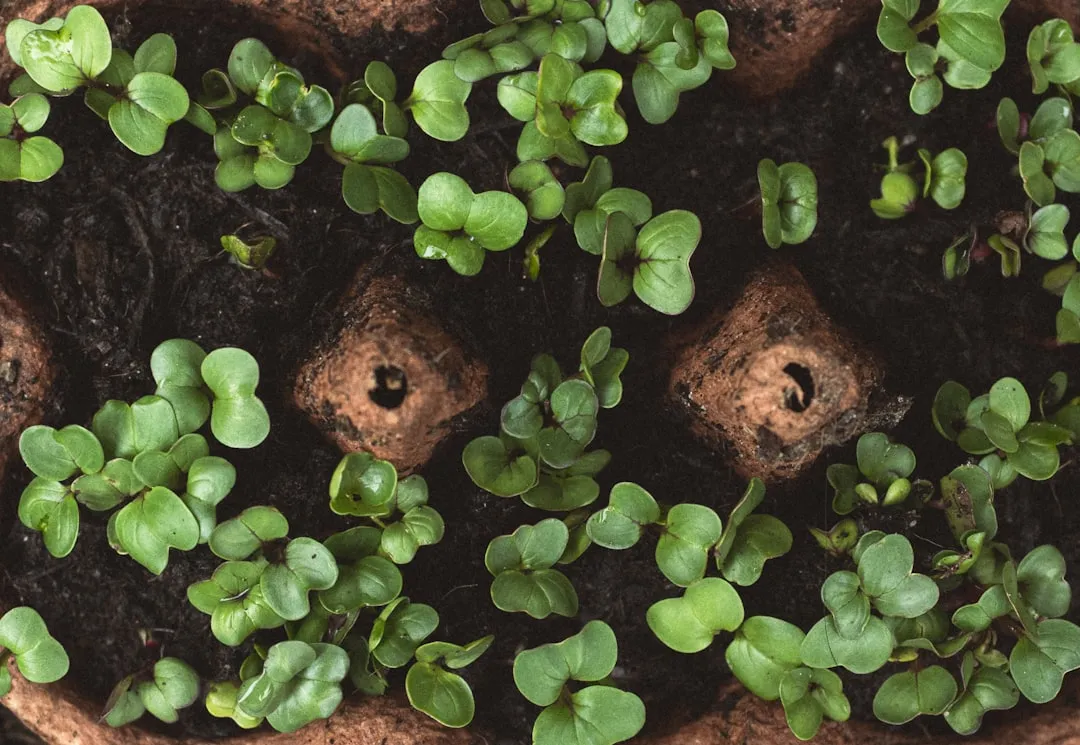
Radishes are not heavy feeders, but they do benefit from a balanced supply of nutrients. Too much nitrogen in the soil can lead to excessive leaf growth at the expense of root development, resulting in large, lush tops but small, underdeveloped radishes. Avoid fertilizers that are high in nitrogen or fresh manure, which encourage lush foliage. Instead, use aged compost to enrich the soil before planting.
Radishes like plenty of phosphorus but not too much nitrogen, which promotes leaf rather than root development. This is one of those counterintuitive gardening lessons – feeding your radishes too generously actually works against you. A soil enriched with finished compost before sowing is genuinely all they need.
Water Consistently, Not Sporadically
If radishes go dry for even a day in warm weather, they will become tough and strong-flavored. Radishes that grow slowly have a pungent flavor and are undesirable. Dry soil causes radishes to grow slowly and develop a tough, woody core, and inconsistent watering also makes roots split. Keeping soil evenly moist with one inch of water per week is the recommended solution.
Too little water produces a small, spicy, bitter root. Too much water promotes excess foliage and small roots. Uneven watering may cause radishes to crack or split. A thin layer of straw or shredded leaf mulch helps hold moisture between watering sessions and also keeps the soil temperature down, which is doubly useful in warmer stretches of spring.
Thin Your Seedlings – It’s Non-Negotiable
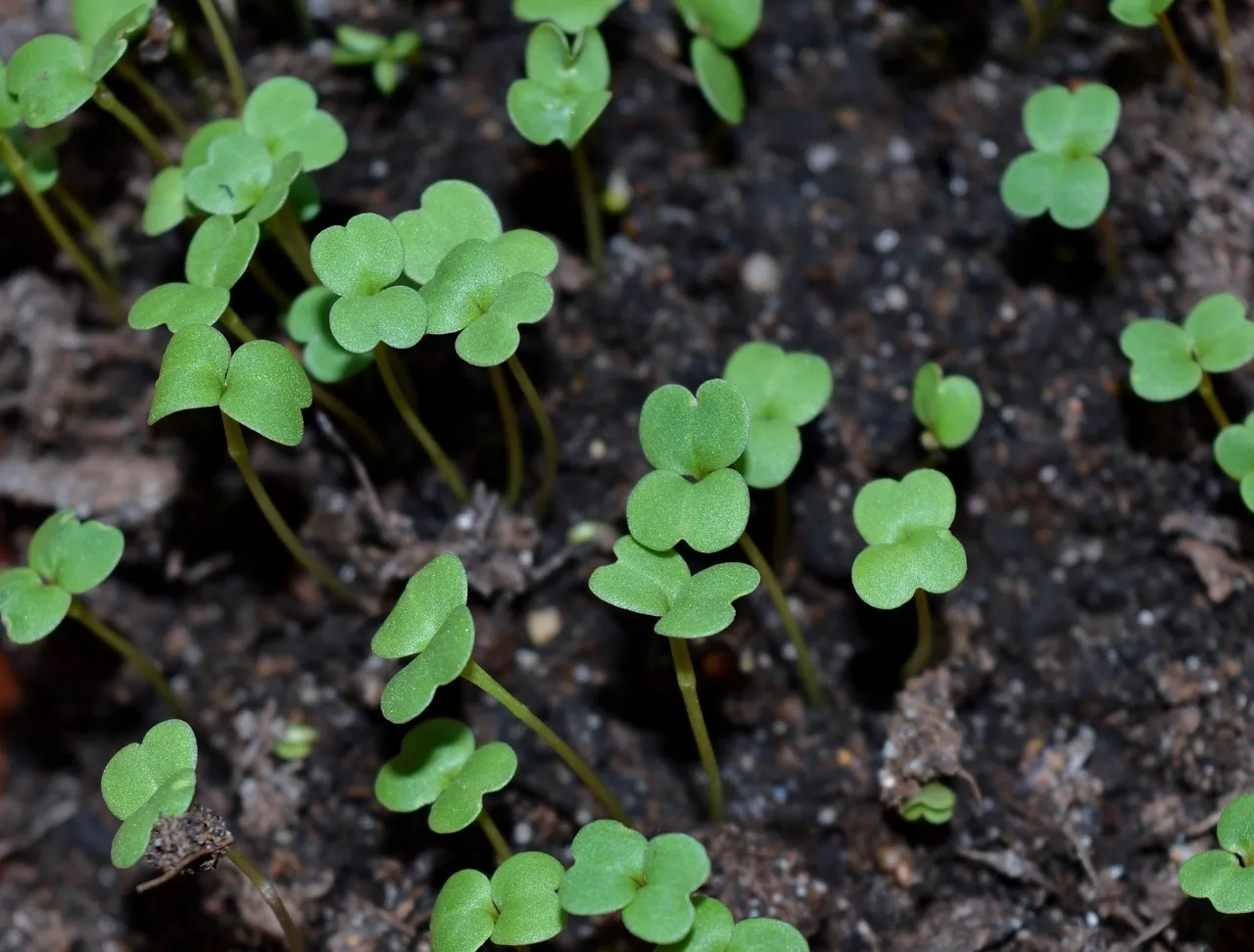
Thinning radishes is essential for developing full-sized, crisp, and flavorful roots. Without thinning, overcrowded plants compete for nutrients and water, producing small or misshapen radishes. Crowding leads to spindly tops and woody, pithy roots.
Thin seedlings when they’re one to two inches tall, usually five to seven days after germination. The sooner you thin, the less disruption to remaining plants. Once the seeds sprout, thin seedlings to two inches apart to allow roots to develop properly. For larger varieties, like Daikon radishes, thin seedlings to three to four inches apart. The thinnings are perfectly edible in a salad – nothing wasted.
Use Succession Planting to Stay in That Sweet Window
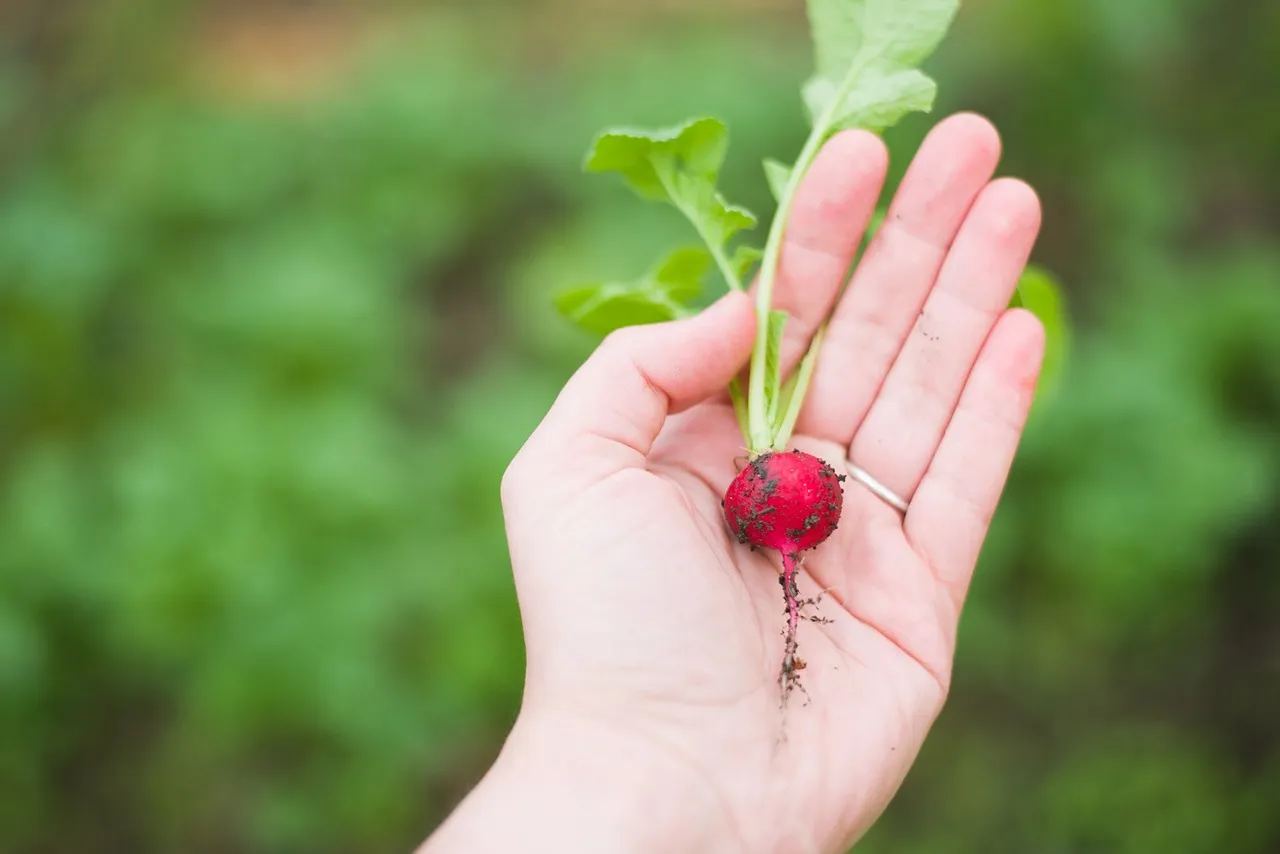
Radishes remain in prime condition for only a few days, so small plantings at seven to ten day intervals are best. Succession planting every seven to ten days can keep you in fresh radishes for weeks. Radish seeds germinate best when soil is 50 to 70°F, and at these temperatures sprouts appear in three to five days, with roots developing a mild flavor.
Succession planting every two weeks during cool weather ensures a steady harvest before heat sets in. Stress from heat, improper spacing, or drought can cause them to bolt, so following planting guidelines carefully keeps the cycle productive. Keeping batches small and frequent also means you’re never waiting too long between harvests, which is the most reliable way to eat radishes at their peak.
Harvest on Time – Days Matter More Than You Think
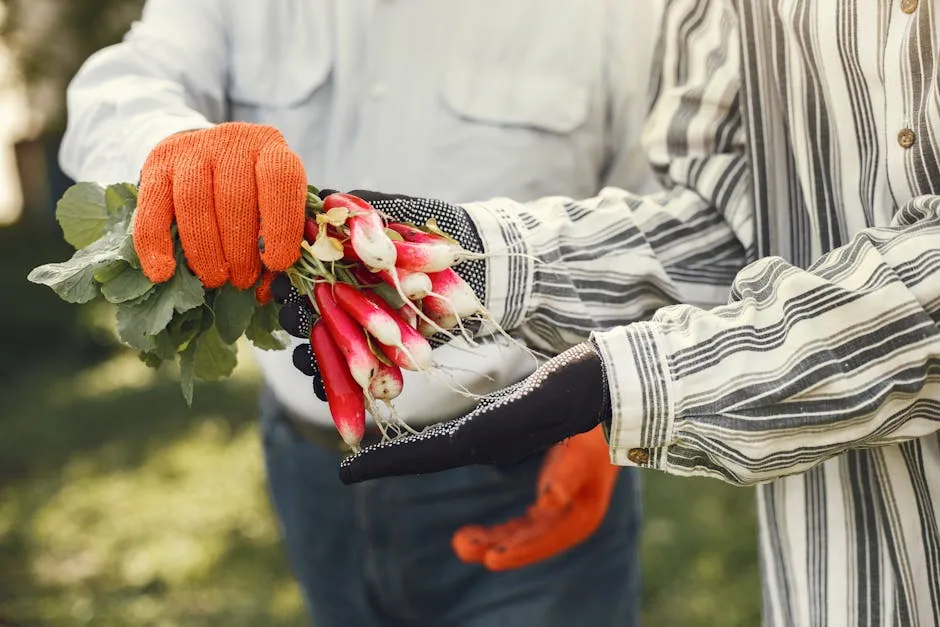
Harvest roots as soon as they have reached their final size. Don’t delay, as they can go from crisp and crunchy to woody and excessively spicy within a matter of days. Garden radishes are usually ready for harvest three to five weeks after planting. You can pull them any time they reach a usable size, but they will get fibrous and develop a strong taste if left in the ground too long.
Harvest roots as soon as they have reached their final size. The longer you leave roots in the ground, the more woody and excessively spicy they become. Harvesting radishes in the morning or late afternoon when temperatures are cooler helps maintain their crisp texture and flavor. It sounds simple, but this single habit – pulling at the right time rather than waiting until convenient – is probably the most impactful thing you can do.
Store Them Properly to Preserve the Crunch
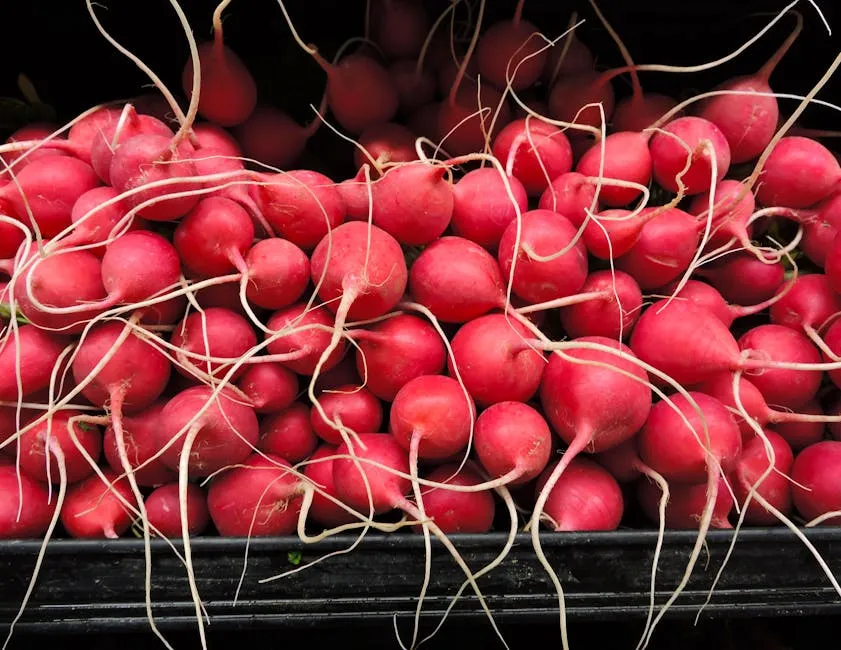
Radishes can last up to two weeks if stored in the refrigerator unwashed and with the tops removed. To help retain freshness, store them in a perforated plastic bag and place them in the crisper drawer. The green tops and taproots draw moisture away from the root, which can make your radishes squishy – so trim them promptly after pulling.
Use the radishes as soon as you can for the best flavor. Radishes left for too long will lose their crispness and become soft. Once harvested, a radish’s potential for spiciness is largely set, though its perceived flavor can change. Eating them within a few days of harvest, while they’re still dense and snappy, is its own reward.
Growing radishes well is less about luck and more about working with their rhythm. They want cool soil, consistent water, room to breathe, and a prompt exit from the ground. Give them those four things and they’ll return something genuinely worth eating – mild, juicy, and satisfyingly crisp. The difference between a woody radish and a great one is almost always a matter of timing, not talent.
AI Disclaimer: This article was created with the assistance of AI tools and reviewed by a human editor.