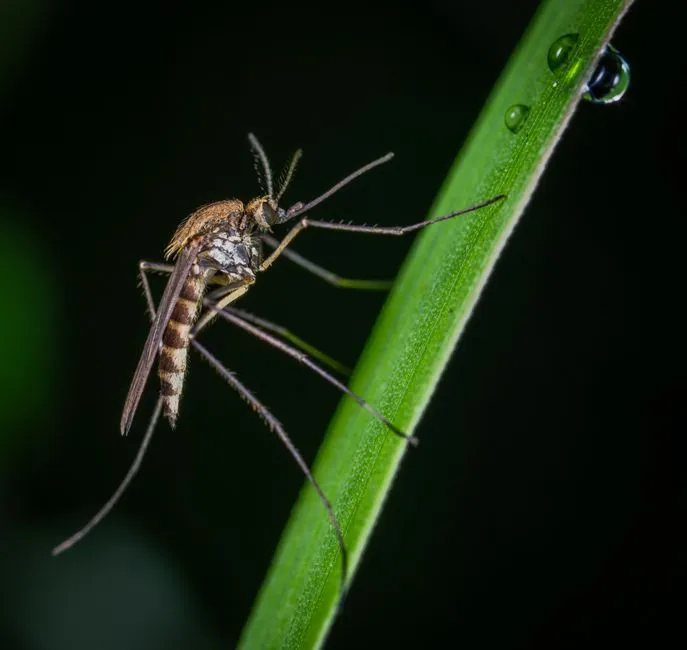

Spending time outdoors on your patio should be one of the quiet pleasures of warmer months. Yet mosquitoes have a way of making that frustratingly difficult. The good news is that certain native plants carry compounds in their leaves and oils that genuinely deter these insects, not as a magic wall, but as a meaningful part of a smarter outdoor strategy.
The U.S. natural insect repellent market reached an estimated $726 million in 2024, with a projected growth rate of nearly 8% annually, reflecting rising interest in eco-forward options. That shift in consumer behavior has real scientific backing behind it, at least for a select group of plants.
Understanding How Plant-Based Repellents Actually Work
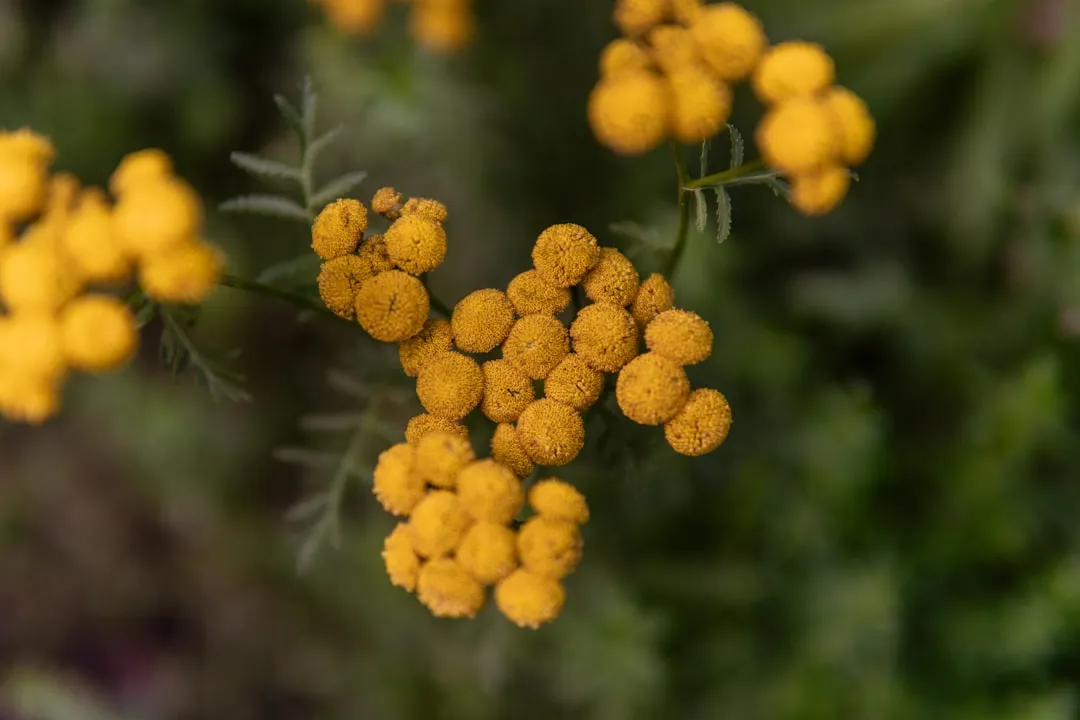
Some garden plants release aromatic terpenes that mosquitoes find distinctly unappealing. These compounds are real and well-documented in scientific literature, but there is an important caveat that most gardening articles gloss over.
Certain plants do contain mosquito-repelling compounds, but unless you’re extracting their oils and applying them in concentrated form, they’re not doing much just sitting in your garden. In other words, passive protection from a potted plant alone is limited.
The amount of chemicals given off by plants passively is very small. You will smell them most when you brush against them or crush a leaf. This distinction matters greatly when setting expectations for your patio setup.
Keeping that in mind, here are four plants worth growing, not just for their great repellant properties but also because of the pleasant aromas they bring to your outdoor space.
1. Catnip (Nepeta cataria)
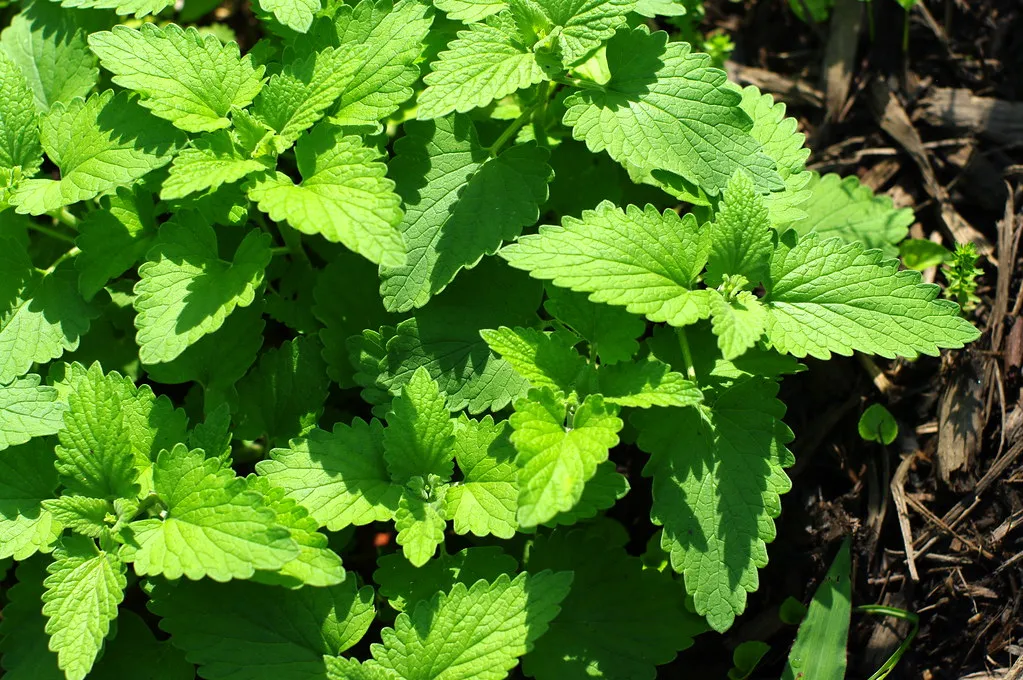
Catnip is a member of the mint family and a common garden herb well known for its heady effects on domestic cats, but it also has a long history of use in herbal medicine and as a powerful insect repellent. Its mosquito-repelling credentials are among the most rigorously studied of any plant in this category.
Nepetalactone, a potent natural insect repellent primarily found in catnip essential oil, has emerged as a promising candidate for mosquito repellence. Researchers have been studying its properties extensively, and the results are striking.
Tests found that concentrations as low as 2% catnip essential oil were effective at repelling over 70% of mosquitoes for between one and four hours after application. A 2026 field study published in Scientific Reports went further, finding that a 6% catnip lotion was as effective as commercial preparations of 15% DEET in field trials.
The repelling effect has been attributed to two isomers of nepetalactone, which typically make up to 80% of catnip extracts. Growing catnip in containers on your patio keeps its mild invasive tendencies in check while keeping the plant close at hand for leaf-crushing use.
2. Bee Balm (Monarda)
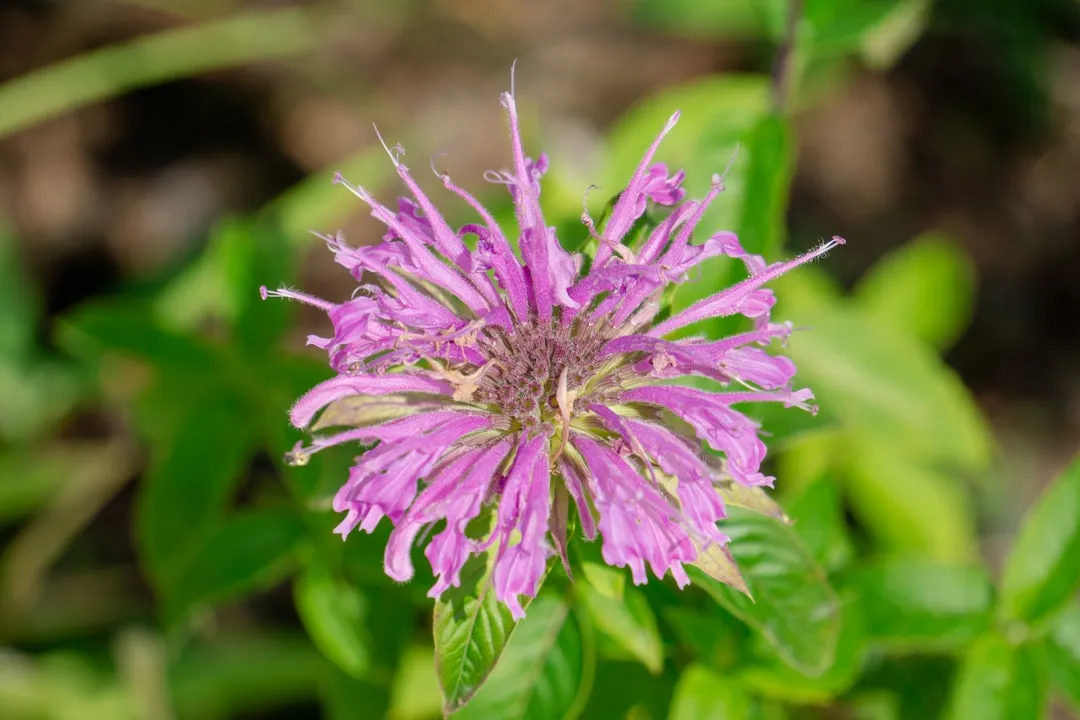
Bee balm is an excellent plant for repelling mosquitoes, with a strong, incense-like scent that confuses mosquitoes by masking the smells they typically use to find their hosts. It is native to North America and thrives in many garden settings without demanding intensive care.
Bee balm is a beautiful flowering plant that also attracts hummingbirds and bees, and it is effective as a mosquito deterrent when the leaves are crushed and the fragrant oils are released. This dual function makes it particularly valuable for a patio garden.
The flowers bloom in shades of red, pink, lavender, white, or purple all summer long, providing genuine visual appeal alongside practical benefit. Bee balm is cold-hardy across Zones 3 through 9, making it accessible to gardeners across a very wide range of climates.
3. Lemon Balm (Melissa officinalis)
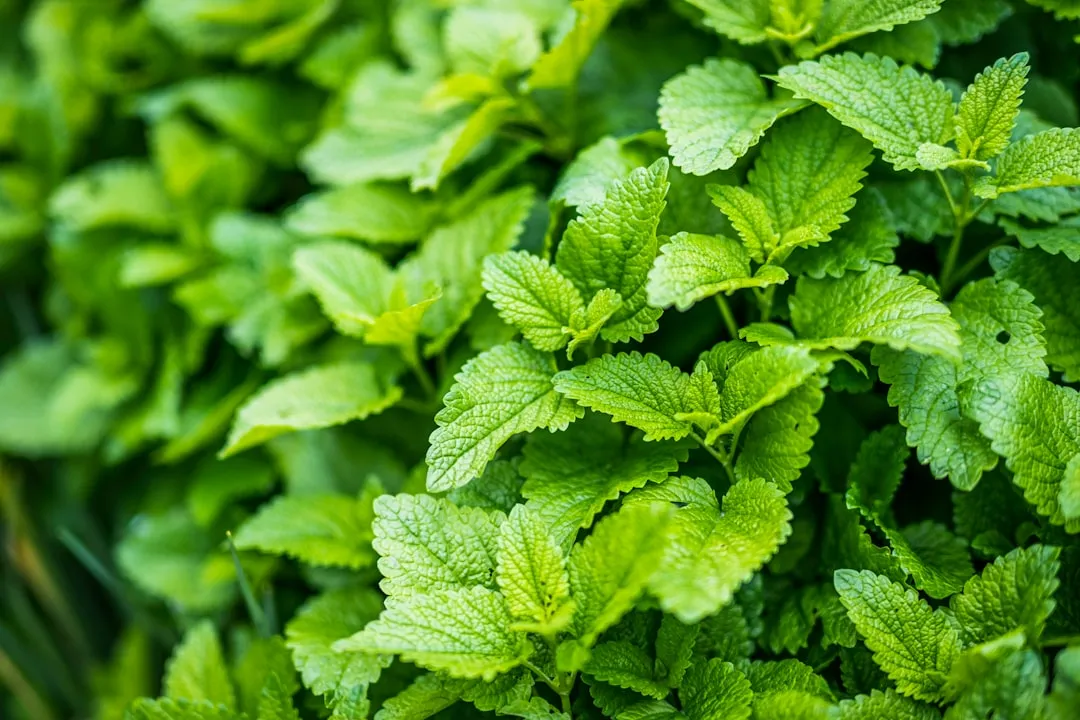
Lemon balm is a herb in the mint family with a variety of uses. To make a quick mosquito repellent, crush a handful of leaves and rub them on your exposed skin, and grow them in the garden for easy access when you need them. Its high citronellal content is what gives it repellent properties.
MSU Extension horticulture specialists identify lemon balm as one of the top herbs with genuine scientific evidence for deterring mosquitoes, placing it alongside lemongrass and bee balm in terms of documented effectiveness. It is notably low-maintenance and thrives in partial shade, which makes it well-suited to patio containers.
Beyond its mosquito-repelling capabilities, lemon balm has been tested and found effective in treating conditions ranging from anxiety and sleep disturbances to digestive disorders, giving it clear value beyond pest control. Like catnip and mint, lemon balm will spread rapidly if not confined to a pot or small flower bed, so container growing is strongly recommended for patios.
4. Lavender (Lavandula angustifolia)

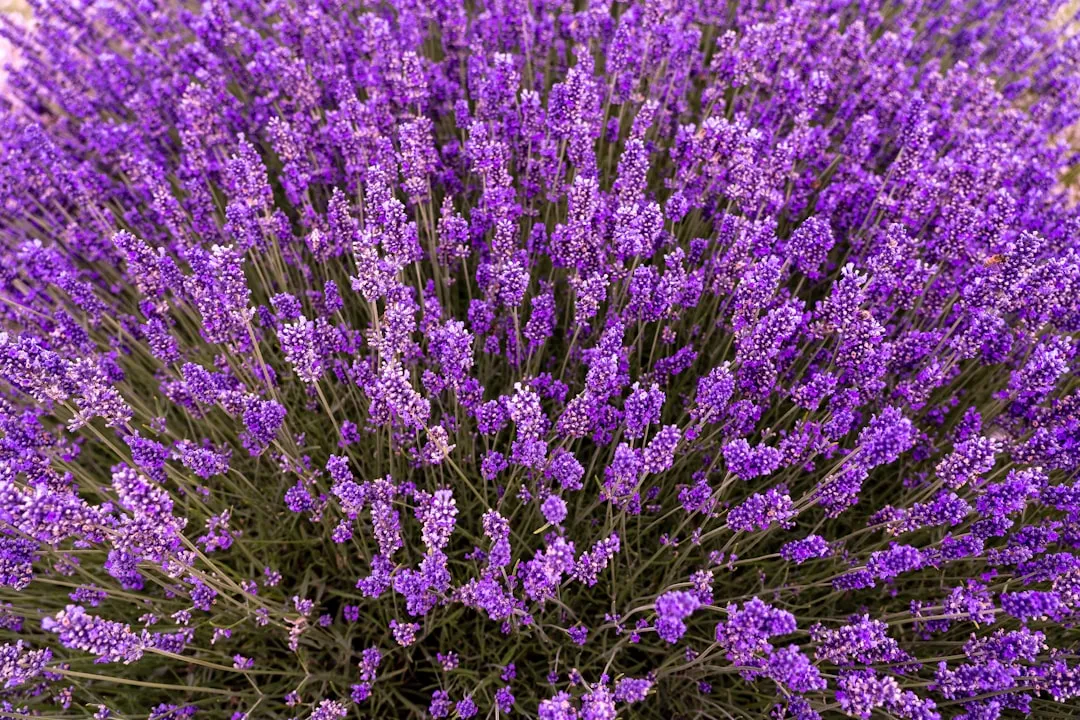
Even though lavender oil is a scent often enjoyed by humans, lavender repels mosquitoes because mosquitoes dislike the scent it gives off. It can be planted in gardens or made into oil and applied to the skin, or mixed with other oils to keep mosquitoes away.
For practical garden growing, lavender provides one of the longest-lasting oils, with up to 8 hours of complete protection when used in extracted, concentrated form. Among natural plant-derived options, that protection window stands out.
Lavender provides one of the longest-lasting natural protection windows, while citronella oil by comparison protects for roughly two hours per application. Placed near patio seating in dense clusters rather than as a solitary potted specimen, lavender delivers the most meaningful ambient effect.
The Critical Difference: Passive Growth vs. Active Use

If the aroma from a plant is to ward off mosquitoes, this only works if you are sitting directly in or right next to the plant. The reality is that the amount of chemicals given off passively by plants is very small. This is the single most important thing to understand about plant-based mosquito deterrence.
The single most effective technique is to break leaves between your palms and rub them on exposed skin. Lemon balm, basil, and catnip release oils most readily. This active use is where plant repellents earn their reputation.
While these plants can aid in deterring mosquitoes, their effectiveness varies, and they should be considered as part of a larger, integrated mosquito management strategy rather than standalone solutions. That is honest, measured guidance worth keeping in mind.
How to Position These Plants for Maximum Effect
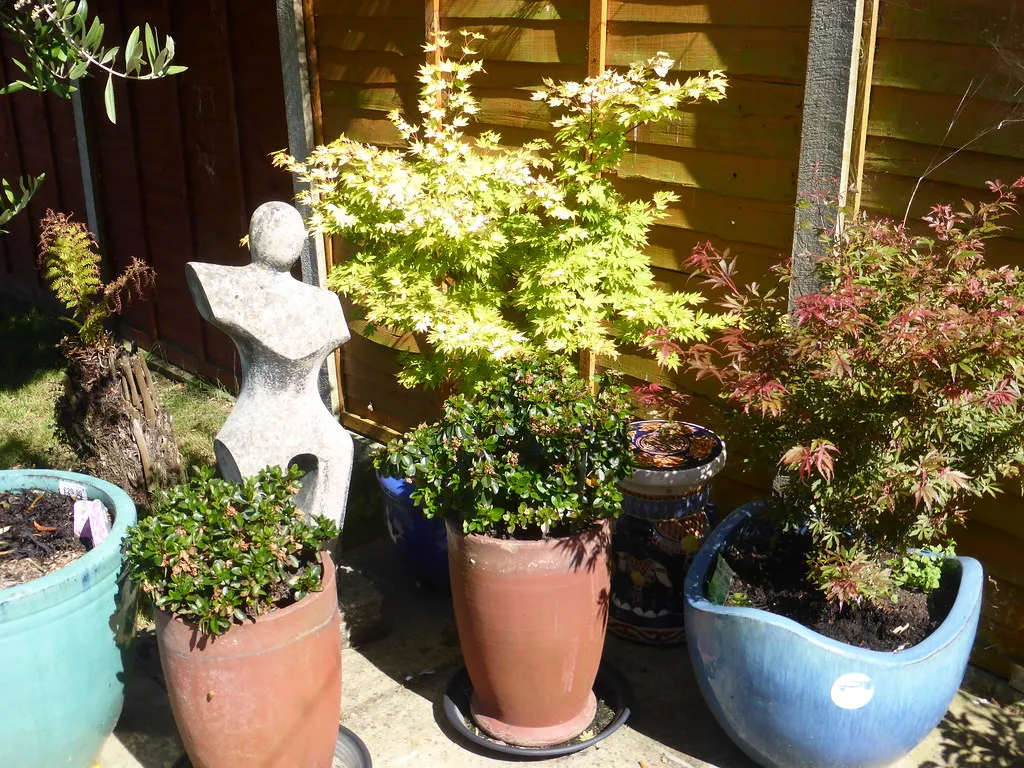
Place plants that keep pests away around patios, porches, and places where people gather. This is basic but often overlooked. A single potted plant in the corner of a large patio achieves very little.
A single potted lavender contributes almost nothing on its own. A dense herb border of three to five species within arm’s reach of your seating area creates a meaningful volatile cloud, especially on still evenings when compounds linger rather than dispersing.
Mixing different kinds of plants creates a more varied scent that will better keep mosquitoes away. For smaller areas, pots near doors and windows also help keep mosquitoes out automatically. Variety and density both work in your favor here.
What the Science Says About Passive Planting Limitations
Plants like citronella, mint, basil, lavender, and others do contain mosquito-repelling compounds, but these compounds need to be extracted and used in concentrated forms to be truly effective. University of Florida researchers have been among the most direct voices on this point in recent years.
A few scattered plants are unlikely to have a significant impact on the overall mosquito population around your home. To help reduce the mosquito population, reducing standing water where mosquitoes breed is equally or more important.
No plant will overcome a nearby breeding site. A single bottle cap of water can support mosquito larvae. Eliminating standing water is foundational, and plant repellents work best as a complement to that effort.
Combining Plants With a Broader Patio Strategy

Experts encourage homeowners to take a nature-based approach to mosquito control by designing landscapes and patios that attract beneficial wildlife such as birds and dragonflies, which are natural predators of mosquitoes. Creating a layered landscape with native trees, shrubs, and groundcovers not only enhances your yard’s beauty but also builds habitat for insect-eating animals.
Tossing rosemary or sage sprigs onto a fire pit or grill is another practical technique. The smoke carries concentrated terpenes farther than any potted plant can project on its own. Combined with your four key native plants, this can make a real difference on summer evenings.
Natural plant-based repellents carry a lower toxicity profile and a pleasant scent, but they do have shorter protection windows and may require frequent reapplication. Knowing this helps you plan your patio use more effectively.
Growing Tips for Each of the Four Plants

Catnip does a great job of repelling mosquitoes, and you can also use it as a topical oil for extra protection. However, like many plants in the mint family, catnip can be invasive if you plant it directly in your garden. To keep it under control, grow catnip in pots on your porch or patio.
Bee balm prefers moist, well-drained soil and rewards division every few years to keep the clumps healthy and vigorous. Lemon balm tolerates partial shade well, making it one of the more forgiving choices for patios that don’t get full sun all day. Citronella grass, for comparison, gets five to six feet tall and three to four feet wide, so scale and space genuinely matter when planning your plant selection.
Catnip thrives in Zones 3 through 7, lemon balm in Zones 3 through 7, and bee balm across Zones 3 through 9, meaning most North American gardeners can rely on all four as reliable perennials that return each season.
A Realistic Takeaway for Patio Gardeners
These four plants, catnip, bee balm, lemon balm, and lavender, are genuinely worth growing. The science behind their repellent compounds is solid, particularly for catnip, where nepetalactone, an iridoid monoterpene found in catnip essential oil, has been shown in multiple studies to act as a highly effective mosquito repellent comparable to DEET.
The realistic path to a more mosquito-tolerant patio combines these plants with active use of their crushed leaves, elimination of standing water nearby, and possibly additional deterrence methods on heavy mosquito evenings. Incorporating these plants into your garden can enhance your outdoor living experience and reduce reliance on synthetic repellents, fostering a more natural ecosystem, which is an important step toward sustainable living practices.
None of these plants is a silver bullet. Together, grown thoughtfully and used actively, they make your patio a measurably less welcoming place for mosquitoes, and a considerably more pleasant place for you.
AI Disclaimer: This article was created with the assistance of AI tools and reviewed by a human editor.