

You step outside in the morning, coffee in hand, and your lawn looks like something went through it in the night. Small craters, overturned soil, maybe a patch of sod flipped clean over. It’s frustrating, but it’s also surprisingly informative. Those holes are essentially field notes left behind by local wildlife, and if you know how to read them, you can piece together exactly who visited your yard while you slept.
The Clues Are All in the Details
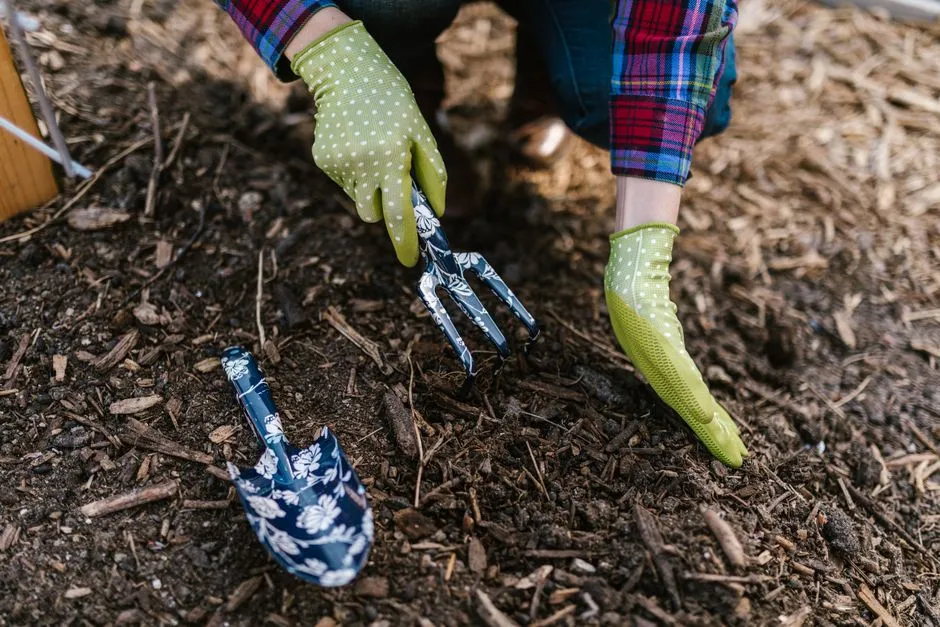
Lawn and garden extension hotlines frequently receive questions from concerned homeowners asking, “What’s digging up my yard?” Damage often increases in the fall and spring, with animals driven by two primary motivations: food and shelter.
Birds, raccoons, skunks, and armadillos dig into soft, moist turf in search of juicy insects, such as grubs, billbugs, and worms. These holes often appear overnight and can look chaotic, from small craters, to torn turf, or bits of sod flipped over.
Identifying the pattern of damage can help confirm the cause. Hole size, shape, soil scatter, and timing all tell a different story. Taking a closer look before reaching for a shovel is well worth the extra two minutes.
Skunks: The Precise Nighttime Foragers
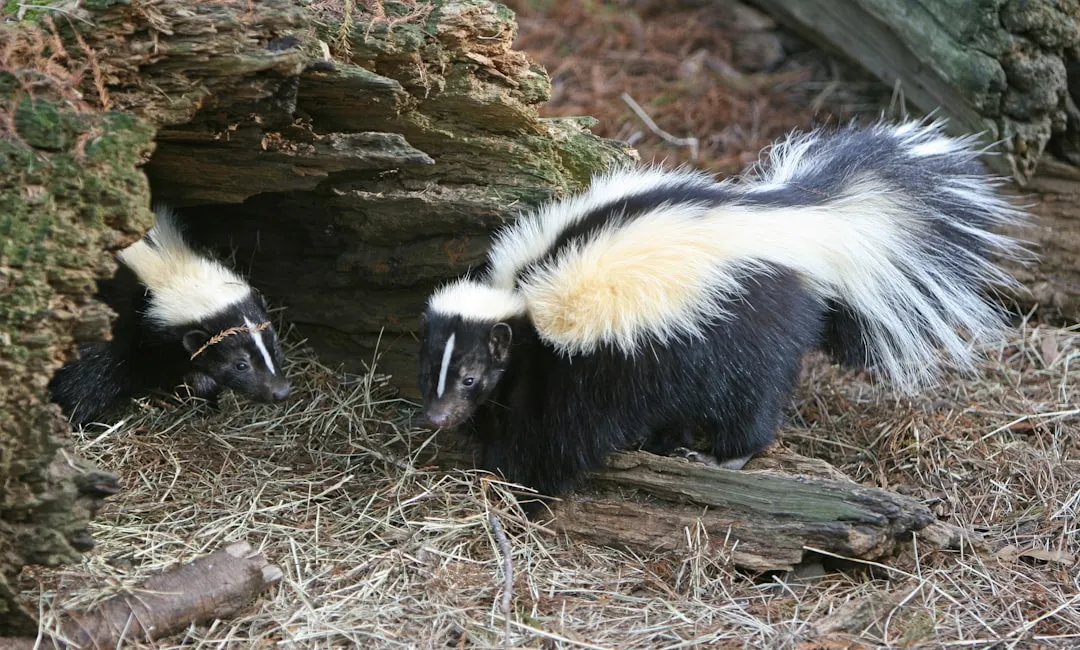
Skunks are nocturnal, so the soil disruption happens overnight. The holes, about the size of a skunk’s nose, are created when they dig for earthworms, grubs, and other soil insects.
Skunk grubbing holes are usually around 3 to 4 inches in diameter, shallow, and cone-shaped. You’ll often notice several holes in close proximity as the skunk systematically works through the grub-infested area.
Skunks have a strong sense of smell that helps them locate grubs living just below the surface of your lawn. These larvae, typically from beetles like Japanese beetles or chafer beetles, live and feed on grassroots, making them an easy target for skunks. A larger hole, and chunks of comb, may be found when a skunk digs up a below-ground wasp nest in late summer or fall.
Raccoons: The Sod-Flipping Opportunists
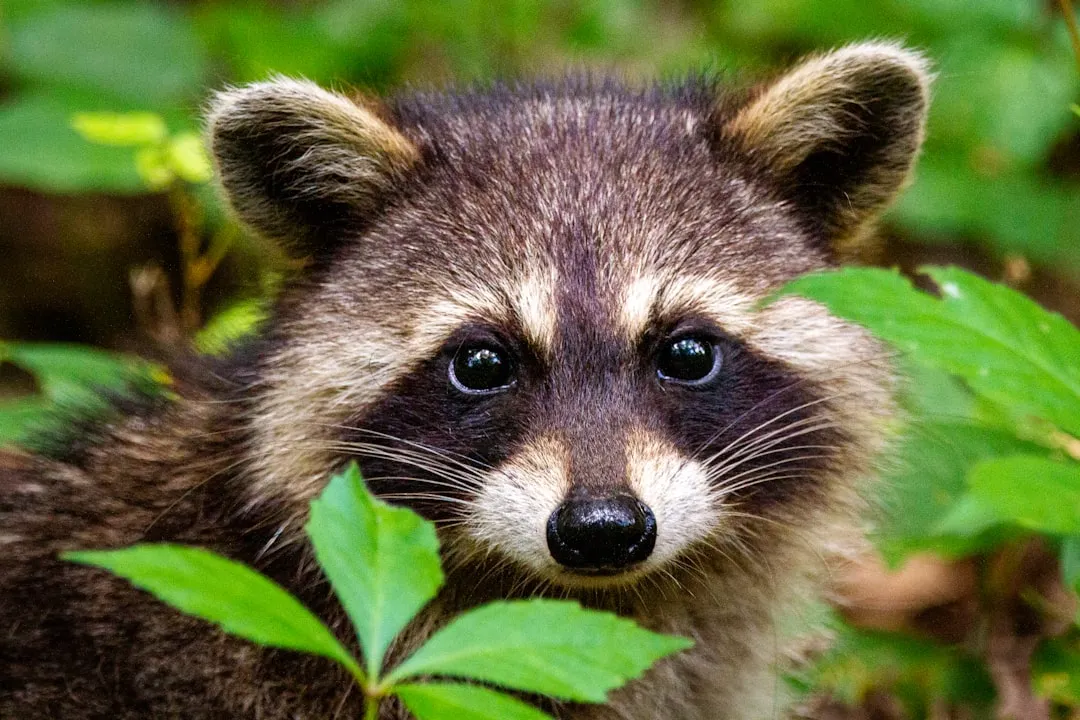
Raccoons use their front paws more like hands and will lift and flip sod pieces over. Sometimes the sod appears as if someone has neatly rolled it back with the intent of transplanting it elsewhere.
Raccoons enjoy diets that are almost identical to skunks, but raccoons use their front paws like hands to pull up and flip pieces of sod. This behavior is quite common on newly laid sod or grass that has shallow roots.
It is common to find raccoons and skunks feeding in the same area, sometimes leading to a noticeable skunk odor when the skunk is disturbed by the more aggressive raccoon. Grub populations only typically have to be at five or more grubs per square foot to attract skunks and raccoons for feeding.
Moles: Tunnelers With a Built-In Map
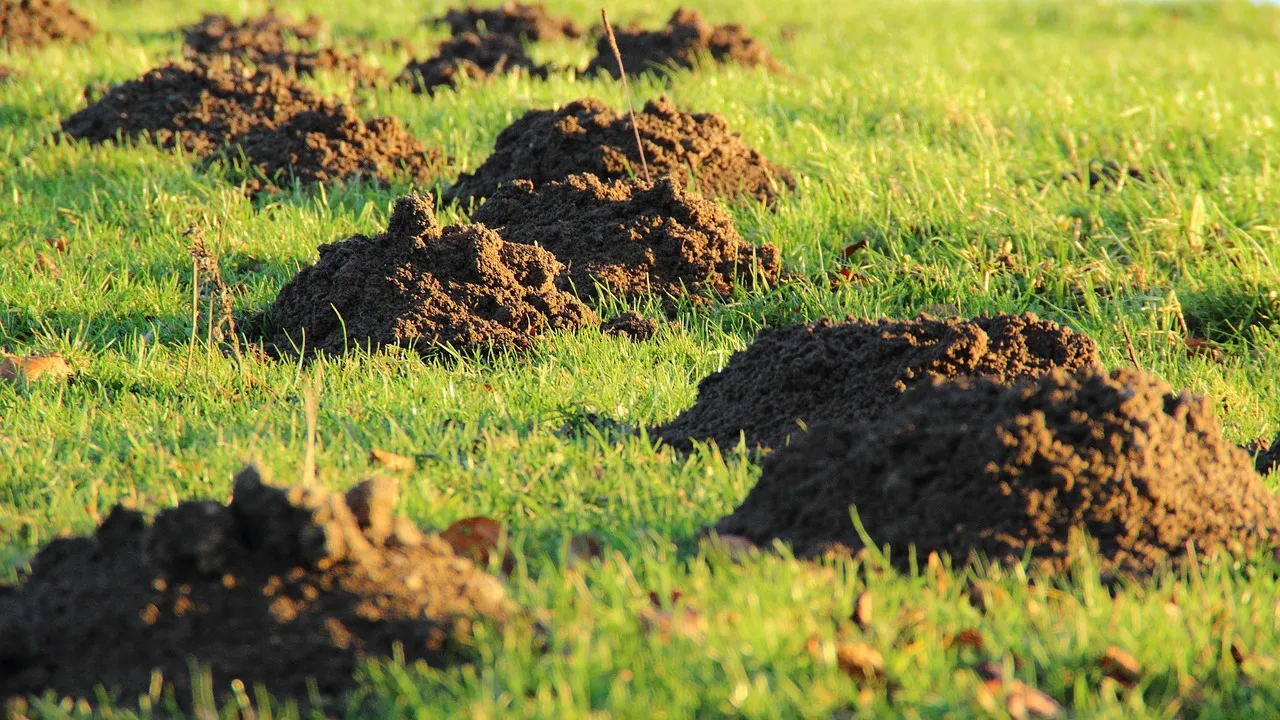
Moles are fist-size insectivores more closely related to bats than rodents. They live underground where they virtually swim through soil, leaving slightly raised trails visible in mowed lawns. In spring and fall, moles make volcano-shaped mounds with no visible opening.
Moles can be beneficial because they feed on the larvae and adult forms of many lawn and garden pests including mole crickets, wire worms, white grubs, and armyworms. In some situations, however, damage to lawns from extensive tunnel systems and spoil mounds can reach nuisance levels.
Eastern mole tunnels are just below the lawn surface and leave a distinct trail that can be pushed down by walking on it. Frequently used trails may be pushed up again within minutes or hours. Moles vary on how long they may remain in an area. When food resources dwindle, they may move on.
Voles: Surface Runners With Underground Networks
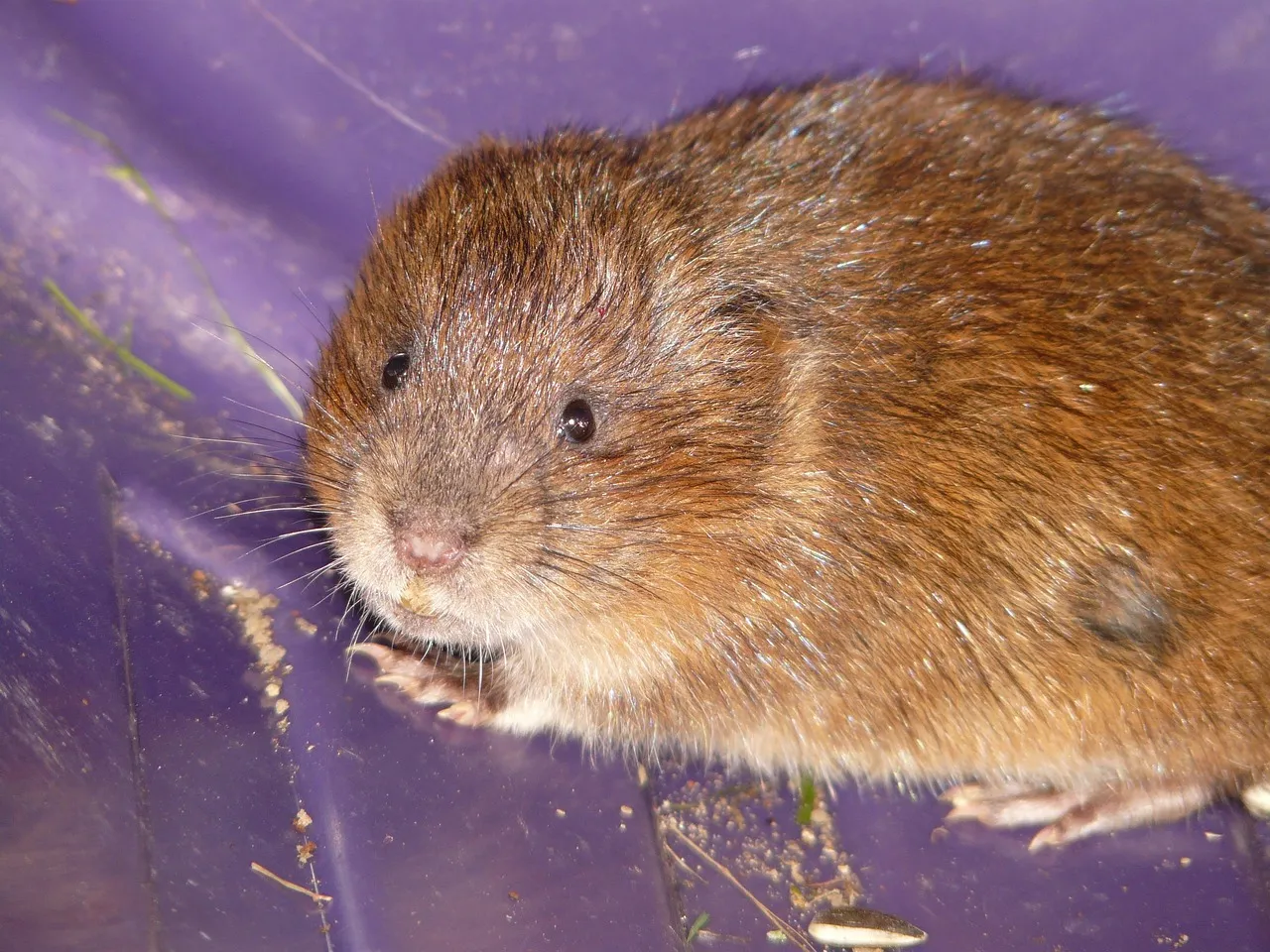
Voles, not to be confused with moles, are also herbivorous rodents. They’re mouse-size, with tiny, furry ears and short tails. They may dig small holes, but more obviously they leave thatch-lined runways on the surface.
As voles dig, they create extensive burrow networks with telltale runways on the lawn’s surface. If you notice runway paths an inch or two wide connected to neat round holes near your home’s foundation, walkways, or slabs, then you likely have voles. The ground may feel soft and spongy above their tunnels, and you may also see gnawed plants and tree bark above the ground.
Voles are not the kind of animals that sleep when it is dark, and therefore, they can be active whether it is day or night. Being active all year round and their ability to dig makes voles very destructive whenever they invade your outdoor property.
Armadillos: The Southern Soil Diggers
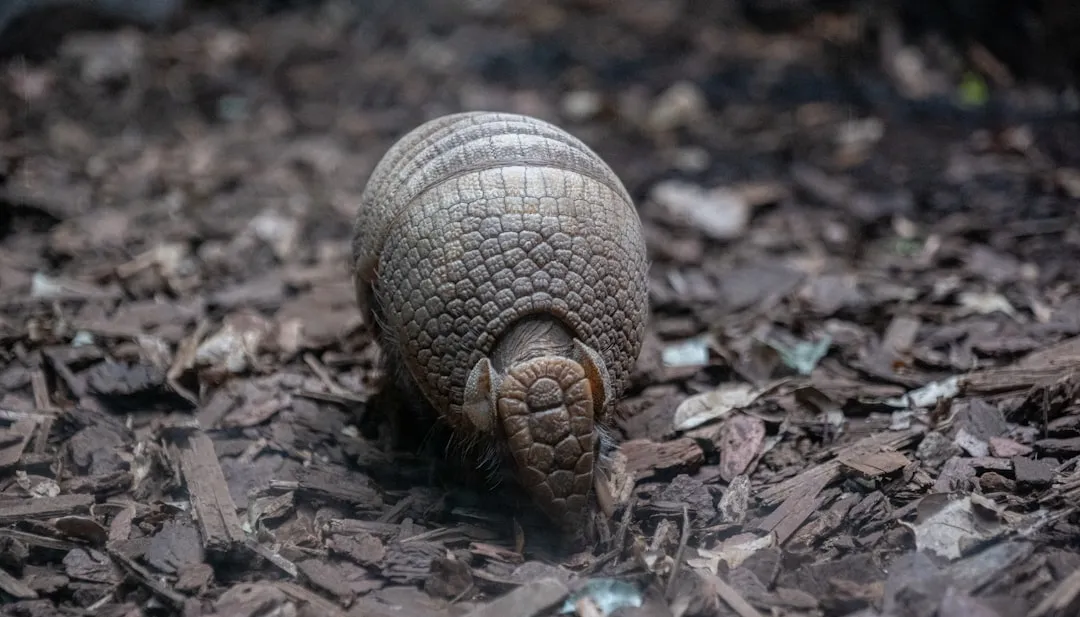
Armadillos are armored, insectivorous mammals known for their skill in excavating the ground in search of food. Their unique anatomy, with long claws and a flexible carapace, makes them efficient diggers. These creatures favor insects and invertebrates, such as ants, termites, beetles, grubs, and earthworms, which form the bulk of their diet.
When looking for insects in the soil, armadillos dig numerous holes in lawns, flowerbeds, and gardens. These holes are typically 1 to 3 inches deep and 3 to 5 inches wide.
While these animals usually dig during nighttime hours to avoid the heat of the day, they might also be active during dawn and dusk periods. Their range has gradually expanded northward in recent decades, so homeowners well outside traditional armadillo territory are increasingly seeing their handiwork.
Earthworms: The Holes That Actually Help You
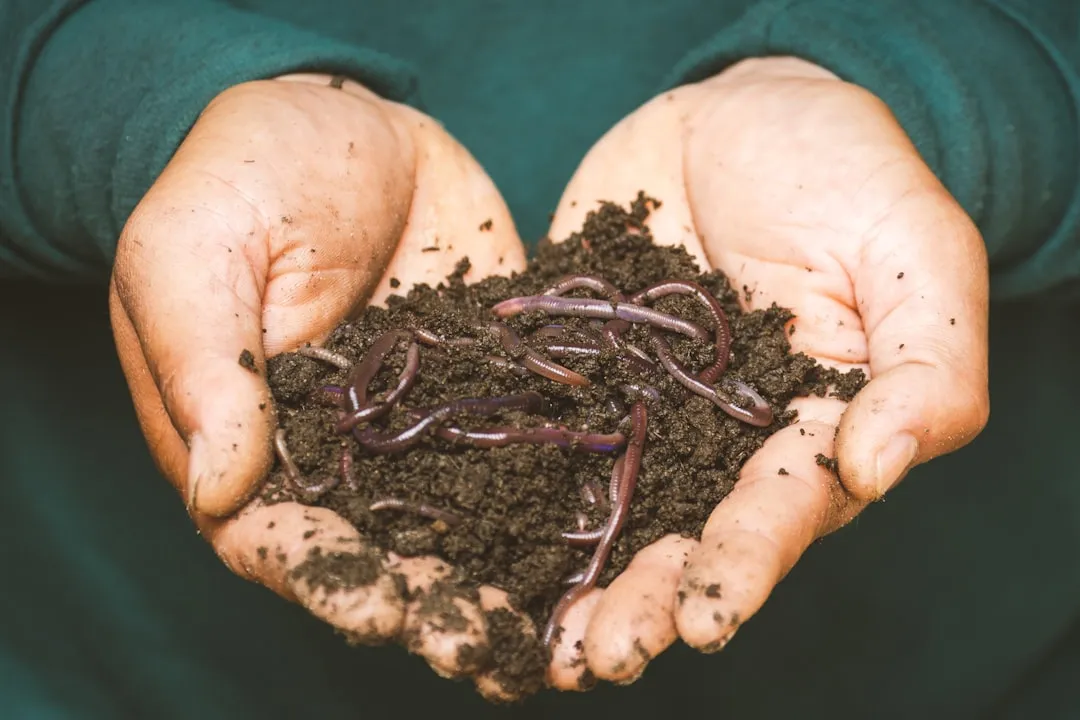
In a lawn, earthworms work as natural aerators. They turn over the soil in a steady and methodical manner without any real disruption to the turfgrass. Their holes improve the movement of water and nutrients into the soil and make them more available to the lawn.
Earthworm castings are conical-shaped mounds of soil and excrement that are left at the burrow entrance. Numerous earthworm castings in lawns can be unsightly in spring. Still, this is a sign of a biologically active, healthy soil ecosystem.
Generally speaking, it is desirable to have a healthy population of earthworms in your lawn. Earthworms create small, pencil-sized holes that aerate the soil naturally. These tiny tunnels improve lawn health by increasing oxygen and nutrient movement.
Ground-Nesting Bees and Wasps: Smaller Holes, Bigger Surprise
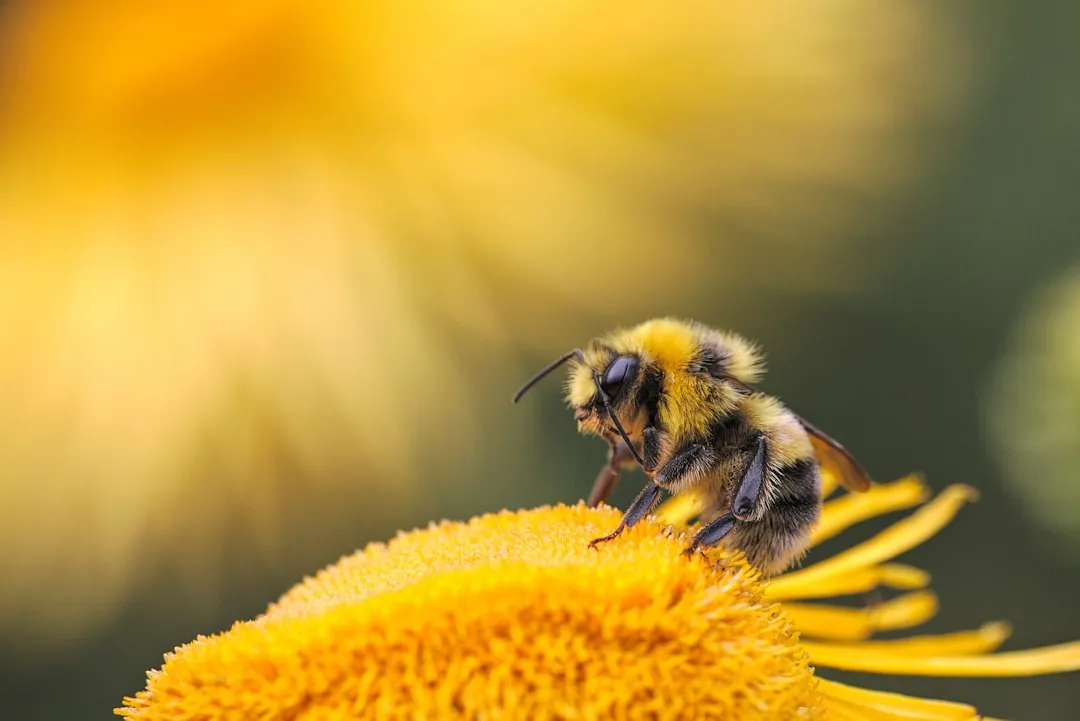
Young wasps hatch from holes in the ground during the early spring months. Some species, including scoliid wasps and cicada killer wasps, create large holes that may be up to an inch in diameter.
Digger bees live underground, so they create tunnels in the soil, typically where the grass is sparse, to get to their nests. Homeowners may find digger bee holes in the early spring. The nesting period for digger bees is usually brief, lasting just a few weeks; after that, most of the activity subsides, and offspring remain dormant until the following year.
One clear way to differentiate between ground-nesting bees and earthworms is to look for a hole that is about the size of a pencil eraser. Bees leave a prominent hole to allow them to return to their underground nest. Earthworms do not leave a clean, open entry point like that.
Grubs: The Root Cause Behind Many Visits
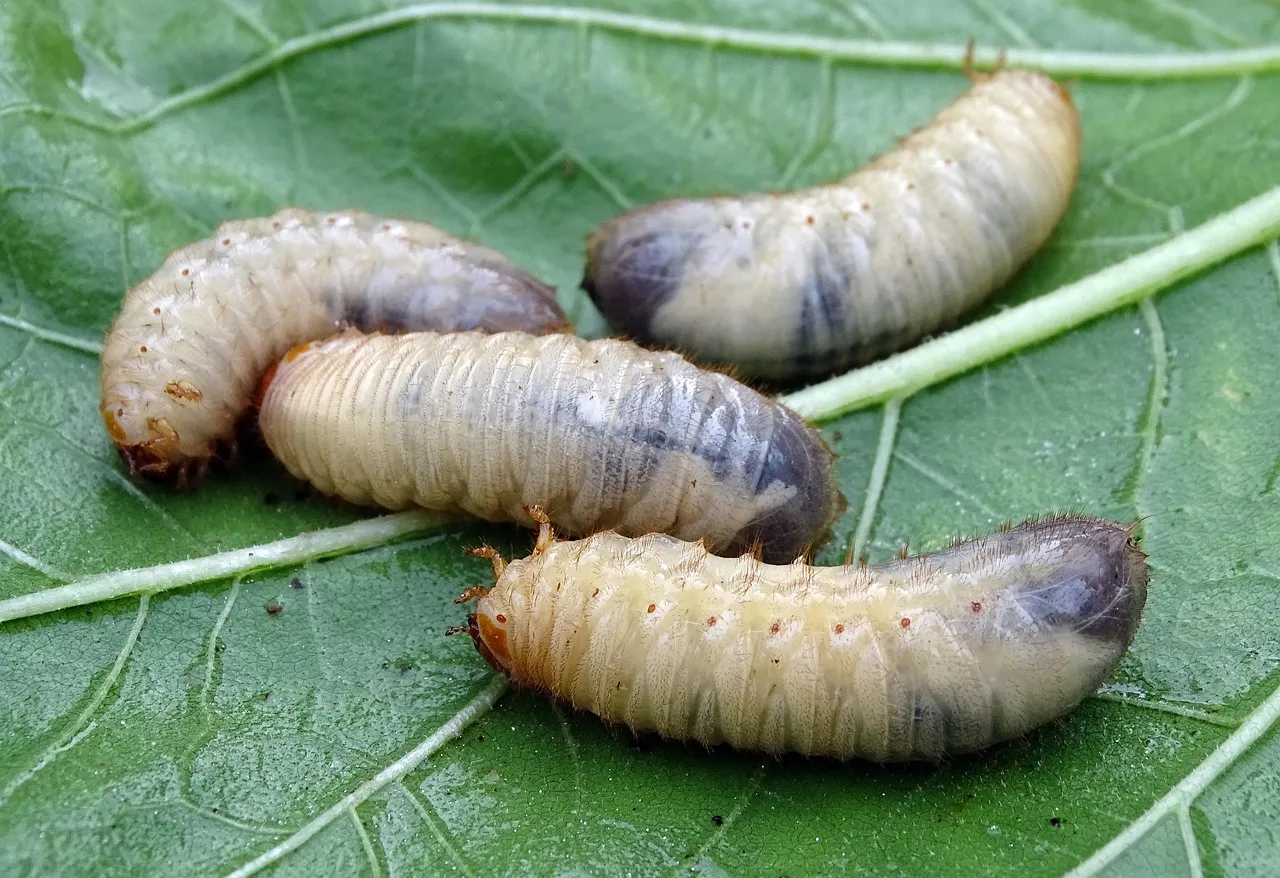
Grubs are the larval stage of beetles, such as Japanese beetles, June beetles, and masked chafers. They feed on grass roots, leaving your turf spongy, yellow, and easy to peel back.
The holes appear when animals like raccoons, armadillos, skunks, and birds start digging for a midnight snack. Grub populations over 5 per square foot will attract digging animals. Meanwhile, healthy turf can tolerate relatively high grub populations, as many as 20 or more grubs per square foot, before showing signs of injury.
Soft, spongy soil often indicates the presence of underlying grub activity. If you pull back a patch of damaged turf and it lifts like a loose mat, it’s worth checking what’s underneath before blaming the surface visitor alone.
How to Read Your Lawn Like a Field Guide

By observing the clues left behind, you can often determine which animal is responsible for the damage. Birds tend to peck small, cone-shaped holes, while mammals make rougher divots. The soil scatter around a hole tells you a lot too: wide and messy usually means a raccoon, tight and precise usually means a skunk.
Consider purchasing a wildlife camera or pointing a security camera at the spot, since the first step in determining whether or what kind of response is needed is identifying the organism. This makes a real difference when the holes are ambiguous on their own.
Effective management of lawn holes involves proper identification, targeted solutions, and consistent maintenance. While some wildlife activity is normal in a healthy lawn ecosystem, these strategies will help maintain a balanced and attractive turf. Not every hole is a problem. Some of them are simply proof that your yard is alive.
What the Holes Actually Reveal About Your Local Ecosystem
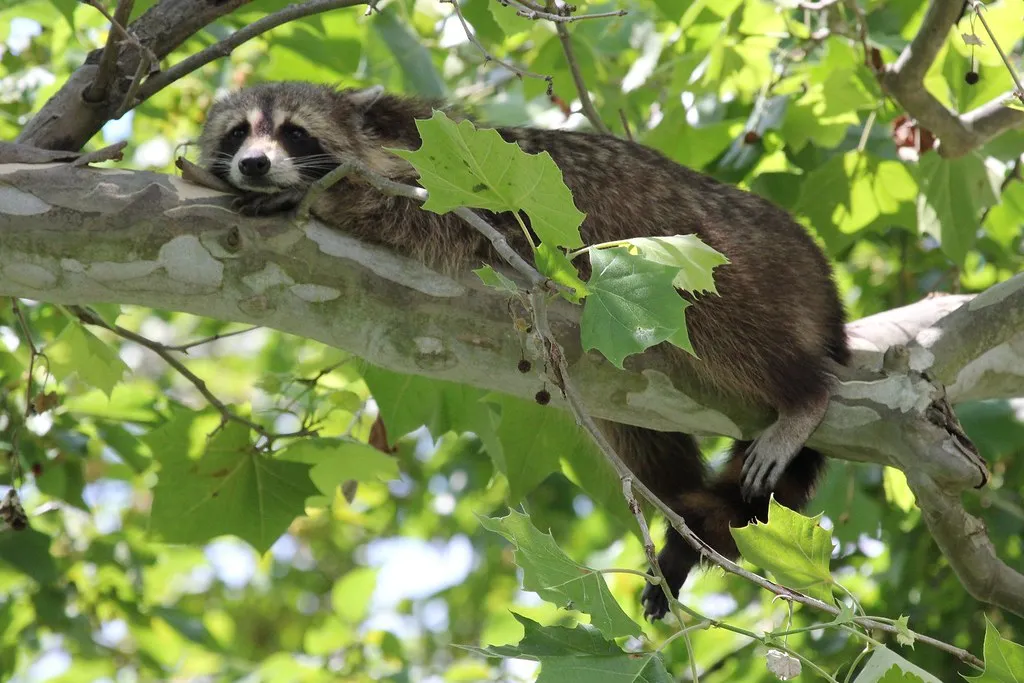
Your neighborhood is home to all sorts of animals, from raccoons, squirrels, and skunks to birds, bugs, and snails. Even if you don’t see them, most of these creatures are leaving evidence of their activities all around you.
In the fall, animals are trying to gather as many calories as possible to make it through the winter. The fatter they are, the better their chances of surviving the cold, lean months. In the spring, after enduring harsh winter conditions, these animals are on the hunt for food to regain weight.
Those overnight holes, as aggravating as they look on a well-kept lawn, are really a record of local wildlife doing what it has always done. The yard is not just yours. It sits at the edge of a larger system, and every morning’s damage report is, in its own way, a wildlife census.
AI Disclaimer: This article was created with the assistance of AI tools and reviewed by a human editor.