

Most suburban yards look perfectly fine from the curb. Neat lawn, a few shrubs, maybe a birdbath that rarely gets refilled. It looks cared for, but for most native wildlife, it offers very little. The good news is that changing this doesn’t require tearing everything up or buying expensive equipment. It starts with understanding what wildlife actually needs, then building those elements into the space you already have.
The Certified Wildlife Habitat program is an initiative of the National Wildlife Federation that empowers homeowners, schools, businesses, and entire communities to create landscapes that support local ecosystems. Since its launch in 1973, it’s grown into a genuine national movement, and the steps to earn that certification are more accessible than most people realize.
Understanding What the Certification Actually Requires
To qualify as a Certified Wildlife Habitat, your yard must provide five components: food, water, cover, places to raise young, and sustainable practices. These aren’t arbitrary checkboxes. Each one corresponds to a real biological need shared by birds, insects, amphibians, and small mammals. You’re essentially rebuilding a functioning mini-ecosystem, not just decorating a garden.
To date, the National Wildlife Federation lists over 265,000 certified Wildlife Habitats across the United States, and the program continues to grow. When you certify, the $25 application fee supports National Wildlife Federation programs that address the decline of wildlife habitat nationwide. That’s a modest investment for the recognition, membership, and community connection it provides.
Why Suburban Yards Matter More Than You Think
Changes caused by human activity, including urbanization, climate change, and the conversion of forests to cropland, mean there are fewer habitats to support plants and animals. Creating and supporting native habitats in urban areas, in public spaces and your own yard, is essential to combatting biodiversity loss.
Most cities and suburbs actually have a huge amount of land in the form of private property, such as people’s lawns, gardens, and yards. The cumulative impact of what people choose to do on these parcels has huge implications, either positive or negative, for biodiversity. One yard is a start. A whole neighborhood of certified habitats becomes a genuine wildlife corridor.
Native habitat gardens can support two times the amount of wildlife when compared to properties with primarily turf lawn. That alone is a compelling reason to reconsider the standard suburban grass setup.
Start with Native Plants: The Foundation of the Whole Effort
A 2024 study by two Rutgers ecologists, Elena Tartaglia and Myla Aronson, found “overwhelming evidence that native plants support higher faunal abundance and diversity than non-native plants in urban landscapes.” This isn’t just a preference among garden hobbyists. It’s a conclusion backed by a systematic literature review published in the journal Urban Ecosystems.
A balanced Certified Wildlife Habitat supports habitat essentials with a minimum goal of 70% native plants that provide multi-season bloom. Native plants are adapted to the local rainfall and other environmental conditions, and can be hardier than exotic plants, thriving without the use of pesticides or fertilizers. In practical terms, this means less work for you over time, not more.
Focus on Keystone Plants for the Biggest Impact
Coined by renowned entomologist and Garden for Wildlife collaborator Dr. Doug Tallamy, the term “keystone” refers to a species that plays an outsized role in its ecosystem, just like a keystone holds up an arch. Dr. Tallamy’s research has revealed that a mere 14% of native plants support roughly 90% of our caterpillar species.
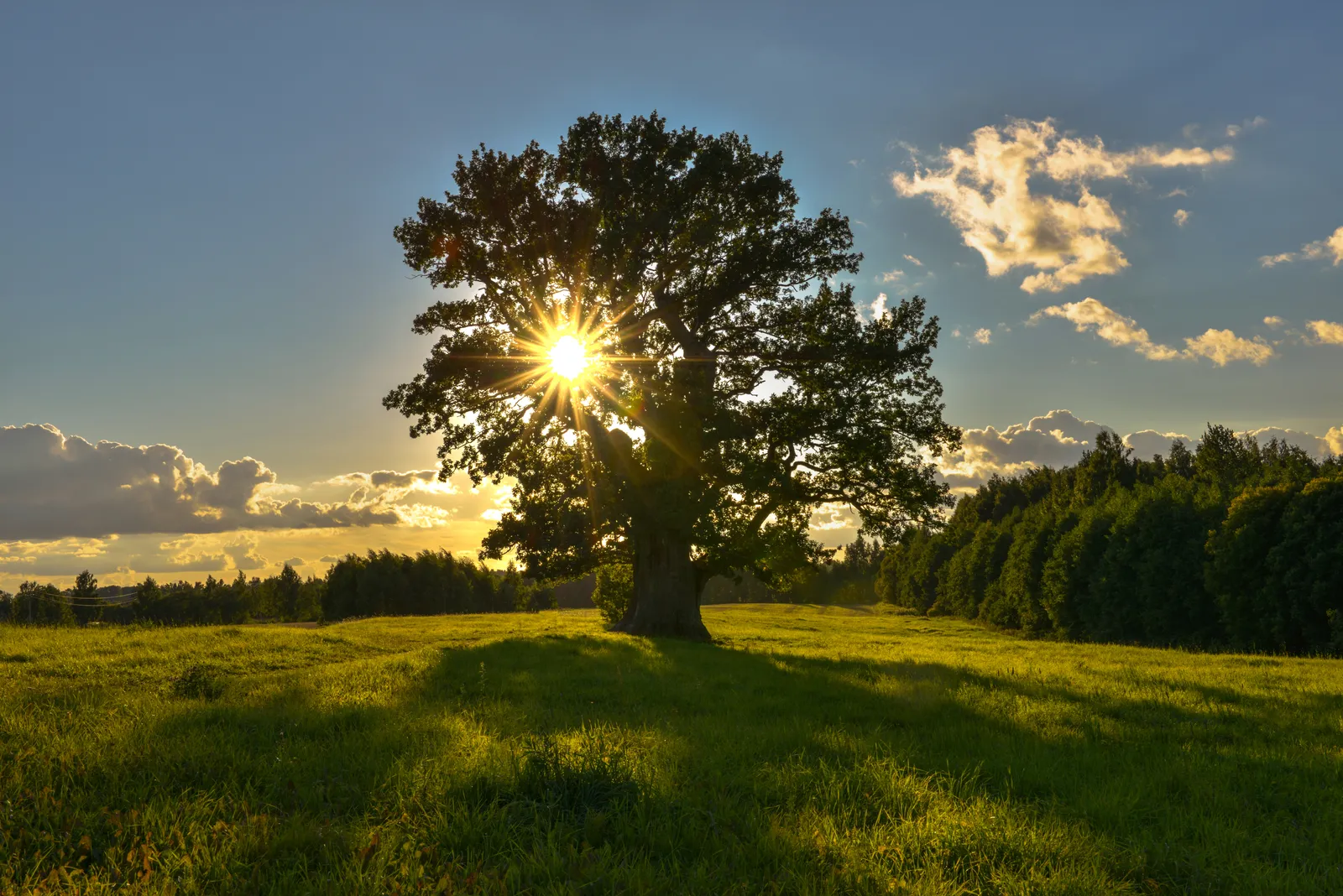
Oaks in the genus Quercus provide food for more than 950 species of butterfly or moth caterpillars, making them among the country’s most important keystone native plants. These insects’ protein-packed bodies are a primary food for scores of wildlife species, including the 96 percent of terrestrial birds that rely on butterfly and moth larvae to rear their young. Plant an oak, and you’re essentially installing a wildlife apartment complex.
Goldenrod is another top choice: it supports 110 species of caterpillars in the East alone, and is also the top plant for specialist pollinators in that region. It’s native, easy to grow, and wildly underused in suburban gardens.
Provide at Least Three Food Sources
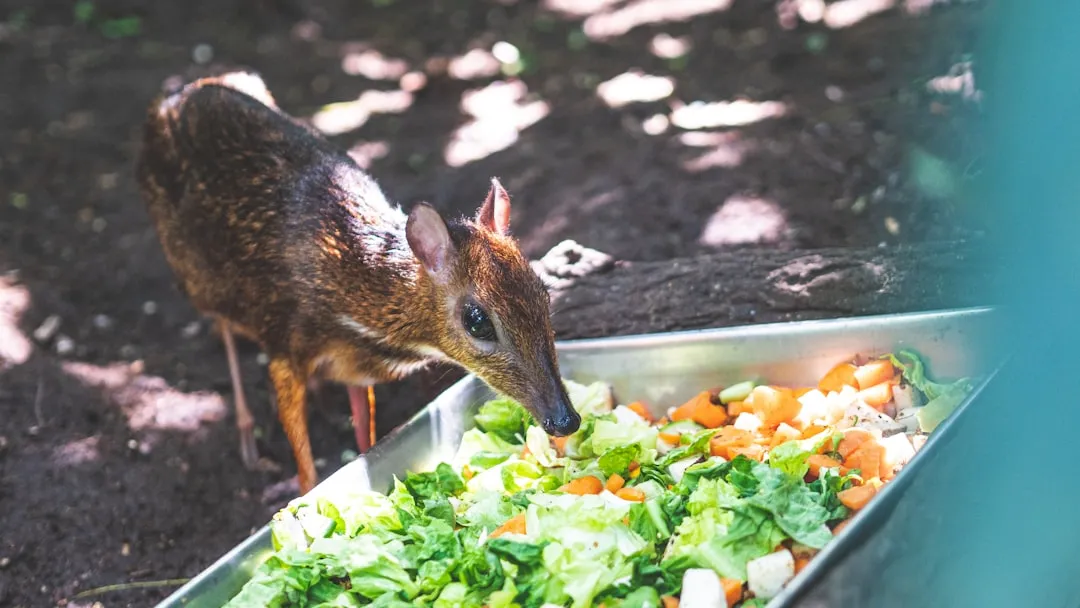
A Certified Wildlife Habitat offers at least three sources of food for wildlife, including bird feeders, a healthy insect population, and native plants that offer berries, nuts, seeds, or nectar. Think of this as a layered approach rather than a single solution. You want food available in multiple forms and across different seasons.
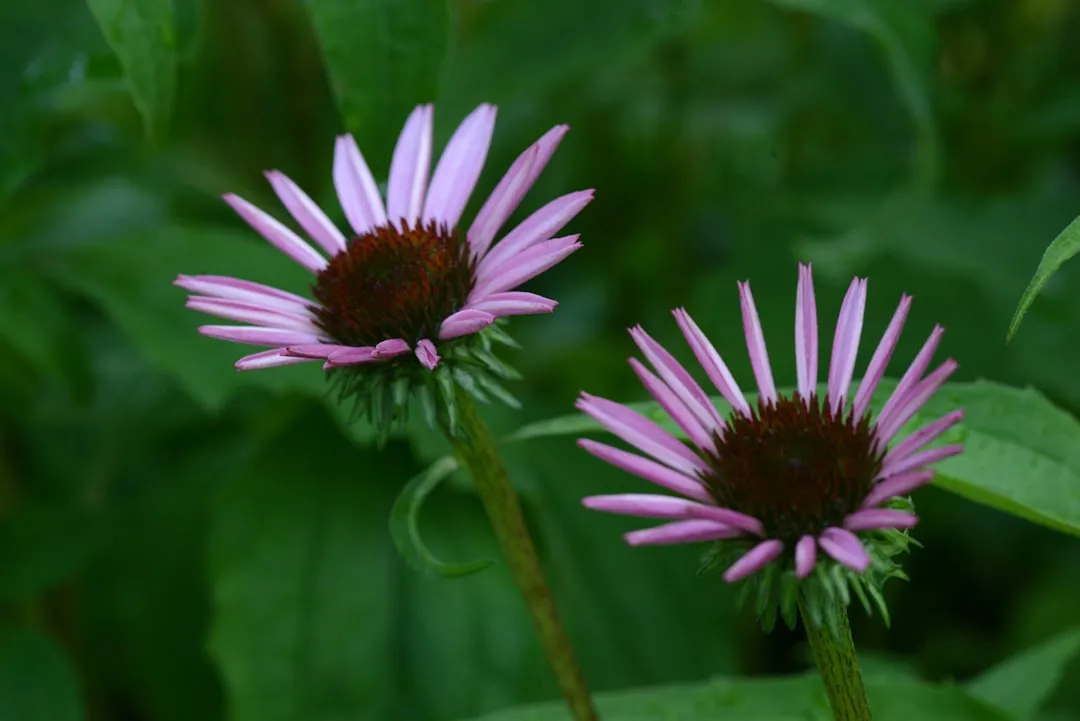
Black-Eyed Susan produces seeds favored by birds, Purple Coneflower attracts birds with its seeds and serves as a nectar source, and Inland Sea Oats grass produces seeds popular with many bird species. These aren’t obscure plants. Most native plant nurseries carry them, and they’re reliable performers in a typical suburban lot.
Add a Water Source: Simpler Than It Sounds
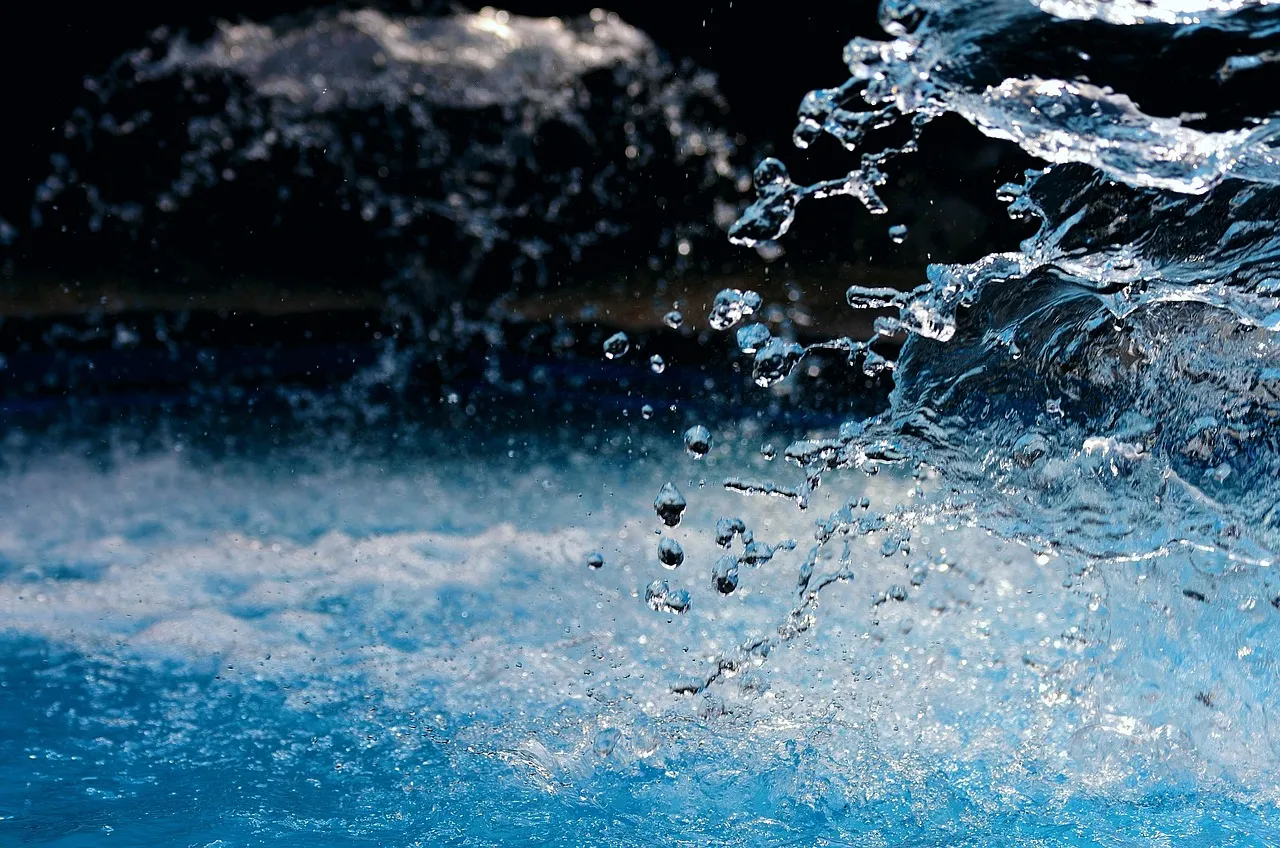
Water is essential for any wildlife habitat. A simple birdbath, such as a saucer or shallow basin, can serve this purpose well. A birdbath with a misting fountain will even entice hummingbirds, since they enjoy bathing by flying through a fine mist. Keep your birdbath clean and filled with fresh water, and change it frequently to discourage mosquitoes.
Butterflies and honeybees need a water source beyond what they acquire from nectar. Birdbaths are generally too wide and deep for these pollinators, so adding corks and stones to a shallow birdbath allows them to safely hydrate, or a shallow tray of water and stones can serve as a dedicated pollinator drinking station. Small details like this genuinely make a difference in which species visit.
Create Cover and Shelter for Year-Round Use
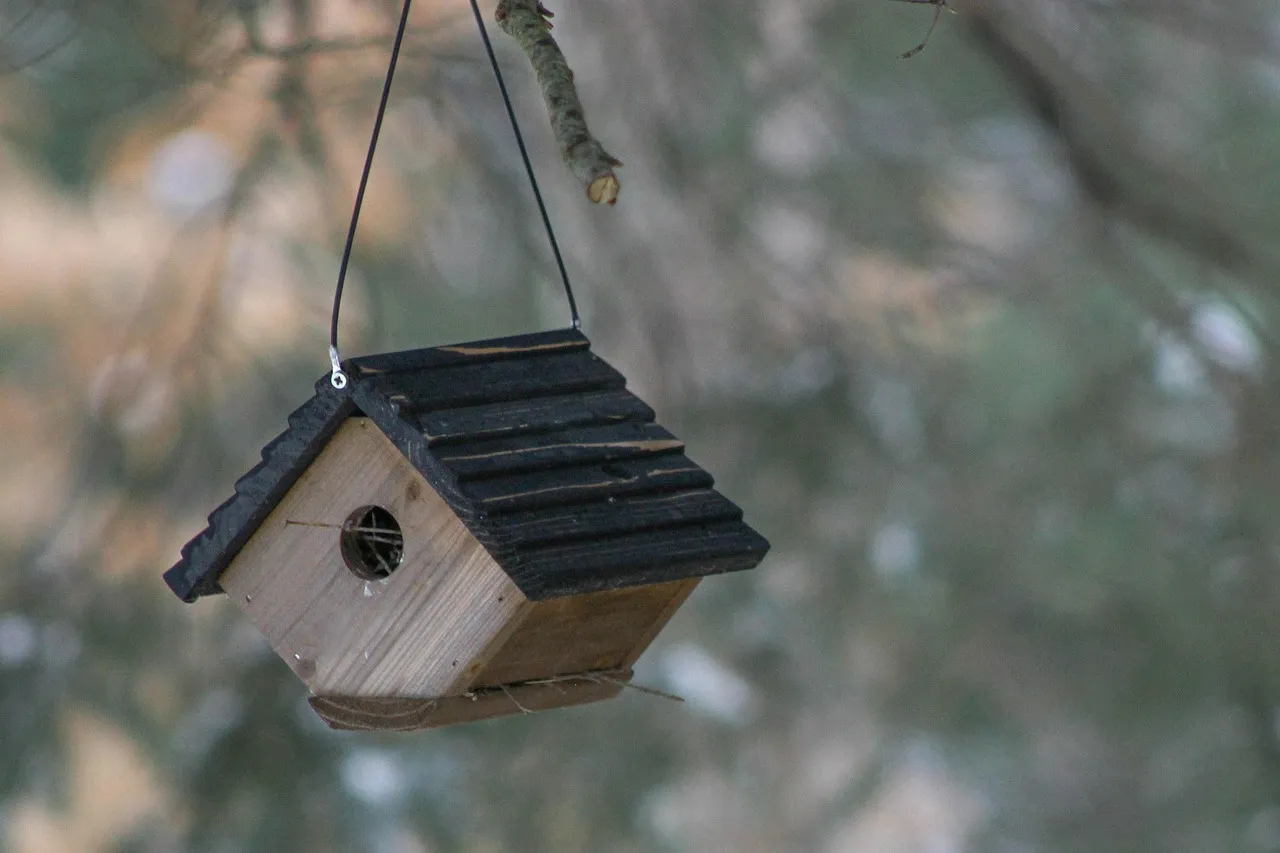
Water provides places for bathing, drinking and laying eggs, such as birdbaths, puddling dishes and ponds, while cover gives creatures shelter from predators, people and weather, through shrubs, hollow trees, brush piles and roosting boxes. Both needs must be met for a habitat to function properly across the seasons.
Shelter is important for wildlife species to survive. Brush piles and leaf litter are not just places wildlife can hide from predators. They’re also attractive as places to lay eggs, give birth, stay cool in shade, or bask in sun on top. Resisting the urge to clean up every corner of your yard is, counterintuitively, one of the most productive things you can do for local wildlife.
Give Wildlife a Place to Raise Their Young
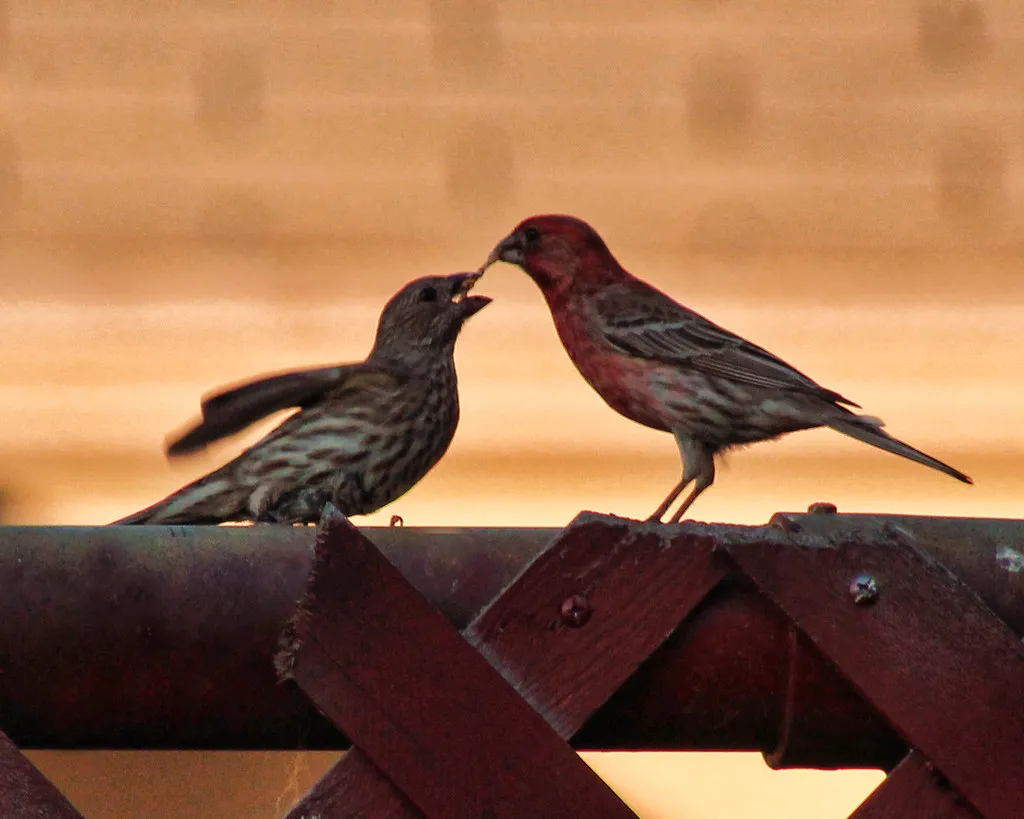
Places to raise young can include a variety of elements, such as nesting trees for birds, ponds for frogs, and native host plants such as common milkweed for caterpillars. Giving wildlife at least two places to raise their young counts toward certification. If dead trees don’t pose a hazard, leaving them in the landscape is recommended, since woodpeckers will excavate cavities that provide shelter for insects, and the vast majority of backyard birds feed insects to their young.
Consider adding a bird nest box, bat house, pollinator nesting box, or brush or rock pile to your backyard habitat. Keep in mind that creating habitat for certain animals, like songbirds, can invite some unintended visitors, like raccoons or foxes. Seeing a variety of wildlife is actually a sign of healthy habitat and demonstrates a functioning food web.
Ditch the Chemicals and Practice Sustainable Gardening
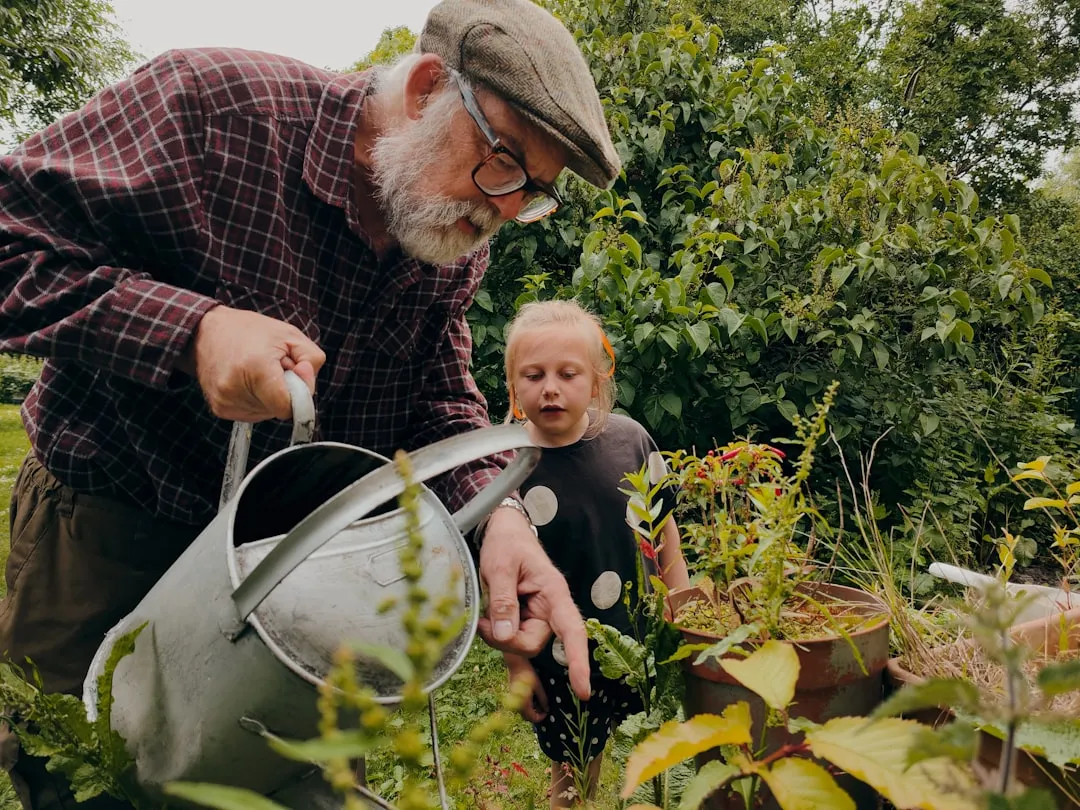
One of the most vital steps for creating a healthy habitat is adopting sustainable gardening practices, including conserving water, removing invasive plants, and, critically, avoiding pesticides and herbicides, including neonicotinoids. Insecticides kill beneficial insects as well as nuisance ones, and herbicides eliminate sources of food for caterpillars, directly harming butterfly populations.
Research from the USDA Forest Service has demonstrated that less-frequent mowing, as infrequent as every two weeks, resulted in more lawn flowers and more bees, and also saves residents time and cost while reducing carbon emissions compared to weekly mowing. Mowing less is one of the lowest-effort, highest-impact changes a suburban homeowner can make.
Prioritize Milkweed and Other At-Risk Species’ Host Plants
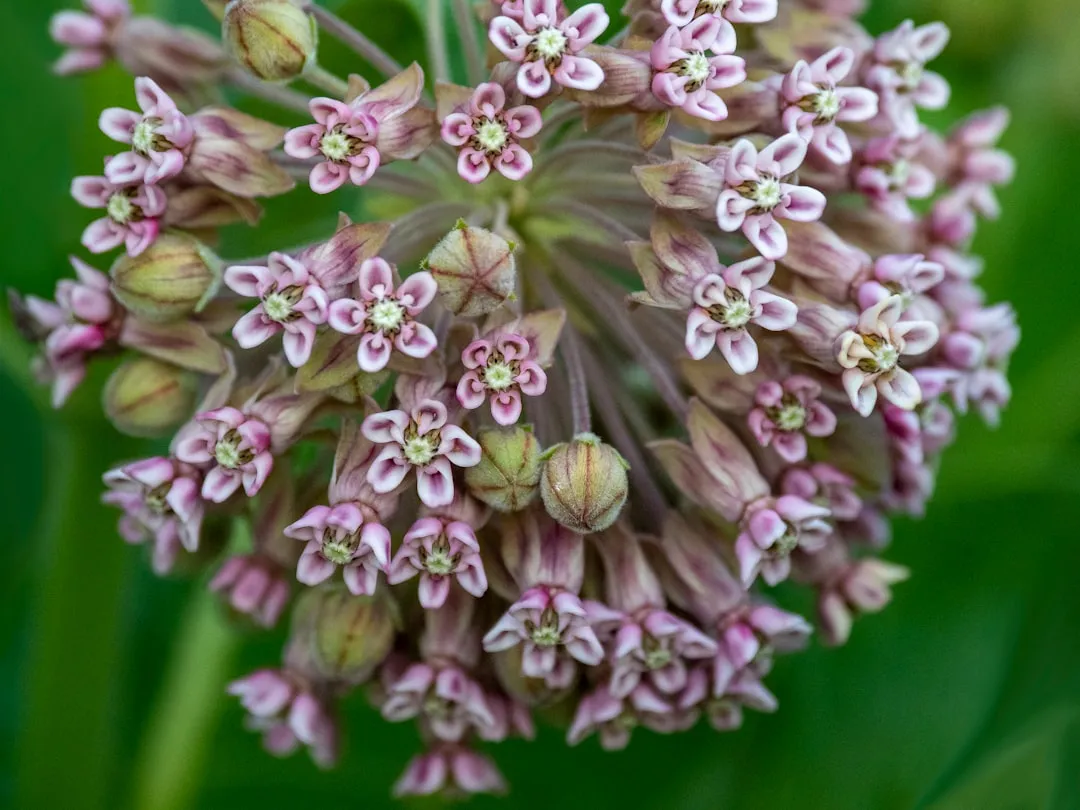
Plants like milkweed are critical for at-risk species like the monarch butterfly, which rely on it as a host plant. Monarch larvae feed exclusively on milkweed leaves, and without it the larva cannot develop into a butterfly. There are several dozen milkweed species native to North America, so no matter where you live, at least one species is naturally found in your region.
Home gardens are becoming more wildlife friendly, according to the National Wildlife Federation’s Garden for Wildlife program, with more gardeners converting their lawns to native wildlife habitat and prioritizing native plants while intentionally seeking out varieties that benefit pollinators like native bees, birds and butterflies. This is a real cultural shift, not just a gardening trend.
Apply for Certification and Inspire Your Neighborhood
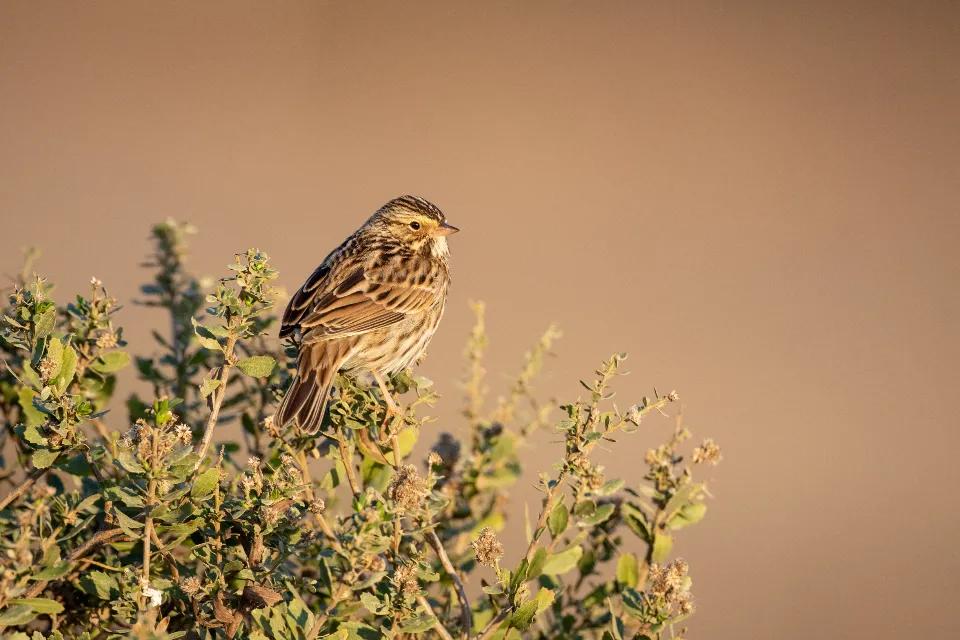
Step one is to take the Certified Wildlife Habitat Assessment Quiz to understand how your landscape is currently supporting wildlife. If your landscape qualifies, you can go directly to the online application. If it’s not quite complete, NWF offers habitat essentials guides, videos, and resources to help you reach certification.
A certification sign not only celebrates your efforts but also educates neighbors and encourages others to follow suit. Programs like the Columbia Land Trust’s Backyard Habitat Certification, co-managed with the Bird Alliance of Oregon, have grown a movement with over 14,000 properties across the Portland-Vancouver Metro region alone, because that scale matters: birds and pollinators can move more freely, finding food and shelter from one yard to the next.
The sign in your yard isn’t just a badge. It’s an invitation for your street, your block, and your whole neighborhood to start thinking differently about what a suburban yard can be. That shift, one yard at a time, is how fragmented habitat becomes a genuine network that wildlife can actually use.
AI Disclaimer: This article was created with the assistance of AI tools and reviewed by a human editor.