

There’s something quietly revealing about the plant you choose to keep alive. After a while, a plant parent may start to notice similar traits among the plants in their collection, commonalities that often point back to certain characteristics of their caretaker. Whether you’re a constant waterer or mostly hands-off with care, the plants that populate your home will likely reflect who you are as an enthusiast.
Plant lovers have adored ferns since Victorian times. They have a reputation for fussiness, but with a little thought and attention, they can thrive as houseplants. The fern you gravitate toward says something specific about how much structure you bring to your daily life and how much you’re willing to adjust your habits around something that can’t ask for help.
The Boston Fern: The Reliable Classic
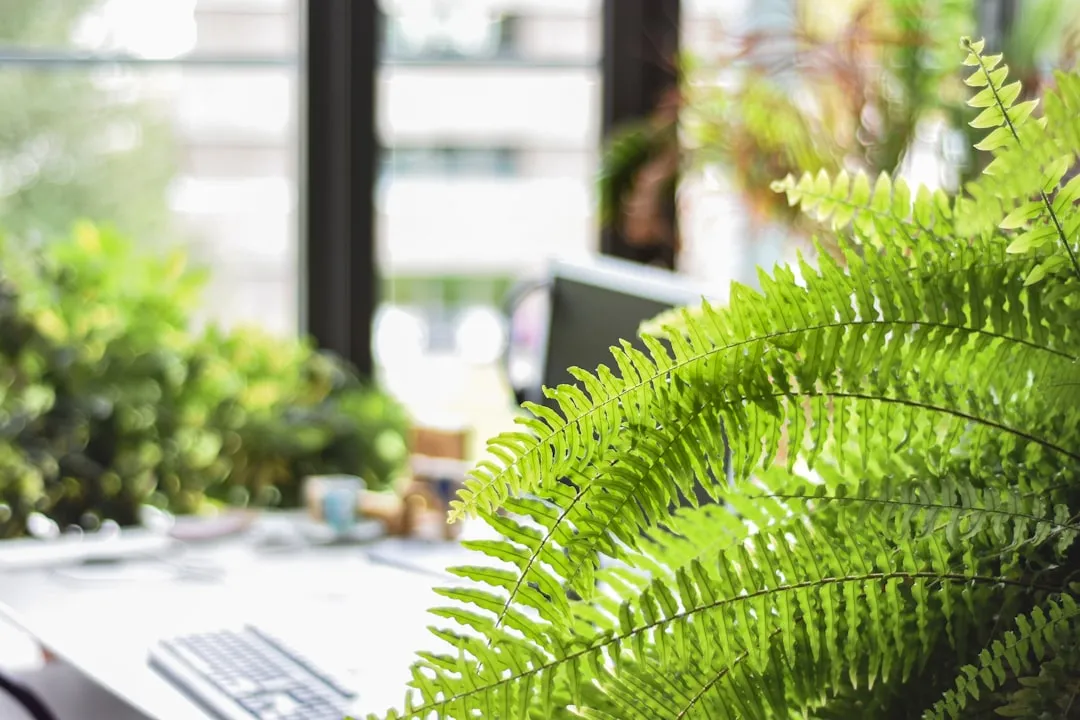
The Boston Fern was a popular Victorian parlor plant. Every house had at least one. If this is your go-to, you’re someone who respects tradition and has discovered what works. You’re not chasing novelty for its own sake.
The Boston fern is a favorite for a reason: it’s easy to care for and looks amazing. Give it bright light but not direct sun rays that could burn the fronds. Once you find a good spot, it’s best to leave your fern there, as these tropical houseplants don’t tolerate change well. That last point is telling. Boston Fern people tend to create systems, stick to them, and resist unnecessary disruption.
Keep the soil of your Boston fern moist, not allowing it to dry out too much between waterings, otherwise you’ll get brown, dry fronds. Use a pot with good drainage or you may end up with root rot or yellow, soft foliage. The plant rewards consistency over intensity. It’s a good match for someone patient, steady, and a little methodical.
The Maidenhair Fern: The Perfectionist’s Plant
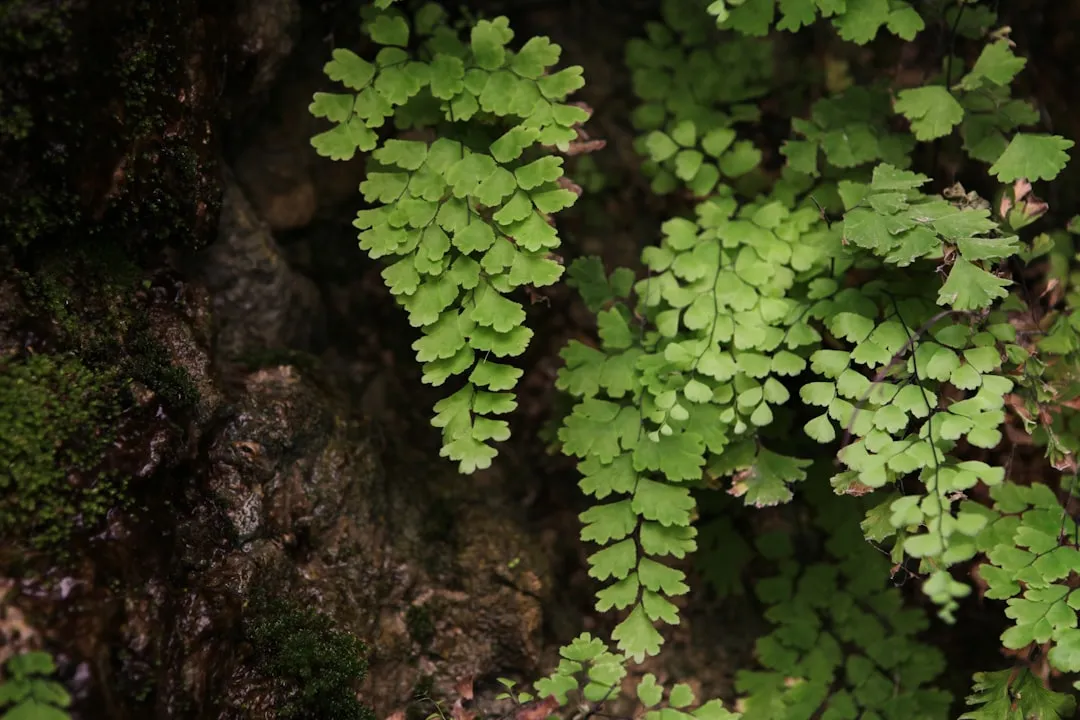
The Maidenhair fern, known for its luscious looks and elegant appearance, has the reputation of being difficult to care for with its diva-like demands. Maidenhair ferns might require a bit more attention than some of the other ferns, but if you’re a very attentive plant parent, this is the perfect addition to your collection.
Intricately patterned leaflets make the Maidenhair fern one of the most stunning ferns anywhere. It’s also one of the fussiest, preferring high humidity that’s difficult to maintain in most homes. Choosing this fern as a favorite signals a certain kind of perfectionism. You notice when things are slightly off, and you’re willing to course-correct.
The biggest key to growing a Maidenhair fern indoors with success is humidity. It thrives on moisture and needs a lot to survive, which is often hard to achieve in indoor environments. With the proper growing conditions and a little bit of love, the Maidenhair fern can thrive inside. If this plant lives happily under your care, your patience is genuinely above average.
The Staghorn Fern: The Creative Problem-Solver
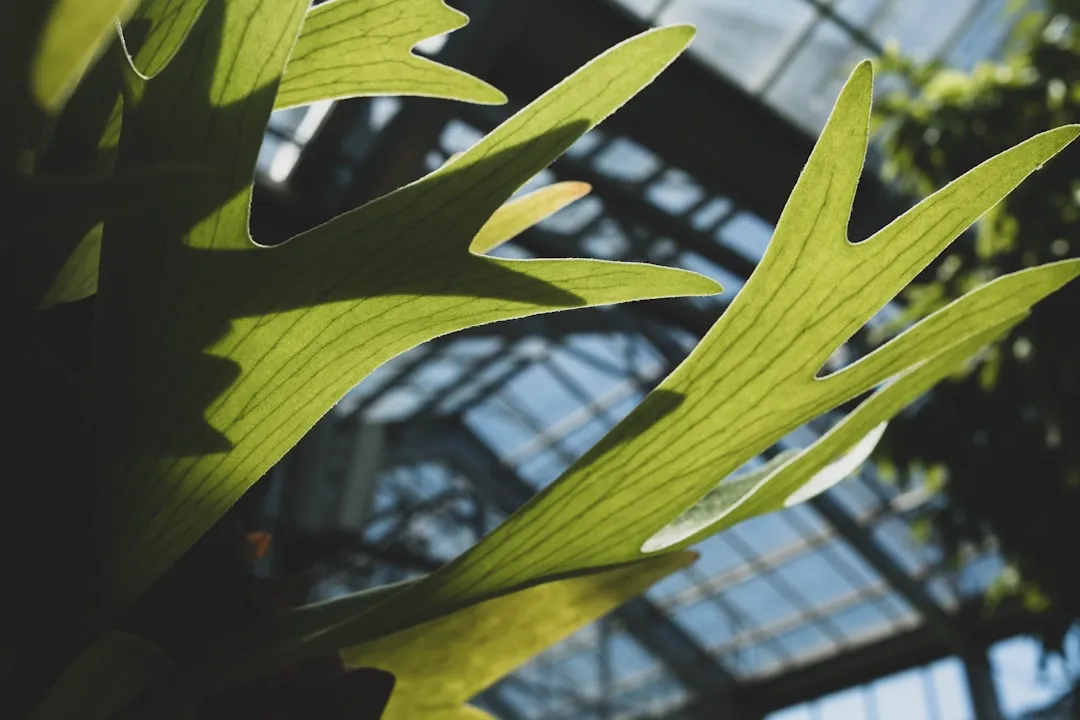
The Staghorn Fern is another epiphyte, native to Australia, and grows on the bark or in the branches of trees. It can be grown in a container, but is usually displayed on a piece of wood or bark with the roots wrapped in sphagnum moss. The fact that this plant is typically mounted rather than potted sets it apart immediately. Staghorn Fern fans aren’t looking for conventional solutions.
Known for their antler-like fronds, Staghorn Ferns can be mounted on walls, offering a creative and safe way to incorporate plant life into your space. Staghorn Ferns work well as living wall art that adds depth and character to any room. People drawn to this fern often think spatially and lean toward practical creativity. They also tend to research before they act.
The tough leaves don’t seem too bothered by the lack of humidity like other ferns. Compared to high-maintenance varieties, the Staghorn forgives small mistakes. Its keeper is resourceful but not compulsive, someone who solves problems calmly and moves on.
The Bird’s Nest Fern: The Approachable Pragmatist
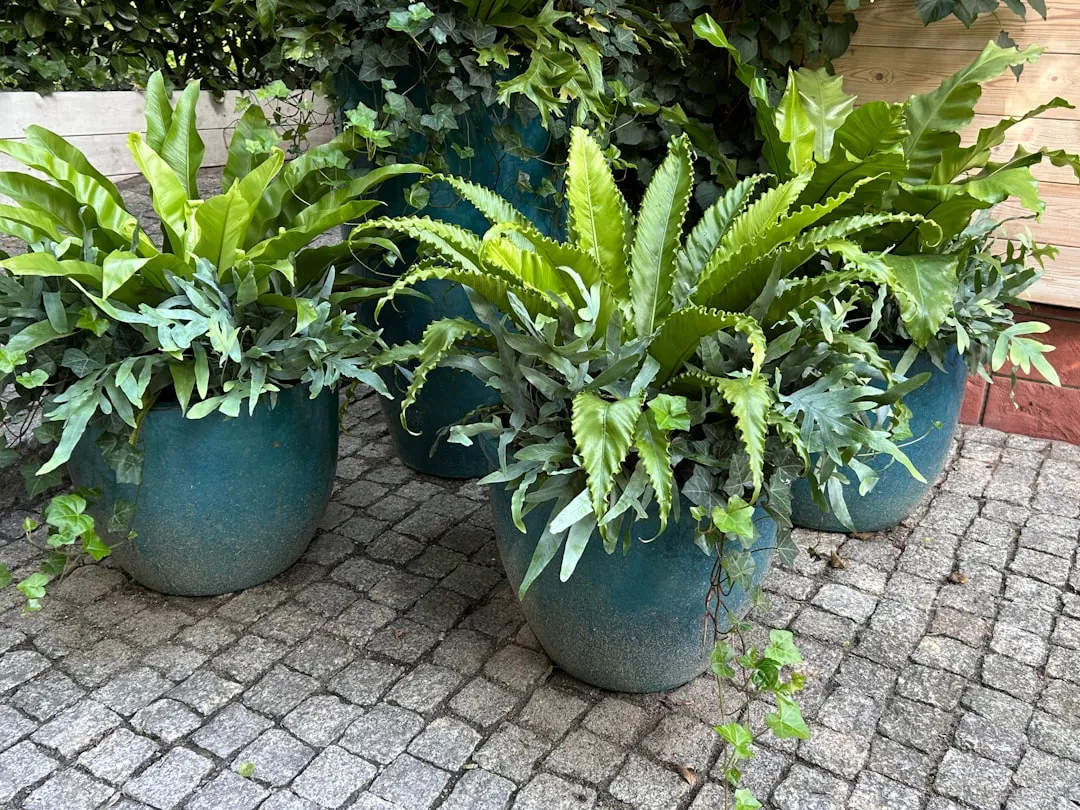
Bird’s Nest Fern is not ferny-looking at all, with its thick, glossy, lance-shaped leaves sporting wavy edges that whorl around the center of the plant, forming the “nest.” Native to Hawaii, they are epiphytes, growing on the branches of trees where they catch rainwater and organic matter in the center of the nest.
With its easy care requirements and unique appearance, the Bird’s Nest Fern is a wonderful addition to any indoor garden. Its ability to thrive in low-light conditions makes it a versatile choice for various spaces in your home. If this is your favorite, you’re likely someone who values function alongside beauty. You want things to work without requiring excessive intervention.
The Bird’s Nest Fern handles lower humidity better than other varieties. It’s a forgiving option for new plant owners, and its compact size makes it versatile for apartments or shared workspaces where space is at a premium. This points to a person who plans carefully before committing, then maintains steady, calm attention.
The Rabbit’s Foot Fern: The Quietly Observant Caretaker
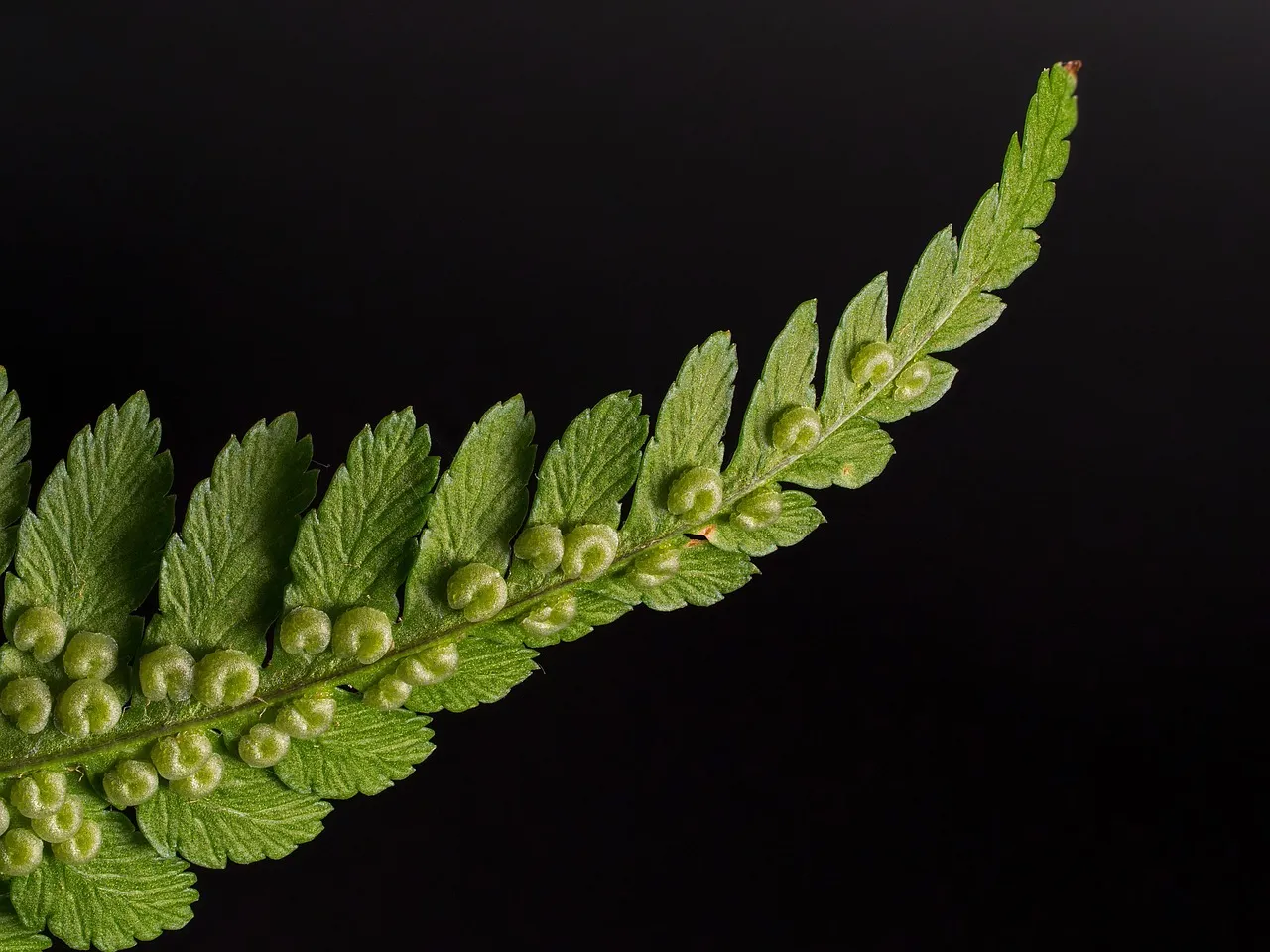
Furry rhizomes of Davallia ferns earn them the common name Rabbit’s Foot Fern. They grow outside the container, hanging over the side of the pot. Light, airy fronds only add to their allure. People who fall for this fern tend to love quiet details that other people overlook entirely.
The Rabbit’s Foot fern is probably among the easiest ferns to grow because it has a way of storing water to adapt. Its keeper doesn’t panic when life gets unpredictable. There’s an underlying resilience here, a low-key confidence that comes from observation rather than anxiety.
Watering is the toughest part of keeping this plant happy. The trick is to let the top inch of soil dry out, but never let the soil dry out completely. It’s a balancing act that needs attention to get right. That balance is its caretaker’s defining trait: attentive, but not hovering.
The Blue Star Fern: The Understated Individualist
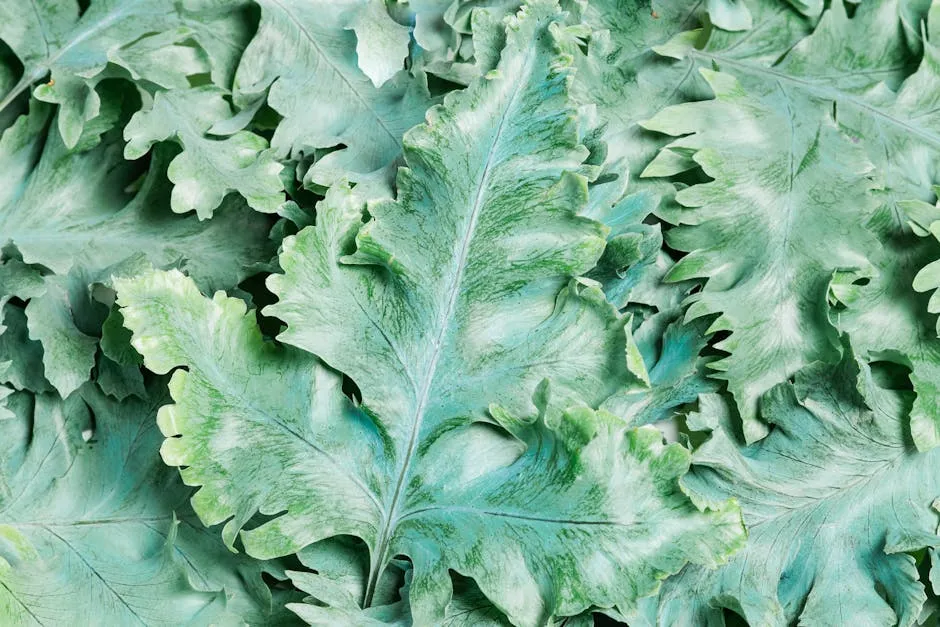
The upright, blue-green fronds of Blue Star Fern have deeply lobed leaves, giving it wonderful color, texture, and form. Unusual and dramatic, this type of fern is sure to capture attention from passers-by. Choosing this variety signals someone with an aesthetic sensibility that resists the ordinary.
A show-stopper, the Blue Star Fern gets its name from its unique blue-green colour and the shape of its long fronds that unroll as they grow. Although the Blue Star Fern loves humidity, it will grow just fine in your home even without misting. It’s actually more forgiving than it looks. Its keepers are often people who appear effortless but are quietly paying close attention behind the scenes.
Give this handsome South American native plenty of bright, indirect sunlight, water, and humidity, and you’ll find Blue Star Fern care is trouble-free. It’s an impressive houseplant for beginners who have done their research first. The type who shows up prepared.
The Crocodile Fern: The Detail-Oriented Enthusiast
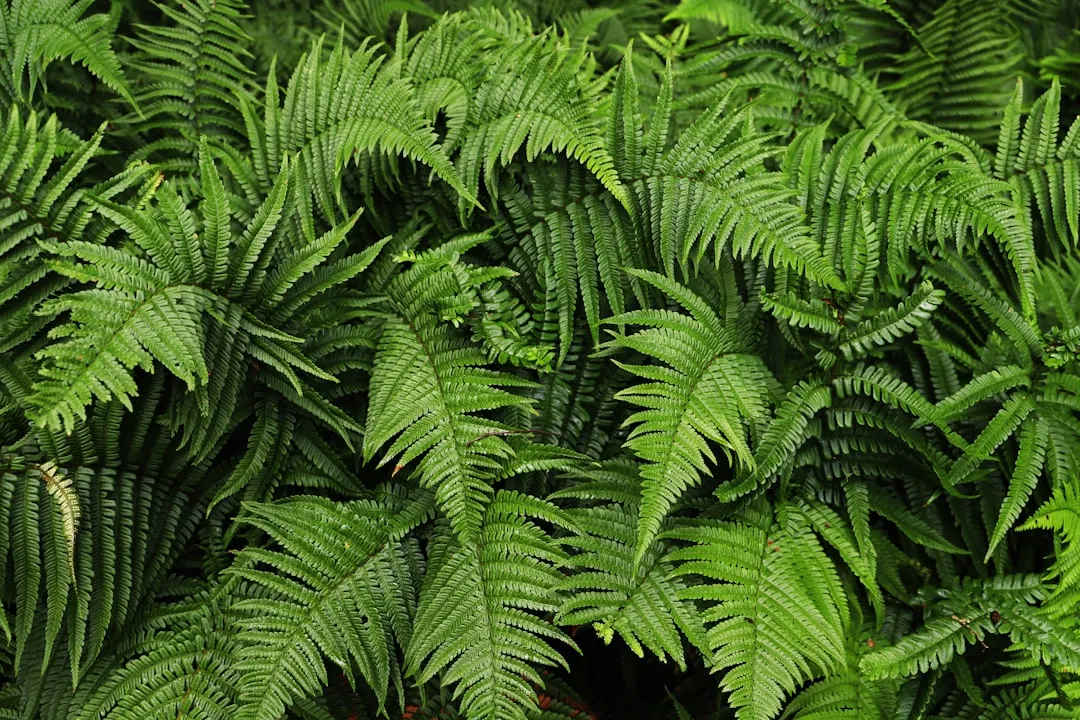
Crocodile fern happens to be easy to please indoors as long as you give it the humidity it craves. Set a small humidifier near this rainforest native and you’ll make it feel right at home. This tropical native grows well alongside bromeliads and orchids, sharing their love of moist air and bright, indirect sunlight.
Someone who picks the Crocodile Fern as a favorite is usually drawn to texture and pattern in a serious way. The distinctive scale-like markings on its fronds aren’t for everyone. They attract the kind of person who slows down to look more closely at things before forming an opinion.
The Crocodile Fern requires a significant amount of water and humidity to maintain its lush leaves. It can grow up to two to five feet in ideal conditions. Caring for it properly isn’t especially complicated, but it does demand consistency. That maps well onto someone who finds satisfaction in routines with a clear visual payoff.
The Heart Leaf Fern: The Patient Slow-Burn Personality
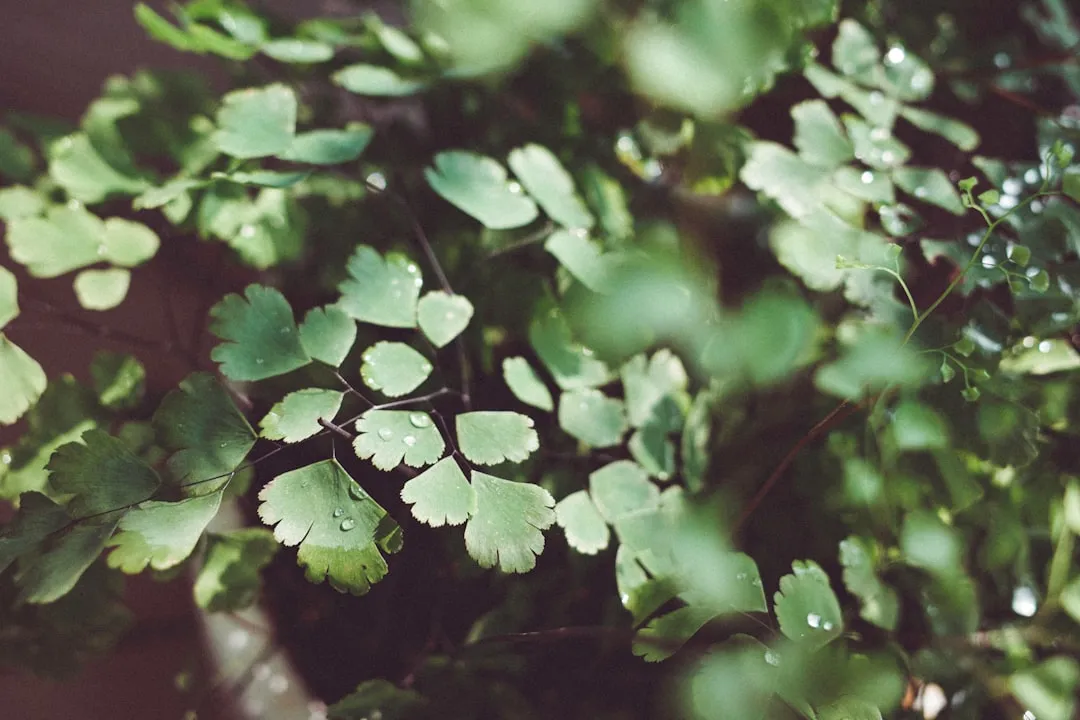
Also known as tongue fern, the Heart Leaf Fern is a smaller plant that grows close to the ground and doesn’t have long fronds. Unique and beautiful, this fern has heart-shaped leaves and grows slowly. Slow-growing plants are a natural filter. The people who stick with them tend to have a genuine relationship with delayed gratification.
This fern grows in humid places in the wild, so it loves to stay moist with misting and also consistently moist soil. It does well in a terrarium where the air stays quite humid and the temperatures are warm in the day and cooler at night. Its keepers are often the same people who let bread rise properly, or who read every instruction before assembling something.
Patience here isn’t passive. It’s a deliberate choice to trust a process rather than force an outcome. People who genuinely enjoy growing a Heart Leaf Fern tend to be precise, observant, and quietly proud of things that took time to develop.
Ferns in General and the Science of Plant Care Personality
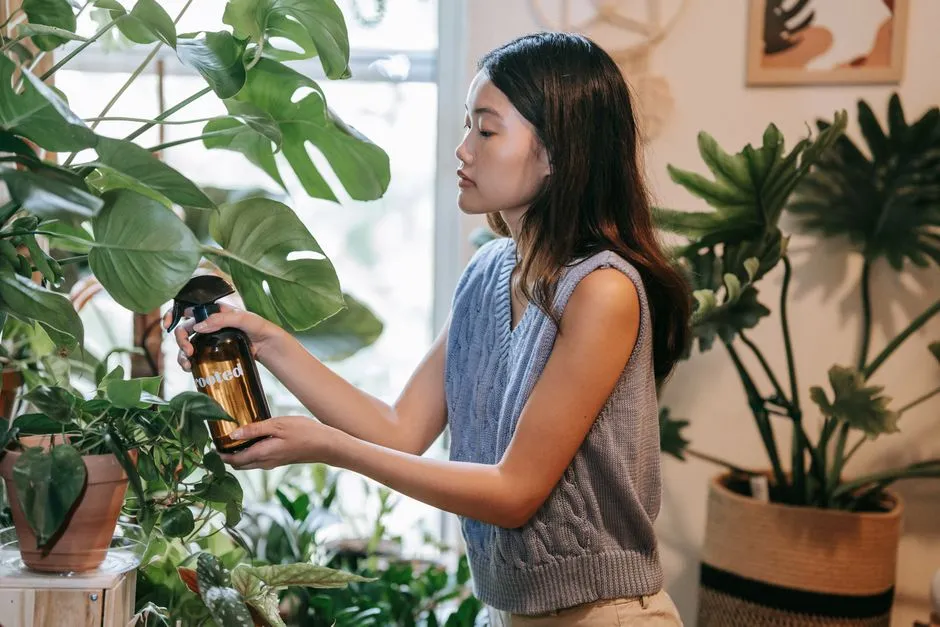
The responsibility of keeping a plant alive introduces a gentle, low-stakes routine into daily life. This structured interaction requires mindfulness and attention to the needs of another living thing, shifting focus away from personal anxieties and onto the simple requirements of water, light, and care.
Research revealed that participants who classified themselves as houseplant carers reported higher levels of mental well-being compared with non-houseplant carers. Specifically, hours spent on taking care of houseplants, the number of houseplants, and the years of keeping houseplants were positively associated with greater levels of mental well-being and the trait of mindfulness.
The positive feedback loop of seeing a plant thrive under your care can build self-esteem and a sense of accomplishment. It is a quiet, consistent practice that teaches patience and attentiveness. Ferns, with their particular demands, make that feedback loop more pronounced than most other houseplants.
What Humidity Tolerance Tells Us About a Keeper’s Habits
Proper humidity can be one of the most difficult conditions to provide since most people in temperate climates have central heat, which is very drying. Home moisture levels can be desertlike, as low as 5 to 10 percent relative humidity, well below the 40 to 50 percent levels recommended for ferns. Successfully navigating this gap takes genuine commitment.
Boston and Bird’s Nest ferns offer the best balance of growth rate and manageable humidity requirements. Button Fern stands out for needing only moderate humidity, making it ideal for drier homes. Maidenhair Fern demands high humidity, explaining its reputation as more challenging despite similar watering needs. The humidity challenge is where personality differences between fern keepers become most visible.
On one end of the scale, some people take a very active approach to plant care and need a plant that needs them back. With a love for watering, they’re a Maidenhair fern’s dream come true. The pickier the plant, the happier they are to provide whatever narrow window of soil moisture, humidity, light, temperature, or fertilizer it prefers. They rightfully take pride in the results of their efforts.
AI Disclaimer: This article was created with the assistance of AI tools and reviewed by a human editor.