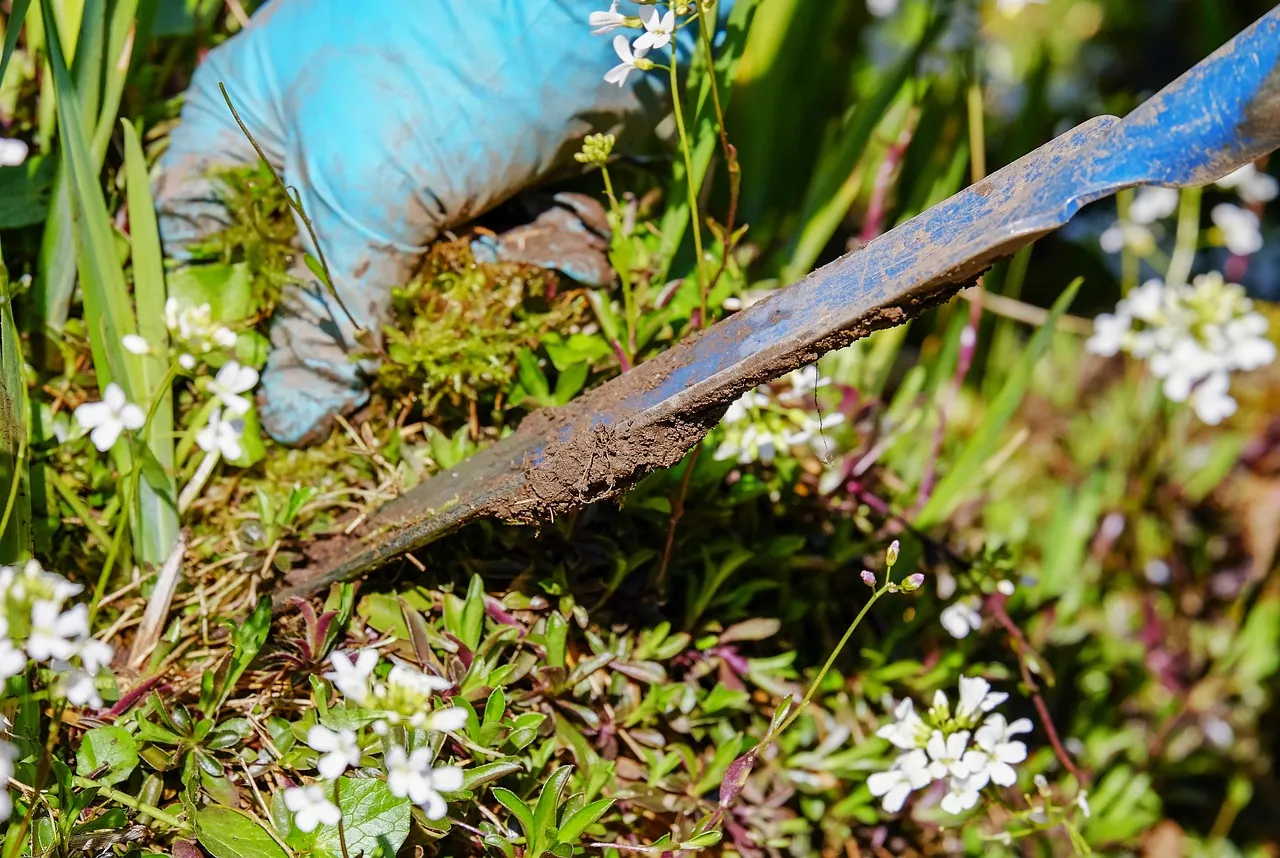

Pulling weeds is, for most gardeners, the task that eats the most time and drains the most patience. It’s relentless. You clear a bed, turn your back for two weeks, and it looks like you never touched it. There’s a reason weed control ranks as the number one barrier to organic production, and can account for as much as half of all production costs. Those numbers apply at the farm level, but they translate very clearly to the backyard.
The good news is that one of the most effective weed-suppression tools available is also completely free. Arborist wood chips, the coarse byproduct of professional tree work, are sitting in trucks all over your area right now. Knowing how to get them, how to apply them, and what to realistically expect can genuinely change how much time you spend on your knees next season.
Why Wood Chips Work So Well Against Weeds
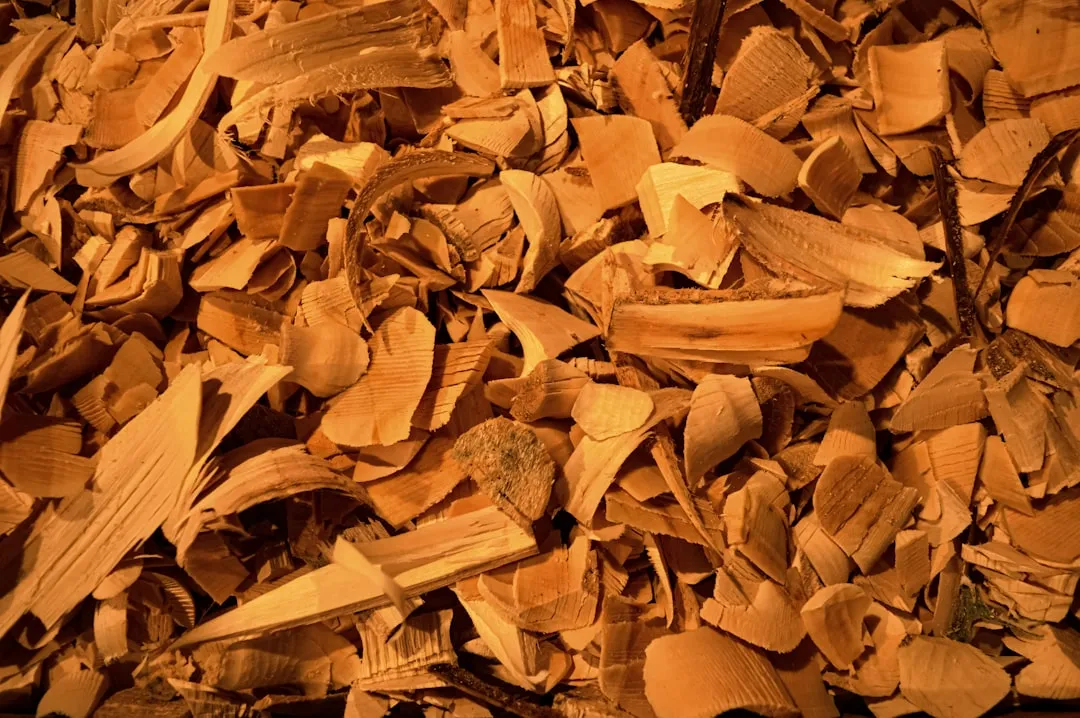
Research has shown that the main factors contributing to weed suppression include light exclusion, decreasing available air and water for germinating weed seeds, leaching of allelochemicals, and creating a physical barrier. These mechanisms work together rather than in isolation, which is part of why wood chips perform so consistently across different gardens and climates.
Arborist wood chips provide substantial weed control in ornamental landscapes. The mechanism by which wood chips prevent weed growth likely includes light reduction, allelopathy inhibiting seed germination, and reduced nitrogen levels at the soil-mulch interface reducing seedling survival.
Put simply, weed seeds sitting on bare soil have everything they need: light, warmth, and moisture. A thick layer of chips removes most of those advantages in one go.
Where to Get Free Wood Chips Near You
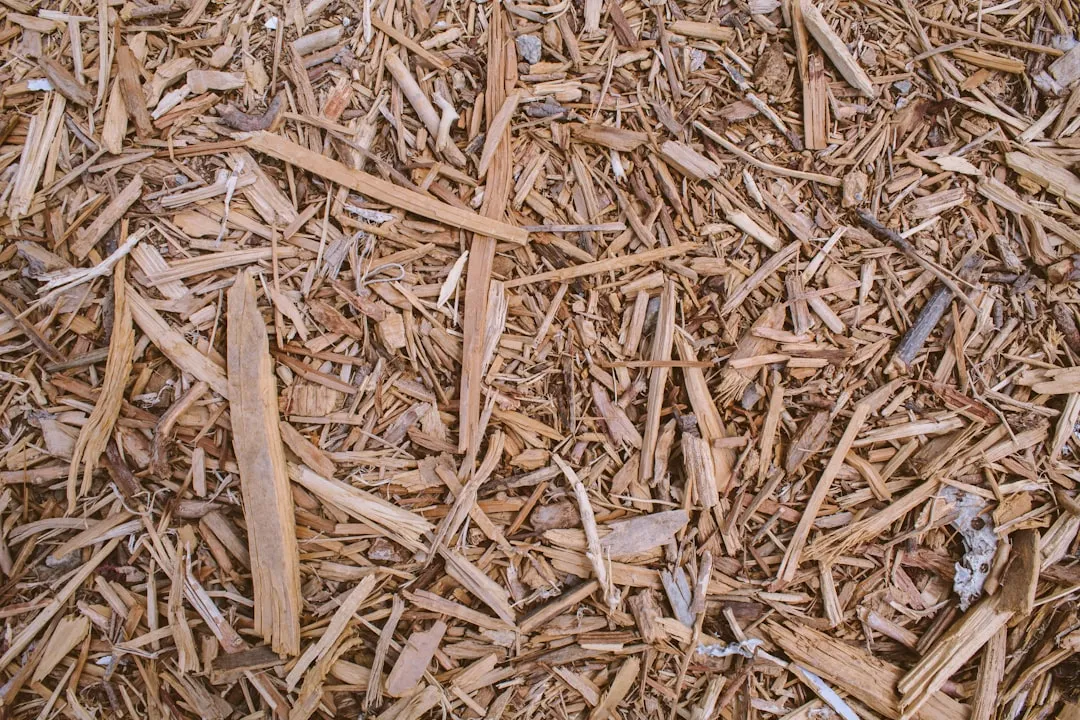
Studies have found wood chips to be one of the best performers in terms of moisture retention, temperature moderation, weed control, and sustainability. In many urban areas, arborist wood chips are available free of charge. This is the part that surprises a lot of people. You don’t need to pay for this material.
ChipDrop finds local tree companies working in your area and notifies them that you would like some wood chips or logs. The next time their truck is full, they can pull up your information and deliver the wood chips straight to your driveway, even if you’re at work. The service is free to join and operates across the United States.
Wood chips can be obtained for free from various sources. Tree removal companies, municipal organizations, and arborists are often the best places to start your search. Your local utility company is also worth a call, as many run ongoing chip programs tied to their tree-trimming schedules.
What an Arborist Chip Delivery Actually Looks Like
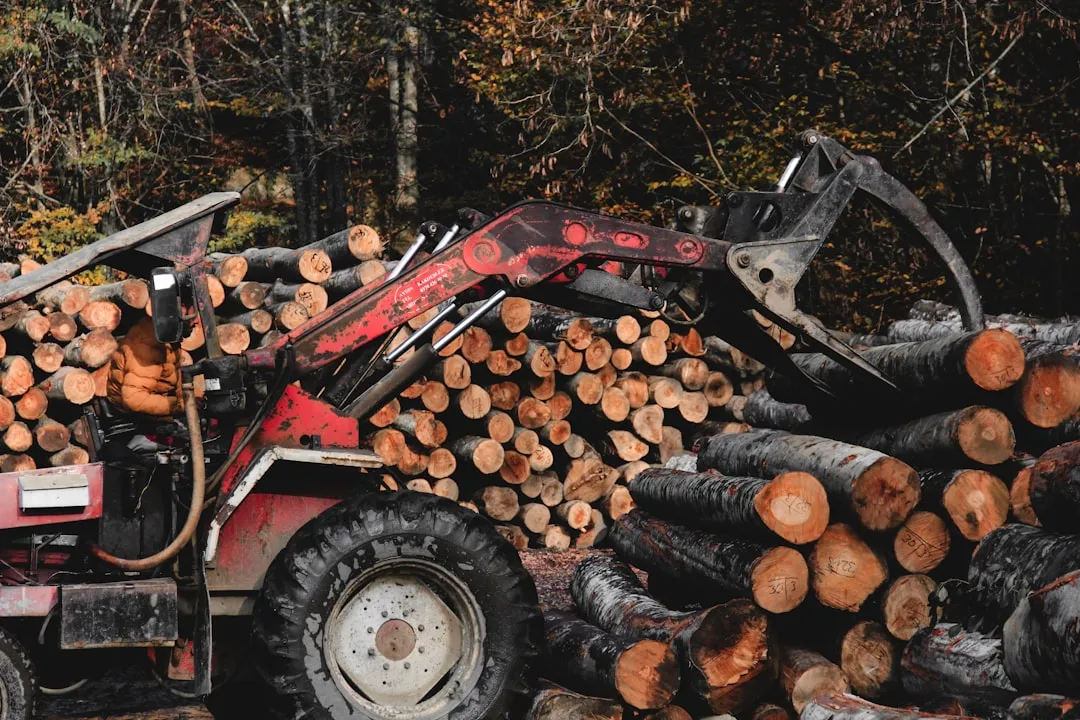
A standard arborist truck holds between ten and twenty cubic yards of chips. To visualize this, a single load will cover a one-thousand-square-foot garden roughly three to six inches deep. That’s a lot of ground covered in a single delivery, which is why planning ahead matters.
Arborist wood chips are freshly chipped branches, leaves, and small limbs from tree care work. Unlike bagged mulch, arborist chips contain bark, leaves, and green matter, a nutrient-rich blend that supports soil biology, moisture retention, fungal development, and long-term plant health.
There will be a lot of moisture in the pile when it arrives, and it will be warm and steaming. The temperature in the pile can get surprisingly warm, up to 140 degrees Fahrenheit. That heat indicates active decomposition already underway, which is a good sign for the biological activity you want in your garden.
The Right Depth Is Everything
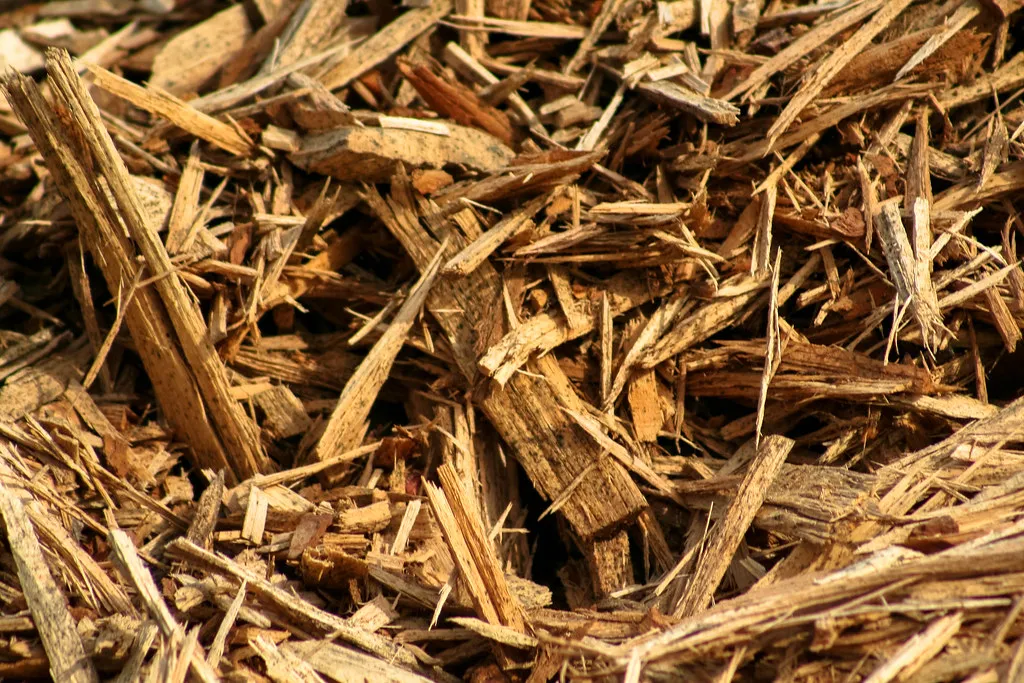
A successful wood chip mulch must be deep enough to suppress weeds and promote healthy soils and plants: research has demonstrated that weed control is directly linked to mulch depth. A review of the research on coarse organic mulches and weed control reveals that shallow mulch layers will enhance, rather than prevent, weed growth. This is the most common mistake gardeners make.
Wood chips maintained at a depth of four to six inches will control weeds without detracting from appearances. Research has also demonstrated that wood chip mulch as deep as eight inches can be especially beneficial for weed control and plant establishment in native plant restoration. For areas you rarely visit or maintain, going deeper is the smarter choice.
A mix of bark or wood chip sizes that are roughly half an inch to two inches will suppress weeds and not break down too quickly. A four-inch depth is usually what is needed for weed suppression when sites can be checked regularly, but six to eight inches can be applied on sites that are not maintained regularly.
Prepare the Ground Before You Lay the Chips
Mulch is most effective in suppressing weeds when weeds are not yet present on site. Therefore, bare soil should be mulched as soon as practical, especially in the spring and fall when weed seed germination is at its peak. Timing the application correctly makes a significant difference in how well the chips perform.
Mowing undesirable plants before mulching keeps soils undisturbed and reduces regrowth. Remove particularly aggressive weeds from the site. Weeds that easily go to seed or can reroot themselves after being dislodged should be composted or disposed of with green waste materials.
Perennial weeds with deep root systems deserve special attention. Chip mulch alone won’t kill an established bindweed or creeping thistle. Clear those first, then apply your chips over clean or near-clean ground.
How Wood Chips Affect Soil Biology and Moisture
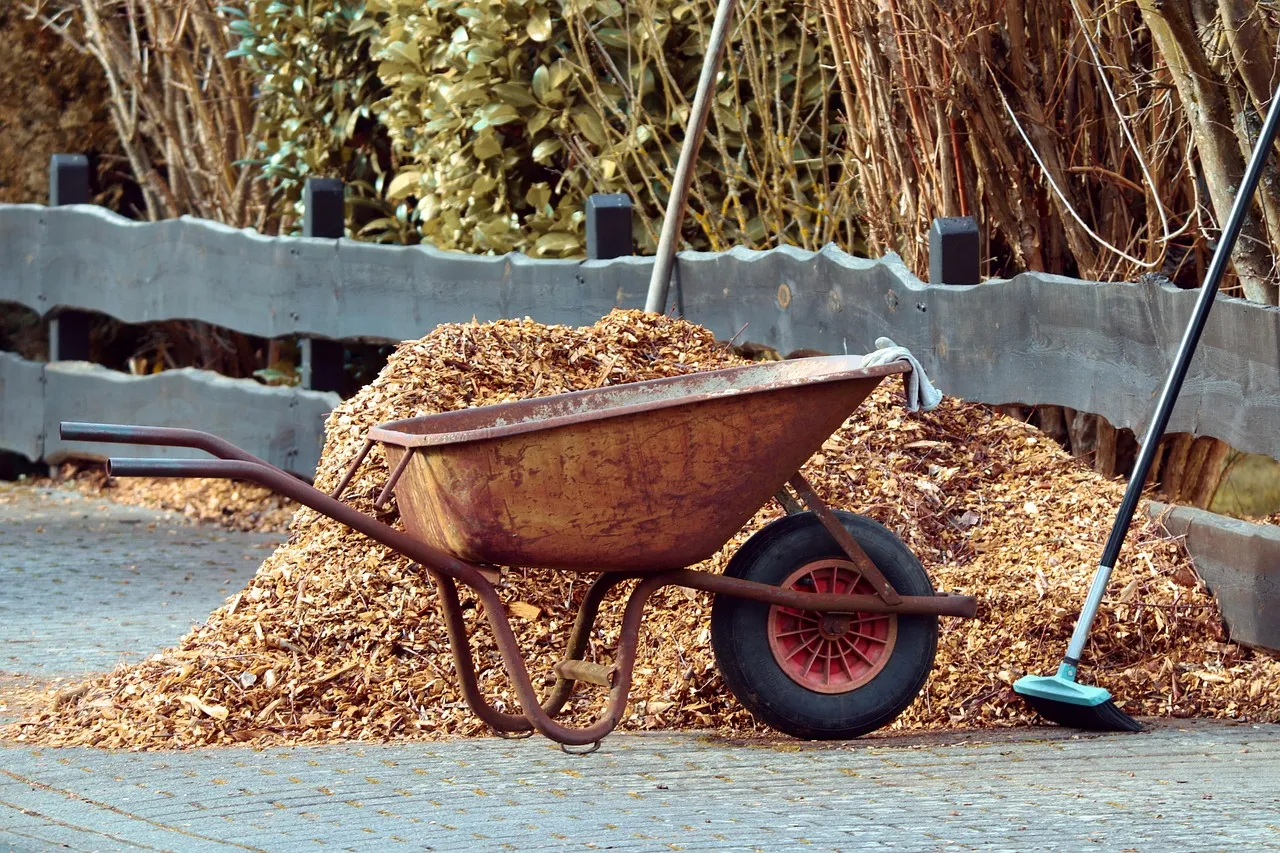
Research demonstrated that covering soil with wood chip mulch effectively controlled weeds. As an added benefit, the mulch also reduced moisture evaporation and contributed to steady soil hydration, which ultimately improved yields. These results came from a field trial using locally sourced hardwood chips on a market vegetable farm in Virginia.
In perennial and shrub beds, wood chips can reduce the need for irrigation by as much as fifty percent. That’s a meaningful benefit in dry summers, and it directly reduces both time spent watering and the cost of doing so.
Beneficial fungi form a symbiotic relationship with plant roots, effectively increasing the root surface area by hundreds of times. In exchange for sugars from the plant, the fungi forage for phosphorus and water in the soil. Arborist chips, particularly those with a high wood-to-bark ratio, provide the complex carbon chains these fungi need to build their networks.
The Nitrogen Question: Fact vs. Fear
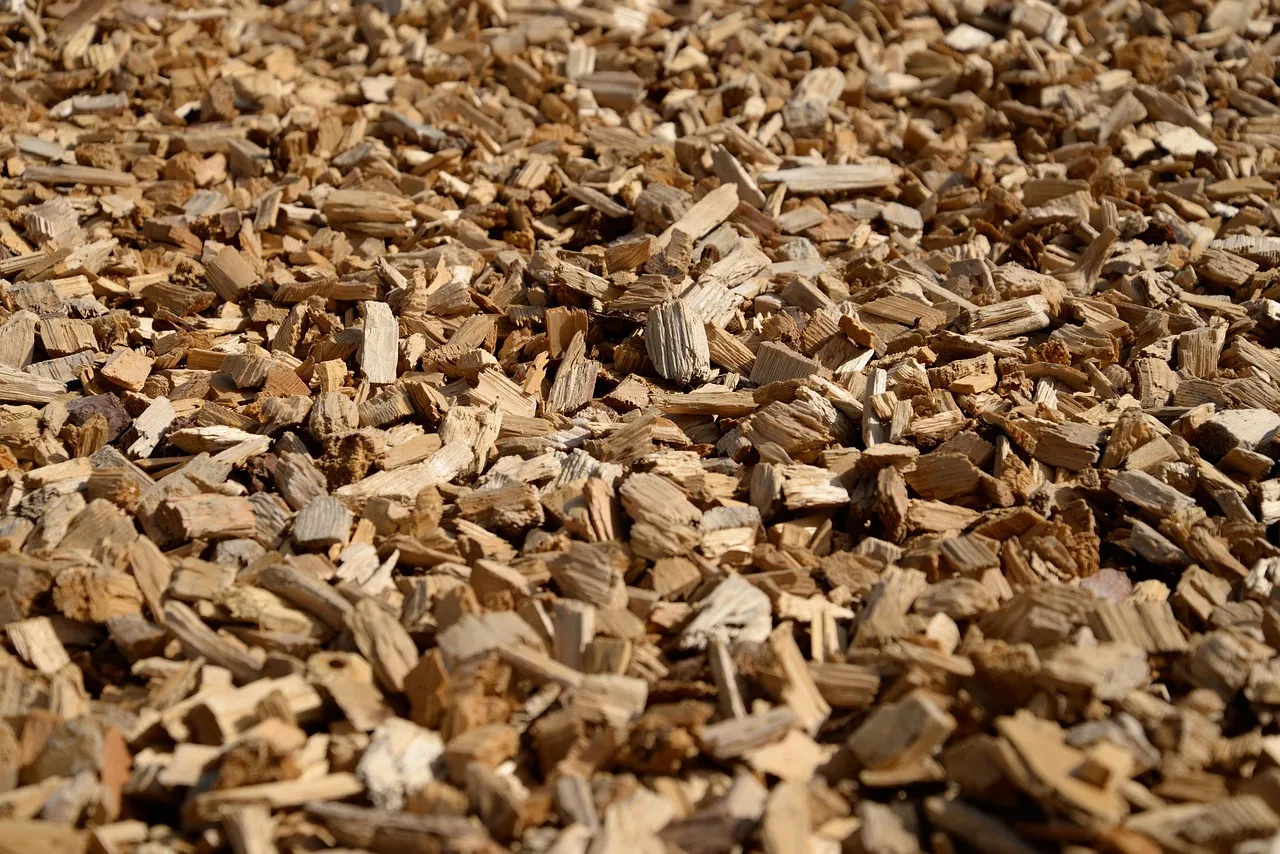
One concern that puts a lot of gardeners off using wood chips is the worry about nitrogen depletion. The reality is more nuanced than the fear suggests. When placed on the soil surface as mulch, wood chips and bark mulch do not tie up soil nitrogen. However, incorporating wood chips or bark mulch into a soil can create a nitrogen deficiency.
Many studies have demonstrated that over time woody mulch materials will increase nutrient levels in soils and associated plant foliage. There is, however, a nitrogen deficiency at the boundary between the mulch and soil, which probably inhibits weed seed germination. In other words, the very thing gardeners worry about is actually doing some of the weed-suppression work.
It is fine to use woodchip as a mulch around living plants, although experts advise against using it in annual beds where the plants have very shallow and limited root systems. Stick to trees, shrubs, perennial beds, and paths and you’ll have no issues.
Where Not to Apply Wood Chips

Keep mulch away from trunks of trees and shrubs. Piling mulch against the trunks of shrubs and trees creates a dark, moist, low-oxygen environment to which above-ground tissues are not adapted. This is often called “mulch volcanoing” and it weakens or can eventually kill otherwise healthy plants.
Wood mulches are generally not recommended for annual flower or vegetable gardens where nitrogen tie-up may be a concern, and placement and removal in a seasonal garden may prove difficult. Reserve the deep chip applications for permanent beds and use other mulches in vegetable patches or annual borders where you’ll be digging regularly.
Paths between beds, however, are an ideal use. A thick layer of chips on a garden path keeps weeds down, handles foot traffic well, and drains better than bare soil after rain. It’s one of the highest-return applications you can make.
Top-Dressing and Long-Term Maintenance

Wood chips around perennial flowers should be applied to a depth of four to six inches to provide maximum weed control around the plants. Mulch should be placed on soil surfaces that are free of weeds at the time of placement, not used to suffocate an already weedy garden. Setting those expectations early saves frustration.
The cost-saving benefit of wood chip mulch includes its longevity. Although it eventually breaks down into healthy soil, it will keep its mulching power for several seasons. You won’t need to reapply every spring the way you would with thinner organic materials like straw.
Wood mulches should be top-dressed as needed to maintain an appropriate depth. High traffic areas, such as paths through a perennial garden, may require additions of new mulch more frequently. An annual check-in at the start of spring, followed by a small top-up where needed, is usually all it takes.
The Real Savings: Time, Money, and Effort
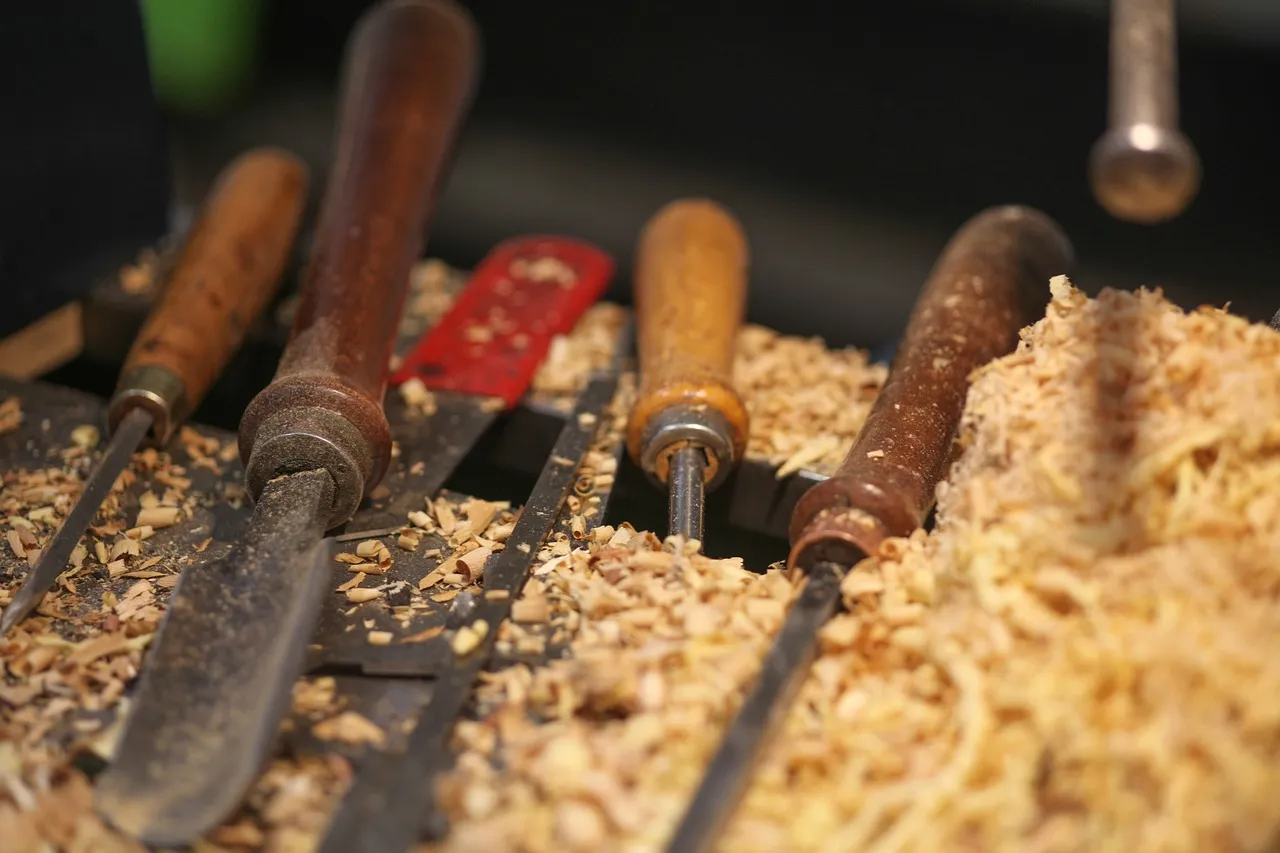
While imported wood mulches are available for purchase at nurseries and home improvement centers, they are not as cost-effective as locally produced wood chips, which are often free. In a society where using locally produced materials is increasingly popular as a measure of sustainability, arborist wood chips are a natural choice. The reuse of plant materials as mulches keeps them out of the landfill, a benefit with both economic and environmental attributes.
Professional weed removal services typically charge between thirty-five and one hundred and forty dollars per hour. Even one or two fewer hours of weeding per week across a growing season adds up quickly. A single free chip delivery, applied correctly, can eliminate most of that labor entirely in established beds.
Woodchip mulches extensively suppressed weed density in research trials, and current results suggest that woodchips could be a possible alternative to plastics, facilitating climate change mitigation with agroforestry practices. The case for wood chips isn’t just practical. It points in a direction worth going.
Getting Started This Season
The process is straightforward. Sign up with a service like ChipDrop, contact a local arborist or utility company, or simply flag down a tree crew working near your street. Deliveries usually occur when local arborists are in the area, with a timeframe of one to five weeks. A small optional tip can move your request up the queue faster.
Once the chips arrive, clear or mow any existing weeds, lay the chips to a minimum depth of four inches, and keep them pulled back from plant stems. That’s it. Research demonstrated that covering soil with wood chip mulch effectively controlled weeds, and the results tend to be visible within a single season.
The best part is the compounding effect. Each year the bottom layer of chips decomposes into rich organic matter, earthworms move in, soil structure improves, and the whole system becomes more self-sustaining. What starts as a weed-control strategy gradually becomes something better: a genuinely healthy garden that asks less of you over time.
AI Disclaimer: This article was created with the assistance of AI tools and reviewed by a human editor.