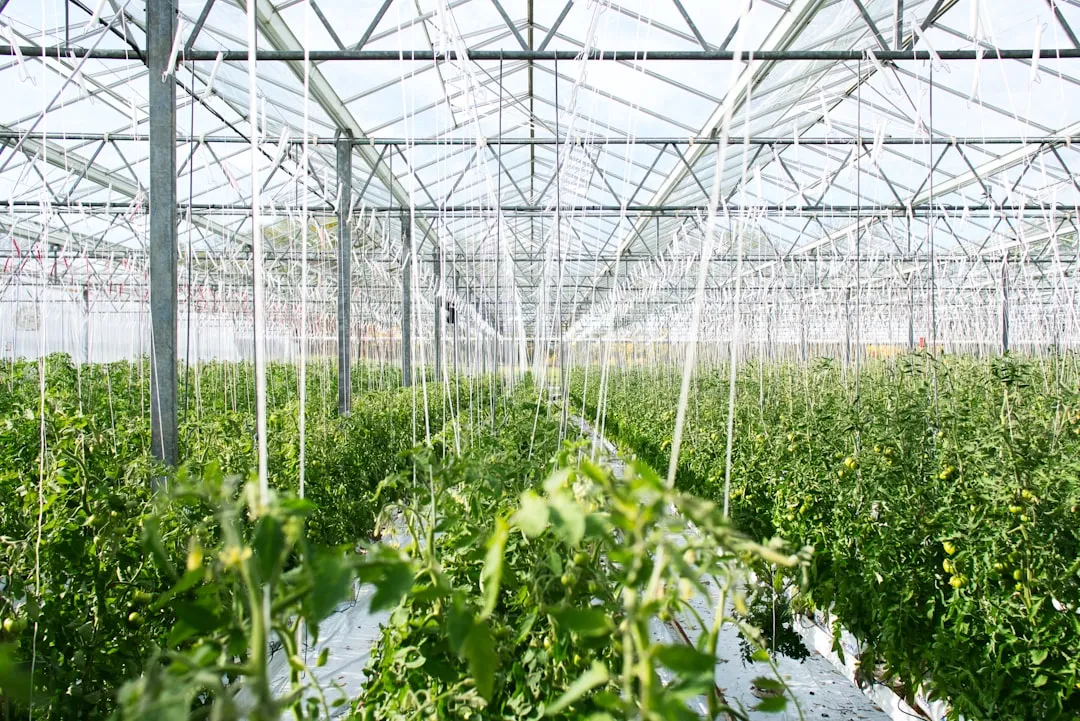

Most gardeners think about space in only two dimensions. They plan rows, measure square footage, and wonder why they can never fit enough in. What they’re overlooking is the third dimension right above their heads, and that’s precisely where vertical trellising changes everything.
The shift from sprawling ground plants to structured vertical growth isn’t just an aesthetic choice. It’s a productive one, backed by documented research and backed up in real gardens across every climate zone. Once you understand how and why it works, it’s hard to go back to doing it any other way.
The Science Behind the Yield Gains

Research has shown a marketable yield increase of roughly double in fresh market cucumbers over a three-year study period when plants were grown on trellises instead of the ground. That’s not a marginal improvement; it’s a fundamental transformation in output from the same soil. Researchers have pointed to several reasons for this, including less damage to vines, greater photosynthetic efficiency, improved pest control, and more efficient harvesting.
A 2024 study published in Frontiers in Horticulture showed a clear advantage in yield by growing sweet acorn squash vertically on trellises rather than sprawling on the ground, with yields averaging roughly 56% higher for trellised plants. That kind of data, from peer-reviewed research, puts the conversation well beyond anecdotal gardening advice.
How Trellising Unlocks More Growing Space
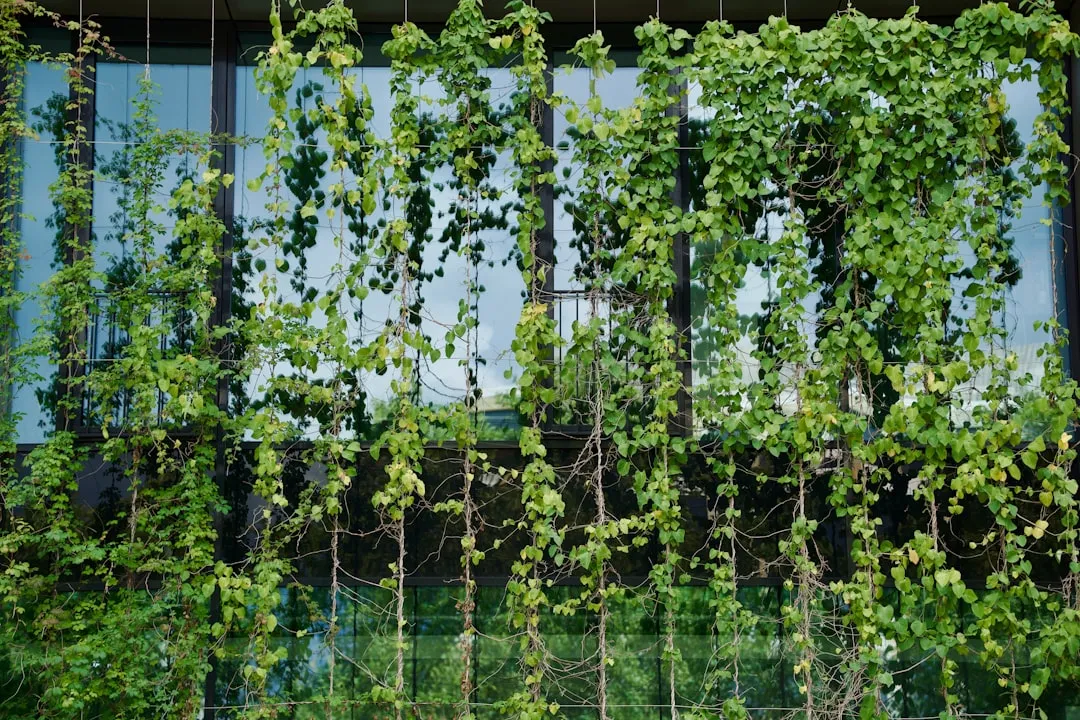
Vertical gardening is one of the most effective ways to grow more food in the same amount of space. Instead of letting plants sprawl across the soil, trellises allow them to grow upward, where airflow is better, pests are easier to spot, and harvesting is simpler. Think of it as reorganizing your garden from a single-story layout into a multi-story structure.
A squash plant growing on the ground can take up roughly 20 square feet of footprint, but by training it up and over an arched trellis, that footprint shrinks to just a few square feet, allowing it to share a raised bed with many other plants because most of the growth goes up and over a walkway. That kind of reclaimed space adds up quickly across a full growing season.
Pole Beans vs. Bush Beans: A Clear Illustration
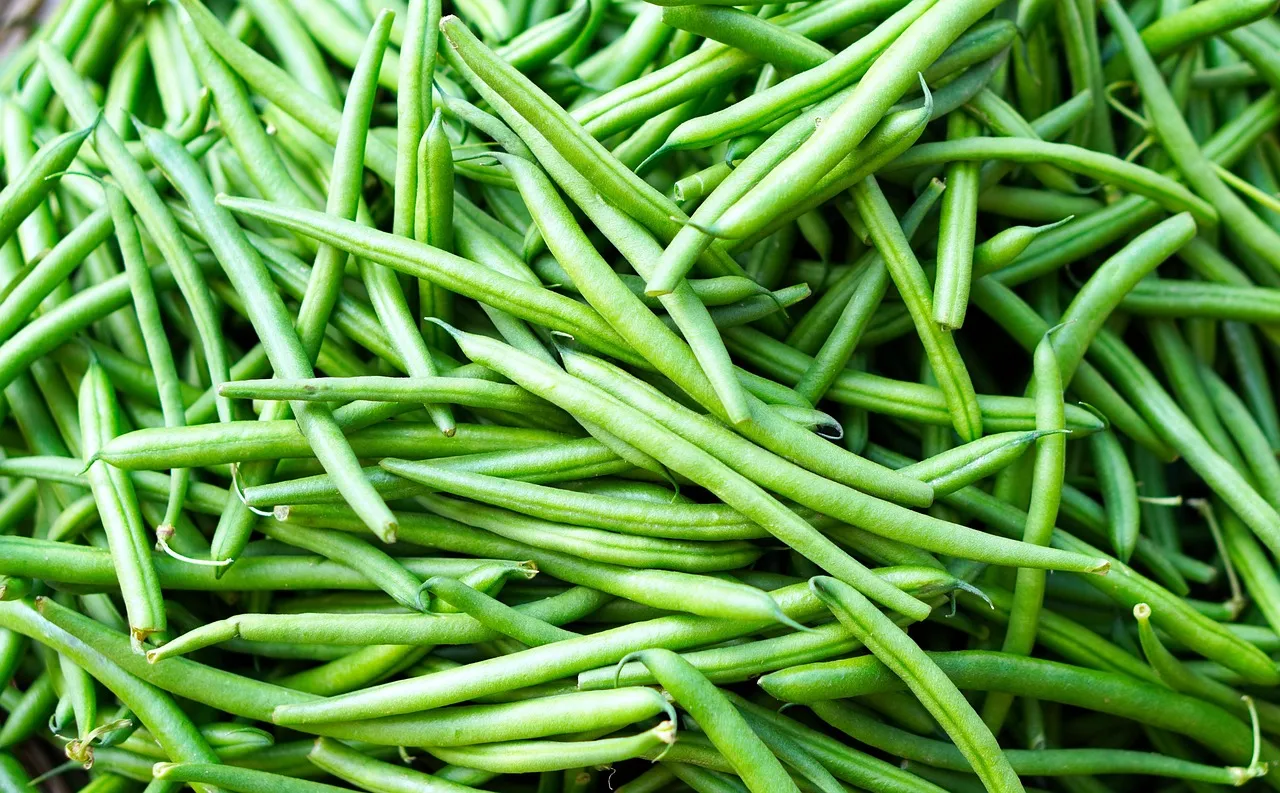
You can expect a larger harvest when you grow vining types of vegetables up a trellis. According to Cornell University, pole beans yield two to three times the harvest of bush beans when grown in the same amount of space. For a home gardener working with limited beds, that difference is enormous. It means getting the equivalent of a much larger garden from the footprint you already have.
Pole beans are also continuously productive. Unlike bush beans, which tend to crop heavily once and then taper off, pole beans keep climbing and keep producing throughout the season. Giving them a trellis is the most practical thing you can do to take full advantage of that habit.
Better Sunlight Exposure Drives Better Harvests

Growing cucurbit plants vertically increases yield and improves fruit quality by increasing the exposure of plant foliage to sunlight, thereby increasing photosynthesis, with increased ventilation and reduced exposure of the fruits to soil-borne pathogens and damage-causing ground-dwelling arthropods. Plants are, at their core, solar-powered. The more leaf surface exposed to direct light, the more energy they can produce and funnel into fruit development.
Vertical growth exposes plants to more sunlight, which is crucial for healthy growth and optimal yield. Sunlight reaches more parts of the plant, promoting vigorous growth and enhancing photosynthesis. Positioning trellises where they receive at least six to eight hours of direct sunlight daily, especially during morning hours, gives plants the consistent light they need.
Air Circulation and Disease Prevention

Trellising fruits and vegetables improves air circulation around the plants, which decreases fungal infections, and keeping foliage off the ground reduces soil-borne diseases that often spread rapidly throughout gardens. Dense, ground-hugging plant canopies trap moisture and create exactly the conditions that fungal diseases love. Getting the foliage up into moving air solves that problem without chemicals.
Air circulation is better when plants are grown vertically, keeping leaves drier and helping prevent fungal diseases. Trellising vegetables like indeterminate tomatoes, cucumbers, and vining squash can reduce insect damage and the spread of diseases. For gardeners who’ve struggled with powdery mildew or blight in previous seasons, introducing a trellis is often one of the most effective first steps.
Cucumbers: One of the Biggest Beneficiaries
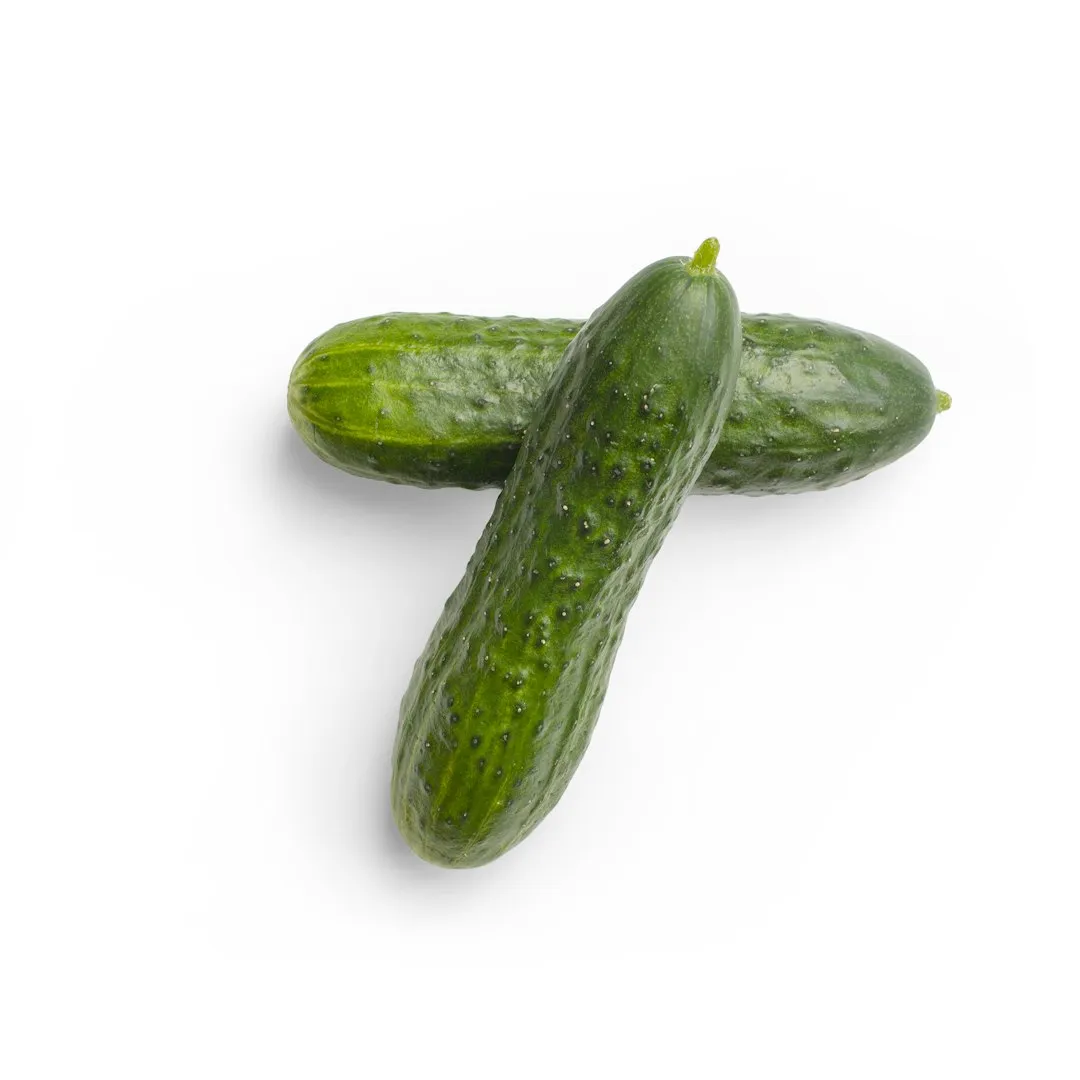
Research evaluating the effect of trellising on cucumber growth under dry-season conditions found that trellised cucumber plants consistently showed improved vegetative growth, including taller vines, larger leaves, and greater leaf numbers compared to untrellised plants. Trellising also increased fruit number, size, and marketable yield while reducing non-marketable fruits.
In a comparison of two trellising systems in high tunnel cucumber production, the Hortonova trellising system produced 19% more marketable fruit and 14% more total yield than the drop-line system, suggesting that even the specific method of trellising matters for optimizing productivity. Cucumbers love to climb, and growing them vertically saves space and keeps the fruit clean and straight. Straight, clean cucumbers also tend to grade higher at market, making trellising a quality improvement as much as a yield one.
Squash and Melons: Bigger Plants, Smaller Footprint
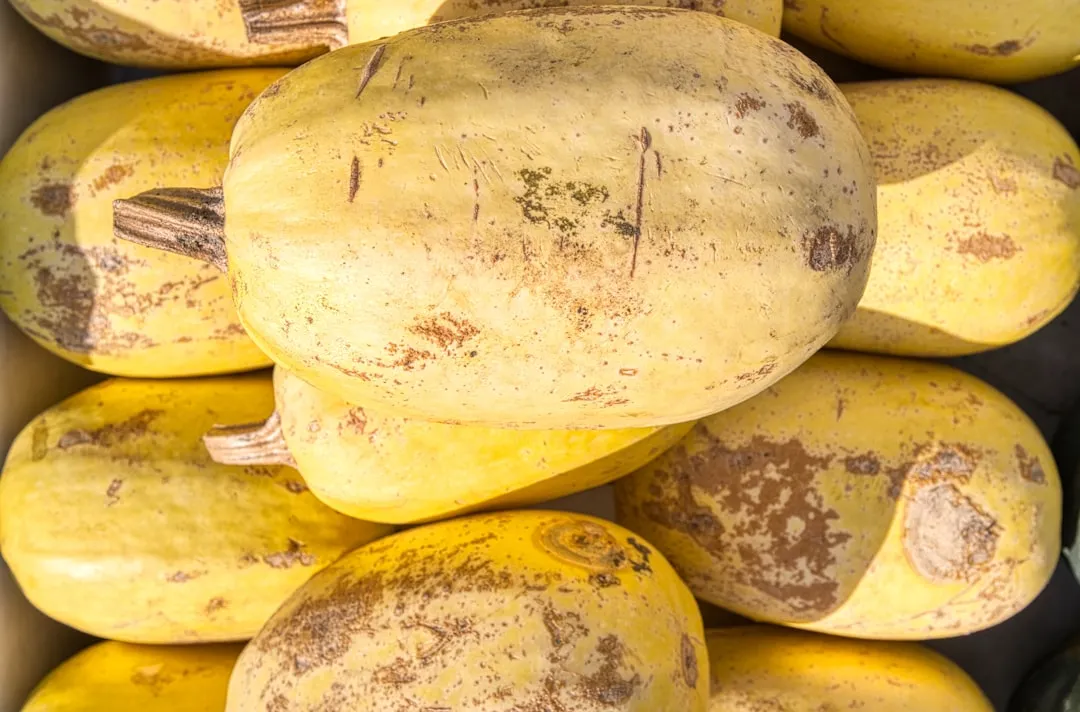
A 2024 study published in Frontiers in Horticulture confirmed that trellising is advantageous over ground culture for the protected production and storage of sweet acorn squash. Squash is notoriously space-hungry in a traditional garden layout, which is exactly why trellising it makes such a practical difference.
Small melons such as cantaloupe or sugar baby watermelons are well-suited to trellising, with their vines climbing mesh, panels, or fencing easily. Using stretchy fabric slings to support growing fruits prevents them from falling off, while growing melons vertically enhances sunlight exposure and air circulation, facilitating even ripening and reducing disease. A few thoughtful slings made from old pantyhose or fabric scraps is all it usually takes to keep the fruit secure while it develops.
Tomatoes and the Case for Vertical Support
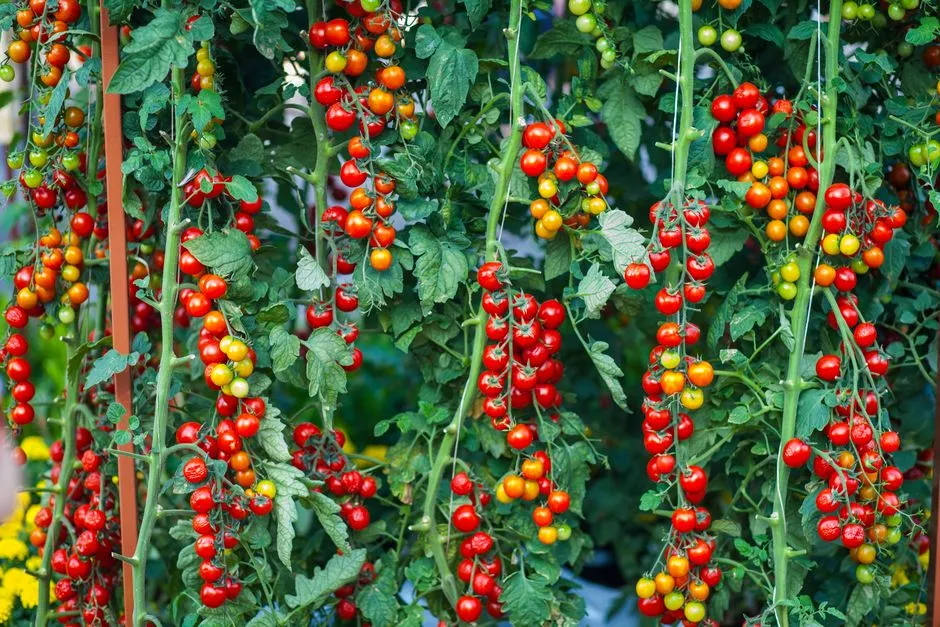
Tomatoes are a classic choice for vertical gardening. They thrive when supported by trellises or cages, and indeterminate varieties can grow quite tall, yielding fruits all season long when properly supported. The key word here is indeterminate. Determinate tomatoes ripen in a concentrated window and stop growing, so they need less infrastructure. Indeterminate types, left unsupported, sprawl into unmanageable tangles.
Tomato plants can be trellised in an espalier fashion to improve air circulation and allow the sun to hit the fruits. Since tomatoes are prone to a number of diseases, any help in preventing them is greatly appreciated. Growing one type of plant such as tomatoes also benefits from a three-year crop rotation in the same trellised location to maximize yield and minimize disease.
The Practical Side: Harvesting and Garden Management
A vertical gardening system allows you to grow a variety of vegetables in one space, keeping them within easy eyesight. You might have peas ripening on one side of a trellis and zucchini climbing the other, or tomatoes in the middle and herbs like basil or mint tucked underneath. This organized layout keeps harvests neat, efficient, and easily within reach.
It’s far easier to spot pea pods, snap beans, and cucumber fruits when the plants are growing vertically. When growing edible gourds, squash, and cucumbers on a trellis, the fruits grow straight and are not spattered with dirt. Cleaner produce, less time searching, and no bending over on your hands and knees; the ergonomic case for vertical growing is genuinely underrated.
Choosing the Right Trellis for the Right Crop
Various trellising, staking, and caging techniques can be used with vine-type fruits and vegetables to enhance yield, minimize disease, and ease harvesting. The right structure depends entirely on what you’re growing. Wall-mounted trellises are ideal for climbing vegetables like beans, cucumbers, and peas. Heavier crops like squash and melons need something sturdier, like a cattle panel arch or a robust A-frame.
Vertical string trellises offer customizable support that ensures optimal air circulation for climbing vegetables, extending garden twine from plant bases to a wooden frame above, creating organized vertical pathways for growth and preventing plants from tangling while maintaining open spaces for air movement. Compared to other gardening methods, trellising is also incredibly cost-effective, minimizing the need for pesticides by improving air circulation and reducing the likelihood of disease. Most materials are available at any hardware store, and many effective trellis systems can be built for very little investment.
Getting Started: What You Need to Know Before You Build
Yield isn’t guaranteed by height alone. What matters is whether the structure aligns with the plant’s physiology, local climate, pest pressure, and your management capacity. Trellising works best when it’s matched to the plant. Forcing a bush variety up a trellis won’t give you more production; choosing a vining variety and supporting it well will.
Vining vegetables are great for vertical growing systems, with examples including squash, peas, beans, cucumbers, loofahs, gourds, and melons. Indeterminate tomatoes can work well too. Vertical gardens often dry out faster than ground gardens, so using regular watering, drip irrigation, or micro-irrigation systems ensures plants get enough moisture, and mulching pots can also help retain water. Start with one or two crops, build a trellis you trust, and observe what happens. The results tend to speak for themselves by midsummer.
The simple act of redirecting growth upward rather than outward touches almost every factor that determines harvest size: light interception, airflow, disease pressure, fruit quality, and usable space. That’s a rare convergence of benefits from one fairly modest change to how a garden is set up. If there’s a fence, a wall, or even open air above your beds, you already have the starting point for something considerably more productive.
AI Disclaimer: This article was created with the assistance of AI tools and reviewed by a human editor.