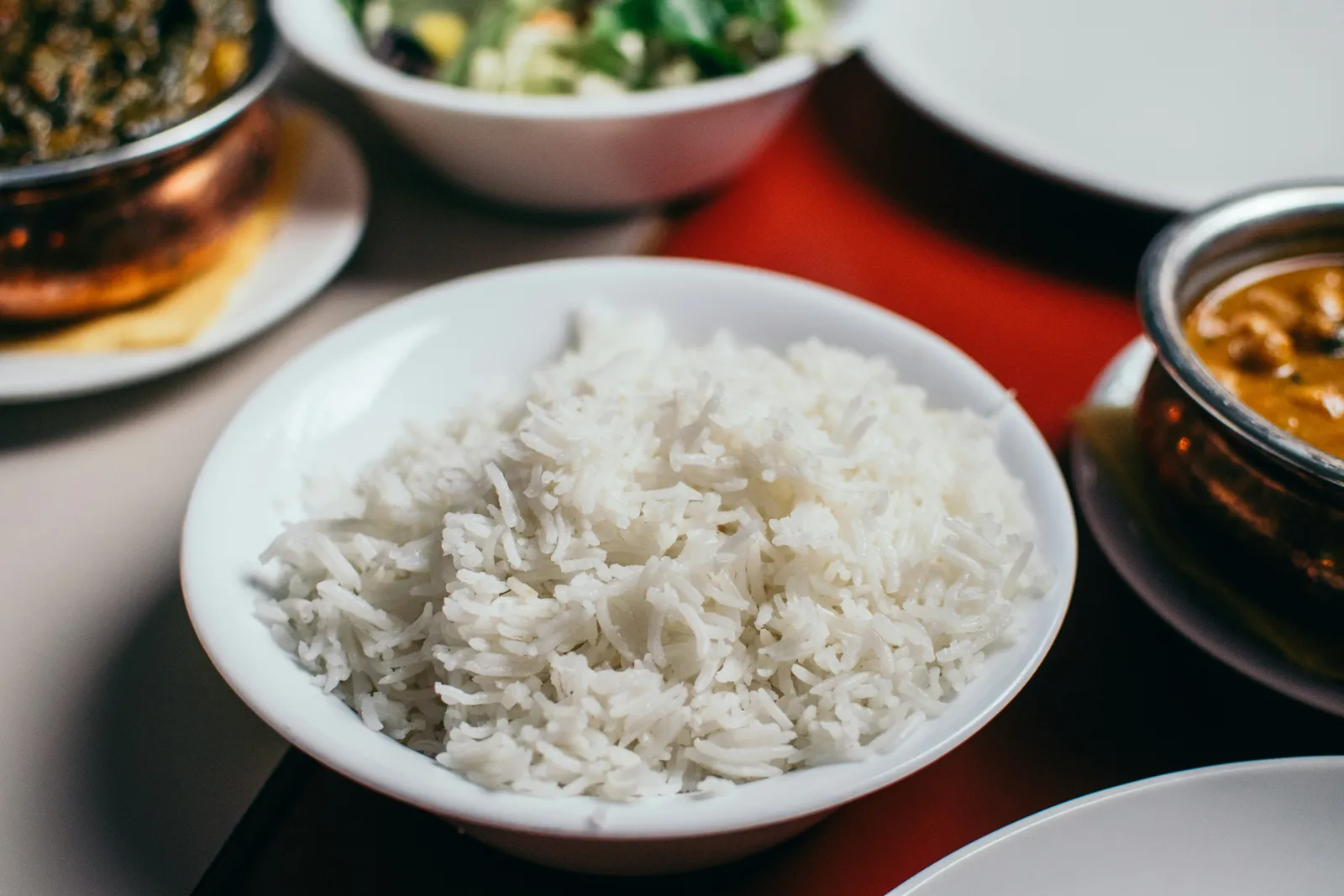

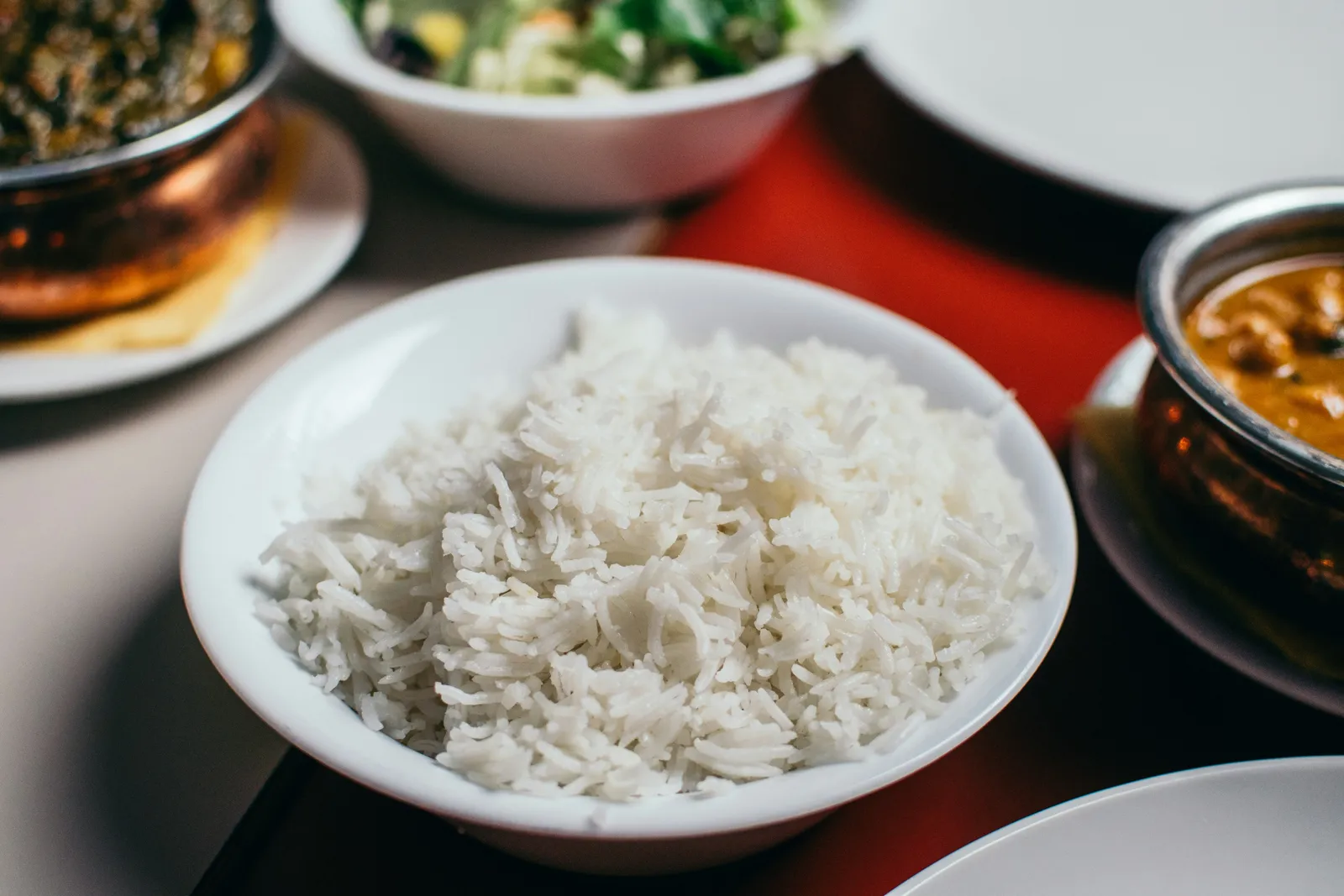
Does Rice Need to Be Refrigerated? – Image for illustrative purposes only (Image credits: Unsplash)
Many home cooks finish a pot of rice and pause, unsure whether to leave it out, keep it warm, or move it straight to the refrigerator. The decision carries more weight than it first appears. Food safety guidelines treat cooked rice with particular care because of how quickly certain bacteria can produce lasting toxins at room temperature.
Why the Timing Window Matters
Cooked rice left at room temperature enters a danger zone where Bacillus cereus spores, common in uncooked rice, can activate and release heat-stable toxins. These toxins remain even after reheating, which is why the clock starts the moment cooking finishes. The standard rule calls for refrigeration within two hours, or one hour when the kitchen exceeds 90 degrees Fahrenheit.
That narrow window exists because the risk is not just bacterial growth but the production of toxins that survive normal cooking temperatures. Most leftovers follow similar two-hour guidance, yet rice receives stricter attention in practice because of this specific hazard. Ignoring the limit does not always cause immediate illness, but it removes the safety margin that proper storage provides.
Rice Cooker Keep-Warm Limits
A rice cooker on the keep-warm setting holds rice above the danger zone, typically between 140 and 165 degrees Fahrenheit, which slows bacterial activity for a limited period. This setting works well during a meal and for an hour or two afterward. Beyond that window, quality drops as the rice dries and crusts form, and the safety margin narrows.
Leaving rice on keep-warm overnight removes any reliable protection. The temperature may fluctuate, and the extended time allows spores another chance to produce toxins. Transferring the rice to an airtight container and refrigerating it promptly after serving remains the safer choice for anything beyond a few hours.
Practical Cooling and Storage Steps
Dividing hot rice into shallow containers right after cooking allows it to cool quickly inside the refrigerator without waiting on the counter. Shallow depth ensures the center reaches safe temperatures faster than a deep pot would. Modern refrigerators handle warm food in small portions without issue when the goal is rapid cooling through the danger zone.
Once refrigerated, cooked rice stays good for three to four days when stored in airtight containers on an interior shelf. Label the date to track use. Reheat portions to 165 degrees Fahrenheit, adding a splash of water if needed to restore moisture, and avoid reheating the same batch more than once.
What matters now: Apply the two-hour refrigeration rule to every batch of cooked rice, divide into shallow containers immediately, and treat keep-warm settings as short-term only.
Additional Considerations for Mixed Dishes
Rice cooked with broth, sauce, or other liquids follows the same two-hour rule, though added moisture can sometimes speed bacterial activity. Any rice-based dish counts as perishable once cooked. Freezing offers a longer option for large batches that will not be used within a few days, with best quality lasting one to two months when portioned and sealed properly.
These steps protect both safety and texture. Proper handling turns leftover rice into a reliable ingredient for later meals rather than a source of uncertainty.