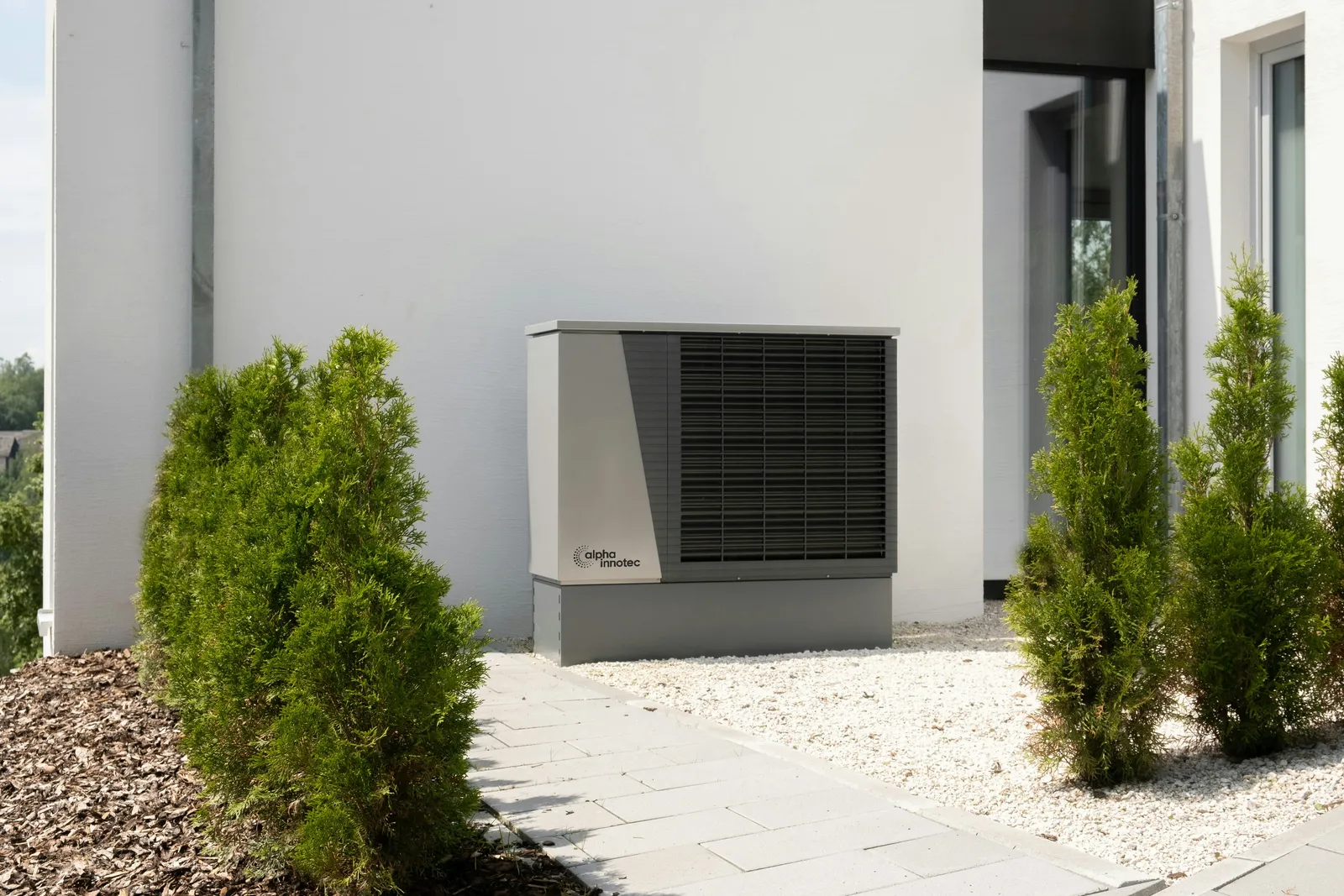

Homeowners facing rising energy prices are turning to modern heat pumps for a practical solution that handles both heating and cooling in one system. These units move heat between indoor and outdoor spaces instead of generating it from fuel or resistance, which delivers steady performance and lower monthly bills. The approach aligns well with broader efforts to improve home efficiency while maintaining comfortable living conditions year-round.
The Growing Appeal of Efficient Climate Control
Traditional furnaces and air conditioners often operate separately, each drawing significant power during peak seasons. Heat pumps combine the functions into a single process that transfers existing warmth or removes excess heat as needed. This shift reduces equipment demands and supports more consistent indoor temperatures without frequent cycling on and off.
Many homeowners notice the difference in daily comfort right away. The systems adjust output based on real-time conditions, which minimizes temperature swings and creates a more balanced environment. Variable-speed compressors in newer models further refine performance to match actual demand rather than running at full capacity constantly.
Direct Savings on Monthly Energy Bills
Because heat pumps move heat instead of burning fuel or using high-resistance elements, they require far less electricity to achieve the same results. Homeowners frequently report meaningful reductions in utility expenses after installation, with the savings accumulating over time to help recover the initial investment.
Proper setup plays a key role in realizing these gains. Factors such as home size, insulation levels, and local climate influence how effectively the system operates. Professional evaluation of ductwork, electrical needs, and unit placement helps ensure the equipment runs at peak efficiency throughout the seasons.
Steady Comfort and Healthier Indoor Air
Beyond temperature control, heat pumps contribute to better humidity management, which helps prevent excess moisture or overly dry conditions. This regulation supports improved air quality and reduces the likelihood of issues like mold growth, offering particular advantages for households with respiratory concerns.
The steady operation also means fewer drafts and more even distribution of conditioned air. Residents experience reliable comfort without the abrupt changes common in older systems, making daily living more pleasant across changing weather patterns.
Key considerations for homeowners:
- Assess insulation and home layout before selecting a system.
- Choose between air-source or ground-source options based on efficiency goals and site conditions.
- Plan for regular filter cleaning and professional servicing to maintain performance.
- Align the upgrade with any existing renewable energy features, such as solar panels.
Long-Term Value and Reliability
With routine maintenance that includes filter changes, refrigerant checks, and airflow inspections, heat pumps deliver consistent results for many years. This durability supports both financial savings and reduced environmental impact through lower carbon emissions compared with combustion-based alternatives.
As more households prioritize efficiency and sustainability, these systems fit naturally into modern home upgrades. They work effectively alongside other improvements that enhance overall living quality and support responsible energy use.
AI Disclaimer: This article was created with the assistance of AI tools and reviewed by a human editor.