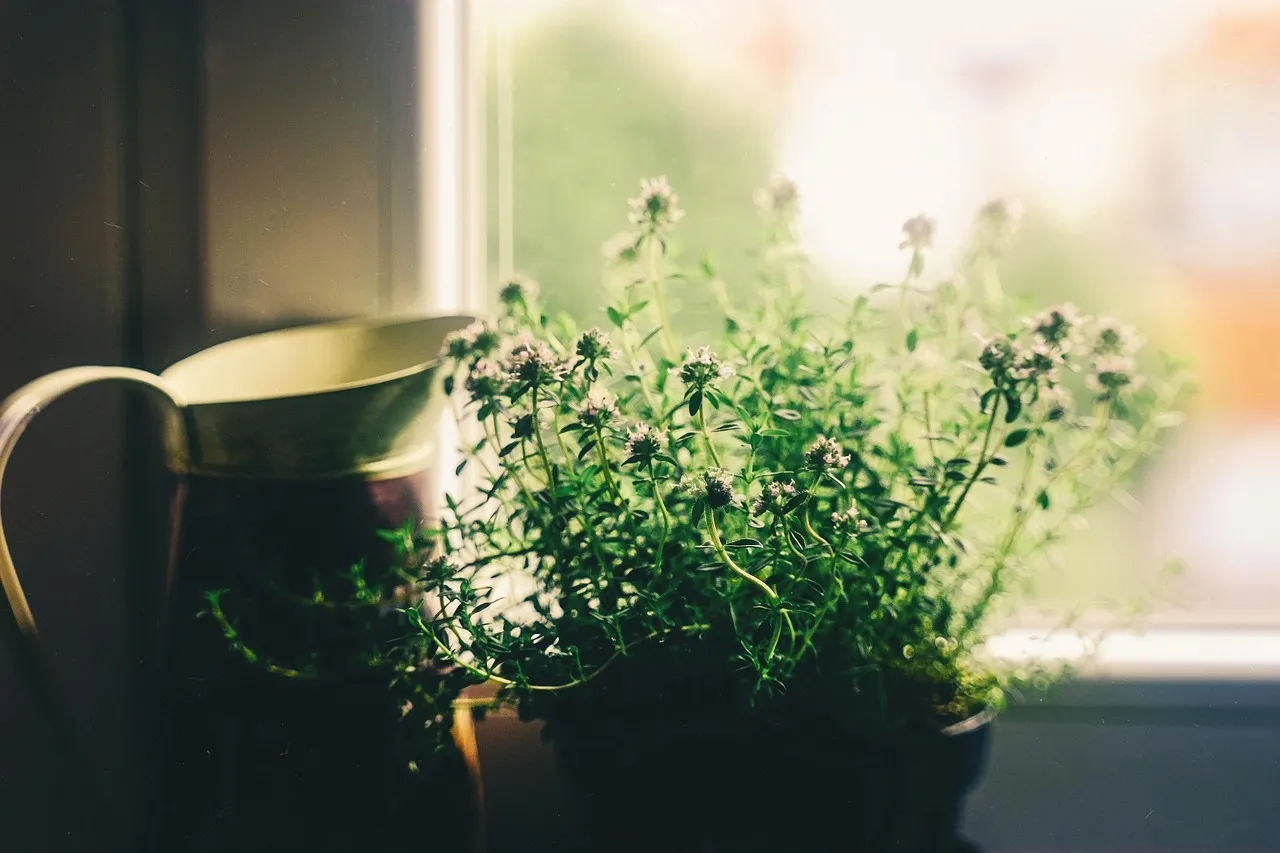

Most NYC apartments aren’t exactly generous with sunlight. Neighboring buildings cut off the sky, north-facing windows barely register a glow, and radiators turn winter air into a desert. Living in an NYC apartment often means dealing with limited space, fluctuating light, and a busy lifestyle. None of that, however, has to mean a plant-free home.
The trick is choosing the right species. Some plants are genuinely built for these conditions, and once you understand which ones, keeping greenery alive in a small city apartment stops feeling like a gamble. These five are a reliable starting point.
1. Snake Plant (Sansevieria)
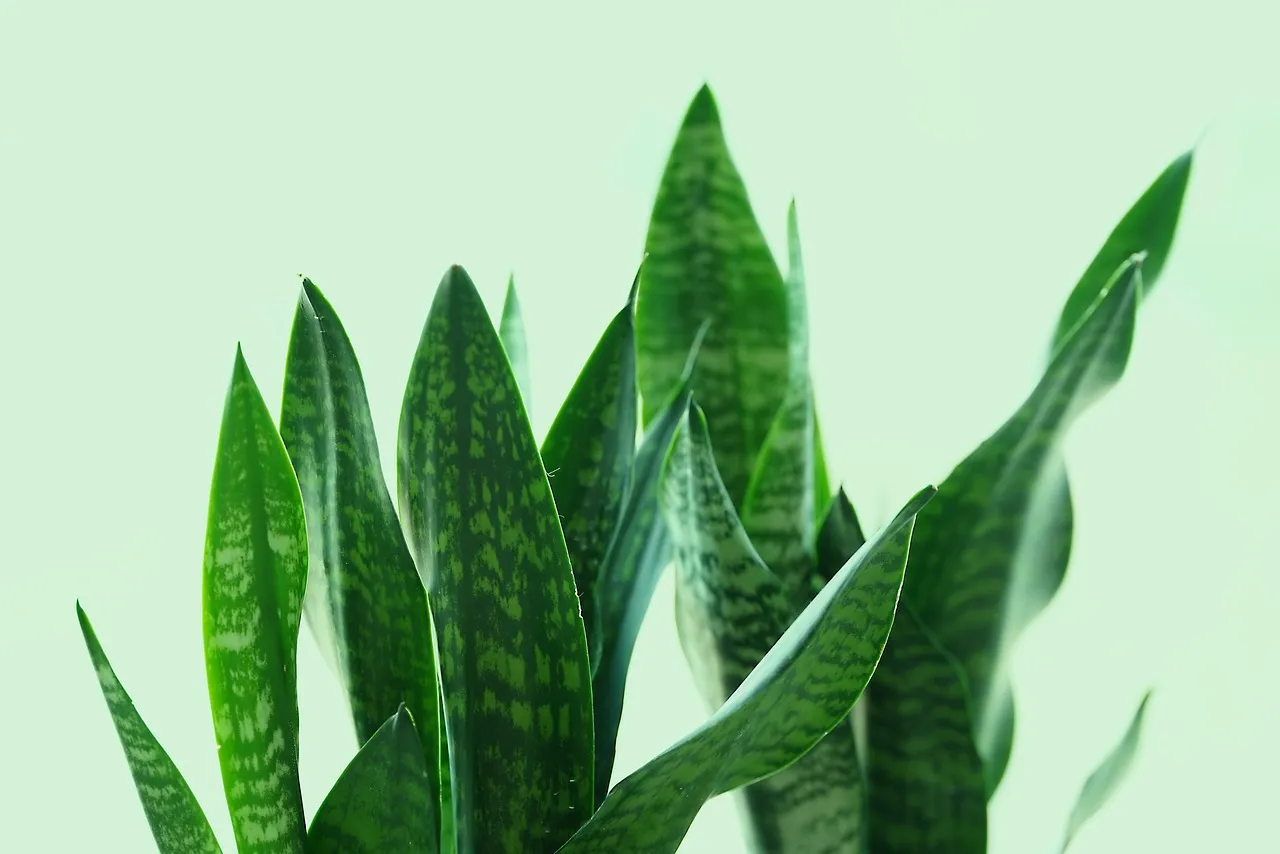
Renowned for its air-purifying qualities, the snake plant is a top contender for NYC apartments. It’s incredibly resilient, requiring little water, and thrives in low-light conditions. Its vertical, sword-like leaves also make it an excellent choice for tight spaces.
Its succulent-like adaptations for surviving droughts make it ideal for owners who can never remember to water their plants. It can tolerate low levels of light, making it suitable for first-floor apartments. A high conversion rate of carbon dioxide to oxygen and its ability to filter out airborne toxins, such as benzene and formaldehyde, mean it cleans air better than most plants.
Snake plants are resilient, able to handle tons of sun or minimal light exposure, regular watering, or intermittent watering. As one plant specialist notes, “You can forget it once in a while and it will continue to thrive.” That kind of forgiveness is rare in the plant world, and invaluable in a city where life moves fast.
2. Pothos
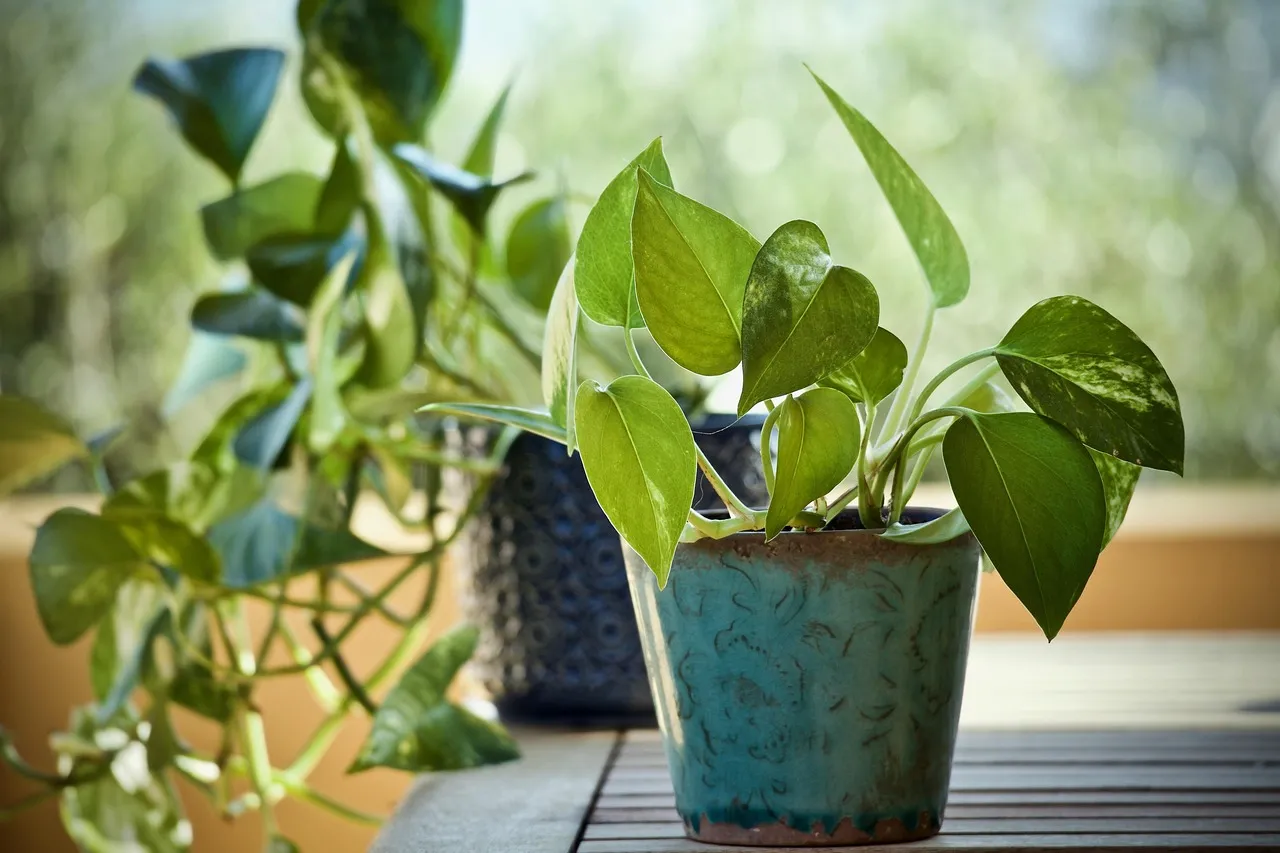
The Pothos is known as “the cubicle plant” because it can tolerate less-than-ideal environments. While it’s not as tolerant of low light as the Snake Plant or the ZZ, it doesn’t require direct sunlight. If you’re short on square footage, it looks beautiful when displayed higher up on a shelf or hanging on a hook, with its leaves trailing down.
The Pothos plant is a fast grower and can be trained to vine around your apartment, helping you conserve precious space. It can also thrive under various lighting conditions, and its heart-shaped leaves can add a touch of nature’s whimsy to even the smallest NYC dwelling.
This trailing plant looks great when perched on a high shelf. It grows quickly and is easy to propagate by rooting cuttings in water. It prefers medium, indirect light, so you don’t need the sunniest apartment on the block. It only needs to be watered about once a week. A good all-rounder, honestly.
3. ZZ Plant (Zanzibar Gem)
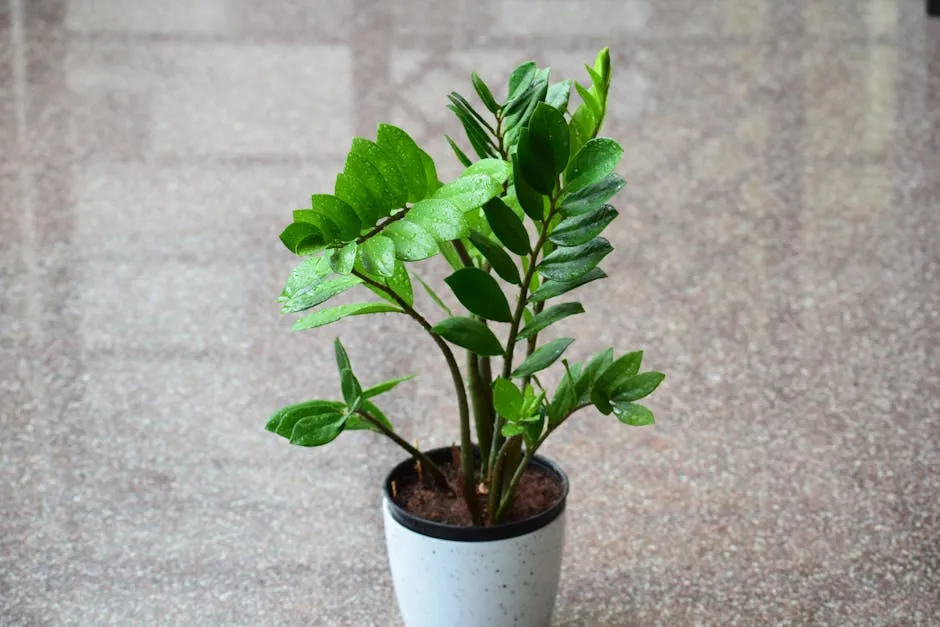
The ZZ Plant is a staple for NYC apartment dwellers. Its glossy, dark-green leaves add a modern touch, and it’s almost indestructible, tolerating low light and infrequent watering. It thrives in dim corners and requires watering only every few weeks.
Another commonly seen and great starter plant is the ZZ Plant. With its rhizome root structure, an underground root system characterized by slightly bulbous nodes, the ZZ is able to store plenty of water and nutrients, and therefore weather the forgetful owner.
Native to eastern Africa, this plant thrives in a dry, stable environment. It grows horizontally, so it won’t collide with low ceilings. That last detail matters more than people expect in older New York buildings, where ceiling height isn’t always a luxury.
4. Philodendron
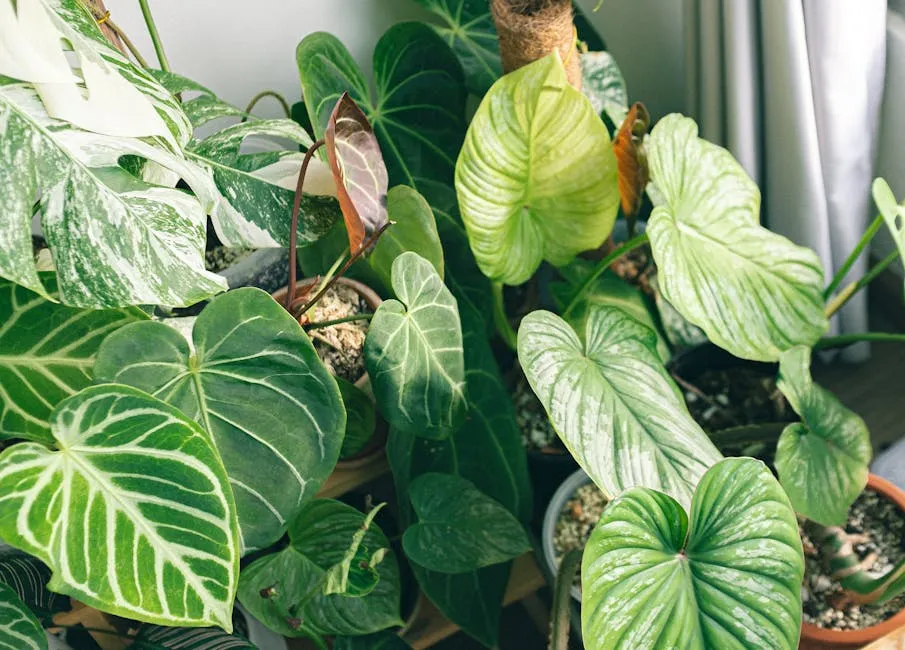
Similar in appearance to the pothos but with narrower, heart-shaped leaves, the Philodendron can put up with low to medium indirect light. It’s a super hardy overall plant, and watering every one or two weeks depending on how much light it receives is generally sufficient.
This vibrant and easy-care plant is a favorite among urban gardeners. Its heart-shaped leaves and trailing vines can be a striking addition to any small space. It thrives in low to medium light and is adaptable to different indoor conditions. Training the vines to grow upwards on a trellis saves floor space, or you can let them cascade down shelves for a lush look.
Many tropical houseplants, including philodendrons, benefit from increased humidity during the dry winter months in city apartments. Grouping it with other plants or placing a small water tray nearby can help maintain that moisture without any extra fuss.
5. Peperomia
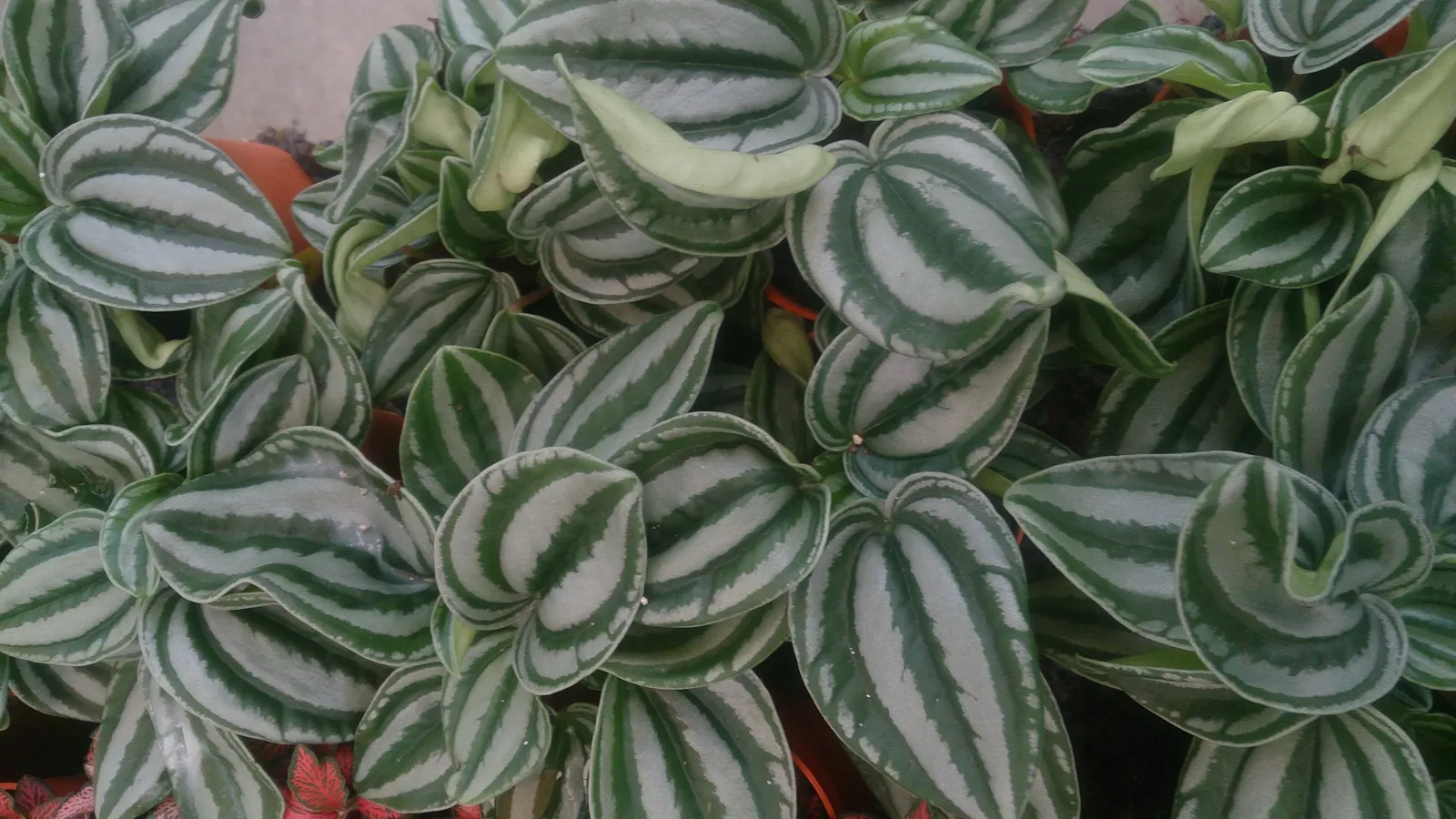
Peperomia is non-toxic, making it a safe bet for apartments with curious pets. With over 1,000 recorded species, there is a huge variety to choose from, with many different appearances. One favorite is the watermelon peperomia, known for its green-and-white striped leaves. It prefers medium, indirect light and can be watered about once a week.
Its compact size is a genuine advantage in tight city spaces. Most varieties stay small enough to sit comfortably on a desk, a bathroom shelf, or a kitchen windowsill, without demanding much in return.
Overwatering is a common mistake with peperomia, so it’s best to let the soil dry slightly between waterings. NYC apartments can also be dry, so misting plants occasionally or using a pebble tray can help. With those two adjustments, peperomia is about as low-drama as houseplants get.
A Few Things Worth Knowing Before You Start
In a dense city like NYC, the average apartment receives significantly less usable light than a suburban home. While a common Pothos requires approximately 1,000 to 2,000 lux to truly thrive, a typical north-facing NYC living room obstructed by neighboring buildings often registers as low as 200 to 400 lux. This gap is why many urban plants slowly decline despite regular watering.
Many New Yorkers may struggle with radiator heating throughout the winter, which can dry plants out more quickly. It’s worth paying closer attention during colder months and watering more frequently if necessary.
Rotating your plants regularly so that all sides get enough light also helps keep them in top shape. This is especially important in small apartments where light sources may be limited. Small habits like these make a real difference over time.
Conclusion
None of these five plants ask for much. They tolerate the dim corners, the dry radiator air, and the occasional week you forget to water them. Houseplants aren’t just about aesthetics – they improve indoor air quality, reduce stress, and make small apartments feel more inviting.
The biggest shift most city dwellers need to make is mental: stop choosing plants based on looks alone, and start choosing based on your actual conditions. Match the plant to your light, your schedule, and your space. Do that, and even the most concrete-wrapped New York apartment can hold something genuinely alive and green.