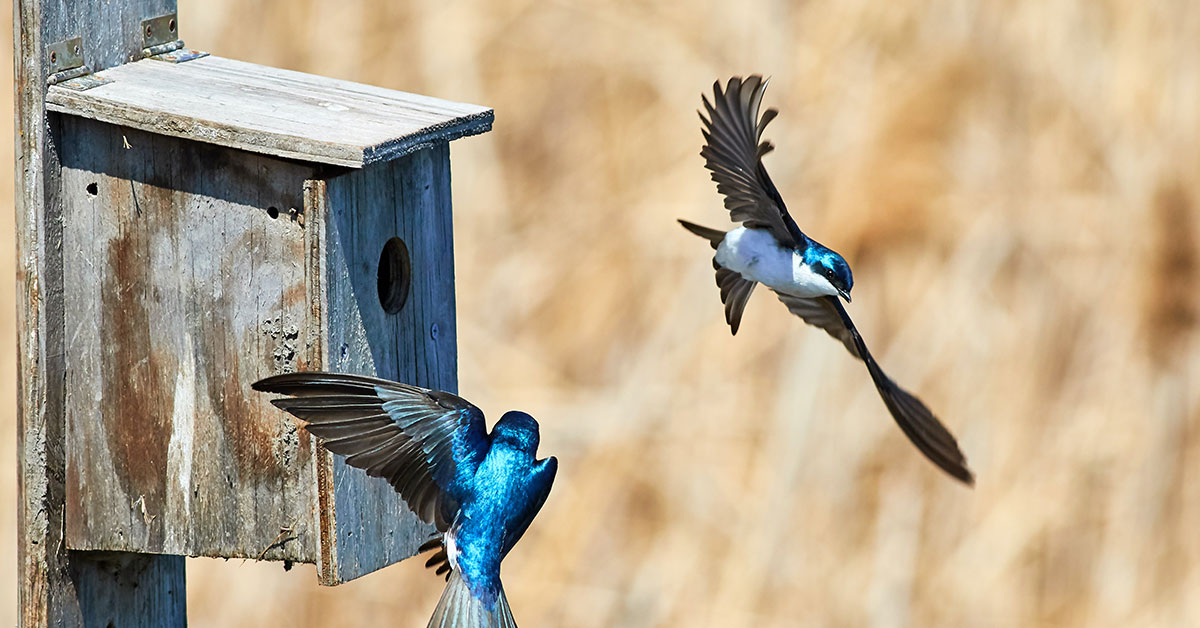

Fall and winter can feel quiet in the garden as flowers fade and many pollinators retreat, but it is actually one of the most important times to support wildlife. As natural food sources dwindle, birds rely on well-stocked backyards for shelter, water, and nutrition. By providing what they need during the colder months, you not only help local and migratory bird populations survive but also bring vibrant life to your yard when the landscape seems otherwise still.
Attracting birds in the fall and winter is all about creating an inviting habitat. By focusing on food, water, shelter, and plant diversity, you can turn your yard into a haven for feathered visitors. These tips will help you draw in a wide variety of birds and keep them coming back throughout the coldest months of the year.
Provide a Variety of Bird Feeders
Different species of birds have different feeding habits, so offering a variety of feeder styles ensures you attract a wider range of visitors. Tube feeders are excellent for small songbirds like chickadees and finches, while platform or tray feeders appeal to cardinals, jays, and mourning doves. Suet cages are essential for woodpeckers and nuthatches, giving them a high-fat food source during the colder months.
Placement matters as well. Set feeders at different heights and locations in your yard to accommodate multiple species and feeding preferences. Keeping them near shrubs or trees gives birds a safe place to perch and retreat from predators. By offering multiple feeder options, you create an inclusive environment that supports more birds and encourages diverse activity in your backyard.
Offer High-Energy Winter Foods
Birds need calorie-dense foods in fall and winter to maintain their energy levels and stay warm. While sunflower seeds are always a crowd favorite, you can attract even more species by offering a mix of high-energy options. Black oil sunflower seeds, peanuts, safflower seeds, nyjer (thistle) seeds, and cracked corn each appeal to different types of birds.
In addition to seeds, suet blocks are critical during cold weather because they provide fat that birds burn for warmth. Mix in dried fruit, mealworms, and nut-based blends to bring in species like woodpeckers, bluebirds, and robins. Stocking your feeders with nutrient-rich options during the lean months helps sustain birds when natural food supplies are low, keeping your yard lively and full of activity.
Add Native Plants With Berries
One of the best ways to attract birds in fall and winter is by planting native trees and shrubs that produce berries. These natural food sources offer essential nutrients while adding beautiful seasonal interest to your landscape. Plants like winterberry holly, serviceberry, chokeberry, and viburnum provide fruit that persists well into winter, feeding species like cedar waxwings, robins, thrushes, and bluebirds.
Because native plants are adapted to local ecosystems, they are more reliable and beneficial than many ornamental species. They support a natural food web by sustaining insects, which are critical food sources for birds in warmer months. Planting a variety of berry-producing shrubs ensures a steady food supply throughout the season while creating habitat and shelter for your feathered visitors.
Keep a Fresh Water Source Available
Water can be even more important than food during freezing weather. Birds need clean, unfrozen water for drinking and bathing, but natural sources often become inaccessible in the winter. Adding a heated birdbath ensures a constant supply and will attract a wider range of species than feeders alone.
If you do not have a heated option, place your birdbath in a sunny location to reduce ice buildup and refresh it regularly. Providing shallow dishes with sloping sides makes it easier for small birds to access safely. Clean water not only hydrates birds but also helps them maintain healthy feathers, which are critical for insulation in cold weather.
Plant Sheltering Evergreens
Food alone is not enough to attract birds; they also need safe places to rest, roost, and escape predators during the colder months. Planting evergreens such as cedar, pine, juniper, and holly provides year-round shelter, helping birds conserve energy and stay protected from harsh winds and snow.
Dense shrubs and conifers offer the best cover, giving smaller species a place to hide while creating natural windbreaks. Position feeders and birdbaths near these protective areas so birds can easily dart into cover if threatened. By incorporating evergreens into your landscape, you provide essential winter habitat while adding beauty and structure to your garden.
Leave Seed Heads for Winter Foraging
While fall cleanup is tempting, leaving some seed heads on perennials and ornamental grasses can make your yard far more inviting to birds. Plants like coneflowers, sunflowers, rudbeckias, and switchgrass provide natural foraging opportunities for species such as goldfinches, sparrows, and chickadees.
In addition to providing food, these plants add winter interest to the garden and create natural cover. You can selectively deadhead only where necessary while leaving key seed-bearing plants intact. This not only benefits birds but also promotes a more sustainable, eco-friendly garden by allowing seeds to disperse naturally, supporting pollinators and wildlife alike.
Create Brush Piles for Shelter
If you have fallen branches or pruned limbs, consider using them to create brush piles instead of hauling them away. These piles provide critical cover for small birds seeking refuge from predators and harsh winter weather. Wrens, sparrows, and juncos often use brush piles as resting and roosting spots when temperatures drop.
To build one, stack larger branches at the base and layer smaller twigs on top to create a dense, protective structure. Position brush piles near trees, shrubs, or other sheltered areas for added security. Not only do these piles give birds a safe space, but they also benefit other forms of wildlife, including overwintering insects, which in turn provide food for birds when spring arrives.
Provide Nesting Boxes and Roosting Spaces
While most birds build nests in spring, offering nesting boxes in fall and winter provides critical shelter during cold, windy nights. Cavity-nesting birds like chickadees, nuthatches, bluebirds, and wrens appreciate having secure, insulated spaces to rest when temperatures drop.
Choose boxes designed for specific bird species and place them in sheltered areas away from prevailing winds. Adding wood shavings or dry grass to the boxes increases insulation and comfort. By setting up roosting spots now, you give birds safe winter havens and encourage them to return to your yard when nesting season begins in the spring.
Reduce Pesticide Use
One of the most impactful ways to attract more birds is by creating a healthy, insect-friendly environment. Many bird species, even in fall and winter, rely on insects for food, especially when feeding young. Excessive pesticide use can deplete these natural food sources and harm birds directly.
Instead, opt for organic gardening practices and introduce native plants that naturally support a thriving insect population. Native wildflowers, grasses, and shrubs encourage a balanced ecosystem where birds, pollinators, and beneficial insects can coexist. By fostering a chemical-free yard, you create a healthier habitat where birds can find diverse food sources throughout the year.
Plant a Diversity of Native Species
Diverse plantings provide long-term support for birds, especially through the lean months of fall and winter. Different native species offer staggered fruiting and seeding times, ensuring a steady supply of food. For example, serviceberries ripen early, while winterberries hold their fruit well into the coldest months, offering valuable nourishment when little else is available.
In addition to food, native plants create essential shelter and nesting spaces, helping birds thrive year-round. When combined with feeders and water sources, a diverse planting strategy makes your yard a reliable sanctuary that birds can depend on. A thoughtfully designed garden filled with native species will not only draw in countless birds but also support broader biodiversity in your ecosystem.
Make Your Yard a Winter Refuge
By providing food, water, shelter, and safe habitat, you can transform your yard into a vital refuge for birds during the harshest months of the year. Planting native species, maintaining a steady supply of fresh water, and adding protective cover all work together to create a thriving ecosystem right outside your window.
Not only will your efforts support local and migratory bird populations, but you will also enjoy the joy and beauty of watching them up close during the quieter seasons. With a few intentional steps, you can create a sanctuary where birds find everything they need to survive and thrive in fall and winter.