
If you’re looking to add a splash of color to your garden while also attracting hummingbirds and butterflies, Joe-Pye weed (Eutrochium spp.) is the perfect choice. This native perennial, known for its tall stature and clusters of purple flowers, is a magnet for pollinators. As a gardener, I find Joe-Pye weed to be an essential plant for creating a lively and beautiful garden ecosystem.
In this article, we’ll explore the fascinating aspects of Joe-Pye weed, from its native habitat to its role in supporting wildlife. We’ll also discuss how to grow and care for this remarkable plant. Let’s dive into the world of Joe-Pye weed and discover why it’s a must-have for any garden!
Native Habitat and Characteristics

Joe-Pye weed is native to North America, thriving in moist meadows, woodlands, and along stream banks. It belongs to the Asteraceae family and is commonly found in regions stretching from Canada to the southern United States. This hardy plant can reach heights of 4 to 7 feet, making it a striking addition to any garden. Its large, dome-shaped clusters of purple flowers bloom from mid-summer to early fall, providing a long-lasting display of color.
One of the most appealing characteristics of Joe-Pye weed is its ability to attract pollinators. Hummingbirds and butterflies, particularly the monarch butterfly, are drawn to its nectar-rich flowers. The plant’s tall, sturdy stems also provide a great perching spot for birds, adding even more wildlife to your garden. Additionally, Joe-Pye weed is not considered invasive, making it a safe and beneficial choice for native plant gardens.
Attracting Hummingbirds and Butterflies

Hummingbirds are particularly attracted to the tubular flowers of Joe-Pye weed, which provide easy access to nectar. The vibrant purple blooms stand out in the garden, signaling a reliable food source for these tiny birds. Planting Joe-Pye weed near other nectar-rich flowers can create a haven for hummingbirds, encouraging them to visit your garden regularly.
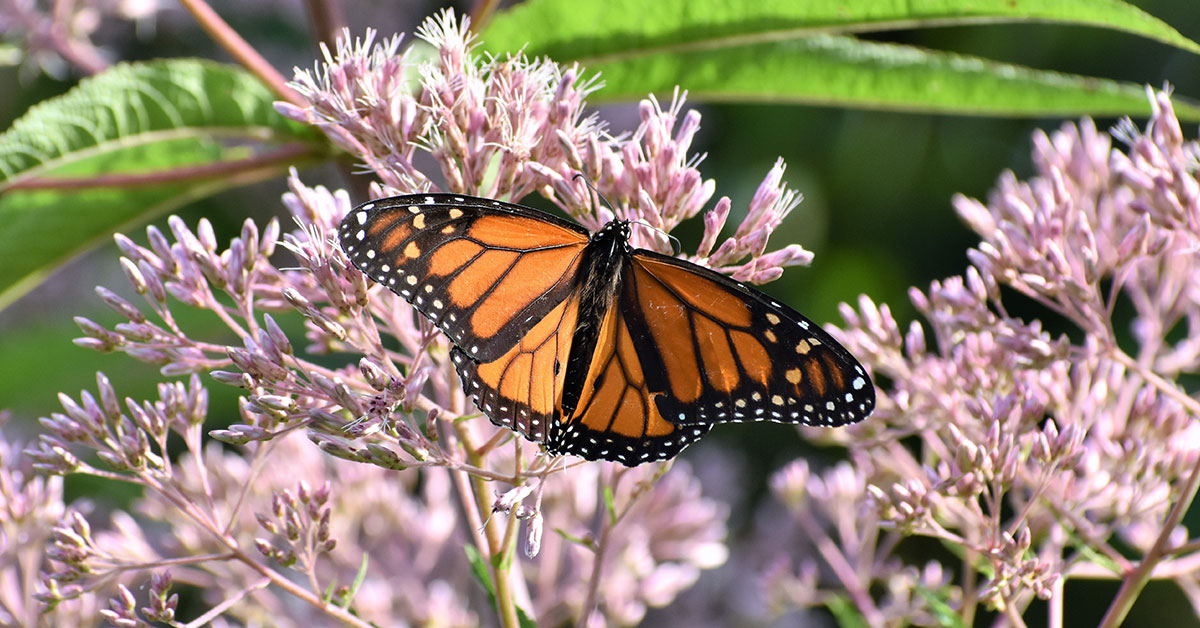
Butterflies, especially monarchs, also flock to Joe-Pye weed. The plant’s large flower clusters offer ample landing space and abundant nectar, making it an ideal feeding site. By incorporating Joe-Pye weed into your garden, you can support butterfly populations and enjoy the beauty of these delicate creatures fluttering among the blooms. Creating a butterfly-friendly garden with Joe-Pye weed can be both rewarding and beneficial for the environment.
Growing and Caring for Joe-Pye Weed
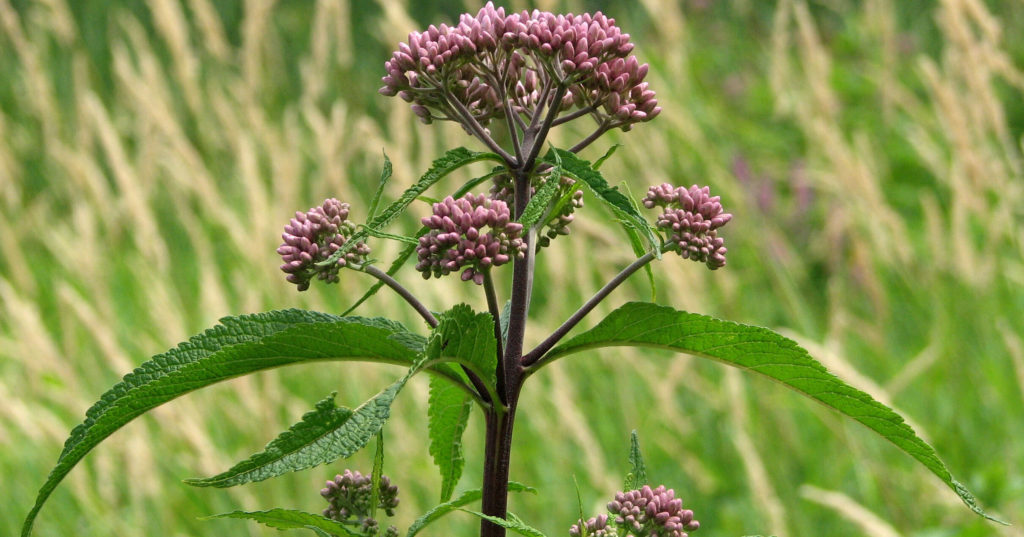
Joe-Pye weed is relatively easy to grow and maintain, making it a great choice for gardeners of all skill levels. It prefers full sun to partial shade and thrives in moist, well-draining soil. If you have a low-lying area in your garden that tends to stay damp, Joe-Pye weed will likely do well there. It’s also tolerant of a range of soil types, including clay and sandy soils.
To plant Joe-Pye weed, space the plants about 2 to 4 feet apart to allow for their mature size. Water them regularly, especially during dry spells, to keep the soil consistently moist. Once established, Joe-Pye weed requires minimal care. Cut back the stems in late winter to early spring to encourage new growth. Adding a layer of mulch can help retain moisture and suppress weeds, ensuring your Joe-Pye weed stays healthy and vibrant.
Benefits to the Ecosystem
In addition to attracting pollinators, Joe-Pye weed plays a valuable role in supporting the local ecosystem. Its deep root system helps stabilize soil and prevent erosion, particularly in riparian areas. The plant’s dense foliage provides shelter and habitat for various insects and small animals, contributing to overall biodiversity in your garden.
By planting Joe-Pye weed, you’re not only enhancing the beauty of your garden but also promoting ecological health. Native plants like Joe-Pye weed are adapted to local conditions, making them more resilient and less reliant on fertilizers and pesticides. This contributes to a healthier, more sustainable garden that supports a wide range of wildlife.
Varieties of Joe-Pye Weed
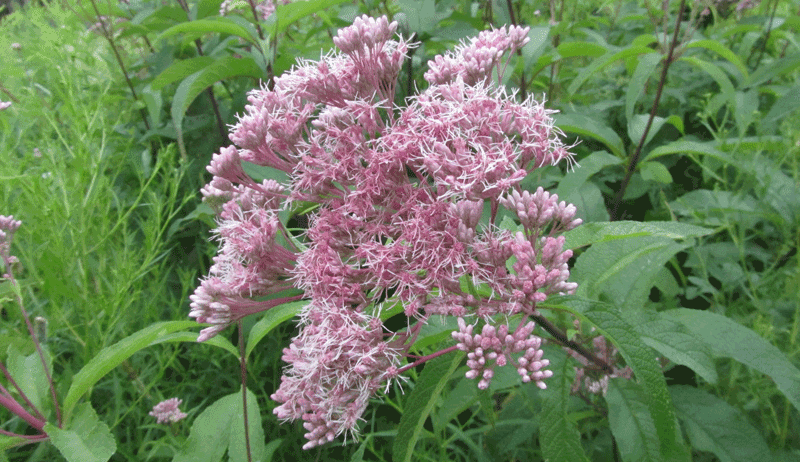
There are several species and cultivars of Joe-Pye weed to choose from, each with its own unique characteristics. Eutrochium purpureum, commonly known as sweet Joe-Pye weed, has fragrant, pale pink to purple flowers and grows well in both full sun and partial shade. Eutrochium fistulosum, or hollow-stem Joe-Pye weed, is known for its robust, hollow stems and large flower heads.
For smaller gardens, consider dwarf varieties like Eutrochium dubium ‘Little Joe,’ which reaches a more manageable height of 3 to 4 feet. These compact cultivars still provide the same pollinator-attracting benefits as their larger counterparts. By selecting the right variety for your garden, you can enjoy the beauty and benefits of Joe-Pye weed in any space.
Companion Planting with Joe-Pye Weed

Joe-Pye weed pairs well with a variety of other native plants, creating a harmonious and visually appealing garden. Consider planting it alongside other moisture-loving perennials like coneflowers (Echinacea spp.), black-eyed Susans (Rudbeckia hirta), and swamp milkweed (Asclepias incarnata). These plants not only complement Joe-Pye weed’s appearance but also provide additional nectar sources for pollinators.
Incorporating grasses such as switchgrass (Panicum virgatum) or little bluestem (Schizachyrium scoparium) can add texture and movement to your garden. These grasses also serve as host plants for butterflies and provide cover for wildlife. By combining Joe-Pye weed with other compatible plants, you can create a diverse and vibrant garden that supports a healthy ecosystem.
Propagating Joe-Pye Weed
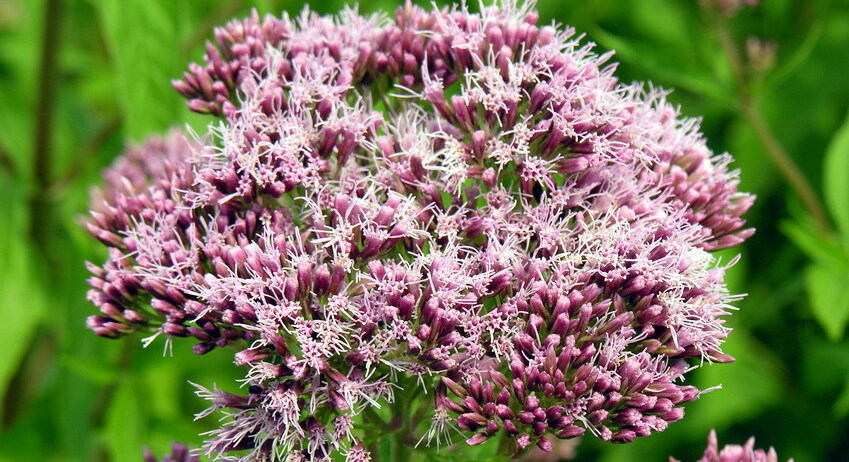
Joe-Pye weed can be propagated through seeds, division, or cuttings, making it easy to expand your garden or share with fellow gardeners. To propagate by seeds, collect seeds from mature flower heads in the fall and sow them directly in the garden or start them indoors. Seeds may require a period of cold stratification to germinate successfully.
For quicker results, divide mature plants in early spring or late fall. Dig up the clump and carefully separate it into smaller sections, each with several stems and roots. Replant the divisions at the same depth as the original plant and water them well. Cuttings can also be taken in late spring or early summer. Simply snip a 4- to 6-inch piece of stem, remove the lower leaves, and plant it in moist soil or a rooting medium. With proper care, the cuttings will develop roots and grow into new plants.
Preventing Pests and Diseases
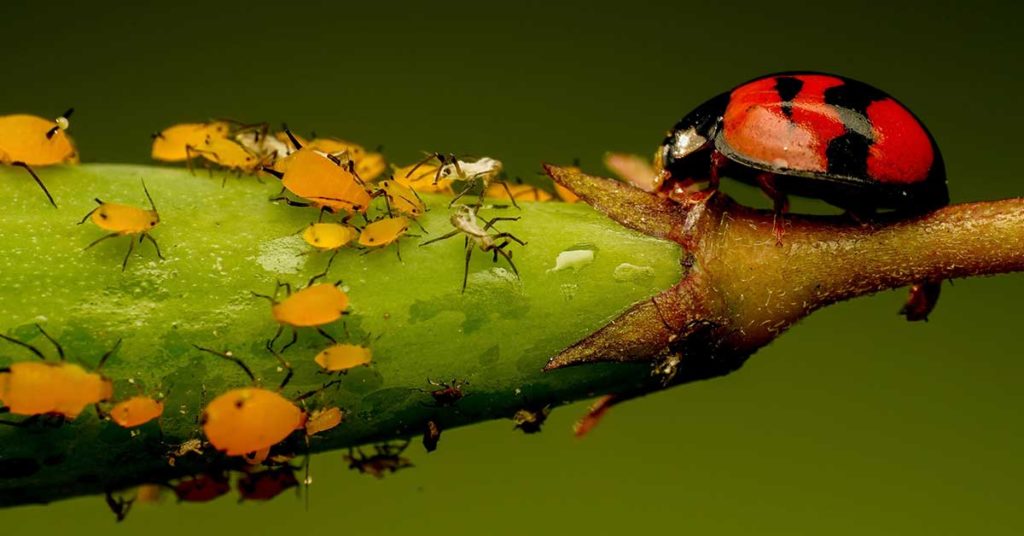
Joe-Pye weed is relatively resistant to pests and diseases, but it’s still important to monitor your plants for any signs of trouble. Common pests like aphids, spider mites, and slugs can occasionally cause damage. Regularly inspect your plants and use natural pest control methods, such as introducing beneficial insects or using insecticidal soap, to keep these pests at bay.
Fungal diseases like powdery mildew and rust can affect Joe-Pye weed, especially in humid conditions. To prevent these diseases, ensure good air circulation around your plants by spacing them adequately and pruning any overcrowded stems. Water at the base of the plants to avoid wetting the foliage, and remove any infected leaves to prevent the spread of disease. With proper care, Joe-Pye weed can remain healthy and vibrant throughout the growing season.
Creating a Wildlife-Friendly Garden
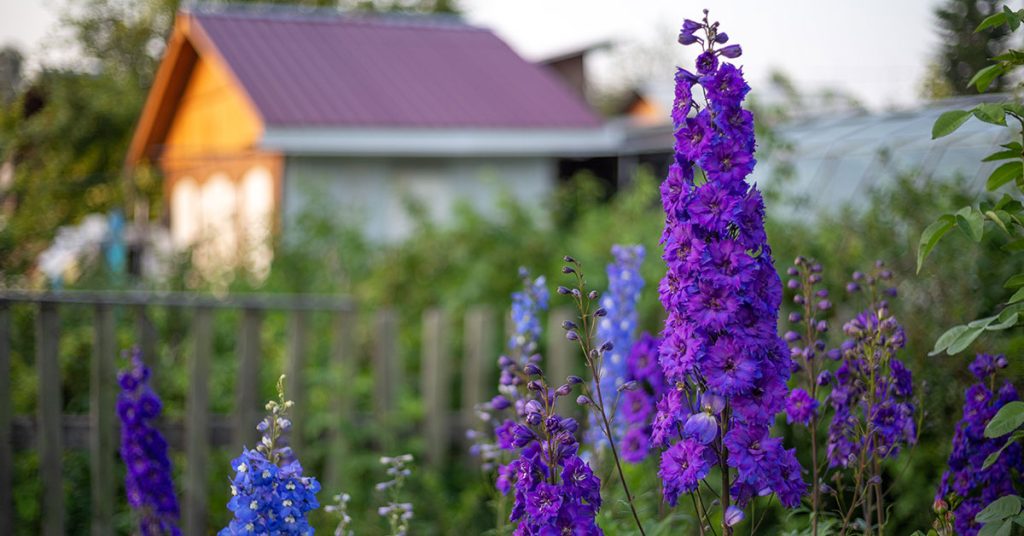
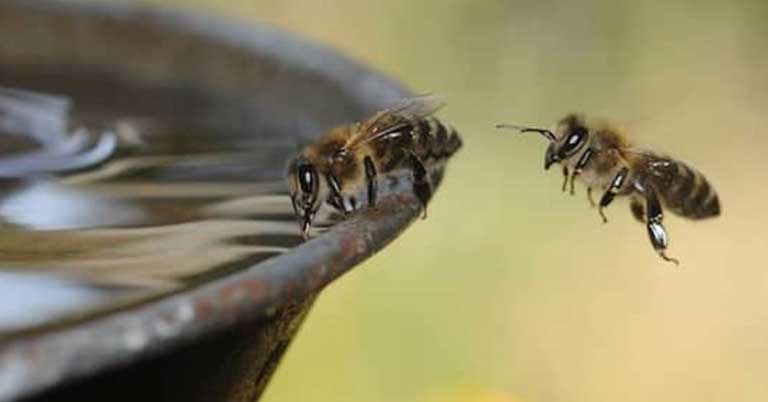
By incorporating Joe-Pye weed into your garden, you can create a wildlife-friendly haven that attracts and supports a variety of pollinators and other beneficial creatures. In addition to hummingbirds and butterflies, Joe-Pye weed can also attract bees, which are essential for pollinating many plants. Providing a diverse range of nectar sources, water, and shelter can enhance your garden’s appeal to wildlife.
Consider adding a birdbath or shallow water dish to provide water for birds and insects. Planting a mix of native plants that bloom at different times can ensure a continuous supply of nectar throughout the growing season. Avoid using pesticides and herbicides, which can harm beneficial insects and disrupt the garden ecosystem. By creating a welcoming environment, you can enjoy the beauty of nature right in your backyard.