
If you’ve spent any time in a garden center or browsing online for plant care products, you’ve likely come across those vibrant blue synthetic fertilizers. They’re often marketed as a quick and easy way to boost plant growth and increase yields, promising lush, green foliage and abundant blooms with just a few applications. But while these fertilizers might seem like a gardener’s best friend at first glance, there’s a lot more going on beneath the surface. Understanding the full impact of using synthetic fertilizers in your garden is crucial for making informed decisions that benefit not only your plants but the overall health of your garden ecosystem.
It’s easy to be tempted by the promise of fast results, especially when you’re dealing with plants that seem to need an immediate boost. But synthetic fertilizers, while effective in the short term, can have long-lasting effects on your soil, plants, and even the broader environment. Before you reach for that blue powder, it’s important to know what you’re really putting into your garden and what the long-term consequences might be. Let’s take a closer look at what happens when you use synthetic fertilizers in your garden.
Quick Nutrient Boost—But At A Cost
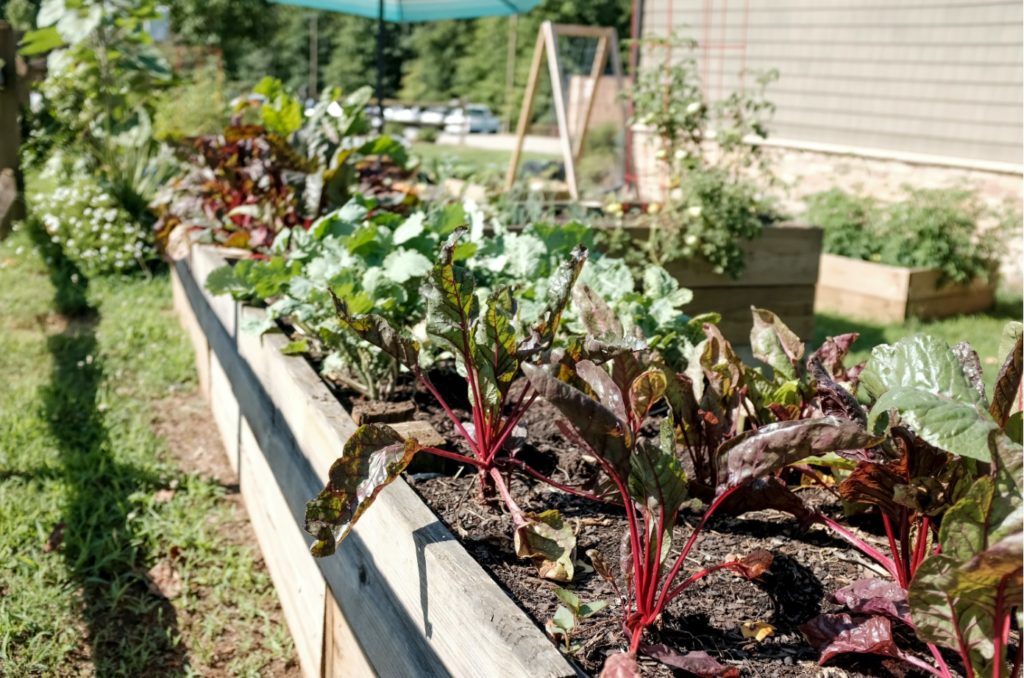
When you first apply blue synthetic fertilizers to your garden, you’ll likely notice a rapid improvement in your plants’ growth. These fertilizers are packed with readily available nutrients, usually in the form of nitrogen, phosphorus, and potassium, which plants can quickly absorb through their roots. This often results in a surge of lush, green growth and can make flowers bloom more profusely. For gardeners who are eager to see immediate results, this can be incredibly satisfying.
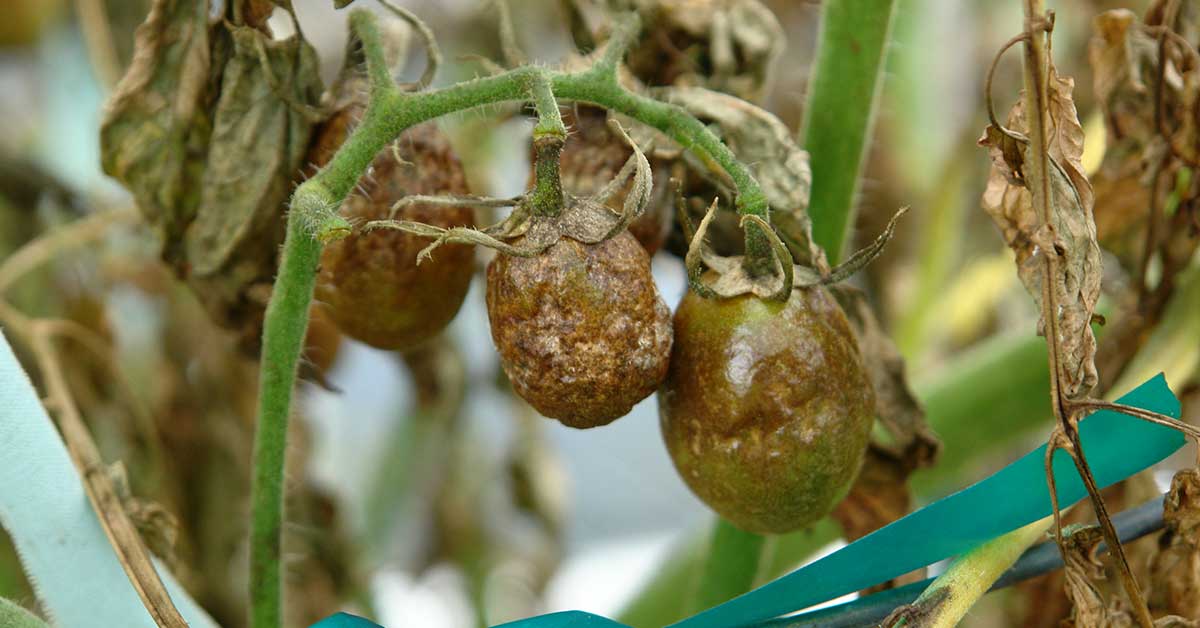
However, this quick nutrient boost comes at a cost. Synthetic fertilizers can disrupt the natural balance of your soil by providing nutrients in a concentrated form that plants take up all at once, rather than gradually. This can lead to a phenomenon known as “fertilizer burn,” where the high concentration of nutrients actually damages the plant’s roots and tissues. Over time, this can weaken your plants, making them more susceptible to pests and diseases. While synthetic fertilizers can give your garden a temporary boost, they don’t contribute to the long-term health and resilience of your plants.
Soil Health Depletion
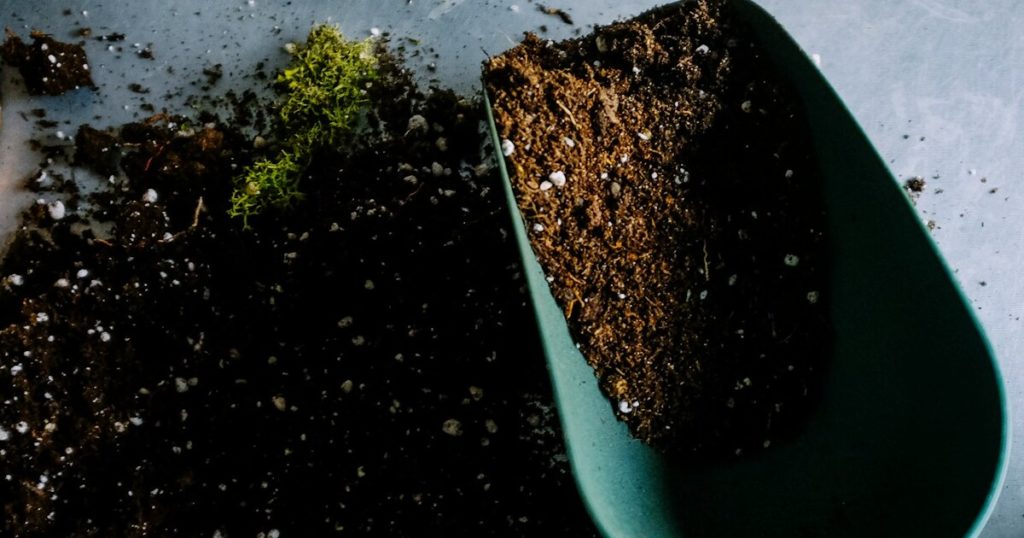
One of the biggest downsides of using synthetic fertilizers is the negative impact they have on soil health. Healthy soil is teeming with microorganisms, such as bacteria, fungi, and earthworms, that play a crucial role in breaking down organic matter and making nutrients available to plants. When you use synthetic fertilizers, you’re bypassing this natural process, and over time, this can lead to a depletion of these beneficial organisms. Without these microorganisms, the soil structure begins to degrade, leading to compaction and poor drainage.
As soil health declines, your plants become more reliant on regular applications of synthetic fertilizers to get the nutrients they need. This creates a vicious cycle where the soil becomes less fertile, and you need to use more fertilizer to maintain plant growth. Eventually, the soil can become so depleted that it’s no longer able to support healthy plant life without constant intervention. In the long run, this can lead to increased costs and more work for you as a gardener, as well as a less sustainable garden overall.
Environmental Impact
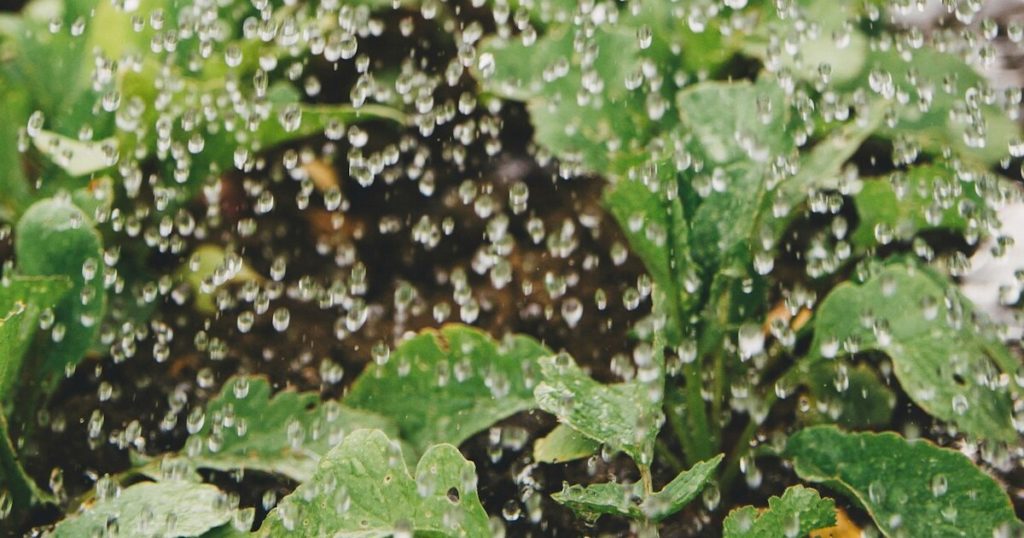
The effects of synthetic fertilizers don’t just stay in your garden—they can have far-reaching consequences for the environment as well. When it rains, excess fertilizer can wash off your garden beds and into nearby water sources, such as rivers, lakes, and groundwater. This runoff can lead to a process called eutrophication, where the excess nutrients cause a rapid growth of algae in water bodies. As the algae die and decompose, they deplete the water of oxygen, leading to dead zones where aquatic life cannot survive.
This environmental impact is a serious concern, especially in areas where agricultural runoff is already contributing to water pollution. Even small-scale gardeners can contribute to this problem if synthetic fertilizers are used carelessly. By opting for more sustainable gardening practices, such as using organic fertilizers or compost, you can help reduce your garden’s environmental footprint and protect the natural ecosystems around you.
Loss of Soil Fertility
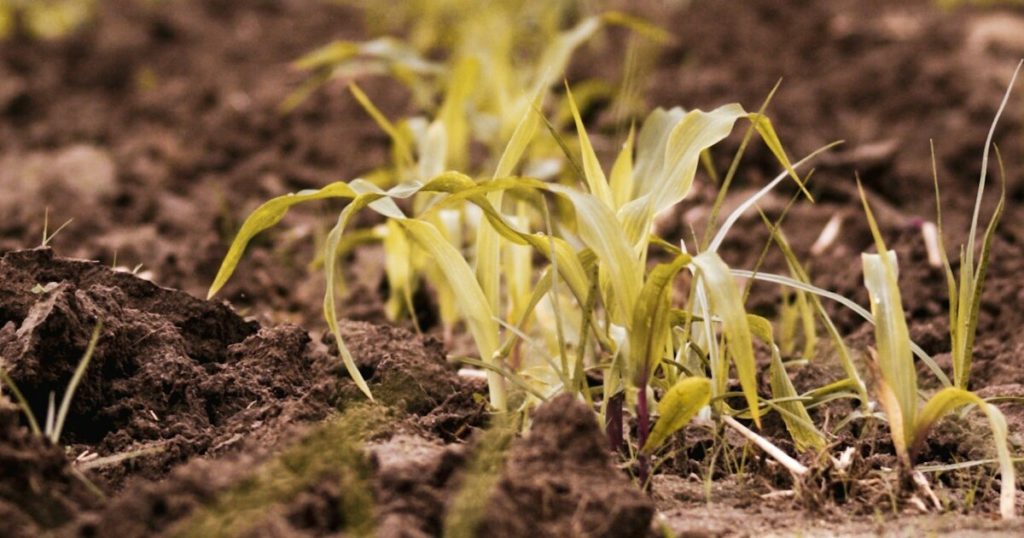
Another consequence of relying on synthetic fertilizers is the gradual loss of soil fertility. Over time, the repeated use of these fertilizers can lead to a buildup of salts in the soil, which can be toxic to plants. This salt buildup can also disrupt the soil’s natural pH balance, making it more difficult for plants to take up the nutrients they need. As a result, you might find that your plants start to struggle, even with regular fertilization.
In addition to salt buildup, synthetic fertilizers can also lead to nutrient imbalances in the soil. Because these fertilizers provide nutrients in a specific ratio, they can cause certain nutrients to become more concentrated in the soil while others are depleted. This imbalance can lead to nutrient deficiencies in your plants, which can manifest as stunted growth, yellowing leaves, and reduced yields. Over time, this can make your garden less productive and more difficult to manage.
Short-Lived Results

While synthetic fertilizers can provide a quick boost to your plants, the results are often short-lived. Because these fertilizers are water-soluble, they can be easily washed away by rain or irrigation, leaving your plants without a steady supply of nutrients. This means you’ll need to reapply the fertilizer regularly to maintain the same level of plant growth, which can become costly and time-consuming.
In contrast, organic fertilizers and compost release nutrients slowly over time, providing a more consistent and long-lasting source of nutrition for your plants. These natural fertilizers also help build soil structure and support a healthy ecosystem of microorganisms, which can improve the overall health and resilience of your garden. By choosing sustainable fertilization methods, you can enjoy more consistent results and a healthier garden in the long run.
Dependence on Chemical Inputs

One of the most concerning effects of using synthetic fertilizers is the dependence they can create on chemical inputs. As your soil becomes depleted and your plants become more reliant on synthetic fertilizers, you may find that you need to use more and more of these products to achieve the same results. This dependence can be difficult to break, especially if you’ve been using synthetic fertilizers for several years.
Switching to organic or sustainable gardening practices can help you break this cycle and create a more self-sufficient garden. By focusing on building healthy soil, using natural fertilizers, and incorporating organic matter into your garden beds, you can reduce your reliance on chemical inputs and create a garden that thrives on its own. This shift not only benefits your garden but also your wallet and the environment, making it a win-win for everyone.
Impact on Plant Health and Flavor

Another often-overlooked consequence of using synthetic fertilizers is the impact they can have on the health and flavor of your plants. While these fertilizers can promote rapid growth, they don’t always result in the healthiest or most flavorful produce. Plants that are grown with synthetic fertilizers often have higher water content and lower concentrations of essential nutrients, which can affect both their taste and their nutritional value.
For example, tomatoes grown with synthetic fertilizers might look large and juicy, but they may lack the rich, complex flavor of tomatoes grown in nutrient-rich, organic soil. Similarly, herbs and leafy greens might grow quickly with synthetic fertilizers, but they may not develop the same depth of flavor as those grown with natural fertilizers. If you’re passionate about growing your own food and want to enjoy the best possible flavor and nutrition, it’s worth considering the benefits of organic gardening practices.
Gardening as a Learning Experience

For many gardeners, one of the joys of gardening is the opportunity to learn and experiment. When you rely on synthetic fertilizers, you’re missing out on the chance to explore the natural processes that make a garden thrive. Organic gardening practices, on the other hand, encourage you to observe your plants, experiment with different soil amendments, and learn about the complex interactions between soil, plants, and the environment.
By embracing a more holistic approach to gardening, you can develop a deeper understanding of how your garden works and how to nurture it naturally. This learning process can be incredibly rewarding and can lead to a greater sense of connection with your garden. Plus, as you become more knowledgeable and experienced, you’ll be better equipped to deal with any challenges that come your way, making you a more confident and successful gardener.
Using blue synthetic fertilizers in your garden might seem like an easy solution, but the long-term consequences can be significant. From soil health depletion to environmental impact, these fertilizers can do more harm than good over time. By opting for organic and sustainable gardening practices, you can create a healthier, more resilient garden that supports both your plants and the environment.