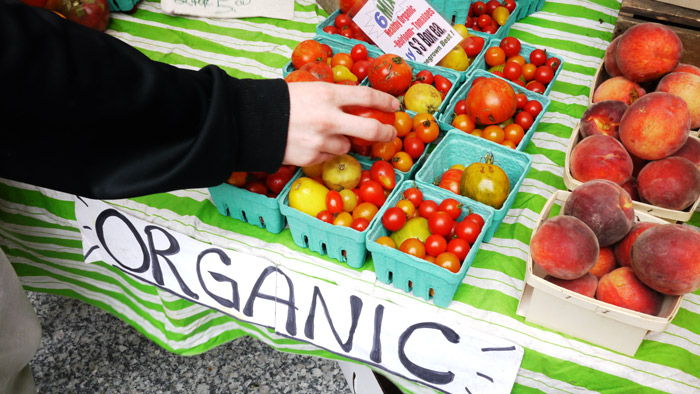

Walk into any garden center, and you will see bags of fertilizers labeled “organic,” “natural,” or “eco-friendly.” The packaging often features lush vegetables, bright flowers, and earthy tones designed to make you feel like you are choosing the healthiest option for your garden and the planet. But the reality is that many so-called “organic” fertilizers are far from truly natural. Some contain synthetic additives, questionable byproducts, or misleading claims that can leave gardeners thinking they are improving their soil when they may be doing more harm than good.
Understanding what “organic” really means and how to identify truly safe and effective products is key to protecting your plants, your soil, and your local ecosystem. Let’s dive into the hidden truths behind organic fertilizer labeling and how you can make smarter choices for a healthier, more sustainable garden.
The Problem With Loose Labeling Laws
One of the biggest reasons “organic” fertilizers may not be what they seem comes down to labeling regulations. In the gardening industry, the term “organic” is not always as strictly defined as it is for food products. Fertilizers labeled “organic” may still contain synthetic additives, chemical stabilizers, or even genetically modified ingredients. Companies often rely on marketing loopholes to make their products sound safer and more eco-friendly than they really are.
Unlike certified organic food, fertilizers are not always required to meet uniform federal standards. Instead, regulations vary by state and certification body, meaning a product labeled “organic” in one area might not meet the same standards elsewhere. To ensure you are getting a truly organic product, look for fertilizers that carry a reputable certification, such as the OMRI (Organic Materials Review Institute) seal. Without third-party verification, many products exploit the word “organic” while quietly relying on synthetic inputs.
Hidden Synthetic Ingredients in “Natural” Formulas
Many fertilizers marketed as organic include synthetic nitrogen sources, chemical binders, or industrial byproducts that are not disclosed prominently on the packaging. For example, some products include urea, ammonium sulfate, or processed phosphates derived from chemical treatments rather than natural sources. While these additives boost short-term plant growth, they can disrupt soil health and microbial activity over time.
The problem becomes worse when manufacturers blend natural ingredients like composted manure or kelp with synthetic boosters, marketing the product as “natural-based” or “derived from organic sources.” Without carefully reading ingredient lists, it is easy for gardeners to believe they are buying a fully organic solution when they are not. Always take the time to review the components listed on the label, and prioritize fertilizers that clearly state their sources without vague marketing terms.
The Issue With “Organic-Based” Fertilizers
A growing trend in the gardening market is the sale of “organic-based” fertilizers. These products often combine a small percentage of organic matter, like bone meal or fish emulsion, with synthetic fertilizers to improve performance. While manufacturers claim this blend offers the “best of both worlds,” it creates a gray area that can mislead gardeners seeking truly natural solutions.
The problem with these hybrid products is that the synthetic components can alter soil pH, degrade microbial diversity, and contribute to nutrient imbalances over time. Worse, companies can legally highlight the organic portion in marketing materials while downplaying the synthetic elements. If your goal is to improve long-term soil health and sustainability, choosing fertilizers made entirely from natural sources is a better approach than relying on products with hidden chemical additives.
Animal Byproducts and Contamination Risks
Many organic fertilizers are derived from animal byproducts, including bone meal, blood meal, feather meal, and fish emulsions. While these can be excellent sources of nutrients, sourcing and processing standards vary widely. Some low-quality products are made from animal waste byproducts collected from industrial facilities, where there is little oversight on contamination or chemical exposure.
This becomes especially concerning when animal-based fertilizers contain trace residues of antibiotics, hormones, or even heavy metals. These contaminants can accumulate in your soil over time and potentially affect plants, pollinators, and groundwater health. To minimize risks, opt for certified organic animal-based products whenever possible or choose plant-based organic fertilizers like alfalfa meal, kelp, or composted green waste, which provide nutrients without relying on questionable sourcing.
“Natural” Does Not Always Mean Safe
Marketers often use terms like “natural,” “eco-friendly,” or “earth-friendly” to make fertilizers sound safe and sustainable, but these labels have little regulatory oversight. A product may contain naturally derived ingredients but still undergo heavy chemical processing or include additives that harm soil life. For example, some fertilizers use mined minerals processed with synthetic acids to make them more soluble, creating an end product that is far removed from its natural state.
The safest approach is to focus on fertilizers that disclose every ingredient and avoid vague, unverified claims. Trusted certifications like OMRI provide reassurance that a product has been vetted for compliance with organic standards. As a gardener, becoming label-savvy ensures you are not unintentionally adding harmful substances to your soil while believing you are making eco-conscious choices.
The Impact on Soil Health and Microbes
Truly organic fertilizers work in harmony with the living organisms in your soil, feeding beneficial microbes that help plants absorb nutrients naturally. However, many so-called “organic” products use high concentrations of synthetic nitrogen or phosphorus that can overwhelm soil biology. This short-term nutrient spike may produce rapid growth, but over time, it depletes beneficial microbes, leading to compacted soil, reduced fertility, and poor long-term plant health.
Healthy compost, aged manure, and minimally processed natural amendments work more slowly, but they build a thriving soil food web that sustains itself season after season. If your goal is sustainable gardening, it is better to focus on products that feed the soil as much as they feed your plants, avoiding synthetic shortcuts that undermine long-term ecosystem balance.
How to Choose Truly Organic Fertilizers
Selecting a genuinely organic fertilizer requires a bit of research and label reading. First, look for certifications like OMRI or USDA Organic, which provide assurance that the product has been reviewed by independent organizations. Next, choose fertilizers with short, simple ingredient lists that feature recognizable components like composted plant matter, kelp meal, rock phosphate, or animal byproducts from reputable sources.
Avoid products that use vague terms like “natural-based,” “organic-inspired,” or “derived from organic sources” without clearly listing the percentages of each ingredient. Whenever possible, source fertilizers locally from trusted suppliers who specialize in organic gardening practices. By being intentional with your purchases, you not only protect your soil but also support sustainable agricultural practices that benefit the environment as a whole.
Building Your Own Fertility Naturally
For gardeners who want full control over what goes into their soil, one of the best solutions is creating your own organic fertilizers and amendments at home. Composting kitchen scraps, leaves, and yard waste creates a nutrient-rich material tailored to your garden’s needs. Supplementing compost with safe natural inputs like crushed eggshells, coffee grounds, and homemade compost teas can help you avoid the uncertainty of store-bought products entirely.
By taking a more hands-on approach, you minimize the risks of hidden chemicals, reduce waste, and save money in the long run. Building your garden’s fertility naturally ensures that your soil stays healthy, your plants thrive, and your gardening practices align with your values of sustainability and environmental responsibility.