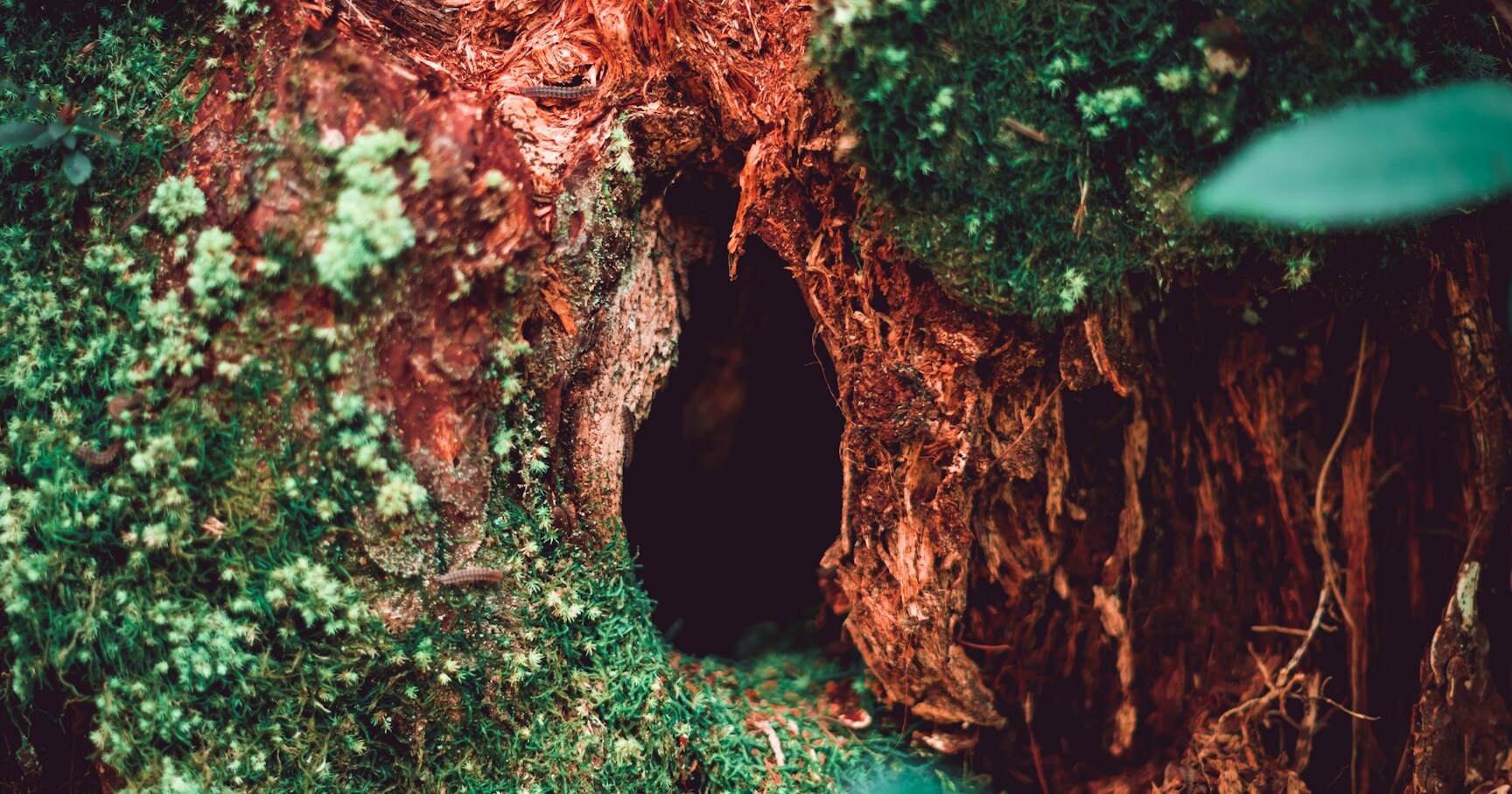

As gardeners, we tend to be obsessed with tidiness. We rake up every fallen branch, prune our shrubs into neat shapes, and cart away anything that looks remotely like decay. But here’s the truth: nature doesn’t work like that. A messy corner, a forgotten stump, or a decomposing log can be one of the most vibrant microhabitats in your entire yard. In fact, if your garden doesn’t have a dead log somewhere, you’re missing out on an ecological goldmine.
Deadwood is not just debris – it’s an engine of biodiversity. Whether you live in a dense suburban neighborhood or on a few acres of rural land, adding a dead log to your landscape can transform the way life interacts with your garden. From insects and birds to fungi and mosses, a simple log can become a living sculpture that teaches, feeds, and inspires. Let’s dig into why every yard deserves a dead log and what magic it can unlock.
Dead Logs Are Bug Hotels. That’s a Good Thing
It might sound counterintuitive to invite insects into your garden, but decomposing logs are a haven for beneficial bugs. Beetles, carpenter ants, earwigs, and solitary bees all use the crevices of rotting wood for shelter, nesting, and reproduction. These insects are not pests; they’re part of the decomposition team that helps return nutrients to your soil and keeps the food web turning.
More than that, the bugs that call your dead log home become a vital food source for birds, toads, and small mammals. Think of it like a mini ecosystem hub. Predatory insects also use deadwood as a hunting ground, helping to control pest populations throughout your garden. By giving these insects a place to live, you’re fostering natural pest control, reducing the need for sprays or interventions, and inviting a richer balance into your landscape.
Fungi Love Dead Logs And Your Soil Will, Too
Fungi are some of the most powerful decomposers in nature, and dead logs are their playground. When you leave a log to decay naturally, it becomes colonized by mycorrhizal fungi, slime molds, and mushrooms. These organisms don’t just break down the wood; they form underground networks that improve soil health across your entire garden.
Many types of beneficial fungi grow directly from logs, creating beautiful fruiting bodies that offer visual interest and educational value. Kids (and curious adults) can watch the life cycle of mushrooms up close. These fungi also help convert hard-to-digest materials like lignin and cellulose into nutrients that plants can use. Over time, this boosts the fertility of the soil around the log, improving root growth and water retention. It’s like having a slow-release fertilizer that’s completely natural.
Logs Support Mosses, Lichens, and Micro Habitats
Have you ever run your hand over a mossy log? It’s like touching the skin of the forest itself. Deadwood provides the perfect environment for mosses and lichens to thrive. These soft, moisture-loving plants colonize bark and wood surfaces, turning old logs into textured, living sculptures.
Mosses not only look magical, they help retain moisture in the microhabitat around your log. This is critical during dry spells or in drought-prone areas. Lichens, which are a partnership between fungi and algae, are bioindicators of clean air and a functioning ecosystem. Their presence is a sign your yard is becoming a more ecologically balanced space. Adding a log is like rolling out the green carpet for the smallest, most ancient life forms in your garden.
Deadwood Feeds the Soil for Years to Come
As the log decomposes, it breaks down into smaller and smaller particles that enrich the surrounding soil. This process takes years, even decades, which means the log provides a long-term, low-effort source of compost-like material right where your plants need it most. This is especially important for woodland gardens, native plant beds, and permaculture zones where minimal disturbance is preferred.
The decaying wood holds onto moisture, releases nutrients slowly, and improves the soil structure as it breaks apart. It’s not just passive mulch, it’s alive with microbial activity. And because it’s so low-maintenance, it continues to work for you with no added cost or labor. Nature’s best soil amendment doesn’t come in a bag. It comes from letting a tree do what it does best: return to the earth.
Birds and Small Mammals Use Logs for Shelter and Foraging
A dead log isn’t just a bug haven. It’s a buffet and a bedroom for wildlife. Many bird species, especially insectivores like wrens, nuthatches, and woodpeckers, rely on logs for foraging. They’ll pick through the bark and peck into soft wood in search of larvae and beetles. The log becomes part of their hunting territory, helping them thrive and, in turn, helping keep pest levels down in your garden.
Small mammals such as chipmunks, voles, and even rabbits may use the space beneath or beside a log for cover from predators. In a world where so much habitat is lost to development and lawn monocultures, a single log can offer a much-needed refuge. It gives these creatures a safe place to rest, eat, or raise young – all while adding to the ecological diversity of your yard.
Kids Learn More in a Garden with a Log
If you have children, or even curious adult visitors, a dead log is a built-in science lesson. Turn it over, and you’ll find millipedes, beetles, and fungi hard at work. Observe how the log changes with the seasons. Point out the ants tunneling through softened bark, or the tiny mushrooms poking up after a rainstorm. Every inch of that log is a classroom in miniature.
In a time when many kids spend most of their hours indoors or in front of screens, having a hands-on natural object like a decomposing log invites curiosity, exploration, and awe. It teaches about life cycles, ecosystems, and the value of decay. And the best part? It costs nothing. Just let nature take its course.
You Can Use Logs as Part of Your Garden Design
If you’re worried a dead log will make your yard look unkempt, think again. With a bit of intention, a log can be a striking focal point in your garden. Nestle it into a bed of ferns or native wildflowers. Place it beneath a tree where nothing grows well anyway. Let vines or mosses climb over it. Or use several logs to create a natural border or seating area.
Garden designers often speak of adding “bones” to a landscape – something structural that ties the space together. A log can do that while also supporting life. And the visual interest of bark texture, fungal growth, or a beautifully gnarled shape adds more charm than any store-bought ornament.
How to Pick and Place the Perfect Dead Log
Not all logs are created equal. Choose a log from a hardwood tree like oak, maple, or hickory if you want it to last a long time. Softer woods like pine or poplar break down more quickly, which can be great if you’re looking to enrich soil faster. Avoid treated lumber or painted wood, as these may contain chemicals that can harm beneficial organisms.
Once you’ve selected your log, place it partially in shade for optimal moisture retention. You don’t need to bury it – just set it on the soil and let the natural process begin. If you’re able, keep it away from your house foundation to discourage termites. And don’t move it once it’s settled. The longer it stays in place, the more vibrant the life around it becomes.
A Log Can Help You Build a Better Native Garden
If you’re trying to restore native habitat or support pollinators, a log is a no-brainer. Many native bees use dead wood for nesting, and some native plants actually germinate better in the nutrient-rich soil nearby. Placing a log near native shrubs or a wildflower patch can supercharge the ecosystem benefits of your garden.
As the log decays, it offers seeds a soft, damp place to root. It slows erosion, especially on slopes or in rain gardens. And by keeping moisture levels more stable, it helps native plants thrive during dry spells. It’s a way of mimicking the forest floor, where fallen trees nourish the next generation of life. Your log isn’t just sitting there. It’s working hard.
Letting Go of the Need to “Clean Up” Everything
One of the biggest mental shifts a gardener can make is realizing that not everything needs to be tidy to be beautiful. That pile of leaves? Habitat. That dying sunflower stalk? Bird food. And that fallen branch or log? It’s a masterpiece of ecological function. Nature thrives in layers, textures, and decay. Your yard should, too.
There’s a quiet humility in letting a log rot slowly in a corner of your garden. It reminds us that everything has a role to play – even in death. It teaches patience, balance, and respect for the hidden processes of life. Instead of rushing to haul every log to the dump, consider honoring it as a vital part of your living landscape.
Final Thoughts: Start With Just One Log
If you’re not sure where to begin, start small. Find a manageable log and place it somewhere tucked away or intentionally styled into your garden. Observe how it changes. Watch what visits. Notice how the soil around it transforms. Soon, you’ll start seeing logs not as yard waste but as garden allies.
One log can support hundreds of species. One log can teach dozens of lessons. One log can transform how you relate to your land. So go ahead, let that log stay. Let it do what it was made to do. Because if your yard doesn’t have a dead log, you’re doing it wrong.