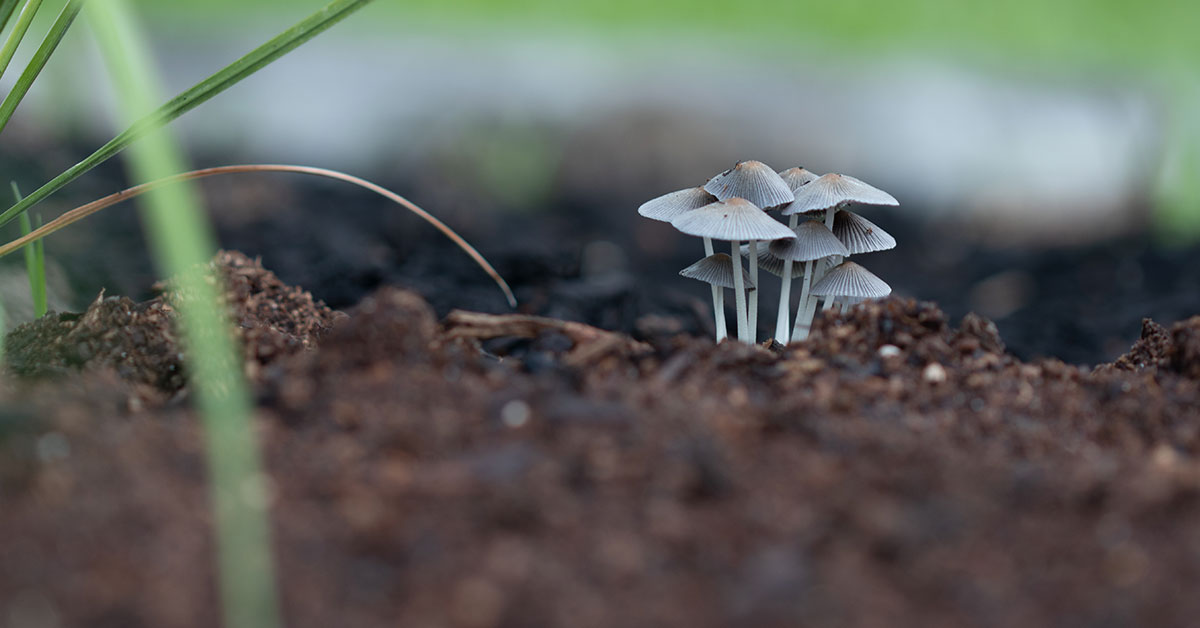

For many gardeners, seeing mushrooms sprouting across the lawn might spark worry about disease, decay, or poor lawn care. The instinct is often to rake them away, spray chemicals, or dig them up. But the truth is, mushrooms are usually a sign of a healthy, thriving ecosystem beneath your feet. Far from being a problem, they are an indicator that your soil is alive, balanced, and full of beneficial activity.
Mushrooms are the fruiting bodies of underground fungi, and those fungi play an essential role in supporting soil health, plant growth, and even your lawn’s overall resilience. Once you understand what they do and why they appear, you might start celebrating their presence instead of fearing them. Here’s why letting mushrooms pop up in your lawn is not only harmless but actually good for your garden.
Mushrooms Indicate Healthy Soil
If mushrooms are appearing in your lawn, it means your soil is rich in organic matter. Fungi thrive in nutrient-dense environments, breaking down old plant material, roots, and other organic debris to release nutrients back into the soil. This recycling process improves soil fertility naturally, creating the perfect foundation for lush, healthy grass and thriving garden beds.
Their presence also signals that your lawn has the right balance of moisture, temperature, and biodiversity underground. Where there is fungal activity, there is life. Instead of treating mushrooms as pests, consider them a sign that your soil ecosystem is functioning as it should. By letting them stay, you allow that natural nutrient cycle to continue without interruption.
They Break Down Organic Matter Efficiently
One of the most important roles fungi play in the garden is decomposition. Mushrooms are the visible evidence of this hidden process, breaking down dead plant material, fallen leaves, old roots, and buried wood. Without them, organic matter would build up and suffocate healthy soil, slowing down nutrient cycling.
By feeding on decaying matter, mushrooms convert complex materials into forms plants can easily absorb, enriching the surrounding soil with natural fertilizers. This supports stronger root systems, greener lawns, and healthier ornamental plants without the need for synthetic inputs. Essentially, mushrooms are nature’s cleanup crew, returning valuable resources back to the ecosystem right where they belong.
Fungal Networks Support Plant Growth
Beneath every mushroom is a vast web of mycelium, a network of tiny fungal threads that connect with plant roots. These underground partnerships, called mycorrhizal relationships, are one of nature’s most remarkable systems. Through them, fungi help plants absorb water and nutrients more efficiently, especially phosphorus, which is essential for strong growth.
In exchange, plants provide fungi with sugars produced through photosynthesis. It is a mutually beneficial relationship that strengthens both partners and creates a healthier overall ecosystem. When you allow mushrooms to thrive, you encourage these hidden underground alliances, which ultimately lead to stronger lawns, more resilient garden beds, and more vigorous plant growth overall.
They Improve Soil Structure and Drainage
Mushrooms and their fungal networks don’t just feed your plants—they also improve the physical structure of your soil. As fungi break down organic matter and spread their mycelium, they create tiny channels in the soil, improving aeration and water infiltration. This means your lawn drains more effectively, preventing pooling and reducing the risk of root rot in plants.
Healthy soil structure also promotes deeper root systems, allowing your grass and garden plants to access nutrients and water more easily. Over time, this natural improvement makes your lawn more drought-tolerant and less dependent on constant watering. By leaving mushrooms undisturbed, you support these invisible processes that keep your soil balanced and healthy.
Mushrooms Are Signs of Biodiversity
A lawn or garden full of mushrooms is a lawn rich in biodiversity. Fungi play a central role in supporting a variety of organisms, from beneficial insects to earthworms and microorganisms that keep your soil ecosystem thriving. A biodiverse lawn is better at resisting pests, diseases, and environmental stresses because all its components work together harmoniously.
Mushrooms also attract tiny decomposers that feed on organic debris, which in turn become food for larger predators like birds and amphibians. By tolerating mushrooms in your lawn, you create an interconnected habitat that sustains multiple species, improving the health and stability of your yard’s ecosystem over the long term.
Mushrooms Can Help Sequester Carbon
Fungi are unsung heroes in the fight against climate change. Through their underground mycelial networks, they help capture and store carbon in the soil, preventing it from being released back into the atmosphere. By leaving mushrooms undisturbed, you allow these natural carbon-capturing systems to work more effectively.
Healthier, carbon-rich soils also tend to hold water better and resist erosion, which benefits your lawn and the surrounding environment. Supporting mushroom growth means supporting processes that have far-reaching impacts beyond your garden, contributing to soil health, environmental resilience, and even global carbon balance.
Some Mushrooms Attract Beneficial Wildlife
While mushrooms themselves aren’t typically a food source for many animals, they play an indirect role in attracting beneficial wildlife to your yard. Certain insects and microorganisms thrive in fungal-rich environments, which then draw birds, frogs, and other predators that help naturally control pests.
In this way, mushrooms support a balanced food web in your backyard, encouraging biodiversity and keeping harmful insect populations in check without the need for chemicals. Rather than seeing mushrooms as unsightly, consider them a sign that your yard is functioning as a miniature ecosystem where plants, wildlife, and microorganisms coexist.
They Indicate a Balanced Moisture Cycle
Mushrooms need the right combination of warmth and moisture to fruit, which means their sudden appearance often signals that your lawn has achieved ideal hydration levels. If your grass looks green and mushrooms are popping up, it is a sign that your soil is holding moisture properly, feeding both plants and underground fungal networks.
Conversely, when mushrooms disappear after a dry spell, it signals the soil’s moisture balance has shifted. Understanding this connection can help you fine-tune your watering habits, ensuring your lawn and garden maintain an environment where both fungi and plants thrive in harmony.
Not All Mushrooms Are Harmful
Many gardeners worry that mushrooms are dangerous or indicate disease, but the vast majority of species that appear in lawns are harmless to plants, pets, and people. In fact, they are simply the reproductive structures of fungi doing essential work underground. While you should avoid eating unknown species, their presence itself is almost never a problem.
In rare cases where poisonous varieties appear, leaving them undisturbed is still better than spreading spores by removing them improperly. If safety is a concern, wear gloves to collect mushrooms and dispose of them carefully, but remember that their existence is a natural and healthy sign for your yard’s ecosystem.
How to Encourage the Right Kind of Fungal Activity
If you want your lawn and garden to benefit from the positive effects of mushrooms, you can support their growth naturally. Avoid overusing chemical fertilizers and pesticides, which disrupt fungal networks, and focus on enriching your soil with organic matter like compost and shredded leaves. This provides the fungi with the nutrients they need to thrive.
You can also avoid excessive raking and tilling, which disturb underground mycelium. By maintaining a healthy balance of moisture, organic material, and minimal soil disturbance, you create an environment where beneficial fungi—and the plants connected to them—flourish together.