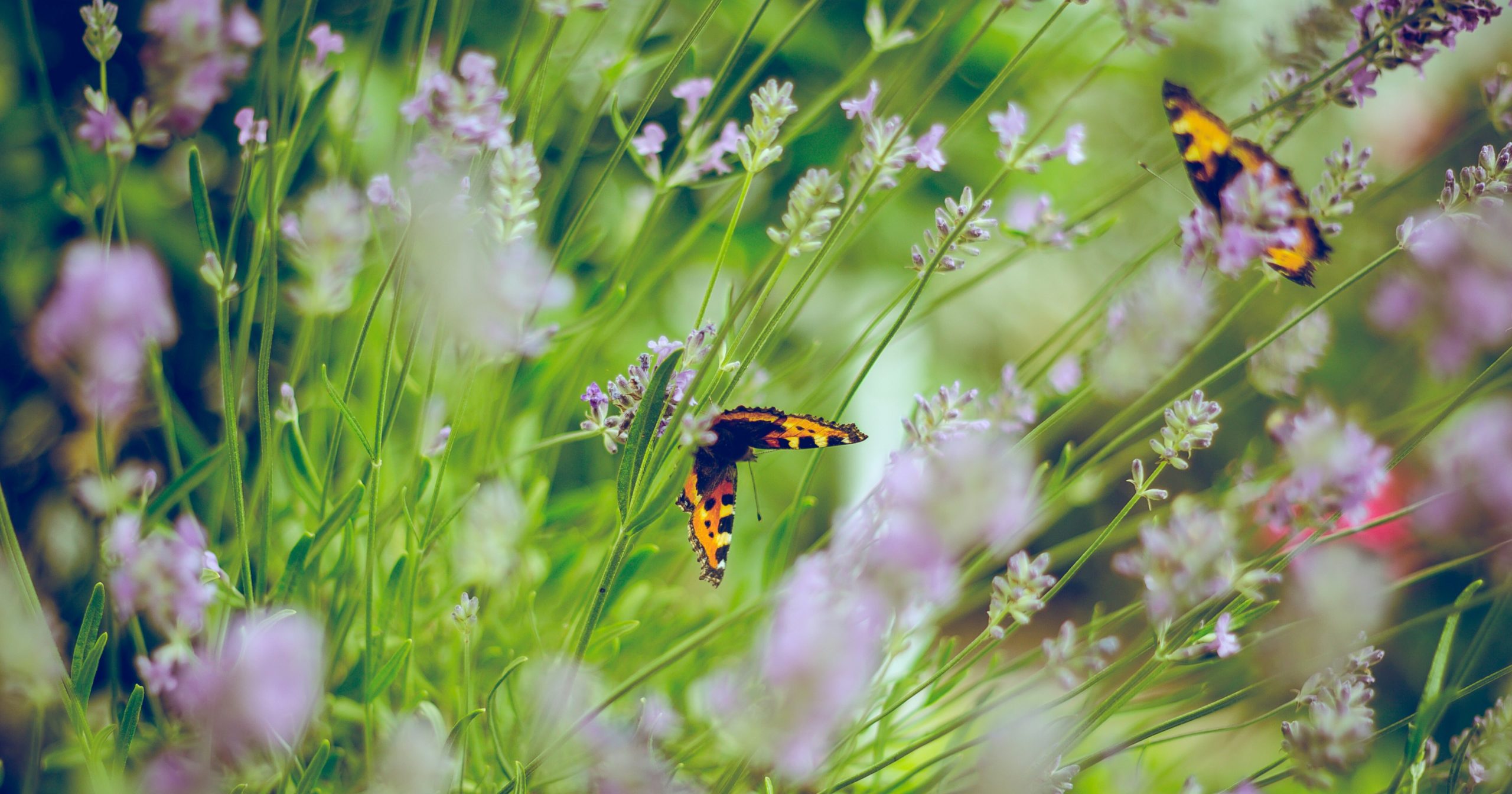

Every fall, gardeners everywhere grab their rakes and leaf blowers to clear their lawns of fallen leaves. It feels tidy, it looks neat, and for many, it has always been the “right” thing to do. But if you care about pollinators like butterflies and bees, raking every leaf away could be doing more harm than good. Leaf litter isn’t just debris—it is an essential part of a healthy ecosystem, providing food, shelter, and overwintering sites for countless beneficial insects and other small wildlife.
By removing every leaf from your yard, you may unintentionally destroy habitats for pollinators and reduce biodiversity in your garden. The good news is that there are smarter, pollinator-friendly ways to manage your fall leaves without sacrificing the health of your plants or your lawn. Here is why leaving at least some of those leaves where they fall is one of the best things you can do for butterflies, bees, and your backyard ecosystem.
Leaf Litter Provides Critical Winter Shelter
For many beneficial insects, including butterflies, moths, bees, and beetles, fallen leaves act as a natural blanket that insulates them from freezing temperatures. Caterpillars and pupae burrow into the leaf litter to overwinter, while queen bumblebees often shelter beneath layers of leaves until spring. Without this protective covering, many pollinators cannot survive the cold months.
By raking away every leaf, you remove one of the most important habitats in your yard. Even leaving just a thin layer of leaves under trees, shrubs, and garden beds can provide enough shelter for these essential species. Allowing nature’s mulch to stay in place not only protects wildlife but also supports a healthier, more balanced ecosystem when spring returns.
Butterflies Overwinter in Leaf Piles
Many beloved butterflies depend directly on fallen leaves to complete their life cycles. Species like the great spangled fritillary, red-banded hairstreak, and mourning cloak overwinter as caterpillars or chrysalises tucked safely into leaf piles. When we rake up every last leaf and send them to the landfill, we often throw away next season’s butterflies without realizing it.
If you want to see more pollinators in your garden, give them safe spaces to survive the winter. Leave leaf piles under trees or in the corners of your yard, especially near native host plants. Come spring, these hidden cocoons and caterpillars will emerge, continuing the cycle and supporting a thriving population of butterflies in your garden.
Many Native Bees Nest in the Leaf Layer
Unlike honeybees, the majority of North America’s native bee species do not live in hives. Instead, many solitary bees nest in the ground, hiding beneath fallen leaves or shallow soil layers for protection. These pollinators play a crucial role in ecosystems, yet they are especially vulnerable to habitat loss caused by overzealous yard cleanup.
Leaving a layer of leaf litter helps preserve safe nesting spots for native bees. If you want to go a step further, create “pollinator zones” where leaves, hollow stems, and wildflowers are left undisturbed until mid to late spring. These small, intentional changes make a massive difference for native bee survival and increase pollination rates across your garden.
Leaves Feed the Soil Naturally
Fallen leaves are nature’s compost. As they break down, they release valuable nutrients back into the soil, enriching it for plants, trees, and surrounding ecosystems. Microbes, fungi, and earthworms feed on decomposing leaves, creating a living, healthy soil structure that benefits your garden long after winter is over.
When you rake and bag up leaves, you remove these free, natural nutrients from your yard. Allowing leaves to decompose in place, or shredding them lightly before spreading them across beds, improves soil fertility while supporting the insects and microorganisms that keep your ecosystem thriving. It is a win-win for pollinators and gardeners alike.
Why Lawns and Leaf Blowers Are a Problem
Manicured lawns often conflict with pollinator-friendly practices, especially when paired with aggressive leaf removal. Short, closely trimmed grass offers little to no habitat for beneficial insects, while gas-powered leaf blowers strip away critical cover and even kill insects hiding in the debris. In some cases, blowers also compact soil, making it harder for ground-nesting bees to survive.
If you prefer a neat yard, aim for balance instead of total leaf removal. Rake lightly where necessary, such as on high-traffic walkways, but leave sections of your yard natural and undisturbed. Designating wild zones in your garden creates safe havens for pollinators while allowing you to maintain tidy areas where you need them most.
Not All Leaves Need to Stay Put
While leaving leaves benefits wildlife, there are times when limited removal makes sense. Thick, wet mats of leaves on your lawn can block sunlight and trap moisture, leading to fungal problems and suffocated grass. In these cases, instead of raking everything away, consider shredding the leaves with a mower and redistributing them as mulch around garden beds and trees.
This approach keeps the nutrients on your property while preventing damage to your lawn. You also create a softer, broken-down layer of cover where insects can still shelter without the risks that come from overly thick piles. It is all about moderation—keep what helps your pollinators and recycle the rest in a way that supports soil and plant health.
Protect Overwintering Caterpillars
Many caterpillars spend the winter tucked under leaves before completing their life cycles in spring. When their leaf shelters are removed, these developing insects die, reducing local butterfly populations year after year. Species like swallowtails, painted ladies, and question marks all rely on undisturbed leaf litter to survive.
By leaving fallen leaves where they are, you preserve these safe hiding spots. If you must tidy up, pile leaves around the bases of trees, shrubs, and naturalized garden areas instead of bagging them. Protecting caterpillars through winter ensures more butterflies in your garden next season, creating a healthier and more vibrant pollinator community.
Leaf Litter Supports Birds, Too
It is not just butterflies and bees that benefit from uncollected leaves—many backyard birds rely on leaf litter to find food during fall and winter. Insects hiding beneath the leaves provide a critical food source for species like wrens, thrushes, and robins when other resources are scarce. By raking too aggressively, you also reduce the diversity of wildlife your yard can support.
Allowing some leaves to stay in place encourages a balanced ecosystem where pollinators, birds, and other beneficial species coexist. The more food sources available in your yard, the more diverse and active your wildlife population will be throughout the year.
How to Create Pollinator-Friendly Leaf Zones
One of the easiest ways to support butterflies and bees while maintaining your yard is by creating designated leaf-friendly areas. Choose quiet corners of your property, under native trees, or around garden beds where you leave fallen leaves untouched until late spring. These natural zones provide critical shelter for overwintering insects while still allowing for tidier areas elsewhere.
You can also enhance these pollinator zones by planting native perennials nearby, such as goldenrod, coneflowers, or Joe-Pye weed. These plants work alongside leaf litter to provide food, shelter, and breeding sites for dozens of pollinator species. With a little planning, you can create vibrant ecosystems within your own yard without sacrificing beauty or functionality.
Reduce Pesticide Use Alongside Leaf Conservation
Leaving your leaves is only one part of creating a pollinator-friendly garden. To truly support butterflies, bees, and other beneficial insects, reduce or eliminate chemical pesticides whenever possible. Residues from sprays and treated lawns can harm overwintering pollinators hiding in leaf litter and reduce insect populations in the spring.
Instead, opt for natural pest management methods like introducing beneficial insects, hand-picking pests, or using organic sprays sparingly. By combining leaf-friendly practices with pollinator-safe gardening techniques, you create an environment where insects can thrive year-round and support the biodiversity your yard needs.
A Balanced Approach for a Healthier Yard
You do not have to choose between a neat yard and a thriving pollinator habitat. By leaving some leaves in low-traffic areas and redistributing shredded ones where needed, you can create a landscape that supports butterflies, bees, birds, and soil health while still maintaining curb appeal. A balanced approach benefits everyone, from homeowners to wildlife.
Your yard is part of a larger ecosystem, and even small changes make a big impact. By letting nature do its job and resisting the urge to over-clean, you can transform your property into a sanctuary for pollinators and beneficial creatures without sacrificing beauty or function.