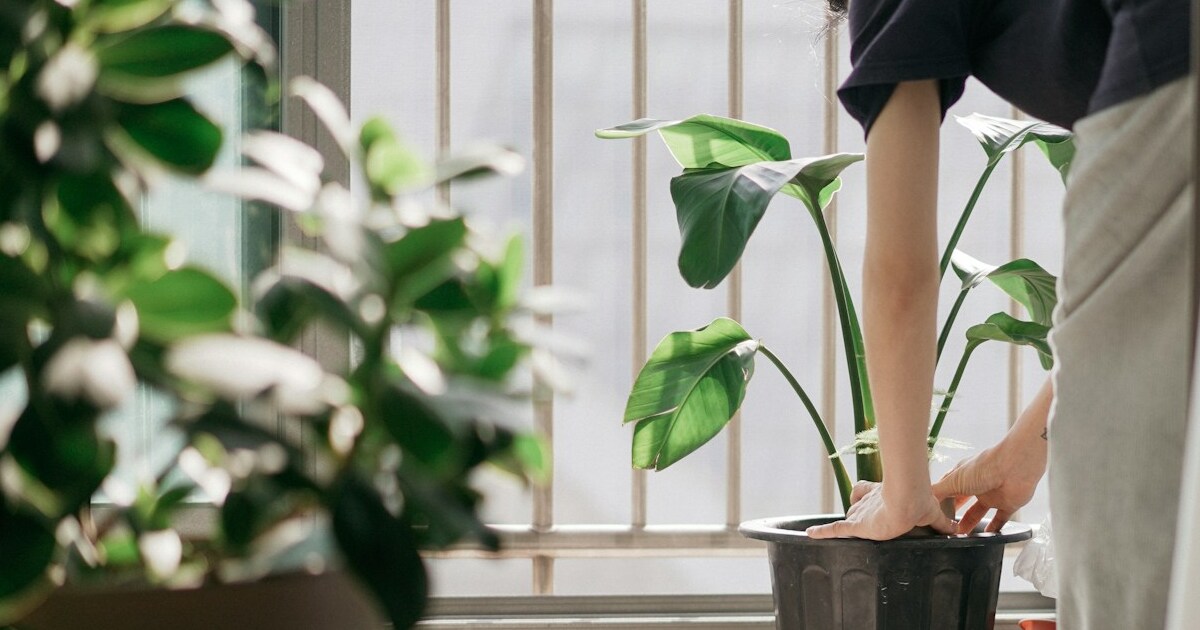

As the days get shorter and temperatures start to dip, many gardeners begin wondering when it is time to bring their outdoor plants inside. The transition from warm summer days to chilly fall nights can be stressful for tender plants, and waiting too long can cause shock, stunted growth, or even death. Bringing plants indoors at the right time allows them to acclimate gradually, continue growing through winter, and thrive again next spring.
However, timing is not the only factor to consider. You also need to think about temperature thresholds, pest prevention, humidity, and how to help your plants adjust to lower light levels indoors. By preparing your plants properly, you can ensure a smooth transition and keep them healthy all season long.
Watch the Nighttime Temperatures
The best way to know when to bring your outdoor plants inside is to monitor the nighttime lows. Most tropical and tender houseplants start experiencing stress when temperatures consistently drop below 50°F. Even if daytime highs remain warm, chilly nights can damage sensitive foliage and slow growth significantly.
Check the local forecast regularly as fall approaches and plan to bring plants inside before temperatures dip below their tolerance levels. Some plants, like citrus, hibiscus, and orchids, prefer warmer conditions and should come in earlier, around 55°F to 60°F. Acting before cold nights set in gives plants time to adjust gradually instead of forcing them to recover from cold damage.
Consider the First Frost Date
For gardeners in cooler climates, knowing your area’s average first frost date is critical. Frost-sensitive plants like basil, coleus, begonias, and impatiens can be damaged or killed instantly if left outside during an early cold snap. Since frost can form even when air temperatures are slightly above freezing, it is better to err on the side of caution and bring these plants inside before your expected frost window.
Research your USDA hardiness zone and keep a close eye on local weather patterns. If you notice clear, cold nights in the forecast, move your vulnerable plants indoors right away. For container-grown vegetables and tender perennials, relocating them early ensures you can enjoy continued harvests and healthy growth throughout the winter months.
Acclimate Plants Gradually
One of the biggest mistakes gardeners make is moving plants directly from bright outdoor conditions into the low-light environment of a typical home. Sudden changes in temperature, humidity, and light can shock plants, causing yellowing leaves, wilting, or premature leaf drop. To prevent this, start acclimating your plants about one to two weeks before bringing them inside full-time.
Begin by moving them into a shaded or protected outdoor area where they receive less direct sunlight. After a few days, bring them indoors for several hours and return them outside during the day. Gradually increase their indoor time until they are fully transitioned. This gentle adjustment helps plants adapt to lower light and drier indoor air, minimizing stress and ensuring better long-term growth.
Inspect for Pests Before Bringing Plants Inside
Before carrying your plants indoors, inspect them carefully for pests like spider mites, aphids, mealybugs, and scale. Outdoor plants often harbor insects that can quickly spread to your other houseplants if left unchecked. Look closely at the undersides of leaves, stems, and soil surfaces, where many pests hide.
If you find bugs, rinse the plant with a strong stream of water to remove them, then treat with an insecticidal soap or neem oil spray if needed. You can also isolate new arrivals for a week or two before placing them among your existing indoor plants. Taking these preventive measures keeps your indoor garden pest-free and ensures that all your plants stay healthy during the winter months.
Clean and Prune Plants Before Transitioning
Before moving your outdoor plants inside, give them a thorough cleaning and light pruning to prepare them for their new environment. Wipe down leaves with a damp cloth to remove dust, pollen, and any lingering pests. For larger plants, gently hose them off outside to clear debris and refresh the foliage.
Pruning away dead, damaged, or leggy growth helps reduce energy demands on the plant and encourages healthier growth once indoors. Removing old leaves also limits hiding places for insects and improves airflow around the plant. By tidying them up before the transition, you help your plants look better, stay healthier, and adjust more successfully to indoor conditions.
Adjust Watering and Humidity Levels
Once your plants are indoors, their water and humidity needs change dramatically. Homes in fall and winter tend to have drier air, especially when heating systems run frequently. At the same time, plants receive less light, meaning their growth slows and they require less frequent watering.
Check the soil moisture regularly but avoid overwatering, which can lead to root rot in low-light conditions. Grouping plants together helps create a microclimate with higher humidity, and using pebble trays or small humidifiers nearby can make a big difference for tropical species. Monitoring both watering schedules and humidity levels ensures your plants stay hydrated and healthy throughout the season.
Place Plants in the Right Lighting Conditions
Indoor light levels are almost always lower than what outdoor plants are used to, even near bright windows. Choosing the right locations for your plants is crucial to keeping them thriving indoors. South- and west-facing windows typically provide the most light, but east-facing spots work well for plants that prefer indirect sun.
For plants that need higher light levels, consider supplementing with grow lights to mimic longer daylight hours and encourage steady growth. Rotate pots regularly so all sides receive adequate light and prevent uneven stretching. Matching your plant’s light needs to its placement inside makes the adjustment smoother and sets the stage for a healthier growing season indoors.
Know Which Plants Can Stay Outdoors Longer
Not every plant needs to be brought inside at the same time. Cold-hardy plants like rosemary, kale, and some varieties of succulents tolerate cooler temperatures and can stay outdoors longer than tropical species. Understanding each plant’s temperature threshold helps you prioritize which ones to move first as fall progresses.
For perennials and shrubs adapted to your hardiness zone, leaving them outside is usually best, as bringing them indoors can disrupt their natural dormancy cycles. On the other hand, tropical plants, tender herbs, and flowering annuals should be moved earlier to avoid damage. Tailoring your strategy based on plant needs ensures a smoother transition and less stress for your collection.
Watch for Signs of Stress After Moving Indoors
Even with careful preparation, some plants will experience stress when transitioning indoors. Watch for signs like yellowing leaves, drooping stems, or leaf drop, which are often temporary responses to lower light and humidity. Most plants recover with proper care, but monitoring them closely helps you make adjustments before issues worsen.
If you notice plants struggling, try moving them to a brighter location, adjusting watering routines, or increasing humidity nearby. Resist the urge to fertilize right away, as plants naturally slow their growth during fall and winter. By giving them time to acclimate, you set them up for stronger recovery and better performance once the growing season resumes.
Prepare for Spring While Caring for Plants Indoors
Bringing plants indoors for the fall and winter months does not mean your gardening season has ended—it simply shifts your focus. Use this time to experiment with plant care techniques, observe growth habits, and plan ahead for the next spring season. Taking notes on which plants performed well, which struggled, and when you moved them inside can help improve your timing next year.
You can also use this period to propagate cuttings, refresh soil in containers, and adjust your setup for better indoor growing conditions. By caring for your plants thoughtfully during the cooler months, you ensure they are strong, healthy, and ready to flourish when warm weather returns.
Creating a Smooth Transition for Your Plants
Bringing outdoor plants indoors at the right time is key to keeping them healthy and thriving during fall and winter. By monitoring temperatures, acclimating them gradually, and preparing their environment, you give your plants the best chance to adjust successfully.
With proper care and attention, your plants will continue to add beauty and life to your home even when the outdoor garden slows down. Planning ahead now ensures a smoother transition and sets your entire indoor garden up for success until spring arrives again.