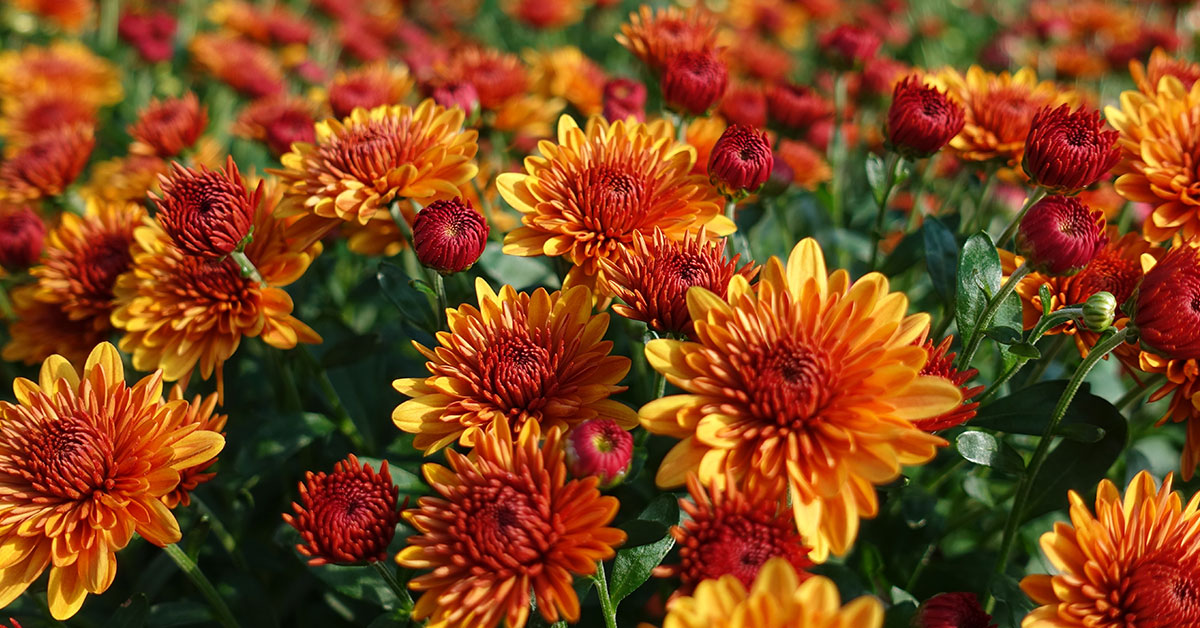

When fall arrives, chrysanthemums dominate garden centers, grocery stores, and front porches everywhere. Their bursts of gold, orange, purple, and burgundy seem like the perfect way to celebrate the season, but there is more to these store-bought mums than meets the eye. While they offer instant curb appeal, many of the mums sold in big-box stores and supermarkets come with hidden downsides that can impact your garden’s health, local ecosystems, and even next year’s blooms.
Before you load up your cart with discounted pots of color, it is worth understanding the truth behind these mass-produced mums. From chemical treatments to invasive growing practices, what you choose now affects not just this season’s display but the long-term success of your landscape.
Most Store-Bought Mums Are Annuals, Not Perennials
Many shoppers are surprised to learn that most mums sold in stores are bred to be disposable. These varieties are often referred to as “florist mums” or “decorator mums,” and they are designed to provide one burst of color before fading out for good. Unlike hardy garden mums, they rarely survive winter, no matter how carefully you care for them.
Growers select these varieties for showy blooms and uniform shapes rather than cold tolerance or long-term performance. If your goal is to have mums return year after year, you are better off buying hardy perennial mums from a local nursery. These cultivars have deeper root systems and stronger genetics that allow them to overwinter successfully, especially when planted early enough to establish before frost.
They Are Often Doused in Growth Regulators
One of the reasons store-bought mums look so perfectly rounded and uniform is the heavy use of chemical growth regulators. These treatments force the plants to stay compact and produce dense clusters of blooms, creating that “perfect” seasonal display shoppers expect. While the effect is visually appealing, it comes at a cost to the plant’s natural growth cycle.
Once the growth regulator wears off, many mums begin stretching out and becoming leggy, which can make them look scraggly in future seasons. For gardeners who hope to plant their mums long-term, these chemicals can also weaken the plant’s ability to establish strong roots. Choosing untreated, nursery-grown mums instead helps you get plants that are healthier, more resilient, and better suited for permanent garden beds.
The Root Systems Are Often Weak
Mass-produced mums are grown in tightly packed containers with small, shallow root systems. Growers prioritize fast turnover and attractive blooms over developing sturdy roots, meaning these plants are not prepared to handle stress from transplanting or harsh weather conditions.
When you buy a store mum and plant it directly in your yard, it may wilt, fail to take hold, or die entirely because the roots have not been given the chance to develop properly. If you are committed to planting them, take time to gently loosen the root ball, amend the soil with compost, and water consistently to give the plant the best chance at survival. Even then, success rates are often lower compared to nursery-grown, hardy mums.
Many Are Over-Fertilized for Short-Term Color
Store-bought mums are often loaded with fast-release fertilizers designed to produce a quick explosion of blooms right before they hit store shelves. This creates a spectacular display for a few weeks but leaves the plant depleted and exhausted shortly afterward. Once the initial feeding wears off, the plant often struggles to maintain blooms and lacks the nutrients needed for sustained health.
If you want your mums to last beyond the season, consider repotting them with fresh soil and adding a balanced, slow-release fertilizer. This helps restore their strength and encourages healthier foliage and flowering patterns. For longer-term success, starting with mums grown under more natural conditions at local nurseries is often the better route.
They Can Introduce Pests and Diseases
Mass-produced mums are often grown in large greenhouse operations where plants are packed closely together, creating ideal conditions for pests and fungal diseases. While the plants may look perfect when you purchase them, they can harbor issues like aphids, spider mites, or leaf spot that do not become visible until later.
Before planting store-bought mums in your garden, inspect them carefully for any signs of pests or discoloration. Quarantining new plants for a few days away from your established garden beds can help prevent spreading potential problems. Supporting local growers who prioritize healthier growing practices also reduces the risk of introducing unwanted pests or pathogens into your landscape.
They Are Frequently Treated With Harmful Chemicals
To maintain pristine appearances on store shelves, many commercial growers use pesticides, fungicides, and other chemical treatments during production. While these keep plants looking flawless, they can negatively affect beneficial insects like bees and butterflies that rely on mums for late-season nectar.
If supporting pollinators is important to you, look for mums labeled as grown without neonicotinoids or other harmful chemicals. Local nurseries and growers focused on sustainable practices are more likely to offer pollinator-friendly options, ensuring your fall garden provides beauty without compromising the health of your local ecosystem.
Store-Bought Mums Rarely Survive Winter
Even if you plant your store-bought mums outdoors, many simply are not bred to handle freezing temperatures. These varieties are often forced into bloom early and then shipped long distances, which stresses the plant and leaves it unprepared for colder weather. By the time fall arrives, the plants are often too depleted to establish strong enough roots to survive until spring.
If you want mums to return year after year, choose hardy varieties bred for your growing zone. Plant them in late summer or very early fall to give their roots enough time to settle in before frost. Adding a layer of mulch around the base also improves their odds of overwintering successfully.
Local Nursery Mums Are a Better Investment
While big-box mums are tempting for their price and instant impact, mums from local nurseries tend to be far superior for long-term success. These plants are usually grown without heavy chemical treatments, have stronger root systems, and are selected specifically for your region’s climate.
Local growers often carry hardy perennial mums that return reliably each year when planted properly. While they may cost slightly more upfront, the investment pays off in a healthier, more resilient garden filled with fall color for seasons to come.
Alternatives to Store-Bought Mums
If you want long-lasting fall beauty, consider incorporating other native and hardy perennials that offer late-season color and support pollinators. Plants like asters, goldenrod, sedum, and rudbeckia all bloom in autumn and are naturally adapted to local conditions, making them better long-term choices than short-lived florist mums.
Mixing these with hardy perennial mums from reputable growers creates a low-maintenance, vibrant fall garden. Not only do these alternatives support pollinators and local wildlife, but they also return year after year, saving you money and reducing waste from constantly replacing plants.
Making Better Choices for Your Garden
Store-bought mums may look stunning on display, but understanding the hidden trade-offs can help you make better decisions for your garden’s long-term health. Choosing hardy, locally grown mums or mixing in native perennials creates a fall landscape that thrives beyond a single season.
By supporting sustainable growing practices and planting varieties suited to your region, you set your garden up for success while helping pollinators and wildlife at the same time. With just a little extra thought and planning, you can enjoy gorgeous fall color that lasts for years instead of weeks.