

September and October are critical months for preparing your garden for winter, and one of the most important tasks is cutting back certain perennials. While some plants benefit from leaving their foliage intact for winter protection, others need a good trim to encourage healthy regrowth and bigger blooms next year. Cutting back at the right time improves airflow, prevents disease, and helps plants conserve energy during dormancy.
These twelve perennials absolutely need a fall cut-back to stay healthy and perform their best. With a little attention now, you set the stage for a more vibrant and productive garden when spring returns.
Peonies
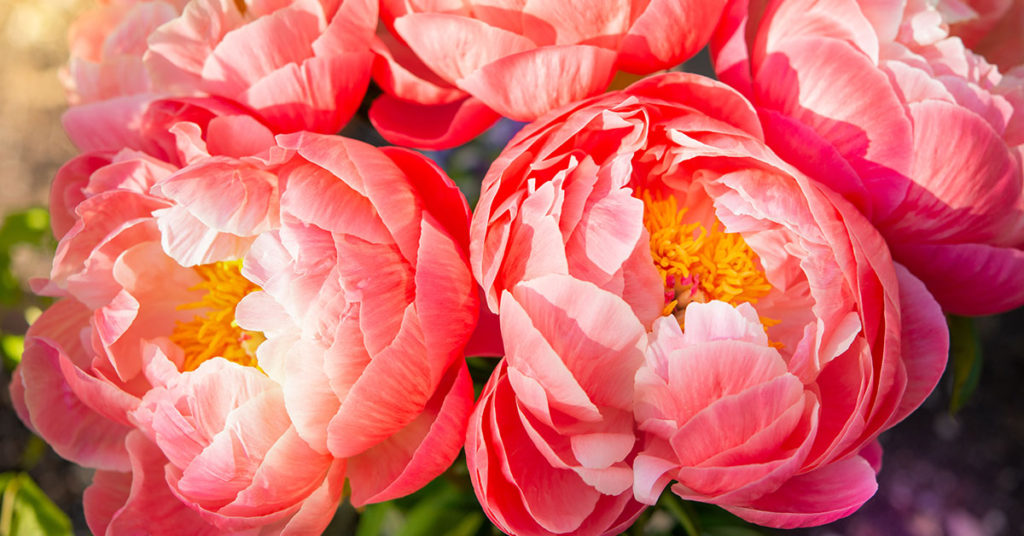
Peonies are beloved for their big, show-stopping blooms, but they are also prone to fungal diseases like botrytis if old foliage is left over winter. By September, their leaves are often yellowing or spotted, which is a sign they are ready to be cut back.
Use clean, sharp pruners to remove all foliage down to just above ground level, disposing of the cuttings rather than composting them to avoid spreading disease. Mulch lightly around the base for winter protection, but leave the crown exposed. Cutting back peonies now improves their overall health and ensures they can focus on root development, resulting in stronger stems and more abundant flowers next year.
Bee Balm
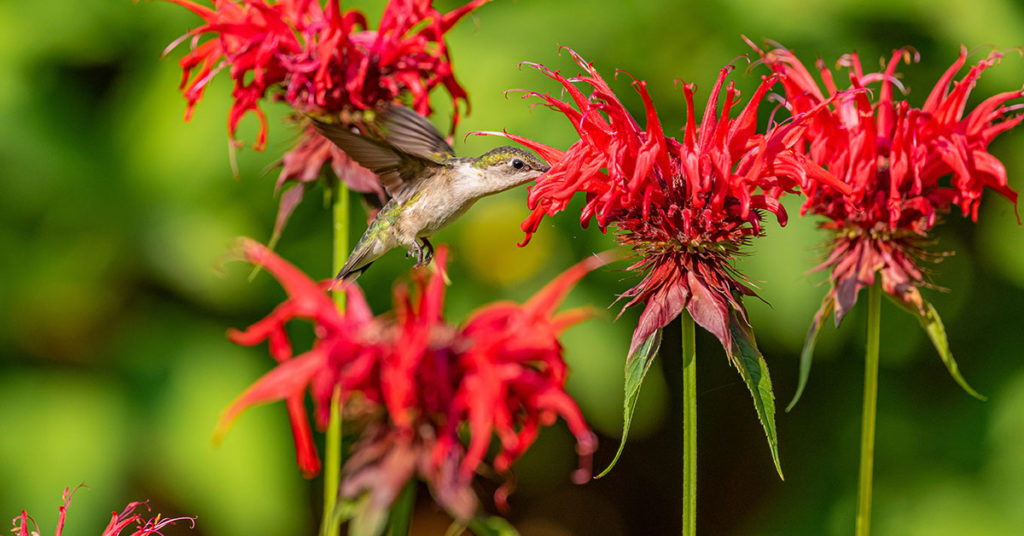
Bee balm is a pollinator favorite, but it can be highly susceptible to powdery mildew if left untrimmed through winter. By September, the stems often look ragged, and the leaves may be spotted or discolored. Removing spent growth helps prevent disease from overwintering and improves next season’s performance.
Cut the stems back to about two inches above soil level and clear away fallen foliage from the surrounding area. Mulching afterward helps retain moisture and protects the roots through the colder months. Trimming bee balm in fall rejuvenates the plant and encourages healthy, vibrant growth that will be packed with flowers next summer.
Catmint

Catmint is one of the easiest perennials to grow, but its sprawling habit can lead to untidy, woody clumps if not pruned back in fall. By September, most of its blooms have faded, making it the perfect time to refresh the plant.
Cut stems back to about three inches above the soil to remove dead foliage and encourage new basal growth. This promotes a more compact, full shape next year and helps prevent dieback during winter freezes. Pair your cut-back with a light layer of mulch to insulate the roots and keep the plant vigorous for its next blooming season.
Columbine
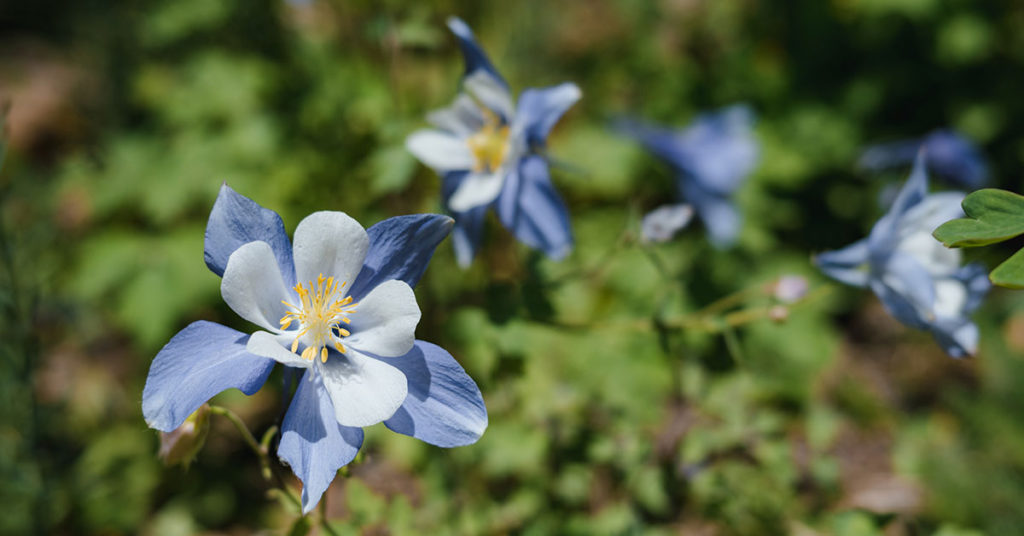
Columbine’s delicate blooms brighten spring gardens, but by fall, the foliage is often tattered and prone to harboring leaf miners and other pests. Cutting it back in September reduces overwintering insect populations and ensures stronger plants in spring.
Trim the entire plant to about two inches above ground level, discarding all old foliage rather than composting it to prevent pest reinfestation. Consider adding a thin mulch layer to protect the crowns during cold weather. A fall cut-back not only keeps columbine looking tidy but also promotes healthy new leaves and abundant blooms next year.
Phlox
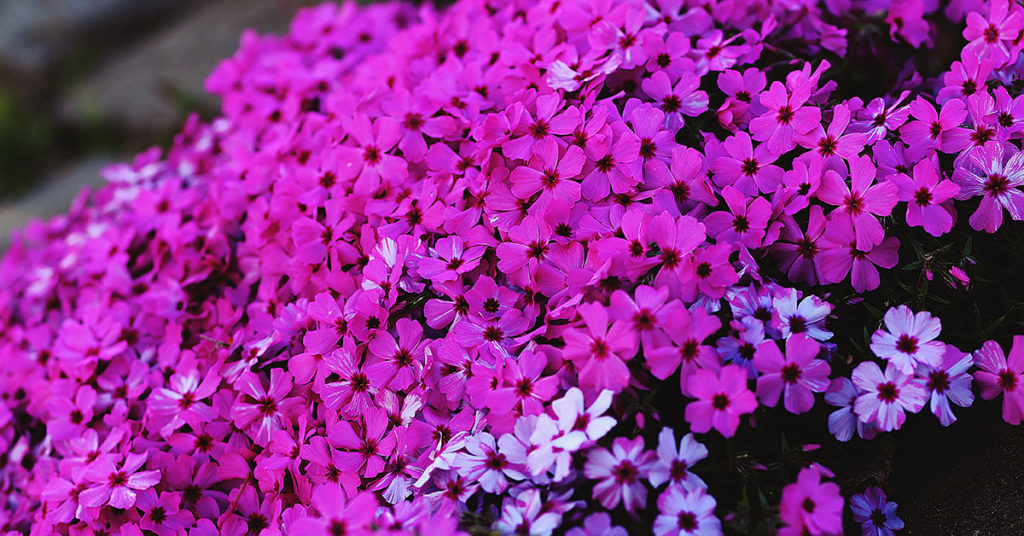
Phlox is a stunning perennial known for its fragrant summer blooms, but it is highly vulnerable to powdery mildew, which thrives in cool, damp conditions. Cutting phlox back in September minimizes the chance of mildew spores overwintering and damaging your plants in spring.
Trim stems down to two inches above the soil and remove any fallen leaves around the base. Disinfect your pruning tools afterward to avoid spreading fungal spores. A fall cut-back keeps phlox healthier, encourages strong root growth, and sets the stage for larger, longer-lasting blooms when the warm months return.
Black-Eyed Susans

Black-eyed Susans are low-maintenance favorites, but they benefit from a hard cut-back in September once their golden blooms fade. Left alone, the seed heads can reseed aggressively and take over your garden, and dead foliage often attracts pests.
Cut the stems down to about two inches above the soil, leaving a few seed heads intact only if you want to feed birds over winter. Clearing away debris reduces the risk of disease and encourages vigorous root growth. A proper fall trim ensures bushier plants and a healthier, longer-lasting display of blooms next summer.
Yarrow

Yarrow is a resilient perennial, but after flowering, its stems and foliage often become brown and scraggly. Cutting it back in September tidies up the plant, prevents disease, and directs energy toward root development rather than sustaining old, dying foliage.
Trim stems down to three inches above the soil and remove any spent blooms and debris around the crown. Add a light mulch layer to protect the roots from winter extremes. Giving yarrow this extra attention now results in lush, compact growth and denser flower clusters when it comes back in full force next season.
Coreopsis
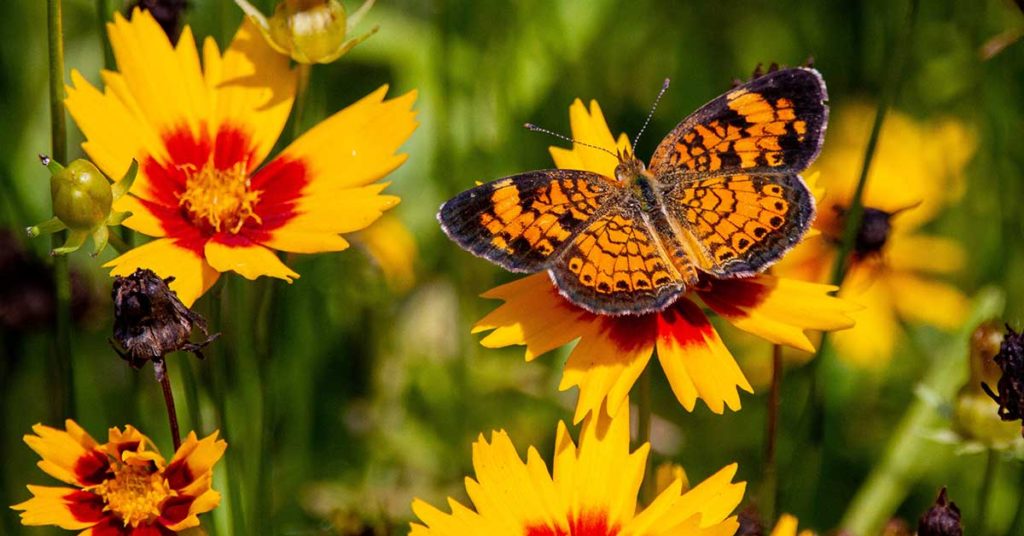
Coreopsis, or tickseed, produces an abundance of cheerful blooms, but by fall, the stems can look thin and leggy. Cutting it back in September not only rejuvenates the plant but also reduces the spread of potential fungal issues and improves its ability to withstand winter.
Prune the stems down to four inches above soil level, making sure to remove any dried foliage. If your coreopsis is heavily congested, consider dividing it at the same time to encourage healthier growth next year. With proper cut-back care, you can look forward to thicker clumps and a spectacular bloom display in summer.
Salvia
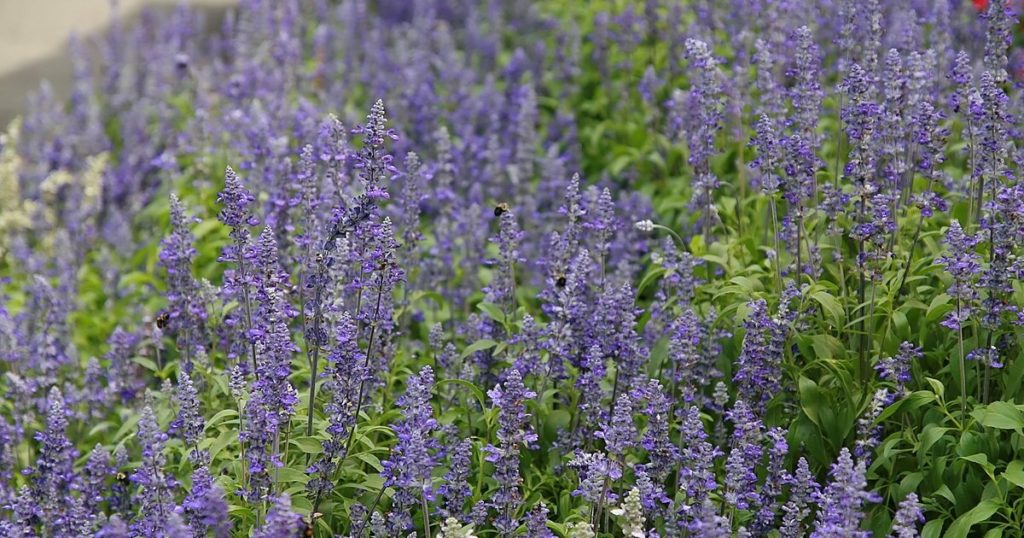
Salvia rewards gardeners with vibrant flowers and pollinator activity, but once the blooms fade, leaving the stems intact over winter can make the plant prone to disease. A September trim gives salvia a fresh start and stimulates healthy regrowth the following spring.
Cut the stems down to four inches above soil level, removing any dead or damaged growth along the way. Salvias thrive in well-drained soil, so adding mulch around the base helps protect the roots during freezes. With the energy redirected from dying foliage, salvia comes back fuller and more colorful, producing bigger blooms next season.
Shasta Daisies
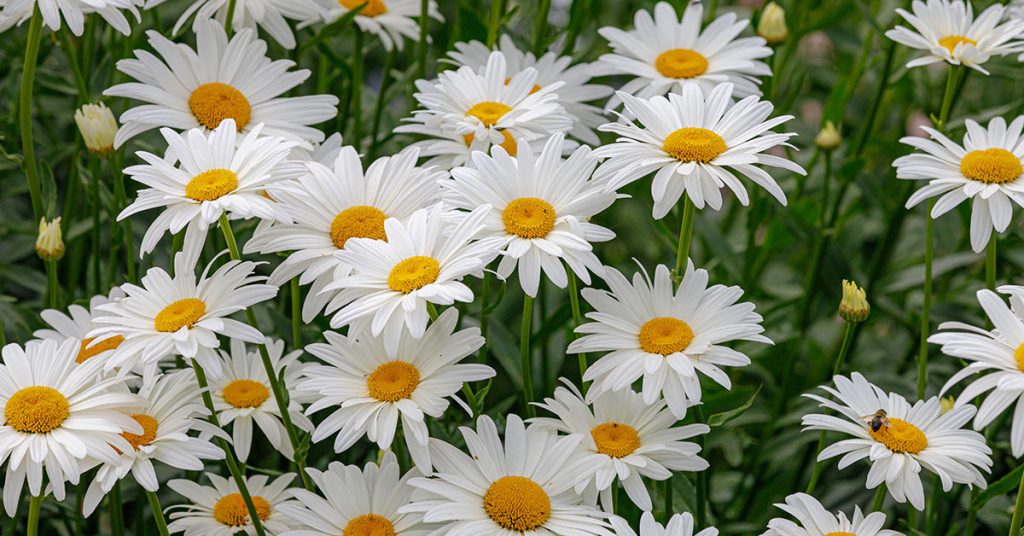
Shasta daisies deliver beautiful, classic white blooms, but the clumps can quickly become ragged and diseased if left standing through winter. Cutting them back in September prevents fungal problems and prepares the plants for renewed energy and growth next spring.
Trim the stems down to two inches above soil level and discard any foliage showing signs of disease. Mulch lightly to insulate the crowns from fluctuating temperatures. A thorough cut-back revitalizes the plants, promotes airflow, and ensures that your daisies return with a stronger flush of flowers next summer.
Hosta
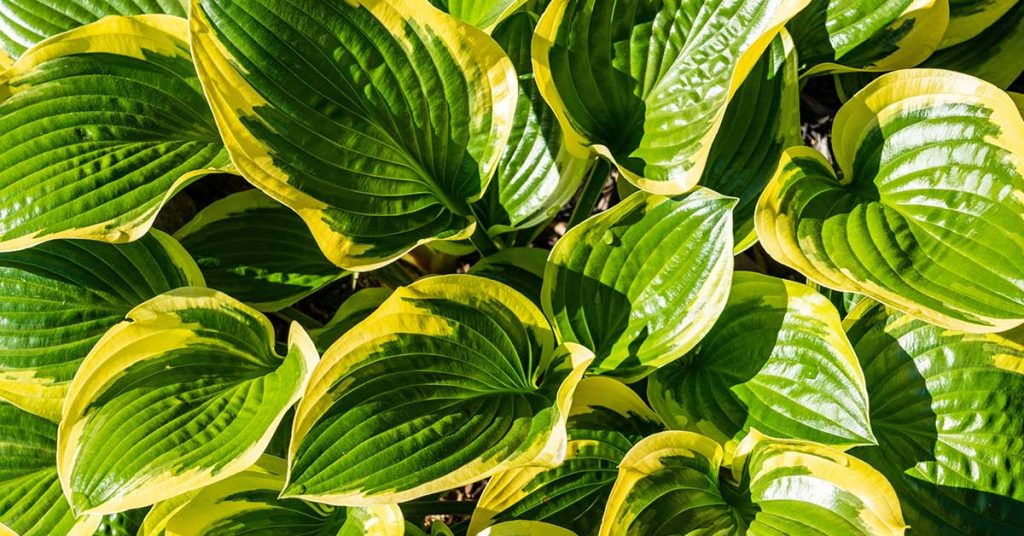
Hostas add lush greenery to shade gardens, but by September, their foliage often looks tired and attracts slugs, snails, and fungal diseases if left untrimmed. Cutting back hostas now helps prevent pest problems and keeps the garden tidy through the colder months.
Once the leaves begin to yellow and collapse, cut them back to just above the crown and remove any plant debris from the area. Adding a layer of mulch afterward protects the roots and keeps the plant healthy during dormancy. A fall cut-back ensures your hostas return with vibrant, pest-free foliage next spring.
Japanese Anemones
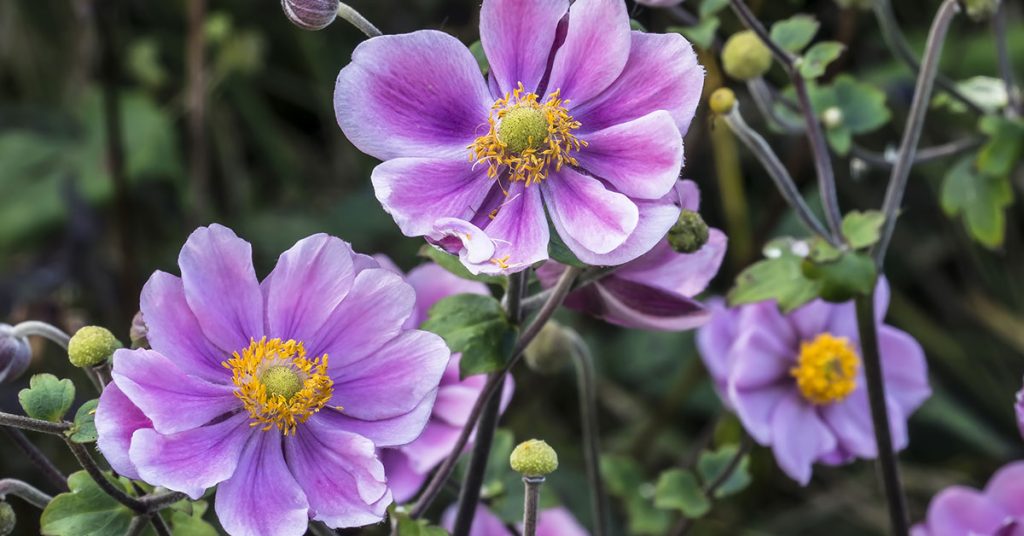
Japanese anemones provide stunning late-summer color, but once their blooms are spent, the foliage often declines rapidly. Cutting them back in September helps conserve energy, prevent disease, and keep the plants from spreading too aggressively.
Trim stems down to ground level, removing old leaves and spent blooms. Because anemones can be vigorous growers, cutting them back controls their size and maintains a balanced planting bed. With their energy redirected to the roots, these plants will come back stronger, producing more abundant flowers and healthier foliage the following year.
Preparing Your Garden for Spring
Giving these twelve perennials a proper fall cut-back is one of the most effective ways to keep your garden healthy and thriving. Removing dead foliage, improving airflow, and preventing disease all work together to set the stage for bigger, better blooms next year.
A little effort in September and October ensures that your plants conserve energy through the winter and emerge stronger than ever in spring. By understanding which perennials need this attention, you give your garden the best chance to reach its full potential.