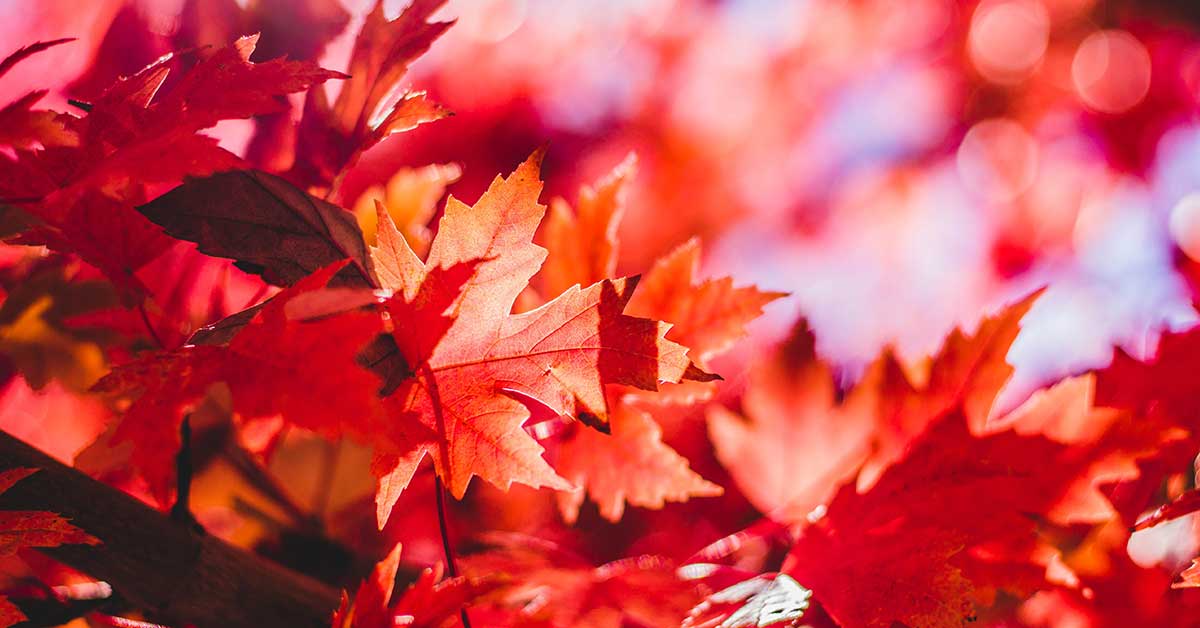

For gardeners, few sights rival the breathtaking transformation of leaves in the fall. The fiery reds, golden yellows, and deep purples bring a sense of wonder to the landscape while signaling the arrival of a new season. But this stunning shift is more than just a visual treat—it’s a signal from nature that change is in motion. Understanding why leaves change color can deepen your connection to the plants you tend and help you prepare your garden for the months ahead.
In this article, we’ll explore the science and folklore behind autumn’s dazzling display. From plant pigments and weather patterns to genetics and ecological impact, each section offers insight into the colorful farewell trees offer before winter sets in. Whether you’re new to gardening or a seasoned pro, let’s take a closer look at the natural mechanics behind fall’s grand finale.
The Science of Leaf Pigments: Nature’s Hidden Palette
During the growing season, leaves are dominated by chlorophyll—the green pigment essential for photosynthesis. But as daylight wanes and temperatures drop, chlorophyll breaks down and fades away, allowing other pigments to step into the spotlight.
🍁 Carotenoids produce bright yellows and oranges and are present in leaves all year, though hidden beneath the green.
🍁 Anthocyanins—responsible for reds, purples, and deep burgundies—are produced in autumn when sugars build up in the leaves under sunny days and cool nights.
For gardeners, knowing which species tend to produce specific pigments helps when planning fall interest. Sugar maples (Acer saccharum) are legendary for their oranges and reds, while trees like the American beech (Fagus grandifolia) display more muted yellows and browns. By planting trees with varying pigment compositions, you can design a landscape that puts on a full-spectrum autumn show.
How Weather Affects Fall Color: Sun, Rain, and Chill
The vibrancy of fall foliage isn’t just about what’s inside the leaves—it’s also shaped by what’s happening in the environment. Temperature swings, sunlight levels, and rainfall all influence how vivid and long-lasting autumn colors will be.
🌞 Sunny days and cool, crisp nights boost anthocyanin production, leading to brilliant reds and purples.
🌧️ Overcast skies or heavy rain, on the other hand, can result in a duller display and shorten the viewing window.
As a gardener, these factors can guide your expectations and even your maintenance strategies. Proper watering during dry spells and thoughtful placement of trees in sun-rich areas can enhance color payoff. Native plants—already attuned to local conditions—often respond more predictably, making them a dependable choice for fall color enthusiasts.
Genetics and Fall Color: What’s Written in a Tree’s DNA
Not all trees are equally flashy in the fall, and much of that comes down to genetics. Some species are simply hardwired to produce more of certain pigments than others.
🌳 Red maples (Acer rubrum) are naturally inclined toward deep red foliage.
🌳 Sugar maples can vary widely, producing everything from yellow to orange to crimson depending on the individual tree’s genetic makeup.
By selecting varieties known for their fall brilliance, gardeners can shape a more dynamic and diverse autumn landscape. Mixing trees with different color profiles—like pairing the golden hues of aspens with the scarlet tones of red maples—creates breathtaking contrast. Genetic diversity also boosts resilience in your garden, reducing vulnerability to pests, disease, and environmental stress.
Why Leaf Color Change Matters to the Ecosystem
Leaf color change isn’t just beautiful—it’s biologically important. As trees prepare for winter dormancy, they reabsorb essential nutrients like nitrogen and phosphorus from their leaves. The color change marks this withdrawal process before the leaves are shed.
🍂 Fallen leaves enrich the soil, providing habitat and food for insects, fungi, and microbes.
🦉 Birds, mammals, and beneficial bugs rely on this leaf litter for shelter and survival through the winter months.
As a gardener, allowing a natural layer of leaf litter in parts of your yard supports a healthier ecosystem. Instead of bagging leaves for disposal, consider using them as mulch or letting them break down naturally in garden beds and under trees. It’s a simple yet powerful way to give back to the soil—and to the wildlife that calls your garden home.
Native Trees: Local Color with Lasting Impact
Some of the most vibrant fall colors come from native species that have evolved alongside local weather patterns, soil types, and pollinators. These trees not only offer brilliant displays but also contribute to ecological balance.
🌲 Sugar maples, oaks, and aspens are classic North American natives known for their fall showmanship.
⚠️ Non-native trees, like the Norway maple (Acer platanoides), may look impressive but can crowd out native flora and disrupt local habitats.
When planning your garden, choosing native trees ensures beauty with ecological integrity. These species require less maintenance, thrive in their environment, and support birds, insects, and other wildlife that rely on them for food and shelter. It’s a win-win for your landscape and your local ecosystem.
How Trees Prepare for Winter
Leaf color change is just one part of a broader adaptation strategy that trees use to survive winter. As the season shifts, trees begin to conserve energy and moisture by slowing growth, reducing water uptake, and eventually dropping their leaves.
🌬️ Shedding leaves minimizes water loss and protects against snow and ice damage.
🍁 The visible pigments are byproducts of this energy-saving transition—nature’s way of wrapping up the growing season with a flourish.
Understanding this seasonal cycle can help you care for your trees year-round. Add mulch in the fall to insulate roots, prune only when necessary, and monitor for signs of stress or disease as trees enter dormancy. Aligning your gardening practices with these natural rhythms keeps your landscape healthy and vibrant through all four seasons.
Autumn as a Guide and a Gift
The annual blaze of fall color is more than just eye candy—it’s a reflection of deep biological processes, environmental interactions, and centuries of adaptation. For gardeners, learning to read these changes is both practical and poetic. Whether you’re choosing new trees, supporting local wildlife, or simply savoring the view from your porch, autumn invites you to pause, observe, and connect.
By appreciating the science and story behind each falling leaf, you not only enrich your garden—you deepen your relationship with the natural world around you.