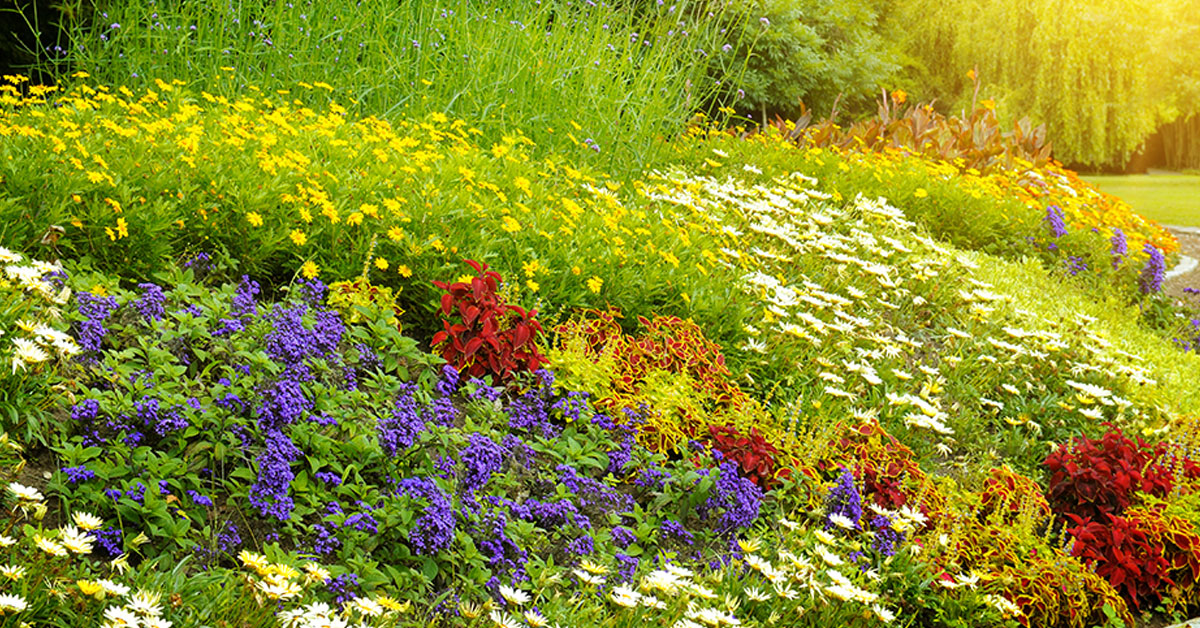

More gardeners are turning to vegan fertilizers as they look for sustainable, eco-friendly ways to nourish their plants without relying on animal-based products. Traditional fertilizers often include ingredients like bone meal, blood meal, or manure, but there are plenty of plant-based alternatives that deliver the nutrients your garden needs to thrive. By using vegan fertilizers, you can support healthy soil biology, protect pollinators, and maintain a more sustainable growing environment.
Whether you want to grow vegetables, flowers, or houseplants, these vegan options provide everything your plants need for strong roots, vibrant foliage, and beautiful blooms. Here are ten effective, natural choices to help you grow a thriving garden without using animal byproducts.
Alfalfa Meal
Alfalfa meal is a plant-based powerhouse packed with nitrogen, phosphorus, potassium, and trace minerals that support overall plant health. It also contains triacontanol, a natural growth stimulant that encourages strong root systems and abundant blooms.
To use alfalfa meal, work it into the soil at planting time or sprinkle it around established plants as a side dressing. Over time, it breaks down to enrich the soil and promote beneficial microbial activity, making it an excellent choice for both vegetables and flowers.
Soybean Meal
Soybean meal is an excellent source of slow-release nitrogen, making it perfect for leafy greens, herbs, and other plants that thrive on consistent foliage growth. Because it releases nutrients gradually, there is less risk of overfertilizing compared to synthetic alternatives.
Simply mix soybean meal into the soil before planting or scatter it around the base of established plants. As soil microbes break it down, your plants receive a steady supply of nitrogen, leading to healthier, lusher growth over the course of the season.
Seaweed Fertilizer
Seaweed-based fertilizers, available in both liquid and powdered forms, provide a balanced boost of micronutrients while stimulating plant health and resilience. Rich in natural growth hormones, seaweed promotes stronger root systems and helps plants better withstand stress from drought, heat, and pests.
Apply liquid seaweed as a foliar spray or add it directly to the soil to deliver nutrients quickly. It is especially useful for seedlings and newly transplanted plants since it supports early development and helps reduce transplant shock. This vegan-friendly option works beautifully for both ornamental and edible gardens.
Compost
Compost is one of the most effective and versatile vegan fertilizers you can use. By recycling kitchen scraps, yard waste, and other organic material, you create a nutrient-rich amendment that improves soil structure, boosts moisture retention, and feeds beneficial microorganisms.
Apply compost directly to garden beds as a top dressing or mix it into the soil at planting time. It slowly releases nutrients while improving the long-term health of your soil, making it one of the most sustainable and cost-effective options for any gardener.
Cottonseed Meal
Cottonseed meal is a nitrogen-rich byproduct of cotton processing that works wonderfully as a slow-release fertilizer. It is especially beneficial for acid-loving plants like blueberries, azaleas, and rhododendrons since it slightly lowers soil pH while providing steady nutrition.
Sprinkle cottonseed meal around the base of plants and lightly mix it into the soil. As it decomposes, it enriches the soil while improving its ability to hold moisture. Just make sure to choose organic, untreated cottonseed meal to avoid introducing chemical residues into your garden.
Green Manure
Green manure refers to cover crops grown specifically to improve soil fertility. Popular options include clover, vetch, and rye, which are planted and then tilled back into the soil to add nitrogen and organic matter. These crops protect against erosion, suppress weeds, and enhance overall soil health.
By planting green manure in the offseason, you naturally replenish your soil without the need for animal-based fertilizers. This approach is especially helpful for vegetable gardens, where intensive planting can quickly deplete nutrients.
Liquid Compost Tea
Compost tea is a nutrient-rich liquid made by steeping finished compost in water. This simple homemade fertilizer delivers a quick boost of nutrients to your plants and helps introduce beneficial microbes to the soil.
To make compost tea, place compost in a bucket, fill it with water, and let it steep for 24 to 48 hours. Strain the liquid and use it as a foliar spray or pour it directly onto the soil. This vegan-friendly tonic provides your plants with an instant pick-me-up and works particularly well during peak growing periods.
Rock Phosphate
Rock phosphate is a naturally occurring mineral that supplies phosphorus, one of the essential nutrients for root development and flower production. It is especially helpful for plants that need extra energy to bloom or set fruit, such as tomatoes, peppers, and roses.
Since it releases nutrients slowly, rock phosphate is best applied before planting so it has time to integrate into the soil. Pairing it with compost enhances its effectiveness and ensures plants have access to the phosphorus they need throughout the season.
Kelp Meal
Kelp meal is another excellent vegan fertilizer derived from dried, ground seaweed. Unlike liquid seaweed, kelp meal offers a slow, steady release of nutrients and is rich in potassium, making it ideal for encouraging healthy blooms and strong root systems.
Mix kelp meal into your soil at the start of the season or sprinkle it around established plants to keep them thriving. It also improves soil structure, boosts beneficial microbial activity, and supports overall plant health, making it a valuable tool for both container gardens and in-ground beds.
Worm Castings
Worm castings, or vermicompost, are nutrient-dense, vegan-friendly fertilizers produced by earthworms. They are packed with essential nutrients and beneficial microbes that enhance soil fertility, improve plant health, and promote better moisture retention.
You can work worm castings into your garden beds, sprinkle them around potted plants, or use them to make a powerful compost tea. They are gentle enough for seedlings yet strong enough to benefit mature plants, making them one of the most versatile natural fertilizers available.
Growing Your Garden Without Animal Byproducts
Switching to vegan fertilizers is an easy and sustainable way to keep your plants healthy while supporting a balanced ecosystem. By focusing on plant-based nutrients, you can reduce your environmental impact, protect pollinators, and create a thriving garden without relying on animal-derived products.
Whether you choose seaweed, alfalfa, compost, or any combination of these natural solutions, your plants will benefit from rich, organic nutrition while your soil grows healthier over time. With the right approach, you can maintain a vibrant, productive garden entirely the vegan way.