
Houseplants bring so much life and beauty to our homes, but keeping them healthy can be trickier than many gardeners expect. Even experienced plant lovers sometimes make simple mistakes that lead to yellowing leaves, stunted growth, or worse. The good news is that most houseplant problems are completely fixable once you know what to look for.
By understanding your plant’s specific needs and making a few small changes, you can revive struggling plants and prevent future problems. Here are ten of the most common houseplant mistakes and how to give your plants the fresh start they deserve.
Overwatering
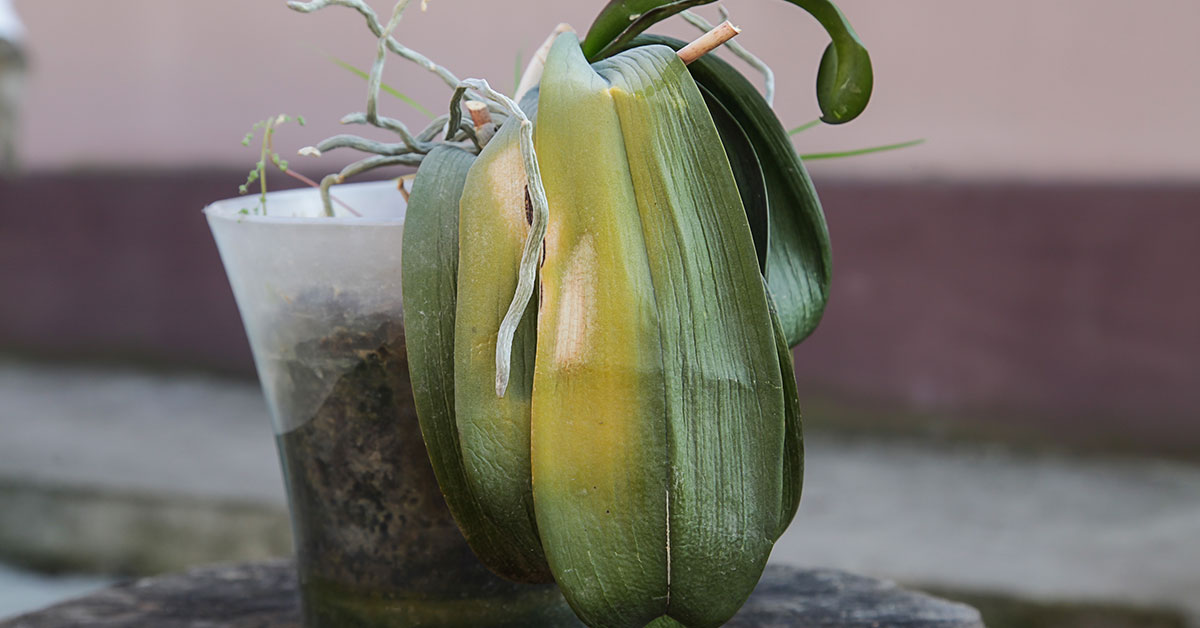
Overwatering is one of the most common ways houseplants end up in trouble. When soil stays soggy for too long, roots cannot get enough oxygen and begin to rot. Yellowing leaves, a musty smell, or constantly wet soil are all signs your plant may be drowning.
To save an overwatered plant, check the pot for proper drainage and let the soil dry out before watering again. Stick your finger an inch into the soil; if it still feels damp, wait. Choosing a well-draining potting mix and using pots with drainage holes can make a huge difference in keeping moisture levels balanced.
Underwatering
On the opposite end of the spectrum, underwatering can cause crispy leaves, stunted growth, and wilting. Many houseplants prefer consistent moisture, and allowing the soil to dry out completely for too long can send them into stress.
To revive an underwatered plant, give it a deep soak until water runs out of the drainage holes, then allow excess water to drain fully. Going forward, create a watering schedule based on the specific needs of your plant species rather than sticking to a one-size-fits-all approach.
Not Enough Light
Light is one of the most essential factors for healthy growth, and many houseplants suffer because they are placed in low-light areas where they cannot thrive. Pale leaves, slow growth, and leaning stems are signs your plant needs more light.
To fix this, research your plant’s natural habitat and move it closer to a bright window if needed. South- or east-facing windows are often ideal. If natural light is limited, consider investing in grow lights to supplement the conditions and give your plants the energy they need.
Too Much Direct Sun
While some plants thrive in full sunlight, many common houseplants are native to shaded forest floors and cannot handle harsh rays. Direct afternoon sun can scorch leaves, leaving them dry and crispy along the edges.
If your plant is getting sunburned, move it to a spot with bright but indirect light instead. Sheer curtains can help filter sunlight, creating the perfect balance. Always match the plant’s placement to its natural light preferences to avoid long-term damage.
Using the Wrong Soil
The wrong soil can suffocate roots or leave them without the nutrients they need. Cacti, succulents, orchids, and tropical plants all have different preferences, and using a single generic mix often causes problems. Poor drainage is one of the biggest culprits behind root rot and weak growth.
To fix this, choose a potting mix designed for your specific plant type. For example, succulents prefer sandy, fast-draining blends, while tropicals like a moisture-retentive, airy mix. Tailoring the soil to your plant’s natural environment sets the foundation for long-term success.
Ignoring Humidity
Many popular houseplants, such as ferns, calatheas, and orchids, naturally grow in humid tropical environments. When kept in dry indoor air, especially during winter heating, their leaves can brown and curl at the edges.
Boosting humidity can make a huge difference. You can group plants together, use a pebble tray filled with water, or place a small humidifier nearby. Keeping your plants away from heating vents and drafts also helps maintain consistent moisture levels in the air.
Forgetting to Fertilize
Without proper nutrients, houseplants struggle to grow, produce new leaves, and maintain vibrant color. Over time, potting soil loses its stored nutrients, and many plants become weak if they are never fertilized.
Choose a balanced, water-soluble fertilizer and feed your plants regularly during their active growing season, typically spring and summer. Be sure not to overdo it, as too much fertilizer can burn roots. Always follow the instructions for the specific type of plant and fertilizer you are using.
Choosing the Wrong Pot Size
Picking a pot that is too big or too small can cause stress for your plant. An oversized pot holds excess water, leading to soggy soil and root rot, while a pot that is too small can cause roots to become tightly bound and limit growth.
When repotting, select a container that is just one to two inches larger in diameter than the current one. Fresh soil combined with the right pot size allows roots to expand gradually without overwhelming the plant’s ability to take up water.
Ignoring Pests
Spider mites, mealybugs, aphids, and fungus gnats are all common indoor plant pests that can quickly get out of control if left unchecked. Signs of infestation include sticky leaves, tiny webs, speckled foliage, or slow growth.
Inspect your plants regularly, especially the undersides of leaves and stems. At the first sign of trouble, isolate the affected plant and treat it with insecticidal soap, neem oil, or another safe solution. A consistent care routine helps prevent future outbreaks and keeps your plants thriving.
Neglecting Seasonal Adjustments
Plants’ needs change throughout the year, and treating them the same in every season can lead to stress. In winter, shorter days and lower light levels mean most plants need less water and fertilizer, while summer often calls for more frequent attention.
Take cues from your plants and adjust care accordingly. Reduce watering when growth slows in cooler months, and resume a more regular schedule in spring when new leaves appear. Paying attention to seasonal patterns helps your houseplants stay healthy year-round.
Bringing Your Houseplants Back to Life
Caring for houseplants successfully is all about balance and observation. Most problems come from small mistakes that add up over time, but once you understand what your plants need, recovery is often possible. Focus on proper watering, light, and soil while keeping an eye out for pests and seasonal changes.
By avoiding these ten common mistakes and giving your plants a little extra attention, you can enjoy lush greenery and thriving houseplants all year long. Your indoor garden will reward you with vibrant growth, cleaner air, and the calming presence only healthy plants can provide.