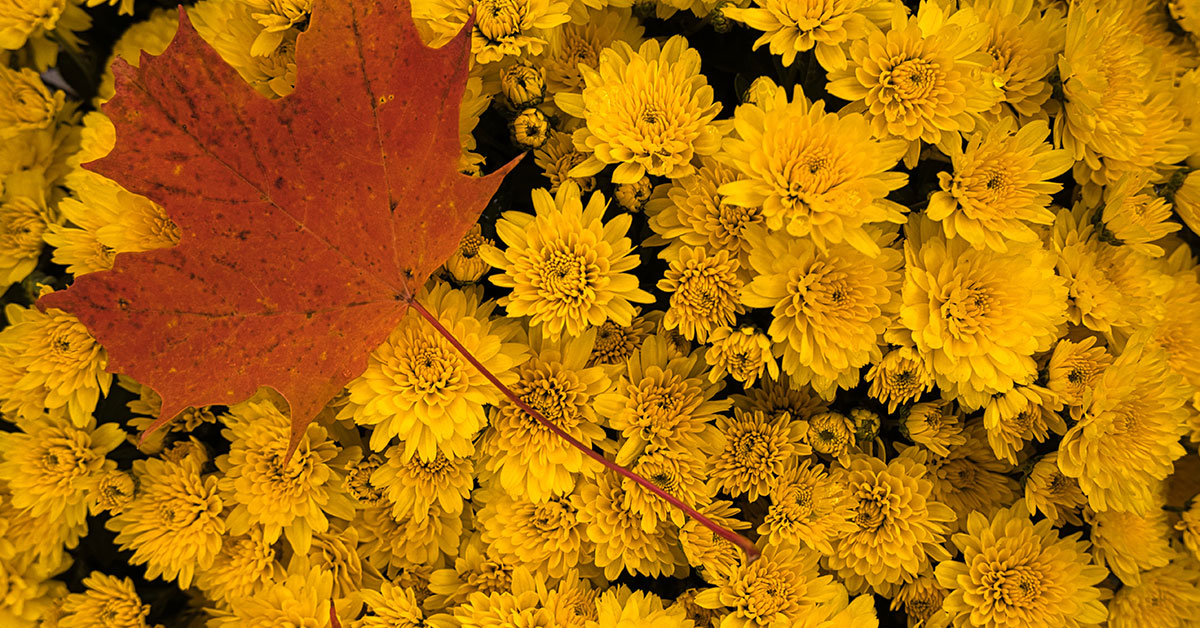

Just because summer is winding down does not mean your garden has to lose its brilliance. As the days grow shorter and temperatures begin to cool, certain plants thrive in these conditions and continue blooming well into October. Choosing the right late-season flowers is the secret to keeping your garden lively and colorful when many others start fading.
These ten plants deliver steady blooms long after summer’s peak, offering everything from vibrant oranges and pinks to soft whites and purples. Whether you prefer pollinator-friendly blossoms or rich fall tones, these selections will keep your beds and borders glowing right up until the first frost.
Calendula

Calendula is one of the hardest-working flowers in the late-summer garden. Its cheerful orange and yellow blooms thrive in cooler temperatures, often carrying on until frost arrives. Plant them in full sun for the best results, and you will be rewarded with continuous blooms that brighten garden beds and borders.
Calendula also pulls double duty by attracting beneficial insects and pollinators while repelling certain pests. Deadheading regularly encourages more blossoms, and these resilient flowers can even self-seed for next year, making them a gardener’s favorite for extended color.
Sweet Alyssum
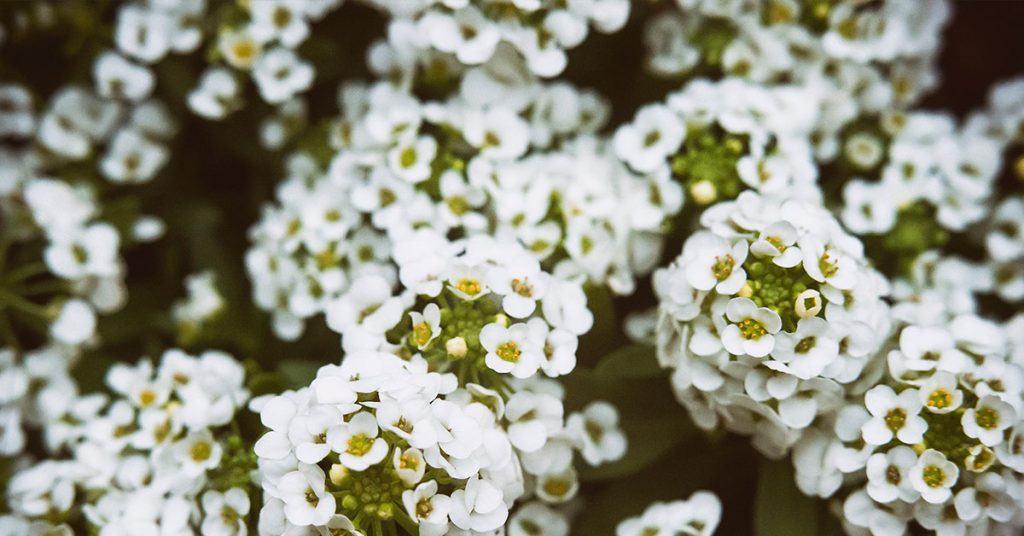
Sweet alyssum is a powerhouse when it comes to fall color. Its delicate, honey-scented clusters of white, lavender, or pink blooms flourish in the cooler weather September brings. As other flowers fade, alyssum ramps up, blanketing beds and containers with clouds of blossoms.
This plant also makes an excellent filler for garden gaps and works beautifully along borders. Since it attracts pollinators like bees and butterflies, sweet alyssum supports a thriving garden ecosystem while keeping your yard colorful deep into autumn.
Nasturtium
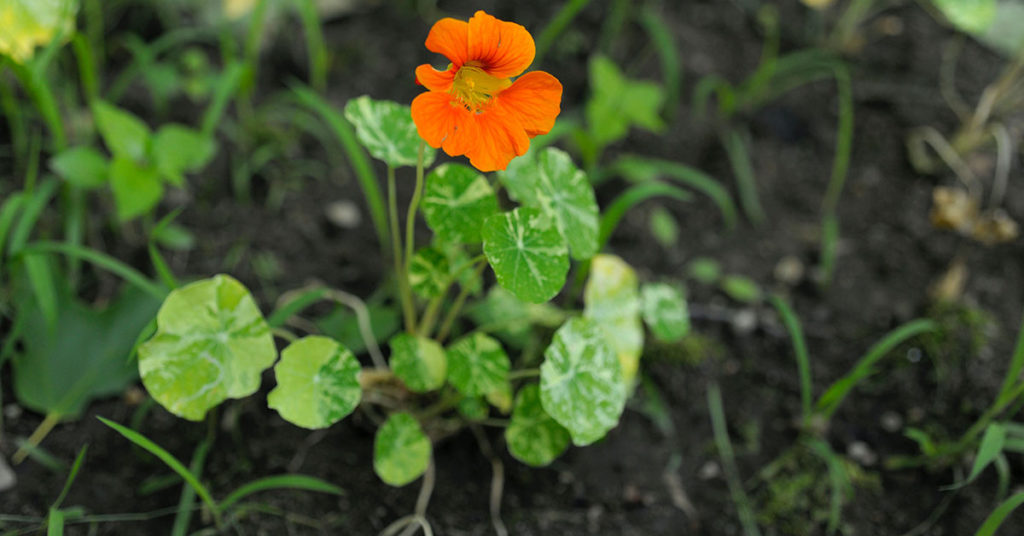
Nasturtiums are a gardener’s secret weapon for maintaining bold, vibrant color into October. Their fiery red, orange, and yellow blooms thrive in cooler weather and can handle light frosts, making them ideal for late-season planting. They spill beautifully over edges and look striking in both containers and garden beds.
On top of their beauty, nasturtium flowers and leaves are edible, adding a peppery kick to salads and garnishes. Regularly removing spent blooms will keep the flowers coming, while their ability to attract pollinators ensures your garden remains lively and buzzing well into fall.
Autumn Crocus
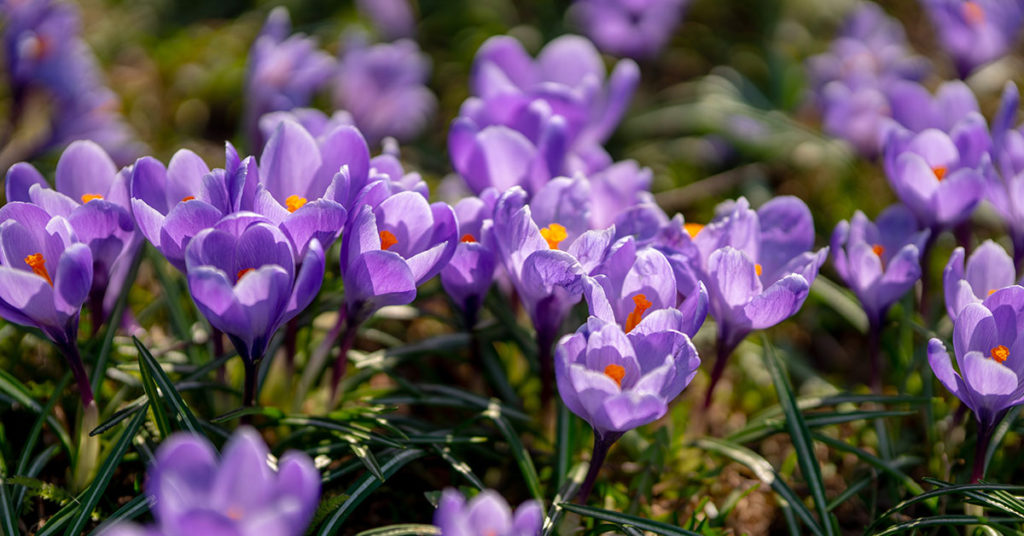
If you want elegant, unexpected color in September and October, the autumn crocus delivers. These delicate, lilac-hued blooms emerge just as many summer plants are fading, providing a refreshing splash of pastel beauty when you least expect it. They thrive in full sun or partial shade and naturalize beautifully in lawns or garden beds.
Plant autumn crocus bulbs in late summer, and you will enjoy blooms year after year without much maintenance. Their ability to flower after most plants have stopped makes them a must-have for gardeners looking to stretch color into the cooler months.
Guernsey Lily
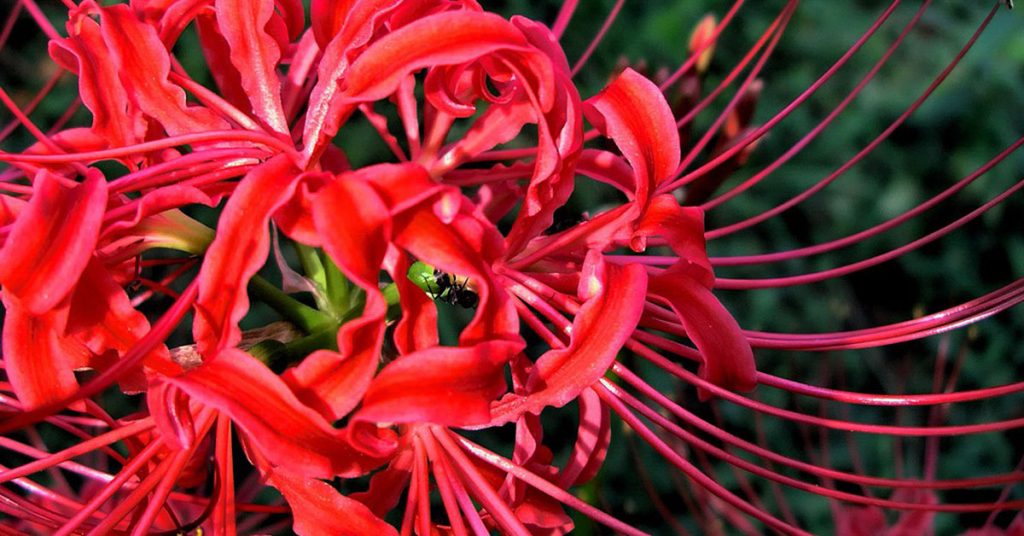
The Guernsey lily is a showstopper for late-season gardens. With striking clusters of bright pink, star-shaped blooms, this plant comes alive in September and often continues well into October. It thrives in well-drained soil and sunny spots, making it perfect for borders or containers where you want a bold pop of color.
Because the Guernsey lily blooms later than most summer flowers, it helps bridge the gap between the fading heat of summer and the crisp tones of autumn. Pairing them with fall foliage creates a stunning visual contrast and ensures your garden remains vibrant as the seasons shift.
Autumn Daffodil
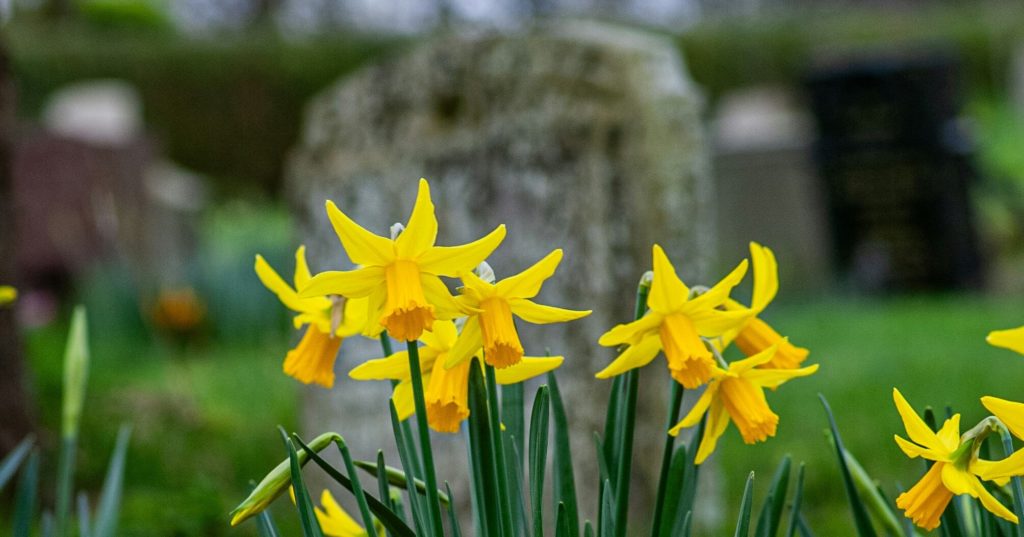
The autumn daffodil is a gardener’s dream for extending color late into the year. Blooming from late September into October, these bright yellow flowers bring sunshine to beds and borders when many other plants have faded. They thrive in full sun and well-drained soil, returning reliably year after year.
One of the best parts of growing autumn daffodils is their resilience. They handle fluctuating temperatures beautifully, and because they bloom later than traditional spring daffodils, they provide a fresh wave of cheerful brightness just when your garden needs it most.
Japanese Anemone
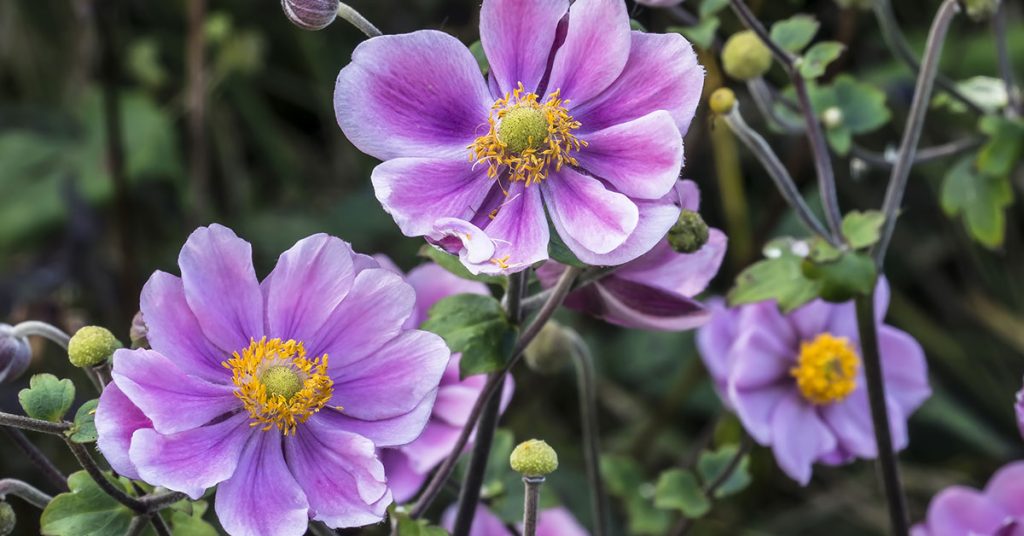
Japanese anemones are late-season beauties that thrive when cooler weather arrives. Their elegant pink or white blooms sway gracefully above dark green foliage, bringing soft, romantic color to the fall garden. They perform best in partial shade but can tolerate sunnier spots if kept well-watered.
These perennials are low-maintenance and spread slowly over time, rewarding you with more blooms each year. As other plants fade, Japanese anemones add an airy, delicate charm that keeps the garden feeling fresh well into October.
Sedum (Autumn Joy)
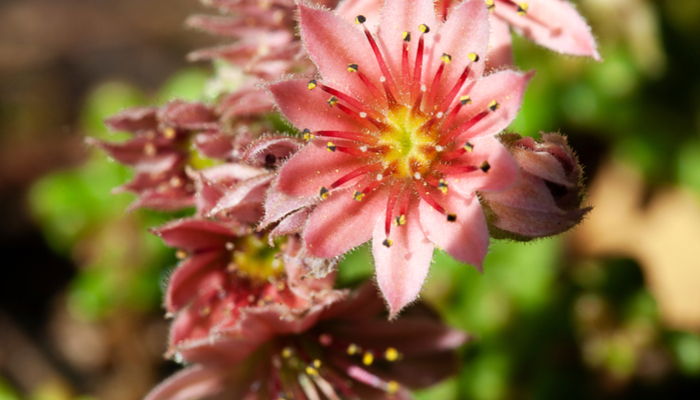
Sedum, particularly the popular variety Autumn Joy, is a must-have for gardeners looking for lasting color. Its blooms start as pale green in summer, deepen to pink, and finally turn a rich bronze by fall, providing multi-season interest. Sedum thrives in poor soil, making it an easy and reliable choice.
The dense flower clusters are also pollinator magnets, drawing bees and butterflies when many other nectar sources have disappeared. Once the flowers fade, the seed heads remain attractive throughout winter, adding structure and texture to your garden even after the blooms are gone.
Helenium
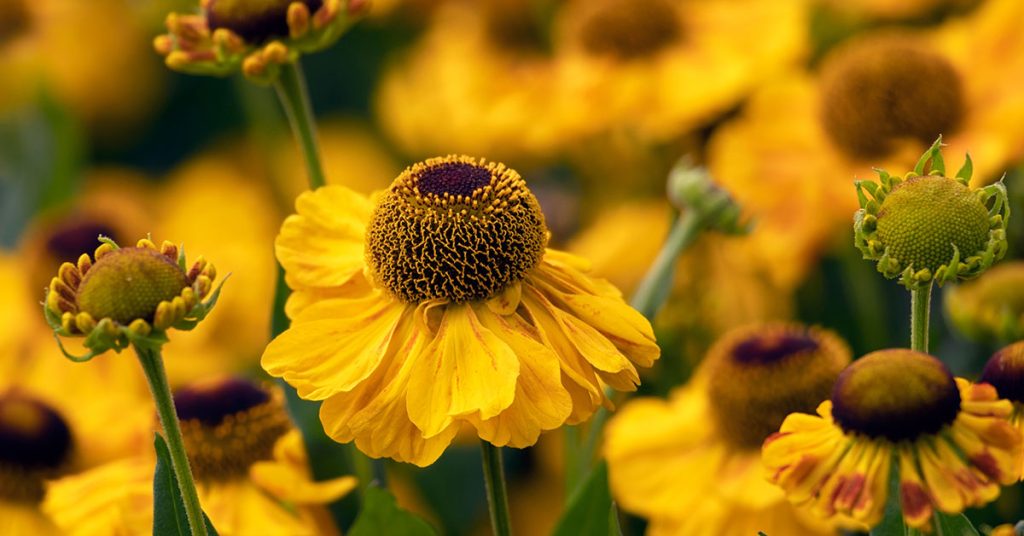
Helenium, often called sneezeweed, delivers a burst of fiery color exactly when your garden needs it most. Its daisy-like blooms in shades of red, orange, and yellow flourish from late summer into October, making it a standout plant for vibrant fall borders. These blooms thrive in full sun and well-drained soil.
For the best results, deadhead regularly to encourage new blossoms. Helenium pairs beautifully with ornamental grasses and other autumn bloomers, creating a stunning, layered effect that captures the warm tones of the season.
Chrysanthemums

No fall garden feels complete without chrysanthemums. These classic autumn favorites come in nearly every color imaginable, from soft whites and pinks to deep purples and fiery oranges. Hardy mums start blooming in late summer and keep going strong through October, adding bold, dense color to garden beds, containers, and patios.
To get the longest-lasting display, choose varieties labeled “hardy” rather than “florist.” Place them in full sun and water consistently to keep blooms vibrant. With a little care, chrysanthemums can become a reliable centerpiece for late-season color year after year.
Extending Your Garden’s Color Into Fall

Choosing plants that bloom into October is the easiest way to keep your garden alive with color while others begin to fade. Mixing these late-season stars with traditional summer favorites ensures you have waves of blossoms that overlap beautifully from August into fall.
For an even longer-lasting display, keep up with deadheading, provide consistent watering, and group plants with similar sunlight needs together. By planning ahead and selecting resilient bloomers like calendula, nasturtium, and chrysanthemums, you can enjoy a garden that feels just as vibrant in October as it did in July.