

As autumn settles in, it brings with it a desire to cozy up our homes and gardens with richer tones, deeper textures, and long-lasting beauty. While summer may steal the spotlight with vibrant color, fall offers its own floral treasures. These blooms are bold, sculptural, and seasonally striking. Martha Stewart, long revered for her gardening savvy and impeccable taste, has repeatedly showcased her favorite fall flowers through her gardens, floral designs, and editorial spreads. Whether you’re styling a front porch or composing a Thanksgiving centerpiece, these are the flowers Martha turns to time and time again.
Dahlias
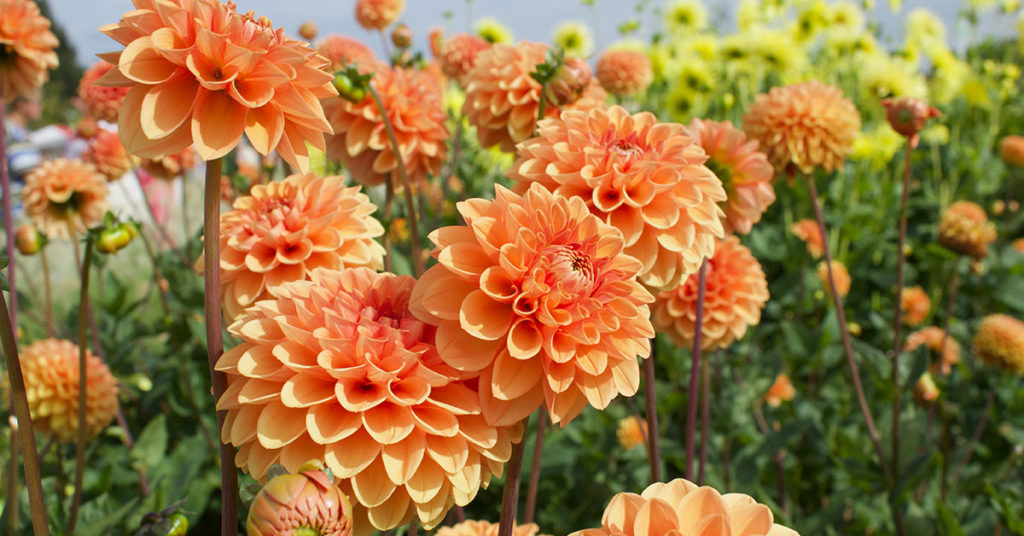
Martha Stewart considers dahlias one of the crown jewels of the fall garden, praising them for blooming prolifically just as other plants begin to fade. With their vivid, multilayered petals and wide range of forms, from neat pom poms to dramatic dinner plate varieties, they bring instant drama to any outdoor bed or floral arrangement.
Dahlias flourish in full sun with rich, well-drained soil, and they reward consistent care with blooms right up until the first frost. Martha tends her dahlia beds daily, carefully removing spent blooms to keep energy flowing to new buds. Their versatility makes them just as effective in formal bouquets as they are in casual, just-clipped-from-the-garden designs.
Chrysanthemums (Mums)
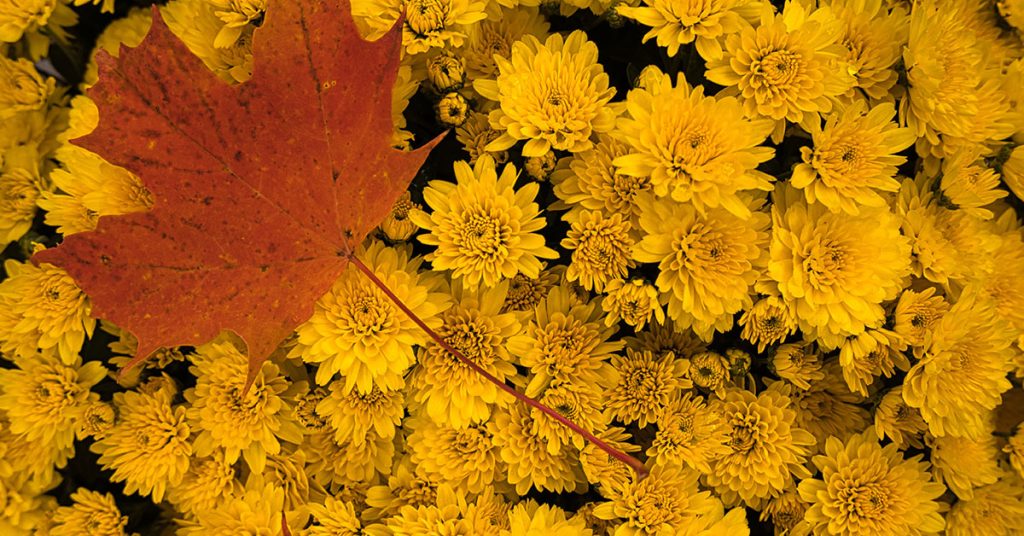
Dubbed “fall’s signature flower” by Martha, chrysanthemums are a staple of her seasonal decorating. With their dense petals and richly saturated colors such as ruby, gold, copper, and violet, they embody the warmth and abundance of autumn. Available in button, spoon, and spider forms, mums add volume and texture to planters, entryways, and table settings.
Hardy and dependable, they can thrive through cold snaps with just a little sun and regular watering. Martha often uses mums alongside dahlias and decorative grasses to create layered, textural arrangements that last well beyond a single event. She also appreciates how well they dry, allowing them to extend their presence into wreaths and indoor décor.
Sunflowers
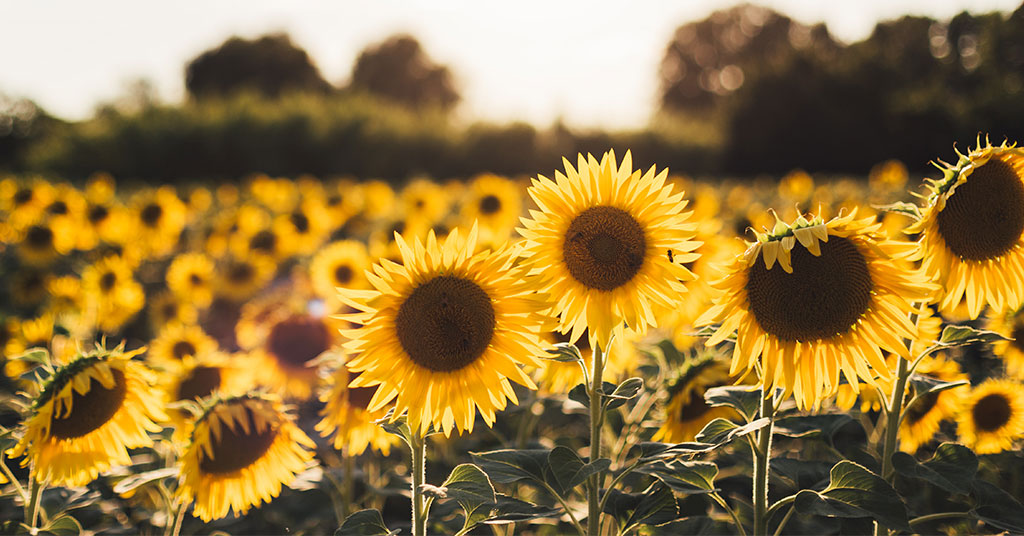
Sunflowers aren’t just a summer staple. Martha Stewart recommends incorporating them well into fall, especially heritage varieties that bloom late and branch generously. These bold, golden flowers offer architectural height and a burst of sunshine, whether in a rustic bouquet or growing proudly along a garden border. When properly deadheaded, sunflowers can keep blooming into the cooler weeks of fall. Beyond their visual appeal, they serve a dual purpose: attracting pollinators during their bloom phase and feeding birds once their seeds mature. Their commanding presence makes them a natural focal point for large scale arrangements or seasonal yard displays.
Amaranth & Texture Grasses

For Martha, fall floral design is about more than just blooms. It’s about form, height, and movement. Rust colored amaranth and ornamental grasses like millet or fountain grass add a wild, untamed quality to arrangements that might otherwise feel too polished. These elements cascade or arch gracefully, giving bouquets and vases a sense of softness and motion. They also bring in warm, muted tones that echo fall foliage, making them ideal companions for richly colored flowers. Whether used fresh or dried, these additions offer lasting texture and a sophisticated sense of seasonality.
Protea

Exotic and commanding, protea brings a worldly edge to Martha’s more traditional fall displays. Their thick, leathery petals and unusual shapes make them perfect statement blooms, particularly in larger arrangements meant to last. Available in dusty pinks, creams, and earthy reds, protea pair naturally with dried materials, berries, and bold foliage. Despite their tropical origins, they evoke a surprising harmony with fall’s moody tones. Martha often places them alongside amaranth and acorns for arrangements that feel both refined and rooted in nature.
Oak, Sweetgum & Acorn Branches

Martha frequently includes branches from oak and sweetgum trees, complete with acorns or spiky seedpods, as the grounding elements of her autumn floral designs. These sturdy stems and textured seed heads add depth and character, especially when layered with brighter flowers. They help anchor arrangements visually and thematically, connecting blooms to the larger season of falling leaves and forest walks. Often used in large scale entryway urns or as part of Thanksgiving table installations, these branches bring rustic authenticity to floral work.
Pomegranate, Viburnum & Winterberry Berries
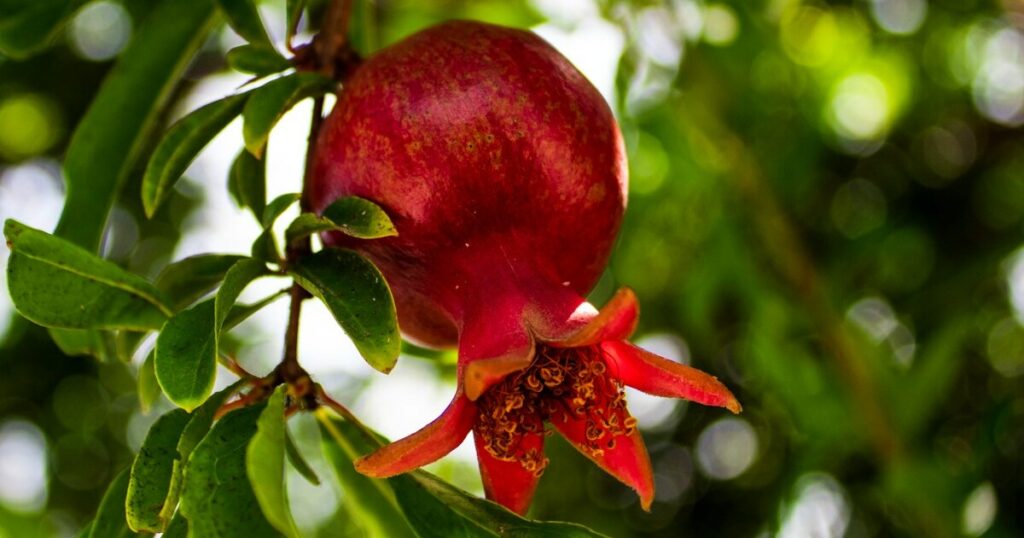
No fall arrangement feels complete without a pop of rich red or orange, and Martha turns to berry laden stems to provide just that. Branches bearing pomegranate fruit, viburnum clusters, or winterberry give centerpieces a burst of color, along with a nod to the harvest season. These elements also lend longevity and durability, lasting for weeks in cool environments, and provide a welcome contrast to more delicate petals. Berries pair especially well with roses, hydrangeas, and grasses, helping to create lush, multidimensional compositions with a hint of wildness.
Hydrangeas
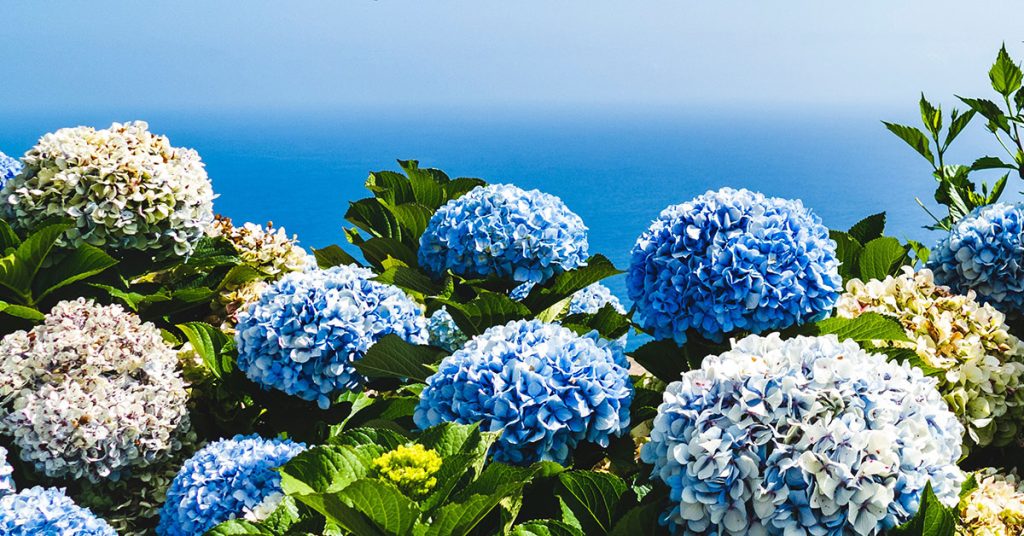
While often associated with summer gardens, hydrangeas are among Martha’s favorite late season workhorses. As temperatures drop, their full, mophead blooms take on muted tones such as blush pinks, soft greens, and dusky purples that fit seamlessly into fall palettes. Martha frequently cuts her September and October hydrangeas for drying, letting them age naturally for use in wreaths, garlands, and indoor centerpieces. Their presence softens more angular or rigid elements in an arrangement and adds a timeless, romantic feel that lingers into the colder months.
Asters (and Colchicum Autumnale)
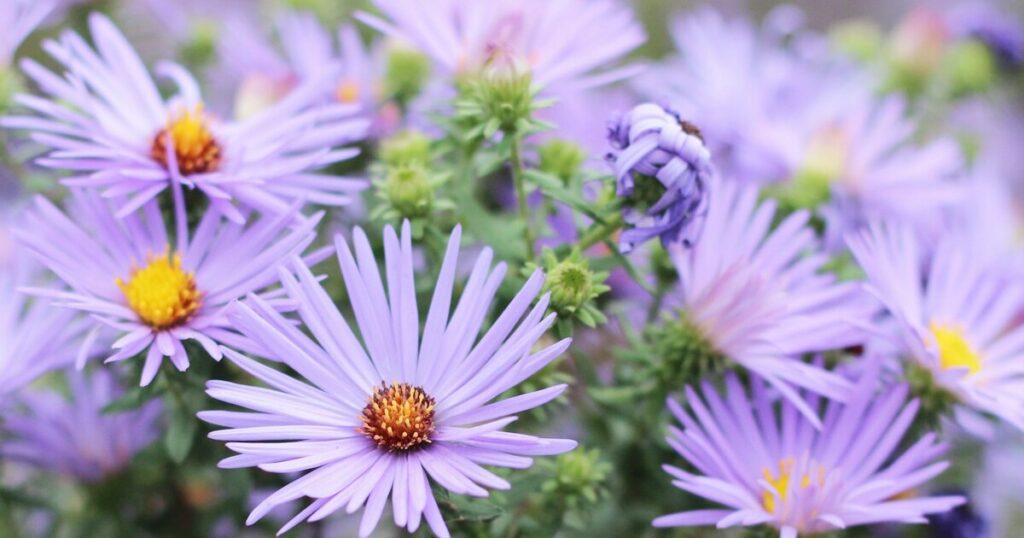
In her Bedford garden, Martha celebrates the arrival of asters and autumn crocus (Colchicum) as a sign that fall has truly arrived. Asters, with their daisy-like shape and gentle purple or white hues, are among the last blooms to appear before frost. They’re small but mighty, especially valuable in pollinator gardens, and serve as vital filler in mixed borders and bouquets. Autumn crocus, meanwhile, surprise with large, goblet shaped flowers that emerge suddenly as the leaves fall. Both are emblematic of the quiet beauty that defines late fall: fleeting, understated, and incredibly special when noticed.
These flowers, branches, and berries reflect Martha Stewart’s layered approach to fall design. It is an approach that blends color, shape, and natural elements to celebrate the season’s richness. Whether you’re gathering materials from your own garden or a local florist, taking cues from Martha’s fall favorites ensures your arrangements will be elegant, balanced, and deeply rooted in the beauty of autumn.