

September is one of the most important months for lawn care. After the wear and tear of summer heat, foot traffic, and maybe even a little drought stress, your grass is ready for some attention. This is the month when your lawn has the best chance to recover and set itself up for a strong start next spring. Cooler nights and warm days create ideal growing conditions for grass, especially cool-season varieties like fescue, bluegrass, and rye. With the right steps, you can turn a tired-looking yard into a lush carpet of green that thrives well into fall and beyond.
I know lawn care can sometimes feel overwhelming, especially when you’re also juggling fall garden chores. But September is a golden opportunity—fixing problems now is much easier than trying to repair a patchy, stressed lawn in the spring. Plus, a healthy lawn doesn’t just look good; it supports beneficial insects, provides habitat for soil life, and helps prevent erosion. Let’s walk through the essential ways you can care for your lawn this month to keep it thriving.
Aerate the Soil
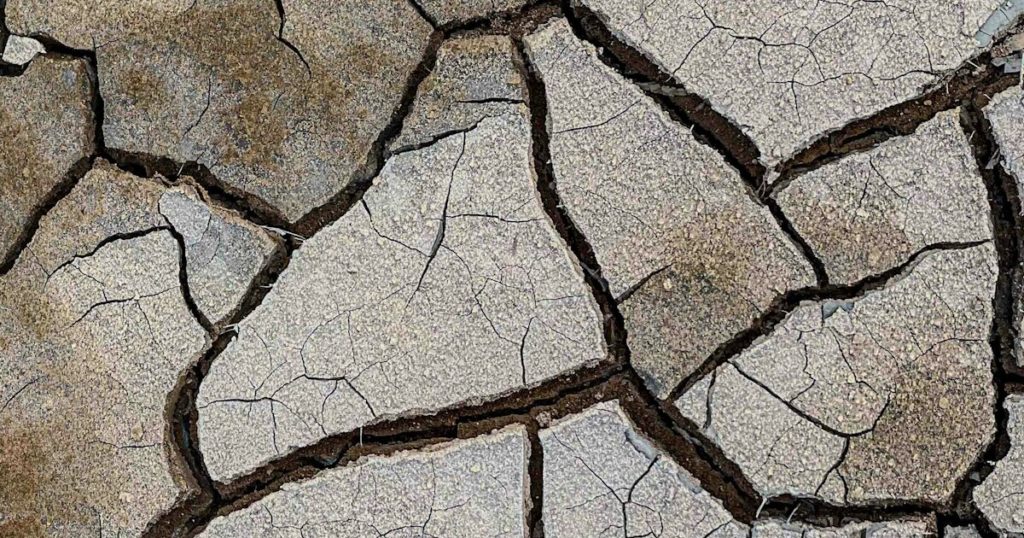
Compacted soil is one of the biggest enemies of a healthy lawn. September is the perfect time to aerate, allowing air, water, and nutrients to penetrate deep into the root zone. Whether you rent a core aerator or use a manual tool, the small holes left behind make a big difference.
In nature, soil organisms like worms and burrowing insects naturally aerate the ground, but in our lawns, heavy mowing and foot traffic compress it. By stepping in to aerate, you’re mimicking those natural processes and giving your grass the chance to breathe again. The result is stronger root growth and a lawn better prepared to handle both winter cold and summer droughts.
Overseed Thin Areas

If you notice bare patches or thinning grass, September is the ideal month to overseed. The soil is still warm enough for germination, and cooler nights reduce stress on young seedlings. Spreading grass seed after aeration helps it settle into the soil more effectively.
Most lawn grasses are native to Europe or Asia, and they thrive in climates where fall brings reliable rainfall. By reseeding now, you’re aligning with those natural cycles. Birds may peck at some of the seed, but that’s part of the balance—they’re drawn to freshly seeded lawns and sometimes help distribute seed even further.
Fertilize for Fall Growth
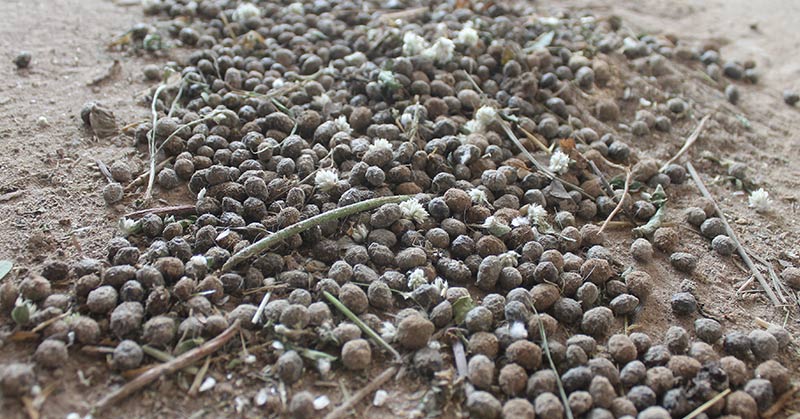
Your lawn needs nutrients to recover from summer stress, and September fertilization provides just that. A balanced fertilizer with a focus on nitrogen supports leafy growth, while phosphorus and potassium strengthen roots for winter survival. Think of this step as feeding your lawn a hearty fall meal before it goes into dormancy.
Grass in its natural habitat receives nutrients from decomposing organic matter each fall. Our manicured lawns don’t always have that luxury, so fertilizer fills the gap. A well-fed lawn now will not only look greener in the fall but will also emerge stronger in spring.
Adjust Your Mowing Height

As temperatures cool, you can gradually lower your mowing height, but don’t scalp the lawn. Aim for about 2.5 to 3 inches, which helps grass photosynthesize efficiently while still discouraging disease. Keeping blades sharp is also crucial to avoid tearing the grass.
Native grasslands are naturally grazed by animals, which keep growth at a moderate level while allowing regrowth. By mimicking this balance with careful mowing, you encourage denser growth that shades out weeds. September is when this extra care pays off, setting the stage for lush turf next season.
Control Weeds
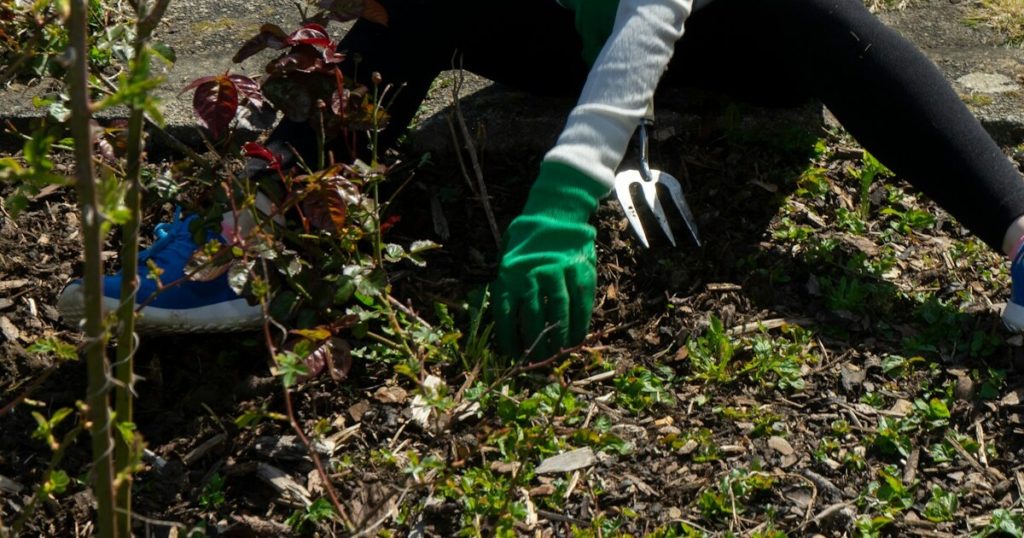
September is the perfect time to tackle perennial weeds like dandelions, clover, or chickweed. These plants are actively storing energy in their roots for winter, which means herbicides or organic weed treatments are more effective now. Removing weeds also reduces competition for water and nutrients.
Many of these weeds are hardy natives that spread aggressively if unchecked. While they have their ecological value, they can crowd out lawn grasses. By dealing with them now, you reduce the headache of fighting a bigger problem in spring. It’s about balance—you’re not eradicating nature but managing it for the lawn you want.
Rake or Mulch Fallen Leaves

As leaves begin to fall, it’s important not to let them smother your grass. A thick, wet mat of leaves can block sunlight and invite fungal diseases. Raking or using a mulching mower keeps your lawn healthier and allows light to reach the blades.
In forests, leaf litter enriches soil naturally, but lawns require a cleaner surface to maintain grass health. By mulching leaves with your mower, you actually create tiny pieces of organic matter that return nutrients to the soil. It’s one of my favorite tricks—tidying the yard while feeding the lawn at the same time.
Water Deeply if Needed
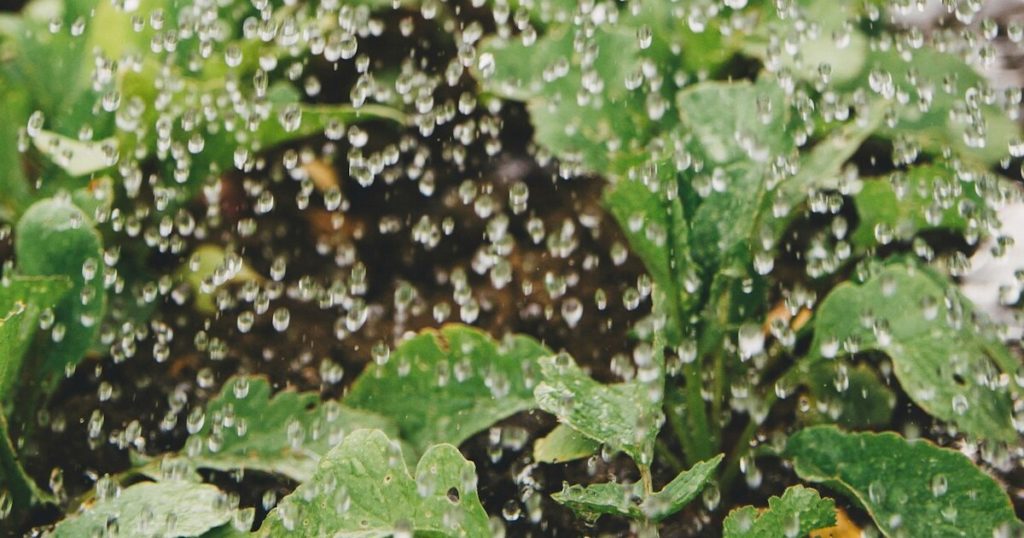
Even though September is cooler, don’t neglect watering if your area is dry. Grass still needs about an inch of water per week to recover from summer stress and establish new seedlings. Focus on deep, infrequent watering to encourage roots to grow downward.
Grass evolved in regions where periodic rainfall soaked the ground deeply. Mimicking this natural rhythm with your hose or sprinklers ensures a resilient lawn. Shallow, frequent watering does the opposite, keeping roots weak and vulnerable. This is one step that pays off enormously in long-term lawn health.
Repair High-Traffic Spots

Lawns often develop bare spots where kids, pets, or frequent paths have compacted the soil. September is the time to repair those areas by loosening the soil, adding seed, and covering lightly with compost. This gives the grass a chance to rebound before frost sets in.
In nature, grasslands regenerate after disturbances from grazing animals or weather events. By repairing high-traffic spots, you’re recreating that recovery process. I’ve found that giving just a little attention to these areas now saves me from patchy eyesores all spring.
Edge and Define Borders

Crisp edges around garden beds and walkways give your lawn a polished look and help keep grass from creeping where it doesn’t belong. September is a good time to do this since the soil is still workable and growth is slowing down.
Borders are about more than looks—they also create distinct spaces that reduce maintenance headaches later. Defining edges now ensures you head into winter with a neat, intentional yard that will be easier to manage come spring.
Dethatch if Necessary

A layer of thatch—dead grass and roots—can build up over time and prevent water and nutrients from reaching the soil. If your lawn feels spongy underfoot or water runs off instead of soaking in, it may be time to dethatch. Early fall is the perfect time, giving grass space to recover.
Grass in its native ranges naturally sheds organic material that decomposes quickly, but in our cultivated lawns, thatch can accumulate. By removing it, you allow natural cycles to resume, and the soil can breathe again. Your lawn will reward you with healthier, denser growth.
Encourage Wildlife Balance

Don’t forget that your lawn is part of a larger ecosystem. Allowing some clover or other flowering plants to remain provides nectar for bees and butterflies. Birds often forage for insects in freshly aerated soil, helping with natural pest control.
This balance between manicured lawn and wildlife support makes the yard feel more alive. Lawns may not be native ecosystems, but they can still contribute to biodiversity if managed thoughtfully. I love seeing goldfinches hopping across my grass while I work—it reminds me I’m part of something bigger.