
There’s something so special about growing flowers that do more than just look pretty—they heal, soothe, and bring comfort in ways that go far beyond the garden fence. For centuries, cultures around the world have turned to flowers for teas, tinctures, oils, and salves that support wellness and ease everyday ailments. When I first started growing healing flowers, I felt like I had stepped into an old-world apothecary, except it was right in my own backyard. And the best part is, many of these plants are as easy to grow as the marigolds you may already have in your garden!
Of course, the magic isn’t just in the remedies they provide. These flowers are also beautiful, pollinator-friendly, and deeply connected to the ecosystems they’re part of. Bees, butterflies, and even birds often flock to them, creating a lively space that feels vibrant and alive. Most are not invasive when grown responsibly, though a few can reseed themselves generously if not managed. If you’ve been longing to combine gardening with natural healing, these are the perfect flowers to welcome into your home space.
Calendula

Calendula, also known as pot marigold, is famous for its bright orange and yellow petals that bring cheer to any garden. Beyond its beauty, calendula petals are used in salves and teas to soothe skin irritations and support wound healing. I often dry the petals and keep a jar on hand—it feels like bottling up sunshine for the months ahead!
Native to southern Europe, calendula is not considered invasive and grows well in most temperate climates. Bees and butterflies adore its blooms, and I’ve noticed that the more pollinators it attracts, the longer it seems to flower. It’s a resilient plant that often self-seeds, giving you a continual supply year after year.
Lavender

Lavender is one of my favorite healing flowers because it’s so versatile. Its fragrant blooms are often used in teas and sachets to promote relaxation and better sleep. Lavender oil is also a common ingredient in natural remedies for headaches and stress relief. Having a bunch drying in the kitchen instantly fills the air with calm!
This plant hails from the Mediterranean region, where it thrives in sunny, rocky soils. While not considered invasive in most places, it can naturalize in areas with similar climates. Lavender is a magnet for pollinators, especially bees, who rely on its nectar through the warm months. It’s also known to attract beneficial insects that help maintain a balanced garden ecosystem.
Chamomile
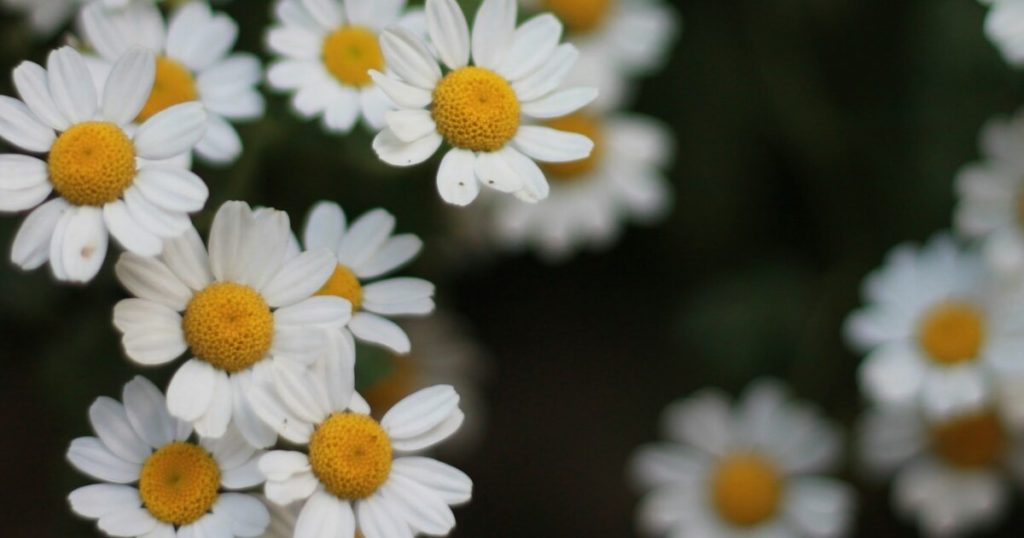
Chamomile is a well-known healing flower, often sipped as a bedtime tea to ease anxiety and support restful sleep. It’s also used in compresses to calm skin inflammation or eye irritation. When the tiny daisy-like flowers sway in the breeze, it’s like having a little patch of tranquility right in the yard.
Originating from Europe and western Asia, chamomile has adapted to gardens worldwide and is not invasive in most climates. It does reseed easily, so you’ll likely find it popping back up each year. Pollinators enjoy its small, nectar-filled blossoms, and I’ve often seen ladybugs resting among the flowers, which makes it even more delightful to grow.
Echinacea

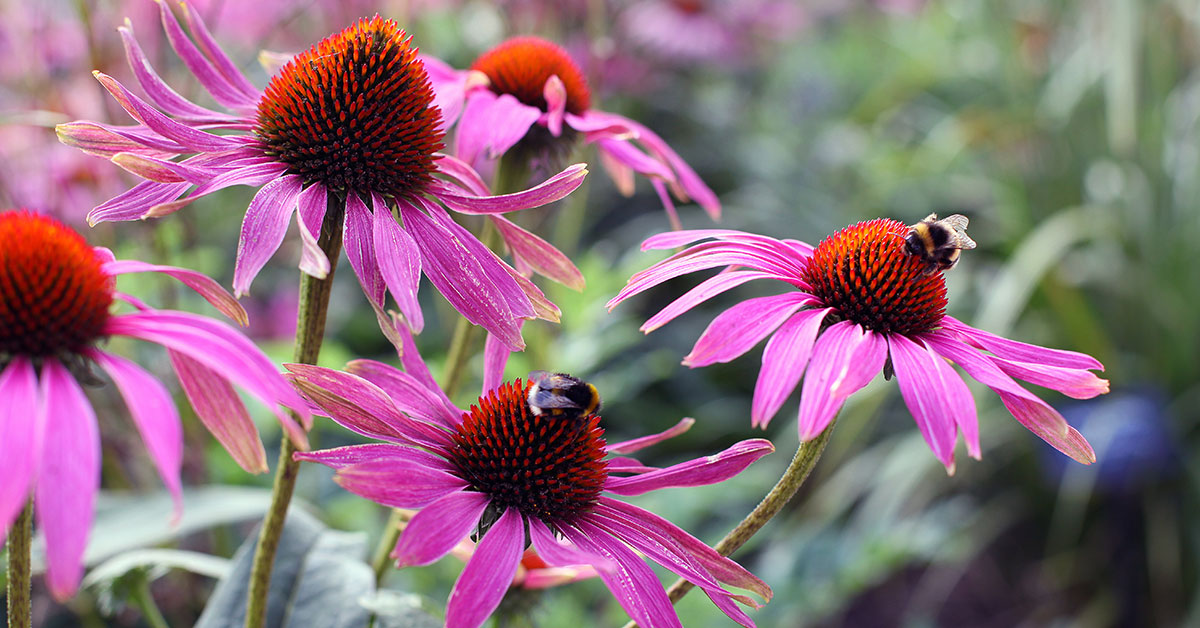
Echinacea, often called coneflower, is a powerful immune-supporting plant. Its purple petals and spiky central cones are striking in the garden, and its roots and petals have been used traditionally in teas and tinctures to help fight colds and infections. It’s one of those flowers that’s as beautiful as it is practical!
Native to North America, echinacea is well adapted to a variety of climates and is not invasive. It attracts bees, butterflies, and even goldfinches, which love to eat the seeds once the flowers fade. Having echinacea in the garden not only boosts your herbal medicine cabinet but also turns your yard into a wildlife hub.
Rose

Roses aren’t just for romance—they’re also powerful healing flowers. Rose petals can be used in teas, oils, and tonics to support digestion, soothe sore throats, and bring emotional comfort. I love making rose petal-infused honey, which tastes divine and helps calm a cough.
Native to regions across Asia, Europe, and the Middle East, roses are cultivated worldwide and are not considered invasive when cared for. They provide nectar for bees and shelter for small insects that nestle in their layered petals. Even the hips (seed pods) are edible, packed with vitamin C, and often used in teas.
Yarrow
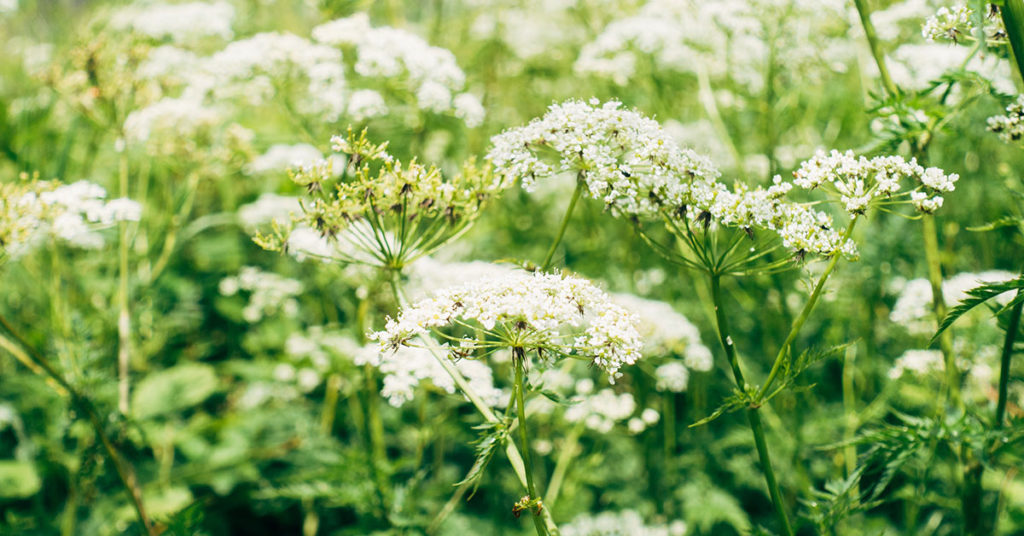
Yarrow is a tough, resilient flower known for its medicinal properties in stopping bleeding and supporting wound healing. Its feathery leaves and clusters of white, yellow, or pink flowers are beautiful in a wildflower meadow or herb garden. Historically, soldiers even carried yarrow for battlefield injuries.
This plant is native to temperate regions of the Northern Hemisphere and can naturalize easily, though it’s generally not considered harmful invasive. Bees and butterflies flock to its clusters, and it’s often used to attract beneficial insects that help keep pest populations down. I find yarrow invaluable in both beauty and practicality!
Hibiscus

Hibiscus flowers are not only stunning but also healing, particularly in teas. Hibiscus tea is known for its tart, cranberry-like flavor and its ability to support heart health and lower blood pressure. The bright blooms make every garden corner pop with color while doubling as a wellness tool.
Native to tropical and subtropical regions, hibiscus is not invasive in most cooler climates since it cannot survive frost. In warm areas, some varieties can spread but are usually controlled. Hummingbirds adore hibiscus blossoms, and I always feel like the garden is extra lively when they’re darting around the blooms.
Nasturtium

Nasturtiums are vibrant flowers with edible petals and leaves, often used in salads for their peppery flavor. They’ve been traditionally valued for their antibacterial properties and as a source of vitamin C. I think nasturtiums are one of the most cheerful flowers to grow, spilling over containers with bright reds, oranges, and yellows.
Native to South and Central America, nasturtiums are not considered invasive but do reseed easily. Pollinators like bees and hoverflies love them, and they often act as trap crops, luring aphids away from other plants. This makes them doubly useful in both healing and protecting your garden.
Marigold (Tagetes)
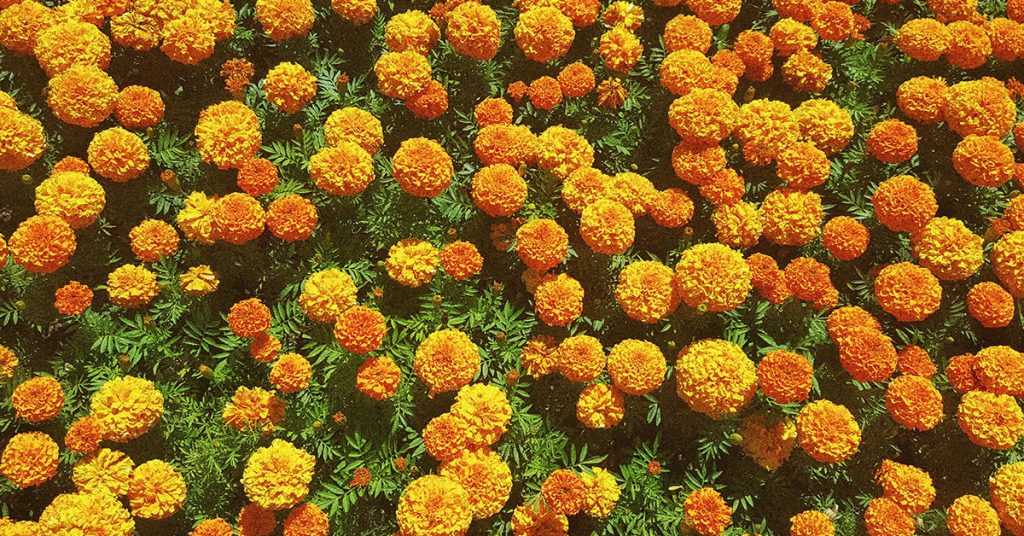
Marigolds are well known for their pest-repelling qualities, but they’re also healing flowers. Their petals can be infused into oils to help soothe skin irritations, and they’ve long been used in traditional medicine for their anti-inflammatory benefits. Their sunny blooms feel like a natural source of happiness!
Native to the Americas, marigolds are cultivated worldwide and can sometimes naturalize but rarely become invasive. Bees, butterflies, and even birds are drawn to their vibrant petals. They’re also tough plants, making them a reliable addition to any healing garden.
Bee Balm

Bee balm, also called monarda, produces stunning scarlet, pink, or purple blooms that can be dried for teas to soothe digestive issues and colds. Its minty, aromatic leaves make it a versatile herb, and the flowers are beloved by pollinators—especially bees and hummingbirds.
Native to North America, bee balm is a vigorous grower and can spread, so it’s best planted where you can contain it. Still, it’s worth it for the pollinator frenzy it creates. I’ve watched entire groups of butterflies gather on bee balm, turning the garden into a lively stage of fluttering wings.
St. John’s Wort
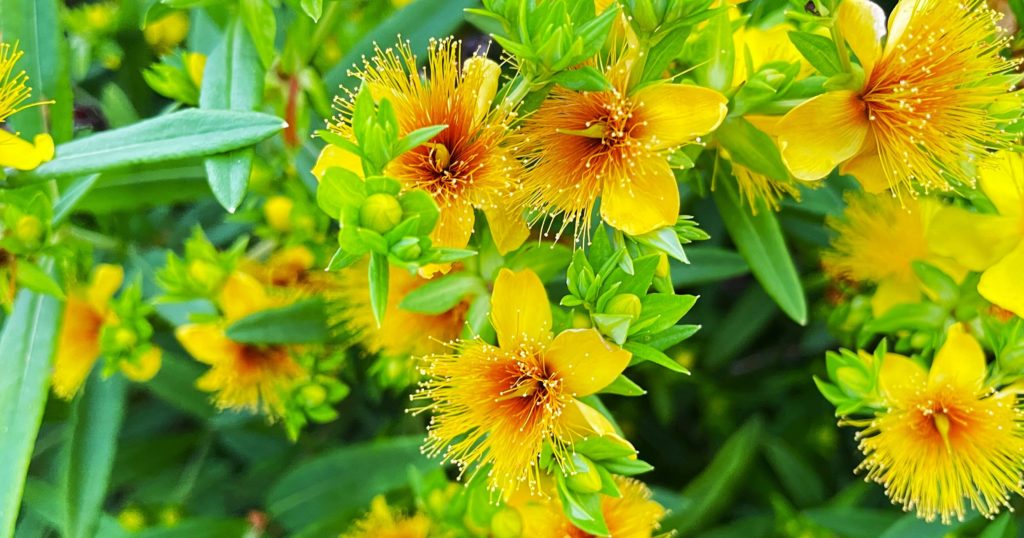
St. John’s Wort has bright yellow flowers that are widely recognized for their role in herbal remedies for mood support and skin healing. Its oils are often used for easing sore muscles and minor burns. Seeing its sunshine-colored petals bloom midsummer always feels uplifting!
Native to Europe and parts of Asia, St. John’s Wort can be invasive in some regions, spreading through seeds and rhizomes. If you grow it, it’s wise to check local guidelines. Still, when managed responsibly, it provides nectar for pollinators and remains one of the most respected healing herbs in traditional medicine.
Dandelion
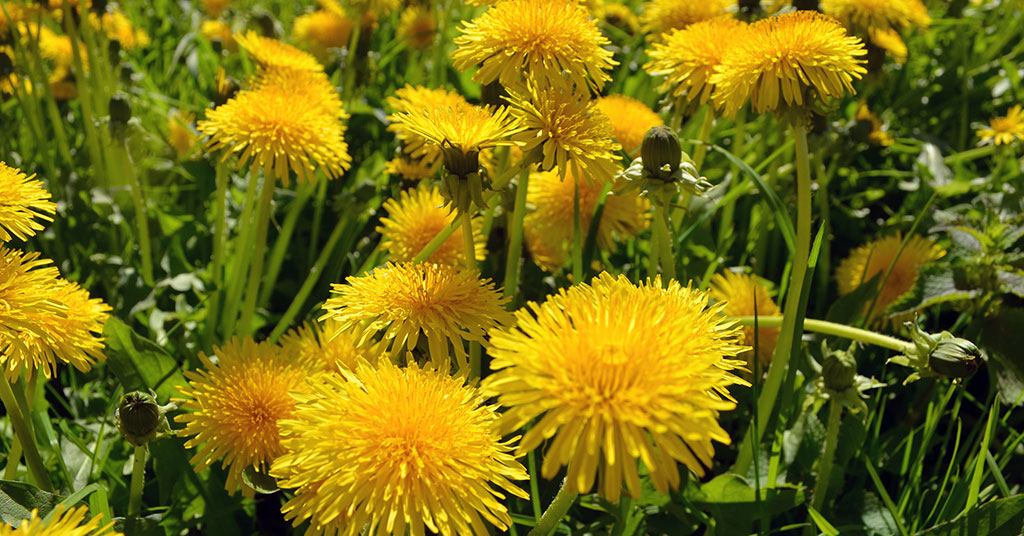
Though often considered a weed, dandelion flowers are incredibly healing. Their petals and leaves can be used in teas and oils to support liver health and digestion, while the roots are valued in traditional detox remedies. I see dandelions as bright little gifts that pop up where you least expect them.
Native to Eurasia but now naturalized worldwide, dandelions can indeed be invasive, spreading quickly through both seeds and roots. However, they’re an important early nectar source for bees in spring. Embracing them rather than fighting them can add resilience and healing to your home garden.
Passionflower

Passionflower blooms are exotic and intricate, and they’re valued for their calming properties in teas and tinctures. They’re often used to ease anxiety and promote restful sleep. Just watching one open in the garden can feel meditative!
Native to the Americas, passionflower vines can spread vigorously, though most varieties grown at home are manageable. Their unique flowers attract bees and butterflies, and in some species, even fruit develops, adding another layer of usefulness to this remarkable plant.
Borage

Borage produces star-shaped blue flowers that are edible and traditionally used in teas and syrups to support adrenal health and reduce stress. The blooms are also wonderful for garnishing salads or drinks, giving them a splash of color and a cucumber-like flavor.
Native to the Mediterranean, borage is known to self-seed generously, so it can spread in the garden if not managed. It’s beloved by bees, often called one of the best bee plants you can grow, and I’ve noticed it practically hums with activity on sunny days. Its cheerful blue flowers make every garden feel a little more magical.
Arnica
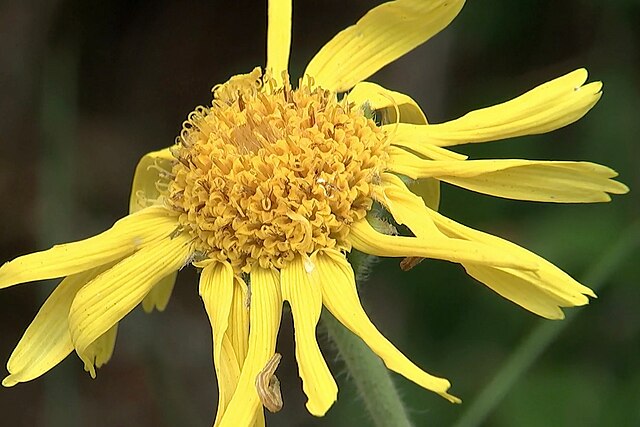
Arnica has sunny yellow, daisy-like flowers that have been used for centuries in herbal salves for bruises, sprains, and sore muscles. While not for internal use, arnica’s topical applications make it a staple in natural first-aid kits.
Native to Europe and Siberia, arnica grows in mountain meadows and is not invasive in home gardens. It does attract pollinators like bees and flies, who enjoy its nectar. I love the sense of tradition that comes with growing arnica—it feels like carrying on a long line of folk medicine wisdom.
Jasmine

Jasmine’s intoxicatingly fragrant flowers are more than ornamental—they’re also used in teas and oils to promote relaxation and reduce stress. A blooming jasmine plant near a window can perfume an entire room, creating a serene atmosphere.
Native to tropical and warm temperate regions of Eurasia and Oceania, some jasmine species can spread aggressively outdoors in mild climates, so it’s best to choose the right variety for your area. Indoors or in containers, it’s easily managed. Pollinators like moths are especially attracted to its sweet evening scent, adding to its charm.