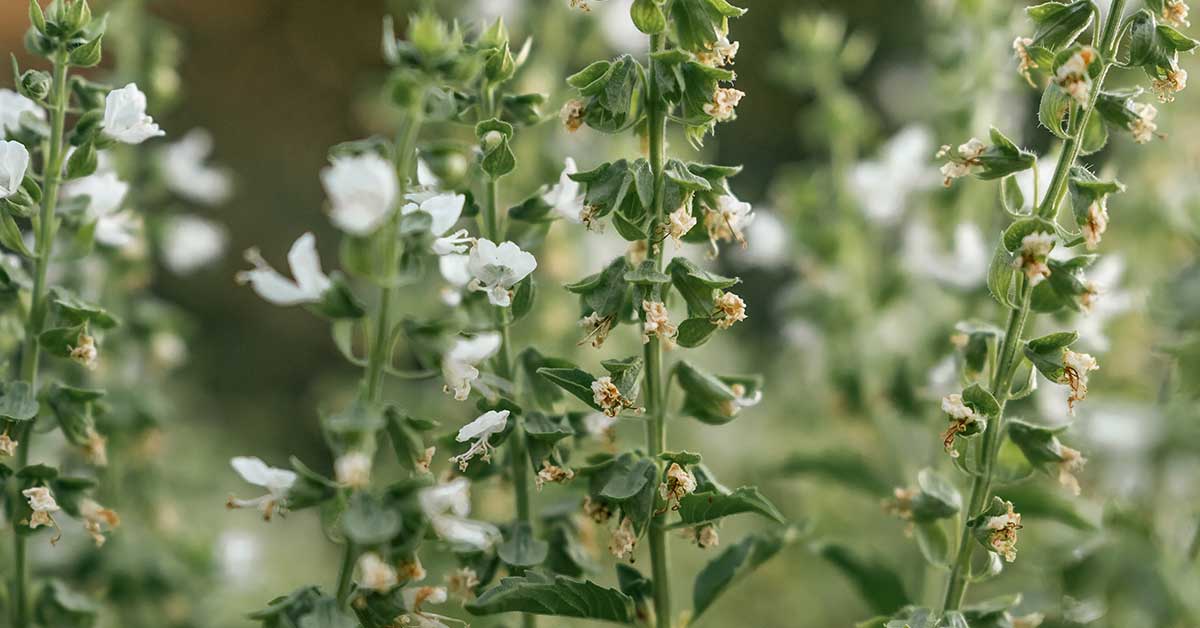

Basil is one of those plants that most of us grow for its fragrant, flavorful leaves, and for good reason—there’s nothing quite like tossing fresh basil into a sauce or a salad. But here’s the thing that often gets overlooked: basil’s flowers are just as valuable as its leaves, and letting your basil bloom can bring unexpected rewards to your garden and beyond. Too many gardeners snip off every flower spike as soon as they see it, not realizing they’re missing out on pollinators, seeds, and even unique culinary uses. I’ve learned over the years that saving basil blooms can transform your garden into a buzzing, fragrant haven!
Basil originated in tropical regions of Africa and Asia, especially India, where it has been cultivated for thousands of years. It’s not considered invasive in most temperate gardens since frost takes it down, but in warm climates it can reseed itself readily. The blooms hold the plant’s continuation and charm, and when you save them, you’re honoring basil’s natural life cycle. So instead of viewing those flower spikes as a nuisance, let’s explore why they deserve a spot in your garden care routine.
Attracting Beneficial Pollinators
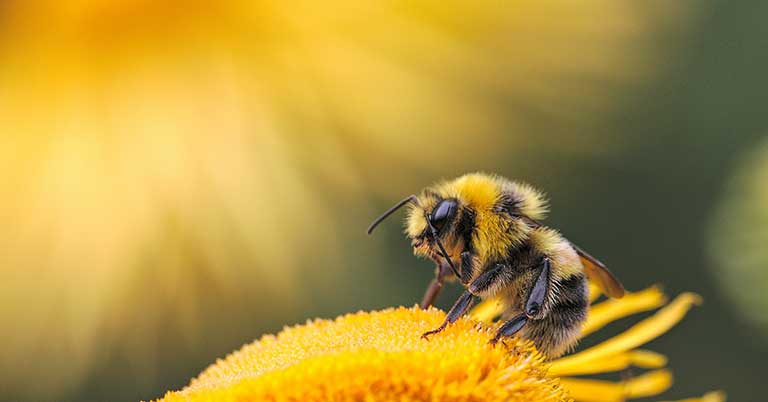
Basil blooms are magnets for pollinators like bees, butterflies, and even hummingbirds. When I let my basil flower, I can see the garden practically come alive with buzzing activity. These insects aren’t just collecting nectar; they’re also helping pollinate nearby vegetables and fruits, giving your whole garden a boost.
Pollinators are essential partners in the garden, and basil provides them with a late-season nectar source when other flowers may be fading. By leaving the blooms, you’re creating a bridge that supports biodiversity and encourages natural cycles. If you’ve ever struggled with low yields on crops like squash or cucumbers, planting basil and letting it flower nearby could actually help solve that problem!
Harvesting Seeds for Next Year

One of the best reasons to save basil blooms is that they eventually turn into seeds you can collect and plant. I love gathering seeds from my healthiest plants and saving them for the next growing season—it feels like carrying a piece of summer forward. Basil seeds are tiny but plentiful, and a single flowering spike can provide dozens of plants for the following year.
Basil is an annual in most regions, so it relies on reseeding to continue. By saving your blooms, you’re practicing a sustainable, low-cost way to keep basil in your garden year after year. Plus, seeds from plants that thrived in your specific garden conditions are more likely to be adapted to your soil and climate, giving you sturdier seedlings next season.
Providing Food for Native Insects
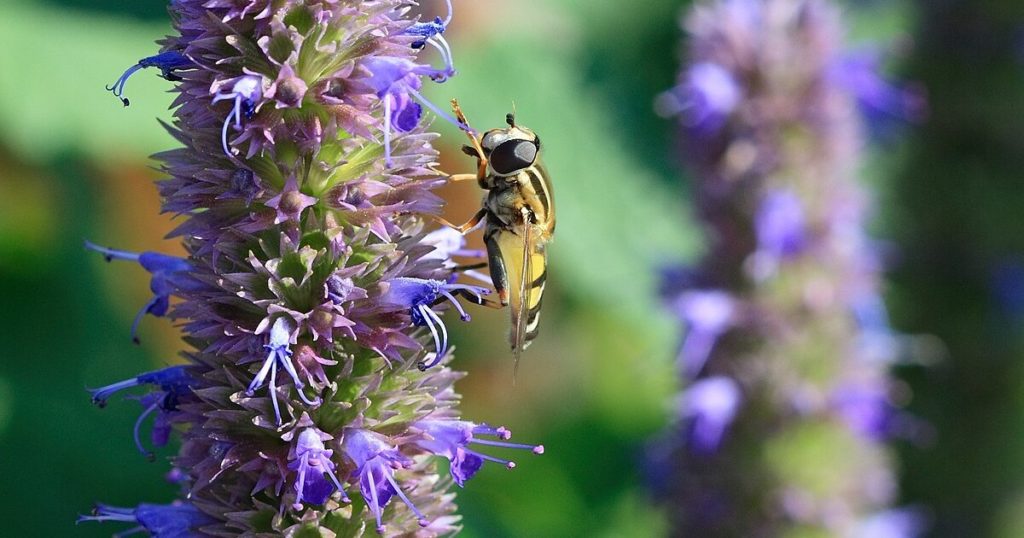
Beyond the usual honeybees and butterflies, basil blooms also feed lesser-known native pollinators like sweat bees, hoverflies, and solitary wasps. These tiny helpers are often overlooked but play a critical role in pest control and pollination. Leaving basil blooms creates a sanctuary where these creatures can thrive.
Native pollinators often prefer smaller, clustered flowers, which basil produces in abundance. Watching these insects at work is one of my favorite garden joys—it’s fascinating to see how such small creatures keep everything in balance. Saving basil blooms not only supports your plants but helps restore local ecosystems that depend on diverse nectar sources.
Extending the Garden’s Color and Texture

Basil flowers aren’t showy like roses or dahlias, but they bring a delicate charm to the garden with their spikes of white, pink, or purple blooms. These soft clusters add texture and contrast, especially when paired with other herbs or flowering vegetables. I love how the flowers catch the light in late afternoon—it’s a subtle beauty that enhances the whole garden.
In a landscape where herbs are often grown just for practicality, basil’s blooms remind us that even the simplest plants can double as ornamentals. The flowers not only look lovely in the garden but can also be cut and used in small bouquets. They have a whimsical quality that makes them delightful additions to indoor arrangements.
Culinary Uses of the Flowers
Did you know that basil flowers are edible? Their flavor is milder than the leaves but still distinctly basil, making them perfect for garnishing salads, soups, or even cocktails. I’ve sprinkled basil blossoms over pasta dishes, and the effect is both beautiful and delicious!
The blooms can also be steeped into oils, vinegars, or syrups for a more subtle infusion of flavor. This opens up new creative possibilities in the kitchen, turning a simple garnish into a conversation piece at dinner. Saving basil blooms gives you a culinary tool you might never have considered using before.
Supporting Bird Populations

As basil flowers go to seed, small birds may come to snack on them, especially finches. Allowing your basil to bloom and set seed is a small but meaningful way to provide food for wildlife. Birds not only enjoy the seeds but also help spread them naturally around your garden.
Bird activity can also reduce pest problems, as they often pick insects off plants while visiting. Creating a garden that attracts birds adds another layer of life and energy, and basil blooms play their part in that balance. Plus, watching birds flutter among your herbs is simply delightful!
Creating Natural Pest Deterrents
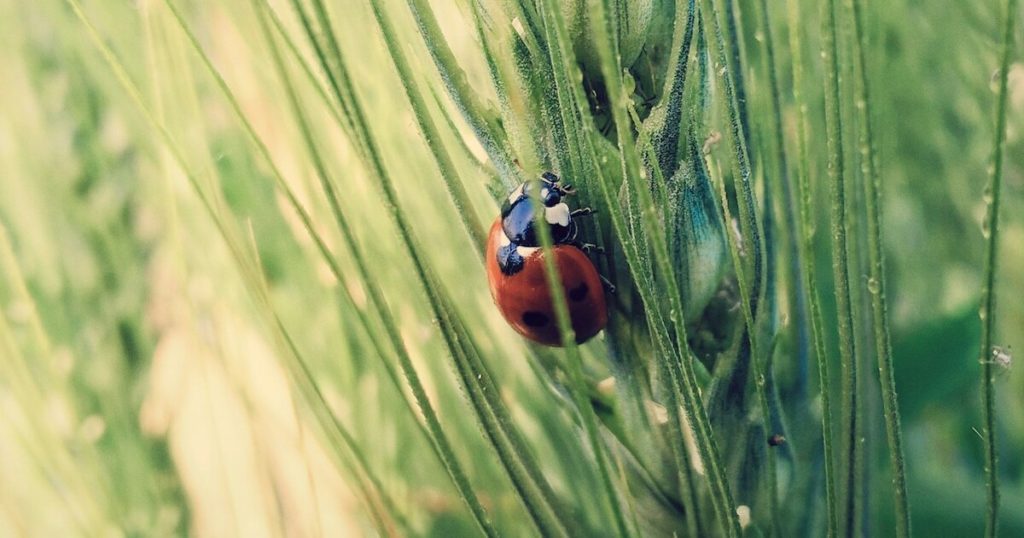
Believe it or not, basil flowers can help deter pests. Their strong fragrance, especially when blooming, confuses harmful insects and discourages them from settling on nearby vegetables. At the same time, the flowers attract beneficial predatory insects like ladybugs and lacewings that feast on aphids and other pests.
This natural pest control method reduces the need for chemical sprays and supports a healthier garden ecosystem. Saving your basil blooms is like setting up a natural defense system around your plants. It’s amazing how one little flower spike can make such a big difference in keeping your garden balanced!
Adding to Your Herbal Remedies

Basil flowers have long been used in traditional remedies, particularly in teas. They’re said to have calming and digestive benefits, similar to the leaves but often gentler in effect. I’ve enjoyed steeping basil blossoms in hot water to make a soothing evening tea, especially during stressful times.
Using the blooms for herbal remedies connects us to basil’s deep cultural roots. In India, holy basil (tulsi) is revered for its medicinal properties, and its flowers are considered sacred. By saving your basil blooms, you’re not only preserving the plant but also tapping into centuries of tradition that valued the whole herb, flowers included.