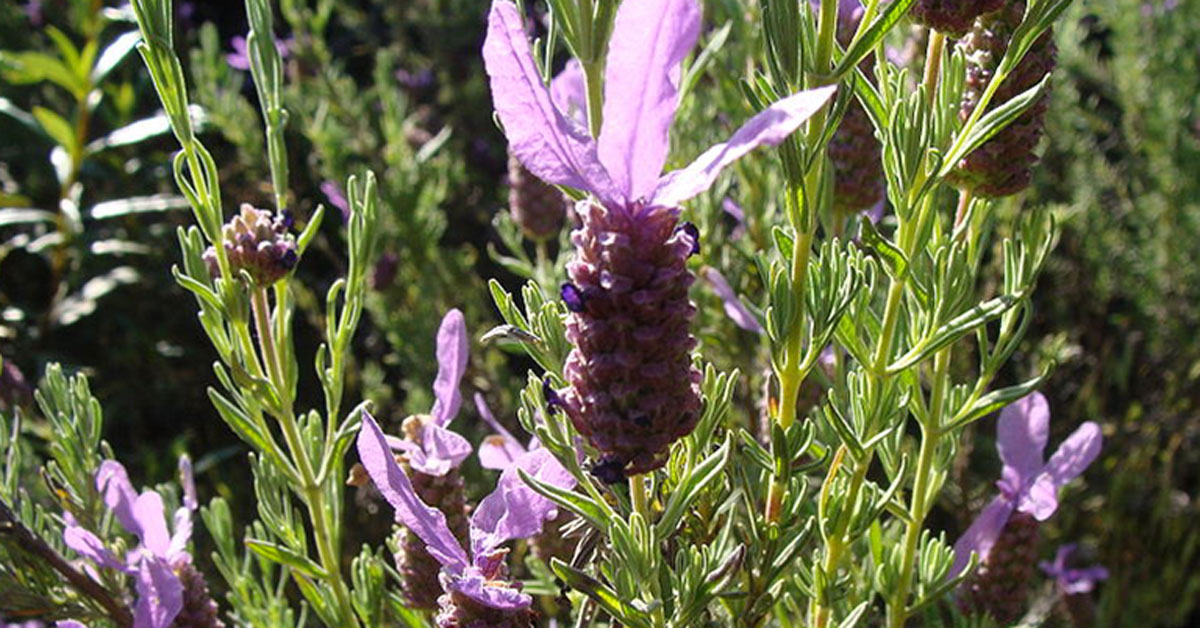

Lavender is one of those plants that seems to carry the very essence of summer in its blooms, yet it needs a little bit of thoughtful care before the cooler days roll in. As someone who has tended lavender for years, I can tell you that what you do in late summer and early fall will make all the difference for how this plant greets the next growing season. Neglecting these steps can leave your lavender vulnerable to frost damage, pests, or simply becoming woody and unproductive. And I get it—fall is busy! But giving your lavender just a bit of attention now is like tucking it in for a restful winter nap.
Lavender has a fascinating history, native to the Mediterranean where it thrives in rocky, sun-drenched soils. It’s not considered invasive in most areas, though in places with very mild winters it can self-seed more freely. This plant rewards us with its fragrant blossoms that not only attract bees and butterflies but also provide shelter for tiny beneficial insects that overwinter in the dry stems. Preparing lavender for fall isn’t just about keeping it alive; it’s about creating the conditions where it can bloom even more beautifully the following year. Let’s dig into the specific things your lavender needs right now!
Prune Wisely but Not Harshly
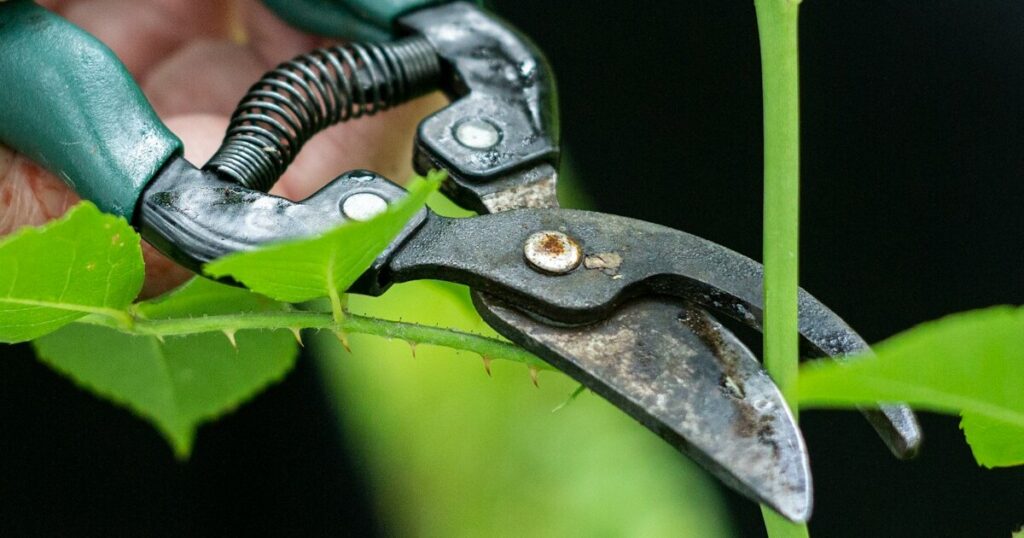
Lavender pruning is one of the trickiest tasks gardeners face because cutting too much can kill the plant, but cutting too little leaves it woody and tired. Before fall, it’s best to give lavender a light shaping trim, removing spent flower stems and tidying the shape, but never cutting into the woody base. This encourages new growth before dormancy while protecting its structural health.
In its native Mediterranean, lavender is naturally sheared back by grazing animals and wind exposure, which keeps it from becoming leggy. In the garden, we mimic this with gentle pruning. Leaving some structure intact allows beneficial insects like ladybugs to nestle in for the colder months. Plus, shaping it now helps your plant resist snow damage, since overgrown branches tend to split under heavy weight.
Provide Good Drainage Before Rains Arrive
Lavender despises wet feet! One of the best fall tasks you can do is ensure your plant is sitting in soil that drains quickly. If your garden gets soggy during fall rains, consider lifting your lavender and replanting it in a raised bed or amending the soil with grit and sand.
Since it hails from rocky Mediterranean hillsides, lavender is not accustomed to heavy clay soils that hold water. If left in damp soil, roots may rot through winter, undoing all your hard work from the summer. By ensuring drainage now, you’re not only preventing root rot but also encouraging the plant to develop a healthy, deep root system that anchors it securely through wind and frost.
Mulch Carefully Around the Base
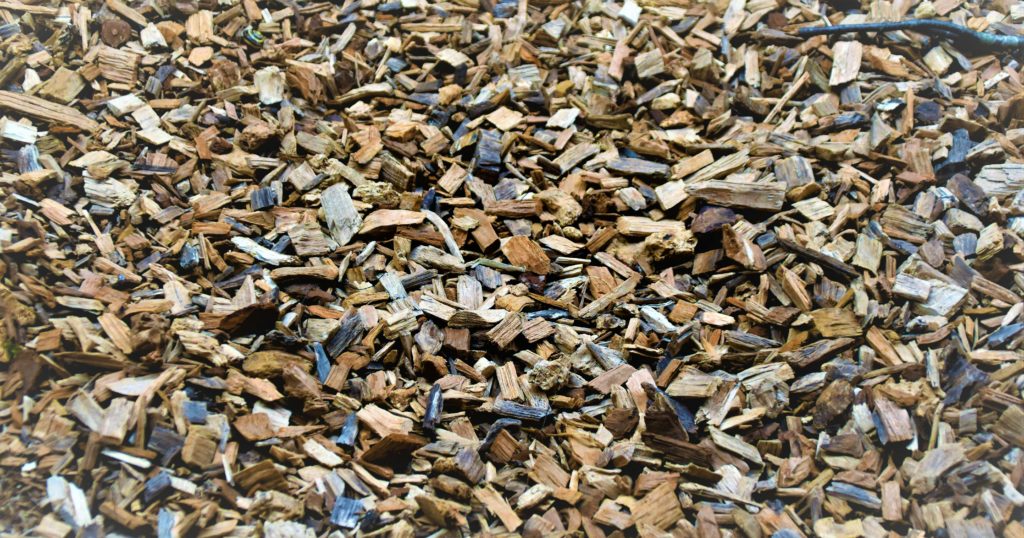
Many gardeners instinctively pile mulch around perennials for winter, but lavender has special needs. Instead of mulching tightly at the crown, spread a light layer of gravel or coarse sand around the base to keep the root zone aerated. This mimics its native growing conditions and reduces the risk of fungal issues.
The added bonus is that this gravel mulch reflects sunlight, helping to keep the soil a bit warmer and drier. It also provides a protective spot where solitary bees and other pollinators sometimes overwinter. Too much organic mulch can actually smother lavender and cause crown rot, so a lighter, airy approach is always better!
Reduce Watering Gradually
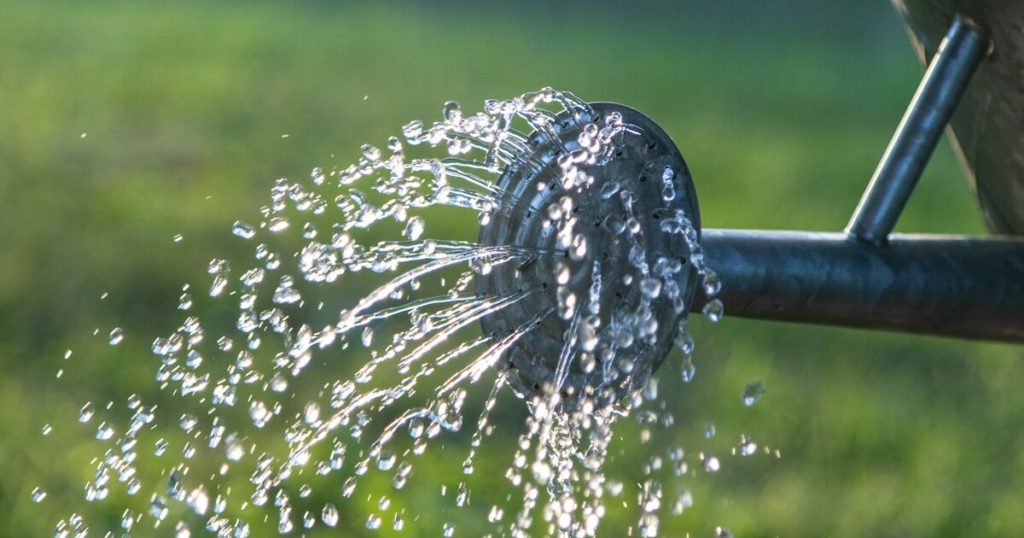
Lavender needs plenty of water while it’s actively growing, but as fall approaches, it’s time to cut back. Slowly taper your watering schedule so the plant begins to harden off before winter. This strengthens the roots and prevents soft new growth that would be vulnerable to frost.
In its natural climate, autumn brings drier weather, signaling the plant to prepare for dormancy. By replicating that in your garden, you align your lavender with its natural rhythms. Pollinators that have fed on it all summer will also benefit from the sturdier plant structure left standing, as they can shelter in the stems through cooler months.
Remove Weeds and Competition
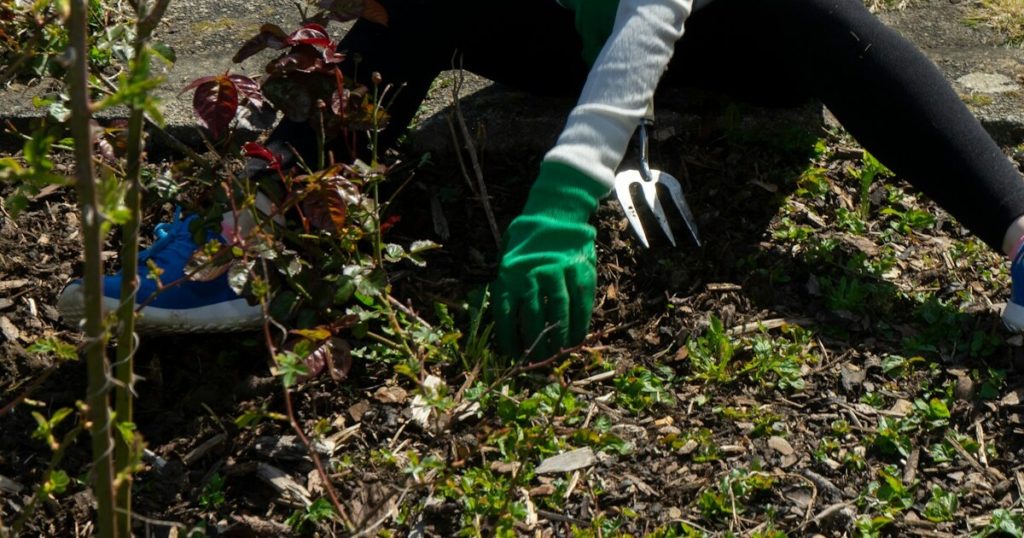
One of the simplest yet most overlooked tasks is keeping the area around lavender free from weeds and aggressive neighbors. Lavender thrives in low-fertility soils without much competition, and weeds not only rob it of nutrients but also increase moisture around the base.
If you’ve ever noticed lavender struggling despite full sun, competition is often the culprit. Clearing the base gives it breathing room, reduces fungal risk, and prevents pests like slugs from hiding in damp, weedy patches. This is especially important in fall, when extra moisture combined with crowded growth creates the perfect storm for plant stress.
Harvest the Remaining Blooms
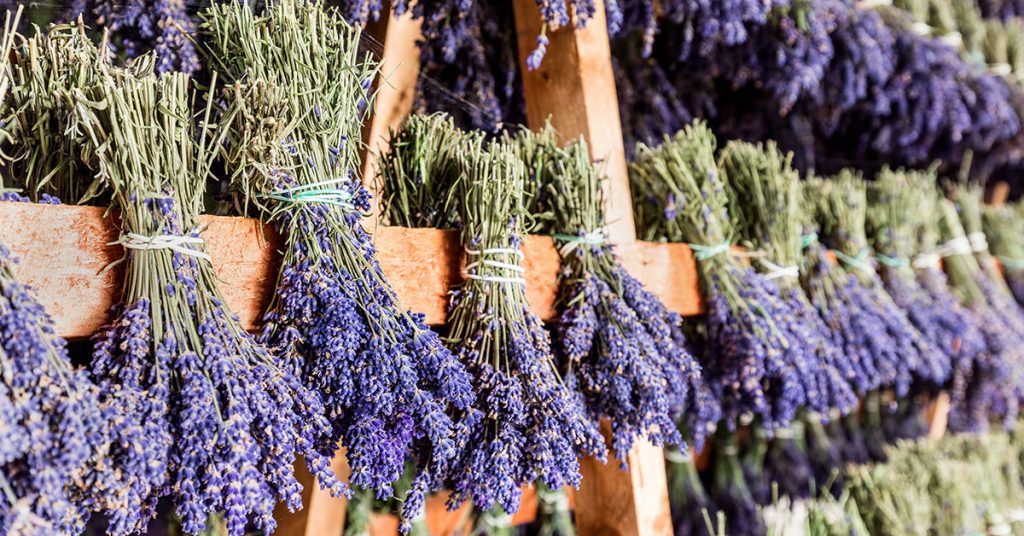
If your lavender still has a few flower spikes left, now’s the time to harvest them! Cutting these late-season blooms keeps the plant tidy and also provides you with fragrant bundles to dry for sachets or teas. It’s such a joy to carry lavender’s scent into winter months when the garden is quiet.
Harvesting also prevents the plant from putting energy into seed production, which is unnecessary for most gardeners. By taking the last flowers now, you’re ensuring the plant conserves resources for root growth before frost. Native pollinators like bumblebees may still visit these late blooms, so leave a few if you notice activity.
Protect from Harsh Winds
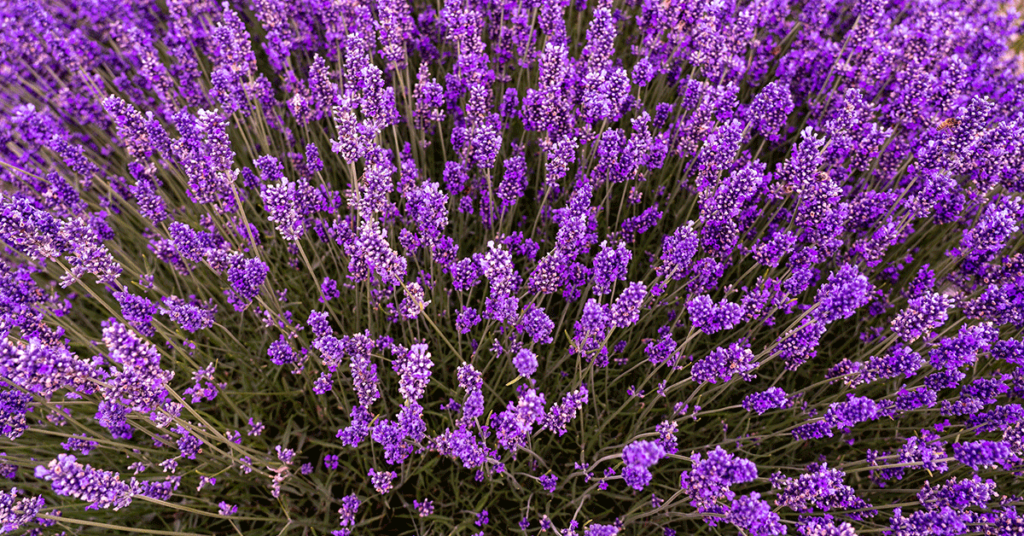
Wind can be just as damaging as frost for lavender. If your garden is exposed, consider placing a windbreak or planting lavender near a wall where it gets some shelter. Heavy winds dry out soil and can cause branches to snap, especially on mature plants.
In its homeland, lavender often grows in clumps that shelter each other, but a single garden plant may not have that luxury. Creating protection not only keeps the plant healthier but also provides small mammals and insects with a calmer microclimate, increasing biodiversity in your yard.
Test and Adjust Soil pH

Lavender thrives best in slightly alkaline soil, so fall is a good time to test your pH. If your soil leans acidic, adding a little lime can bring it closer to the plant’s preferred range of 6.5–7.5. This sets the stage for healthier growth when spring returns.
Lavender evolved in calcium-rich soils, which explains its dislike for acidic conditions. Adjusting pH before winter ensures nutrients will be available when the plant resumes growth. I’ve seen gardeners struggle with lavender for years simply because their soil was too acidic—correcting this one detail can make all the difference!
Divide or Transplant If Needed

Older lavender plants can become woody in the center, and sometimes it’s better to start fresh with divisions or transplants. Fall, when temperatures are cooler but the soil is still workable, is a great time to relocate young lavender or replace struggling plants.
This gives the roots a chance to settle in before frost without the stress of summer heat. If you’ve noticed your plant has outgrown its space or isn’t blooming as well, moving it to a sunnier, better-draining location may restore its vigor. Just remember that lavender doesn’t always transplant easily, so handle with care.
Provide Light Fertilization
While lavender doesn’t want rich soil, a light application of slow-release fertilizer in the fall can strengthen its root system. Choose something low in nitrogen but with balanced potassium and phosphorus to encourage sturdier growth and winter resilience.
In its Mediterranean origin, lavender survives in lean soils, but in our gardens it often benefits from a tiny boost. Too much fertility makes the plant floppy, but just enough helps it withstand winter. The stronger the root system you encourage now, the better it will burst into bloom next summer!
Leave Some Stems for Wildlife
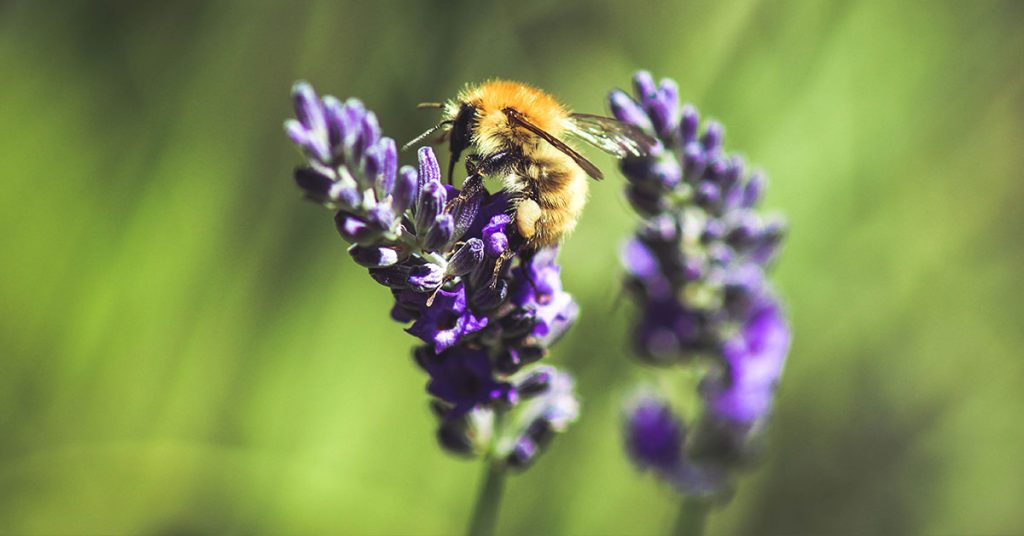
It’s tempting to cut lavender back to the ground, but leaving some stems standing can actually help your garden’s ecosystem. Hollow lavender stems provide nesting sites for solitary bees and shelter for ladybugs during the cold months.
By balancing tidiness with ecological value, you not only care for your plant but also contribute to the health of pollinators that will return to your flowers next year. It’s a small act that pays back in healthier blooms and a thriving insect community when the garden wakes up again.
Prepare Containers Differently
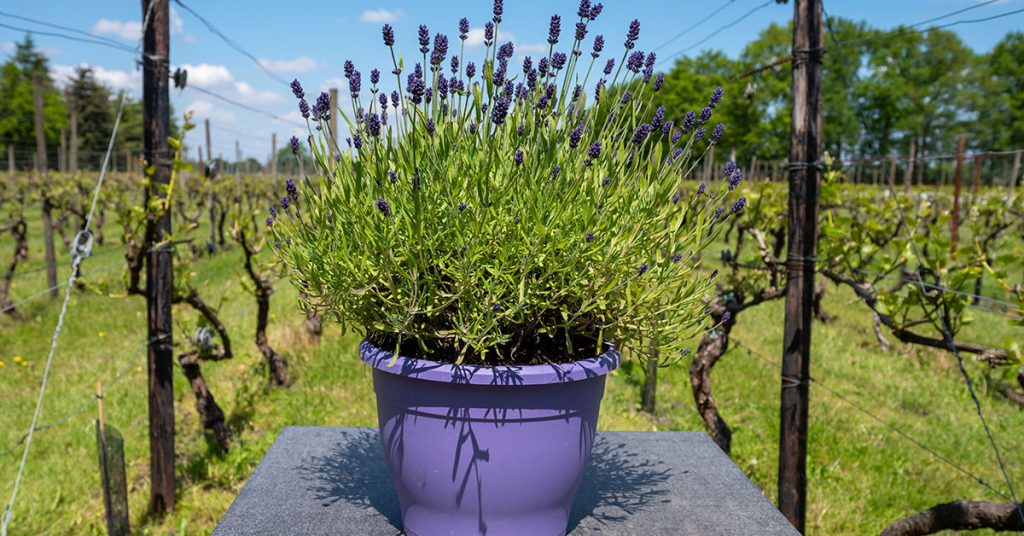
If you grow lavender in pots, fall preparation looks a little different. Container soil dries and freezes faster than garden soil, so either move pots to a sheltered location or insulate them with straw, burlap, or even burying the pot in the ground for winter.
Lavender in containers is more vulnerable to root stress, so this extra step really matters. I’ve learned the hard way that unprotected pots often freeze solid, killing even the hardiest lavender. By protecting containers, you’re giving your plants a fighting chance to survive and flourish once spring warmth returns.