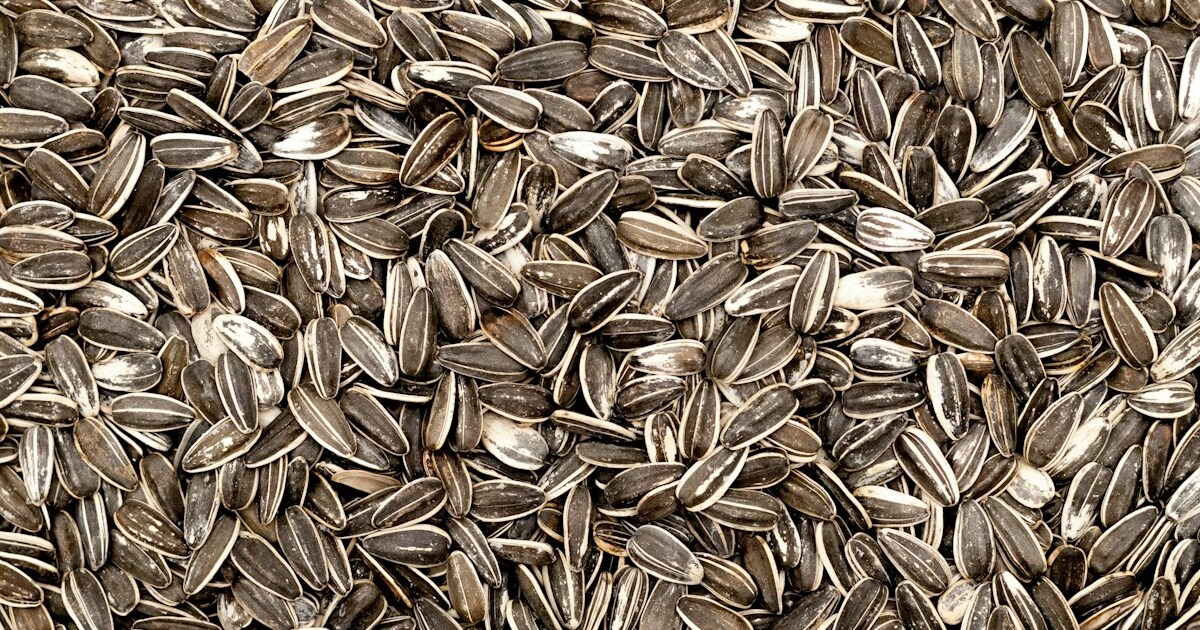

By late August, the garden feels like it’s in that sweet spot—lush from summer growth but also beginning to hint at the changes ahead. It’s a perfect time to start thinking about the next growing season, and one of the best ways to do that is by saving seeds. Not only does it save money, but it also allows you to keep growing plants that you already know thrive in your soil and climate. Plus, there’s something incredibly satisfying about closing the circle—planting seeds you harvested yourself feels like continuing a story you’ve been part of all along.
Seed saving is also a way to preserve plant genetics and local adaptation. When you collect seeds from plants that did particularly well in your yard—whether they resisted pests, tolerated drought, or produced spectacular blooms—you’re essentially creating your own custom seed stock. And if you’ve ever felt disappointed by store-bought seeds that didn’t quite match the description on the packet, you’ll appreciate the consistency and reliability of saving your own. Here are 14 plants that are perfect candidates for late August seed collection, each bringing its own charm to next year’s garden.
Zinnias
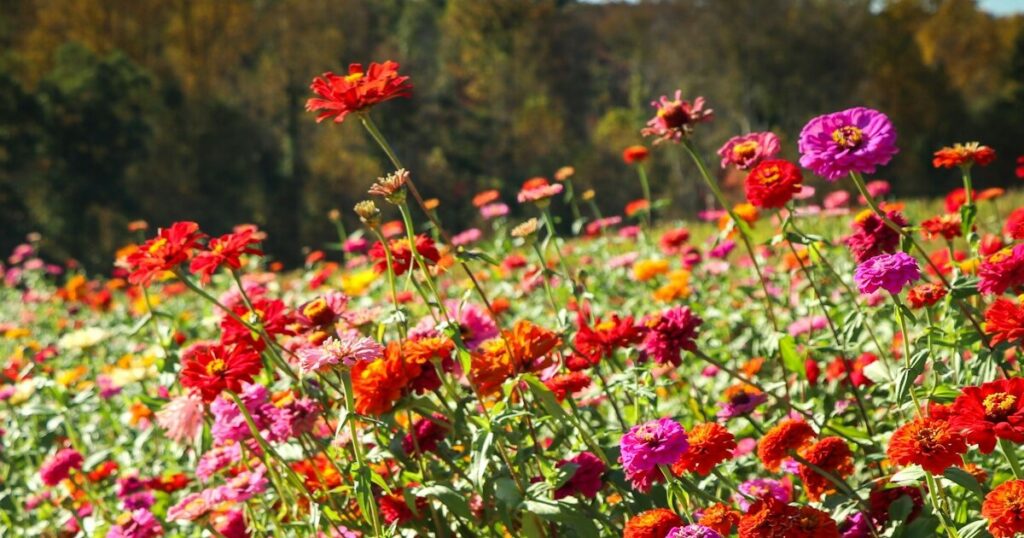
Zinnias, native to Mexico and Central America, are quick-growing annuals with brilliant blooms that keep pollinators buzzing right through summer. By late August, many flower heads will have faded and dried—exactly the stage you want for seed collection. Simply snip off the heads, dry them further in a warm, airy space, and then pull out the seeds from the papery petals.
Saving seeds from your healthiest plants means you’ll have zinnias adapted to your specific growing conditions. They’re not invasive, but they will self-seed lightly in warmer regions, which can be a pleasant surprise if you like a naturalized look.
Sunflowers
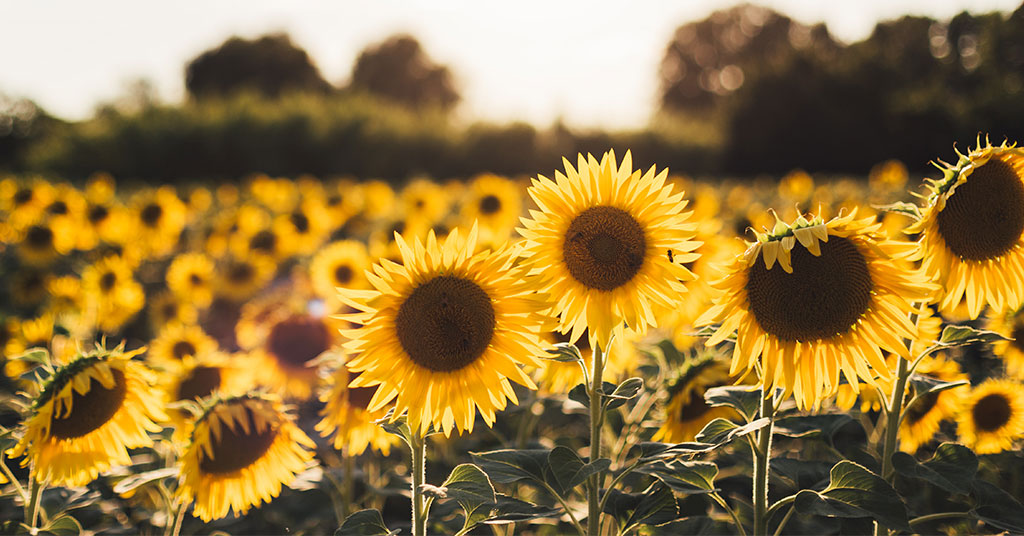
Sunflowers (Helianthus annuus), native to North America, are easy to collect seeds from once the heads start to droop and the backs turn yellow-brown. The seeds are ready when they’re plump and come away easily from the head.
Not only can you replant these next year, but you can also save some for snacking or feeding birds in winter. While they’re not considered invasive, dropped seeds can sprout freely the following year, so be ready to thin seedlings if you want more control.
Marigolds
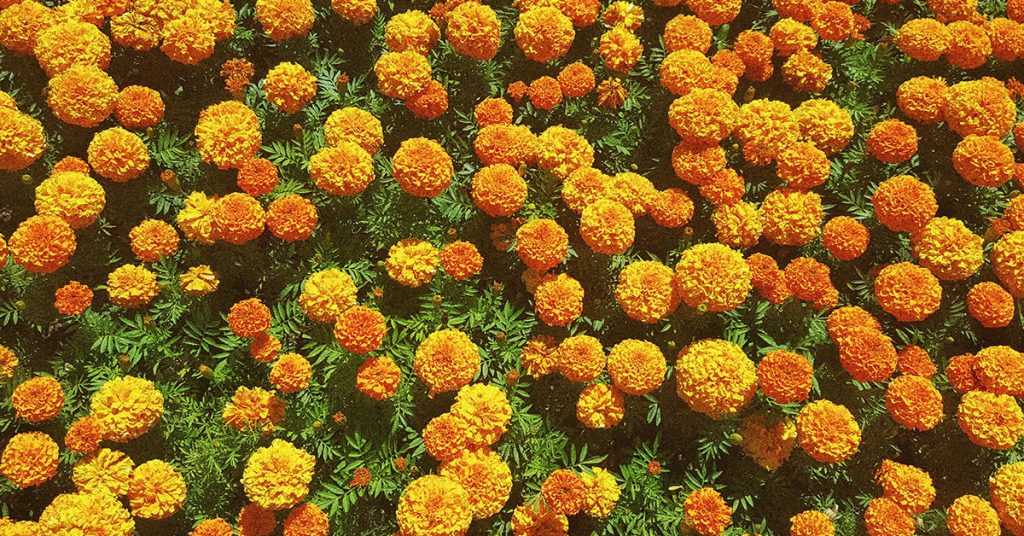
Marigolds, native to the Americas, are quick and generous bloomers that produce slender, dark seeds in the dried flower heads. By late August, you can collect plenty by simply pulling the seed clusters out of faded blooms.
They’re easy to store and germinate quickly the following season. Marigolds aren’t invasive, but they do self-seed in warmer zones, which can help fill garden gaps without any effort from you.
Cosmos
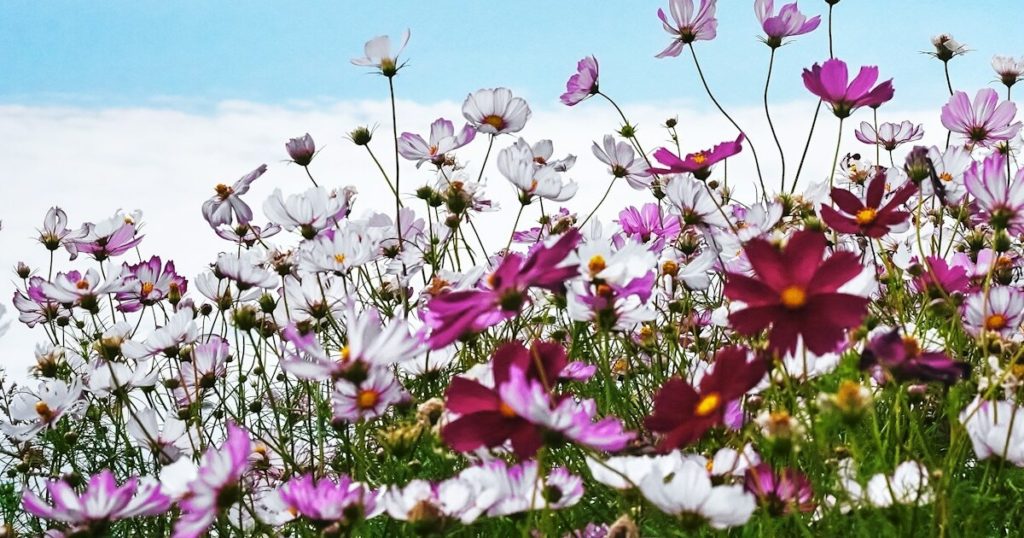
Cosmos, native to Mexico, are beloved for their airy foliage and daisy-like flowers. By late August, their dried seed heads will be packed with elongated seeds ready to harvest. Simply snip, shake, and store in a paper envelope.
They self-seed readily but aren’t considered invasive, and collecting seeds allows you to choose your favorite colors and forms for replanting. Pollinators, especially butterflies, will thank you for keeping them in the garden year after year.
Basil
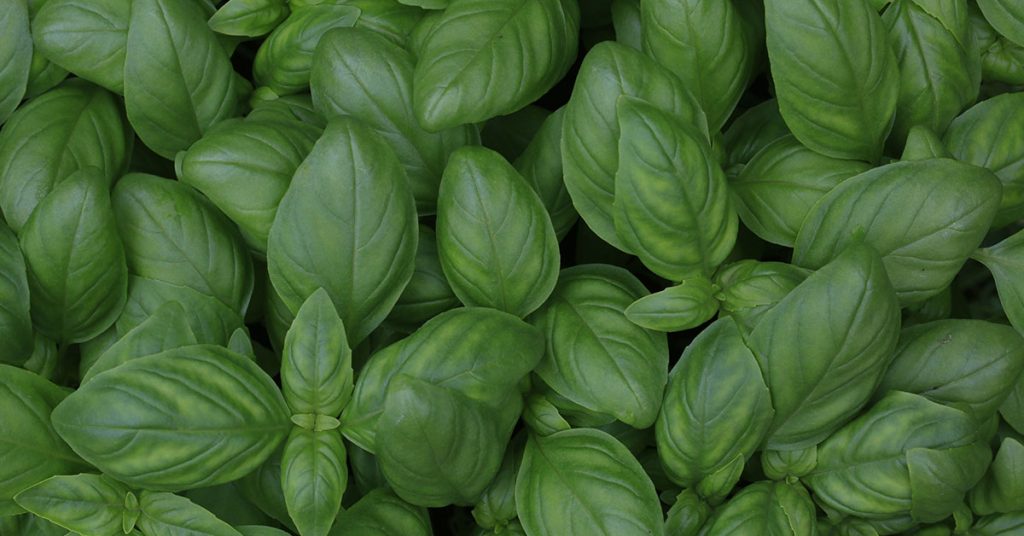
Basil, native to tropical Asia, goes to seed quickly in hot weather, and late August is often when you’ll find flower spikes drying on the plant. The tiny black seeds can be shaken out once the flowers are crisp and brown.
Saving basil seeds from plants that performed best in your conditions ensures vigorous growth next season. It’s not invasive, but in warm climates, it can self-seed enough to keep you in basil without much replanting.
Dill
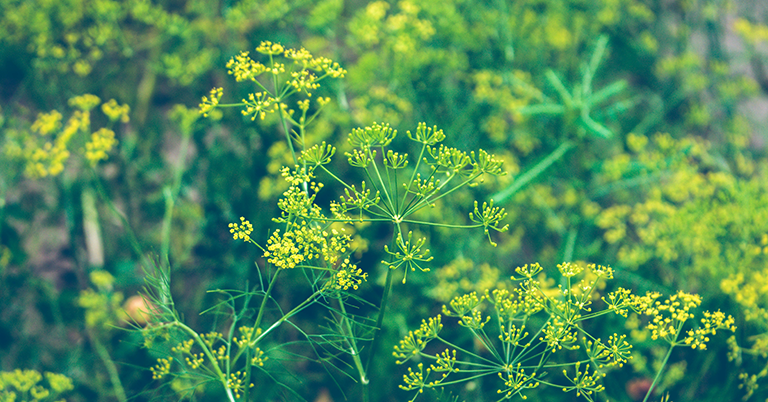
Dill, native to the Mediterranean and southwestern Asia, produces umbrella-like seed heads that dry beautifully in late summer. When the seeds turn brown, they’re ready to collect—just cut the whole head and place it upside-down in a paper bag to catch them.
Dill self-seeds freely but isn’t generally invasive, and saving your own ensures a steady supply for cooking and companion planting next year. It also continues to attract beneficial insects like lacewings and ladybugs.
Calendula

Calendula, or pot marigold, hails from southern Europe and produces uniquely curled, crescent-shaped seeds. By late August, these will be dry and ready to store.
Calendula self-seeds generously in many climates, though it’s not invasive. Saving seeds allows you to focus on plants with the brightest blooms or best disease resistance for your garden.
Nasturtiums

Nasturtiums, native to South and Central America, produce large, wrinkled seeds that are easy to spot and collect once the flowers fade. They can be gathered from both on the plant and the ground once they’ve dried.
They’re not invasive, but they will reseed readily if allowed. Saving seeds from particularly vigorous or colorful plants means you’ll enjoy the same qualities next year.
Coneflowers

Coneflowers (Echinacea), native to North America, produce spiky seed heads beloved by goldfinches. If you can beat the birds to them, harvest when the heads are dry and the seeds are firm.
They’re perennials that return each year, but saving seeds allows you to start new patches or share with friends. They’re not invasive and play an important role in pollinator support.
Lettuce
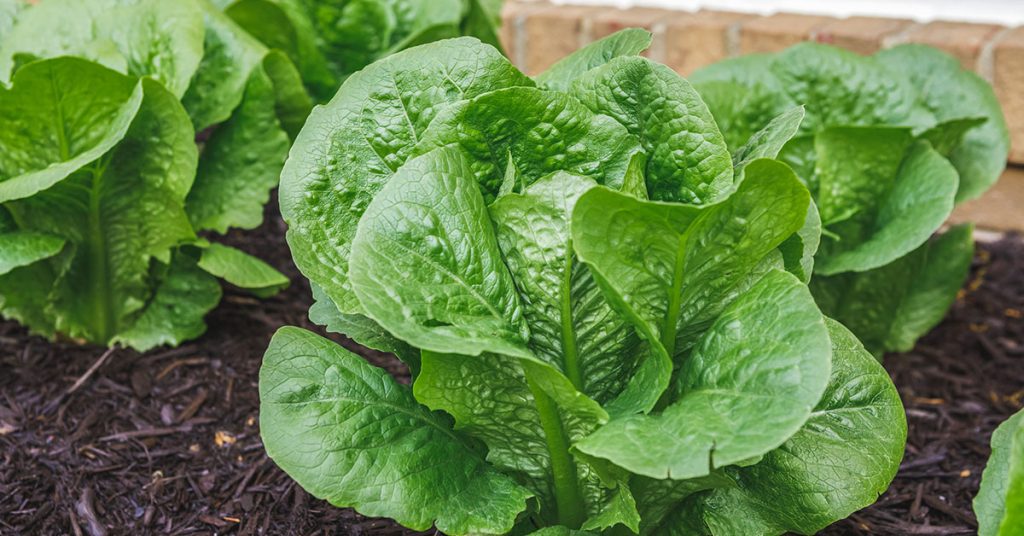
Lettuce, native to the Mediterranean, bolts quickly in heat, sending up tall flower stalks. By late August, seed heads will be fluffy and ready for harvest.
Saving seeds from lettuce that tolerated heat well can give you more bolt-resistant plants next year. It’s not invasive, though in mild climates, it may self-seed modestly.
Peas

Peas, native to western Asia, will have pods drying on the vine by late summer if you’ve left some unharvested. The seeds inside should be hard and rattle when shaken.
Saving your own pea seeds allows you to keep heirloom varieties going and adapt them to your garden’s soil. They’re not invasive but can sprout voluntarily if pods drop and conditions are right.
Beans
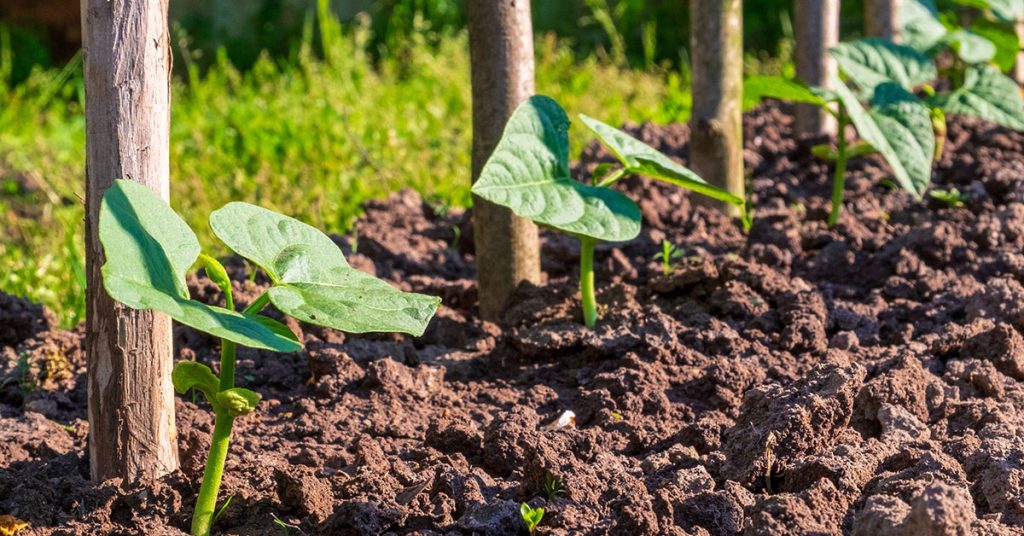
Beans, native to the Americas, dry well on the vine by late August in warm climates. Harvest when pods are brittle and the seeds inside are firm.
They’re easy to store and germinate, and saving seeds from your strongest plants encourages good yields next year. Beans aren’t invasive, though a few volunteers may appear from missed pods.
Cilantro
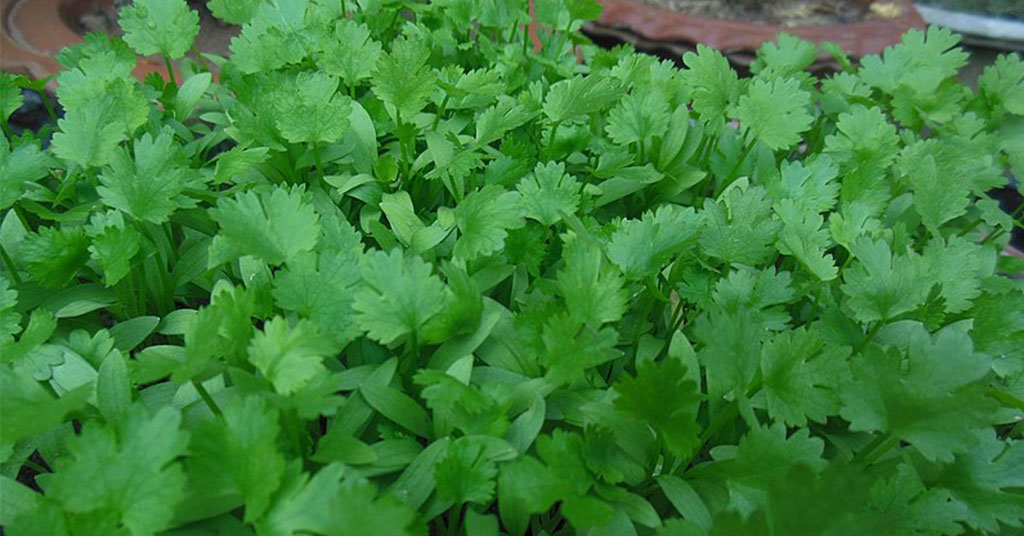
Cilantro, native to regions spanning southern Europe to southwestern Asia, produces round, fragrant seeds known as coriander. By late summer, these seeds will be dry and ready for harvest.
It self-seeds easily in many gardens, but saving your own ensures a steady supply even if volunteers don’t appear. You can also use the seeds in cooking, making them a double win.
Sweet Peas
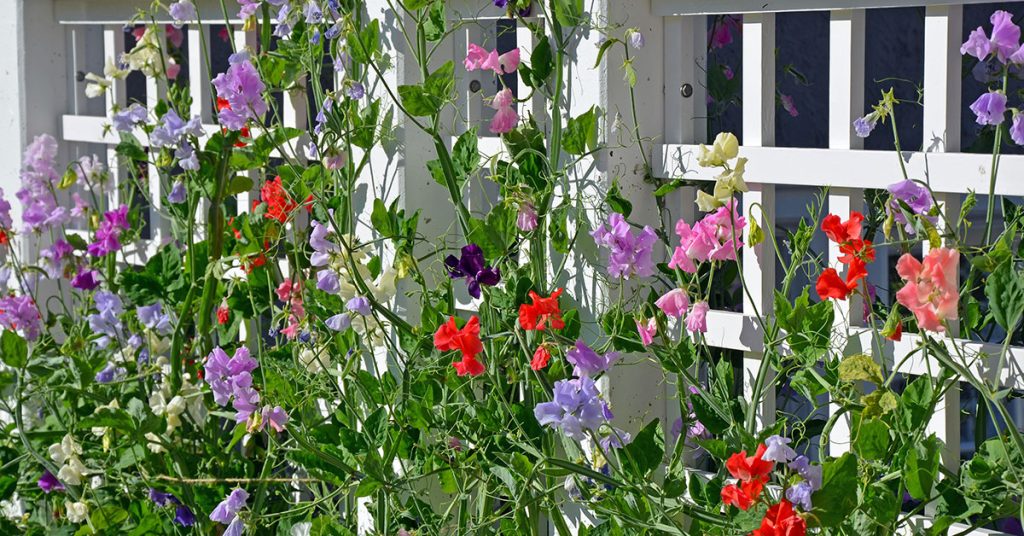
Sweet peas, native to Sicily, produce large, round seeds in drying pods. Harvest when pods are papery and seeds inside are hard.
Saving seeds from your favorite colors and fragrances lets you recreate the same beautiful display next spring. They’re not invasive, though in mild climates, they may self-sow lightly.