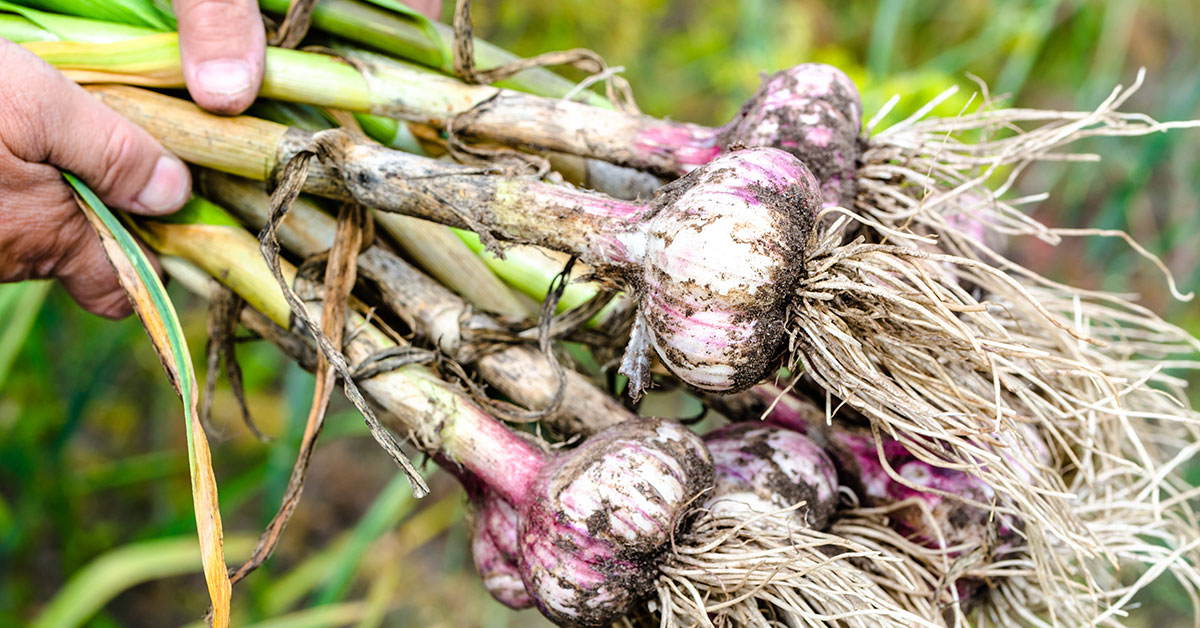

Garlic is one of those crops that rewards patience—you plant it months before you expect to harvest, and the anticipation makes pulling those fat, papery bulbs from the soil even more satisfying. While many gardeners plant garlic in fall for a mid-summer harvest, planting in August can give you a head start in areas with milder winters or longer growing seasons. It’s such a joy to have garlic maturing right when other summer crops are in full swing, letting you enjoy it fresh alongside tomatoes, basil, and zucchini.
Originating from Central Asia, garlic (Allium sativum) is a hardy perennial grown as an annual in most climates. It’s not invasive, but it does multiply steadily, so a few cloves can turn into a generous harvest with the right care. By giving it a solid foundation now, you’re ensuring those cloves have plenty of time to establish roots before winter, leading to bigger, healthier bulbs next summer. Here’s how to get the best results from your August garlic planting.
Choose the Right Variety for Your Climate
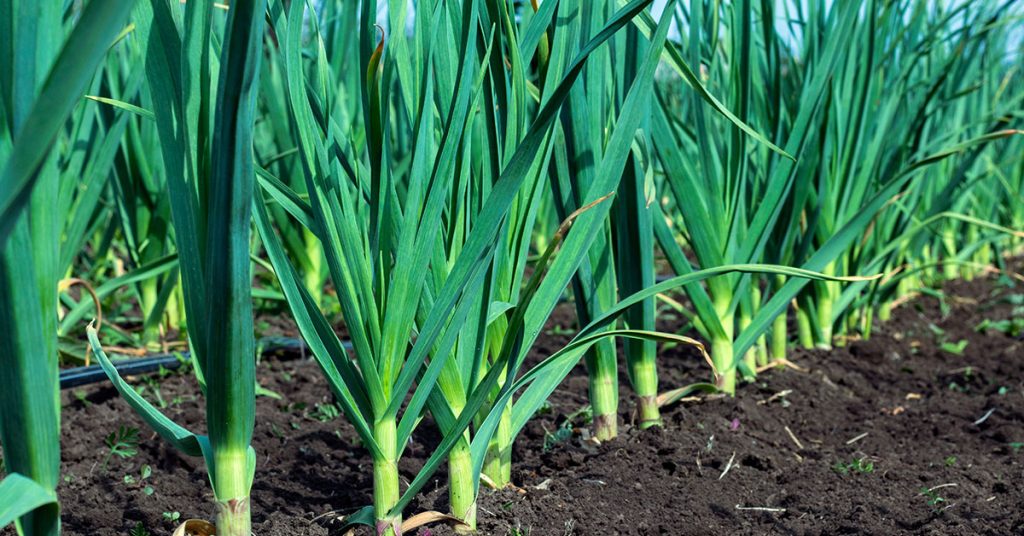
The first step to success is selecting a variety suited to your growing conditions. Hardneck garlic varieties, such as Rocambole and Purple Stripe, are better for cooler climates and produce those delicious scapes in spring. Softneck varieties, like Silverskin and Artichoke, thrive in warmer areas and store longer after harvest.
Knowing your frost dates and typical winter conditions will guide your choice. If you live in a region with mild winters, August planting gives garlic extra time to establish before cooler weather, which can lead to larger cloves at harvest time.
Prepare Well-Draining, Fertile Soil

Garlic hates soggy roots, so soil preparation is crucial. Aim for a loose, well-draining bed enriched with compost or well-aged manure. This improves both nutrient content and soil structure, helping garlic form healthy bulbs.
Test your soil’s pH and aim for a slightly acidic to neutral range (6.0–7.0). Good drainage not only promotes strong root growth but also helps prevent fungal diseases that can linger in damp conditions.
Plant in Full Sun

Garlic needs a sunny spot to thrive. Full sun exposure—at least 6–8 hours daily—ensures the plants develop robust leaves, which in turn feed the bulbs. Shady or partially shaded areas often result in smaller bulbs and weaker plants.
Positioning your garlic bed where it receives maximum light also helps dry the soil surface after rain or irrigation, reducing the risk of rot. Think of it as setting up a stage where garlic can perform at its best.
Select Large, Healthy Cloves

When it comes to planting garlic, size matters. Choose the biggest, healthiest cloves from your seed garlic (never from grocery store bulbs unless you know they’re untreated). Larger cloves generally produce larger bulbs, while small cloves often yield disappointing results.
Inspect each clove for firmness and a smooth, blemish-free surface. Discard any that are soft, moldy, or damaged to avoid introducing disease into your bed.
Space and Plant at the Right Depth
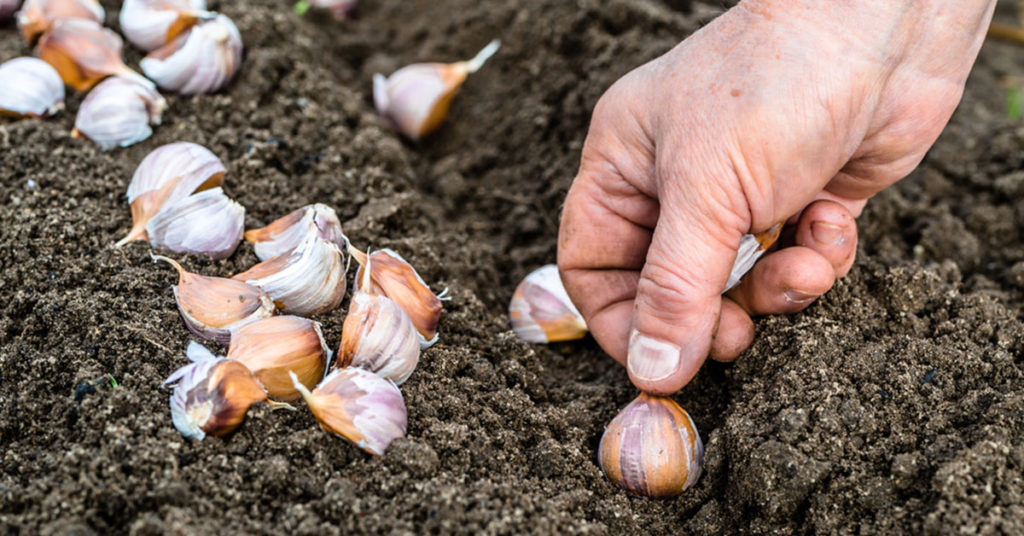
Proper spacing prevents overcrowding and encourages good air circulation. Plant cloves 4–6 inches apart in rows spaced about 12 inches apart. The pointed end should face up, with the clove planted about 2 inches deep.
Adequate spacing also allows garlic to access nutrients evenly, producing bulbs with well-formed cloves. Planting too shallow can expose cloves to temperature swings, while planting too deep can delay sprouting.
Water to Establish Roots
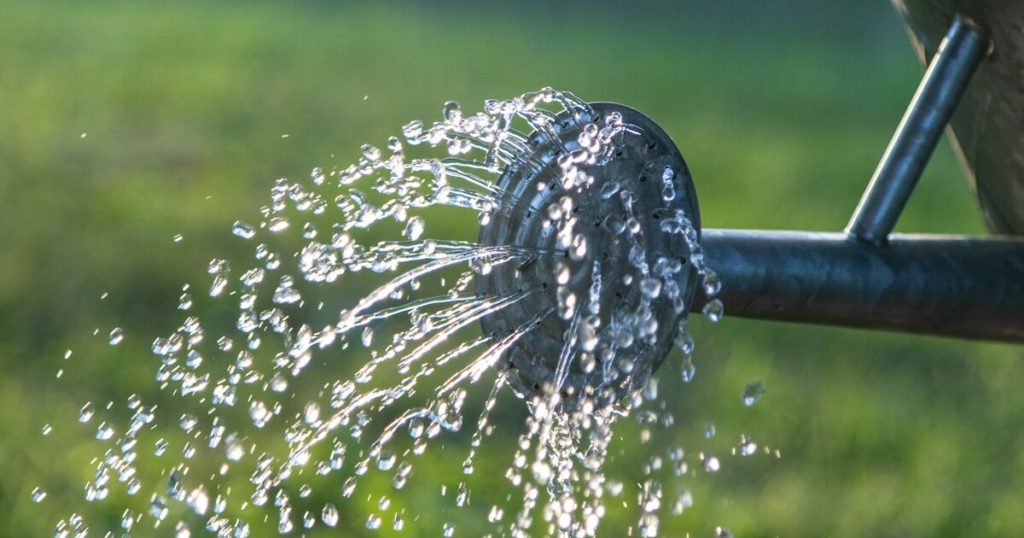
Right after planting, give your garlic bed a deep watering to settle the soil around the cloves. In the weeks that follow, keep the soil consistently moist—but not waterlogged—to encourage strong root growth.
Once established, garlic prefers evenly moist soil. Overwatering in cooler months can lead to rot, so adjust your schedule based on rainfall and soil conditions.
Apply a Mulch Layer
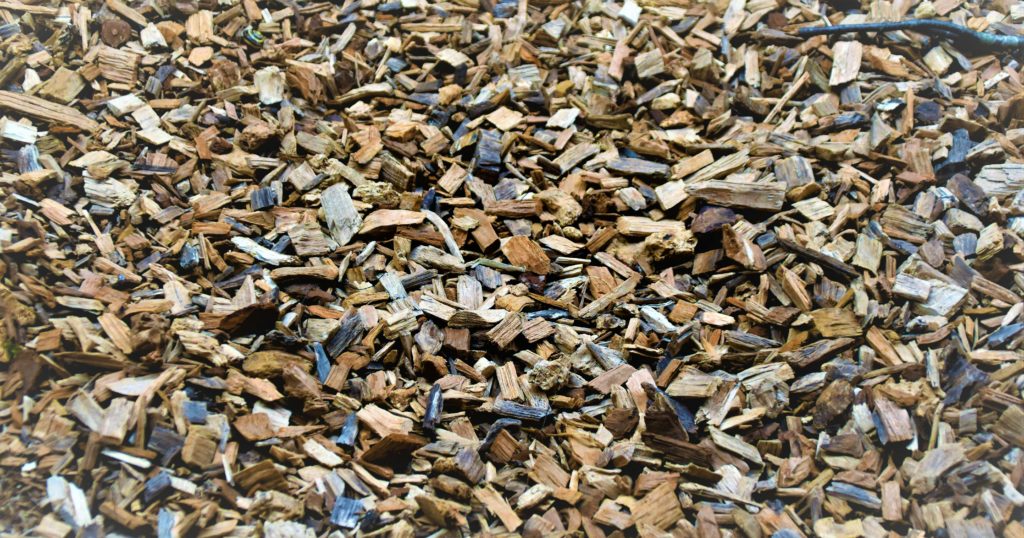
Mulching with straw, shredded leaves, or pine needles helps retain soil moisture, suppress weeds, and regulate temperature. In August, mulch also shields the soil from drying out during late-summer heat.
As temperatures cool, that same mulch will insulate the cloves, protecting them from sudden frosts and encouraging steady growth through winter.
Watch for Early Weeds
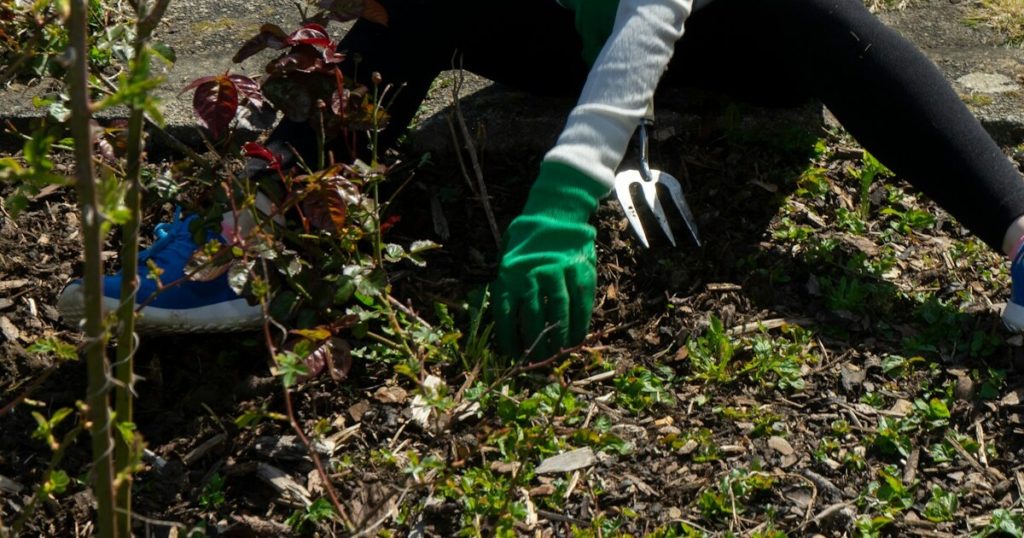
Garlic doesn’t like competition, and weeds can quickly steal nutrients and light from young shoots. Keep an eye on your bed during the first few weeks after planting, removing weeds by hand to avoid disturbing the cloves.
Maintaining a clean, weed-free bed early on makes it easier to keep up later in the season, when the garlic’s foliage will help shade the soil.
Fertilize Through the Growing Season
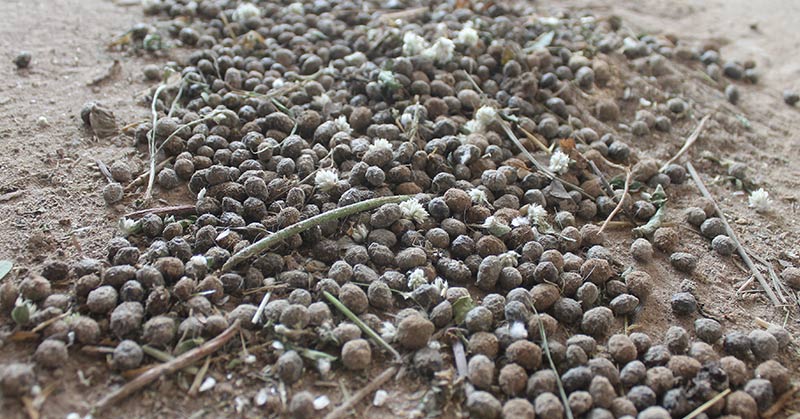
Garlic benefits from steady feeding, especially in its early stages. A balanced organic fertilizer applied at planting time can be followed by nitrogen-rich feeds in fall and early spring to promote leafy growth.
Healthy foliage means bigger bulbs come harvest time. Avoid over-fertilizing late in the season, as this can lead to excess leaf growth at the expense of bulb development.
Keep an Eye Out for Pests and Diseases

While garlic is naturally resistant to many pests, it’s not immune. Onion thrips, nematodes, and fungal diseases like white rot can still cause damage. Rotating your garlic crop to a new bed each year helps reduce these risks.
Regularly inspect leaves and bulbs for signs of trouble, and act quickly if you spot issues. Preventative care in the early months can save your harvest.
Plan for Succession Planting
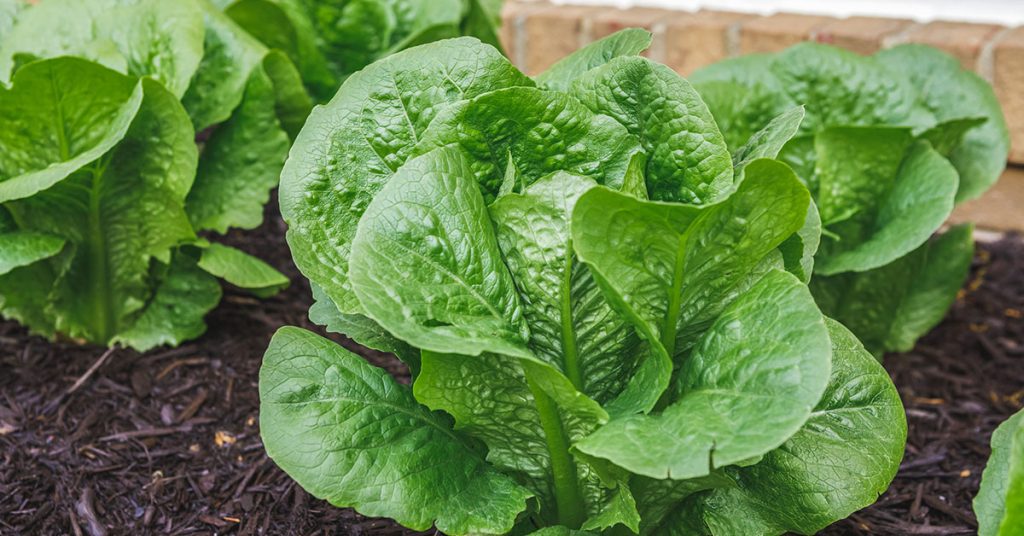
One of my favorite things about August garlic planting is how it opens up the possibility for succession planting. Once you harvest in summer, you’ll have that bed free for quick-growing crops like lettuce, radishes, or beans before fall.
By planning ahead, you can keep your garden producing almost year-round. Garlic is a long-term commitment, but the payoff—both in flavor and garden efficiency—is worth it.